




















For most Indian manufacturers and distributors, May through July marks the start of one or more demand peaks: summer beverages, seasonal FMCG promotions, and the lead-up to monsoon restocking. Packaging lines that run fine at 60 percent capacity begin to show every deferred maintenance issue and every process inefficiency when volume climbs to 90 or 100 percent.
Running this checklist before the surge is far less expensive than dealing with a machine breakdown or a line slowdown during your highest-volume week of the year.
1. Check All Machine Drive Belts and Chains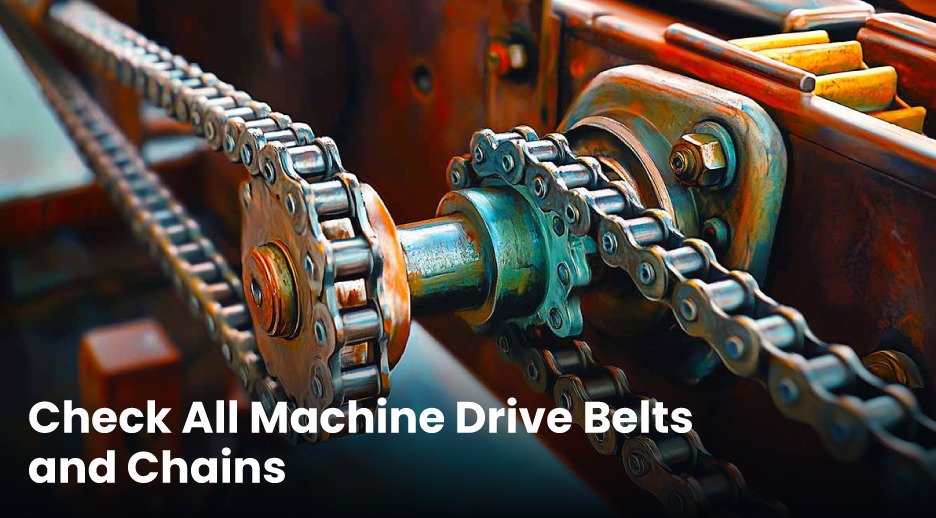
Conveyor belts, drive chains, and timing belts wear gradually and give little warning before failure. A belt that was borderline acceptable in March will likely fail under the increased workload of peak production. Replace any belt or chain showing visible wear, cracking, or elongation. The cost is negligible compared to a line stoppage.
2. Clean and Inspect All Photosensors and Proximity Switches
Sensors that detect product position, count packages, or trigger rejection mechanisms are the most common cause of unexplained machine stoppages. Dust, film residue, and label fragments accumulate on sensor lenses over time. Clean every sensor with a soft cloth and verify its detection distance against the machine's service specification.
3. Verify Rejection Mechanism on the Checkweigher and Metal Detector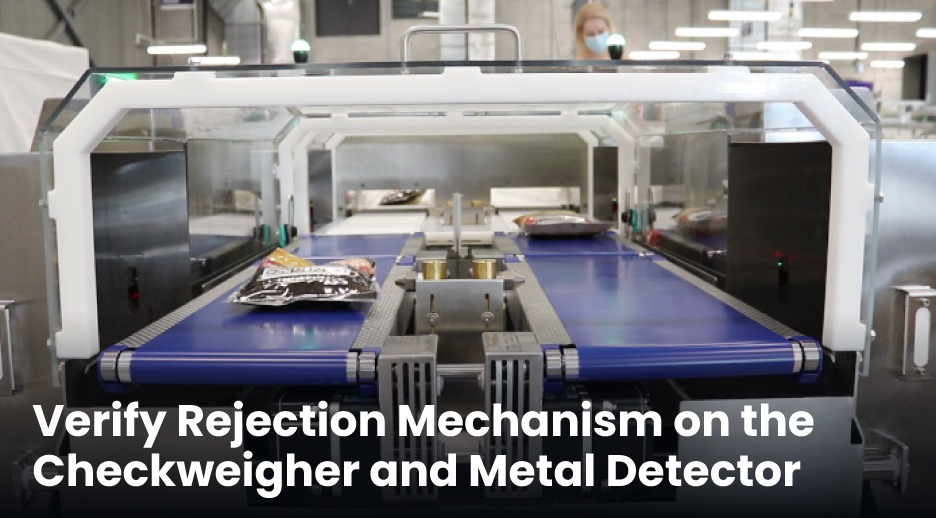
The rejection mechanism, air blast, pusher, or diverter, is the critical output of your quality control machines. If it fails, out-of-spec products reach customers. Test it manually with a known-reject item before peak season begins. Confirm that the reject bin is positioned correctly and that the rejected product actually falls into it.
4. Check Strap and Film Inventory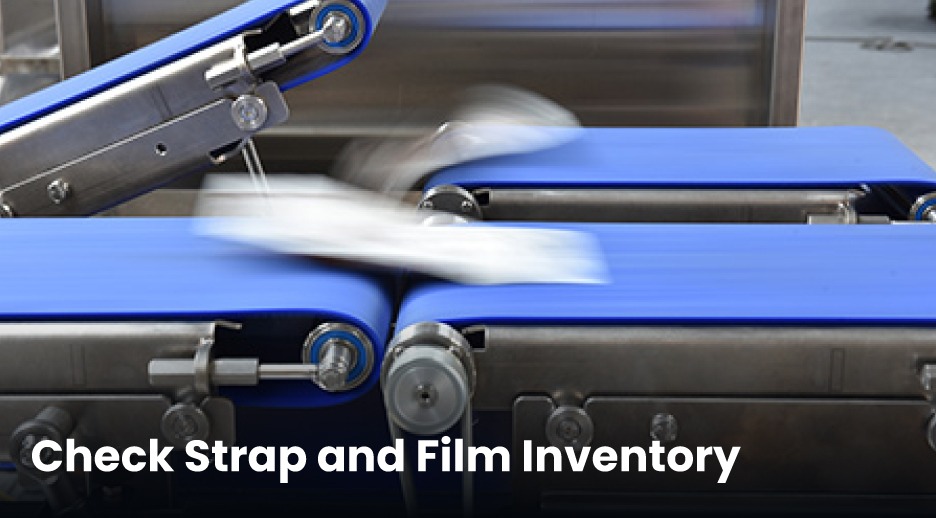
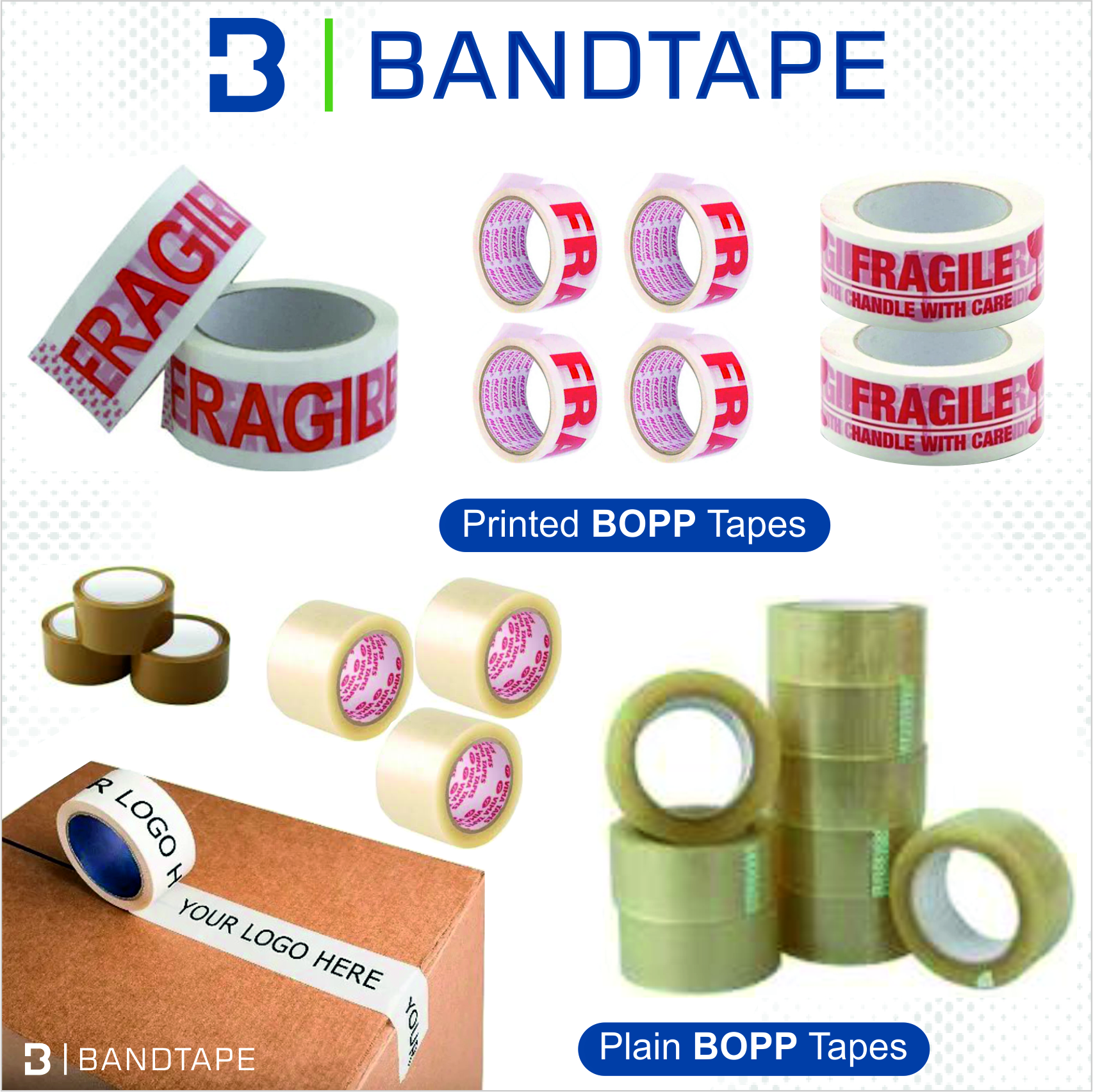
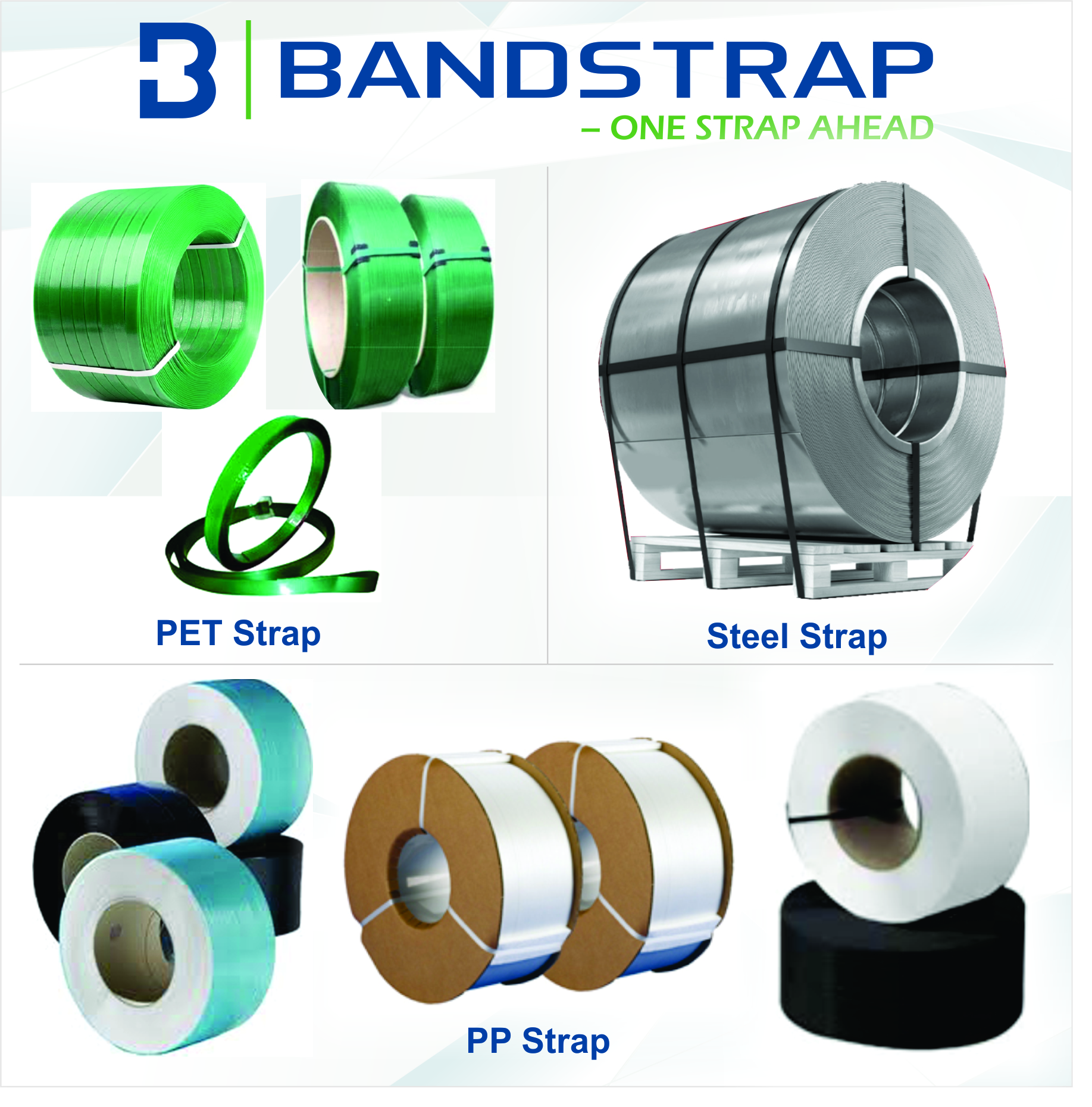
Running out of PP strap, stretch film, or packing tape during peak production is an entirely preventable disruption. Review your consumption rate at normal volumes, project it at peak volumes, and place stock orders to ensure at least two to three weeks of buffer inventory before the peak begins.
5. Lubricate All Specified Lubrication Points
Every machine has a lubrication schedule specified in its manual. In most packaging machinery, bearings, chain drives, and cam followers require lubrication every 250 to 500 operating hours. Check when lubrication was last performed and complete any overdue lubrication before peak volumes begin.
6. Run a Full-Speed Trial Run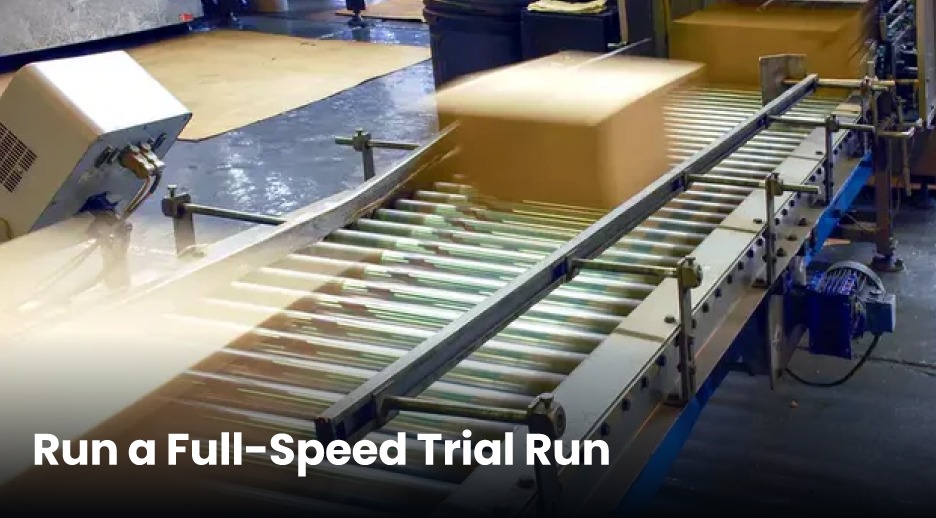
Before your peak season arrives, run your packaging line at projected peak speed for one full hour. Observe every step. Note where products back up, where operators struggle to keep pace, and where the line loses rhythm. The bottleneck you identify during this test run is where your pre-season investment should go.
7. Confirm After-Sales Support Contacts Are Current
If a machine fails during your peak week, how quickly can a technician reach your site? Confirm that you have current contact details for your equipment supplier's after-sales team and that you know the process for logging an urgent service request.
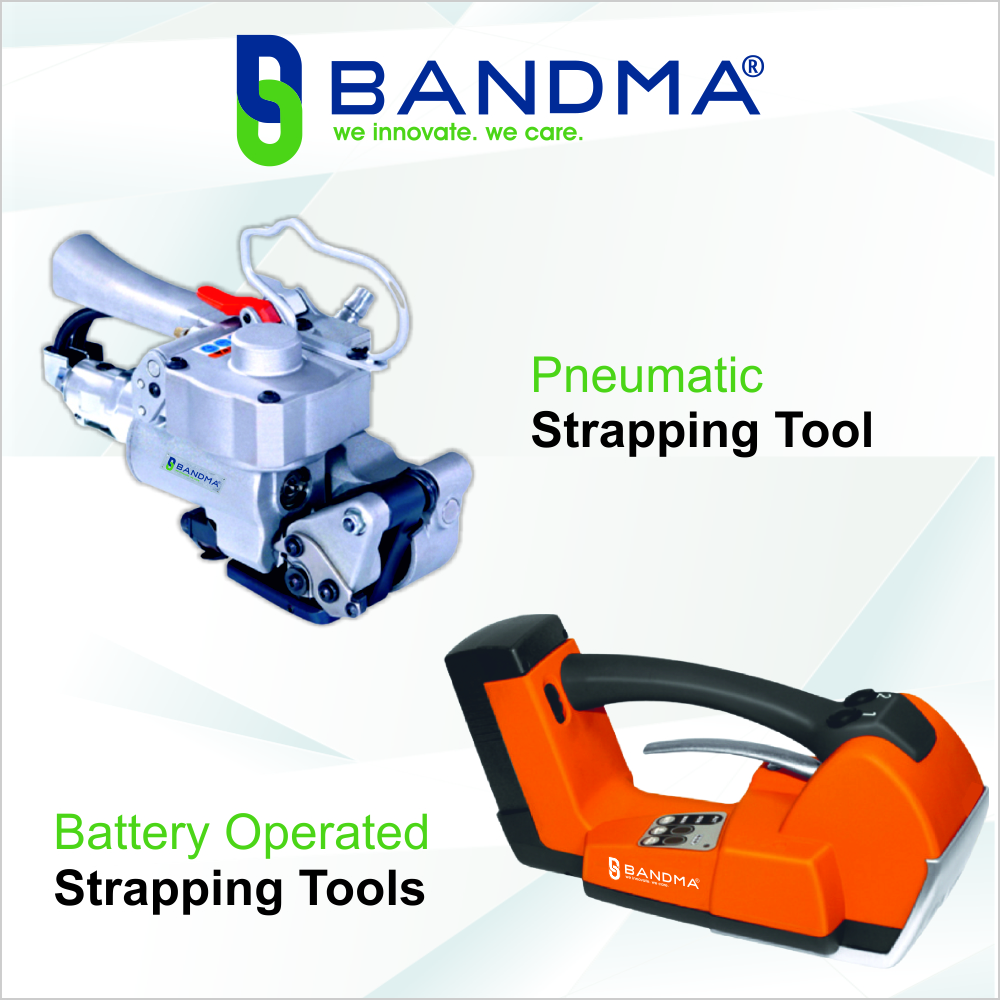
Bandma offers 24/7 after-sales support and maintains spare parts inventory for all Bandma machines. Contact us before peak season to schedule a preventive maintenance visit.