


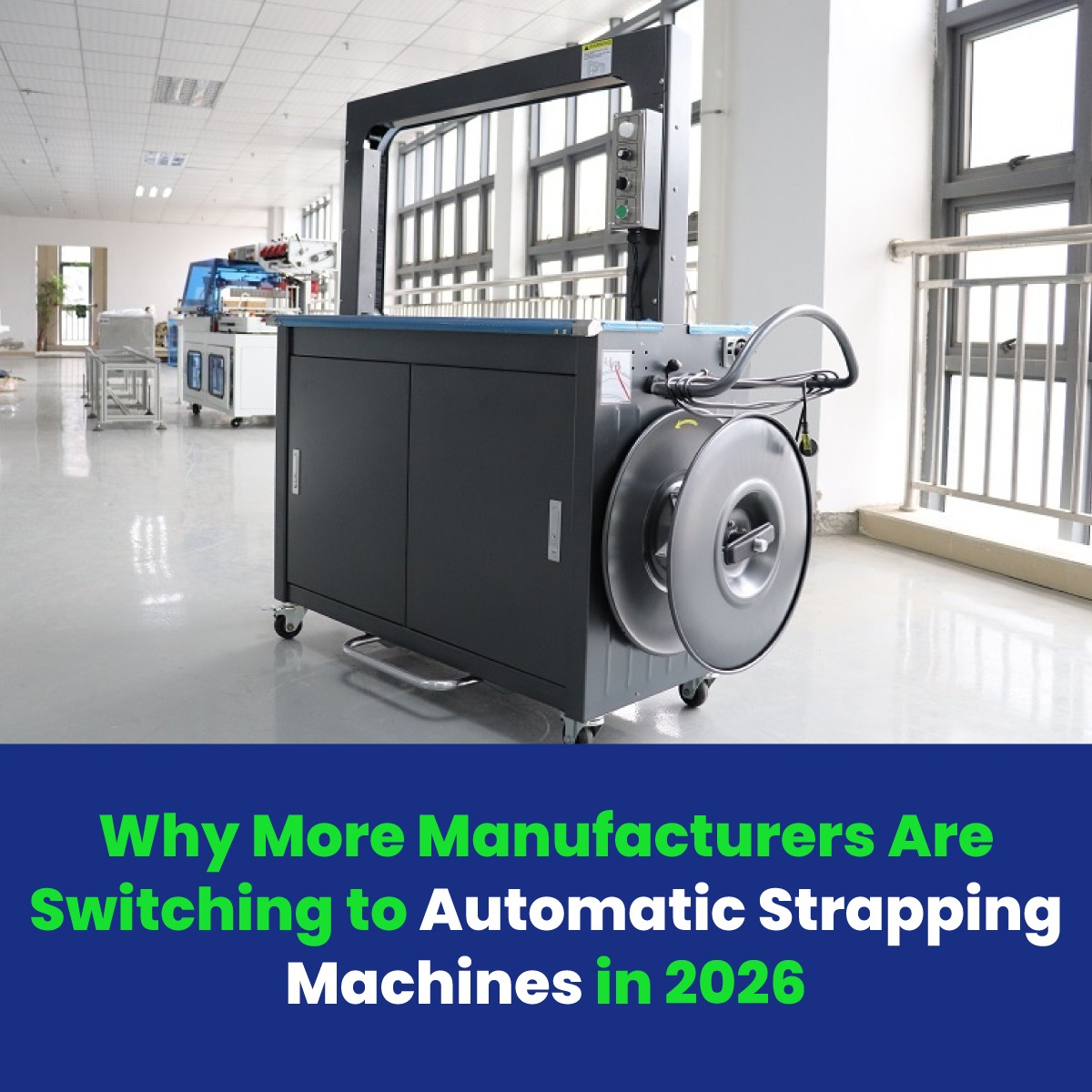
As manufacturing volumes continue to grow and customer expectations become more demanding, companies are under constant pressure to improve productivity while keeping packaging costs under control. Across industries such as corrugated packaging, FMCG, e-commerce, pharmaceuticals, and logistics, one trend is becoming increasingly clear: more manufacturers are replacing manual strapping processes with automatic strapping machines.
In 2026, the focus is no longer just on producing more; it's about producing smarter. Businesses are looking for ways to reduce labor dependency, improve packaging consistency, and increase dispatch efficiency. Automatic strapping machines are helping them achieve all three.
The Growing Challenge of Manual Packaging Operations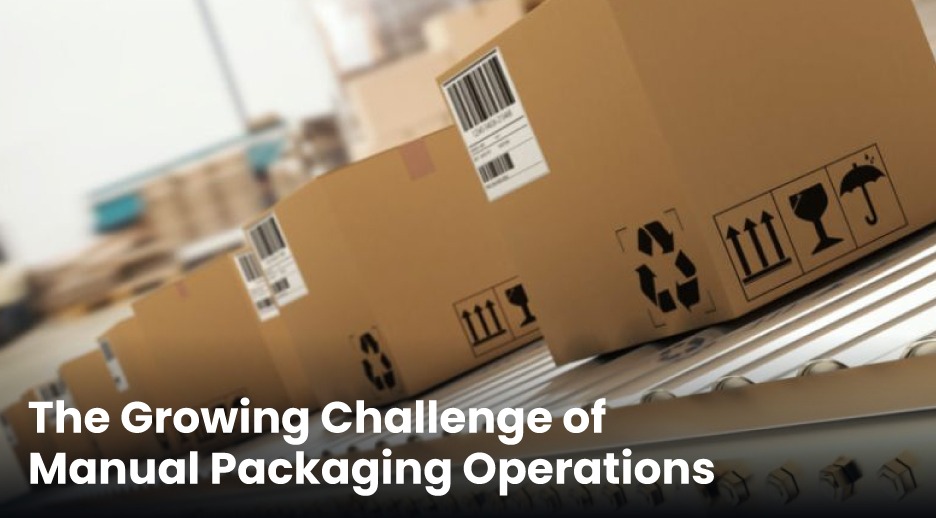
For many factories, strapping is still a labor-intensive process. Operators manually position cartons, apply straps, adjust tension, and secure loads before dispatch.
While this method may work for lower production volumes, it often creates challenges as operations expand.
Common issues include:
- Inconsistent strap tension
- Slower packaging speed
- Increased labor requirements
- Operator fatigue
- Higher risk of damaged shipments
- Delays during peak production periods
As order volumes increase, these problems become more noticeable and start affecting overall productivity.
Why Manufacturers Are Moving Toward Automation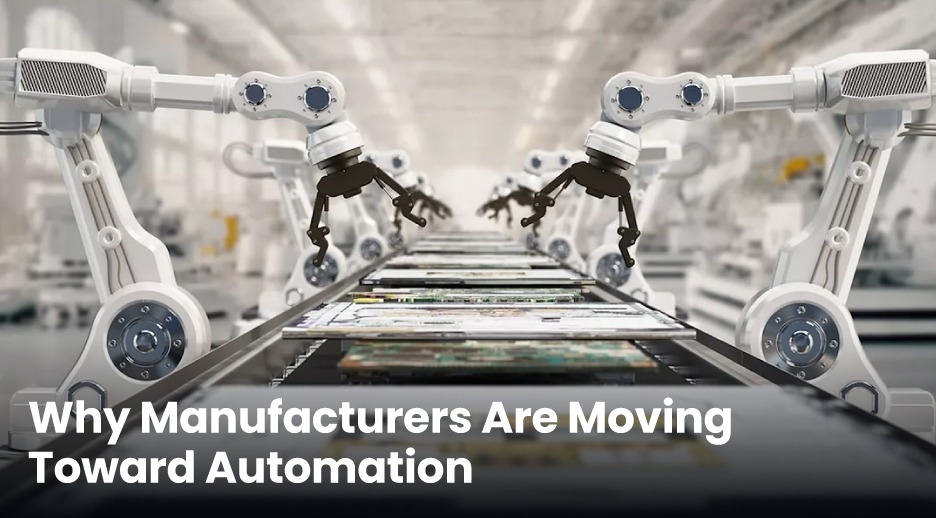
The shift toward automatic strapping is being driven by practical business needs rather than technology trends alone.
Higher Packaging Speed
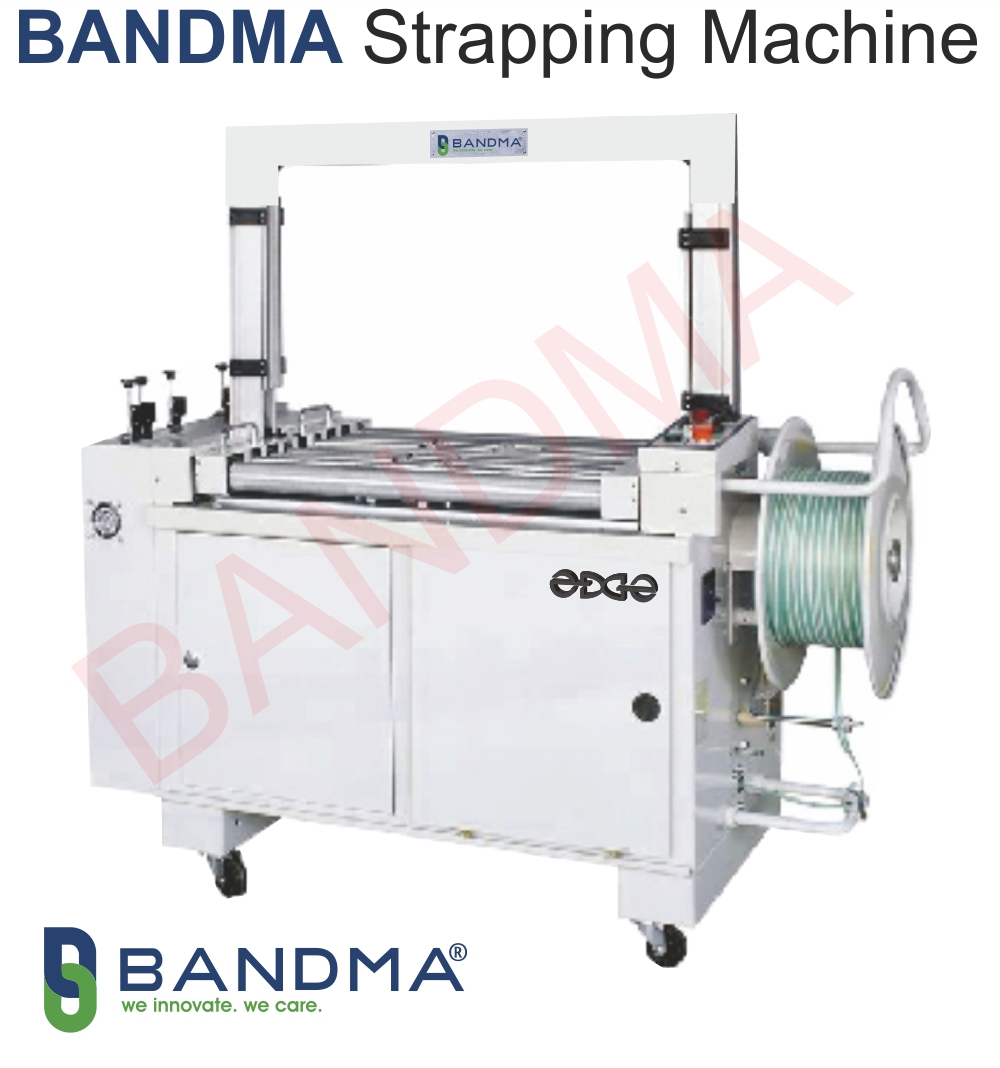
One of the biggest advantages of automatic strapping machines is their ability to process cartons quickly and consistently. Unlike manual operations, machine performance remains stable throughout the shift. Whether it's the first carton or the thousandth, the strapping quality remains the same.
For factories handling large daily volumes, this can significantly improve packaging throughput and dispatch readiness.
Consistent Strap Tension on Every Package
Load stability is critical during storage and transportation.
Manual strapping often results in uneven tension because it depends on the operator's technique and experience. Some cartons may be strapped too tightly, while others may be too loose.
Automatic strapping machines apply controlled tension every time, ensuring:
- Better load stability
- Improved carton integrity
- Reduced movement during transit
- Lower risk of product damage
This consistency becomes especially important when shipping products over long distances.
Reduced Dependence on Manual Labor
Labor shortages continue to be a concern for manufacturers worldwide. Finding skilled operators and maintaining workforce stability has become increasingly difficult.
Automatic strapping machines help companies reduce dependency on manual processes by automating repetitive tasks. Instead of spending time securing cartons manually, operators can focus on monitoring production, quality checks, and material handling.
The result is better utilization of available manpower.
Better Packaging Quality Means Fewer Problems Later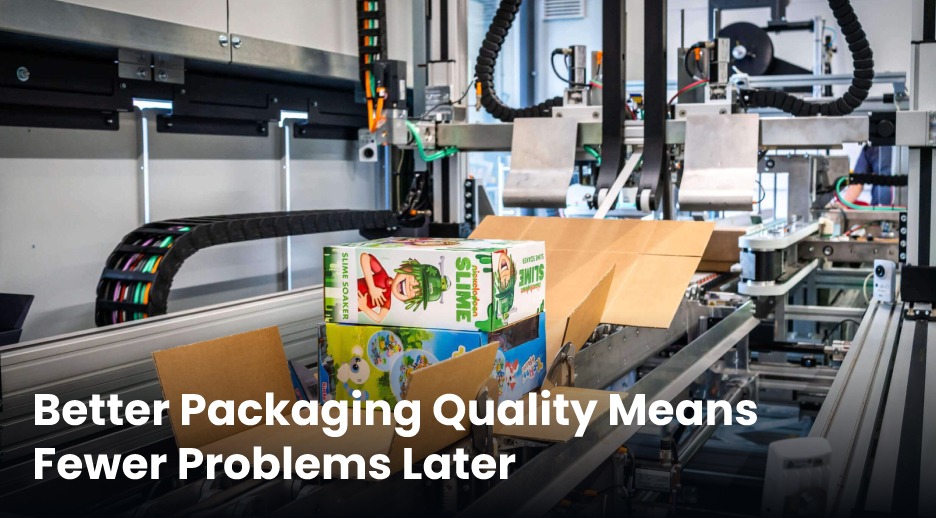
Packaging quality affects much more than appearance.
Poorly strapped cartons can shift during transportation, collapse while stacking, or become difficult to handle in warehouses. These issues often lead to customer complaints, damaged goods, and costly returns.
Automatic strapping machines help create stronger and more uniform packages, improving overall shipment reliability.
Many manufacturers view this as an investment in quality control rather than simply a packaging upgrade.
Supporting Faster Dispatch Operations
In today's competitive market, delivery timelines matter more than ever.
When packaging departments struggle to keep up with production output, dispatch schedules are affected. Trucks wait longer, warehouse operations slow down, and customer commitments become harder to meet.
Automatic strapping machines help eliminate these bottlenecks by ensuring cartons move through the packaging line quickly and efficiently.
For facilities handling hundreds or thousands of cartons daily, even small improvements in packaging speed can create substantial gains across the entire operation.
Industries Leading the Adoption
The demand for automatic strapping machines is growing across multiple sectors, including:
- Corrugated box manufacturing
- FMCG and food processing
- Pharmaceutical packaging
- E-commerce fulfillment centers
- Logistics and warehousing
- Consumer goods manufacturing
- Printing and packaging industries
These businesses share a common goal: improving efficiency while maintaining packaging quality.
The growing adoption of automatic strapping machines in 2026 is not simply about automation; it's about solving real operational challenges. Manufacturers are looking for packaging systems that can deliver speed, consistency, and reliability without increasing complexity.
By improving load stability, reducing labor dependency, enhancing packaging quality, and supporting faster dispatch operations, automatic strapping machines have become an essential part of modern secondary packaging lines.
As production demands continue to rise, companies that invest in smarter packaging solutions today will be better positioned to compete tomorrow.