



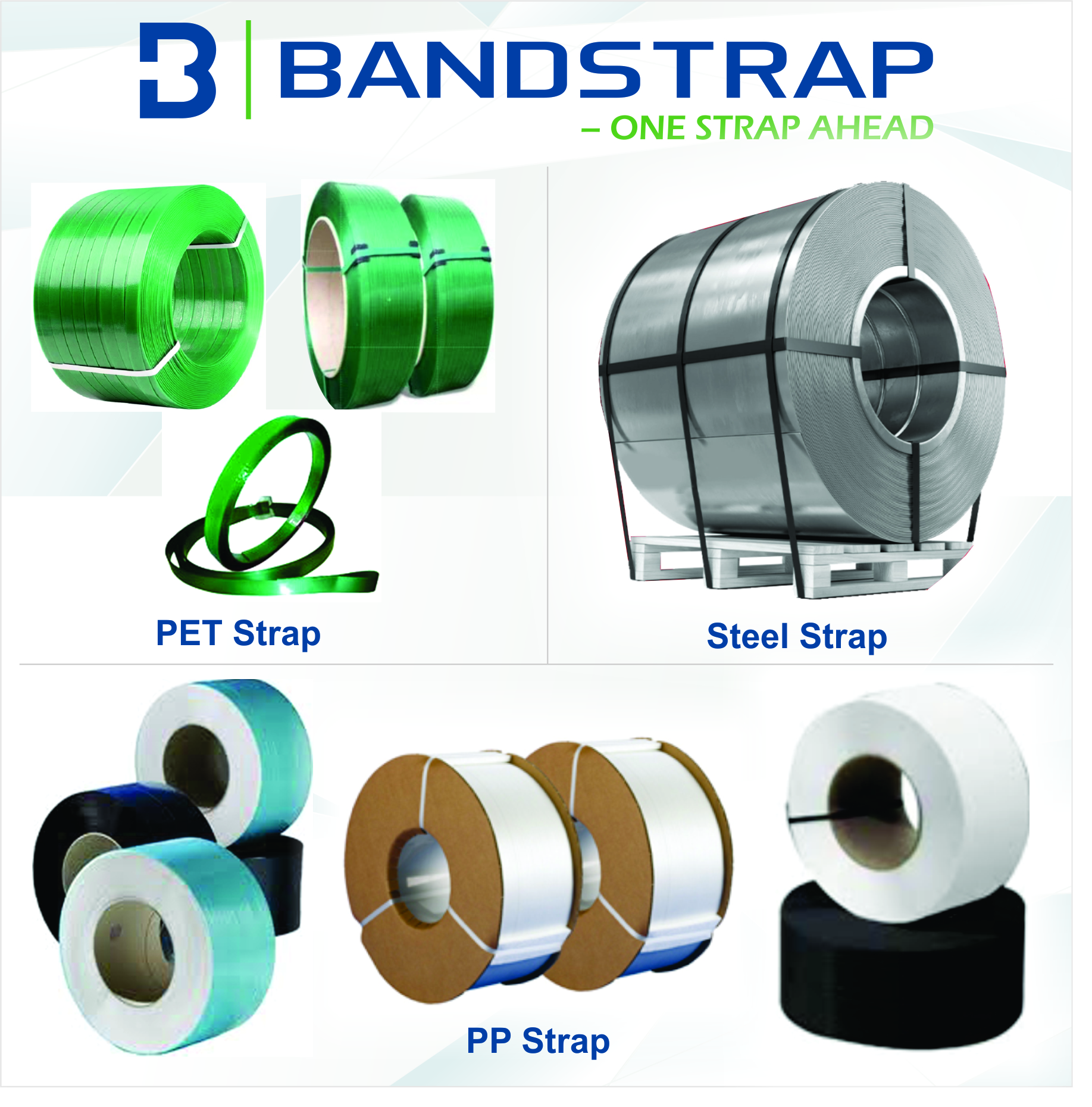
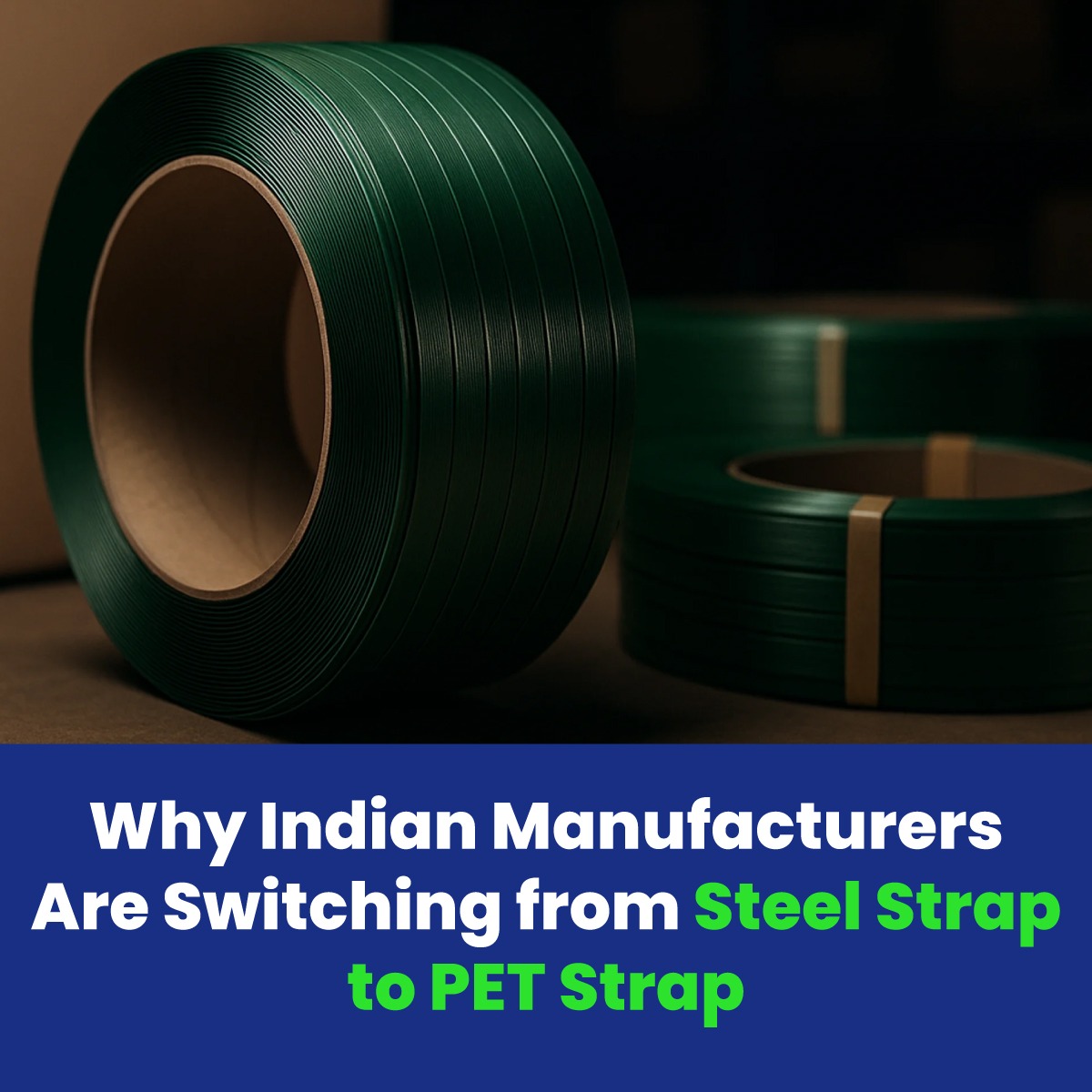
Steel strapping has been the default choice for heavy industrial loads for decades. It is strong, rigid, and well-understood. But across paper mills, brick manufacturers, steel service centres, and ceramic plants in India, PET strapping is steadily replacing it. The shift is not driven by fashion; it is driven by safety, cost, and performance.
The Safety Problem with the Steel Strap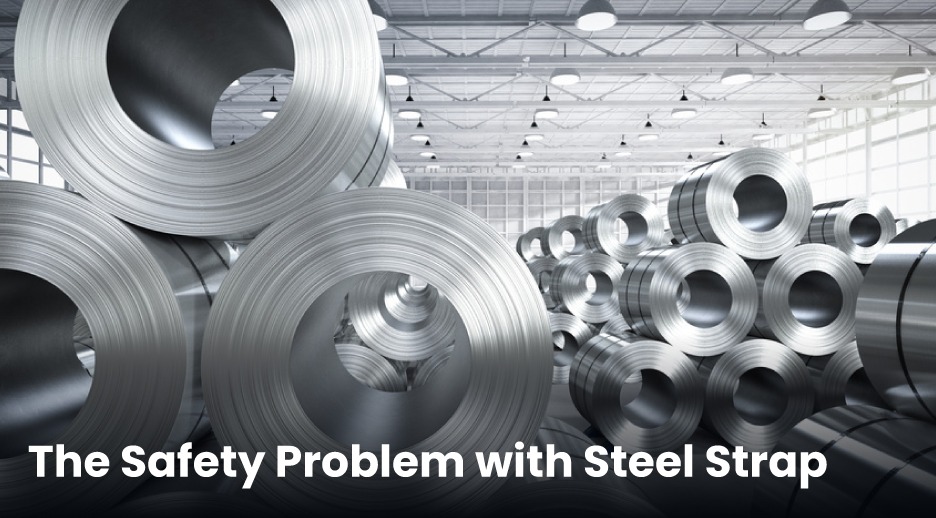
A steel strap under tension stores enormous energy. When a steel strap is cut or snaps, it recoils violently, and the cut end is razor-sharp. Lacerations from steel straps are a significant and well-documented cause of warehouse and logistics injuries.
PET strap under tension also stores energy, but because it is a polymer, it recoils less violently, and the cut edge, while not soft, does not have the knife-like geometry of a cut steel edge. Most operations that have made the switch report a measurable reduction in strap-related incidents.
PET Strap Is Nearly as Strong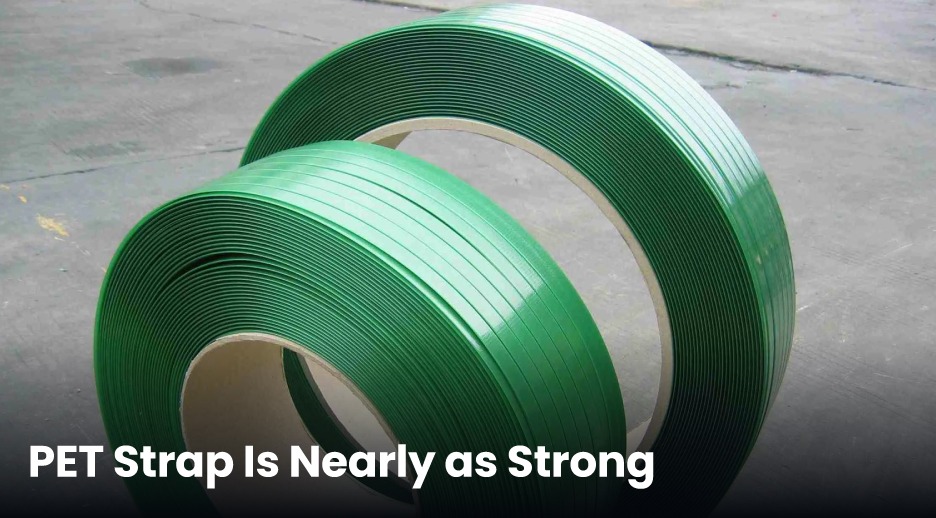
The objection most engineers raise when PET strapping is first proposed is strength. The steel strap is stronger in absolute tensile terms. This is true. But PET strapping at equivalent widths achieves tensile strengths of 250 to 500 kg, depending on grade, which covers the load requirements of the vast majority of industrial strapping applications.
For the rare application where loads genuinely exceed what PET can handle, very heavy coil steel, for example, steel strapping remains the right choice. For everything else, PET is strong enough.
PET Strap Handles Load Settling Better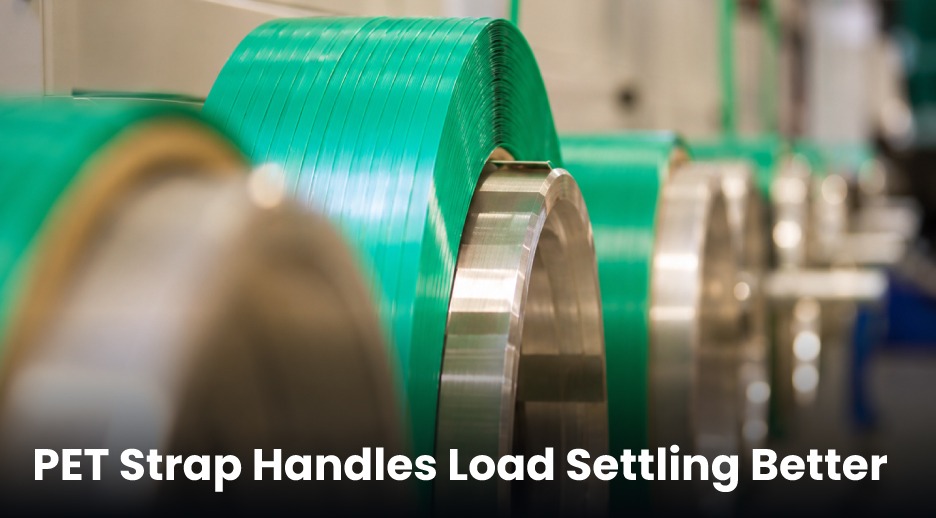
One performance advantage where PET actually outperforms steel is in applications involving compressible loads, such as paper bales, recycled material, and textile bundles. The steel strap has very low elongation. When the load settles and compresses slightly after strapping, a steel strap becomes loose because it cannot contract with the load.
The PET strap has elastic memory. It maintains tension even as the load settles, which means bundles arrive at their destination still firmly strapped rather than loose inside a slack strap.
Disposal and Sustainability
Steel strap is recyclable as scrap metal, but managing it at the receiving end, cutting, coiling, and storing sharp metal strap for collection, is a logistics challenge. The PET strap is recyclable as plastic and is handled like any other plastic waste. Several large Indian manufacturers have switched to PET straps specifically because their customers and export destination markets require a reduction in sharp waste at unpacking.
The Cost Comparison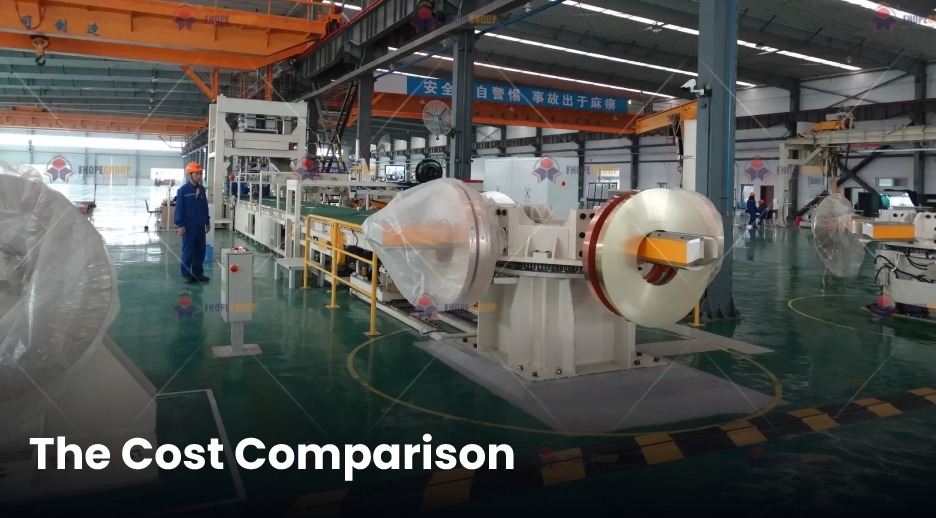
PET strap costs more per kilogram than standard PP strap but less than steel on a per-metre basis for equivalent strength grades. For operations currently using steel, the switch to PET typically results in a modest cost saving once the full cost of steel straps, including handling, disposal, and injury risk, is factored in.
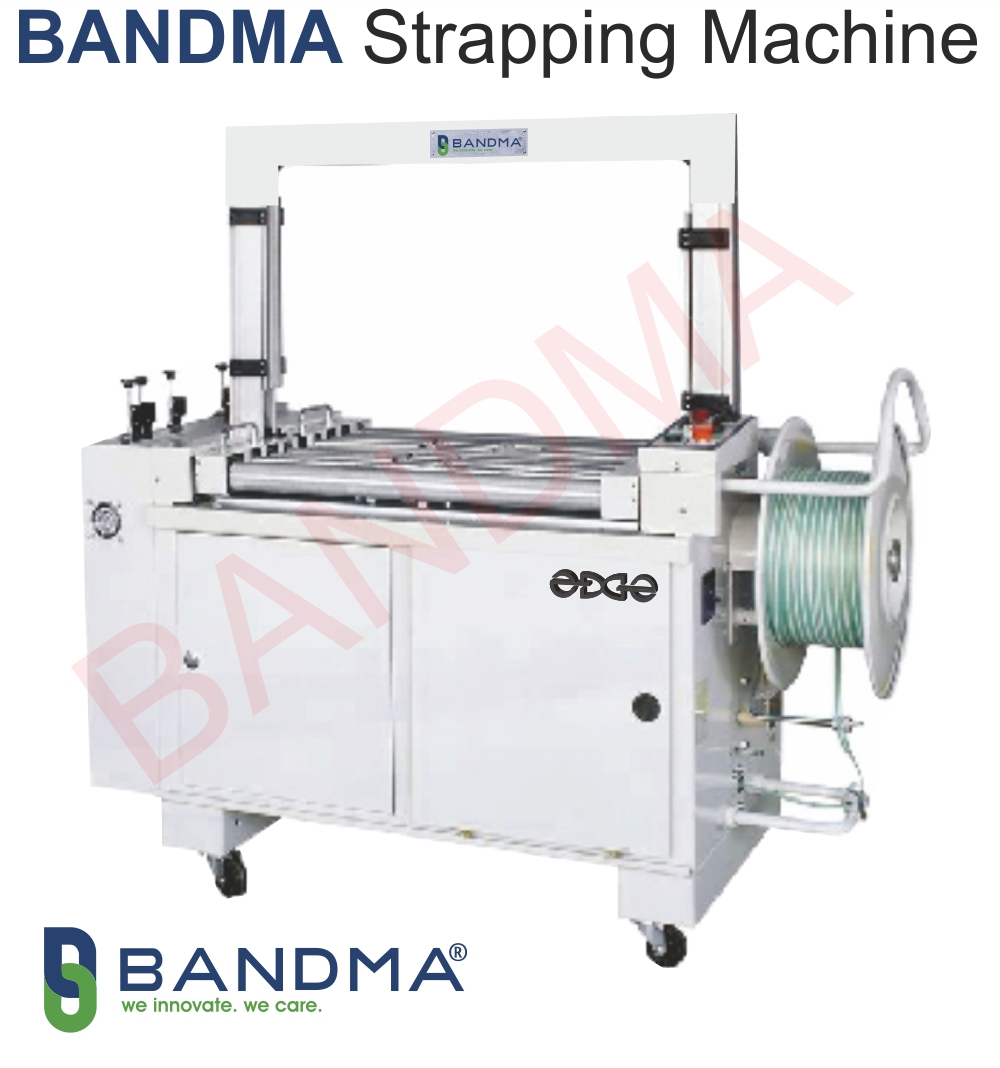
Bandma's Bandstrap PET strapping range is compatible with all Bandma strapping machines and is available in bulk supply. Contact us for a sample and a cost comparison against your current steel strap specification.