

















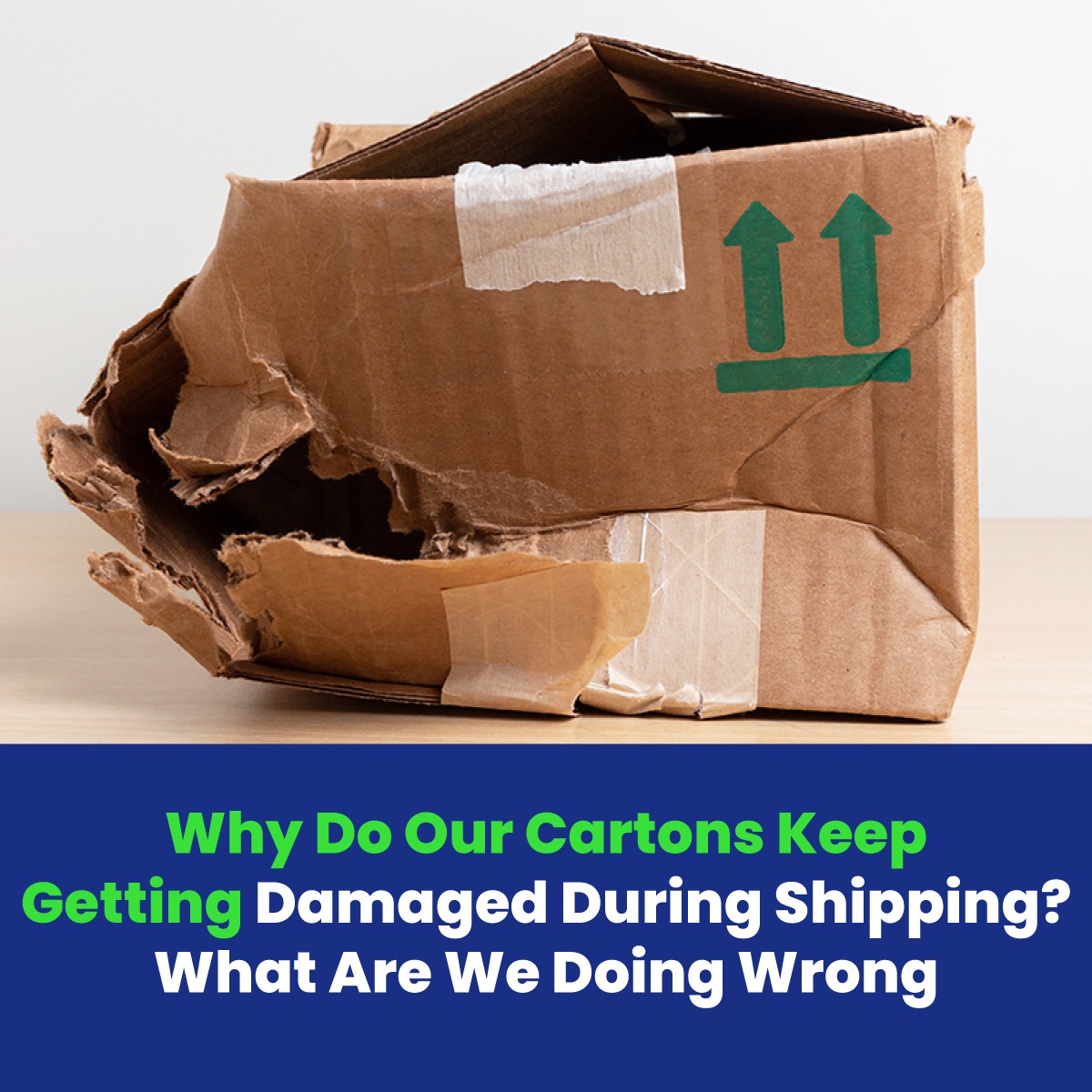
Carton damage is one of those issues that looks small on the surface but creates the biggest headaches customer complaints, product returns, extra logistics costs, and sometimes even brand reputation loss. Most factories assume the problem starts in the truck, but in reality, damage usually begins much earlier… right inside the packaging line.
Let’s break down the real reasons why cartons fail during shipping and what most factories unintentionally overlook.
1. The Carton Is Simply Not Built for the Weight
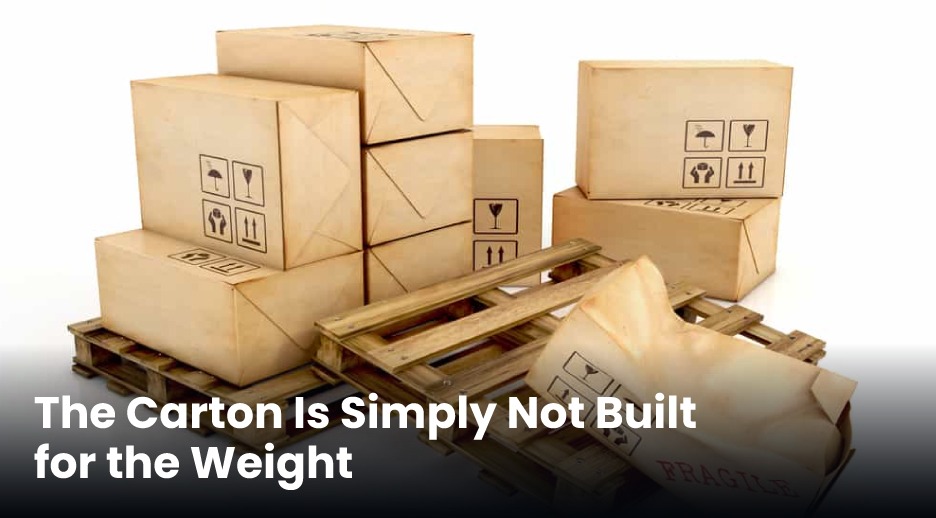
A surprisingly large number of factories use the same carton quality for different SKUs.
But the truth is:
Product weight decides carton strength—not convenience.
If the carton’s burst strength or RCT is lower than required, you will see:|
Bulging bottoms
Crushed corners
Weak sidewalls
Collapsed stacks during transport
Even premium tape or strapping won’t save a weak box.
Simple Fix:
Match carton ply, GSM, BF/RCT with item weight.
For heavier loads, use reinforced corners or double-wall cartons.
Carton specification = damage prevention.
2. Carton Sealing Is Weak or Inconsistent
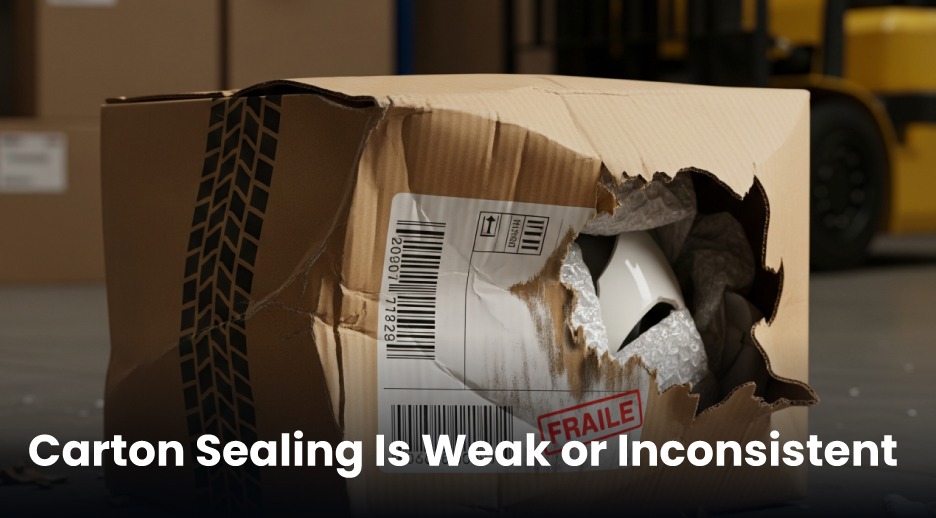
Most carton failures happen because the flaps never sealed properly in the first place.
This is very common when:
Case sealers are not calibrated
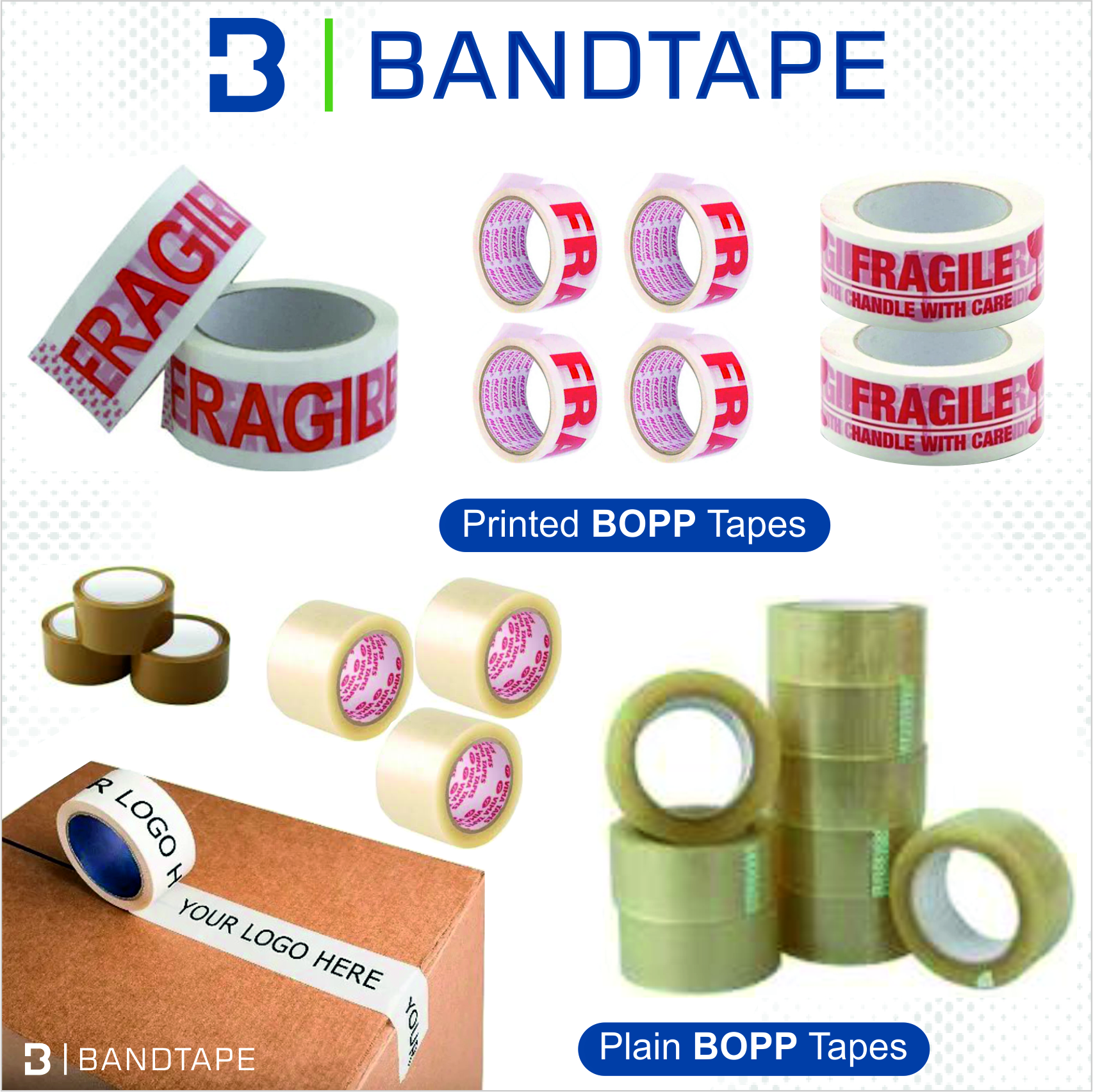
The tape is low-quality or too thin
Operators hurry during manual taping
Taping pressure is uneven
And once the tape loses grip, the carton loses 40–60% of its structural integrity.
What You Should Do:
Regularly check tape pressure, roller pressure, and flap alignment.
A properly calibrated case sealer costs nothing extra—but saves a lot in damage claims.
3. Poor Cushioning Inside the Box
Even if your carton is strong, it won’t protect the product if the internal cushioning is wrong.
Typical factory mistakes include:
Empty gaps inside the box
Cushioning material is 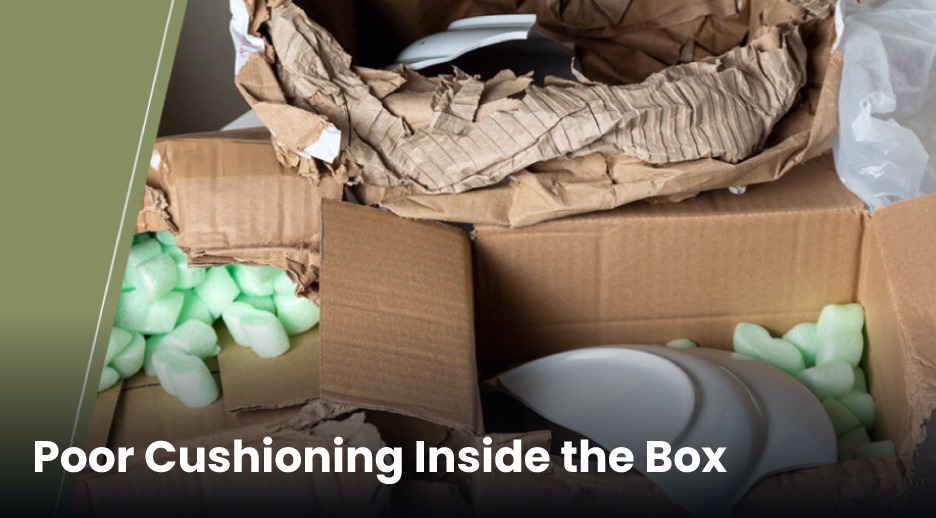 placed unevenly
Sharp edges touching the carton walls
Product moving inside during transit
Movement inside the carton is one of the biggest silent killers.
Fix the Inside First:
Use foam inserts, honeycomb boards, air pillows, or even simple corner pads.
Protect the product → the carton will automatically survive longer.
4. Strapping Is Too Loose, Too Tight, or Misaligned
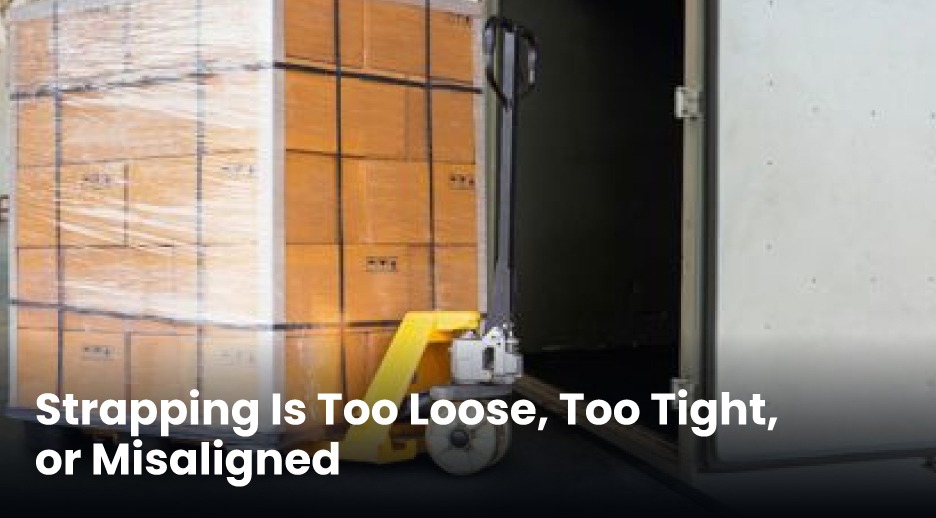
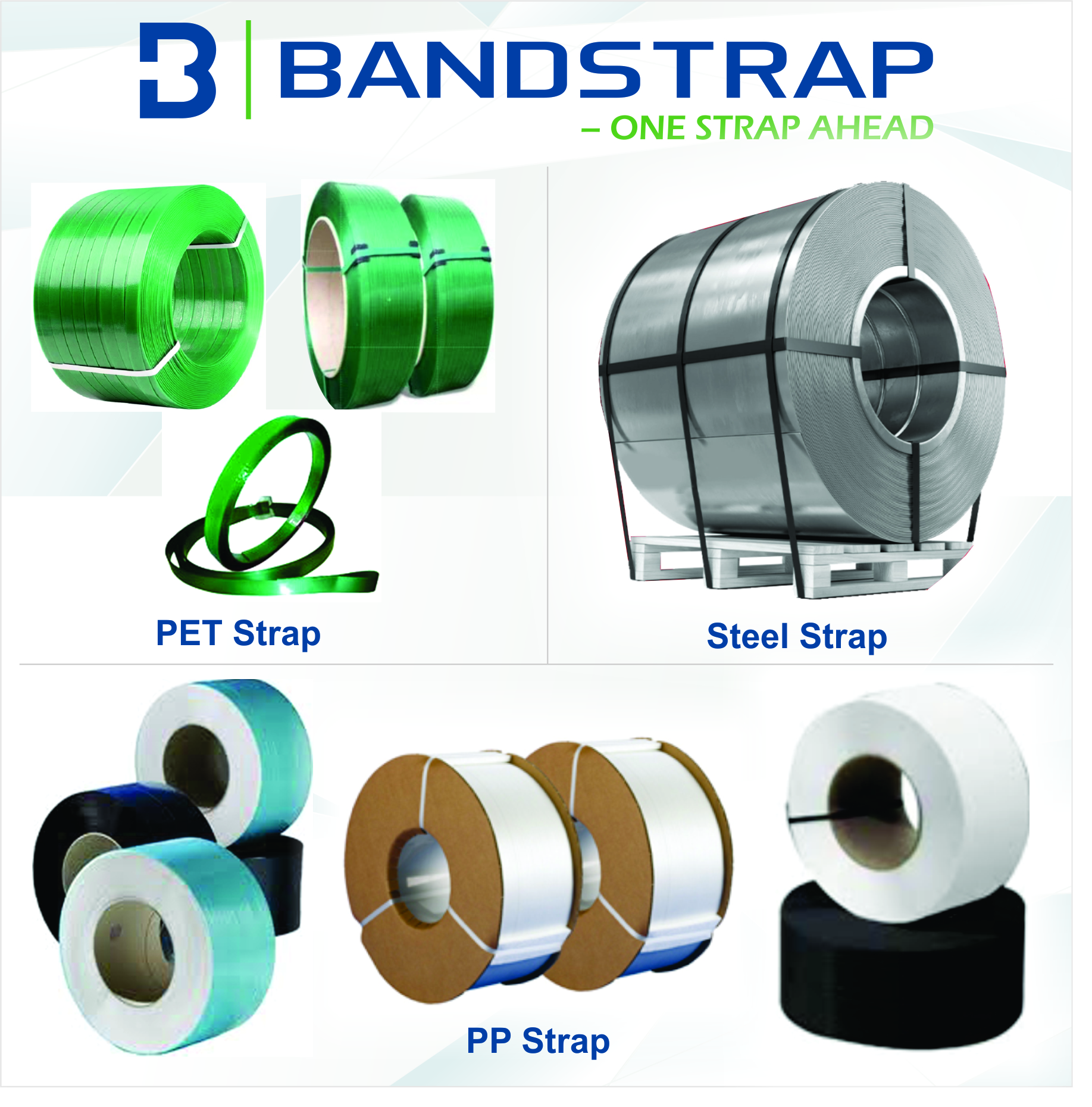
Strapping is meant to hold the carton’s shape, but when done incorrectly, it causes more harm than good.
Incorrect strapping leads to:
Crushed edges
Cut corners
Bowed sidewalls
Load instability
Manual strapping is often the culprit because tension varies by operator.
Better Approach:
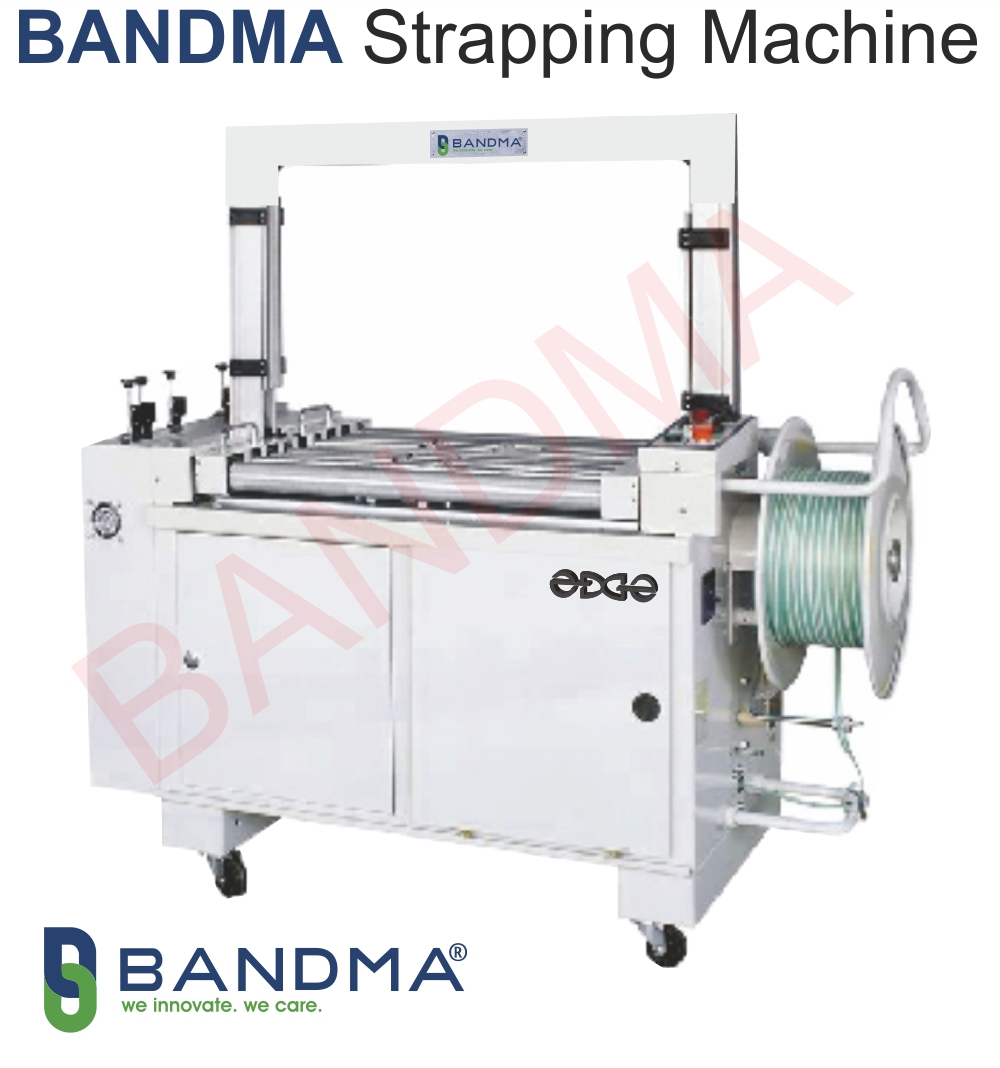
Use a consistent, calibrated strapping system—manual, semi-automatic, or automatic.
Strapping should lock the carton, not deform it.
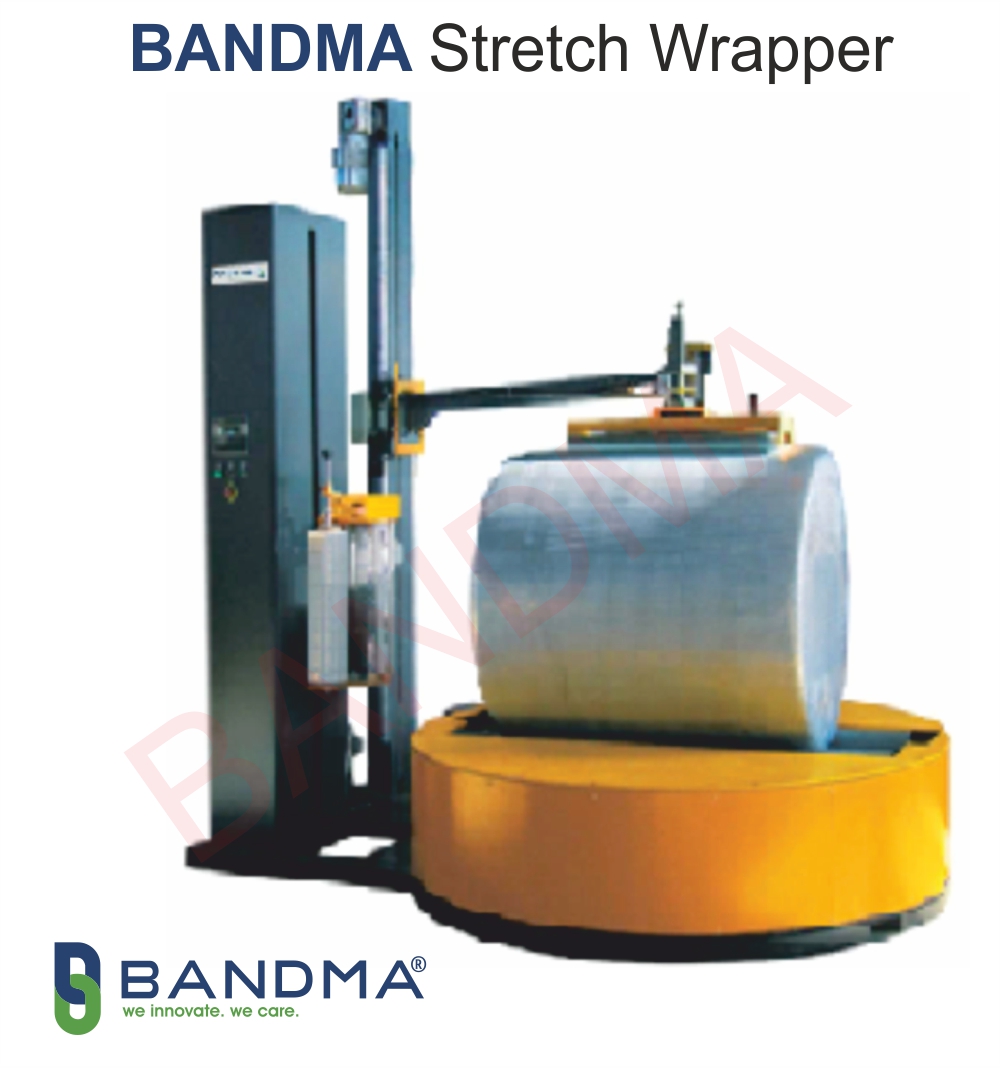
5. Weak Stretch Wrapping for Pallet Loads
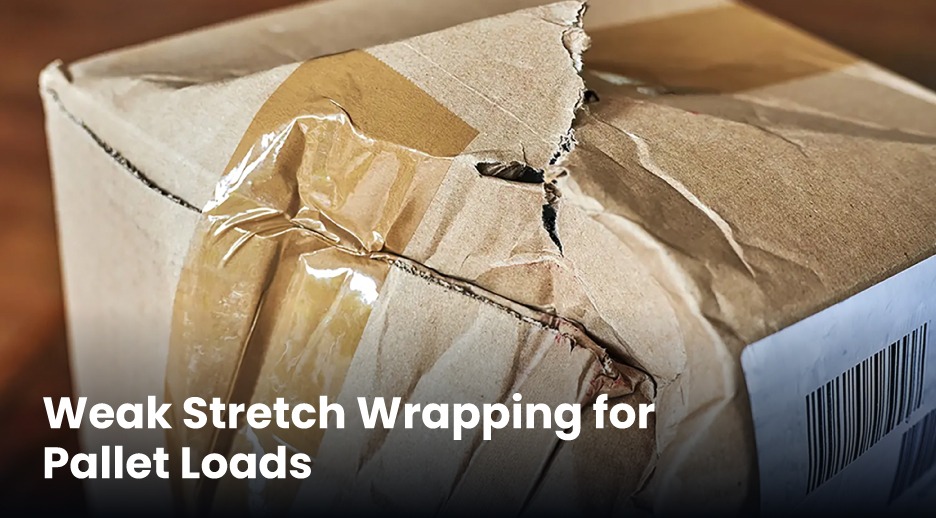
If cartons are shipped on pallets, stretch wrapping becomes a major factor.
Poor wrapping means pallets shift in the truck, and even strong cartons get crushed under impact.
Common issues:
Loose wrapping
Too few film layers
Wrong film thickness
No top/bottom anchoring
Overhang uneven on pallet
A stable pallet = damage-free delivery.
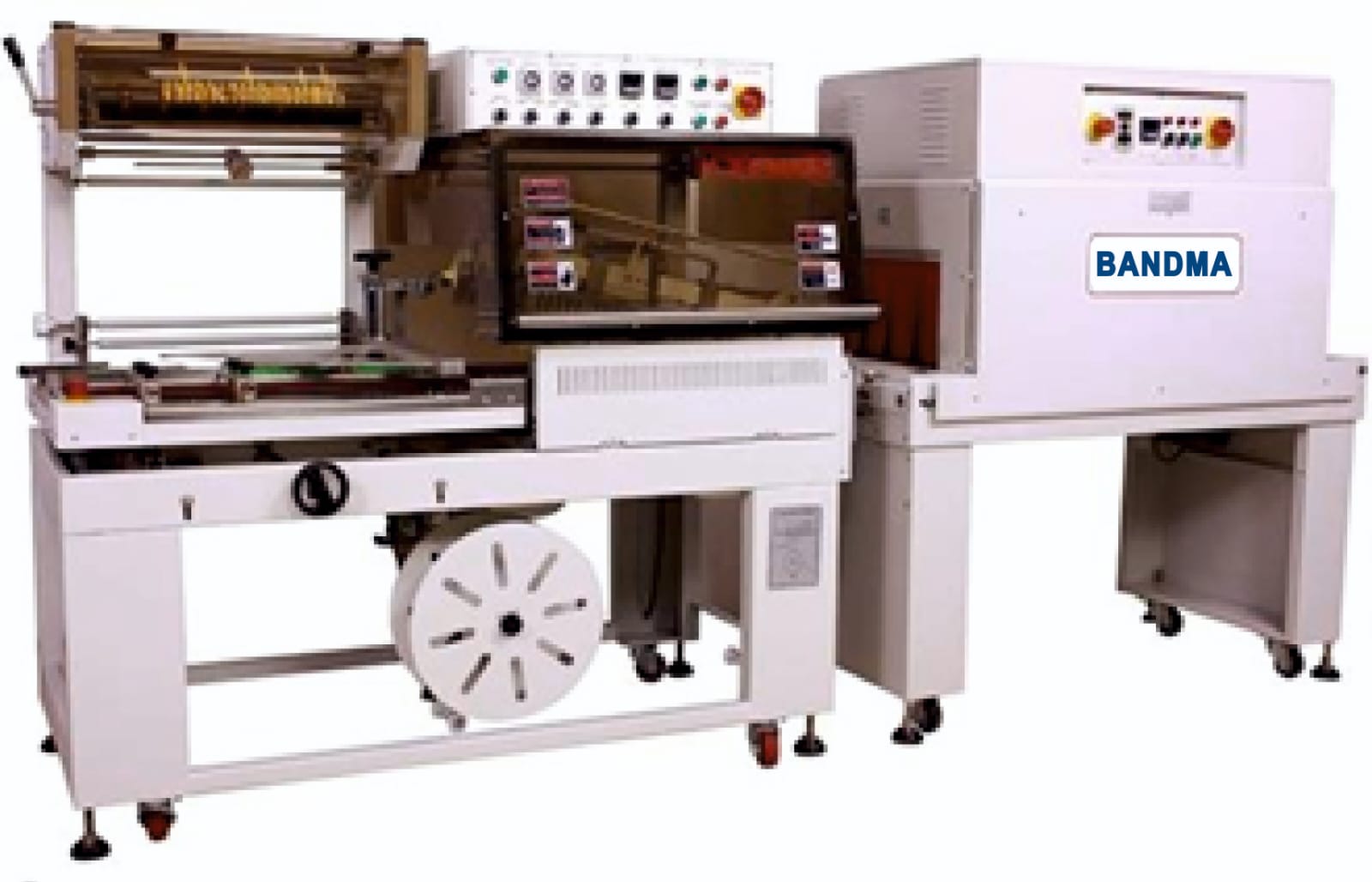
Automatic stretch wrappers greatly improve consistency and reduce film wastage.
6. Transport Is Not the Real Problem (Most of the Time)
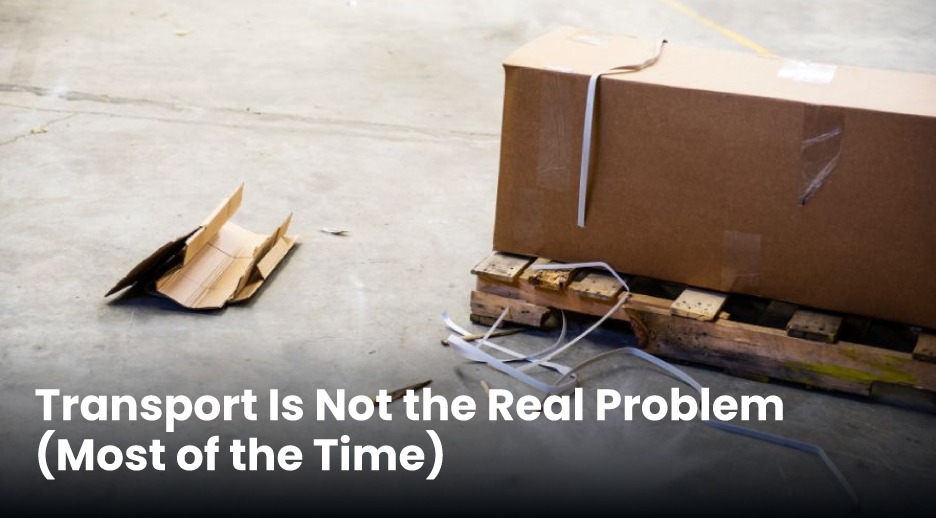
It’s easy to blame transport.
But transport only exposes the weakness— it doesn’t create it.
Damage typically happens because:
Pallet loads aren’t secured
Boxes are stacked in unstable patterns
No edge boards or corner protection
Unit load isn’t firm
Weight distribution is uneven
If packaging is strong, normal transport shocks don’t cause damage.
7. The Real Problem: Small Mistakes Compounding Together

Carton damage rarely happens due to one big mistake.
It happens due to several small process gaps:
Wrong carton specification
Weak sealing
Poor cushioning
Inconsistent strapping
Loose pallet wrapping
Fixing even 2–3 of these areas can reduce damage dramatically.
Final Thought
Packaging isn’t just about closing a box.
It’s about protecting your product until the moment your customer opens it.
If cartons are failing during shipping, it’s not just a logistics problem—it’s a packaging process problem.
And the sooner factories address these internal issues, the faster they cut losses, improve delivery quality, and regain customer confidence.