

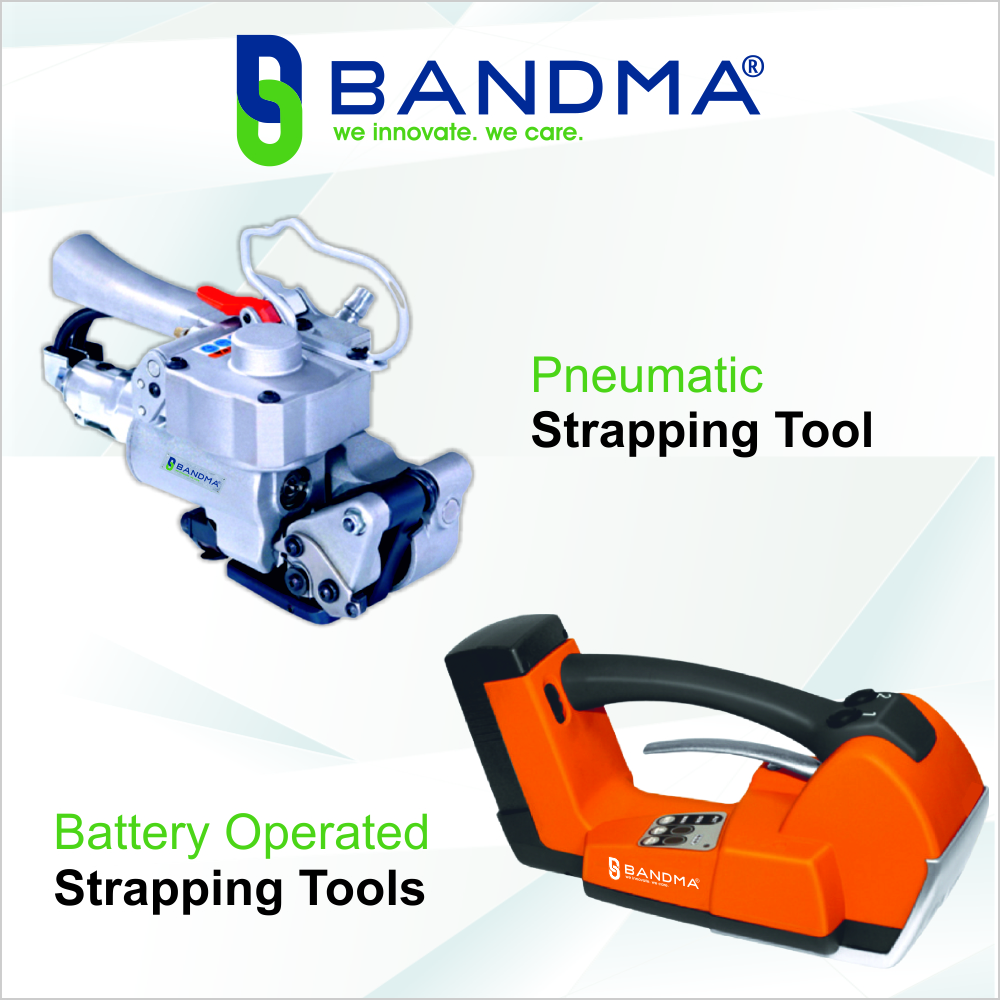

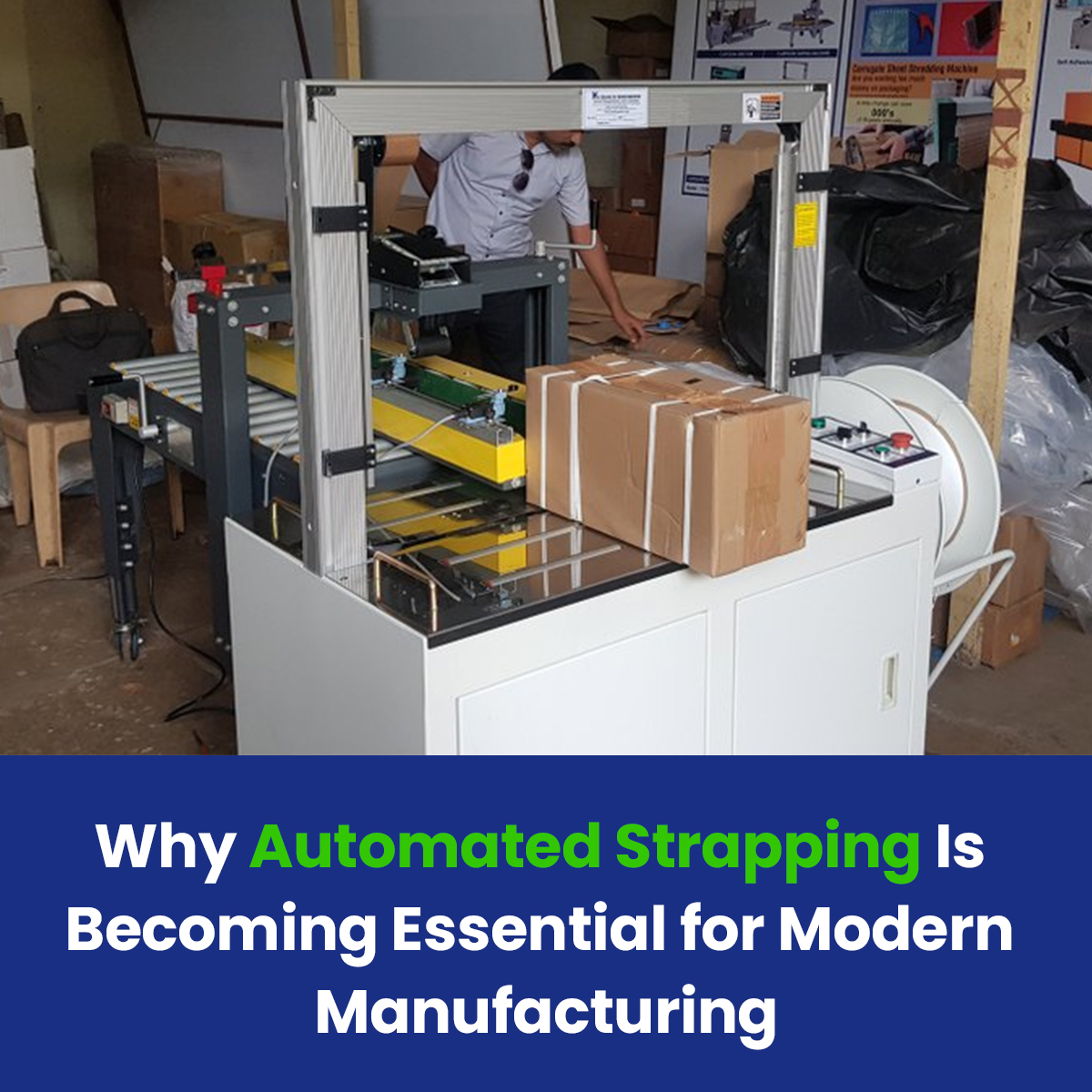
Strapping is often the final step before a package leaves the production line, but its impact on product safety and customer satisfaction is significant. As manufacturers push for higher volumes and faster dispatch, manual strapping is increasingly struggling to keep up. This has made automated strapping machines a growing necessity rather than an optional upgrade.
Here's why manufacturers across industries are moving toward automated strapping.
Problems With Manual Strapping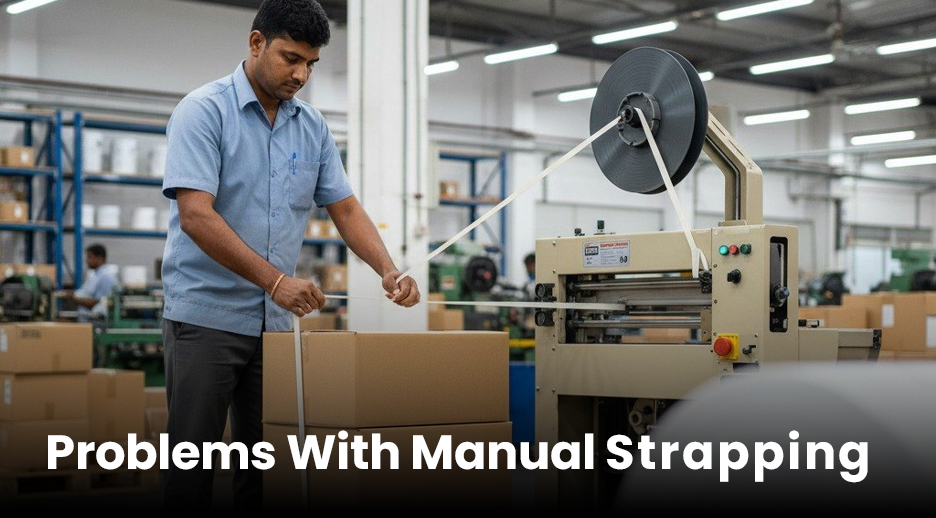
Manual strapping depends entirely on the worker applying it, how tightly they pull the strap, how evenly it's positioned, and how securely it's sealed. This makes the process slow, physically demanding, and highly dependent on individual skill and consistency.
Over long shifts, worker fatigue sets in, and strapping quality tends to drop as a result. On high-volume lines, this manual dependency quickly turns into a productivity bottleneck.
Loose or Inconsistent Straps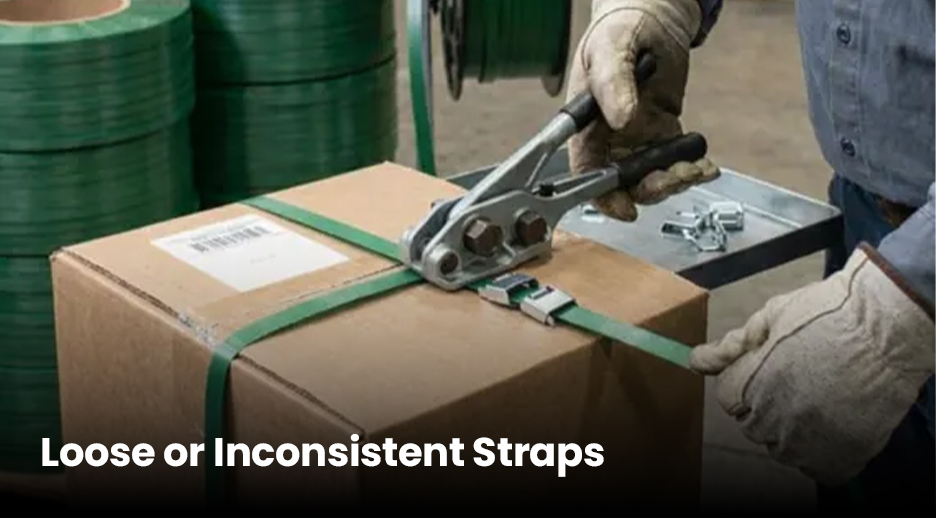
One of the most common issues with manual strapping is inconsistency. Straps applied too loosely fail to hold packages securely, while unevenly placed straps can shift during handling. Different workers also apply different amounts of tension, so quality varies from one package to the next.
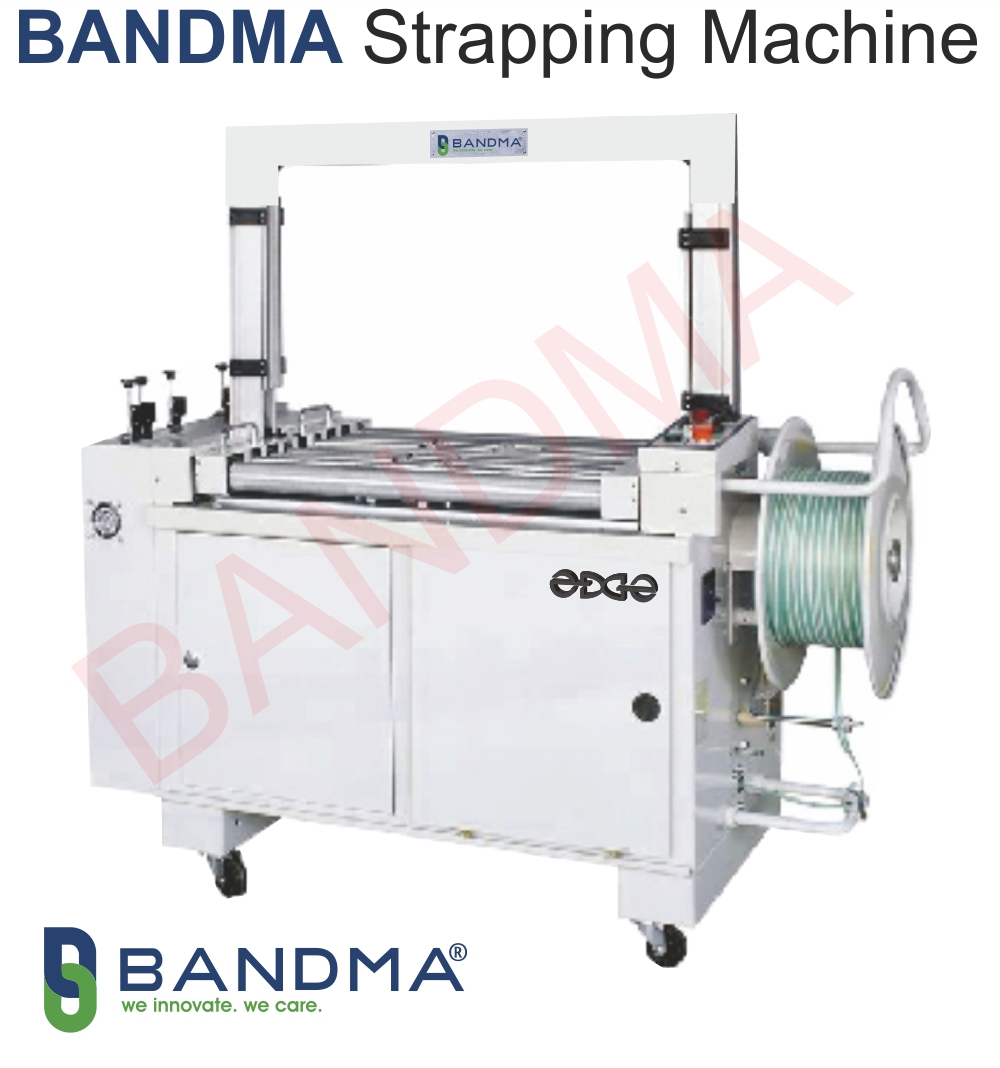
Automated strapping machines apply consistent tension and precise placement on every single package, eliminating the guesswork that comes with manual application.
Product Stability During Transportation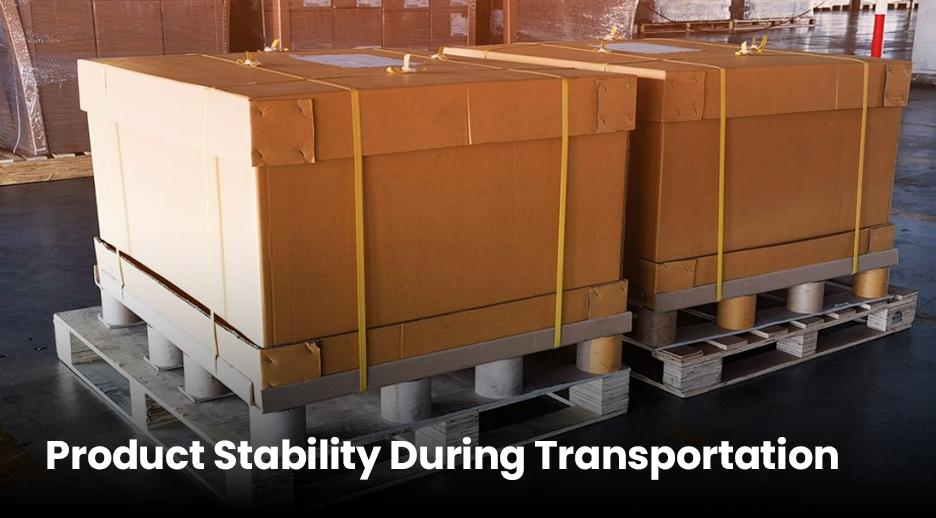
Packages go through significant handling during transportation, stacking, loading, vibration, and sudden shifts in movement. Weak or loose straps increase the risk of packages shifting, tipping, or coming apart, leading to damaged goods and costly returns.
Automated strapping delivers uniform tension and secure sealing on every package, keeping contents stable throughout the transit process and significantly reducing transportation-related damage.
Reduced Material Wastage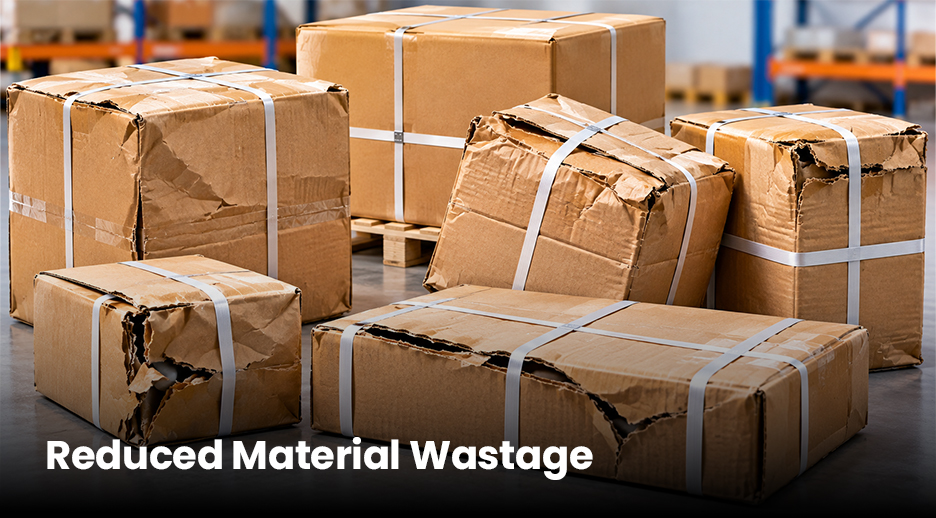
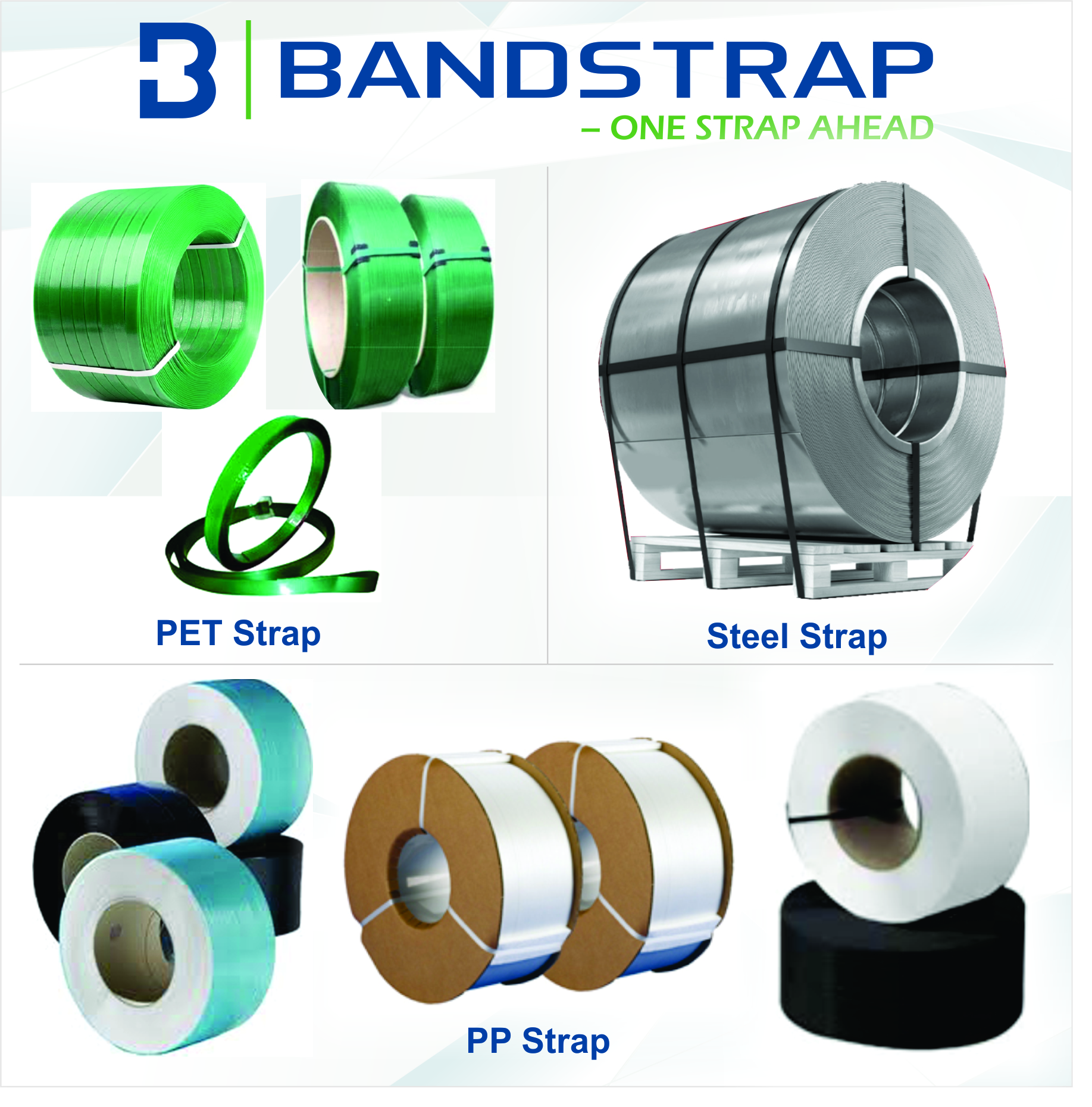
Manual strapping often results in overuse of strapping material, either from re-strapping loose packages or from workers using more material than necessary to compensate for inconsistent technique.
Automated strapping machines are calibrated to use precise strap lengths and tension for each package size, cutting down unnecessary material consumption. Over high-volume operations, this leads to noticeable savings on strapping material costs.
Automatic Strapping Machine Applications Across Industries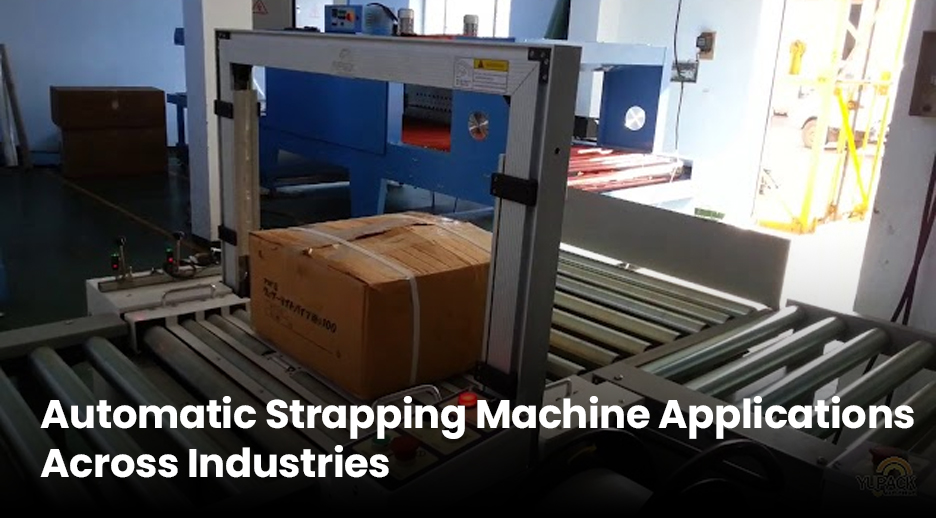
Automated strapping machines are used wherever secure, high-volume packaging is a priority. In logistics and warehousing, they help stabilise cartons for palletizing and long-distance transport. FMCG and food manufacturers rely on them for fast, consistent strapping across large production runs.
Industries like printing and publishing use strapping machines to bundle stacks of paper or packaged goods securely, while heavy manufacturing and metal industries use them to secure bulky or irregularly shaped products that require extra reinforcement during handling.
Conclusion
As manufacturing volumes grow and delivery timelines shrink, manual strapping is no longer able to keep pace with the demands of modern production. Automated strapping machines solve the core issues of inconsistency, product instability, and material wastage, while ensuring every package leaves the facility secure and transport-ready.
For manufacturers focused on reducing damage claims and improving packaging efficiency, automated strapping isn't just a convenience; it's becoming a core part of a reliable production line.