


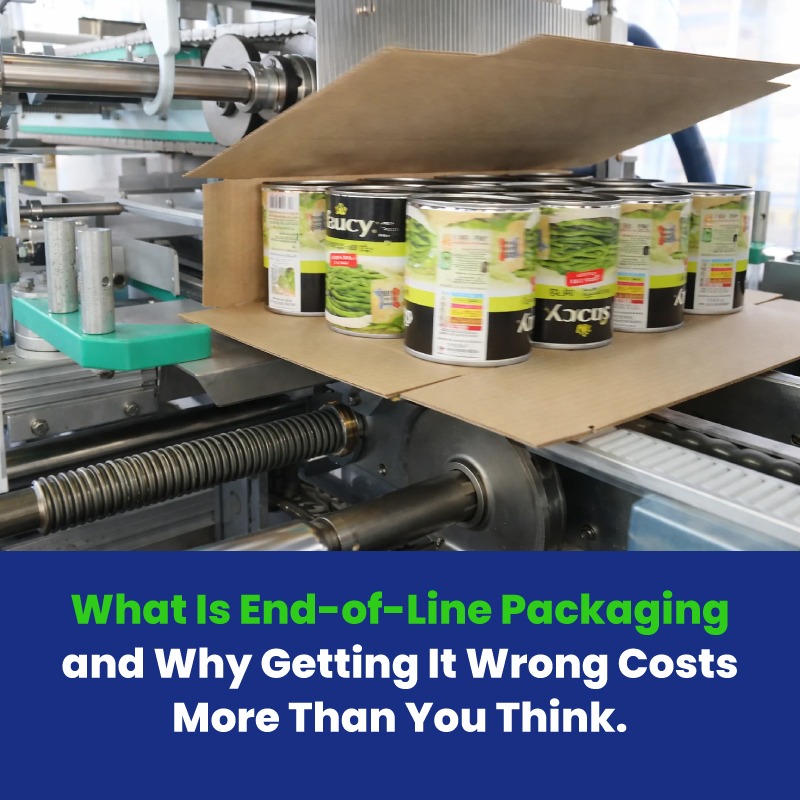
Most manufacturers think carefully about what goes inside the box. Far fewer think carefully enough about what happens to the box after it is sealed.
End-of-line packaging is everything that happens between the sealed carton and the loaded truck. Taping. Strapping. Labelling. Weighing. Inspection. Stretch wrapping. Palletising. It is the final series of steps that determine whether your product arrives at its destination intact, compliant, and on time.
It is also the part of the packaging process that, when it goes wrong, generates costs that are disproportionately large relative to the apparent simplicity of the operations involved.
What End-of-Line Packaging Actually Covers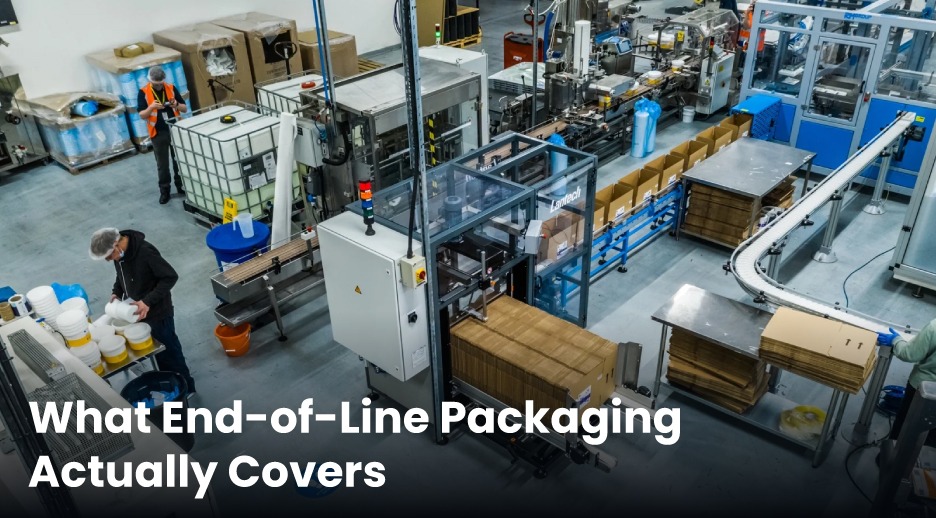
End-of-line packaging begins the moment the primary pack enters the secondary packaging process and ends when the wrapped, strapped pallet rolls onto the truck.
The typical sequence in an Indian manufacturing facility looks like this:
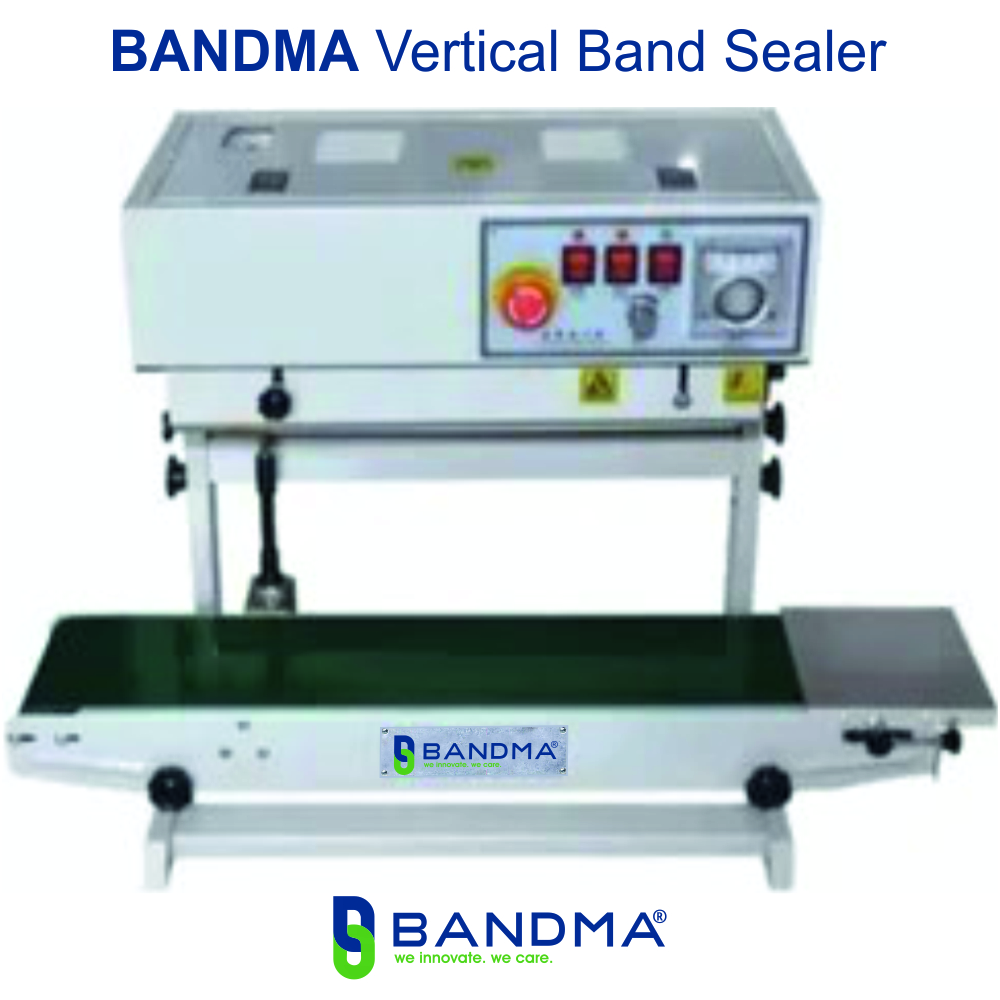
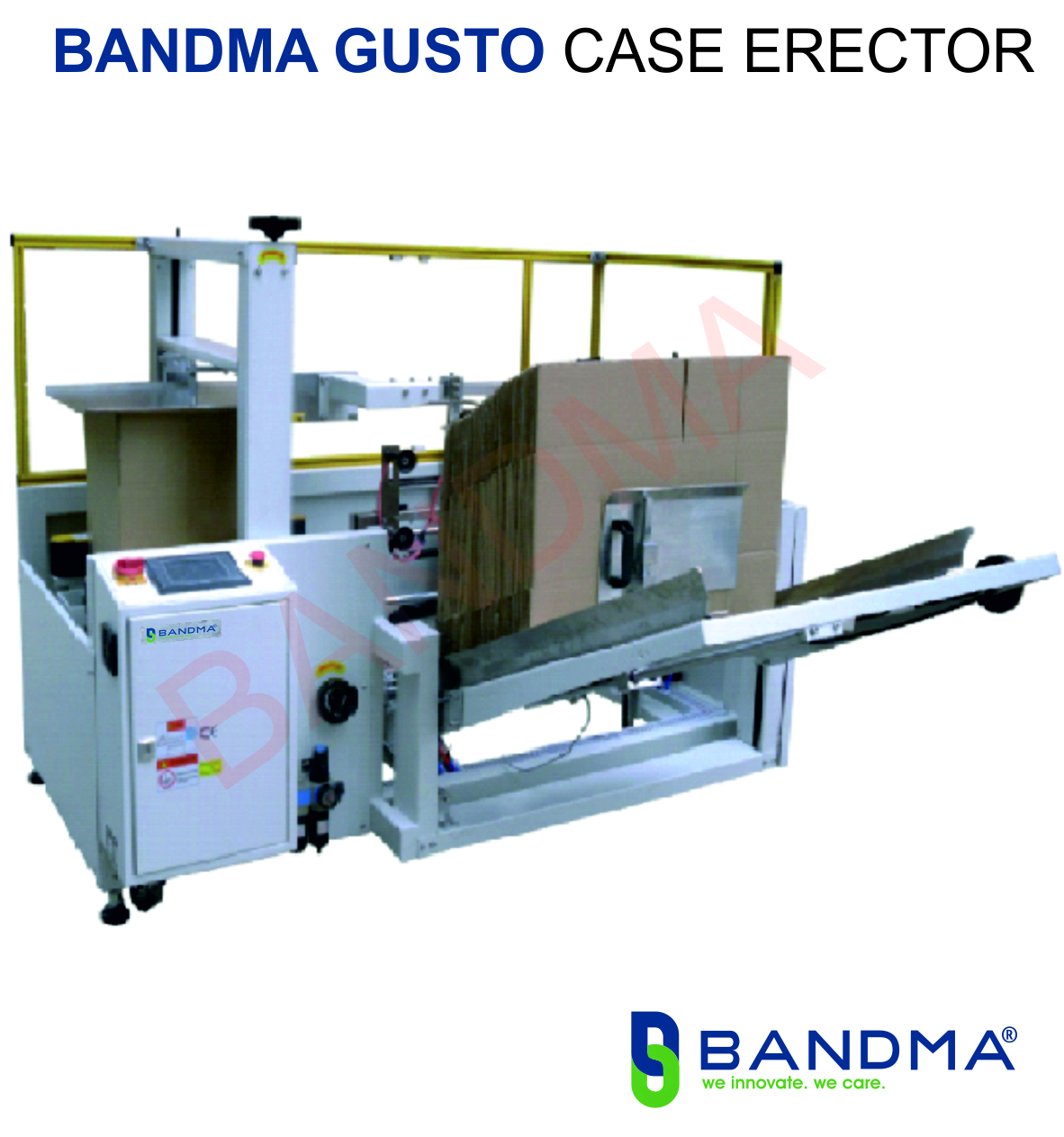
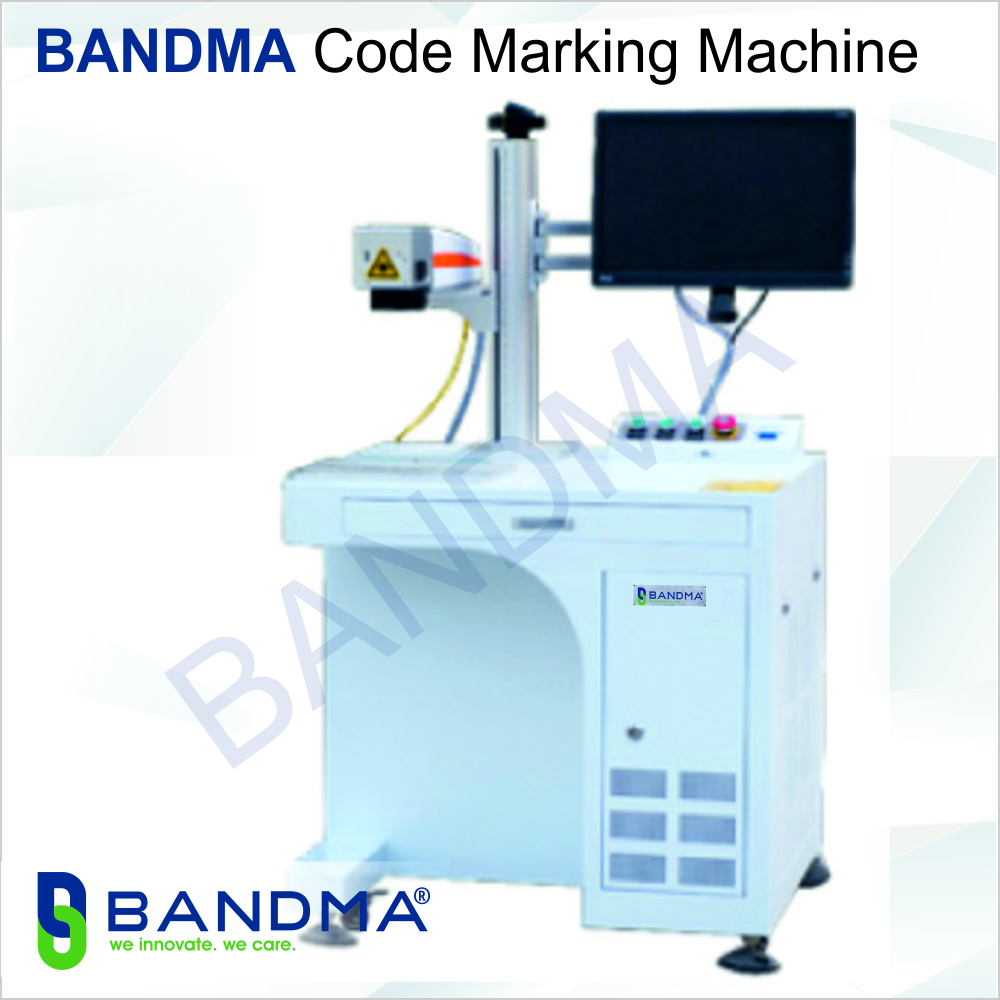
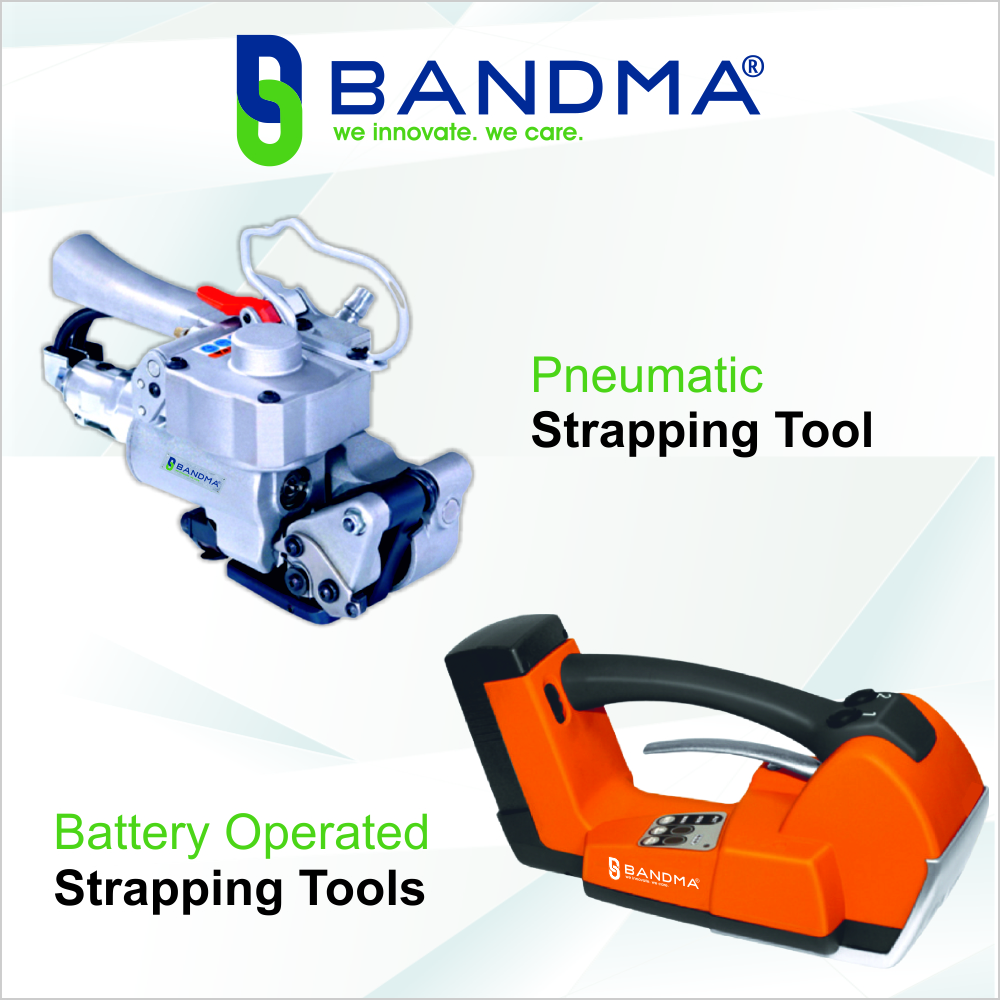
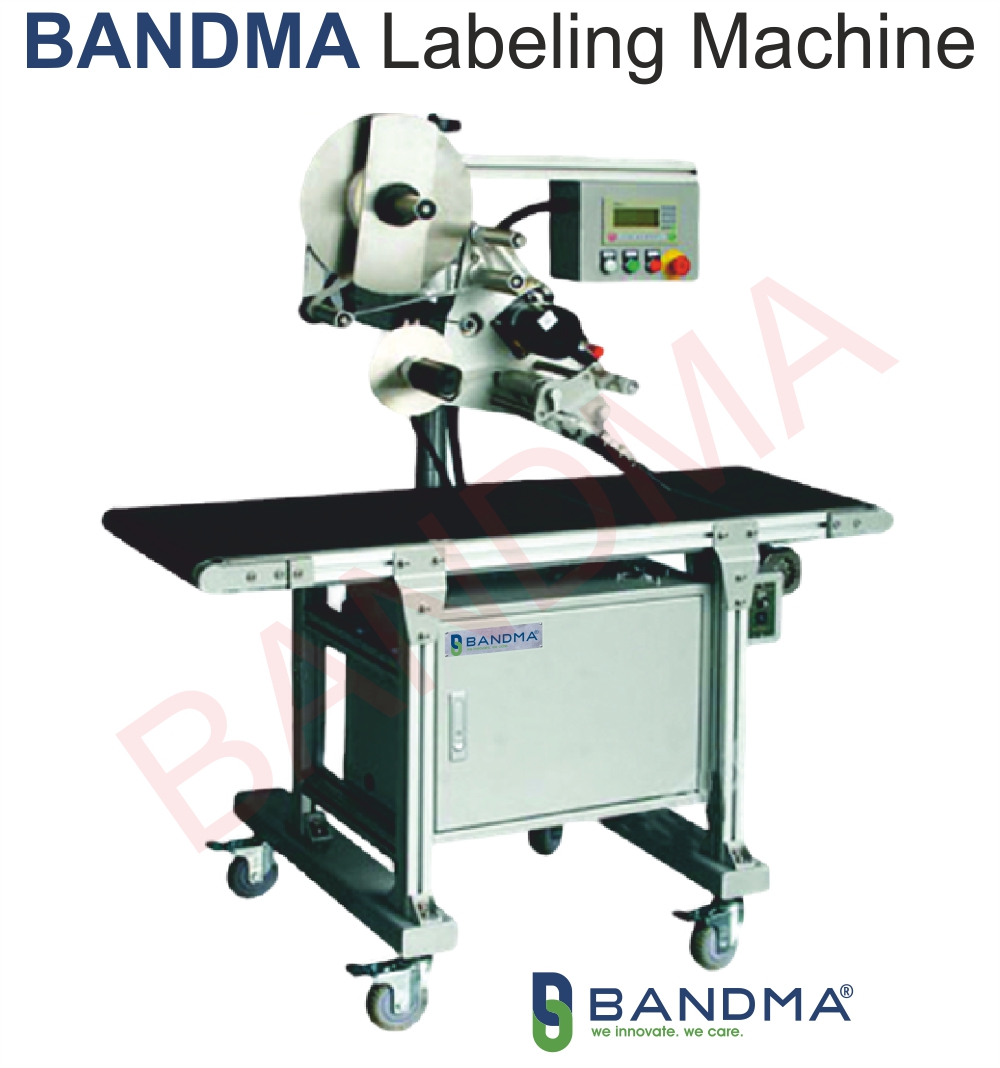
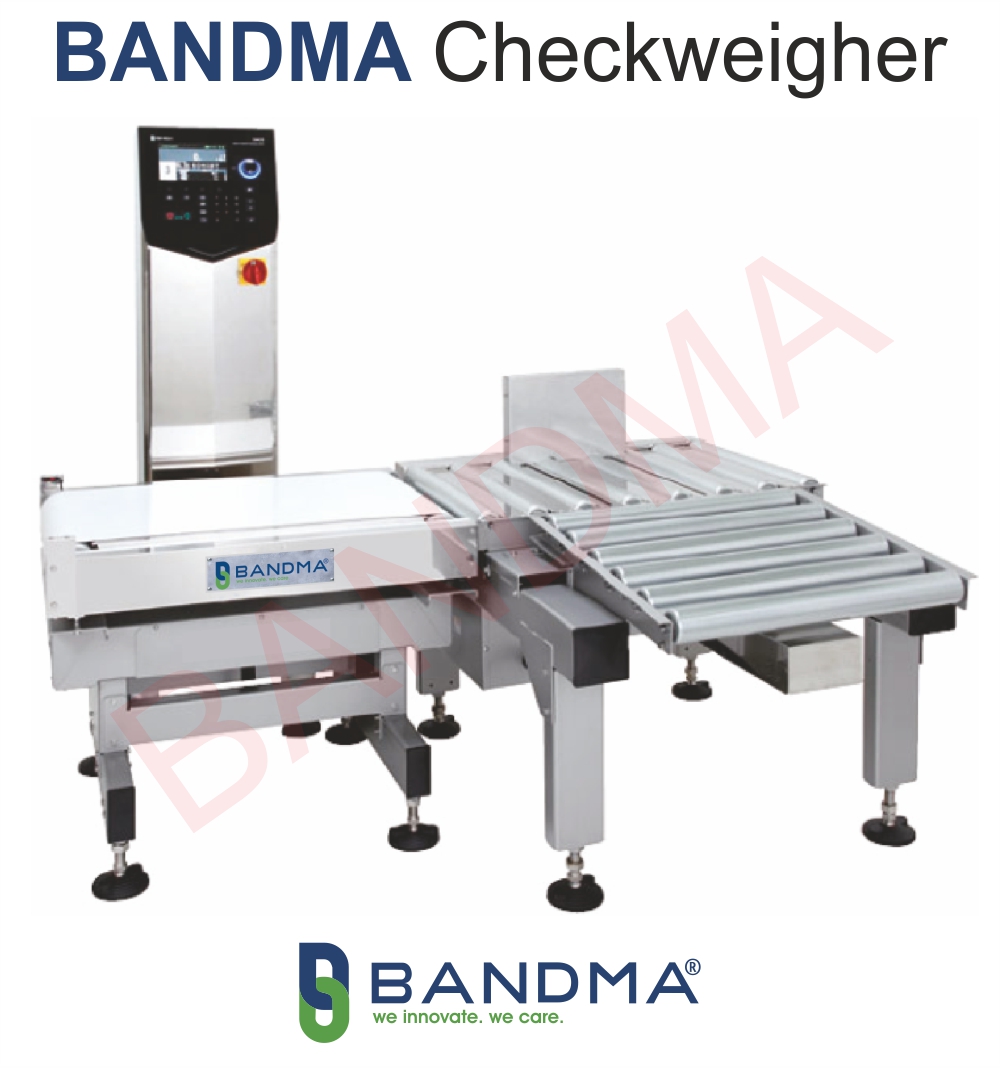
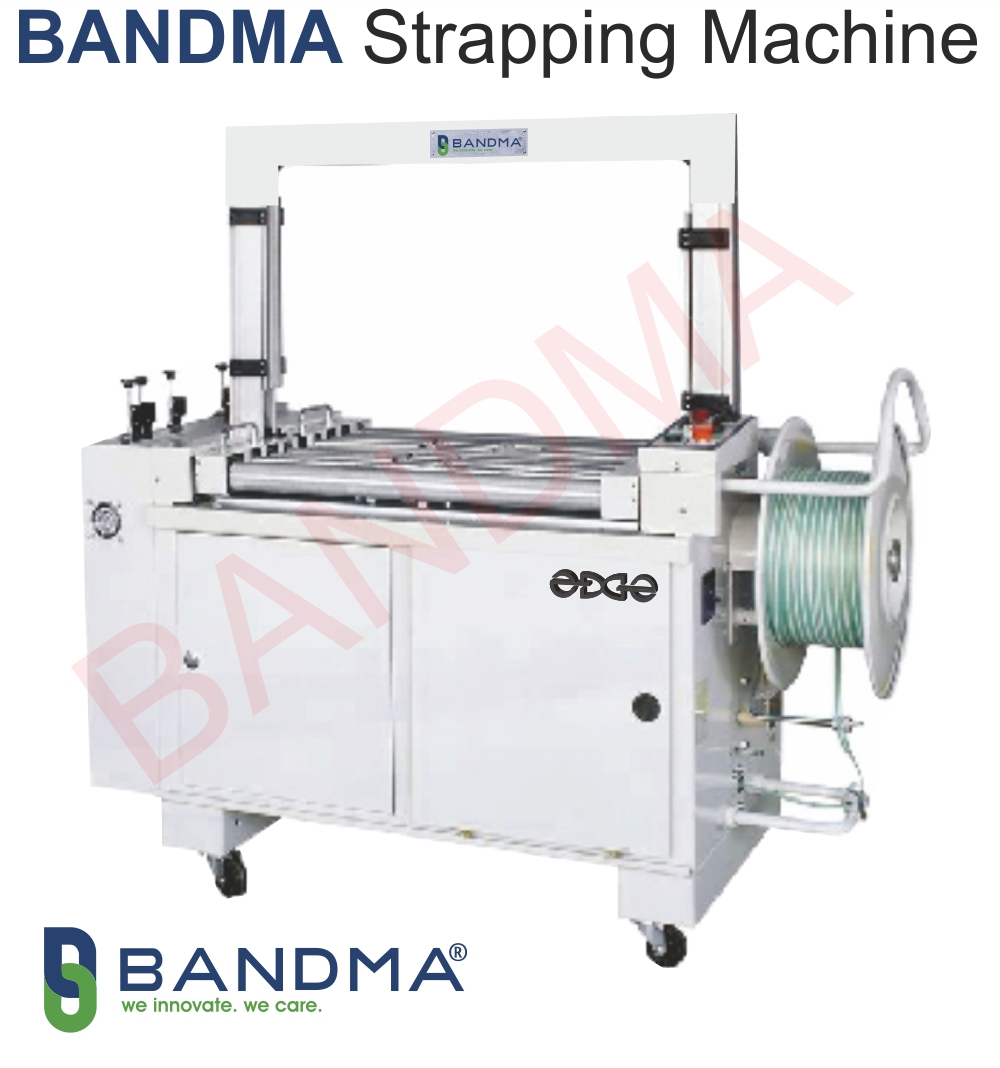
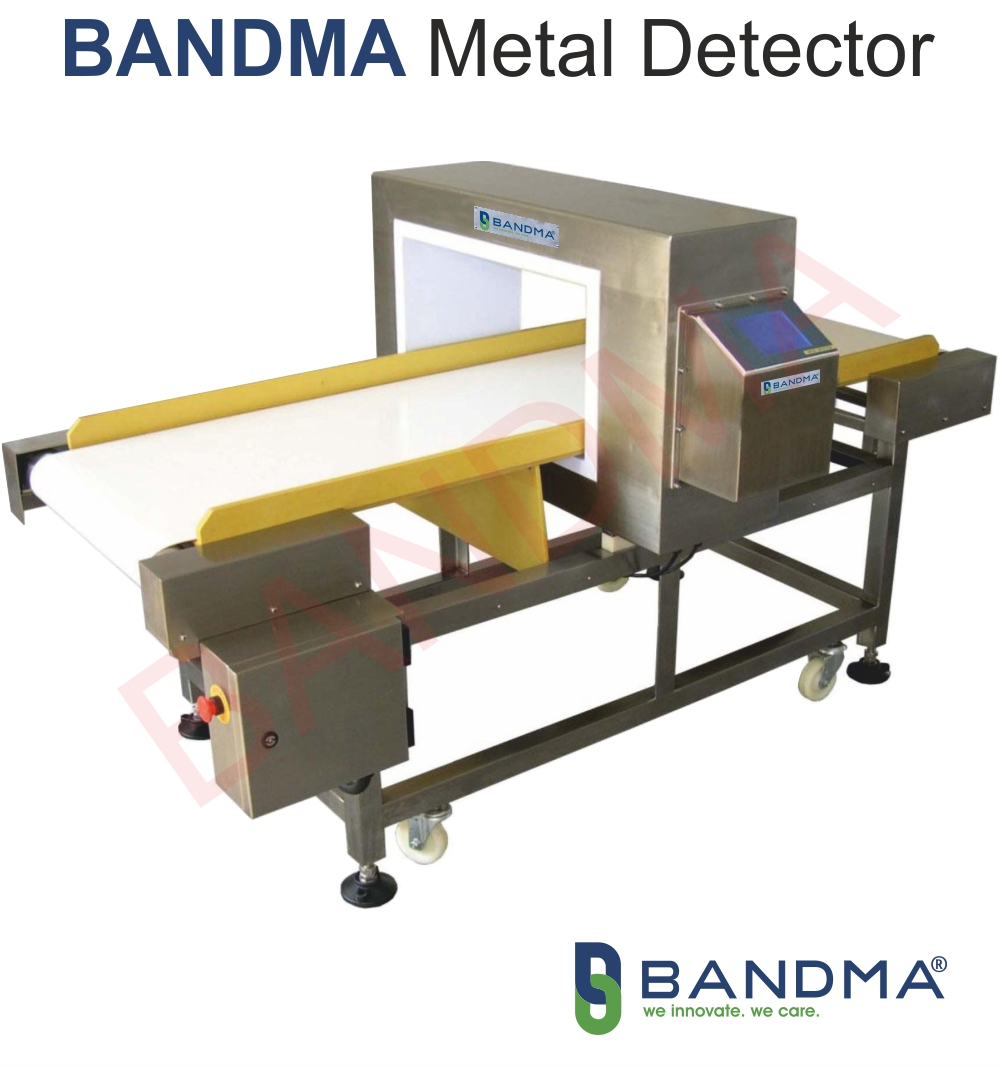
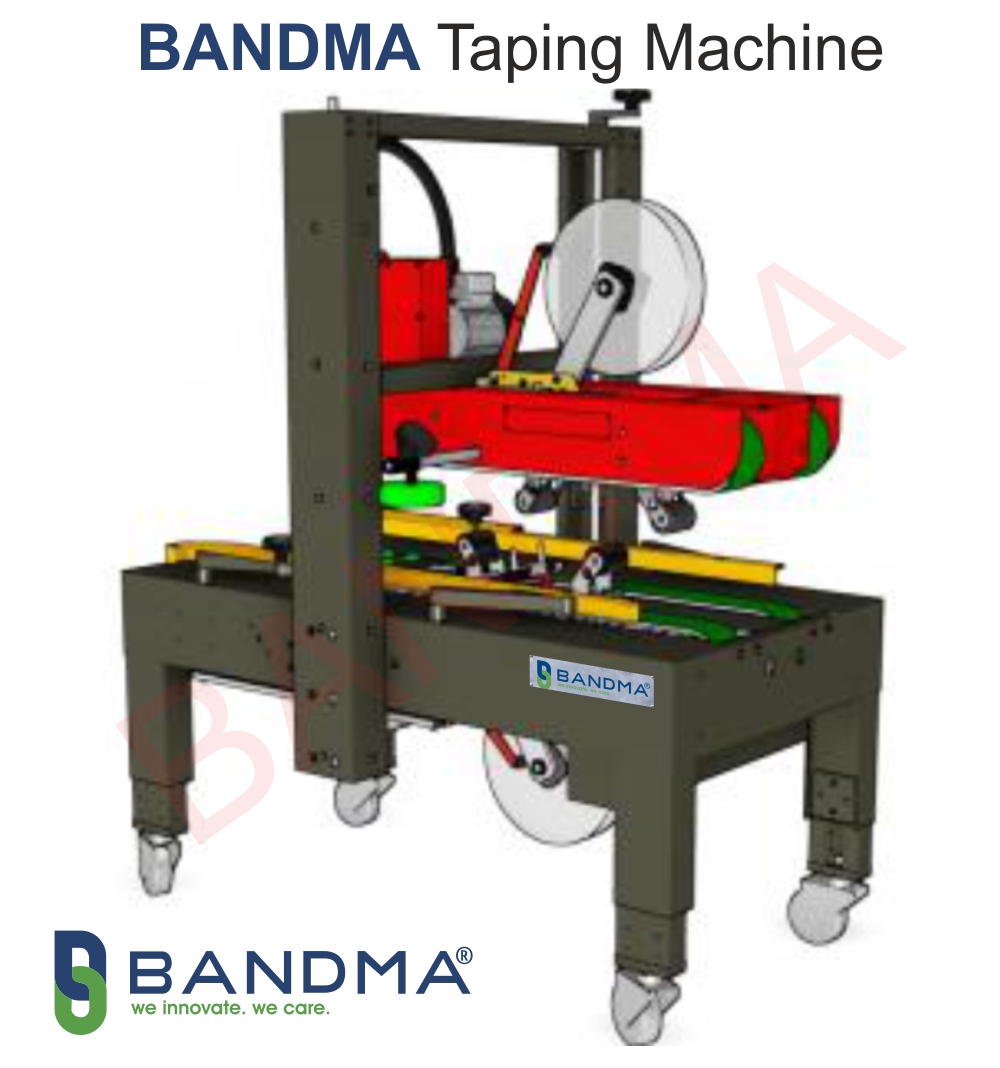
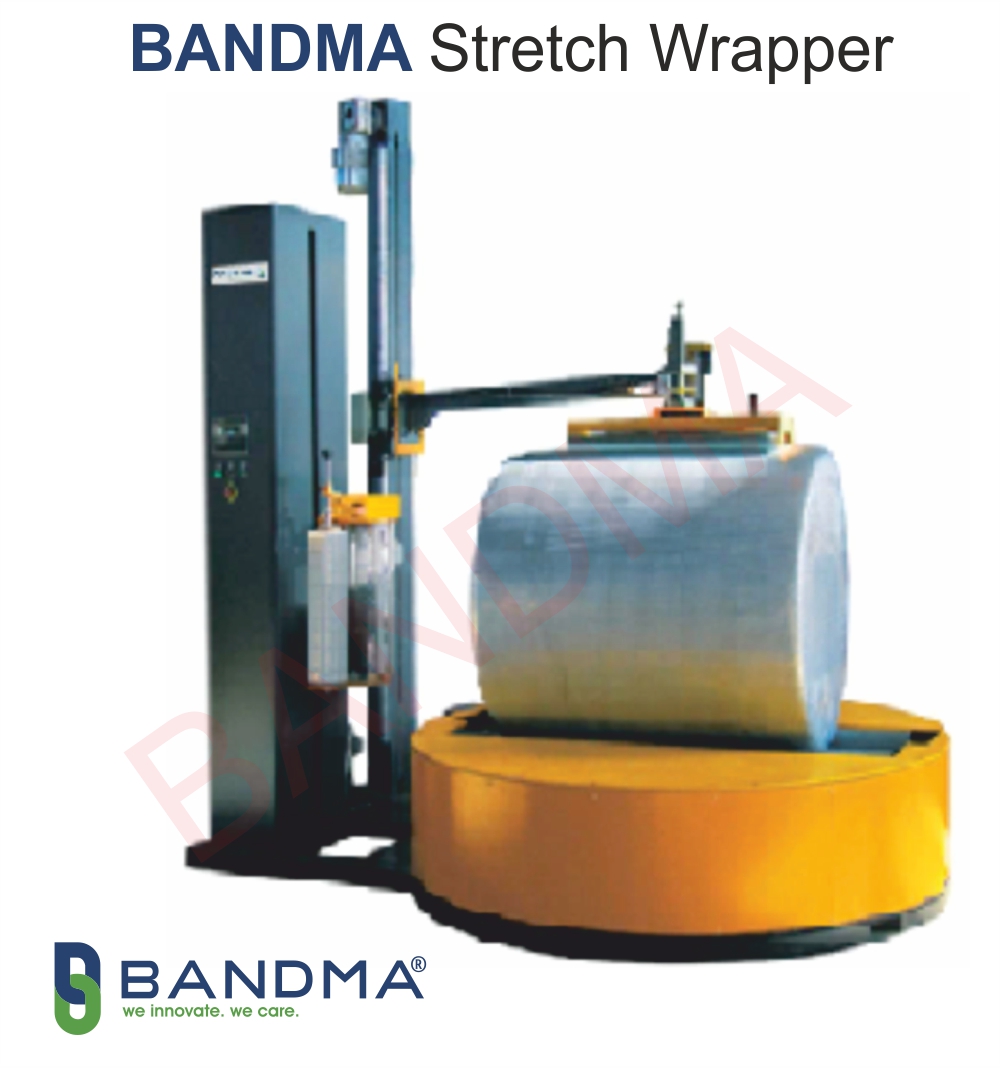
Carton forming and sealing at the case erector and taping machine. Weight verification at the checkweigher. Contamination inspection at the metal detector. Label application at the labelling machine. Code marking for batch, date, and barcode. Carton strapping for load security. Pallet building either manually or through a palletising system. Pallet stretch wrapping for transit protection.
Each step in this sequence is a potential failure point. Each failure point has a cost, and in end-of-line packaging, those costs are rarely contained at the step where they originate.
Why the Costs Are Larger Than They Appear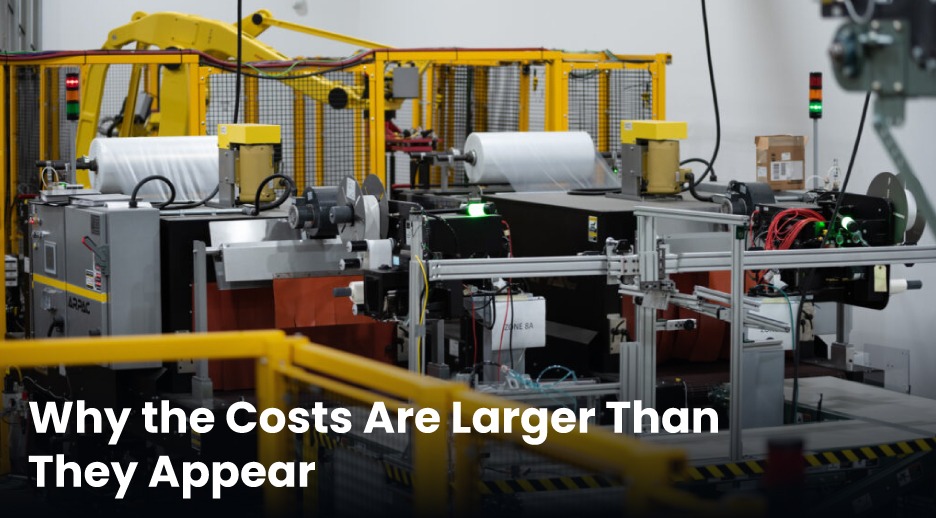
A carton that leaves your facility with a weak tape seal does not just become a damaged carton. It becomes a damaged product, a customer complaint, a replacement shipment, a credit note, and a conversation with a distributor who is now less confident in your operation.
A pallet that is poorly strapped or unevenly wrapped does not just shift in the truck. It potentially damages every carton in the stack, delays unloading at the destination, and in some cases creates a safety incident in the warehouse.
A product that passes through the line without weight verification does not just risk a short-fill complaint. It risks a Legal Metrology violation, a retailer chargeback, and a compliance audit that costs management time far beyond the value of the original shipment.
End-of-line failures compound. A problem at one step does not stay at that step it travels with the product all the way to the customer and sometimes beyond.
The Most Expensive End-of-Line Mistake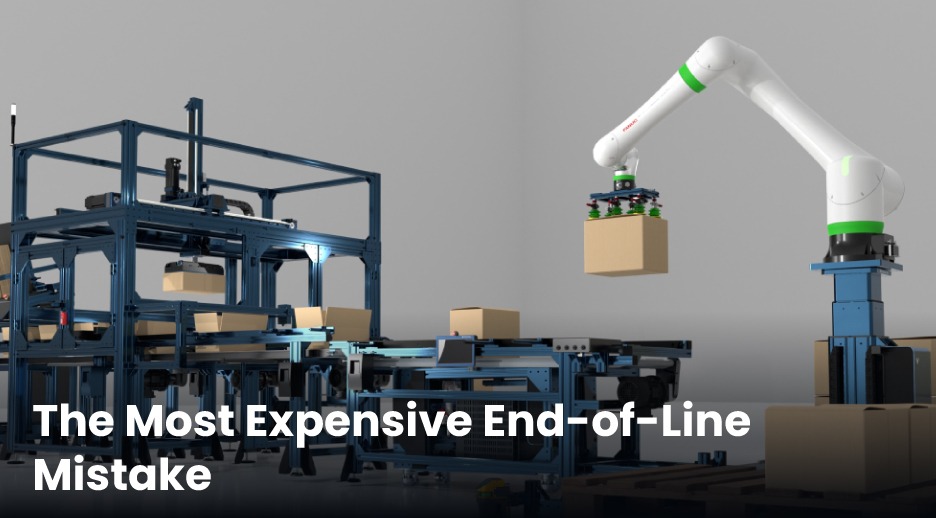
The single most costly end-of-line mistake is not a specific machine failure. It is treating each end-of-line step as an isolated operation rather than as part of a connected system.
When the taping machine, checkweigher, strapping machine, and stretch wrapper operate independently with manual transfers between them, no accumulation management, and no integrated line speed the combined output is slower, less consistent, and more error-prone than any individual machine performance suggests.
The hidden cost is not in the machines. It is in the gaps between them.
What a Well-Designed End-of-Line System Delivers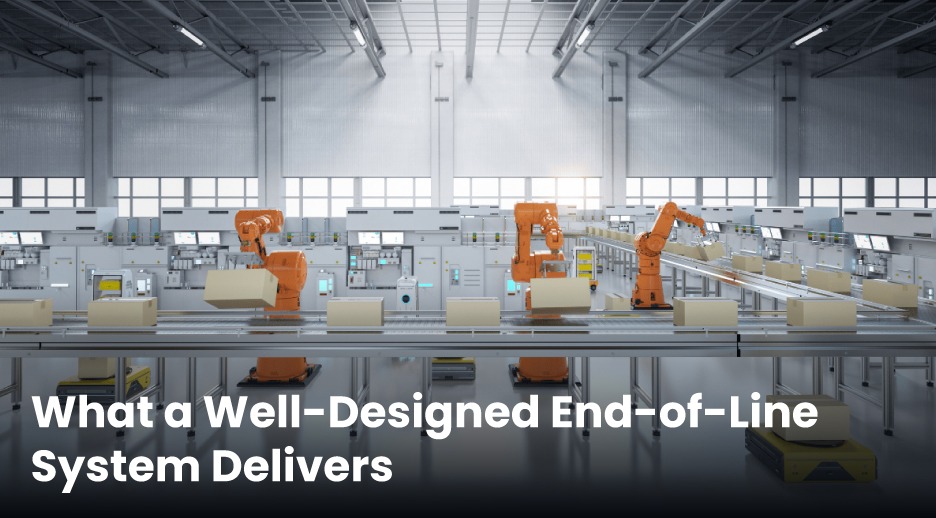
When end-of-line packaging is designed as an integrated system rather than a collection of individual machines, the results are measurable and immediate.
Throughput increases because products move continuously from one step to the next without manual handling delays. Quality improves because every inspection and sealing step operates at the speed and consistency the machine is designed for. Compliance is easier to demonstrate because checkweigher data, metal detection records, and label verification logs are generated automatically. Dispatch becomes faster and more predictable because pallets leave the line correctly wrapped and strapped the first time.
The operational difference between a disconnected end-of-line process and an integrated one is not marginal. For facilities dispatching hundreds of pallets per week, it is the difference between a packaging department that drives efficiency and one that absorbs it.
What Bandma Offers
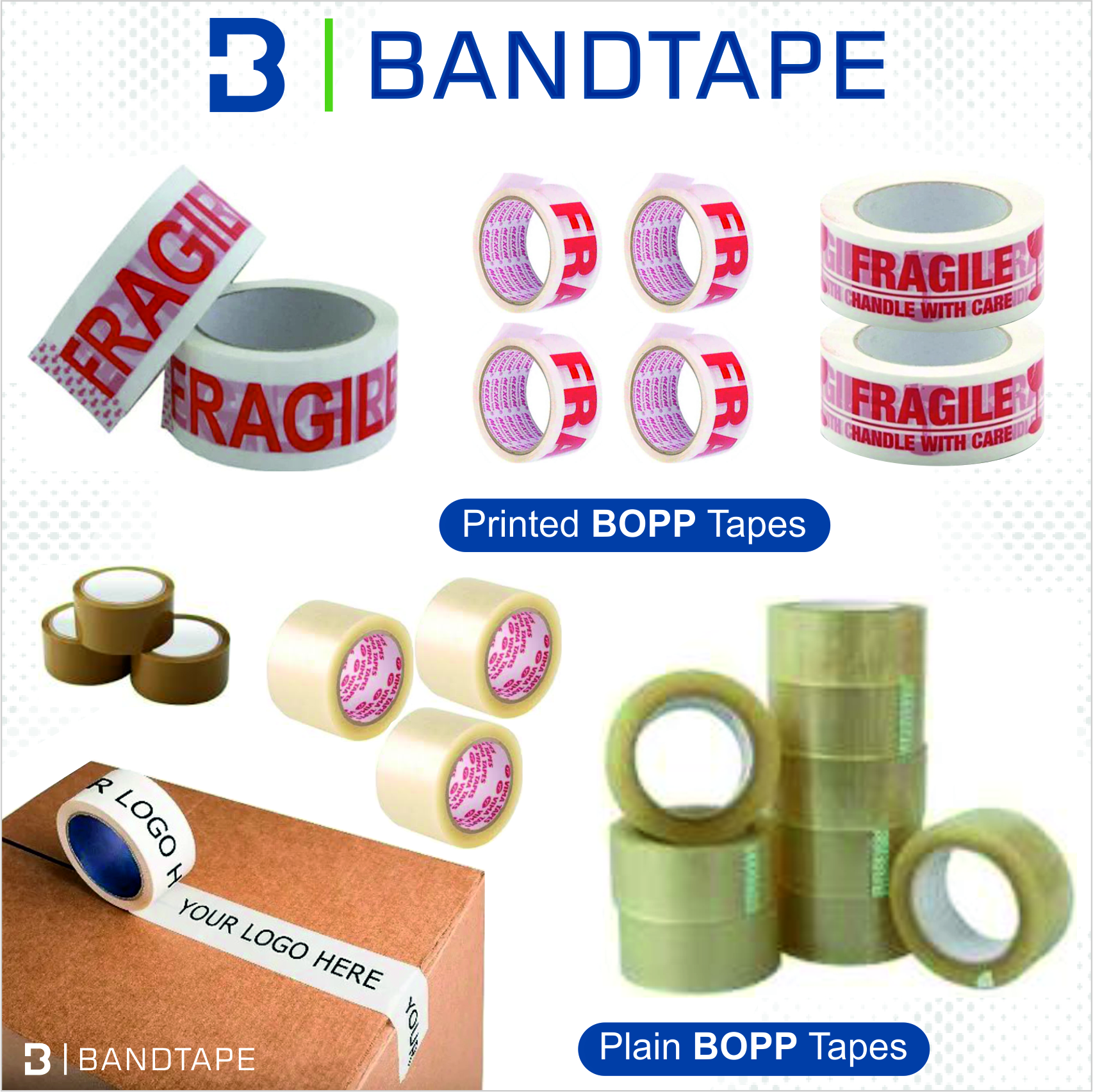
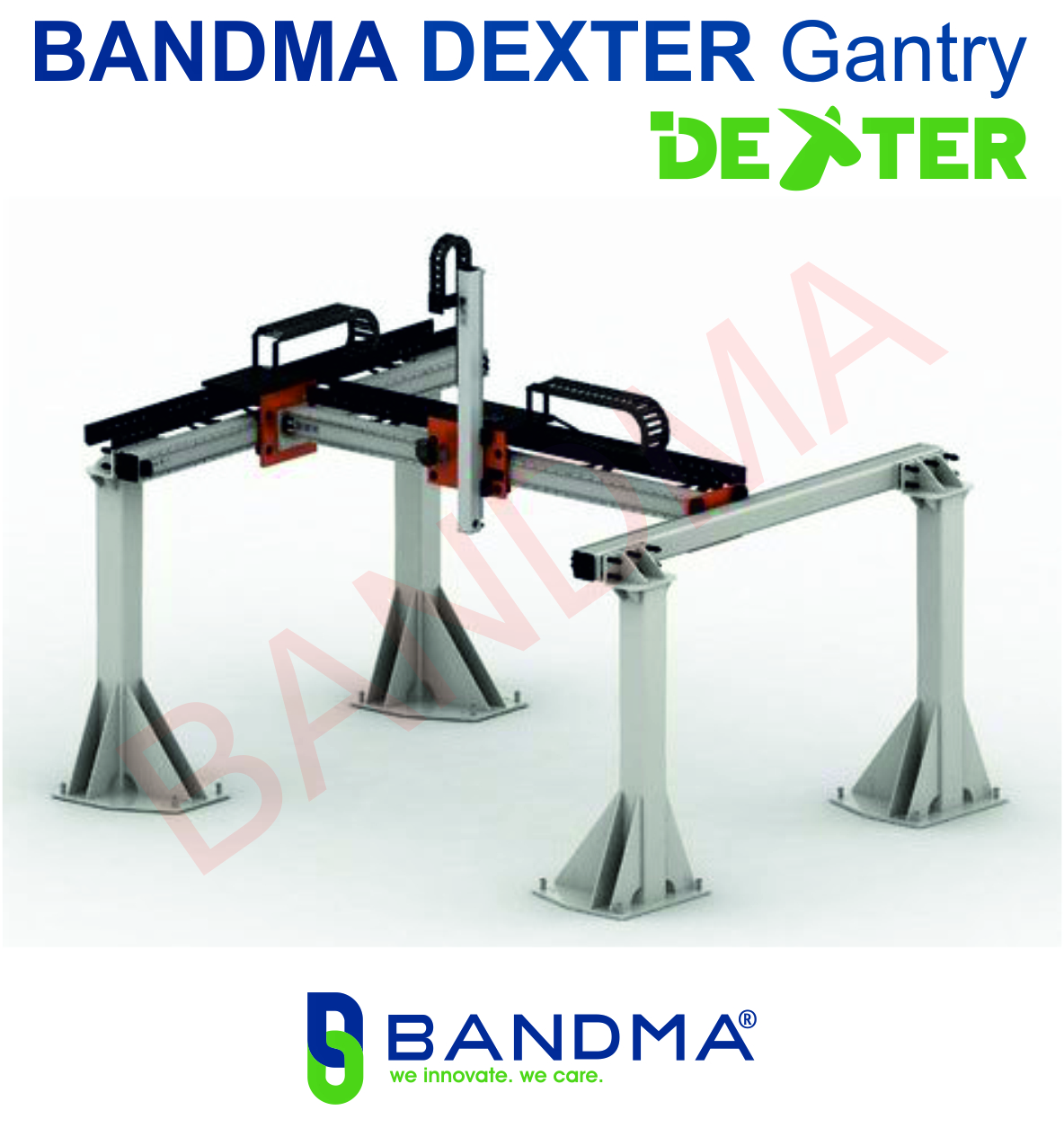
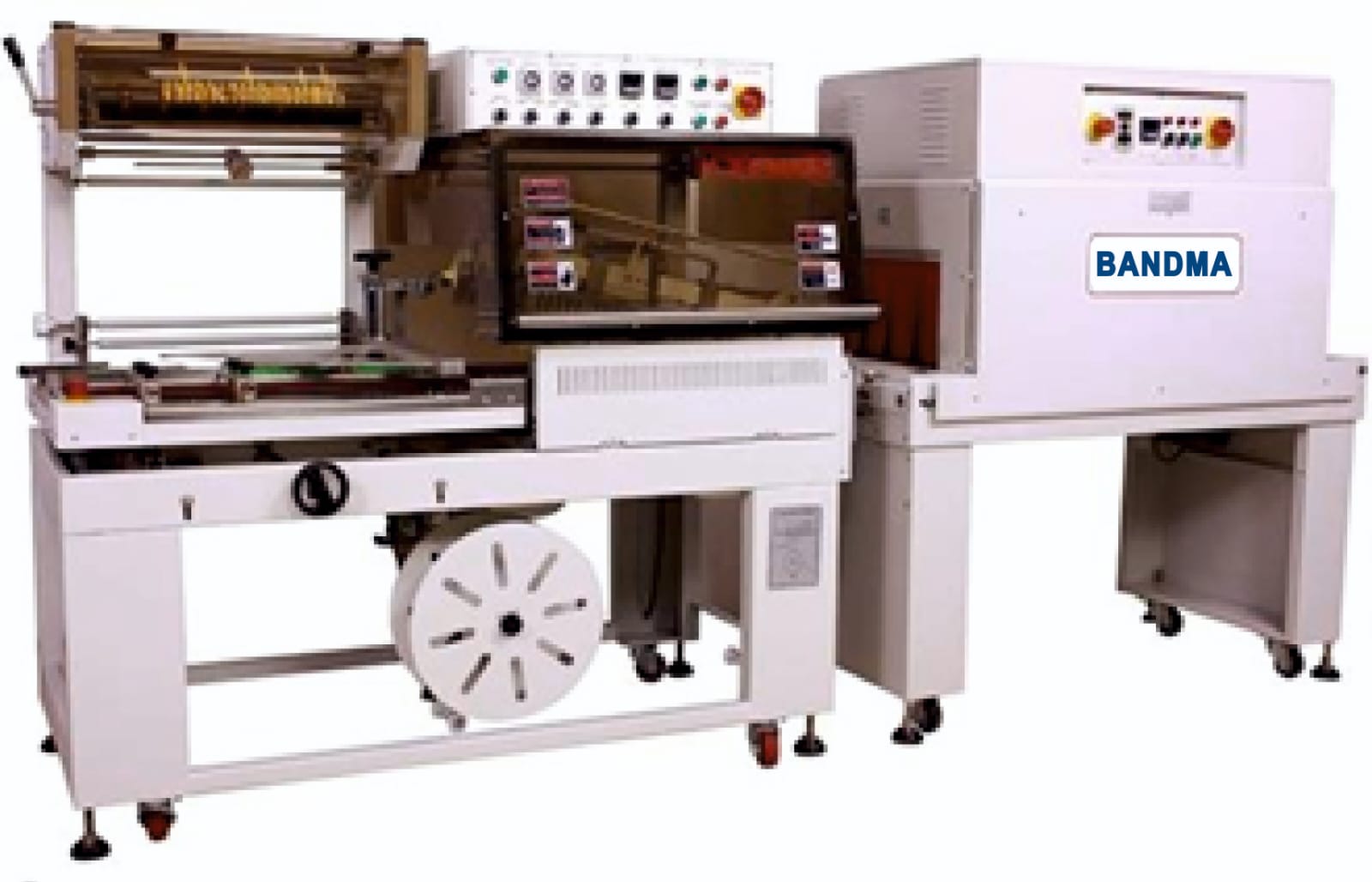
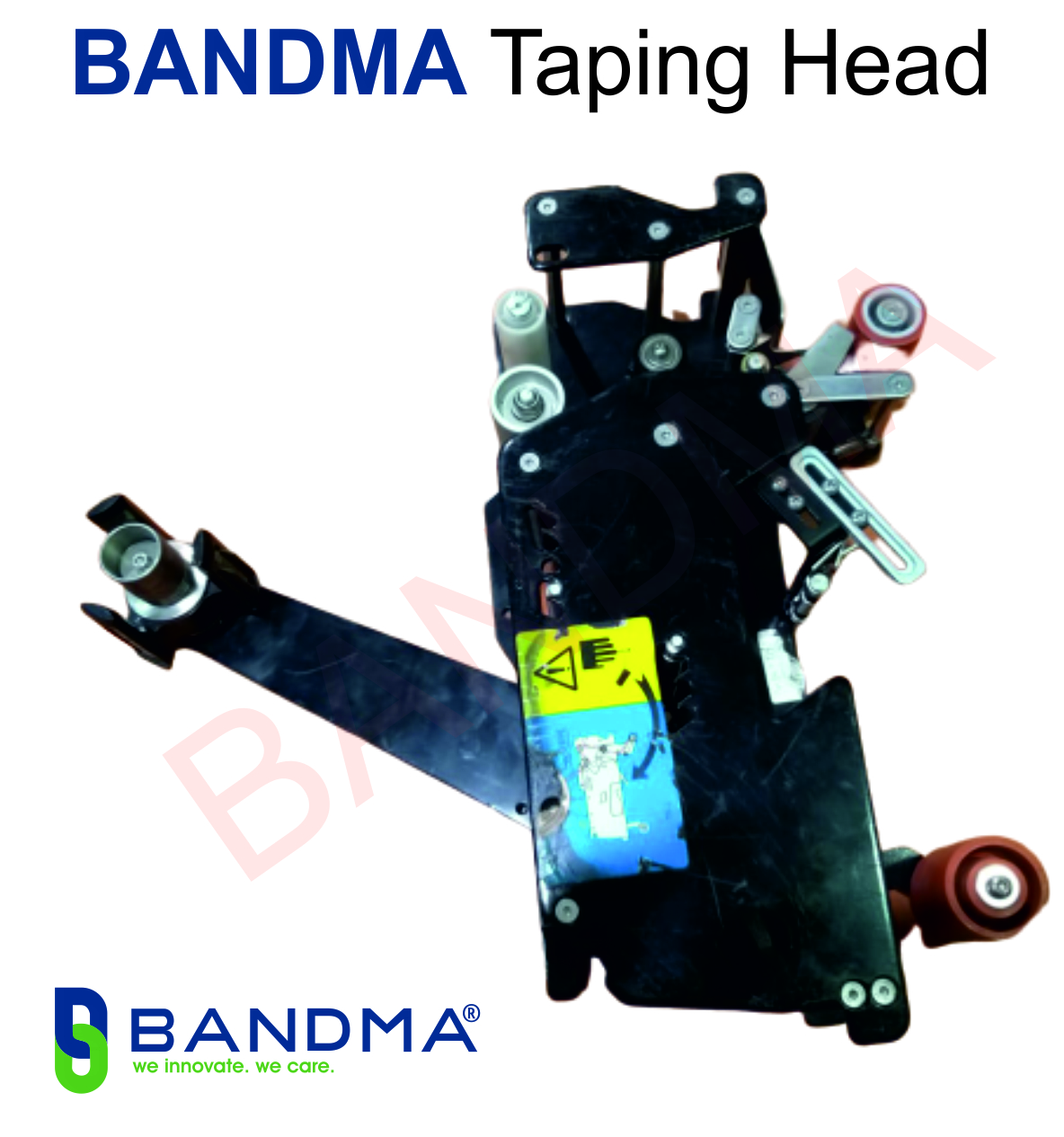
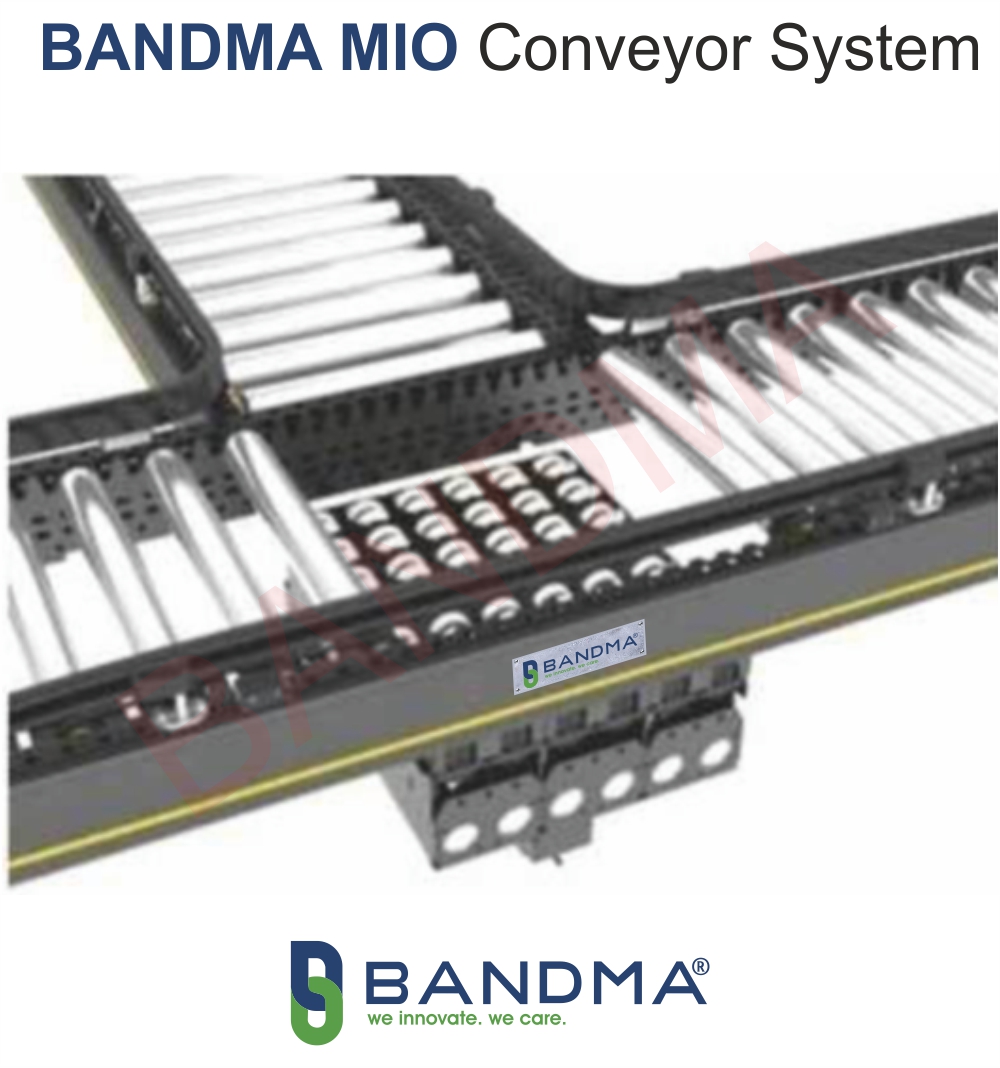
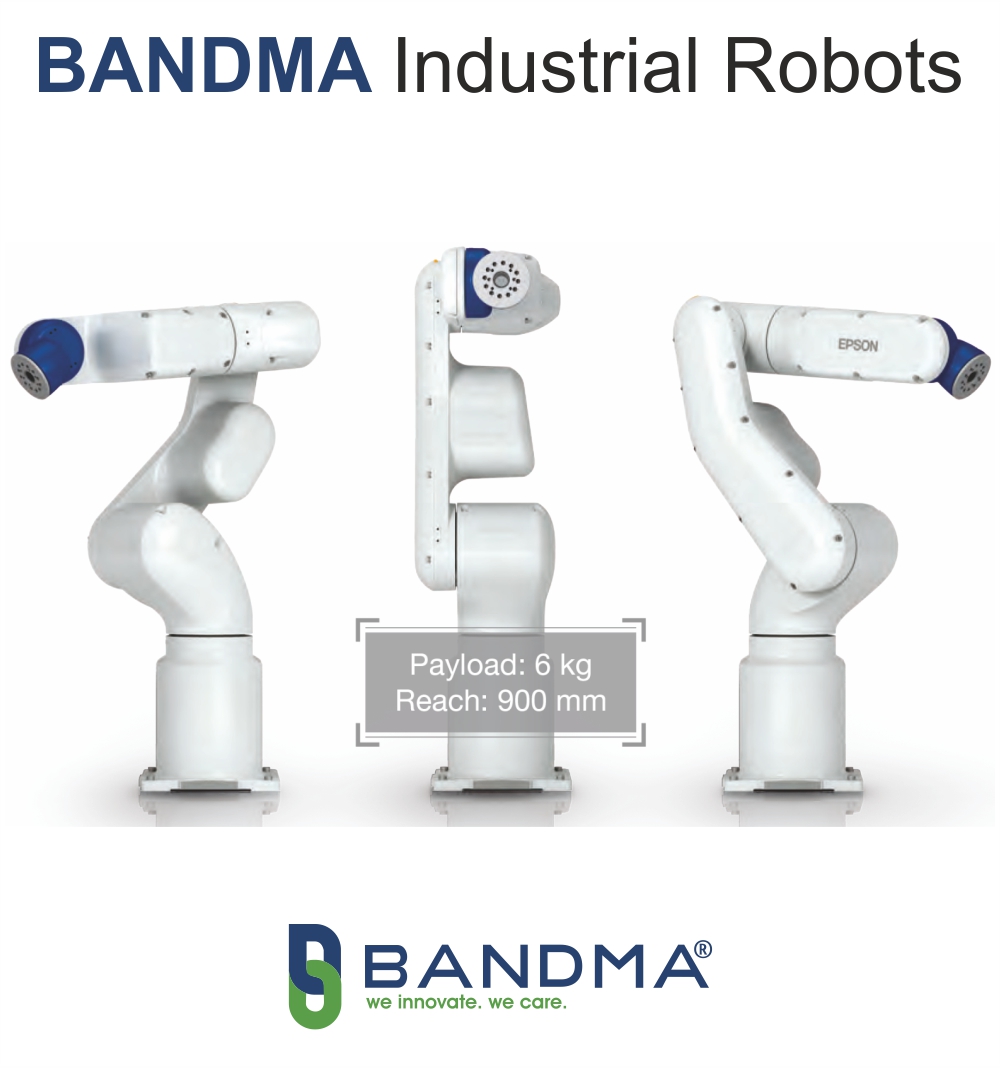
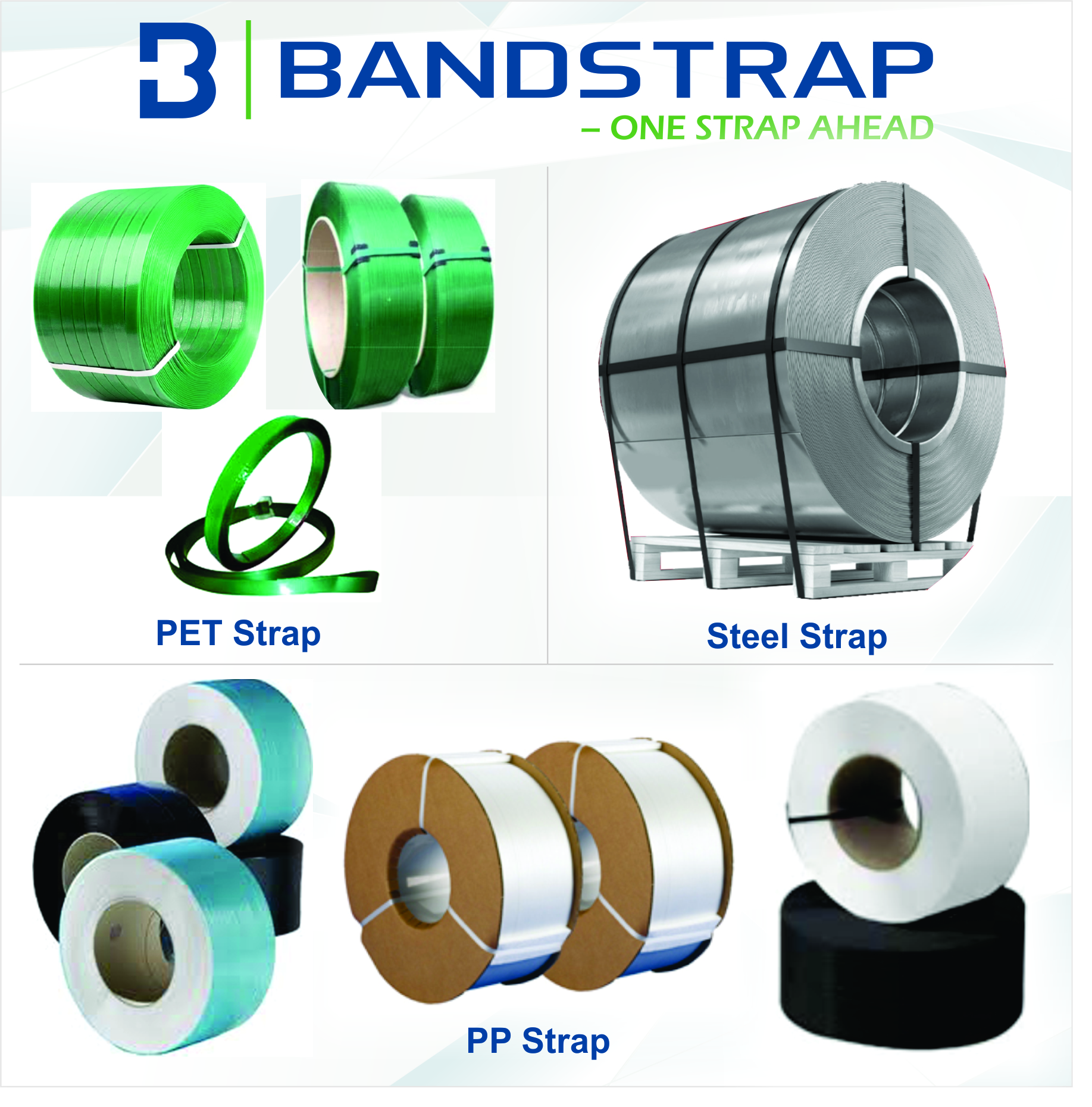
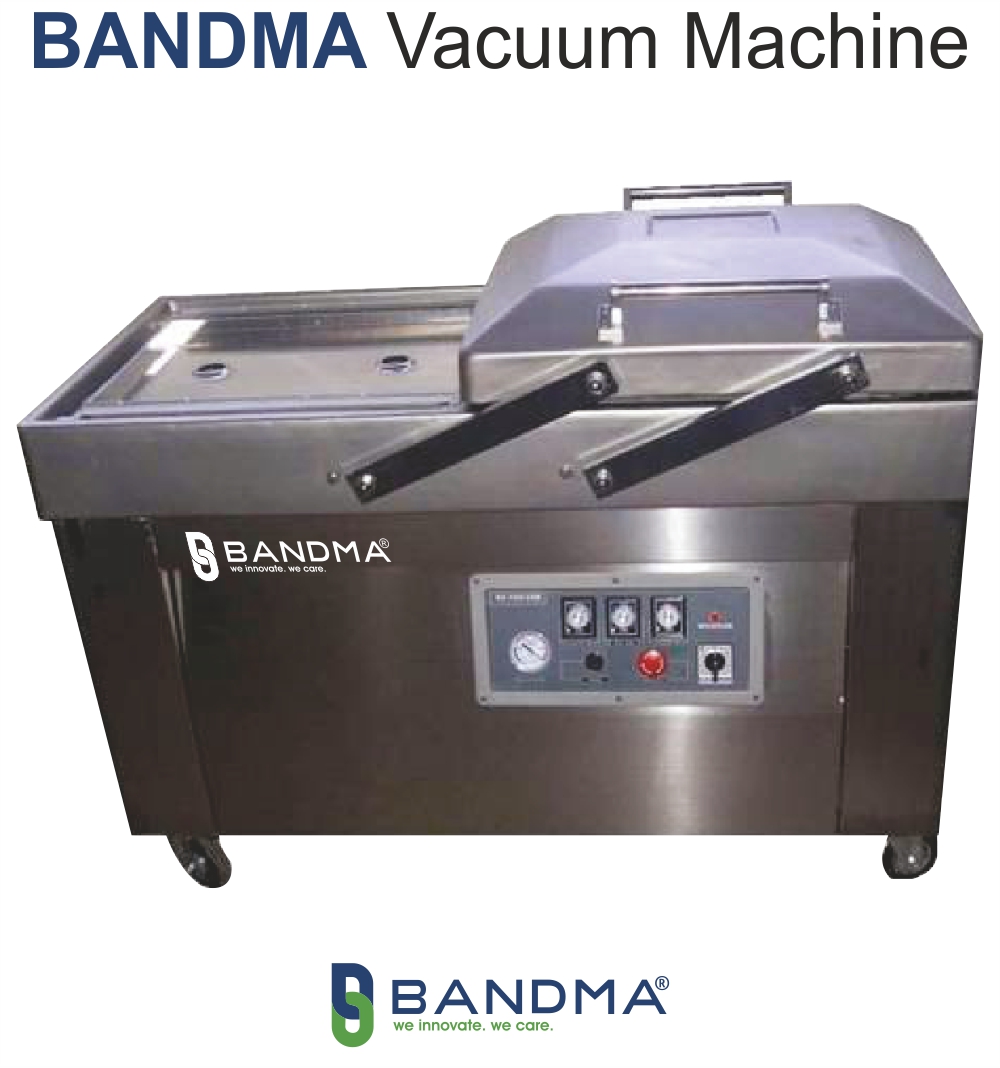
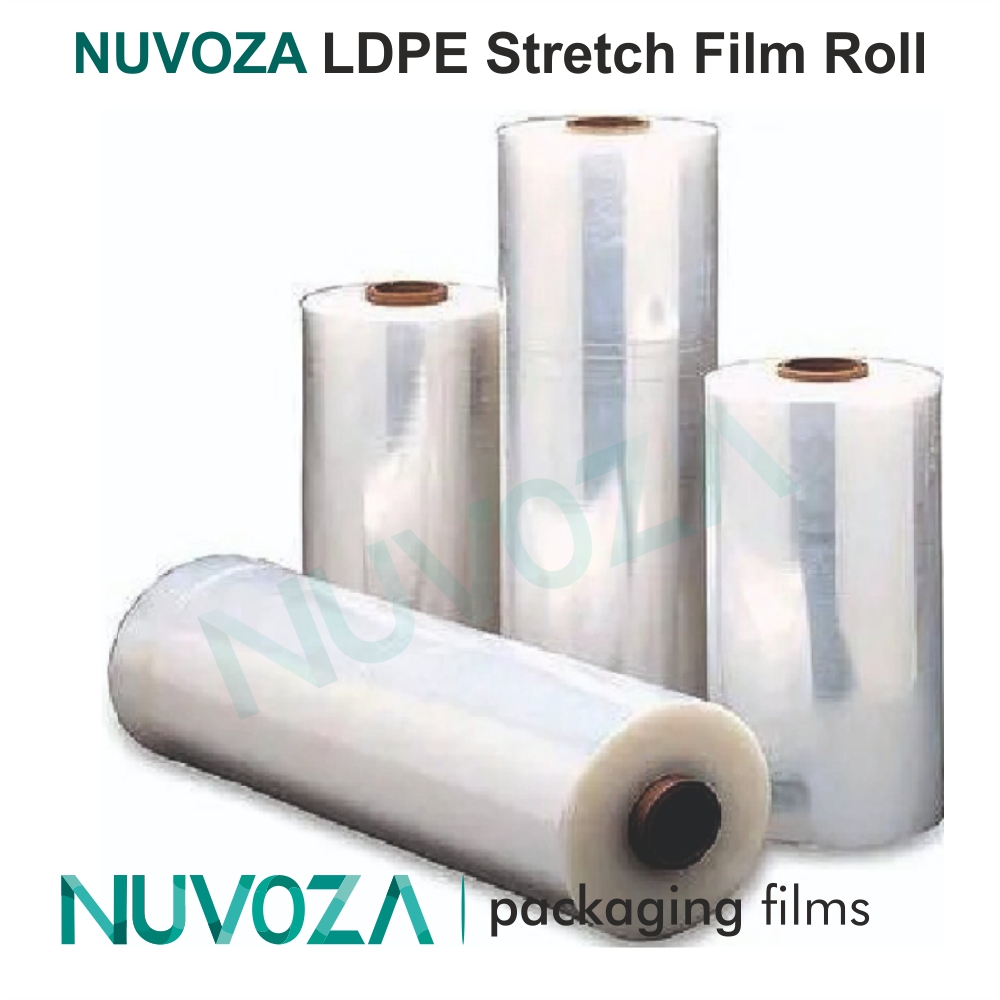
Bandma supplies every machine category in the end-of-line packaging sequence: case erectors, taping machines, checkweighers, metal detectors, labelling machines, code marking systems, strapping machines, conveyor systems, stretch wrappers, and palletising robots, as well as the consumables those machines run on through Bandstrap, Bandtape, and Nuvoza stretch film.
Working with a single supplier across the complete end-of-line sequence simplifies project management, ensures machine compatibility, and means that after-sales support covers the entire line rather than fragmenting across multiple vendors.
Bandma's 24/7 after-sales support is available from day one because the value of an end-of-line system is measured entirely in uptime.
Contact Bandma to discuss your end-of-line packaging requirements, from a single machine to a complete integrated solution.
Bandma - We innovate. We care.