

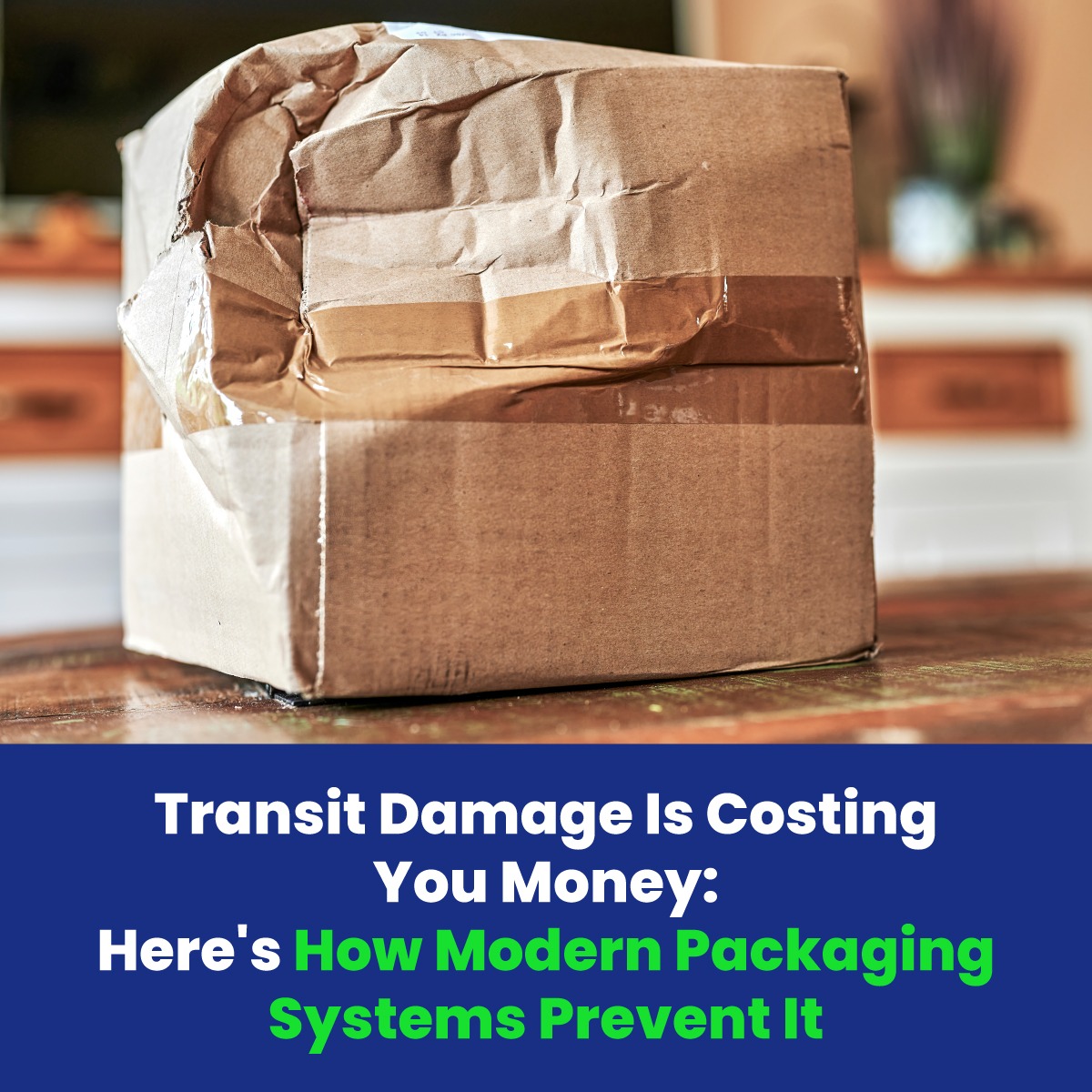
For many manufacturers, the product leaves the factory in perfect condition but arrives at the customer’s location damaged. The immediate reaction is often to blame transportation, handling, or logistics providers. While these factors can contribute, the real problem frequently starts much earlier: inadequate packaging.
Transit damage is one of the most overlooked costs in manufacturing and distribution. It leads to product replacements, customer complaints, delayed deliveries, additional freight expenses, and sometimes even lost business. What makes the issue more frustrating is that most of these losses are preventable.
This is why manufacturers across industries are investing in modern packaging systems designed to protect products throughout the supply chain.
The Hidden Cost of Transit Damage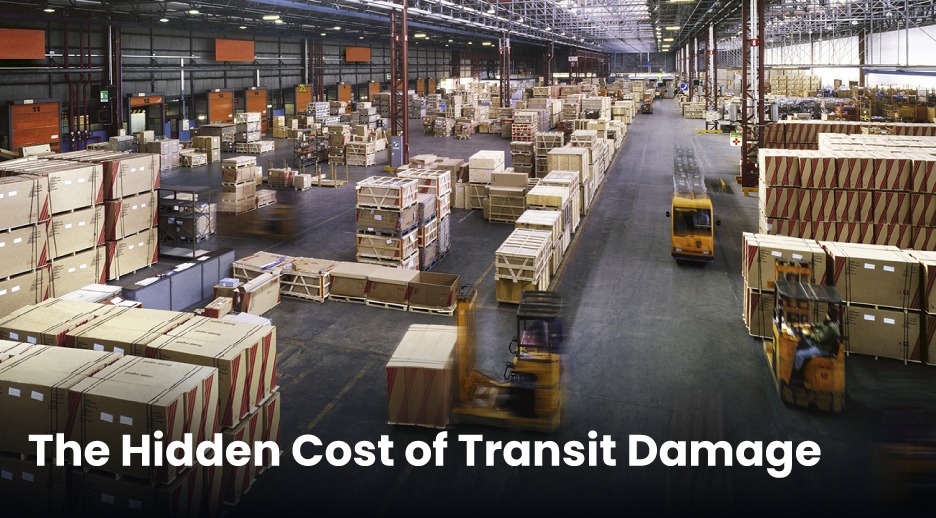
A damaged shipment costs more than just the product's value.
It can result in:
- Product returns and replacements
- Additional transportation expenses
- Increased labor for rework and repacking
- Customer dissatisfaction
- Delayed deliveries
- Damage to brand reputation
Even small percentages of damaged shipments can add up to significant losses over the course of a year.
The challenge is that many companies focus on production efficiency while overlooking packaging performance.
Why Products Get Damaged During Transit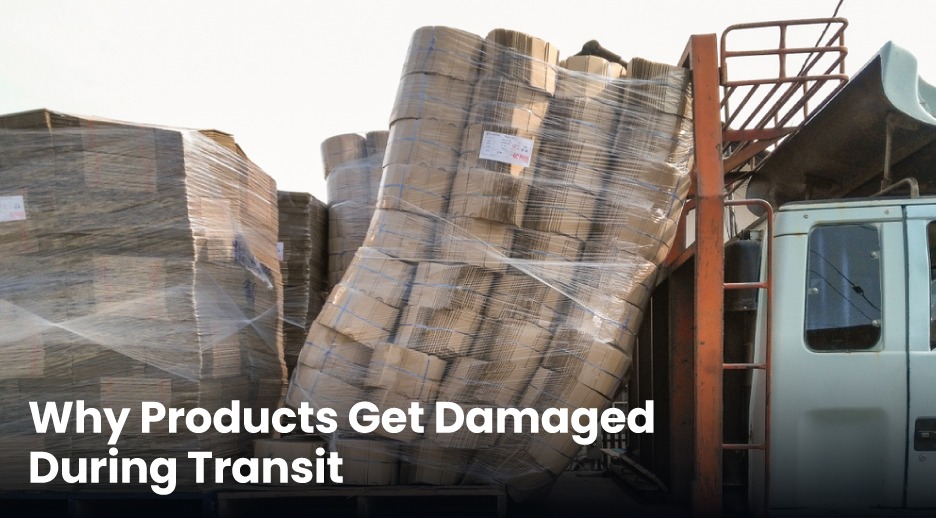
Products face several risks between the factory and the final destination.
Common causes of damage include:
- Pallet load shifting during transportation
- Weak carton sealing
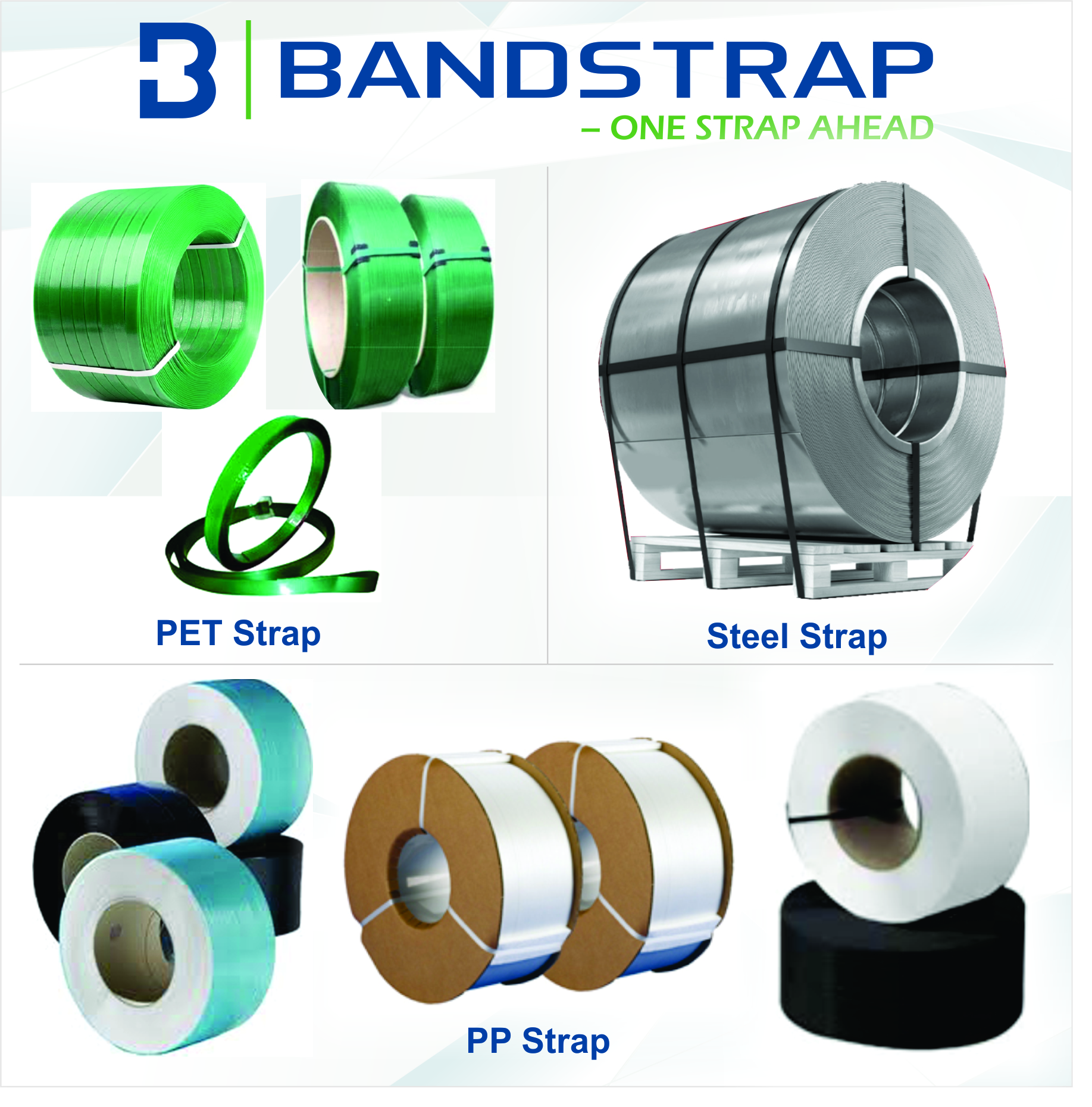
- Improper strapping
- Inadequate wrapping
- Excessive vibration during transit
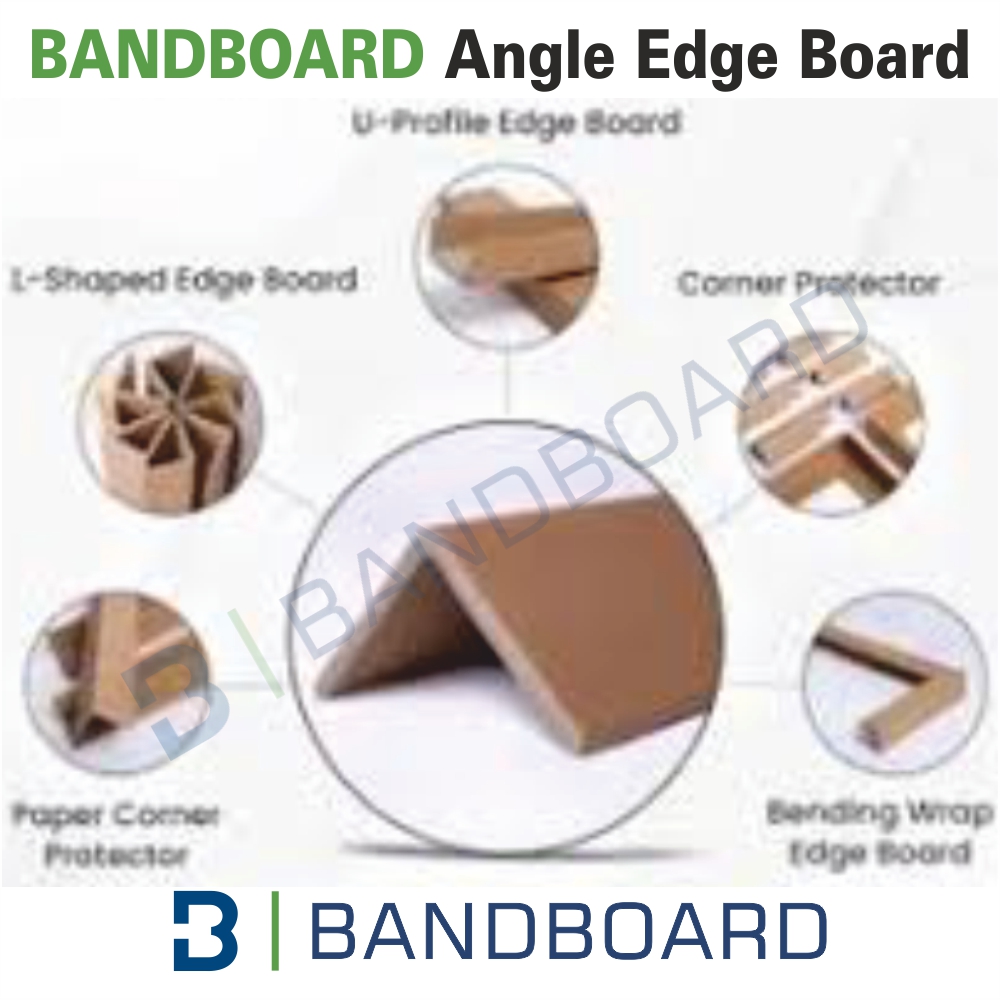
- Compression damage from stacking
- Manual handling during loading and unloading
If packaging is unable to withstand these conditions, the product becomes vulnerable long before it reaches the customer.
How Modern Packaging Systems Reduce Damage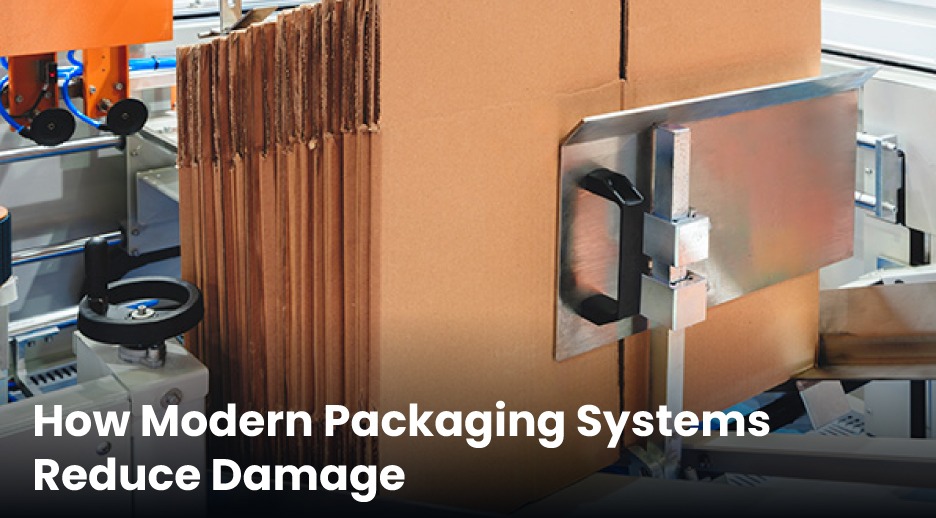
Today's packaging technology is designed to improve load stability, strengthen packaging integrity, and create a more secure shipment.
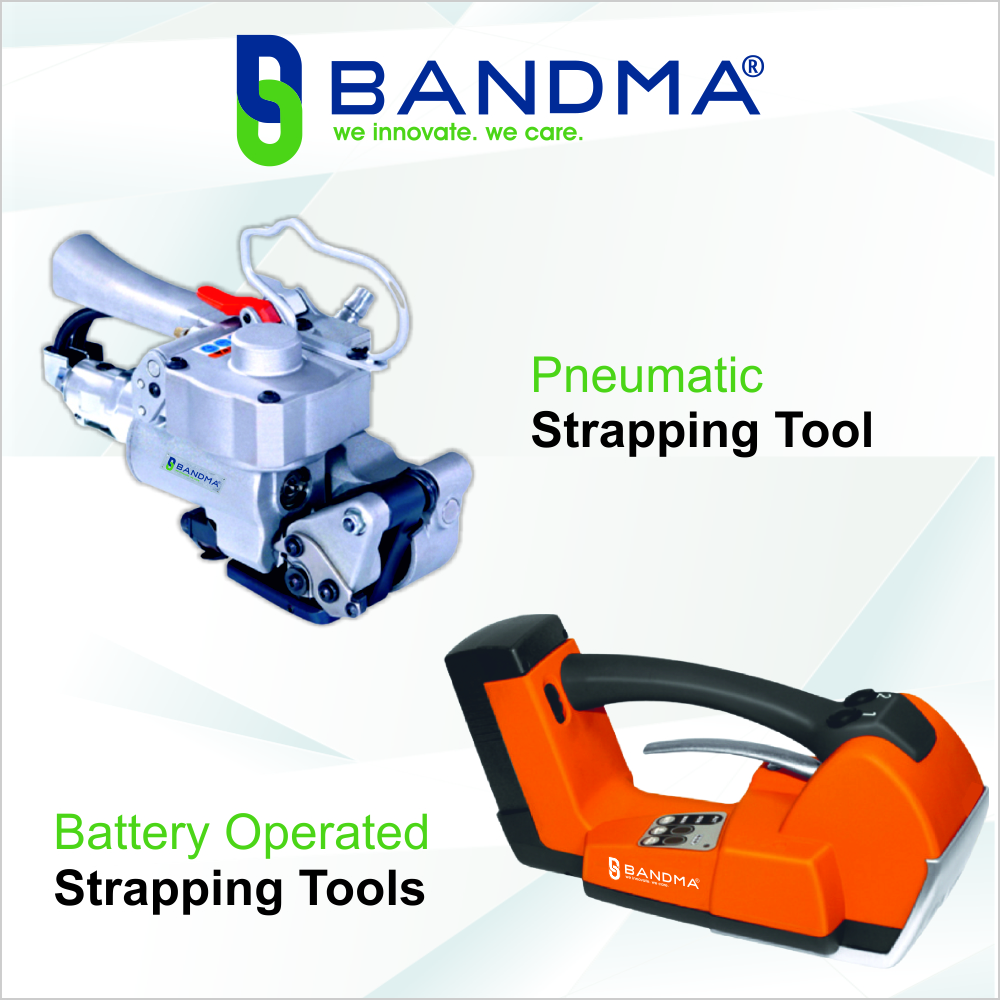
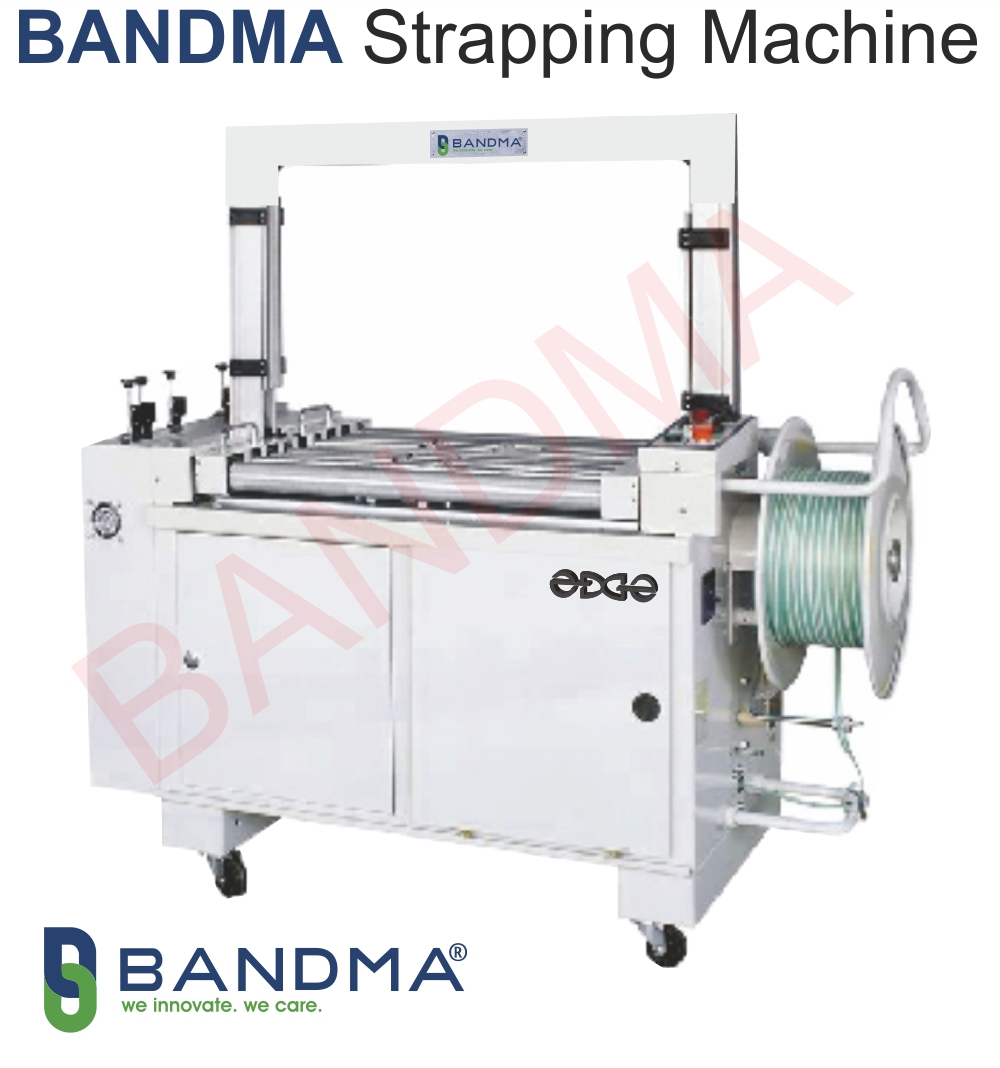
- Automatic Strapping Machines
Proper strapping is essential for keeping cartons and bundles secure.
Automatic strapping machines apply consistent tension, ensuring that products remain stable throughout storage and transportation.
Compared to manual strapping, they provide better load containment and reduce the risk of cartons shifting during transit.
- Stretch Wrapping Systems
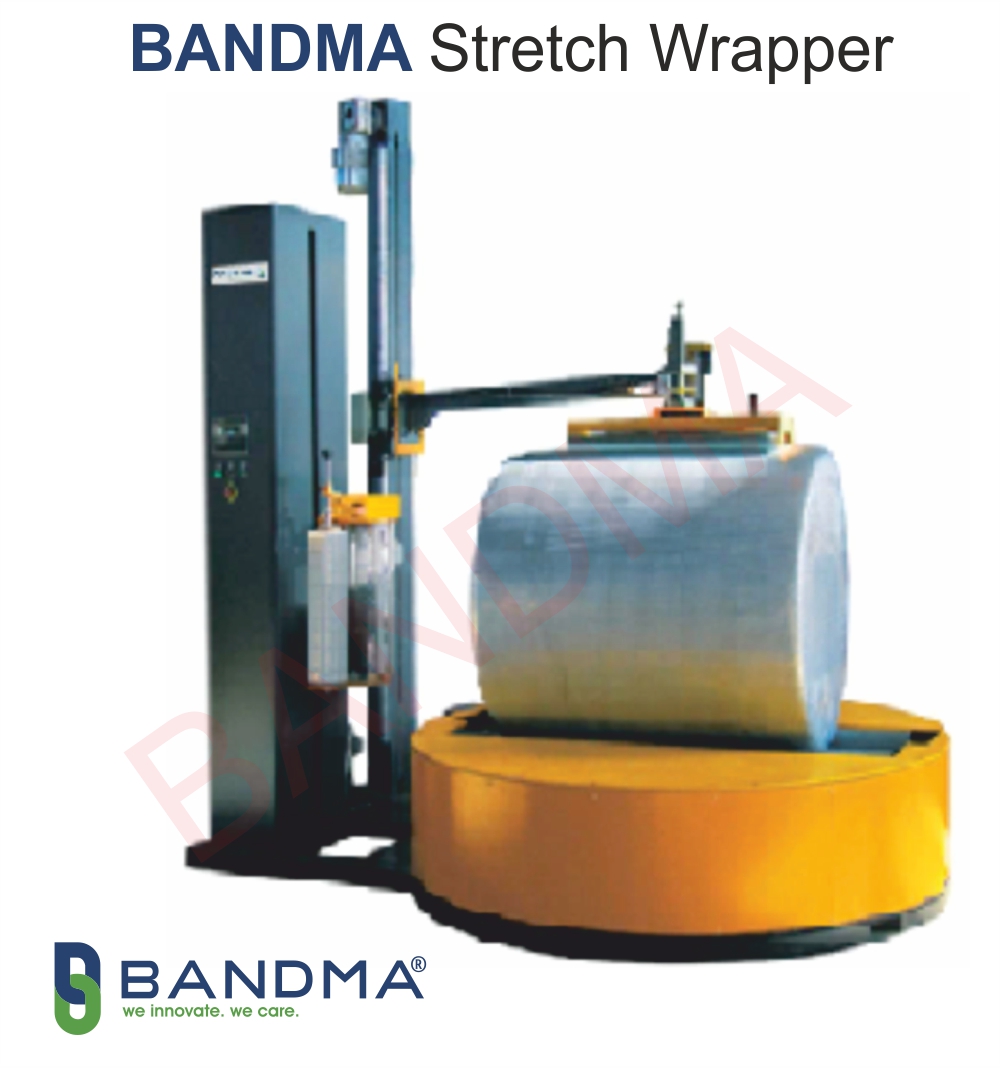
One of the most effective ways to stabilize pallet loads is through stretch wrapping.
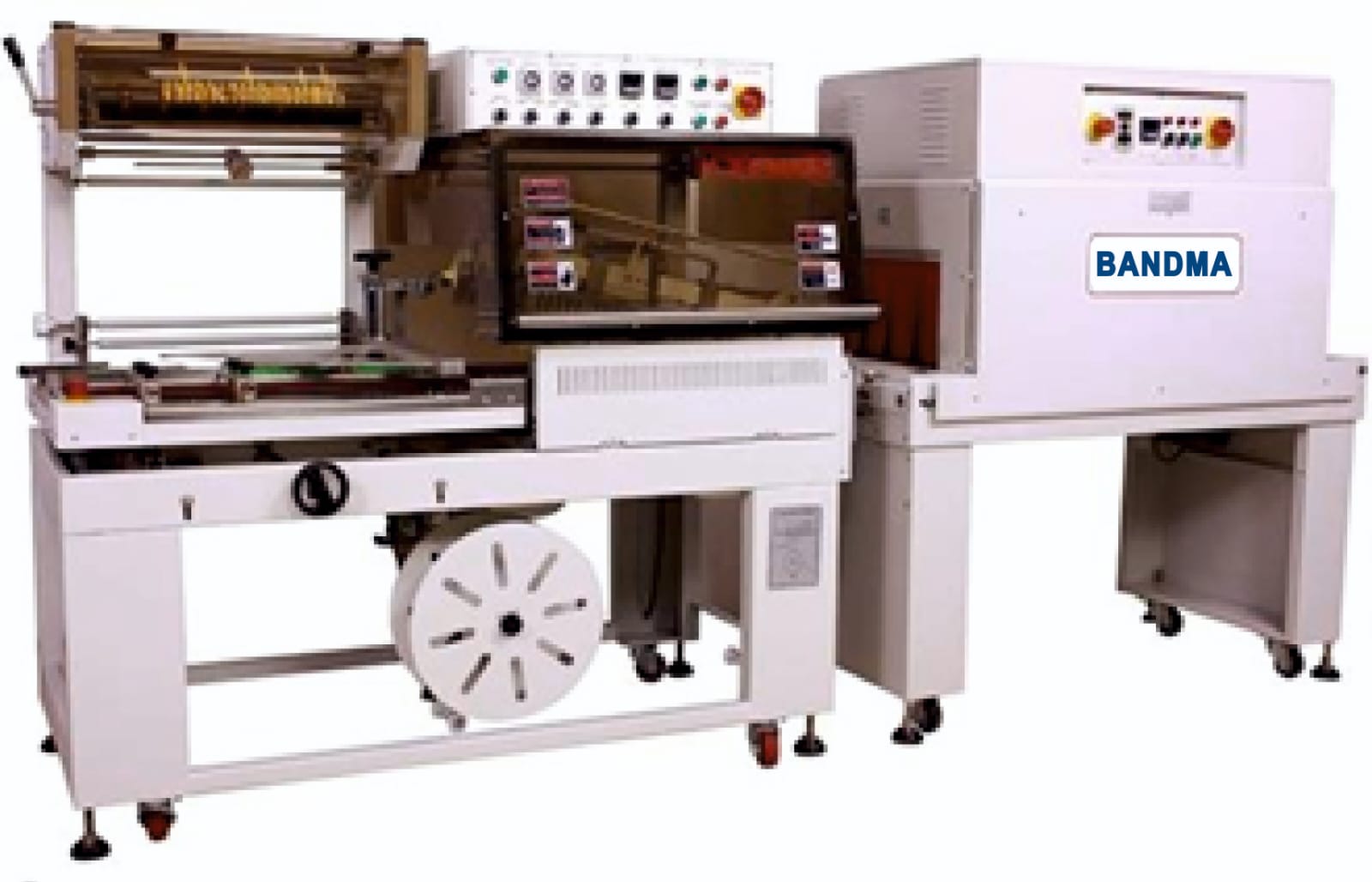
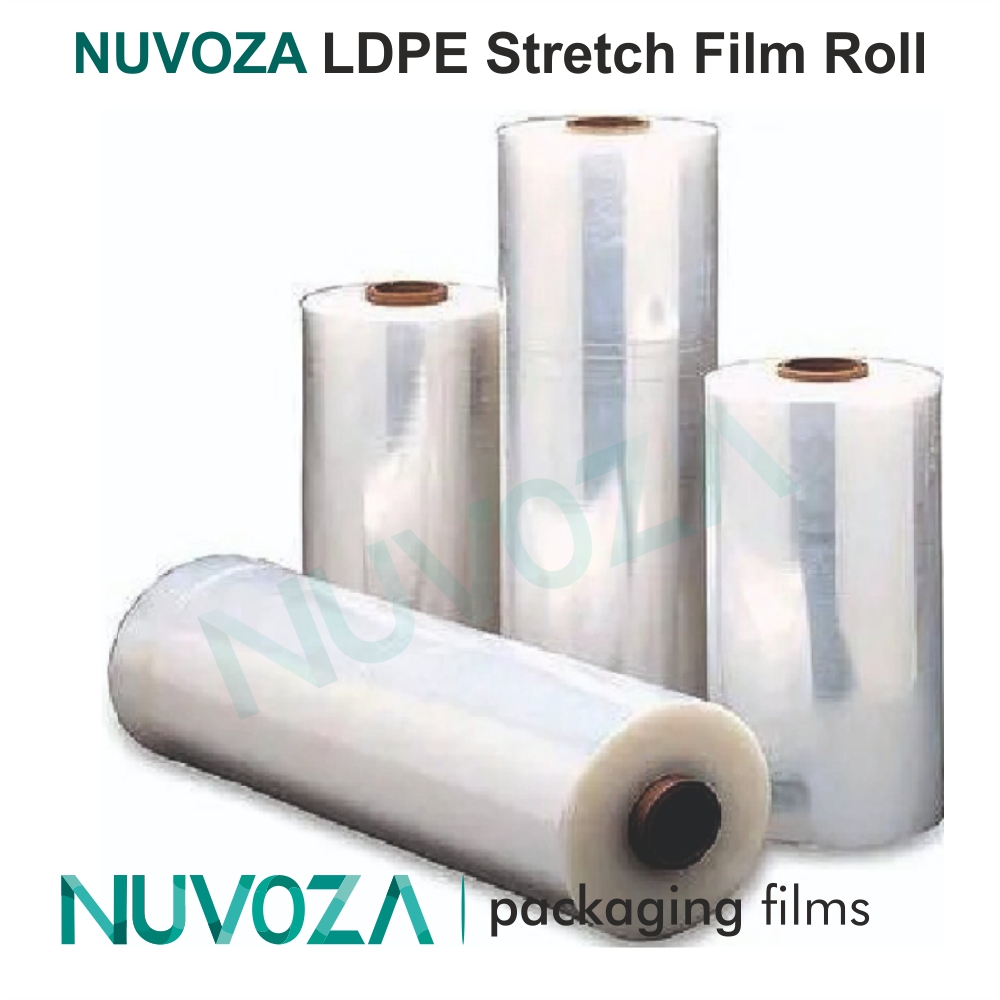
Modern stretch wrapping machines create a tightly secured load by applying consistent film tension around the pallet.
Benefits include:
- Improved pallet stability
- Reduced product movement
- Protection from dust and moisture
- Lower risk of collapse during transportation
A well-wrapped pallet behaves as a single unit, making it far more resistant to transit-related damage.
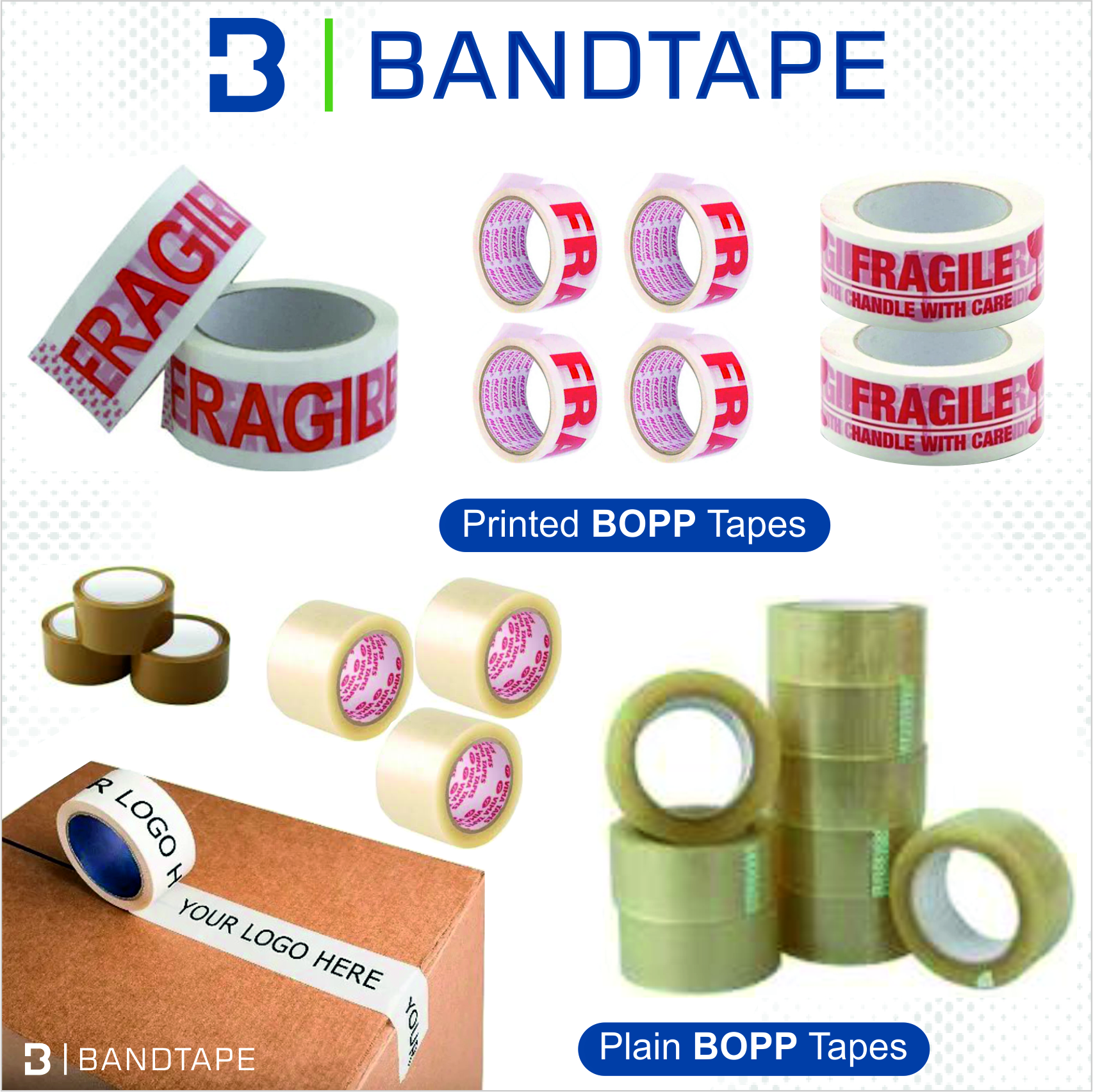
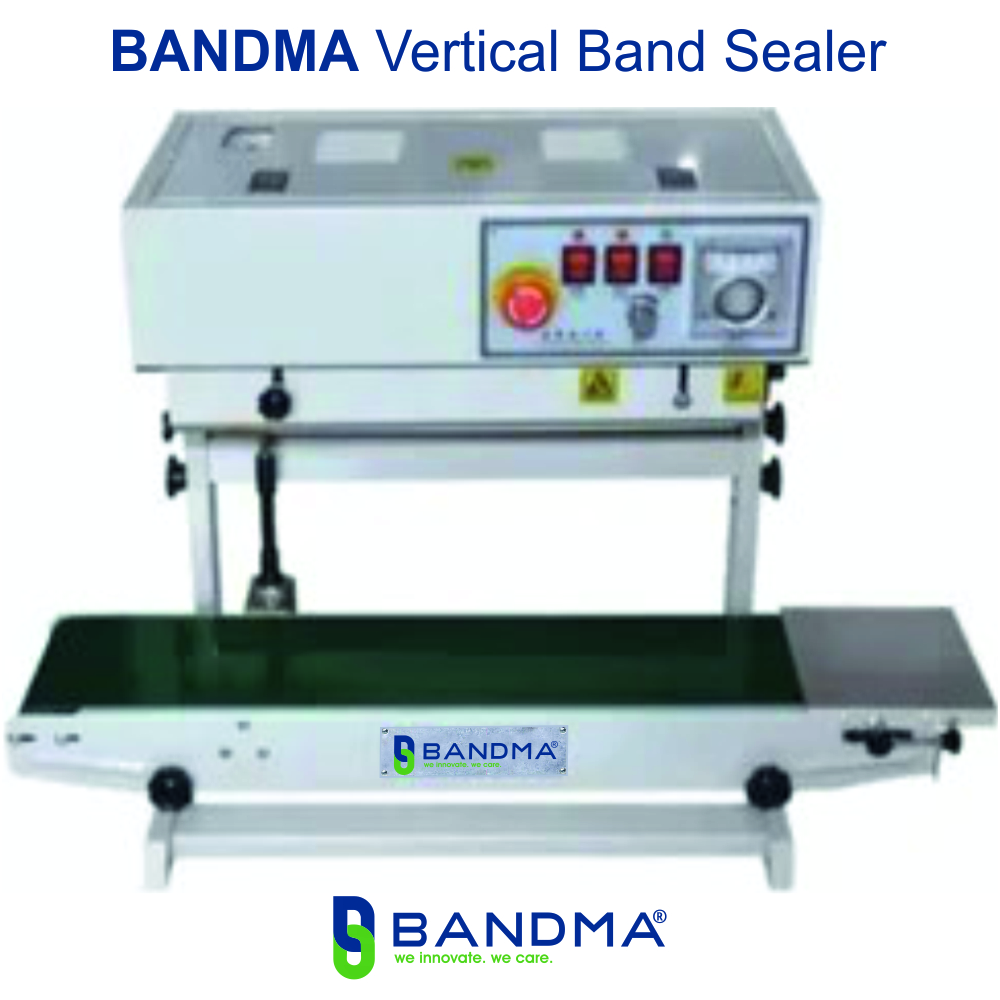
- Carton Sealing Solutions
Cartons that are poorly sealed can open during handling or transportation.
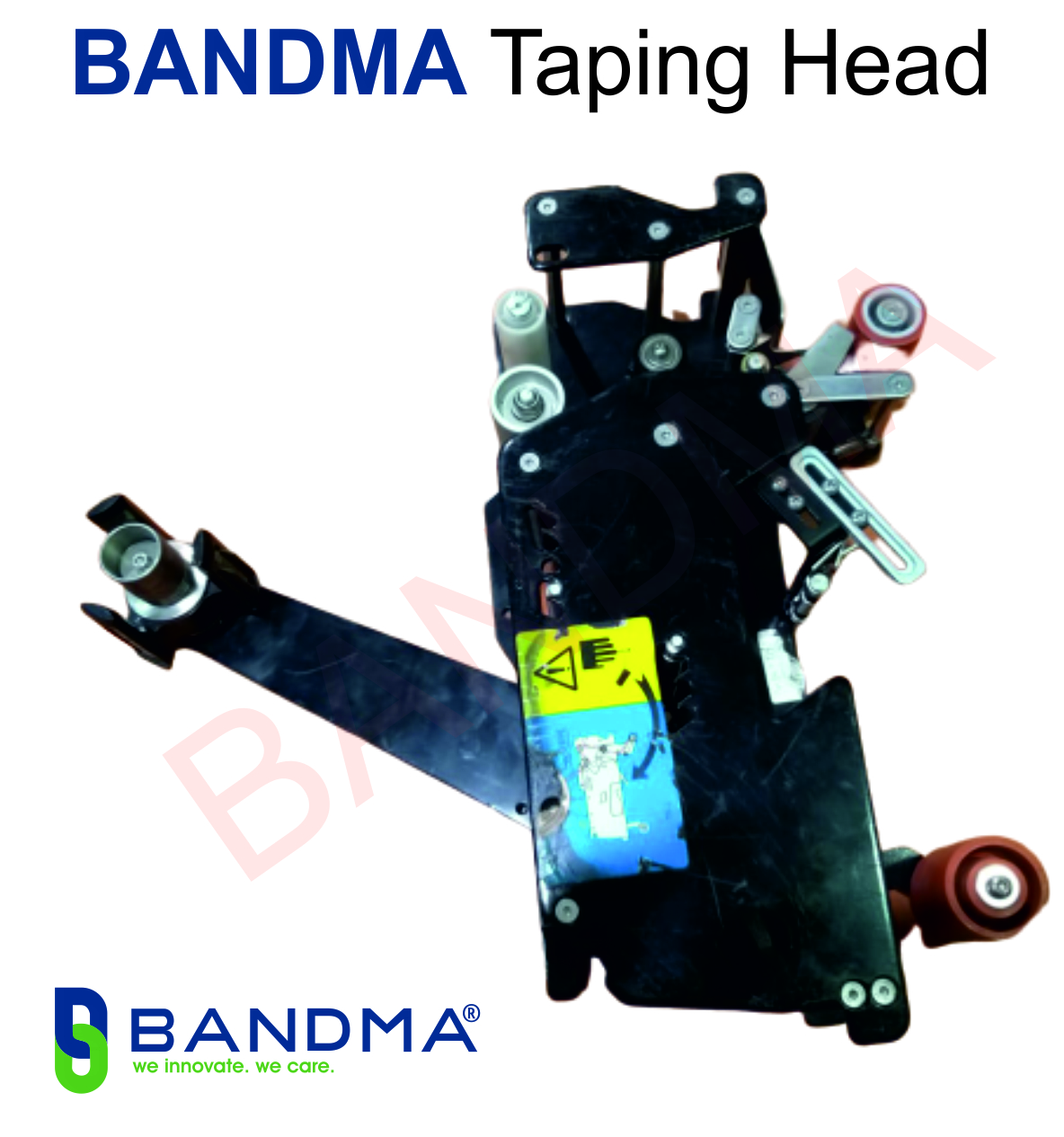
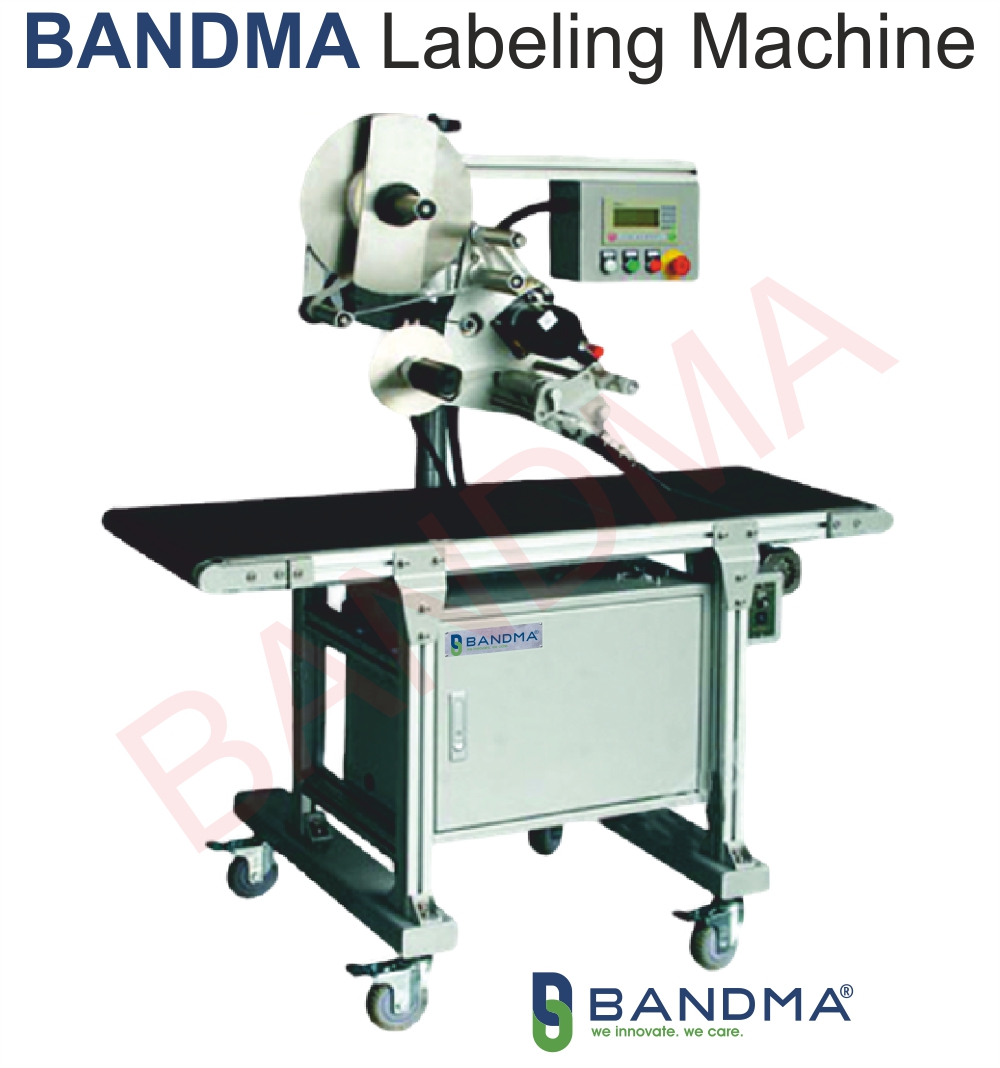
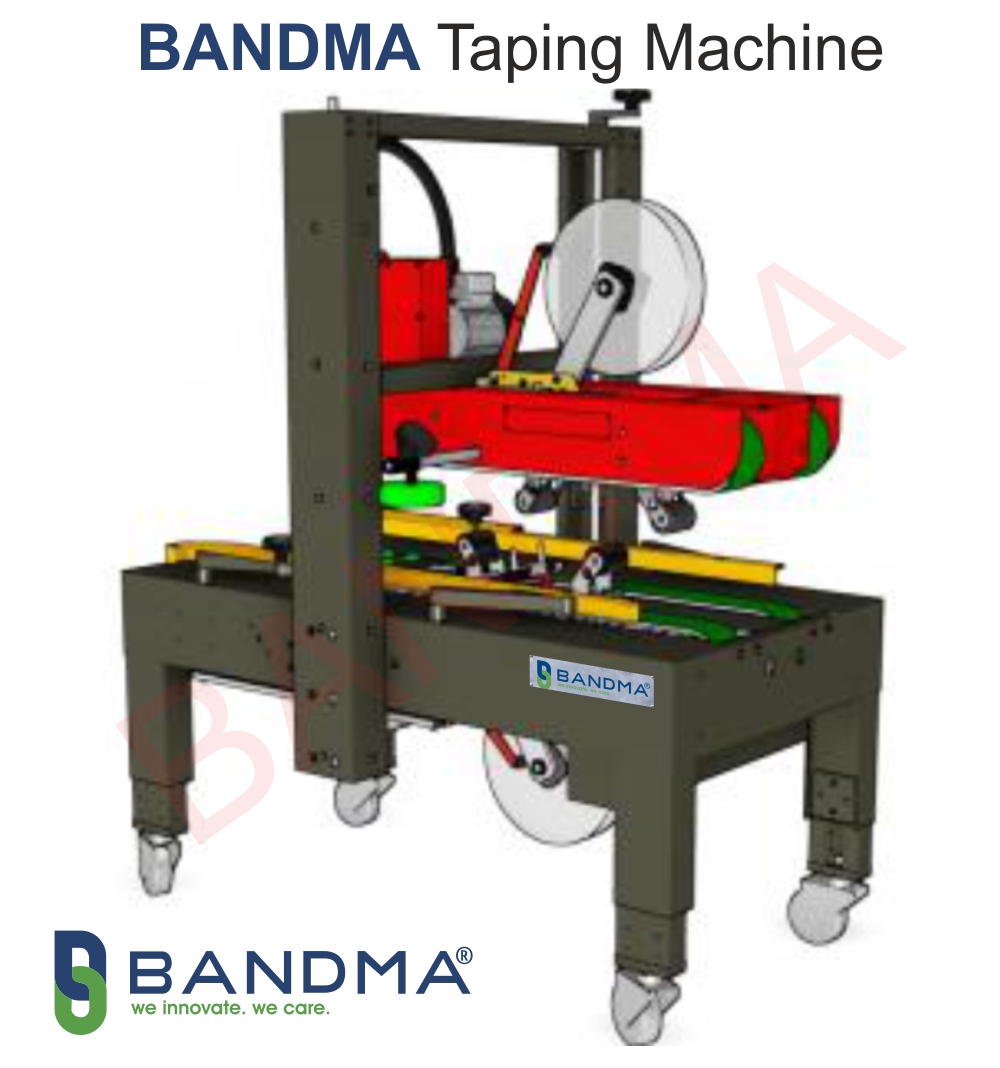
Automatic taping and carton sealing machines provide uniform sealing quality, helping cartons maintain their strength throughout the shipping process.
This reduces the chances of products being exposed or damaged before delivery.
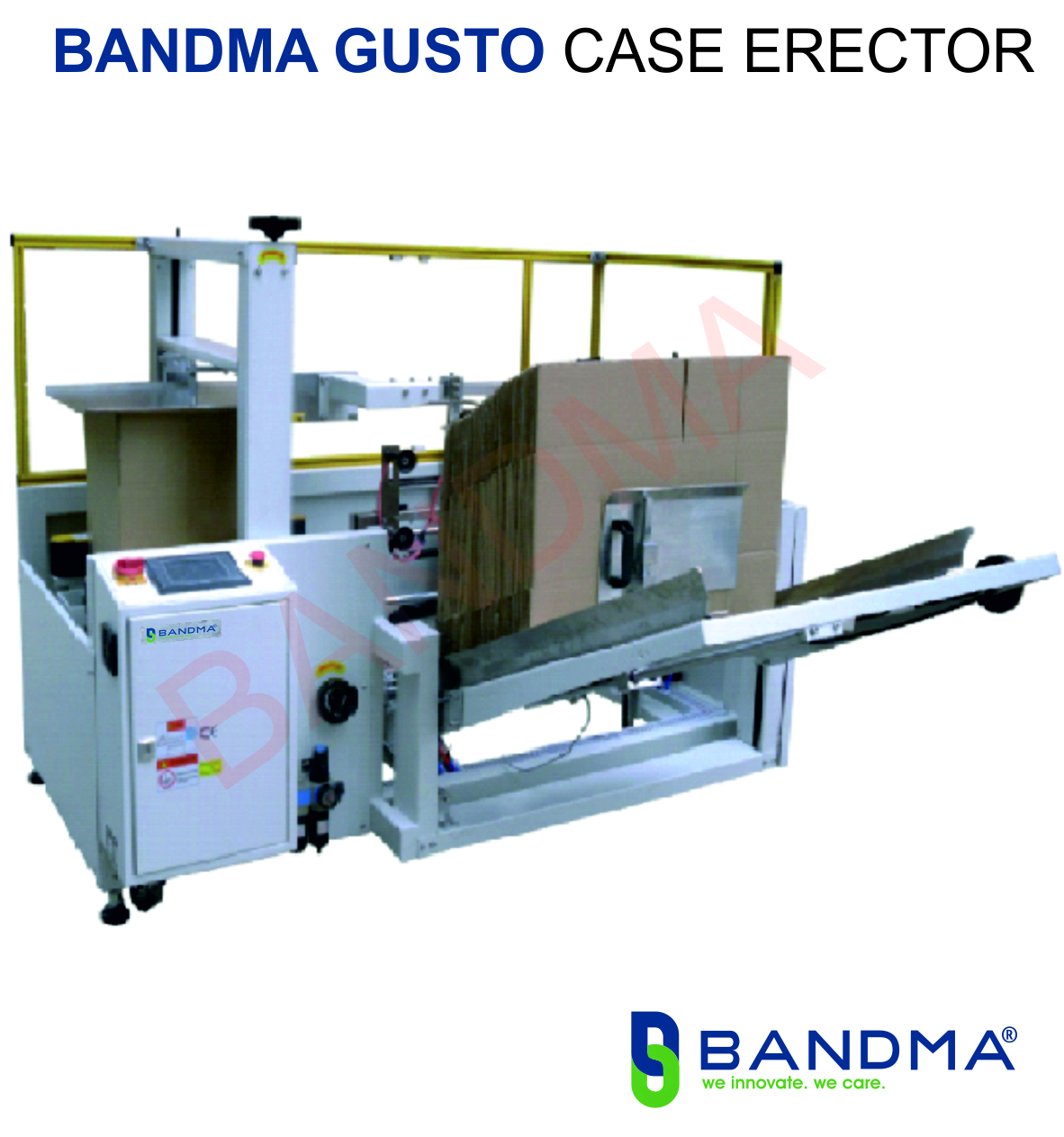
- Conveyor and End-of-Line Automation
Transit damage can also occur inside the factory before products are dispatched.
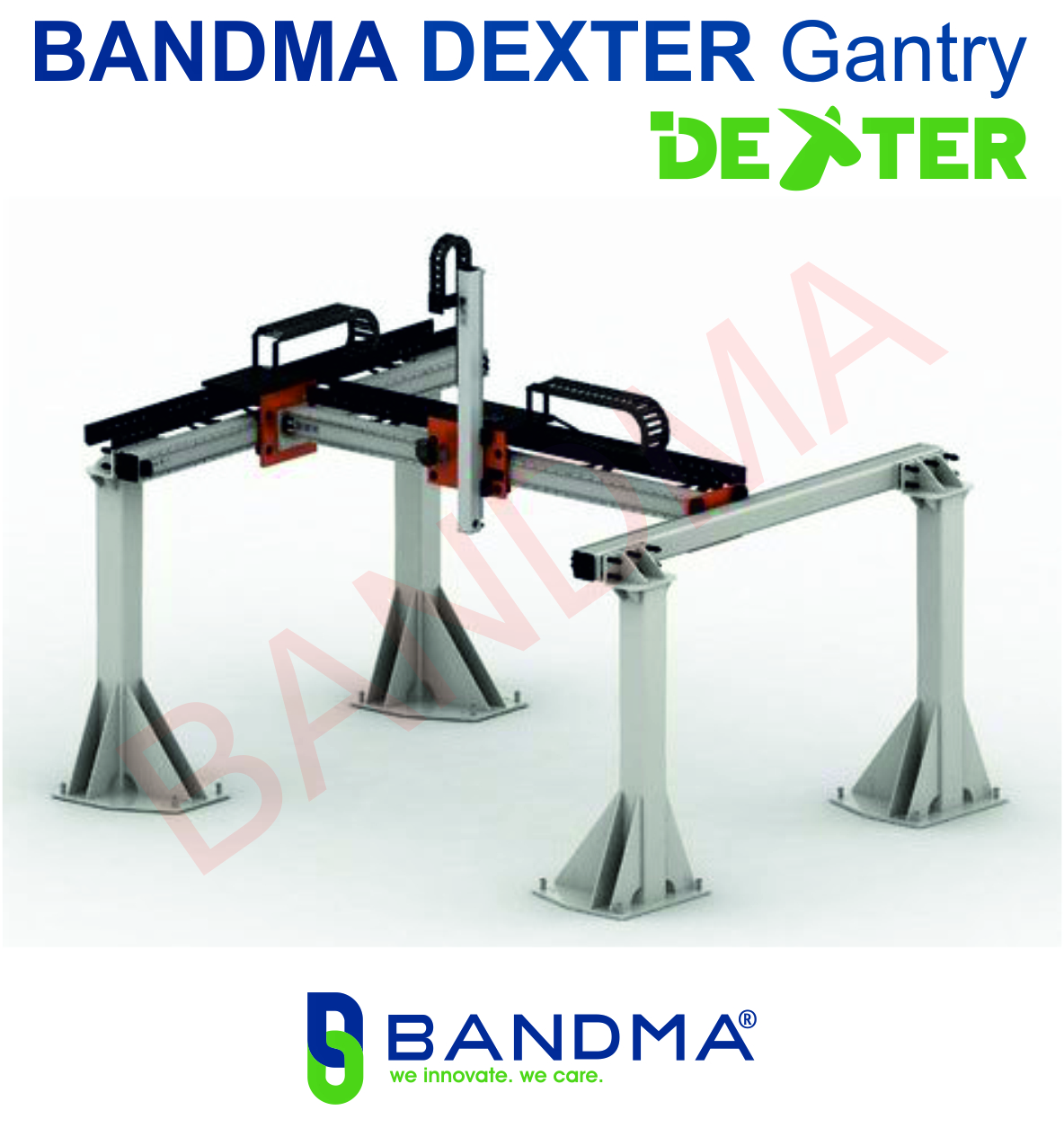
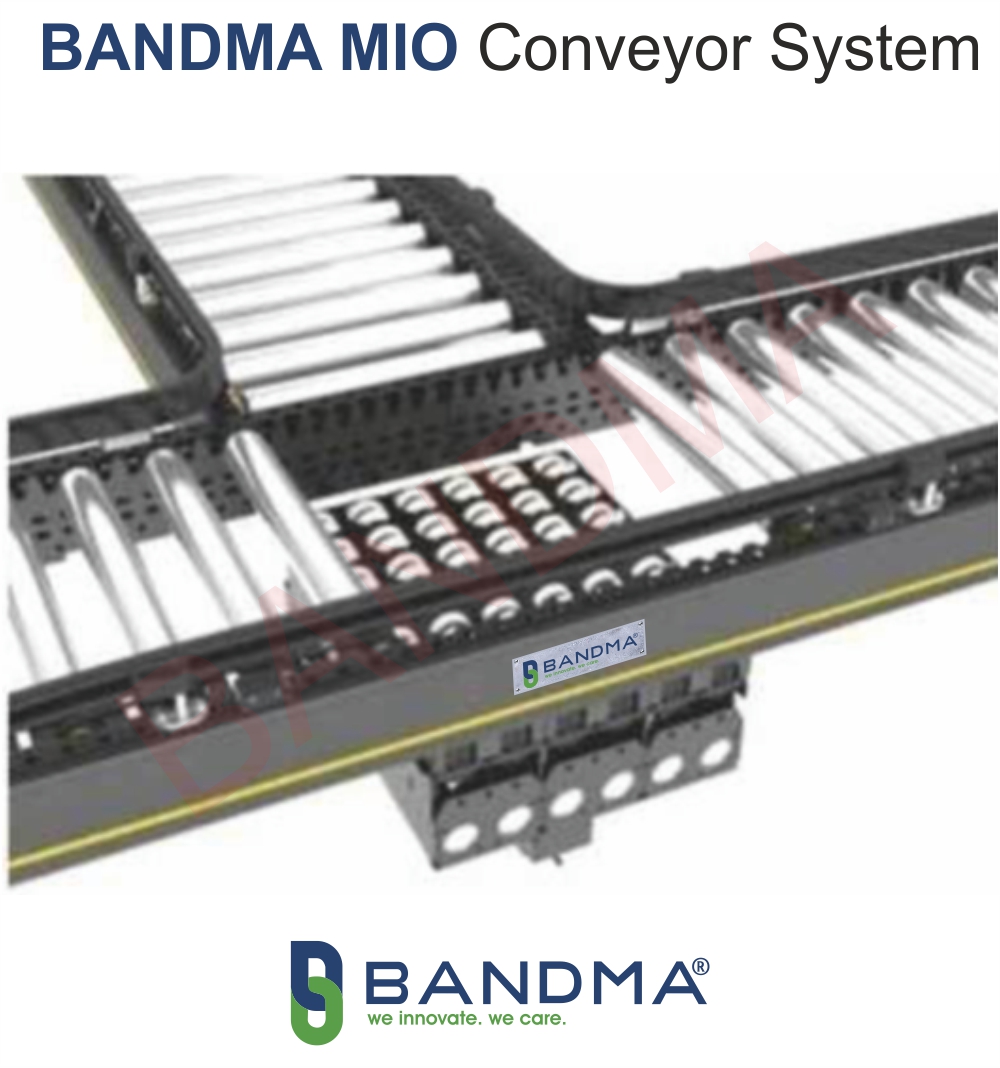
Modern conveyor systems and end-of-line automation solutions reduce excessive manual handling, lowering the chances of products being dropped, bumped, or mishandled during packaging operations.
The Importance of Load Stability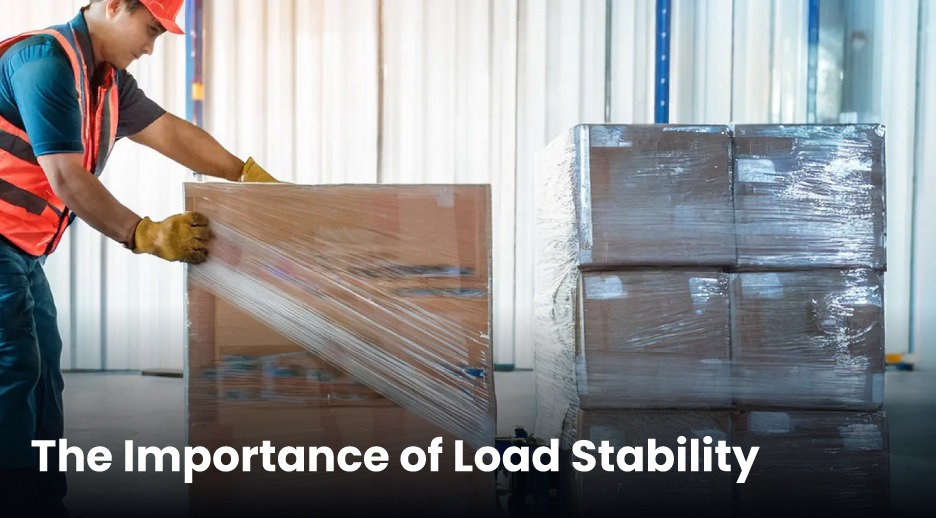
One of the biggest contributors to transit damage is load instability.
A pallet that shifts during transportation can create a chain reaction, causing cartons to collapse or products to become damaged.
By combining strapping, wrapping, sealing, and pallet stabilization systems, manufacturers can significantly improve load security and shipment reliability.
This not only protects products but also improves warehouse handling and transportation efficiency.
Transit damage is not just a logistics problem it's a packaging challenge. Every damaged shipment represents lost time, lost money, and potentially lost customers.
Modern packaging systems help manufacturers address these risks before products leave the facility. Whether through automated strapping, stretch wrapping, carton sealing, or integrated end-of-line solutions, the goal remains the same: keeping products safe from production to delivery.
In today's competitive market, investing in better packaging is often one of the most effective ways to reduce costs, improve customer satisfaction, and protect your brand reputation.