




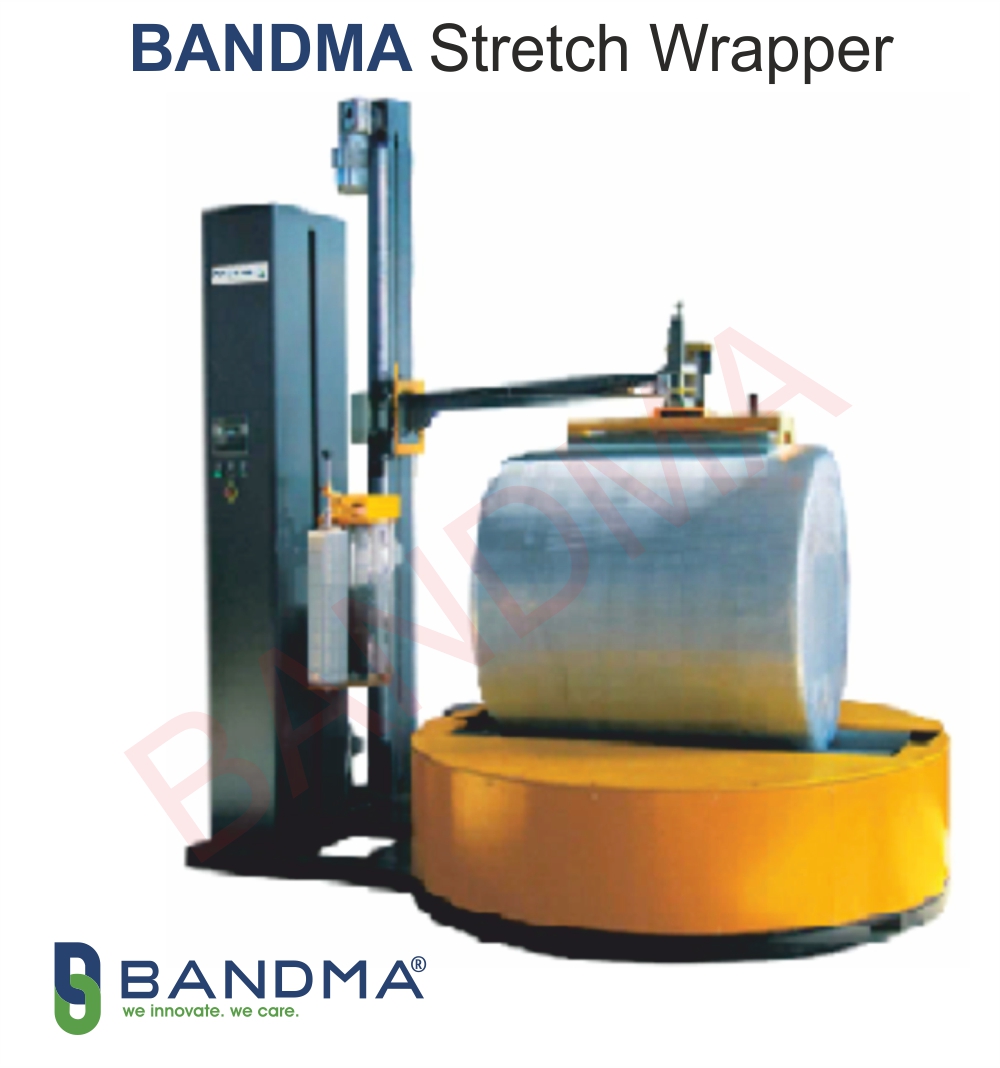

A pallet can leave the dock looking perfectly packed and still arrive with crushed corners, cut cartons and leaning stacks. The cause is rarely the product or the carton quality. It is the strap, pulling hard on a thin line of board with nothing to share the pressure. Over a long journey, that small weakness at the edge turns into damage that spreads across the whole load.
Bandboard edge protectors solve this with a very small addition to the packing routine. They cost little, take seconds to fit and protect the most stressed part of every pallet.
Where Pallet Damage Begins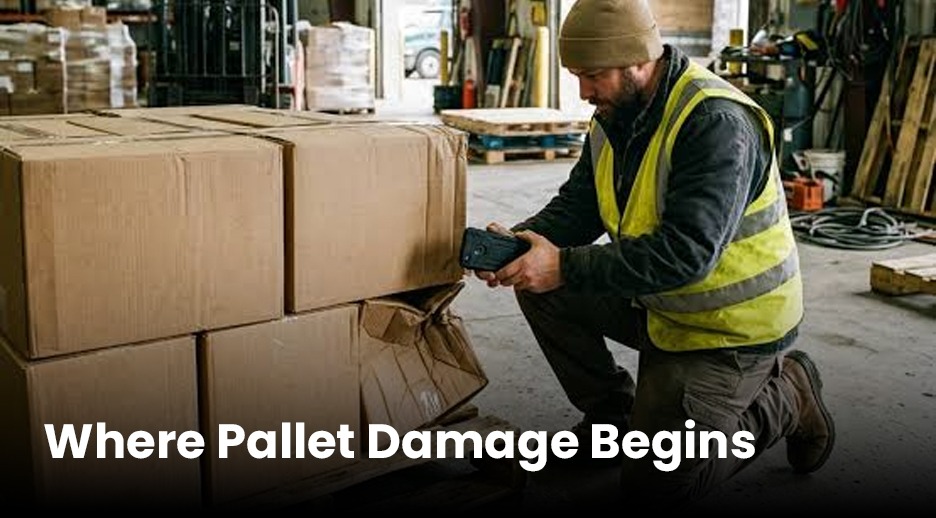
The vertical corners of a pallet carry the highest stress during storage and transport. Stacked weight presses down on them, vibration shakes them and handling knocks them. Cartons at these corners are also the first to lose shape, because their edges have the least support.
Once a corner softens, the carton below it bears extra load, and the damage travels down the stack. A weak corner at the top of a pallet often explains a collapsed carton at the bottom.
Strap Pressure on Bare Corners
A tightened strap concentrates all its tension on a narrow line. On a bare carton corner, that line cuts into the board, crushes the edge and slowly weakens the fibres. Vibration during transit makes the strap saw back and forth, deepening the cut with every kilometre.
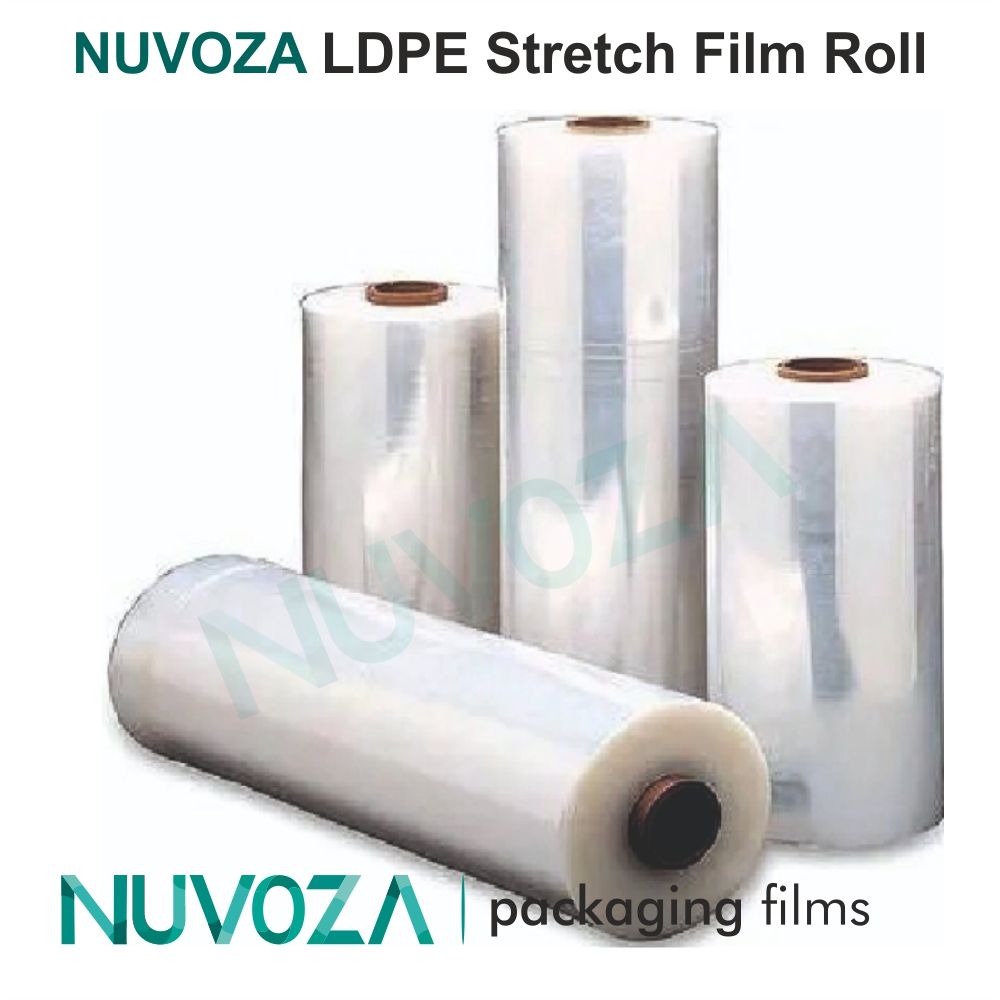
As the corner gives way, the strap loses tension and the load begins to shift. Stretch film suffers too, since it can tear on sharp, unprotected edges.
Edge Boards Spread the Load
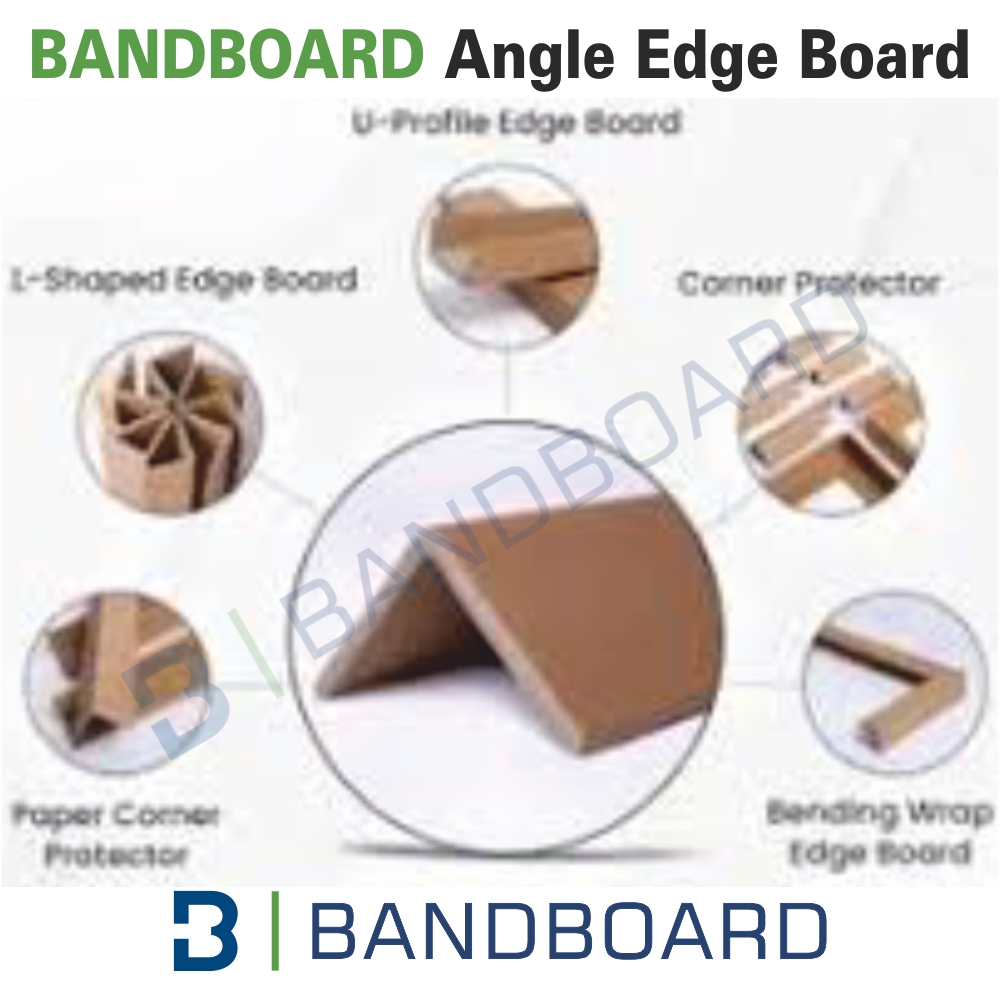
An edge protector is a rigid L-shaped strip made of strong layered paperboard, placed along the vertical corner before strapping. It takes the strap pressure and spreads it across a wider surface, so the carton corner is no longer cut or crushed.
The board also adds vertical strength along the edge, which helps the pallet resist compression when other pallets are stacked on top. The strap stays tight for longer, and the load behaves as one stable unit.
Bandboard in Everyday Use
Bandboard edge protectors are made for this job, protecting carton corners under strap pressure while keeping pallets upright and stable. They work smoothly with strapping machines, hand tools and stretch wrapping, so they fit into an existing packing routine without extra steps. Paper-based construction also keeps them recyclable, which suits buyers who expect responsible packaging.
Sizing and Placement Essentials
Board length should match the height of the pallet, and thickness should suit the load weight and stack height. Heavier and taller loads need stronger boards, while the leg width should be wide enough to spread the strap pressure properly.
Place a protector on every vertical corner that carries a strap, keep it flush against the cartons and apply the strap over it. Wrap stretch film around the whole load afterwards, so everything stays locked together. Store spare boards flat and dry, since moisture softens paperboard.
Conclusion
Most pallet damage is not dramatic. It begins quietly at a corner, under a strap, where nobody is looking. A strip of strong board costs very little compared with a rejected consignment or a shipment that must be replaced.
Adding edge protectors to the standard packing routine makes every strap, film wrap and stacked pallet perform better. Manufacturers who protect their pallet edges protect their products, their costs and their customer relationships at the same time.