



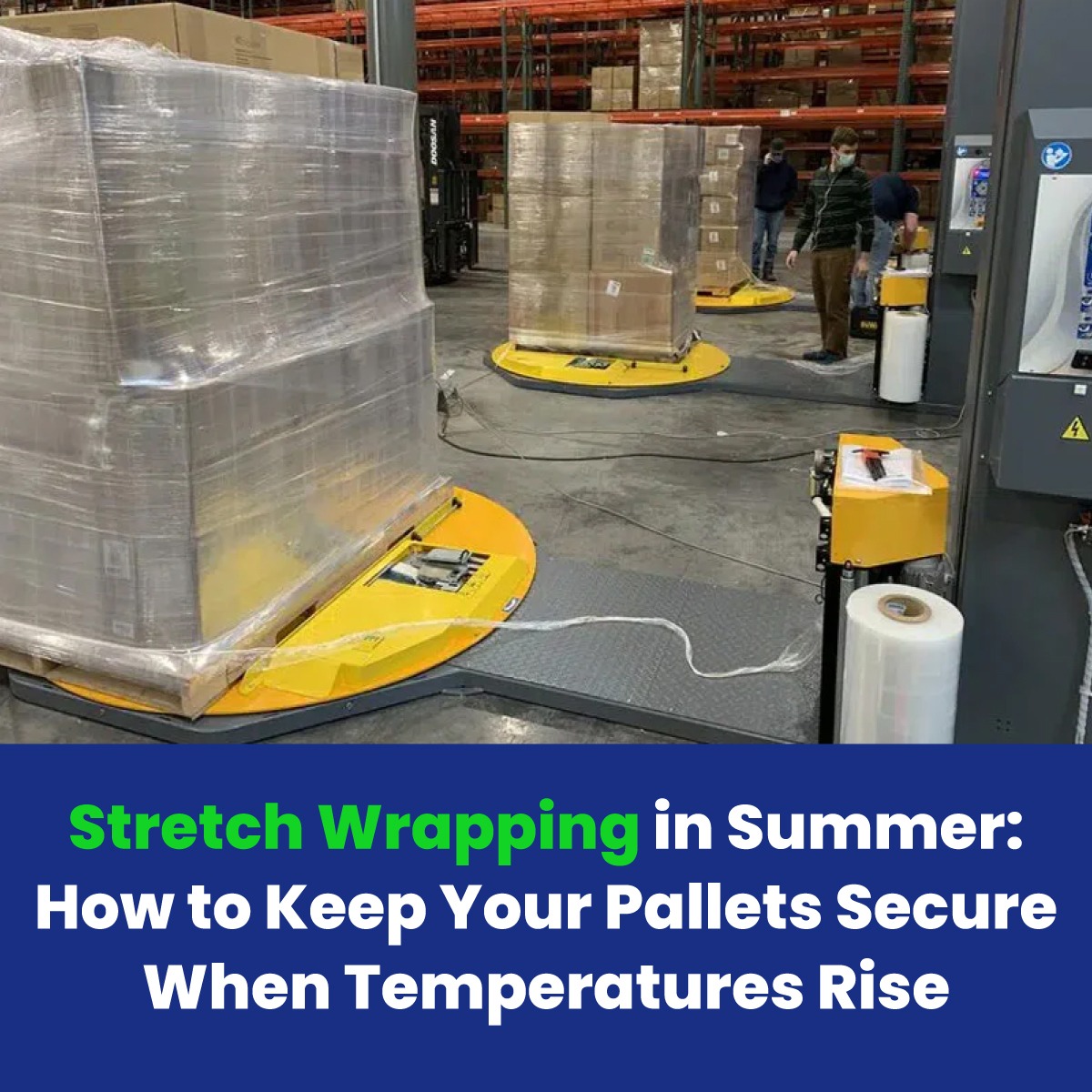
Stretch wrapping is the last step before a pallet leaves your facility. It is also one of the steps most affected by summer conditions in India and one of the least adjusted for them.
This post explains exactly what changes when ambient temperatures rise, and what to do about it to keep pallets stable and products protected through May and the lead-up to monsoon season.
What Heat Does to Stretch Film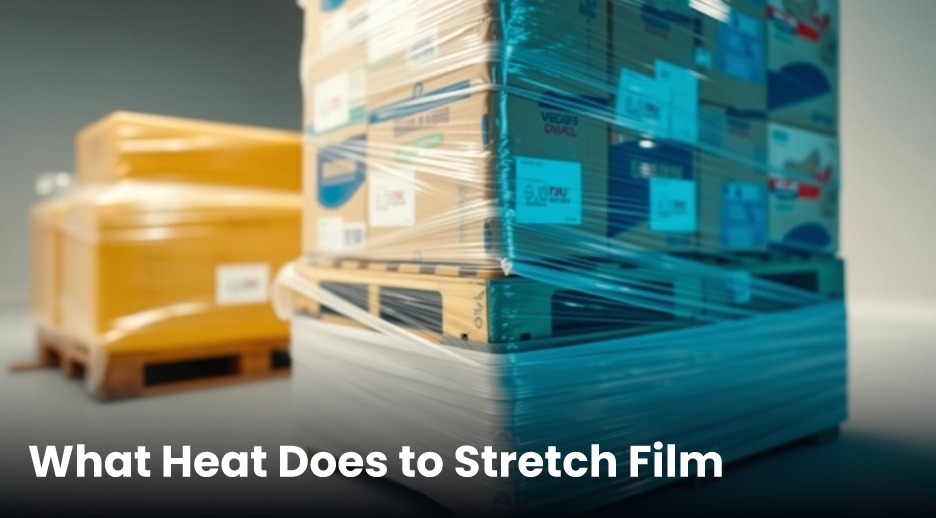
Stretch film is a polymer of LLDPE, typically, and like all polymers, it becomes more pliable as the temperature rises. In a warehouse at 40 degrees Celsius, the film stretches more easily under the same tension settings that were correct in February. The result is a wrap that feels tight when applied but relaxes and loosens as the pallet sits in a hot dispatch yard or container.
A loose pallet wrap is not just a load security problem. It also admits moisture and dust, reduces the compression support the wrap provides to stacked cartons, and in some cases causes cartons on the outer layers to shift enough to fall.
Adjusting Your Stretch Wrapper for Summer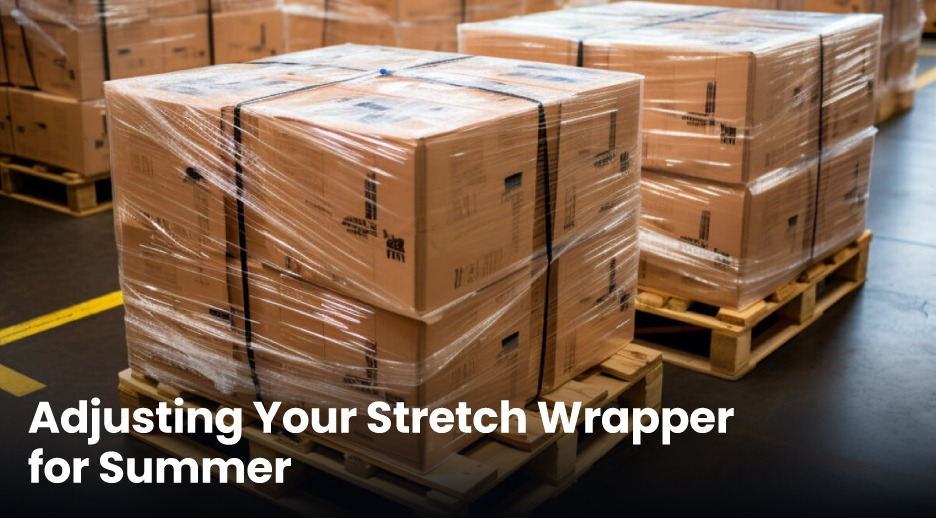
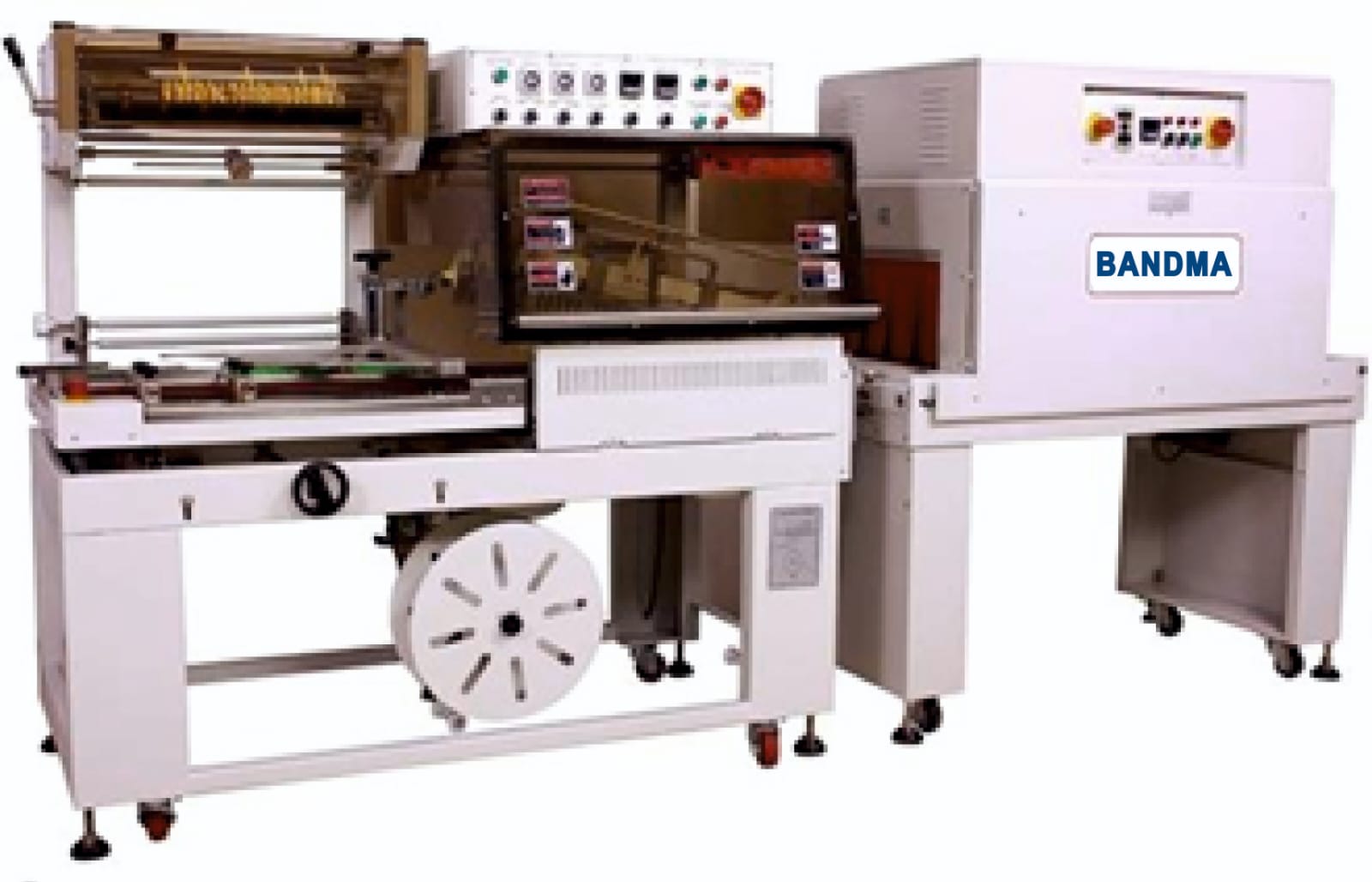
The correct response to summer conditions is to reduce the pre-stretch ratio slightly or increase the number of wrap revolutions, not to apply more layers manually. More layers increase film cost; a correctly adjusted machine achieves the same containment force with the same material by working with the film's changed properties rather than against them.
If your stretch wrapper has electronic pre-stretch control, reduce the pre-stretch from a typical 200 to 250 percent setting toward 170 to 180 percent during peak summer months. This applies slightly less stretch to the film before it contacts the load, producing a firmer wrap even at high ambient temperatures.
Checking Film Quality Matters More in Summer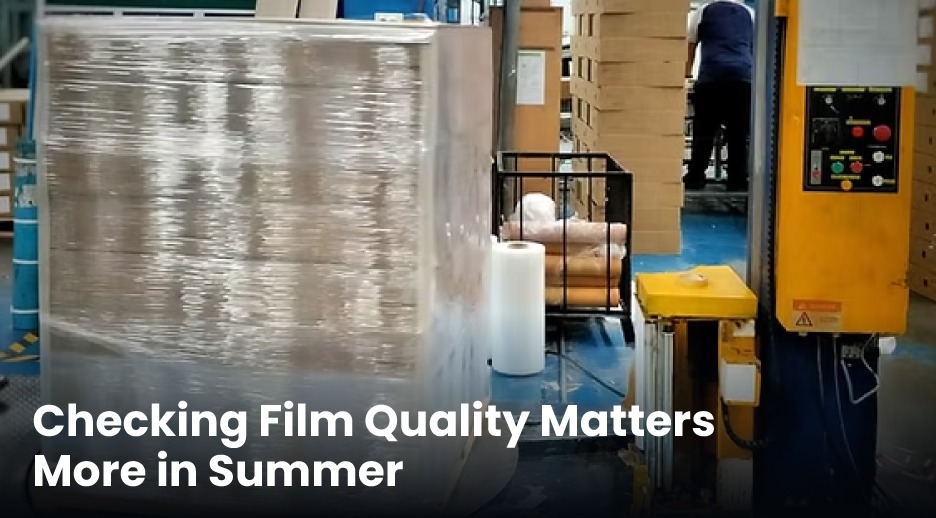
Stretch film that has been stored in direct sunlight or in poorly ventilated areas for extended periods degrades faster and performs less predictably. In summer, it is worth checking film rolls for any signs of blocking (layers sticking together), cloudiness, or brittleness before loading them onto the machine.
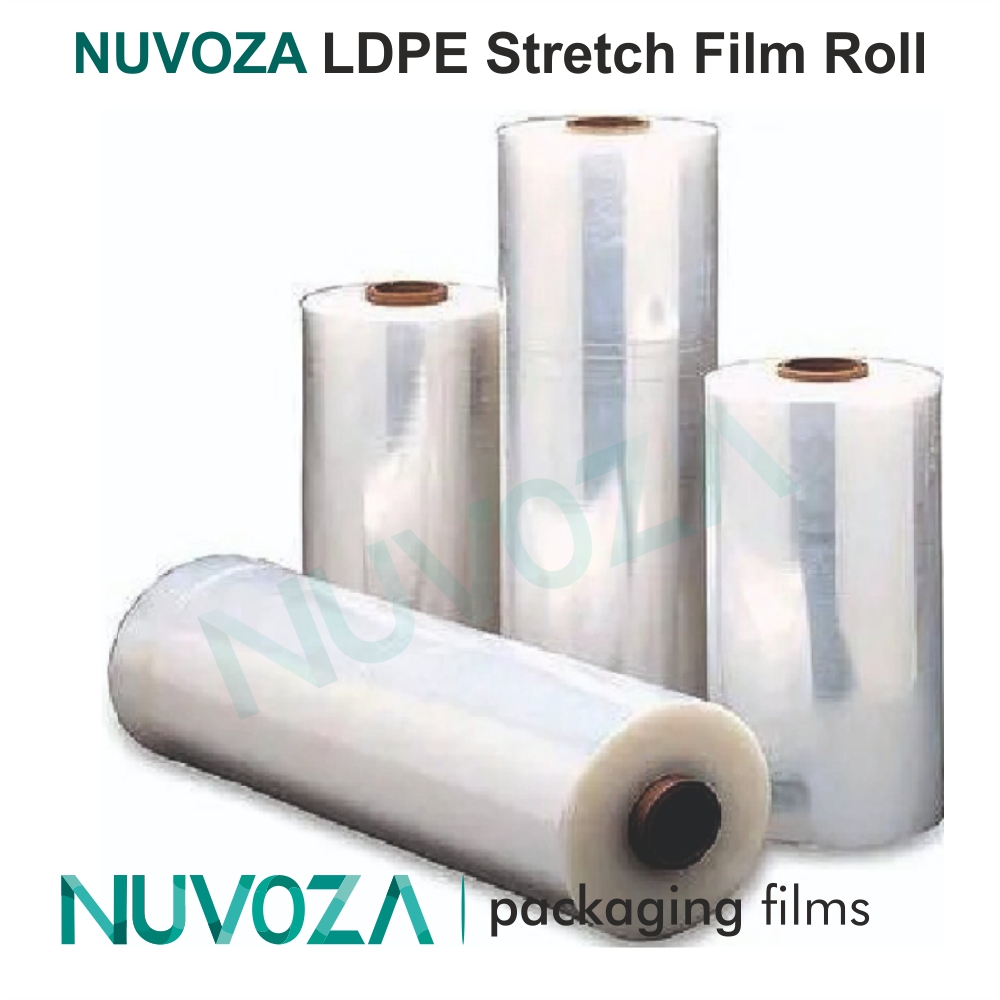
Bandma supplies LDPE stretch film rolls suited to Indian summer conditions. Using the correct film grade for the season is a low-cost adjustment that materially improves wrap performance.
Manual vs Machine Wrapping in Heat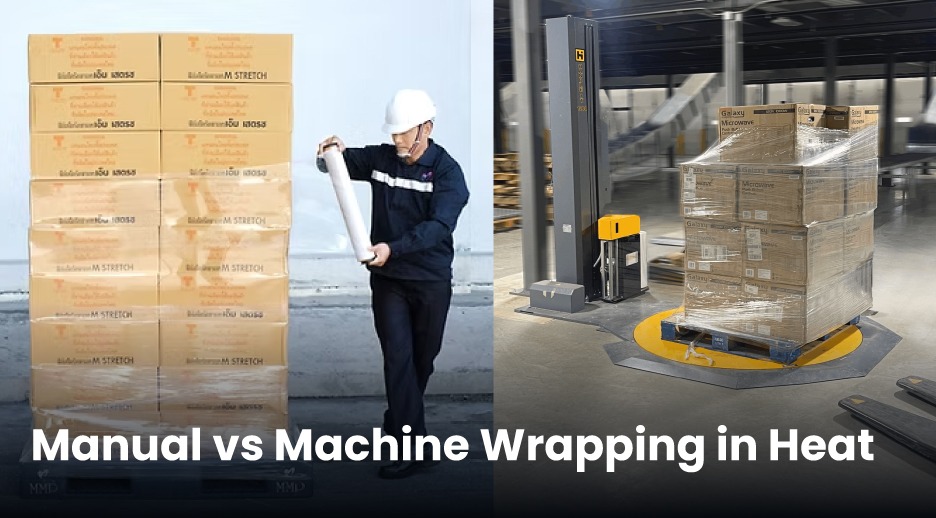
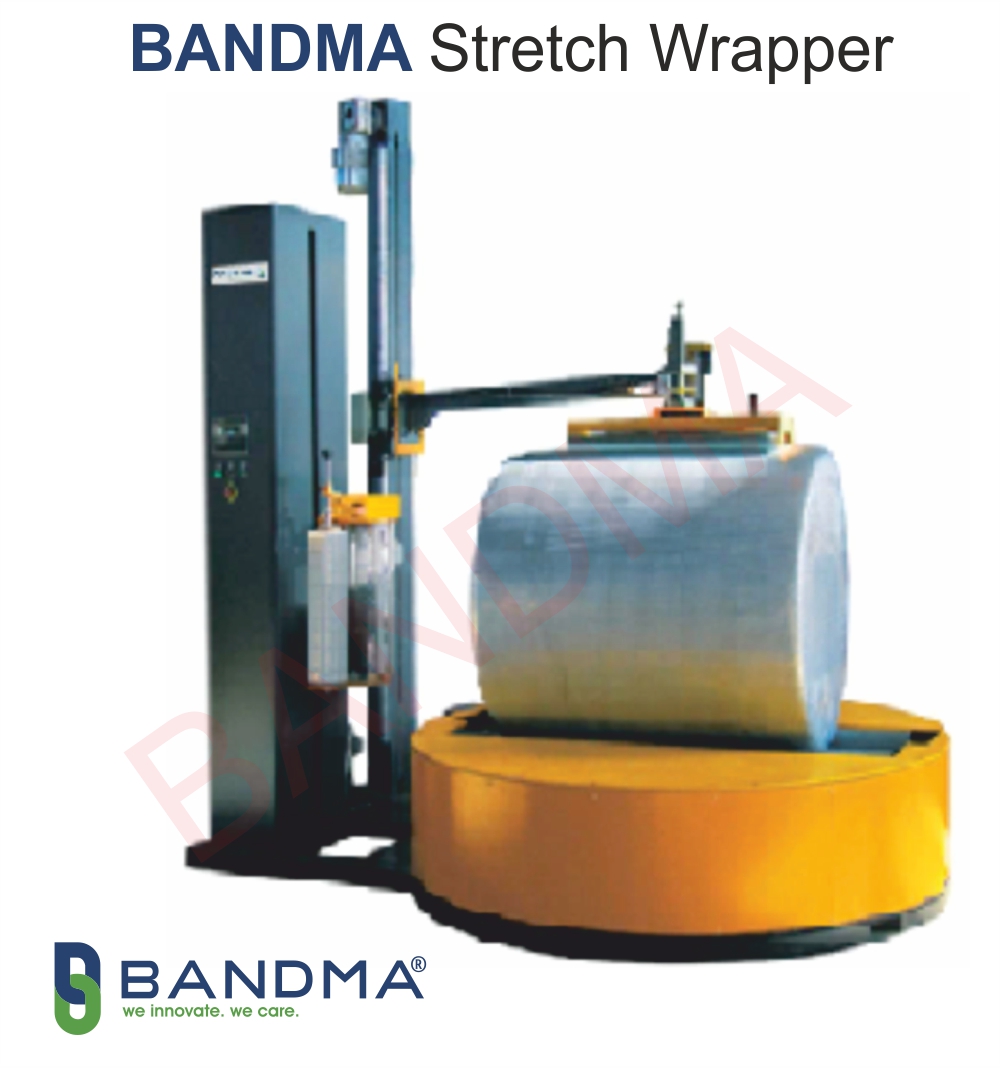
Manual stretch wrapping is significantly more physically demanding in high heat and humidity. Operator fatigue leads to reduced tension, inconsistent overlap, and fewer revolutions per pallet, all of which reduce load security. An automated stretch wrapper applies the same tension and the same number of revolutions to every pallet, regardless of the temperature or how late in the shift it is.
If your operation relies on manual pallet wrapping, May is a good time to revisit that decision. The safety case alone heat exhaustion risk for operators applying stretch film to heavy pallets in an unventilated dispatch area is significant.
Contact Bandma to discuss stretch wrapper specifications and film options suited to your warehouse conditions.