

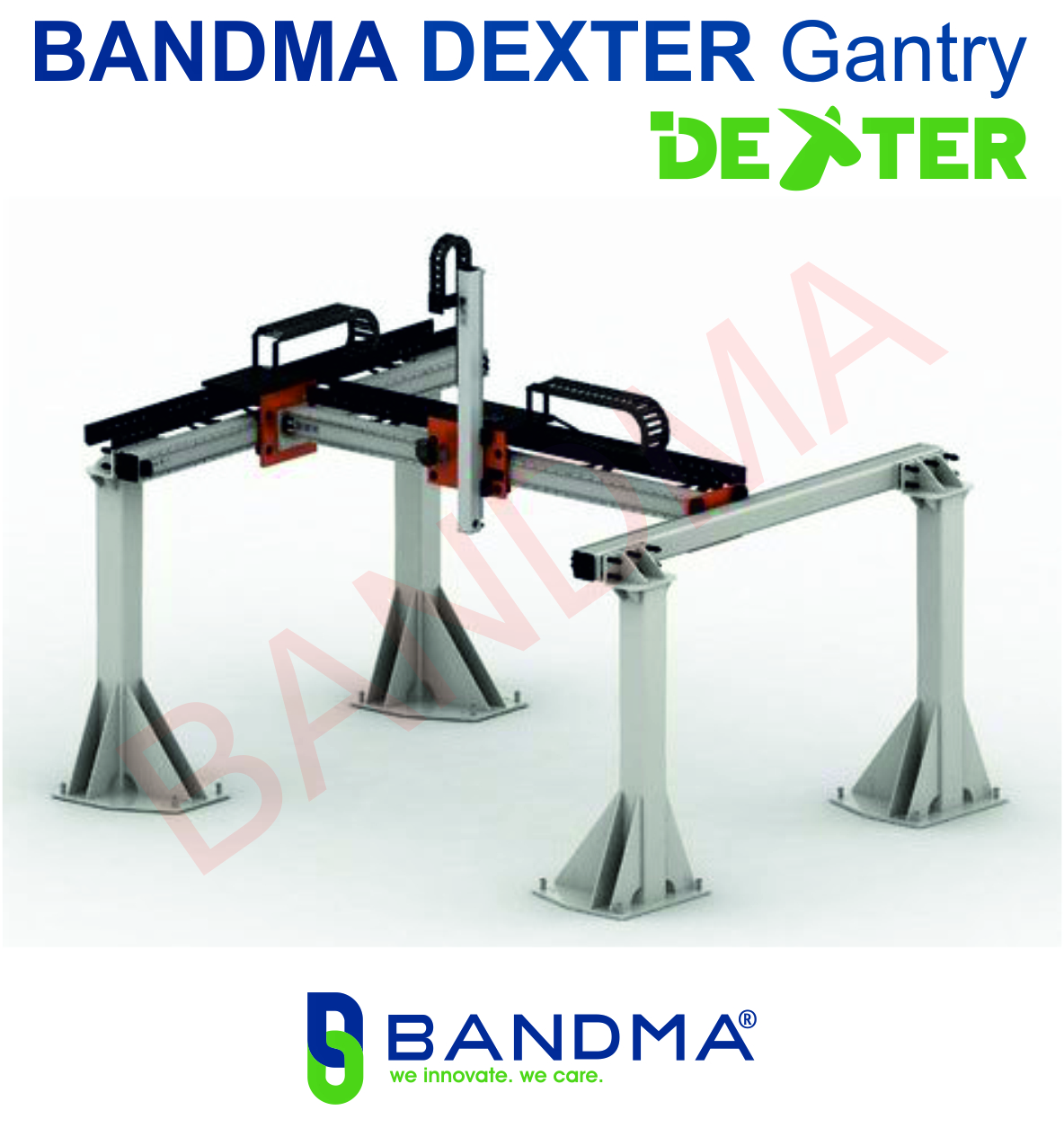
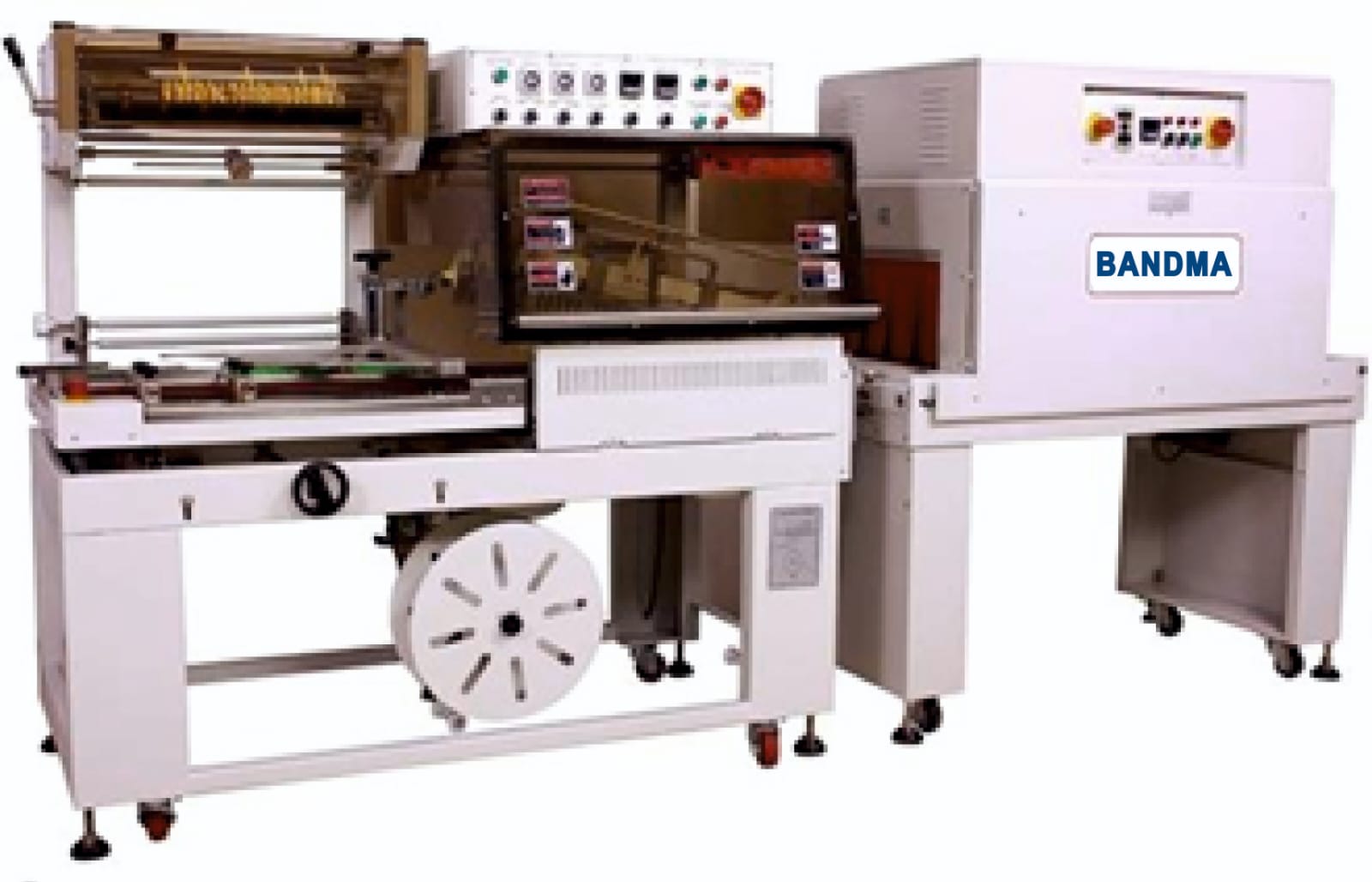
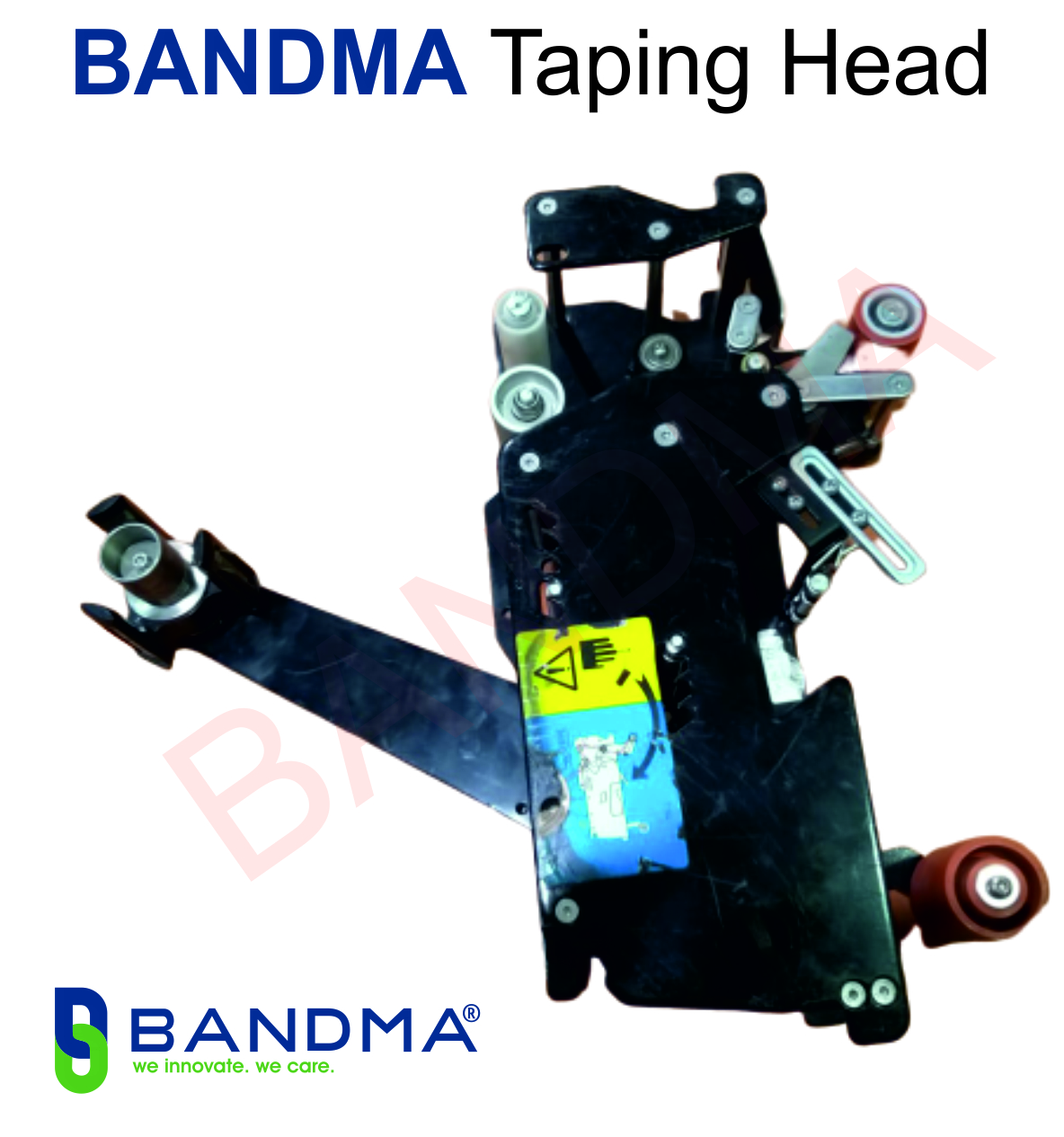
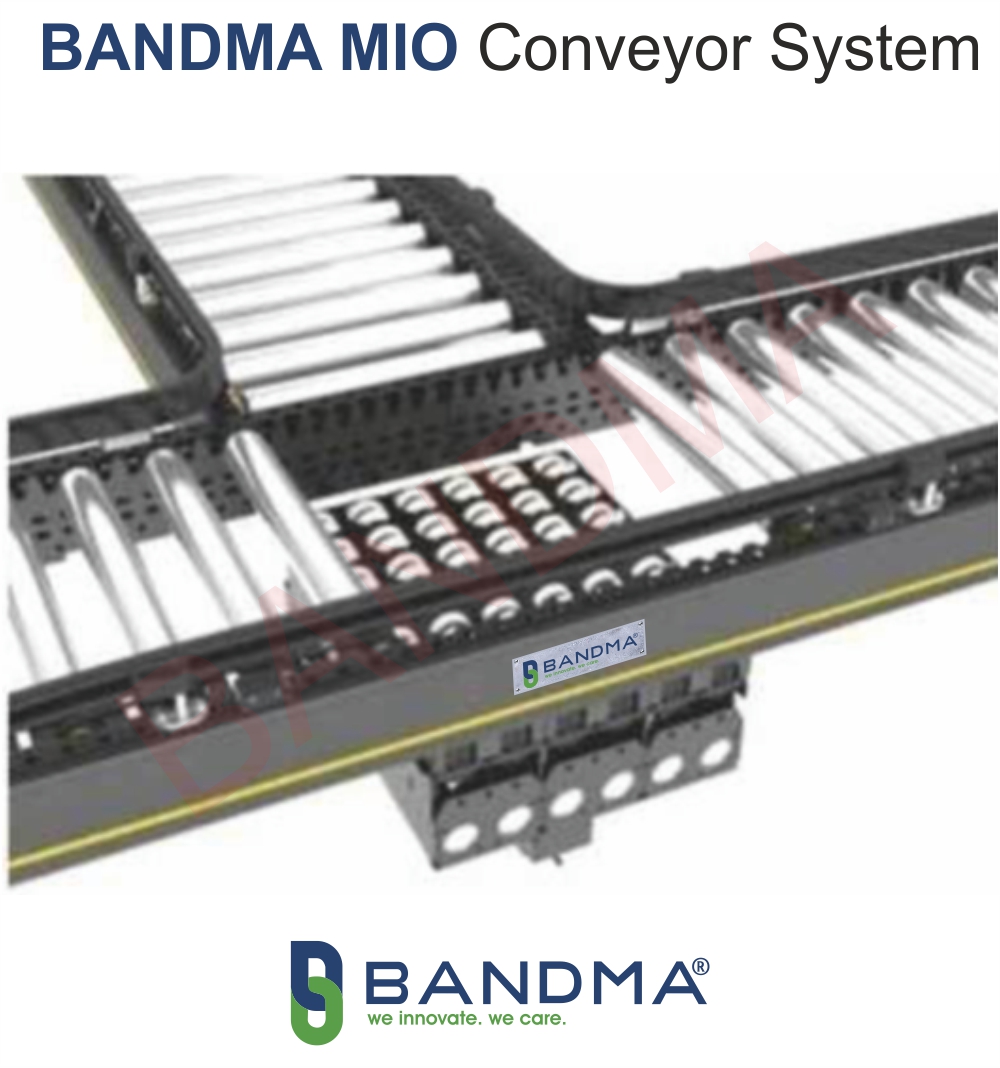

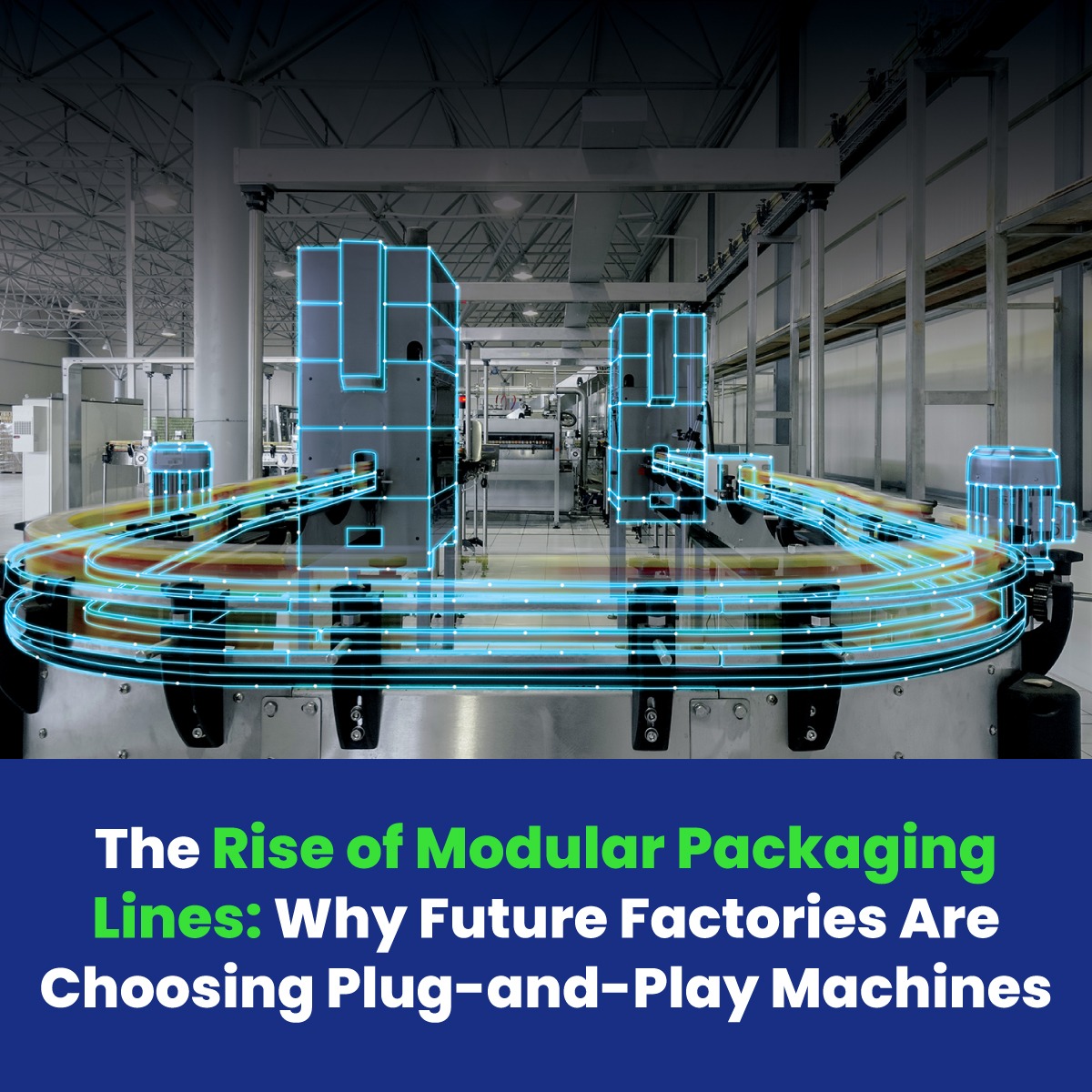
Manufacturing is changing fast. Product portfolios are expanding, batch sizes are shrinking, and customers expect faster deliveries. Traditional fixed packaging lines struggle to keep up because they lack flexibility. The solution emerging across industries is modular packaging lines systems built with plug-and-play modules that can be rearranged, upgraded, or expanded easily.
Here’s why modular systems are becoming the standard for future factories.
1. Built for Flexibility
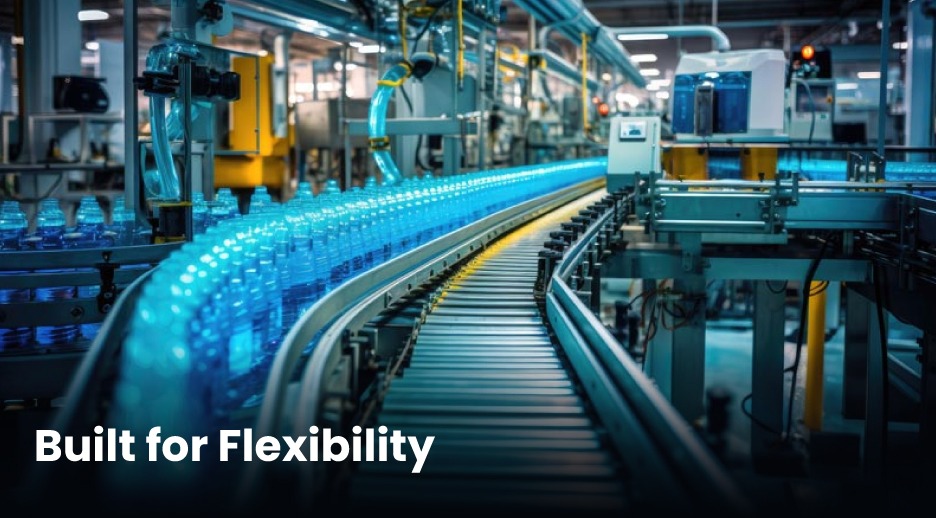
Unlike fixed packaging lines, modular systems let factories add, remove, or relocate machines based on demand.
You can plug in:
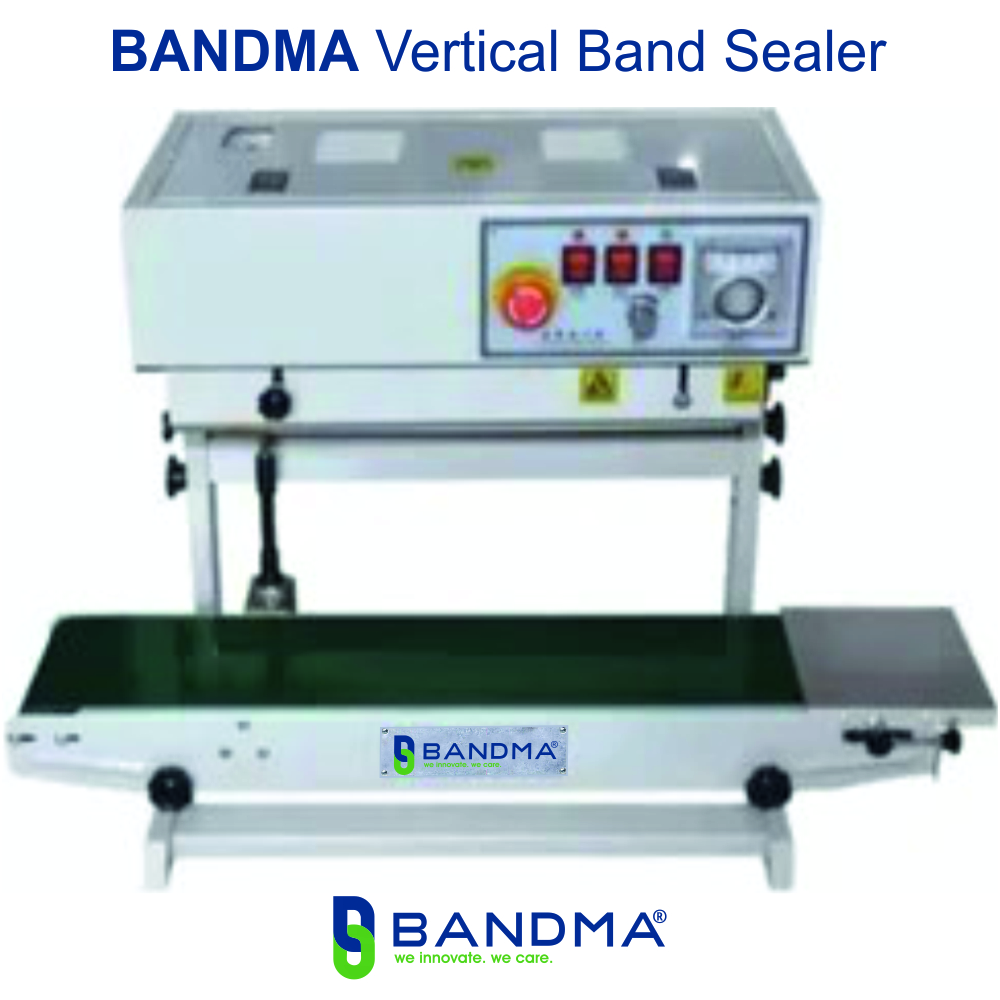
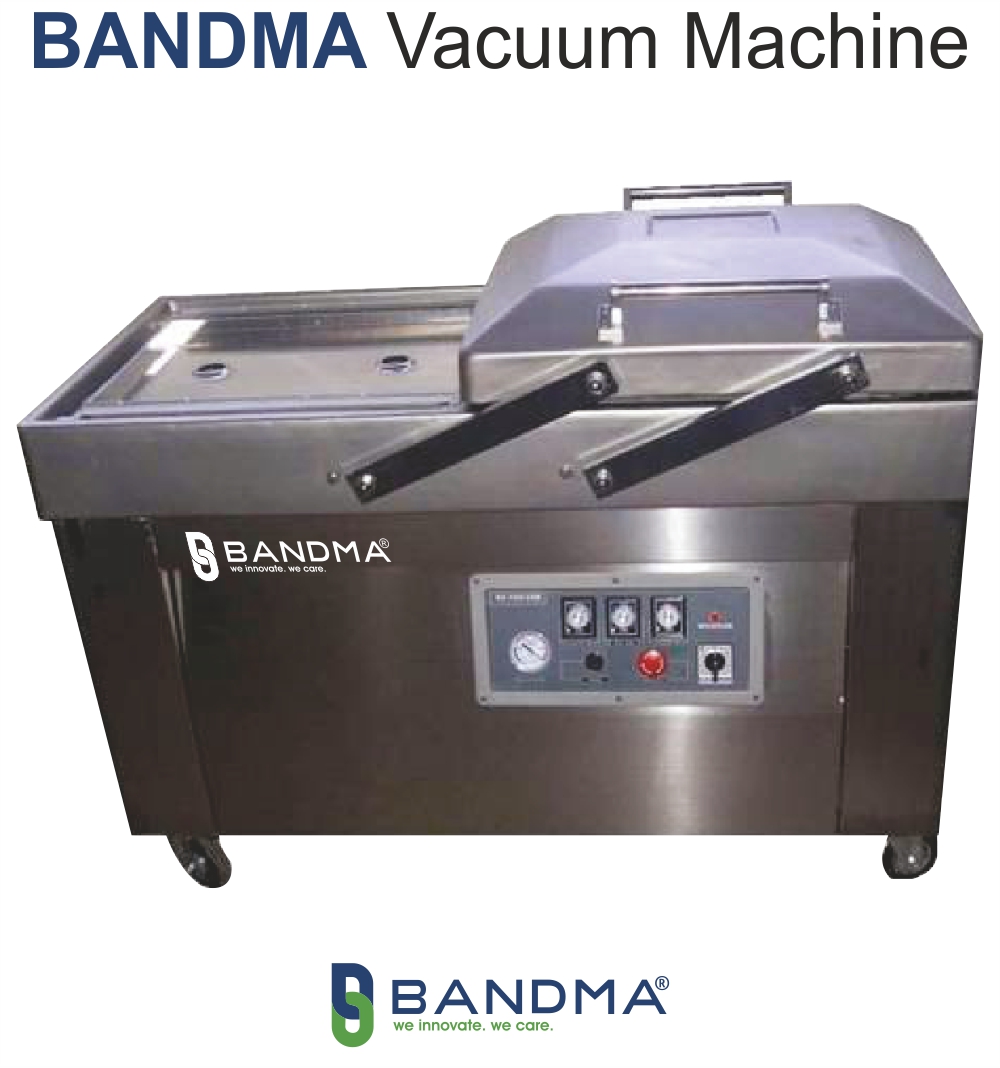
- A new sealer
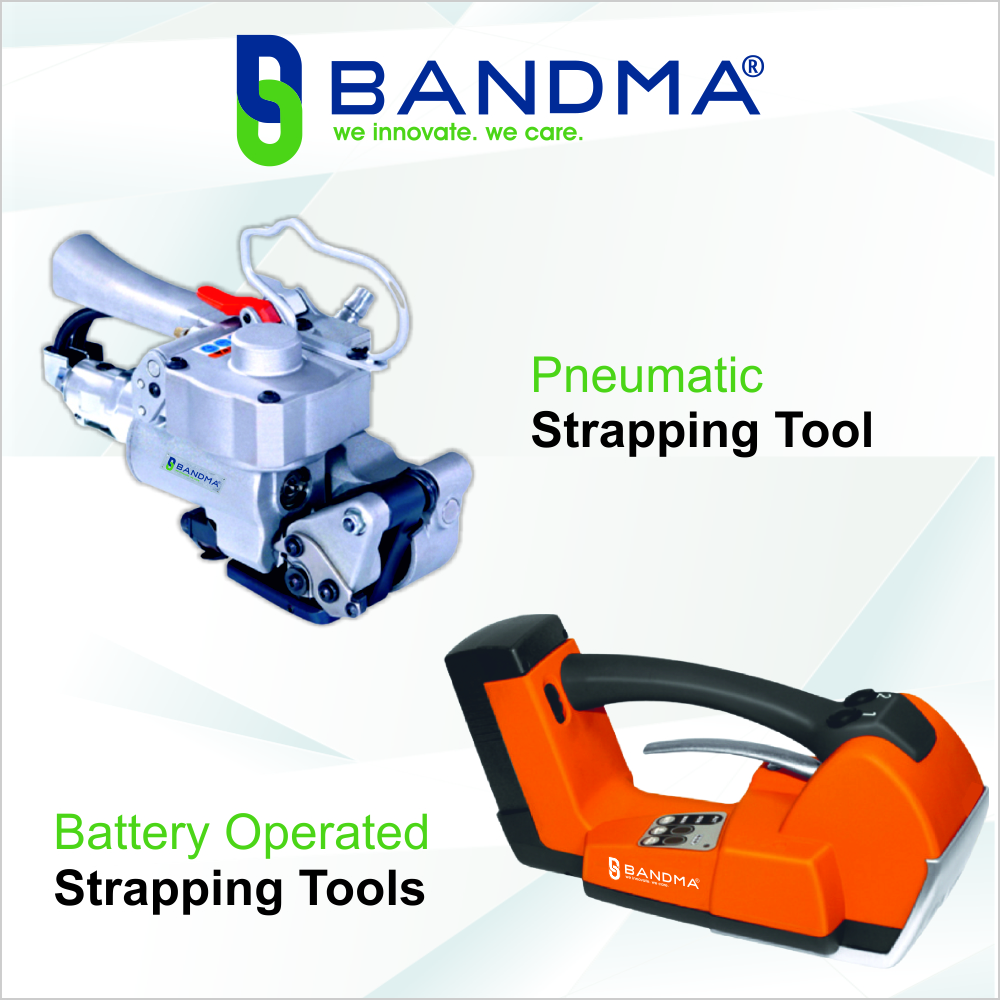
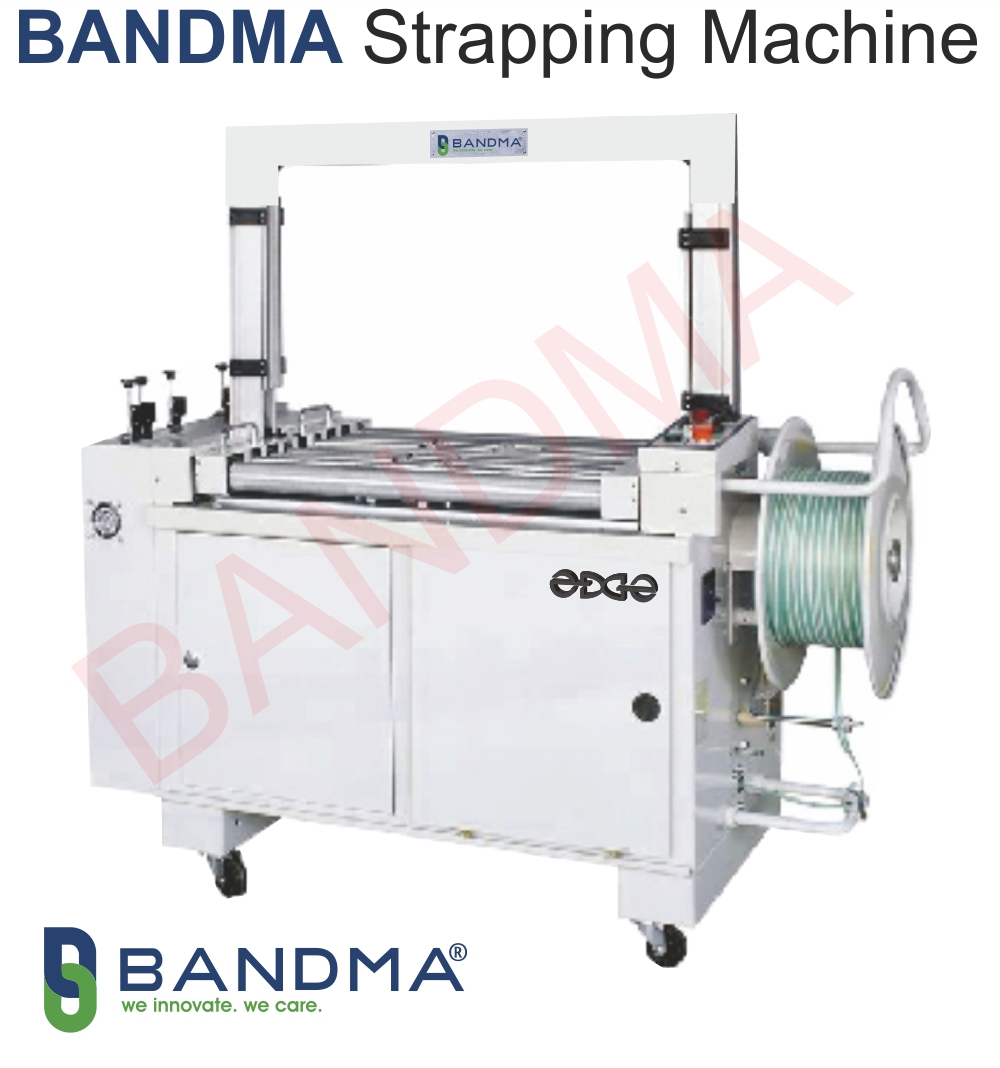
- A faster strapping machine
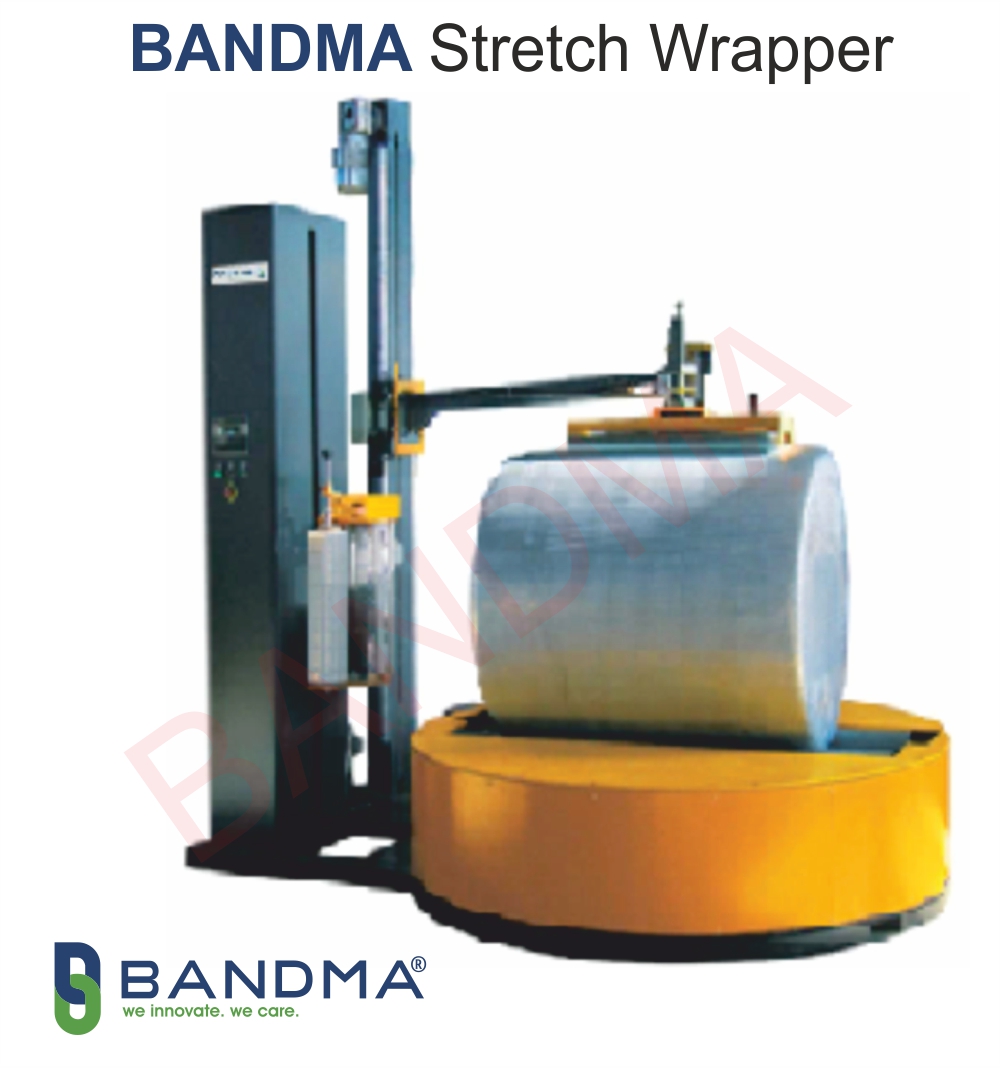
- A wrapping module
- A vision system
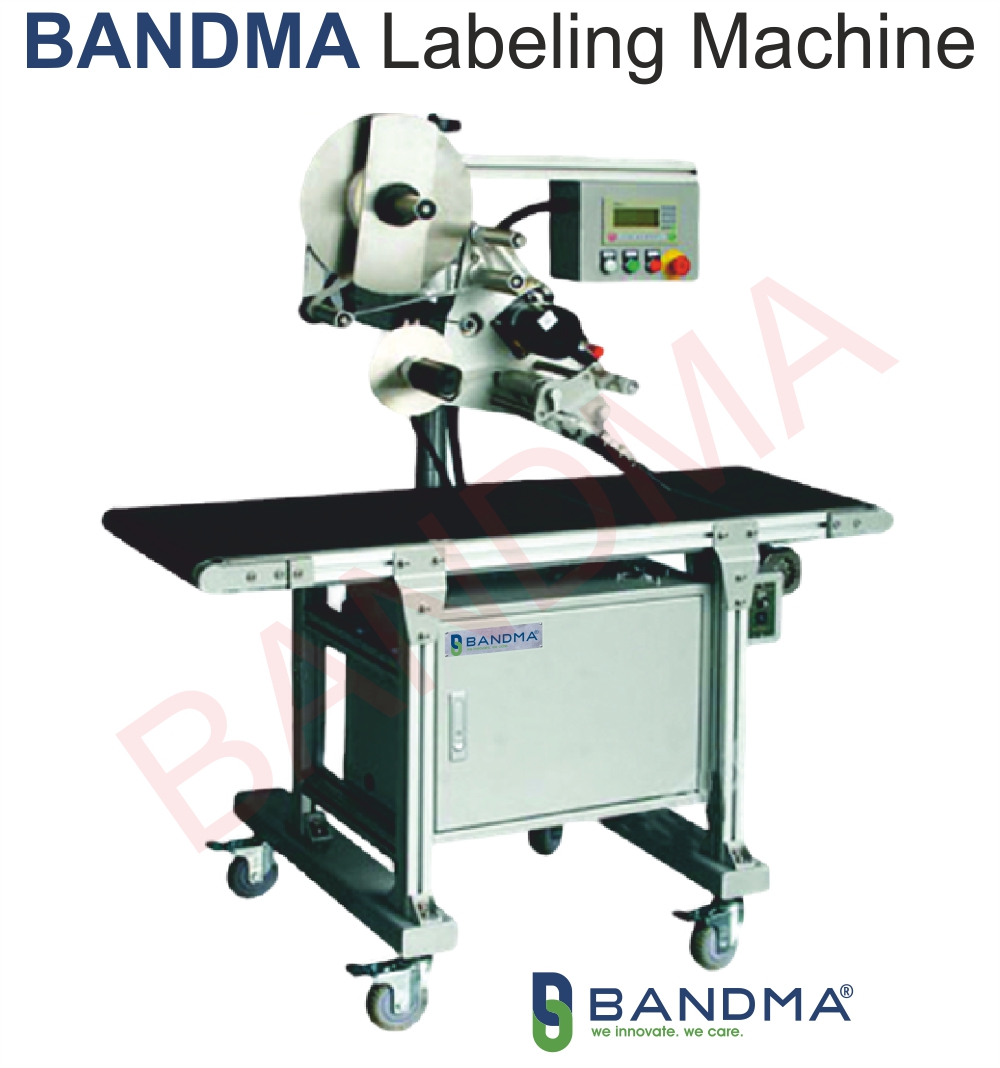
- A labeling machine
With minimum installation time
2. Perfect for Changing Product Mix
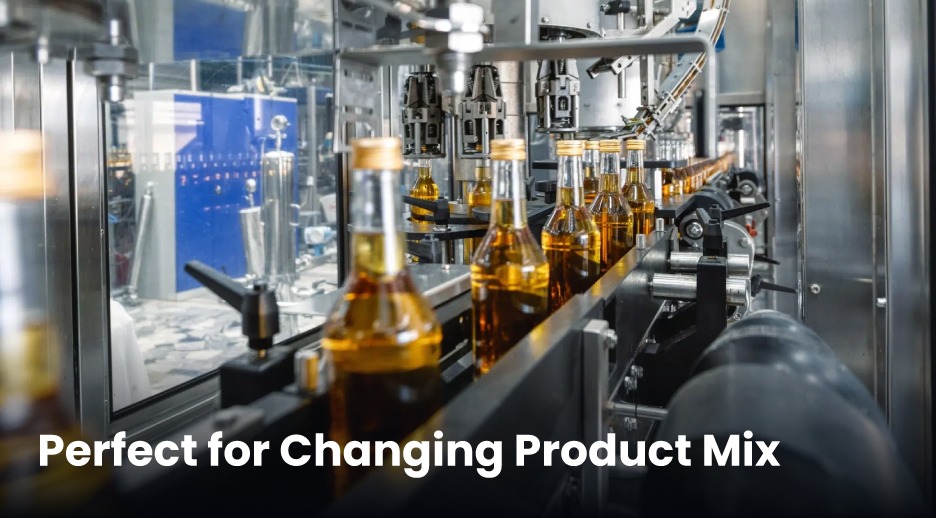
Factories today handle:
- More SKUs
- Different carton sizes
- Mixed packaging types
Modular lines adapt instantly with adjustable guides, quick-change tooling, and reconfigurable stations.
3. Faster Upgrades & Lower Cost
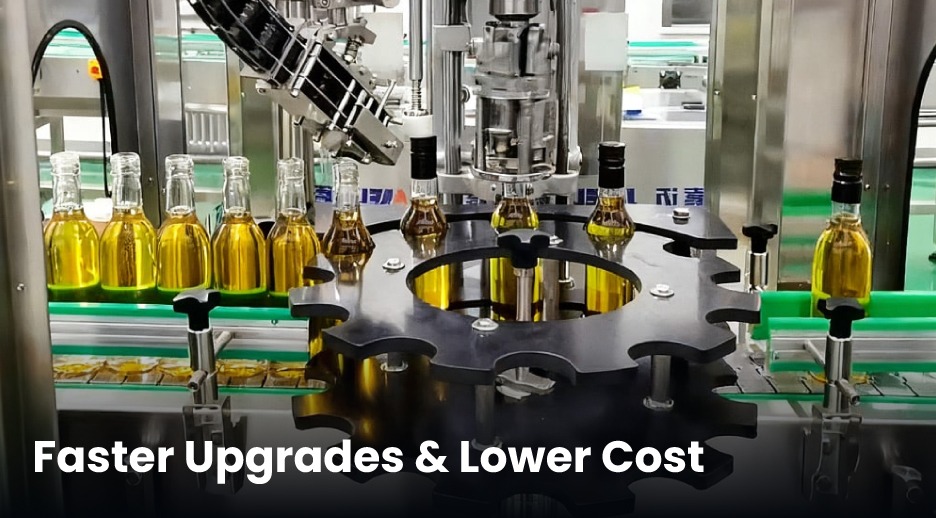
Because the line is built in modules, upgrading one machine doesn’t require reworking the entire line.
Factories save money by upgrading only what needs improvement.
4. Plug-and-Play Installation
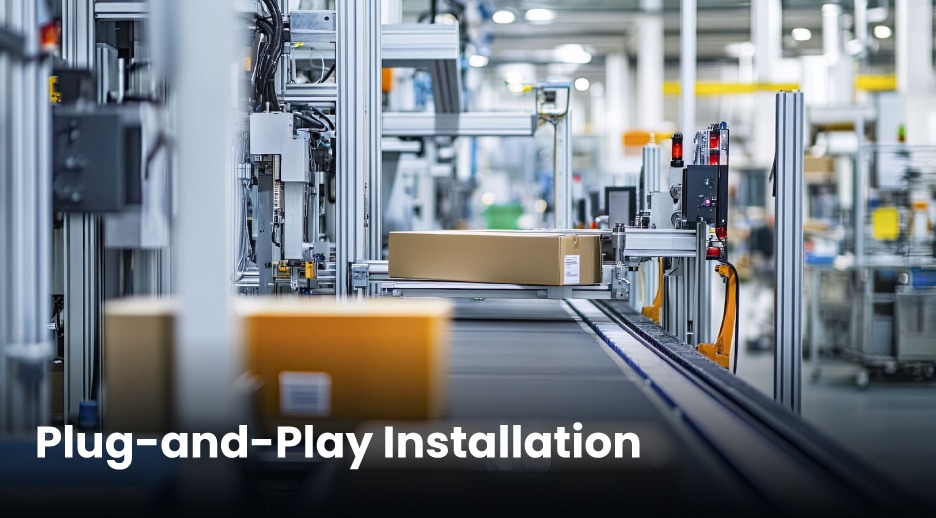
Most modular packaging machines come pre-wired and pre-tested. Installation time is drastically lower.
A module can be added within hours—not weeks.
5. Higher Uptime
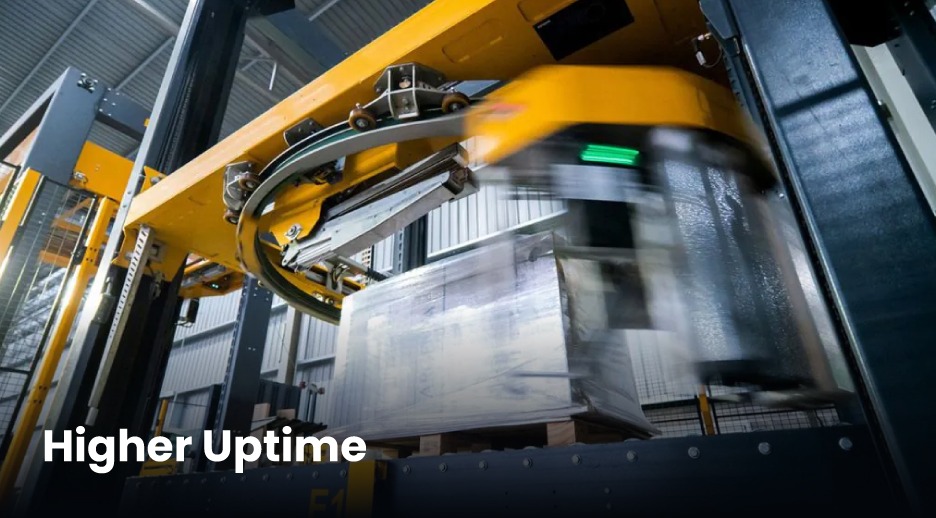
If one module requires maintenance, it can be bypassed or swapped without stopping the entire line. This boosts overall productivity and minimizes downtime.
6. Ideal for Automation Roadmaps
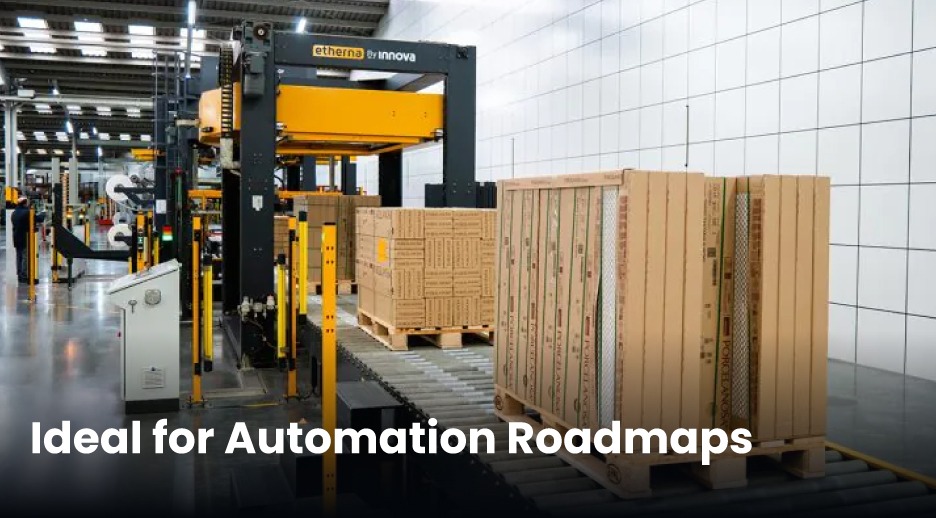
Factories planning automation in phases can start small and expand:
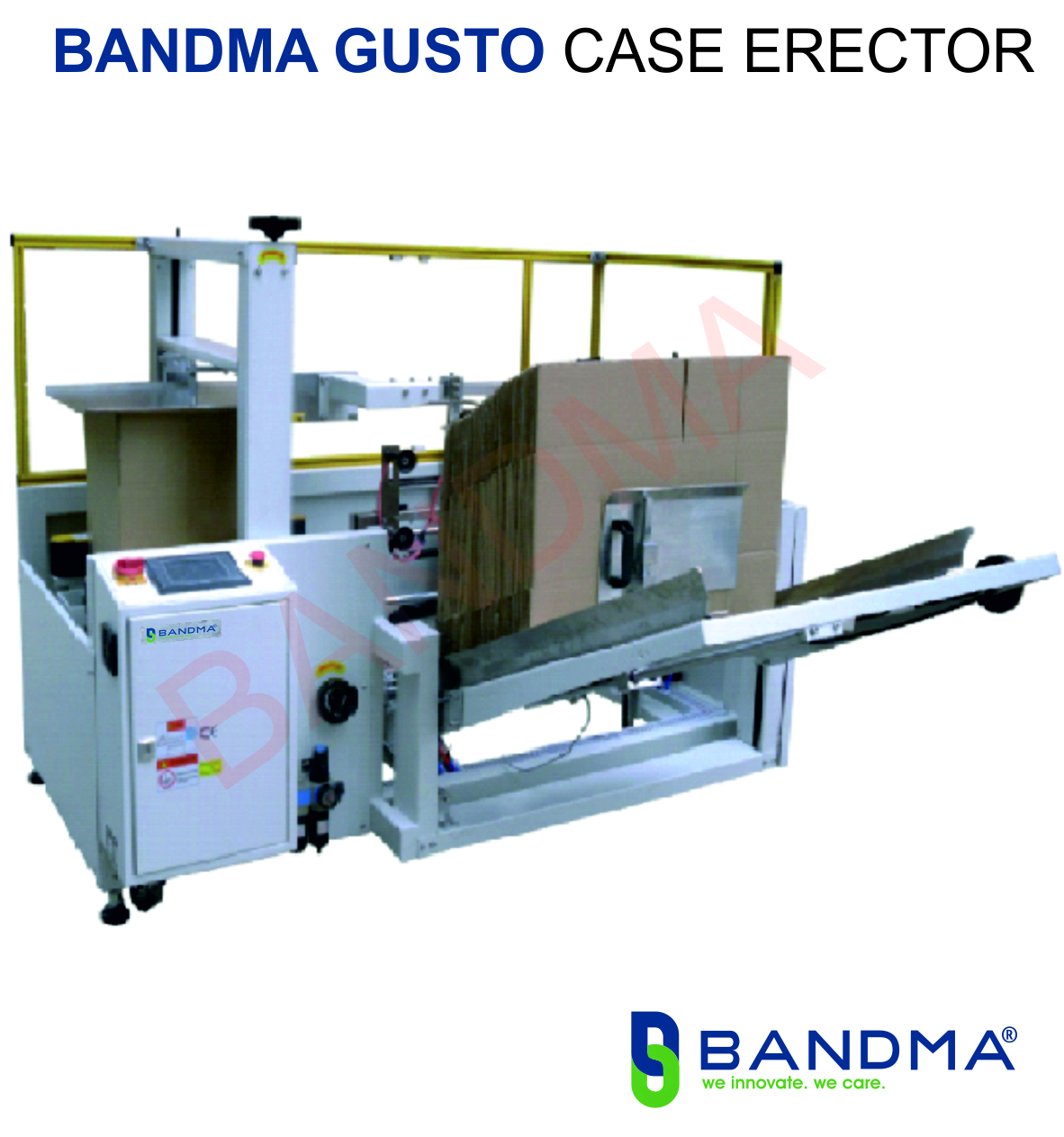
Phase 1 → Carton forming
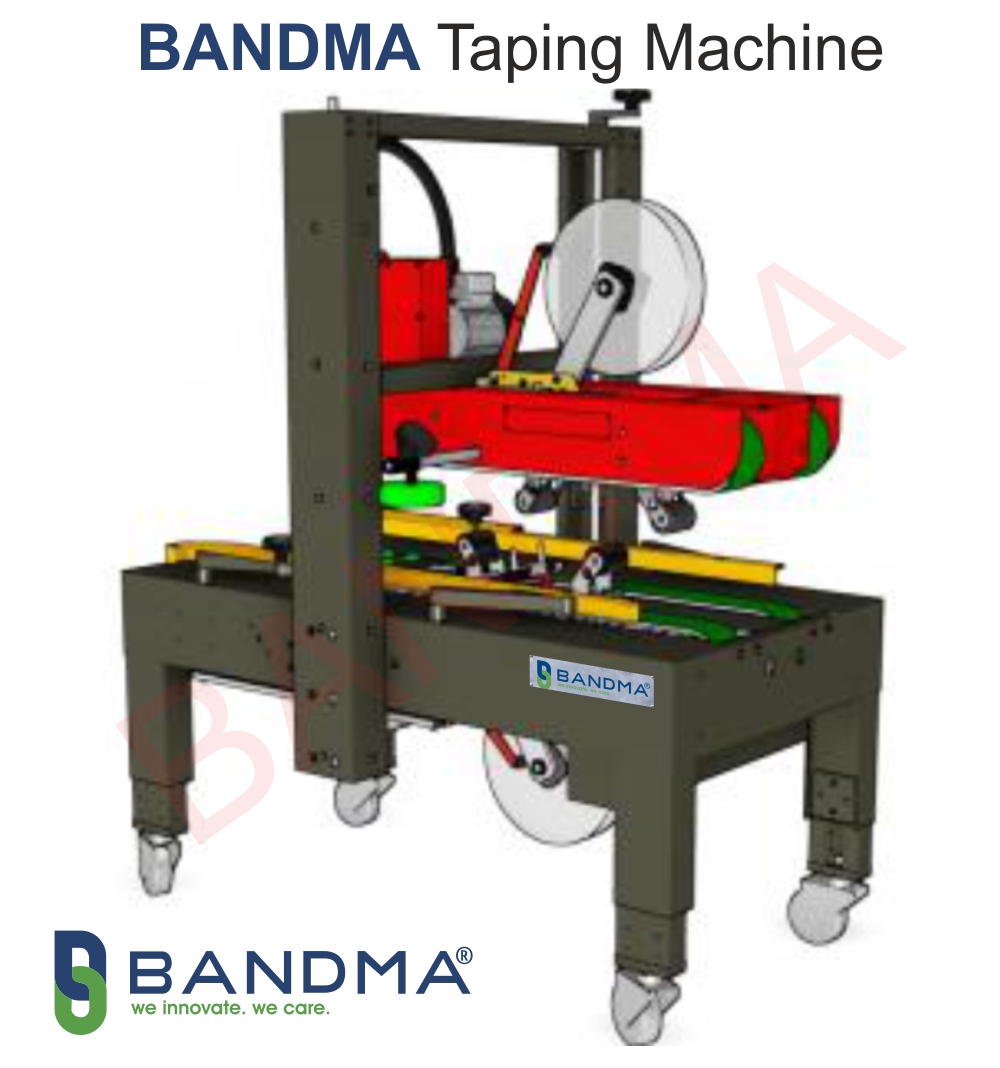
Phase 2 → Case sealing
Phase 3 → Strapping
Phase 4 → Stretch wrapping
Phase 5 → Palletizing
No disruptions to existing operations.
7. Better Space Utilization
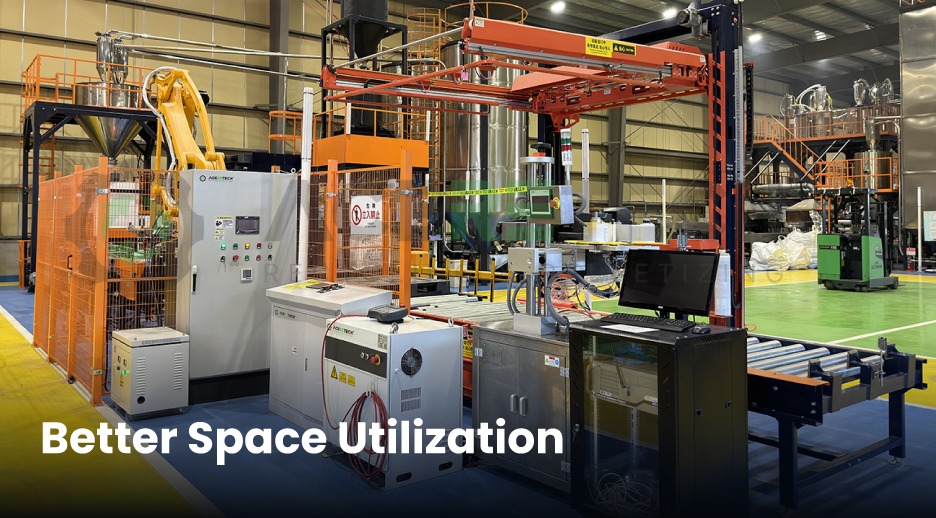 Modular lines are compact and customizable. Factories can design layouts based on floor space instead of forcing machines into rigid configurations.
8. Lower Total Cost of Ownership
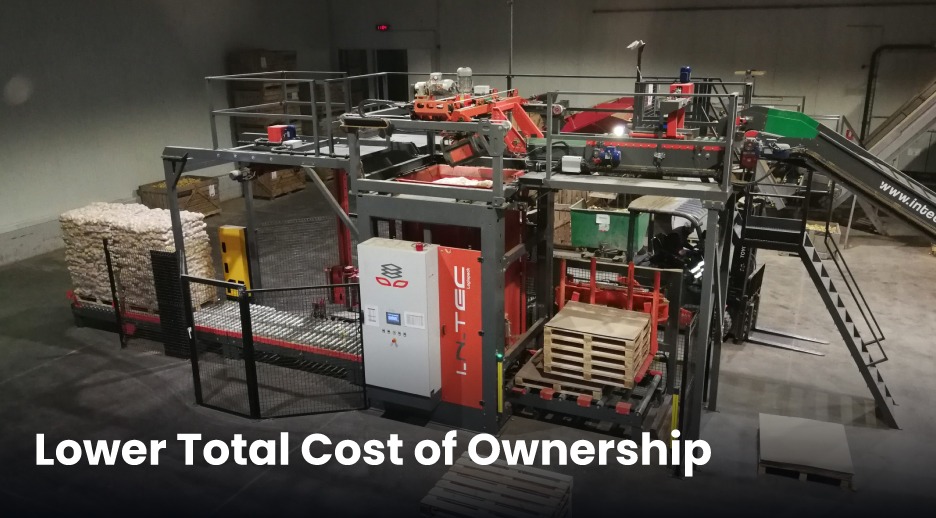
Modular systems reduce:
- Installation cost
- Factory downtime
- Maintenance complexity
- Upgrade expenses
They deliver long-term savings while enabling continuous improvement.
Conclusion
Future factories need packaging lines that grow with them. Modular packaging systems provide unmatched flexibility, faster installation, lower cost, and long-term scalability. They allow manufacturers to evolve effortlessly as product demand, volume, and technology change.