
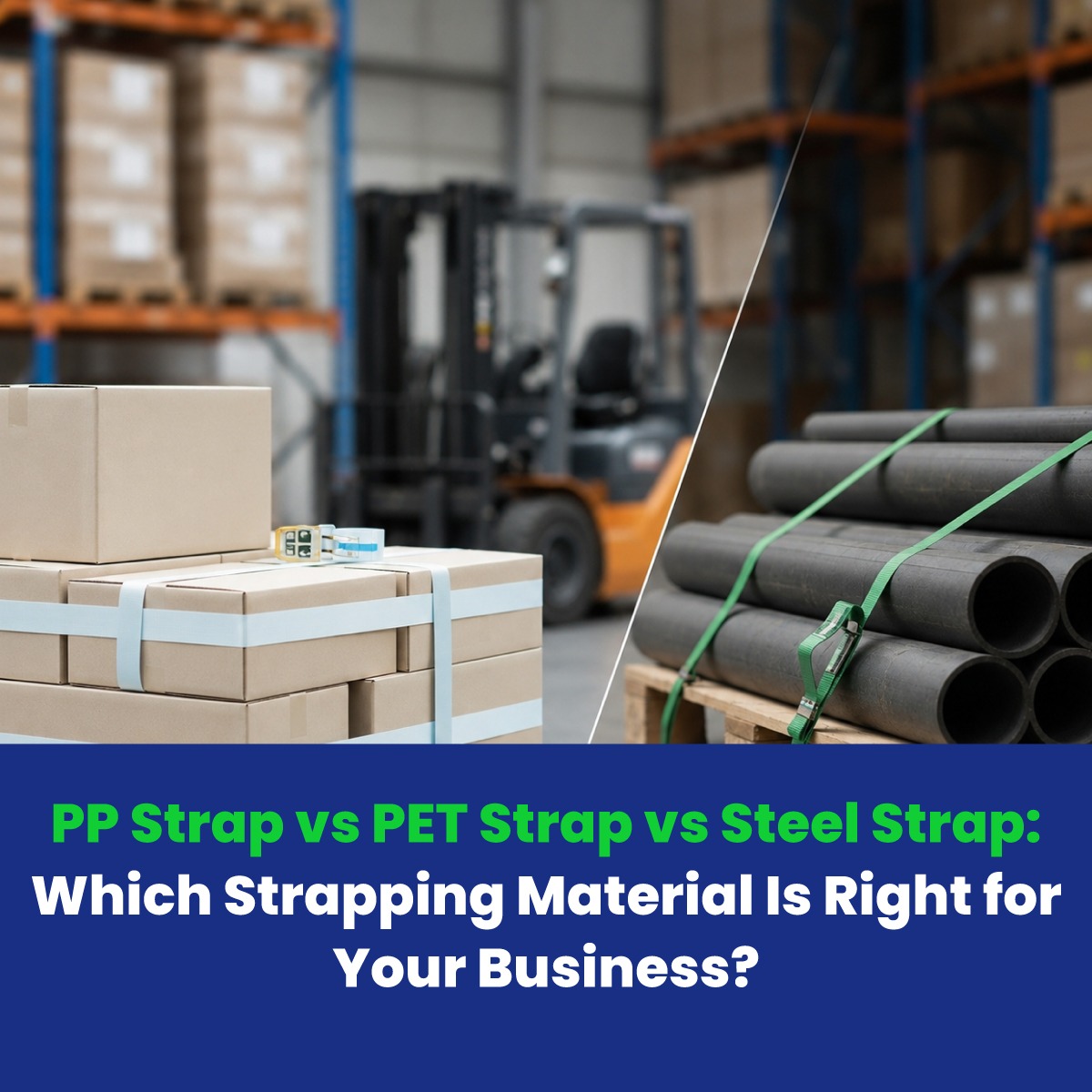
The strap is the last line of defence between your packed load and the chaos of transit. Choose the right material and it does its job silently. Choose the wrong one and you get broken straps, damaged product, and liability claims.
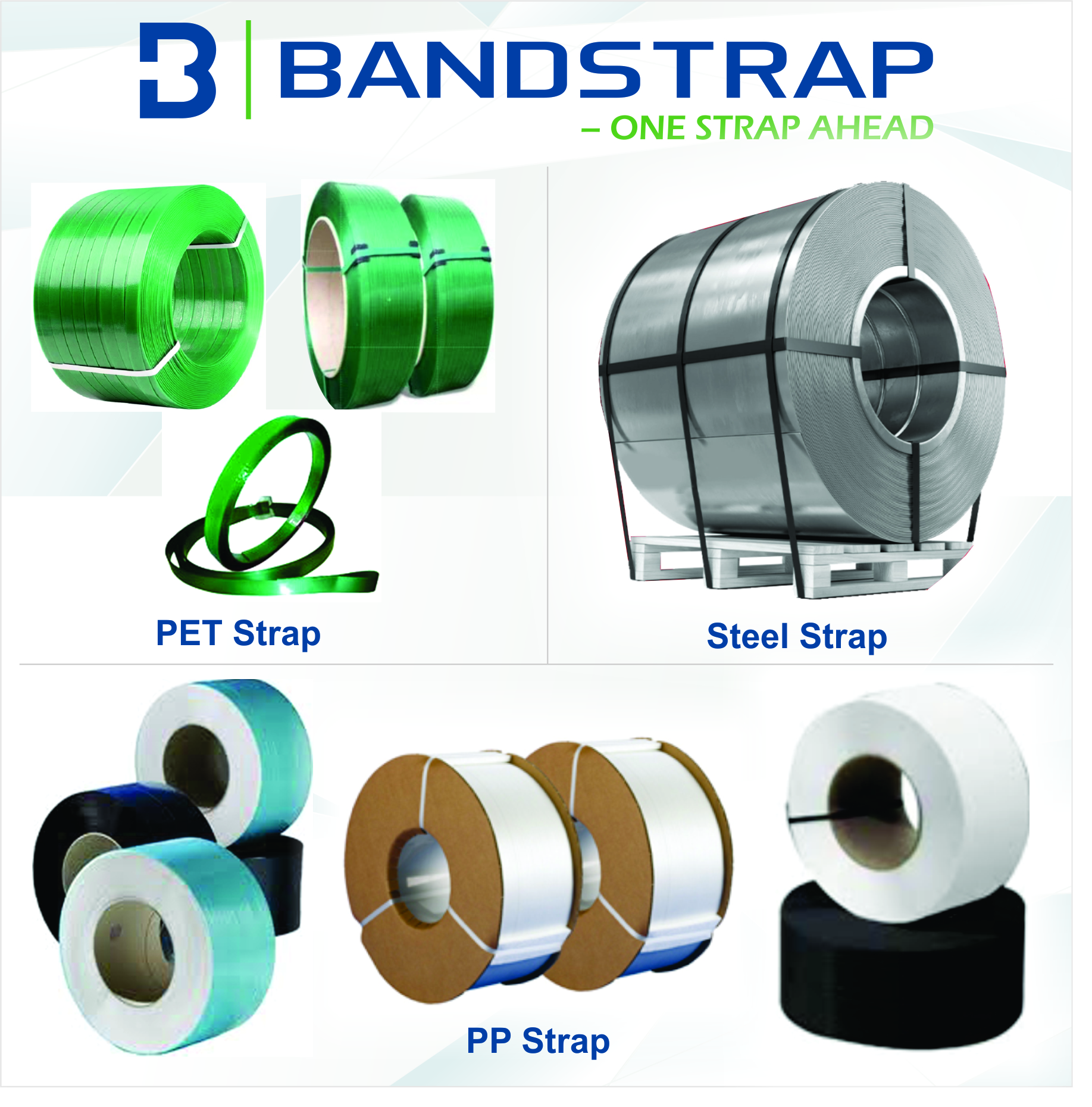
Bandma manufactures and supplies all three major strapping materials — PP (polypropylene), PET (polyethylene terephthalate), and steel — through its Bandstrap product range. This guide compares them honestly so you can match material to application.
Polypropylene (PP) Strap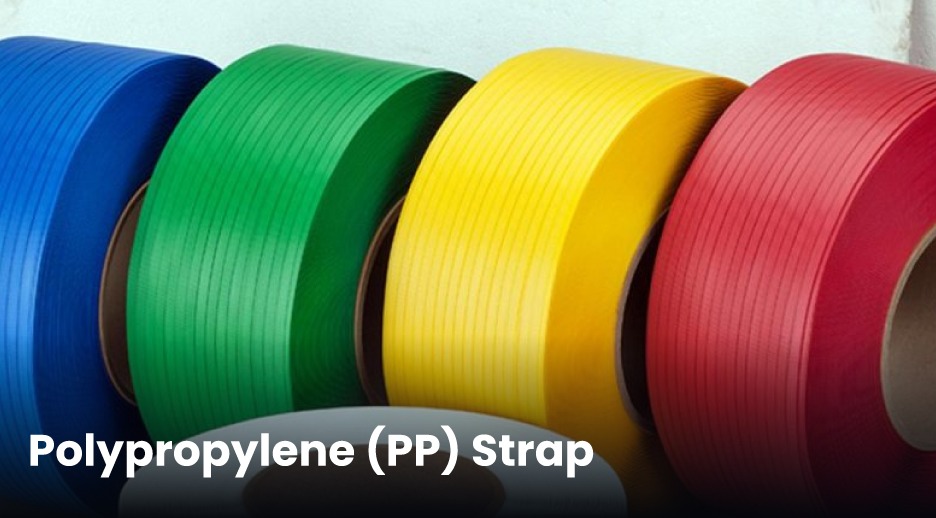
What It Is
PP strapping is the most widely used strapping material globally. It is a lightweight, flexible plastic strap available in widths from 5 mm to 19 mm and in various grades of thickness and embossing.
Best For
• Light to medium loads up to approximately 200 kg
• Cartons, FMCG bundles, textile bales
• Applications where strap elongation (shock absorption) is an advantage
• High-volume, cost-sensitive operations
Limitations
• Lower tensile strength than PET or steel
• More susceptible to UV degradation in outdoor storage
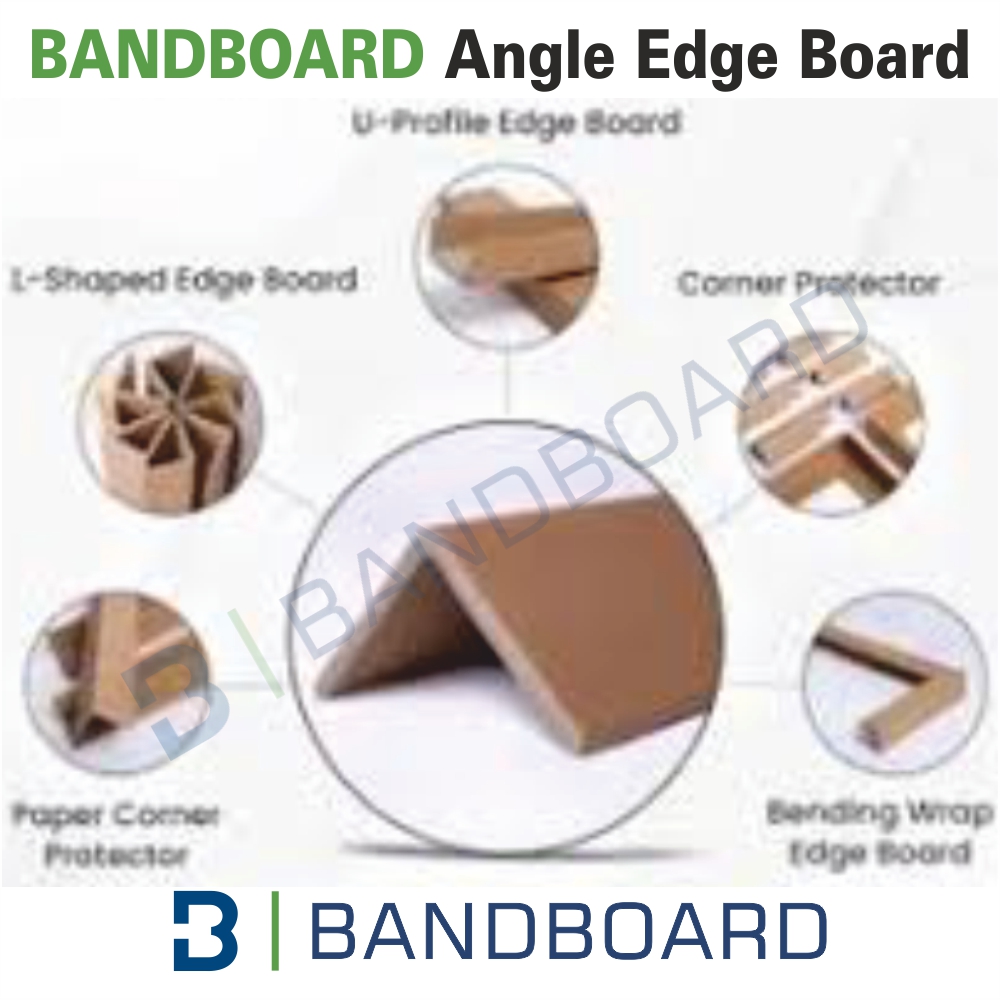
• Not suitable for sharp-edged products without edge protectors
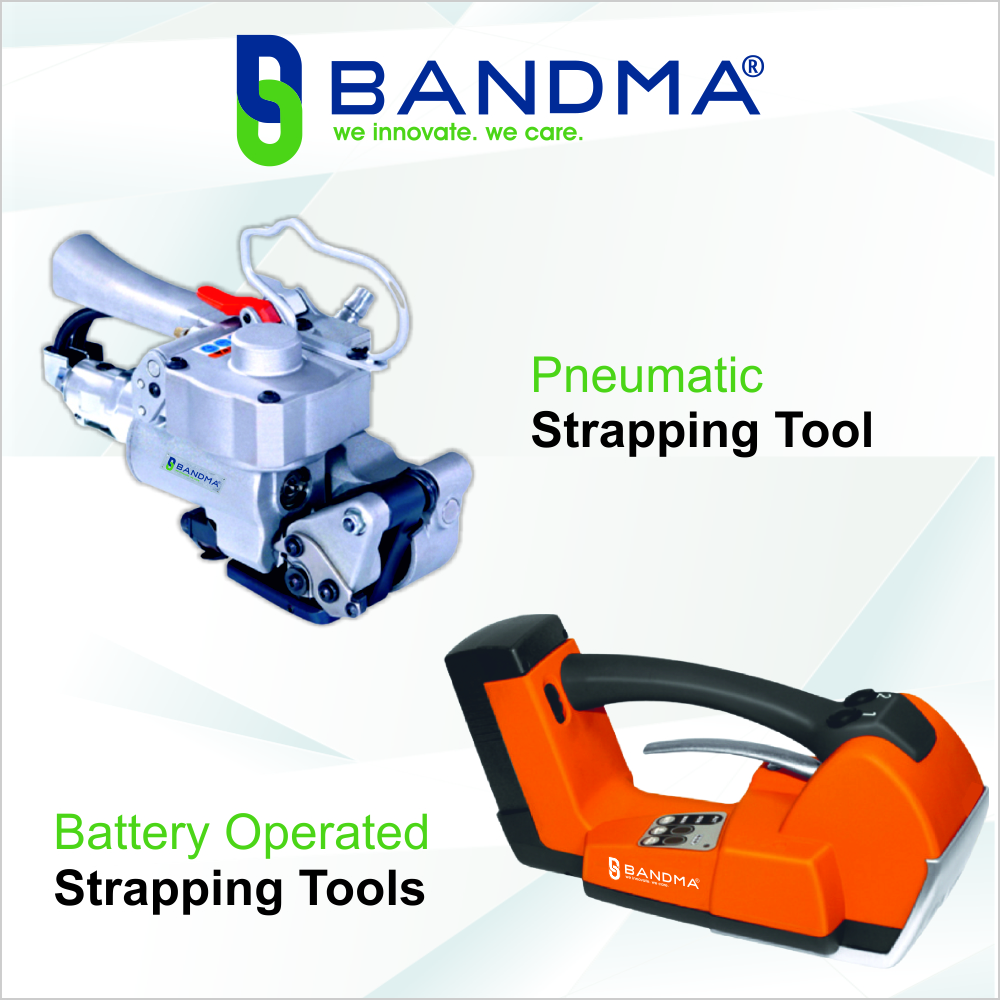
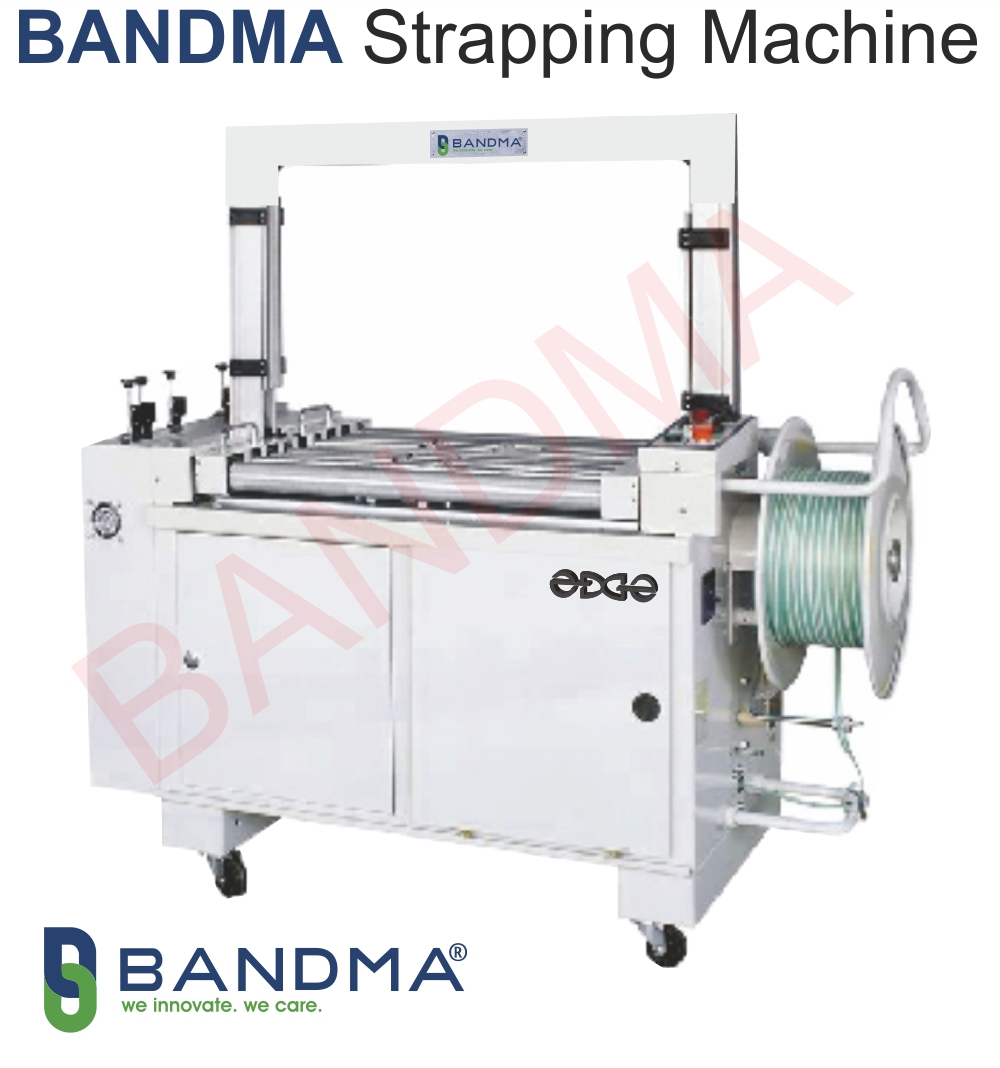
Bandstrap PP strapping is available in standard and high-tensile grades and is compatible with all Bandma semi-automatic and fully automatic strapping machines.
Polyethylene Terephthalate (PET) Strap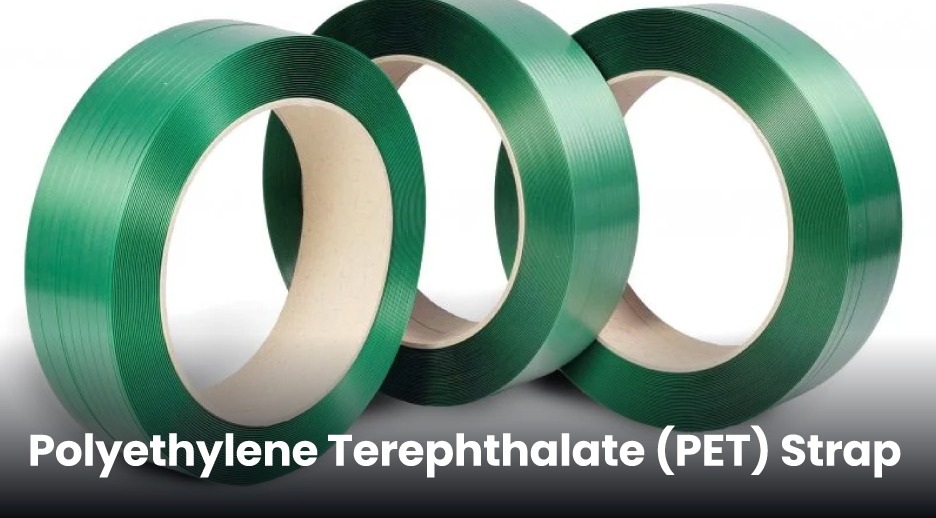
What It Is
PET strapping is the modern replacement for light steel strapping in many applications. It is stiffer and stronger than PP, with higher tensile strength and much lower elongation — meaning it holds tension without creep over time.
Best For
• Heavy loads from 200 kg to several tonnes
• Compressible loads (paper, textiles, recycled materials) where strap must maintain tension as the load settles
• Applications where steel strap is considered a safety risk
• Export shipments requiring high load security
Limitations
• Higher cost per metre than PP
• Requires PET-capable strapping machine (different tensioning and sealing mechanism)
PET strapping has largely replaced steel strapping in paper mills, recycling facilities, and timber yards because it is safer to handle (no sharp cut edges), easier to dispose of, and increasingly cost-competitive.
Steel Strap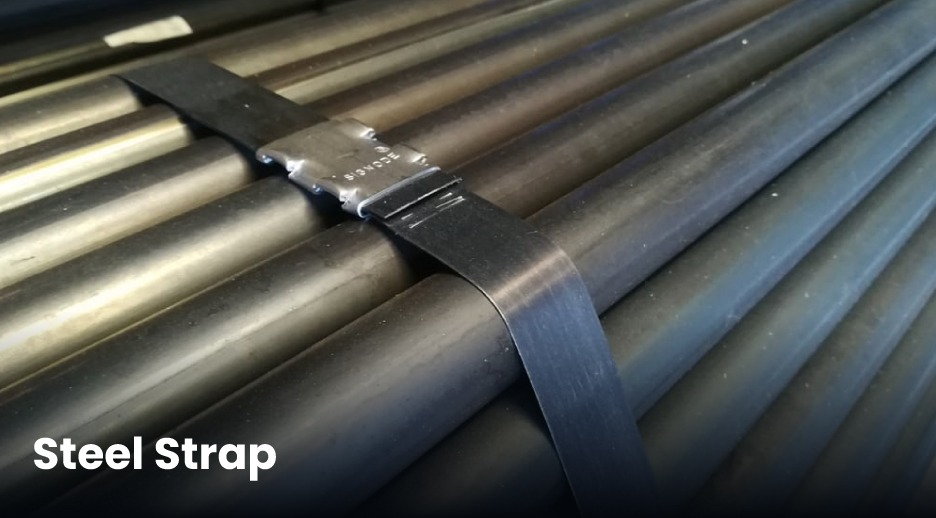
What It Is
Steel strapping is the original industrial strapping material — high tensile strength, minimal elongation, and resistant to UV, heat, and chemical exposure. It is available in widths from 13 mm to 32 mm.
Best For
• Extremely heavy loads exceeding several tonnes
• Loads with sharp edges (metal products, structural steel) where plastic strap would cut through
• High-temperature environments where plastic degrades
• Long-term outdoor storage requiring UV resistance
Limitations
• Sharp cut edges create a handling safety risk
• Heavier than plastic alternatives
• Requires steel-specific strapping tools and seals
• Disposal and recycling more complex than plastic
Quick Selection Guide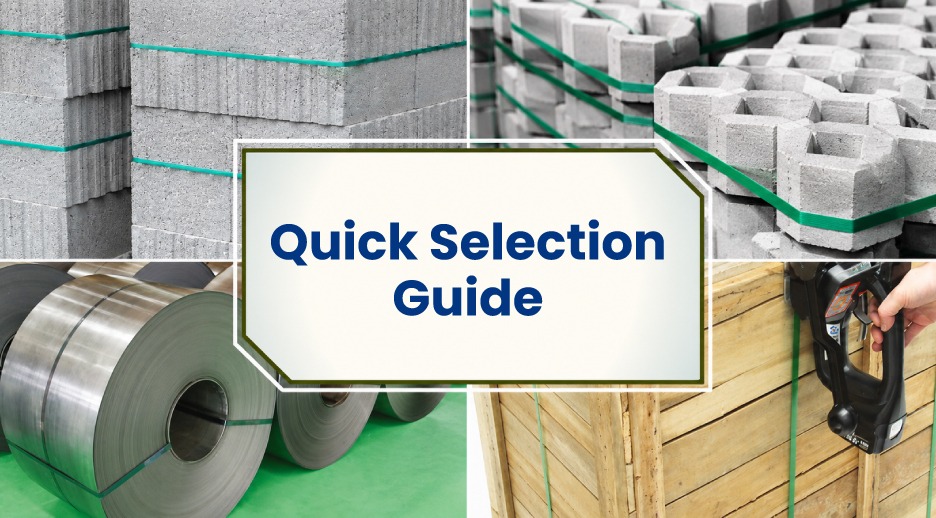
Criteria | PP Strap | PET Strap | Steel Strap |
Max Load | ~200 kg | ~2,000 kg | 5,000+ kg |
Cost per metre | Lowest | Medium | Highest |
Shock absorption | High | Medium | Low |
Safety | Safe | Safe | Sharp edges |
Sustainability | Recyclable | Recyclable | Recyclable |
UV resistance | Low | Medium | High |
Bandstrap PP, PET, and steel straps are available in bulk from Bandma and are compatible with all Bandma strapping machines. Contact us for pricing and availability.