


Two machines come up repeatedly in conversations about packaging line quality control: the metal detector and the checkweigher. Both sit on the line. Both inspect products. Both reject failures automatically.
But they do entirely different jobs. And the decision about whether you need one, the other, or both depends on your product, your industry, and your compliance requirements not on a general rule that applies to everyone.
This guide cuts through the confusion.
What a Metal Detector Actually Does
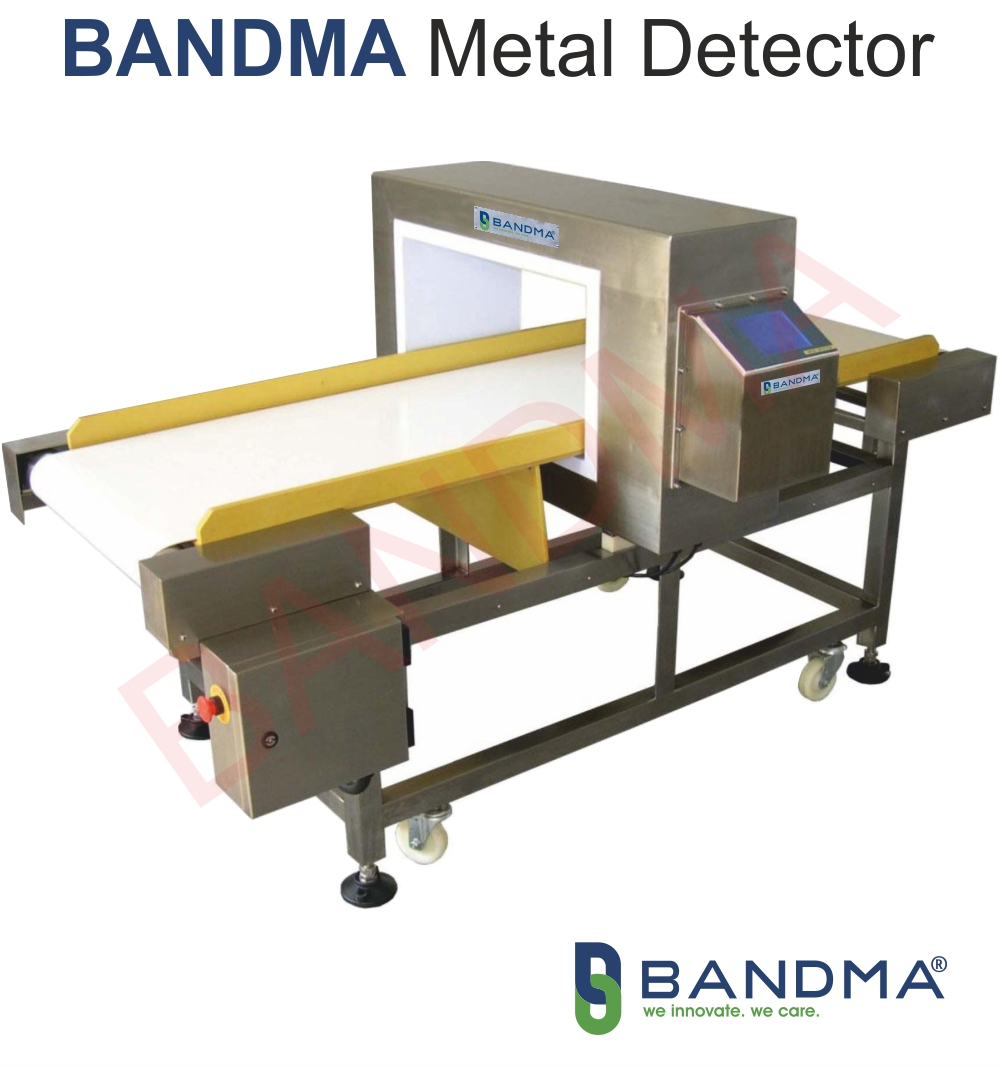
A metal detector does one thing: it detects metal contamination inside a product or package as it passes through the detection aperture on a conveyor.
It detects three categories of metal: ferrous metals like steel and iron, non-ferrous metals like aluminium and copper, and stainless steel. Sensitivity is expressed as the smallest sphere of each metal type the machine can reliably detect. A well-specified food-grade metal detector typically achieves ferrous detection at 1.0 to 1.5 mm sphere diameter under normal operating conditions.
When a contaminant is detected, the rejection mechanism an air blast, pusher, or flap diverter removes the affected product from the line automatically before it can be packed into a case or reach a customer.
A metal detector does not weigh products. It does not check fill levels. It does not verify counts. It finds metal and removes the affected pack. That is its entire function.
What a Checkweigher Actually Does
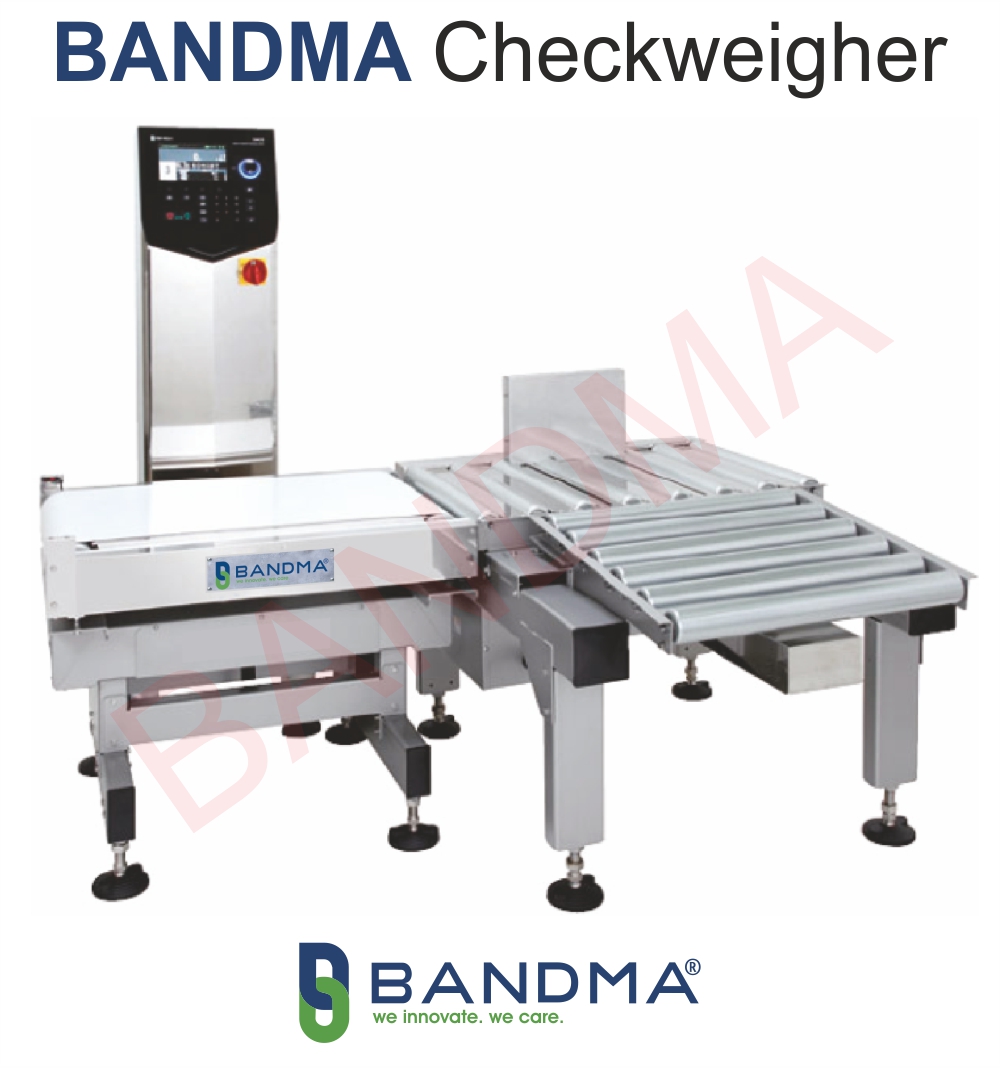
A checkweigher weighs every product that passes over it at line speed and compares that weight against a programmed target with upper and lower tolerance limits.
Products within the acceptable weight range continue downstream. Products outside that range too light, indicating a short fill or missing item, or too heavy, indicating an overfill or foreign object are rejected automatically.
A checkweigher does not detect metal. It does not identify what is wrong with an out-of-spec product. It measures weight, compares it to a target, and removes anything that does not match.
The data it generates weight readings for every unit across an entire production run is logged and available for quality audits, regulatory inspections, and statistical process control.
Where They Overlap and Where They Do Not
The overlap is narrow. Both machines inspect products inline and reject failures. That is where the similarity ends.
A metal detector catches a stainless steel fragment that weighs less than one gram, too light to register as a meaningful weight deviation on a checkweigher. The checkweigher catches a pack that is 15 grams underweight due to a short fill, something a metal detector is completely blind to.
Neither machine substitutes for the other. They address different failure modes on the same line.
Do You Need One, Both, or Neither?
You need a metal detector if your product involves any cutting, slicing, grinding, or processing equipment where metal fragments could enter the product stream. Food manufacturing, pharmaceuticals, and any processing environment where metal-to-product contact occurs require metal detection as a standard HACCP control point. Major retailers and export buyers impose minimum metal detector sensitivity requirements on their suppliers. If you supply organised retail or export markets, a metal detector is not optional.
You need a checkweigher if your product carries a net weight declaration, which under the Legal Metrology Act covers virtually every packaged commodity sold in India. Short-weight packs expose your business to regulatory penalties, retailer chargebacks, and consumer complaints. Overweight packs represent direct raw material giveaway: product you are producing and dispatching without recovering its cost. A checkweigher catches both and feeds the data back to correct the filling process before losses accumulate.
You need both if you manufacture food, pharmaceuticals, or consumer goods where both contamination risk and weight accuracy are compliance requirements. This covers the majority of FMCG, food processing, and pharmaceutical packaging operations in India. Running both machines in sequence checkweigher first, metal detector second, or vice versa, depending on line layout creates a complete inline quality gate.
You may genuinely need neither if your operation involves products with no net weight declaration requirement, no metal processing contact risk, and no retail or export compliance obligations. This describes a relatively small category of industrial packaging applications.
The Compliance Reality in 2026
FSSAI audits, Legal Metrology inspections, and large retail buyer qualification processes are all asking harder questions about inline quality control than they were three years ago.
Documented checkweigher data and metal detection records are increasingly requested as part of supplier qualification. Manufacturers who cannot produce them are being removed from approved supplier lists regardless of their product quality track record.
The machines that generate this documentation pay for themselves twice: once in operational savings from reduced giveaway and fewer rejected shipments, and again in the commercial relationships they protect.
What Bandma Offers
Bandma supplies inline metal detectors and checkweighers configured for food, pharmaceutical, and industrial packaging lines across a range of production speeds and product types.
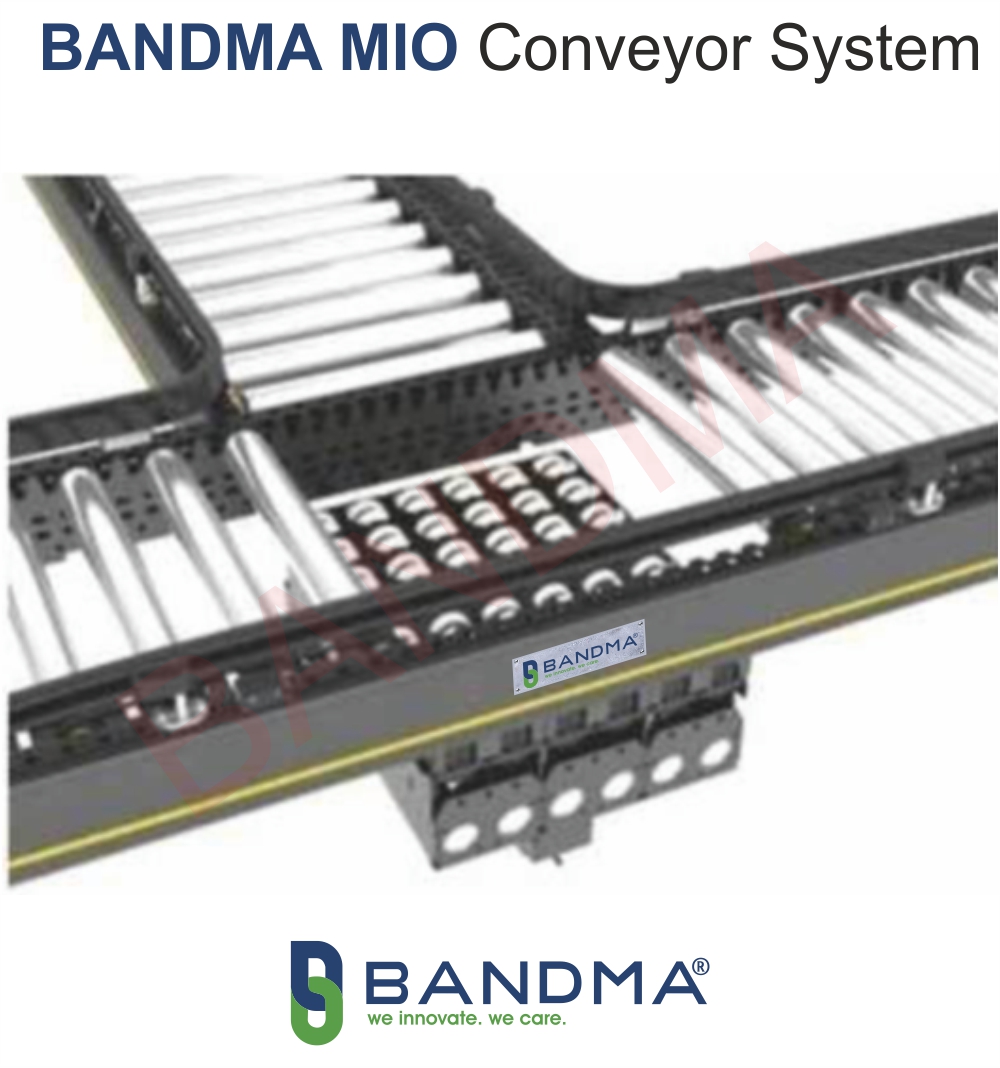
Both machines integrate cleanly into existing conveyor systems and secondary packaging lines, and Bandma's technical team can advise on placement, sensitivity specification, and rejection mechanism selection for your specific product and line layout.
Contact Bandma to discuss which inspection solution your line actually needs.
Bandma- We innovate. We care.