
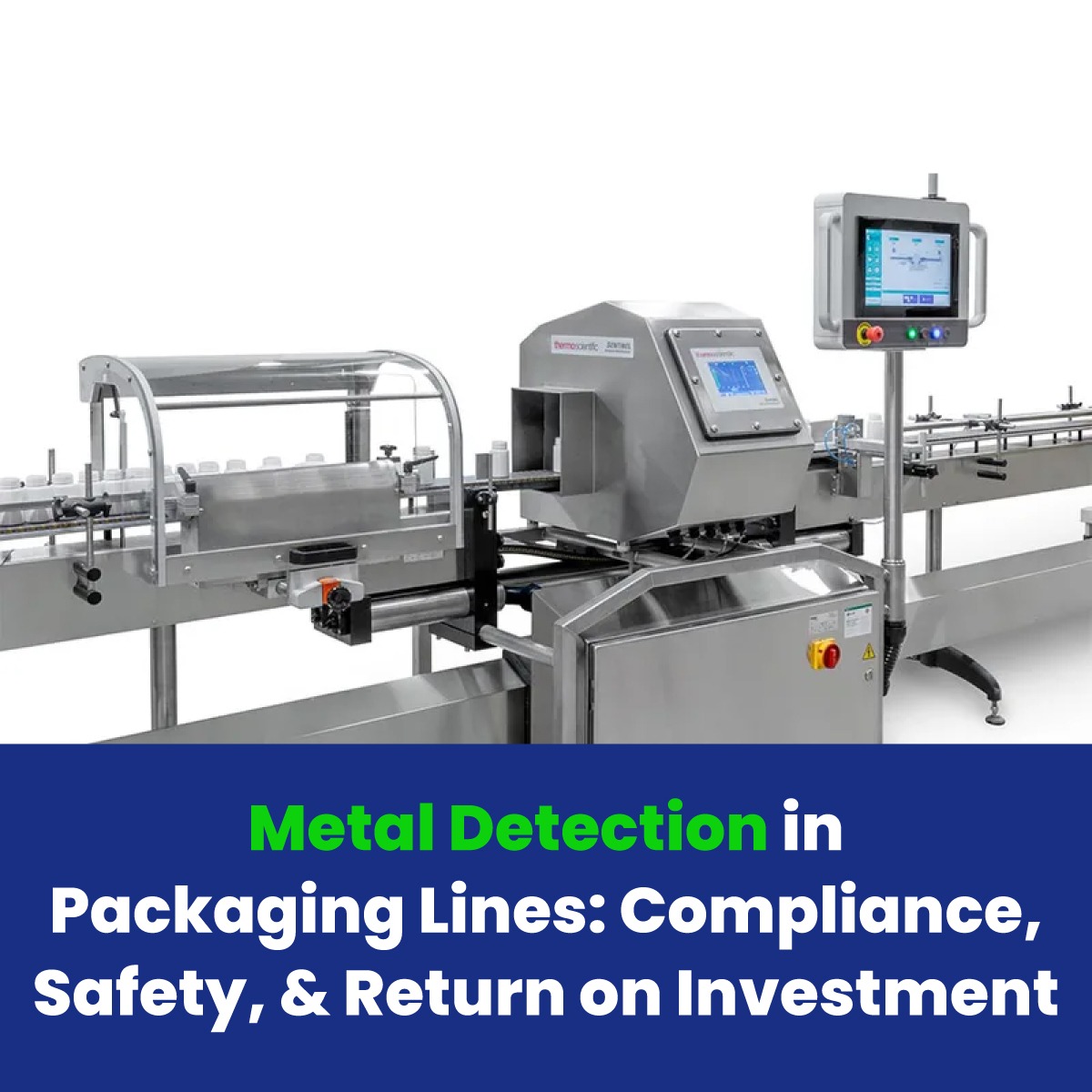
A metal contaminant in a food product is one of the highest-consequence quality failures a manufacturer can experience. The combination of consumer safety risk, regulatory action, and reputational damage from a metal-contamination recall dwarfs the cost of any detection system.
Yet metal detection remains poorly understood outside specialist quality teams. This guide covers what inline metal detectors do, where they belong on a packaging line, what sensitivity means in practice, and how to justify the investment.
Why Metal Contamination Happens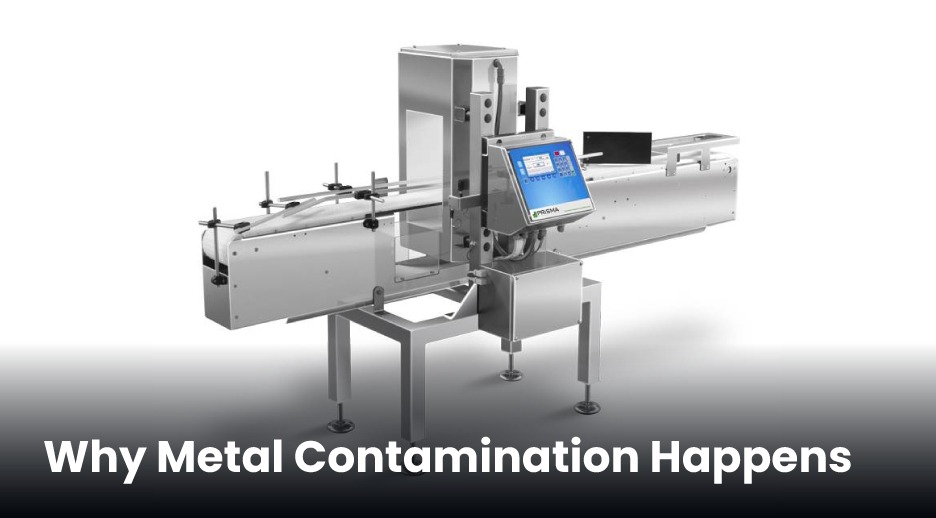
Metal contamination in food processing occurs at multiple points: broken blades from slicing or cutting equipment, wear fragments from conveyor components, wire from cleaning brushes, and packaging material failures such as broken staples or foil fragments. Even in well-maintained facilities, the risk cannot be reduced to zero by preventive maintenance alone.
Metal detection is therefore a control point — not a substitute for maintenance, but a catch-all for the fragments that prevention misses.
Types of Metal Detectors for Packaging Lines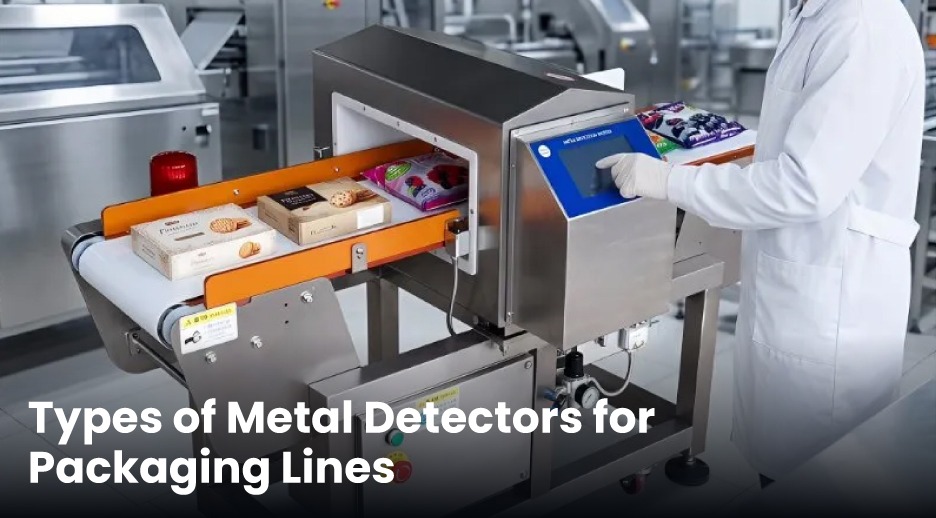
Aperture (Tunnel) Metal Detectors
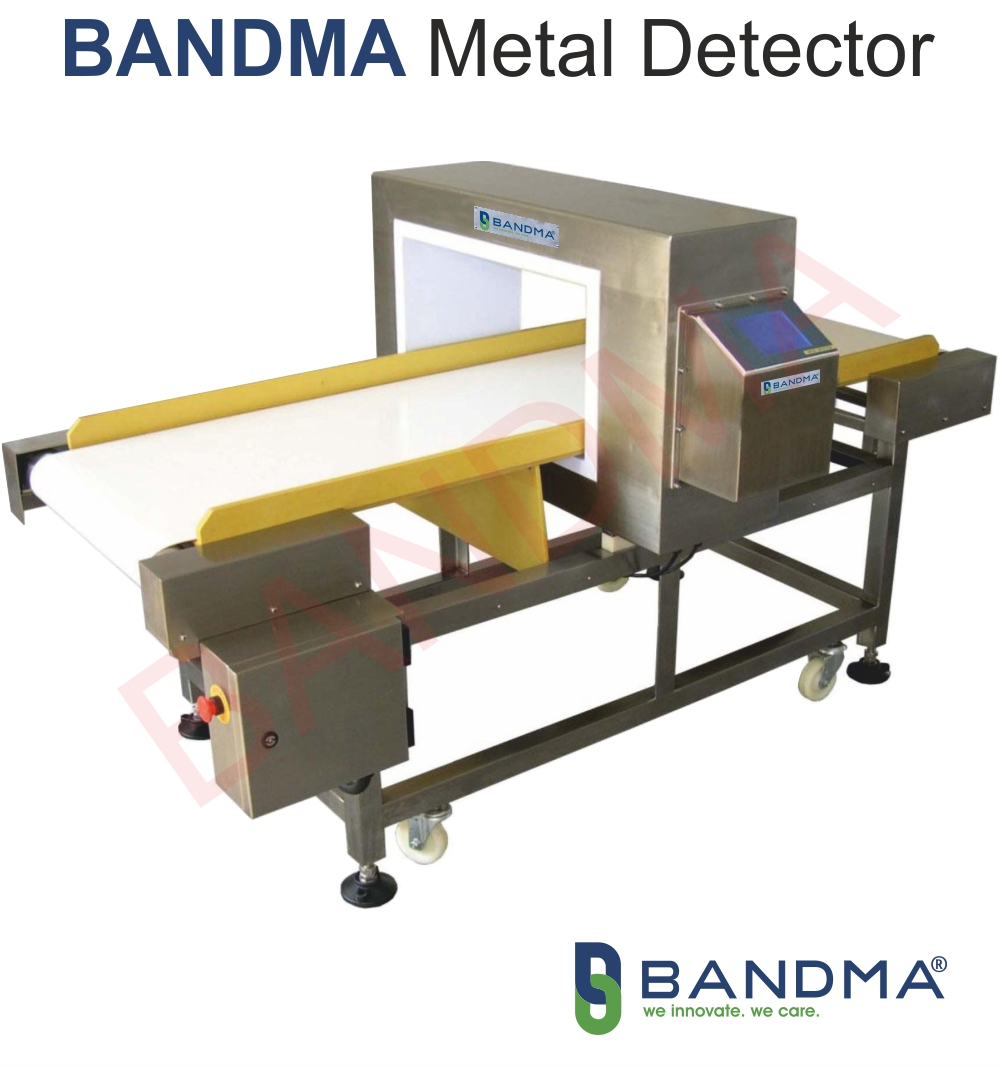
The most common type for packaged goods. The product passes through a tunnel-shaped detector head on a conveyor. Ferrous metals (iron, steel), non-ferrous metals (aluminium, copper, brass), and stainless steel are all detectable. Sensitivity is expressed as the smallest sphere of each metal type that the detector can reliably detect.
Conveyor Metal Detectors
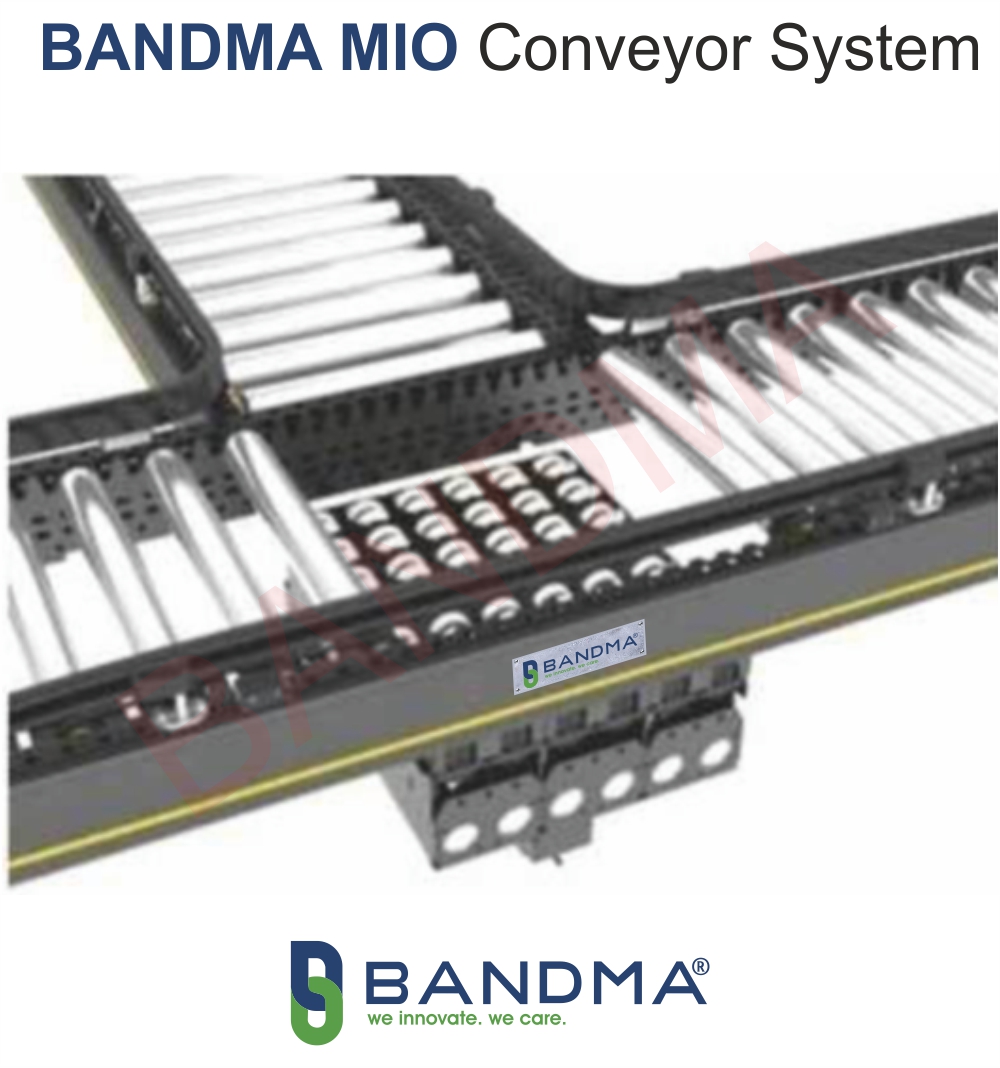
Similar to aperture detectors but integrated with the conveyor system. Products remain on the belt through the detection zone. Suitable for unwrapped or bulk products.
Pipeline (In-Line) Metal Detectors
Used for pumpable products — liquids, pastes, slurries — that flow through pipes. The product passes through the detector before filling. Essential in beverage, dairy, and sauce manufacturing.
Sensitivity: What the Numbers Mean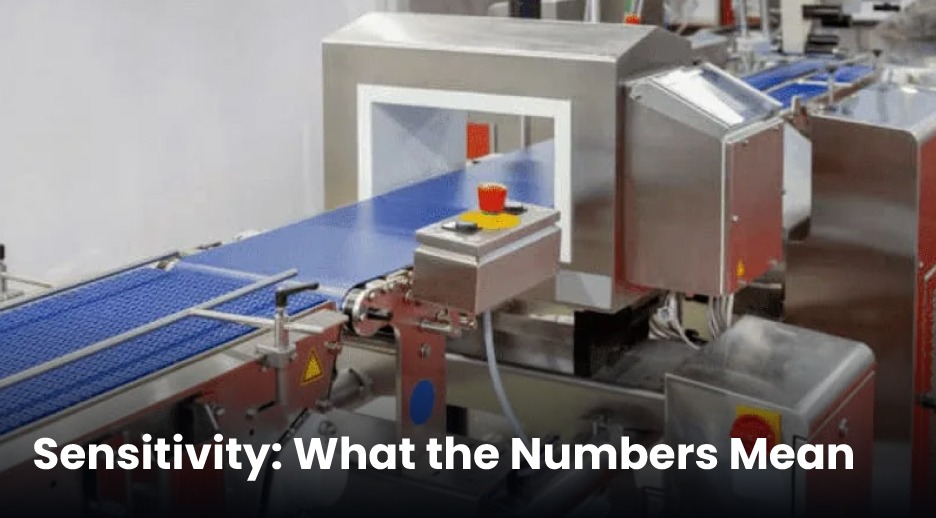
Metal detector sensitivity is specified as a sphere diameter in millimetres. A machine rated at Fe 1.0 mm / Non-Fe 1.2 mm / SS 1.5 mm can reliably detect steel spheres of 1.0 mm, aluminium spheres of 1.2 mm, and stainless steel spheres of 1.5 mm.
Higher sensitivity (smaller numbers) is better — but there are practical limits. Wet, high-salt, or high-mineral products generate a 'product effect' that can cause false rejections if sensitivity is set too high. A good metal detector manufacturer will configure the sensitivity to balance detection capability against false rejection rate for your specific product.
Regulatory and Customer Requirements
In India, FSSAI guidelines for food safety require metal contamination controls as part of a HACCP plan. Many major retailers — including international grocery chains — impose specific metal detector requirements on their suppliers, including minimum sensitivity levels and documented calibration records.
Export markets with EU, US, or UK food safety standards impose even stricter requirements. A metal detector with data logging and calibration records is a prerequisite for many export certifications.
Where to Place the Metal Detector
The optimal position is as late in the process as possible — after the product is in its final packaging format and before it leaves the site. This catches contamination from all upstream steps in one control point.
For products in foil packaging (which affects detector performance), a specialised phase-shift metal detector or X-ray system may be required. Bandma can advise on the most appropriate technology for your specific packaging format.
Metal Detector vs X-Ray: When to Choose Which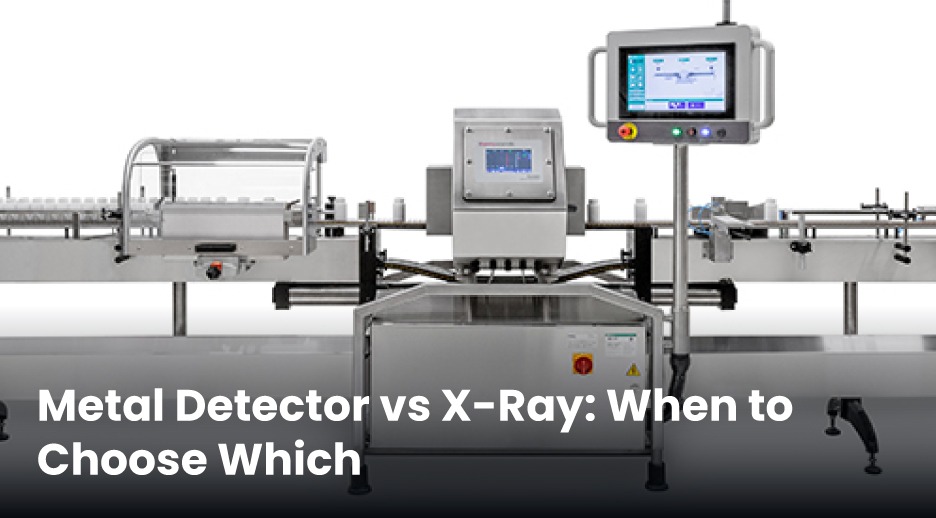
Metal detectors detect metal only. X-ray inspection systems detect metal, dense plastics, glass, stone, and bone — but cost significantly more. For most food packaging lines, a well-specified metal detector provides the required protection at a fraction of the cost. X-ray systems are justified where non-metal contaminant risk is high or customer specifications mandate it.
Bandma supplies inline metal detectors configured for food, pharmaceutical, and industrial packaging lines. Contact us to specify the right sensitivity and form factor for your products.