


A product can be well made and still lose a sale because of a crooked, wrinkled or missing label. Buyers read the label before they judge the product, and retailers reject packs where the information is hard to read. A small flaw on the label is often taken as a sign of poor quality, however good the product inside may be. Brands that sell through shops and online platforms feel this the most, since the pack has to make an impression within seconds.
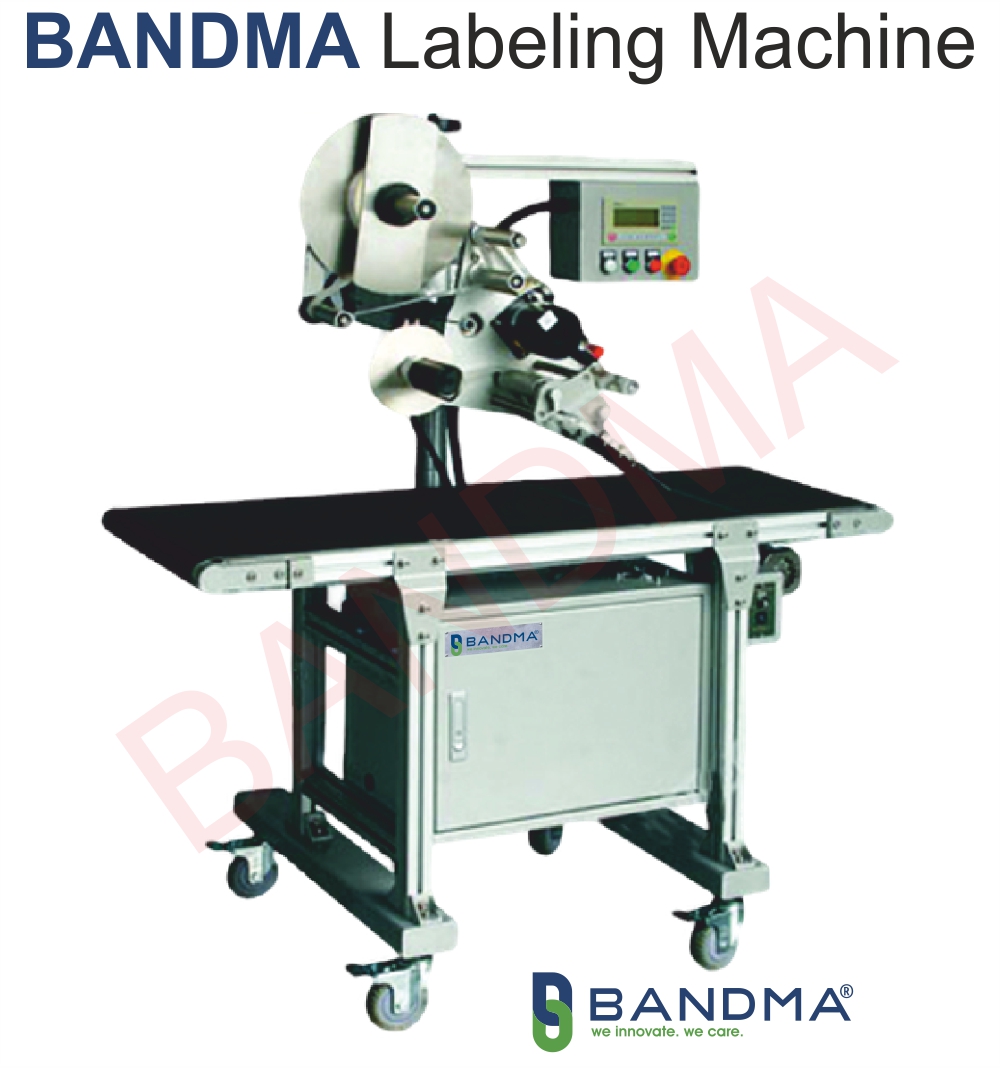
Manual labelling is slow and uneven, and it is difficult to keep consistent across thousands of packs. Hands tire, gaps vary and labels end up tilted or creased by the end of a shift. A labelling machine from Bandma places every label in the same position, with the same pressure, at the speed of the line. The result is a uniform finish that stays the same from the first pack to the last.
Round Bottles, Wrinkle-Free Wraps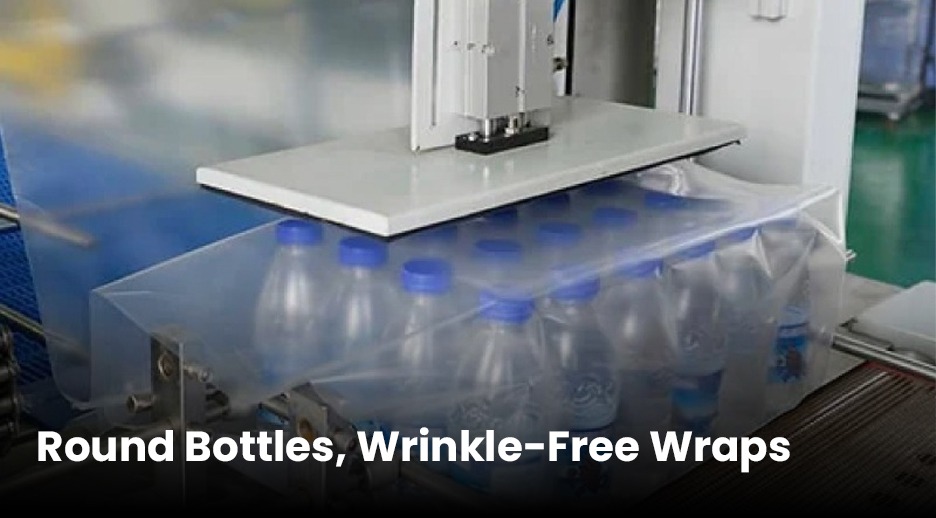
Round bottles and jars need a label that wraps without bubbles or tilt. A wrap-around labelling machine holds the container steady, applies the label and presses it down with a roller, so the edges meet cleanly. The label sits flat along the curve of the bottle, with no lifted corners or trapped air.
Bottles of oil, sauces, pharma products and cosmetics leave the machine with straight, smooth labels. Every unit looks the same on the shelf, which builds trust in the brand. Even small batches get the same neat finish as large production runs, without any extra effort from the operator.
Flat Boxes, Neat Front Labels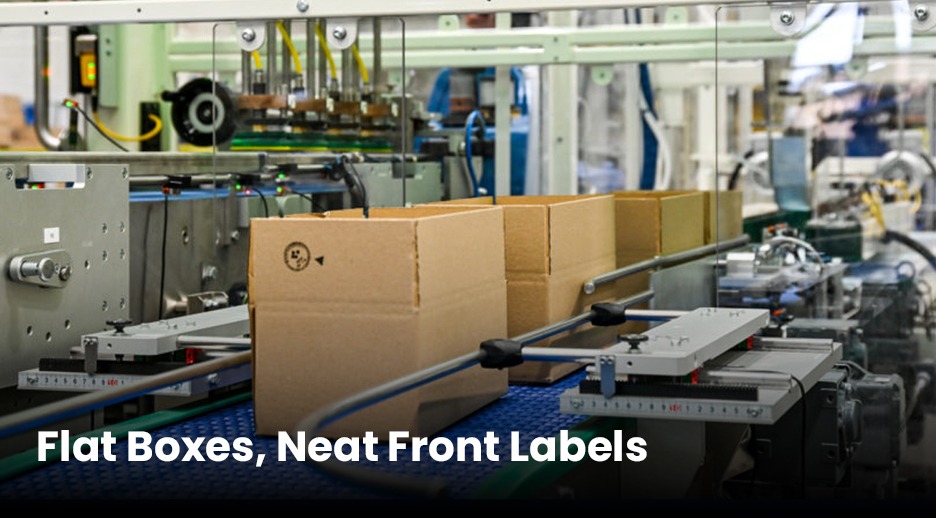
Boxes, pouches and flat bottles often take a front and back label together. A flat-surface labeller applies both sides in one pass, with equal gaps from the edges. Placement stays accurate even when the pack shape changes, as the guides and settings can be adjusted in minutes.
The pack looks balanced and identical from the first unit to the last. Retail displays look tidy, and the product appears more premium. Brands that sell in rows on a shelf benefit the most, since any crooked label stands out immediately beside its neighbours.
Labels Applied on Moving Conveyors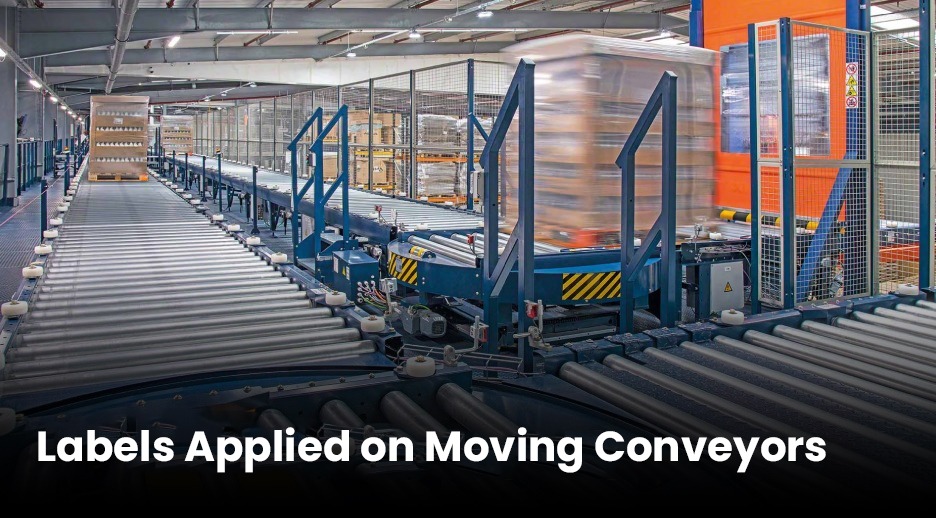
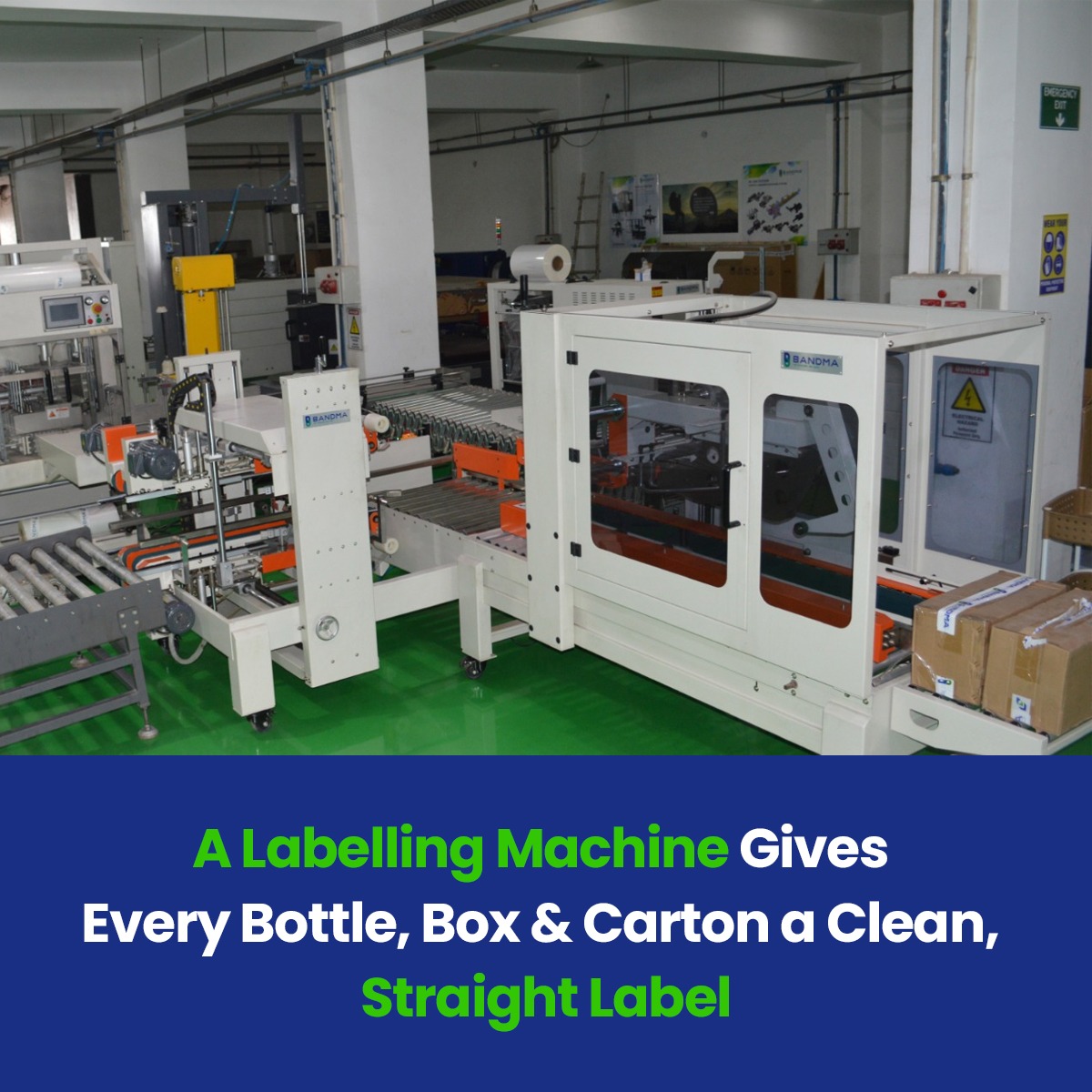
Labelling works best on a conveyor, where products travel at an even pace beneath the labelling head. Sensors detect each product and release a label at exactly the right moment. This keeps the gap between packs steady and avoids missed or doubled labels along the line.
Speed adjusts easily, so the same setup handles small batches and long production runs. Labelling no longer slows down the rest of the packing line. Filling, sealing and labelling can run together, which saves time and keeps the whole process moving without pauses.
Cartons Tagged for Dispatch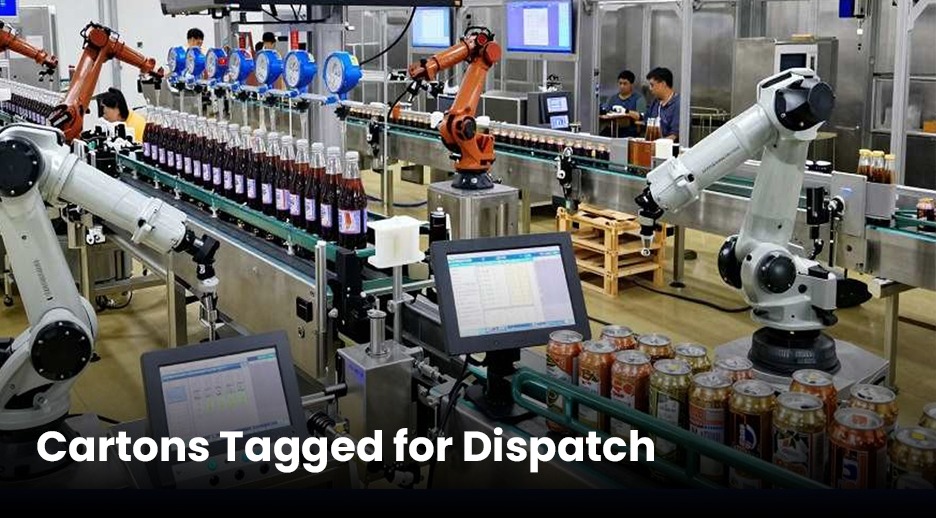
Outer cartons need labels carrying the product name, batch details and destination. A top or side labelling unit applies these on the moving carton, so dispatch teams can sort and scan boxes quickly. The label lands in the same spot on every carton, which makes scanning fast and reliable.
Clear carton labels reduce mix-ups in warehouses and at the customer’s receiving dock. Orders move out faster, with fewer wrong deliveries. Distributors and retailers also find it easier to track stock, which improves the working relationship with every buyer.
Printed Labels, Applied Instantly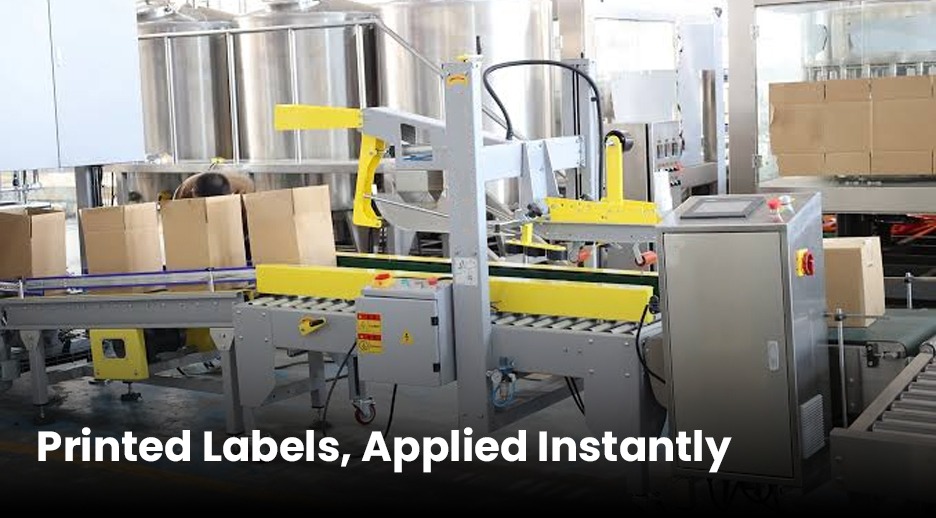
Some lines need variable information such as a batch number, date or barcode on every label. A print-and-apply labeller prints the label and places it on the pack in a single motion. There is no separate printing step, so the chance of a wrong or mismatched label is very low.
Readable, scannable labels help products clear retailer checks and stay traceable after dispatch. The same machine handles changing details without any hand work. Batch changes take only a few moments, which suits manufacturers who run several products on the same line.
Conclusion
A label is the first thing a buyer reads and the last thing a retailer checks. When it is crooked, torn or unreadable, the product suffers no matter how good it is inside.
Automatic labelling makes every pack look the same, from bottle to carton, while saving hours of manual effort. Manufacturers who label with a machine protect their brand image, their dispatch speed and their standing with buyers.