













Across the manufacturing sector, one challenge continues to grow every year: finding and retaining skilled labor. Whether in FMCG, pharmaceuticals, e-commerce, food processing, or industrial manufacturing, production managers constantly face manpower shortages, high employee turnover, and rising labor costs.
While production processes have become faster and more advanced, many packaging operations still rely heavily on manual work. Tasks such as carton forming, sealing, strapping, wrapping, and pallet handling often require multiple operators working throughout the shift.
This is where secondary packaging automation is making a significant difference. By automating repetitive packaging activities, factories can improve productivity while reducing their dependence on manual labor.
Why Labor Dependency Has Become a Major Concern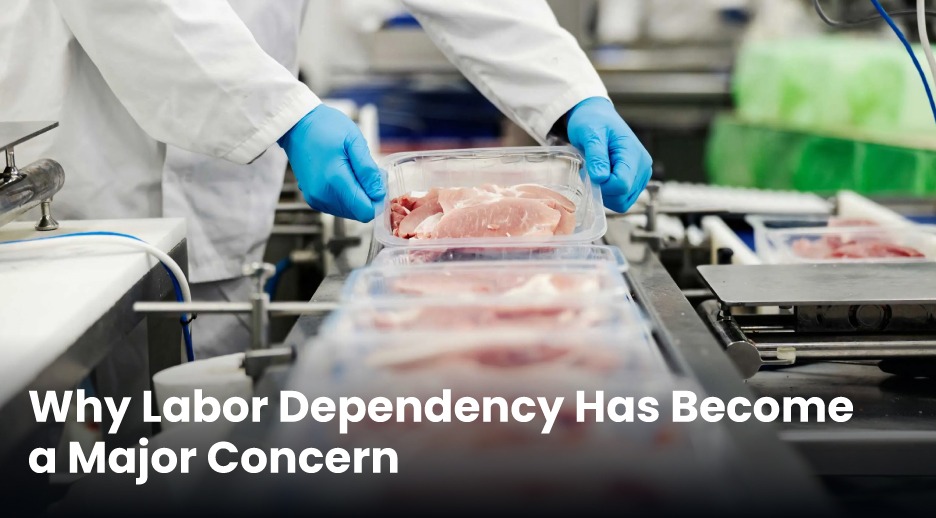
For many factories, packaging is one of the most labor-intensive areas of the plant.
Common challenges include:
- Difficulty finding trained operators
- High employee turnover
- Increased labor cost
- Production delays due to absenteeism
- Inconsistent packaging quality
- Reduced productivity during peak demand periods
When packaging operations depend heavily on manpower, even a small shortage can affect the entire production schedule.
As businesses continue to scale, these challenges become increasingly difficult to manage.
What Is Secondary Packaging Automation?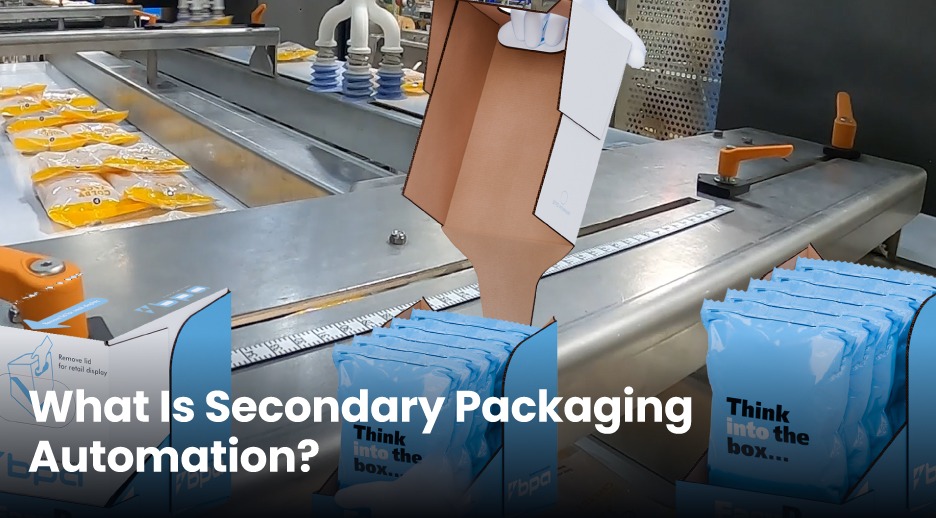
Secondary packaging automation refers to the use of machines and integrated systems to automate packaging processes after the product has been manufactured.
These solutions may include:
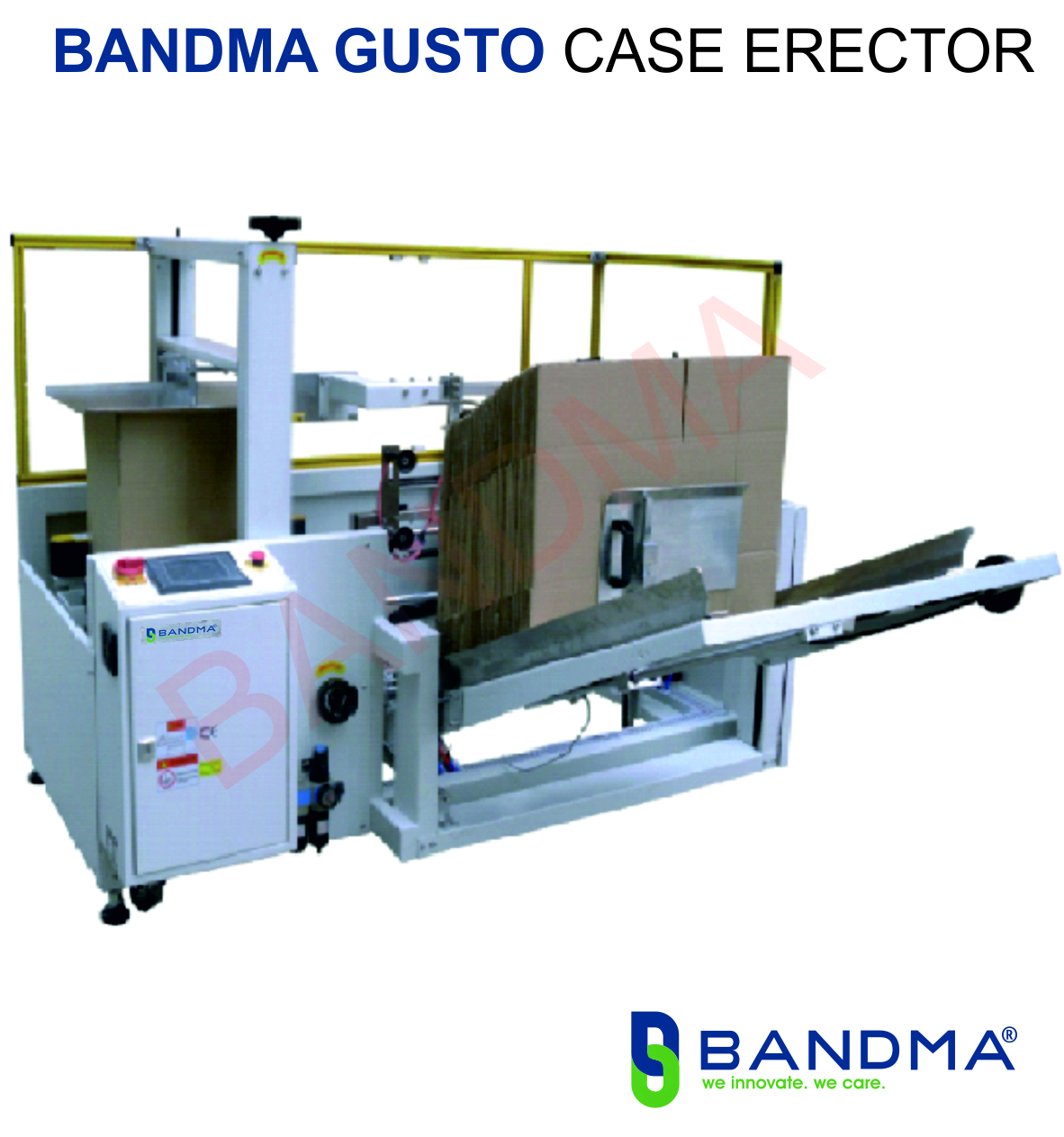
- Automatic carton erectors
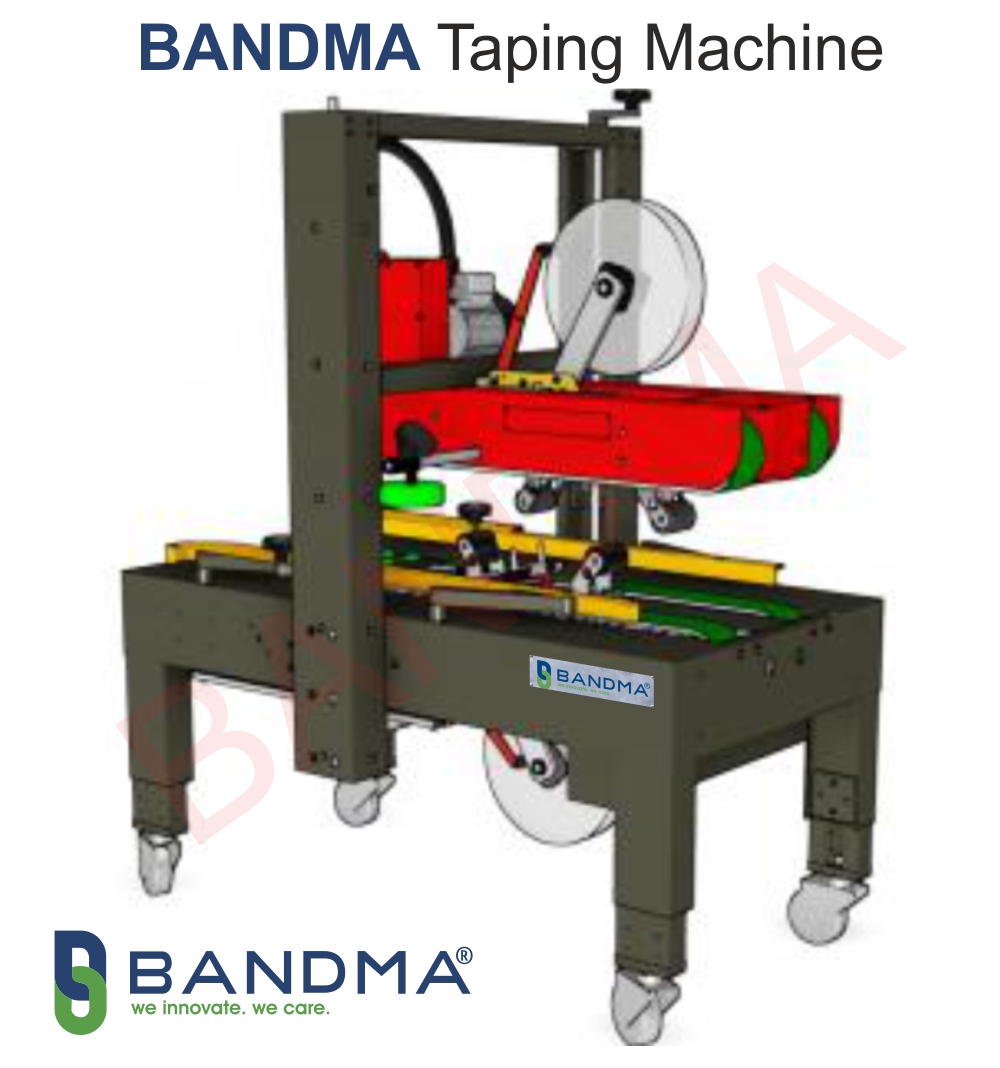
- Carton sealing machines
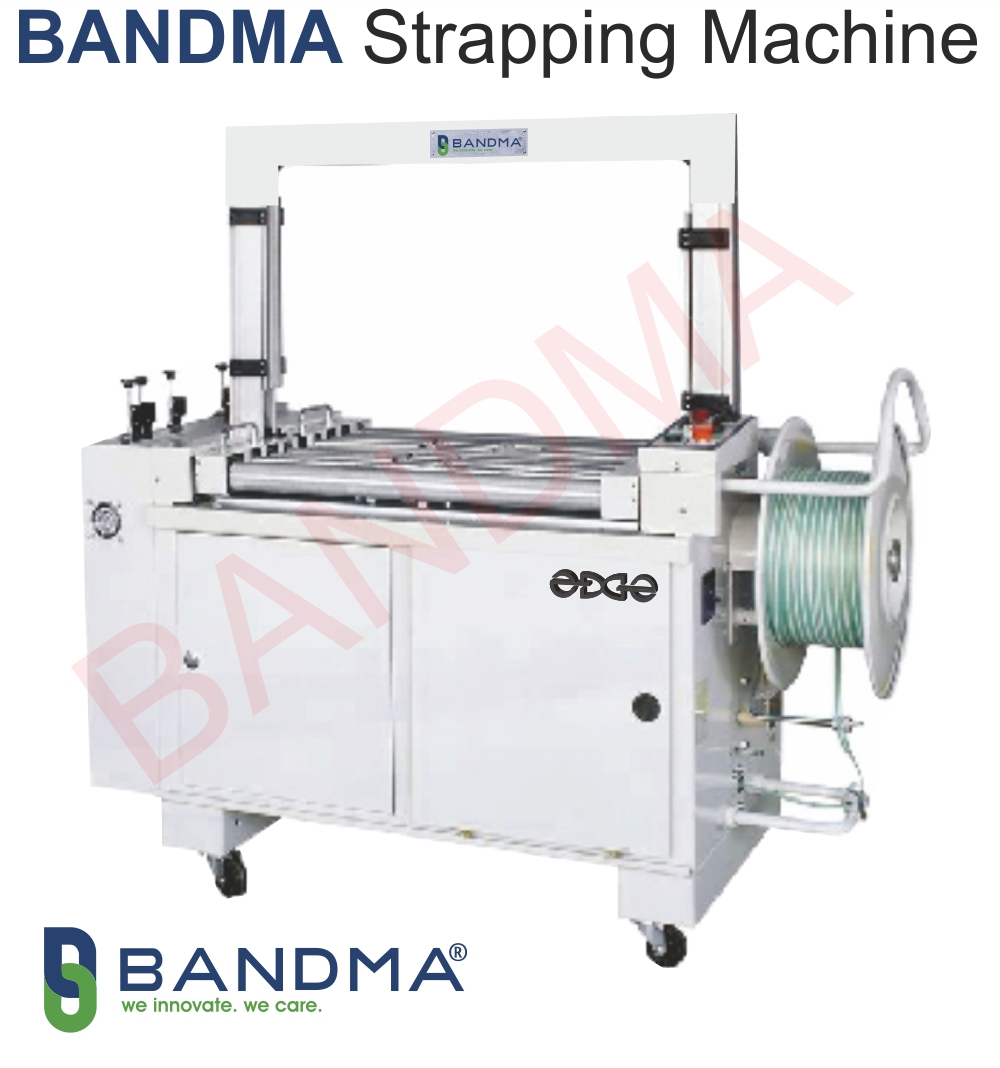
- Strapping machine
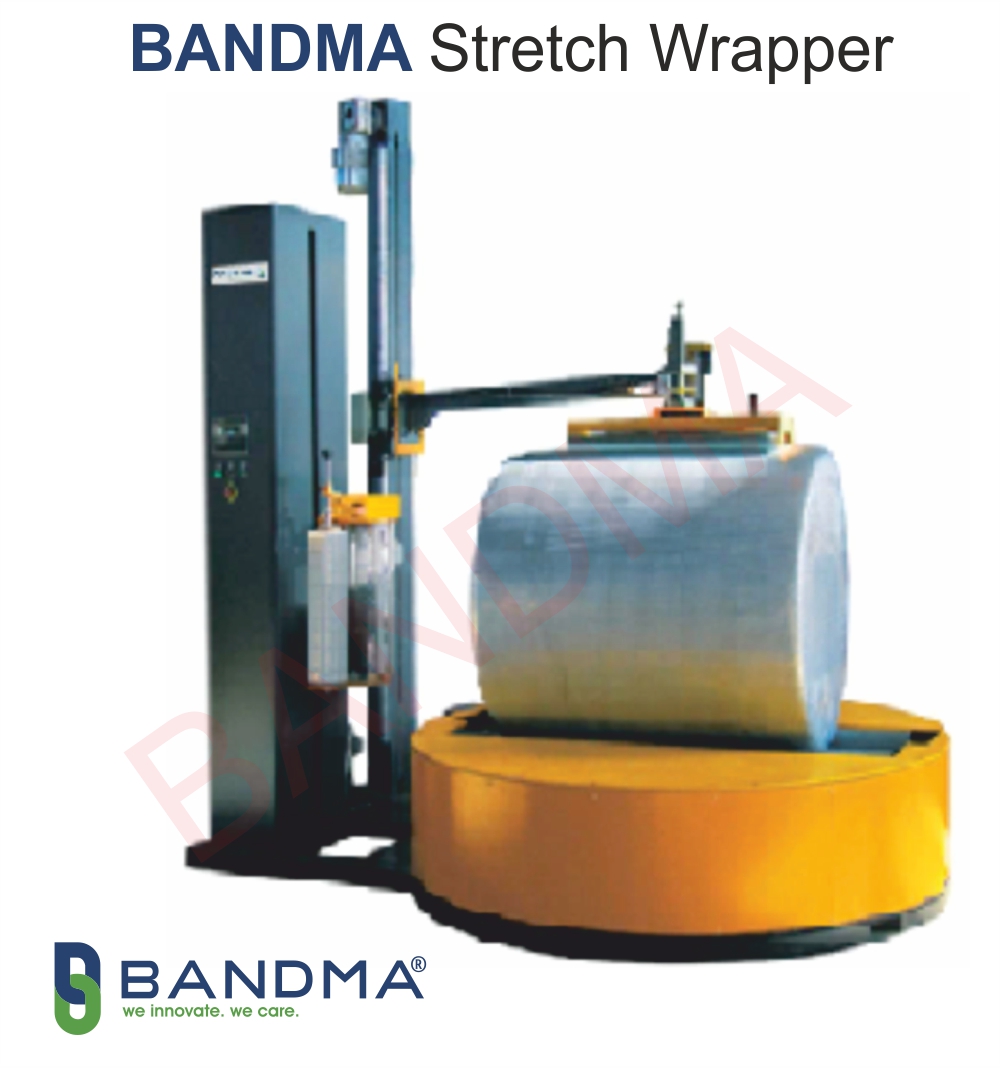
- Stretch wrapping machines
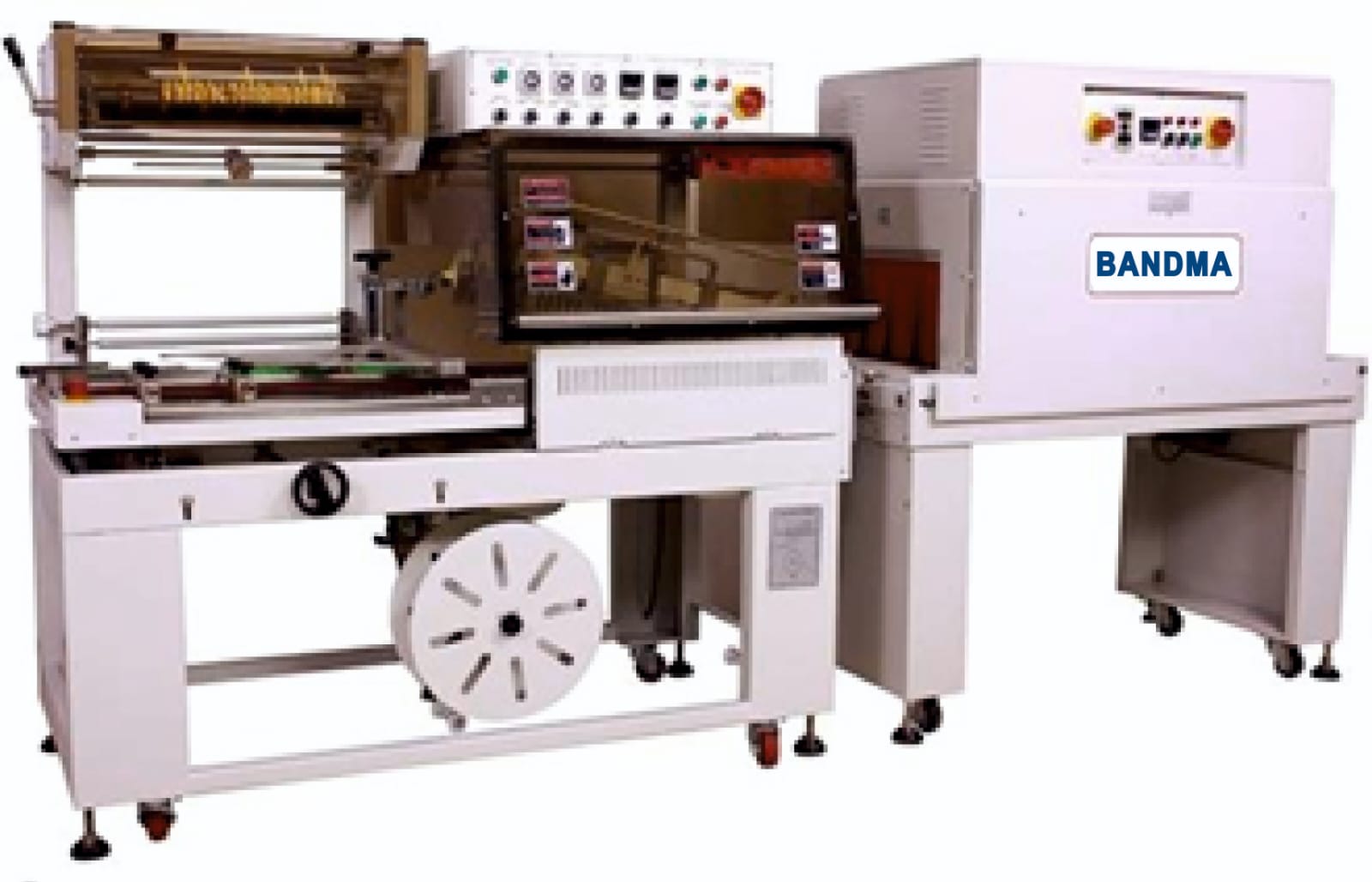
- Shrink wrapping systems
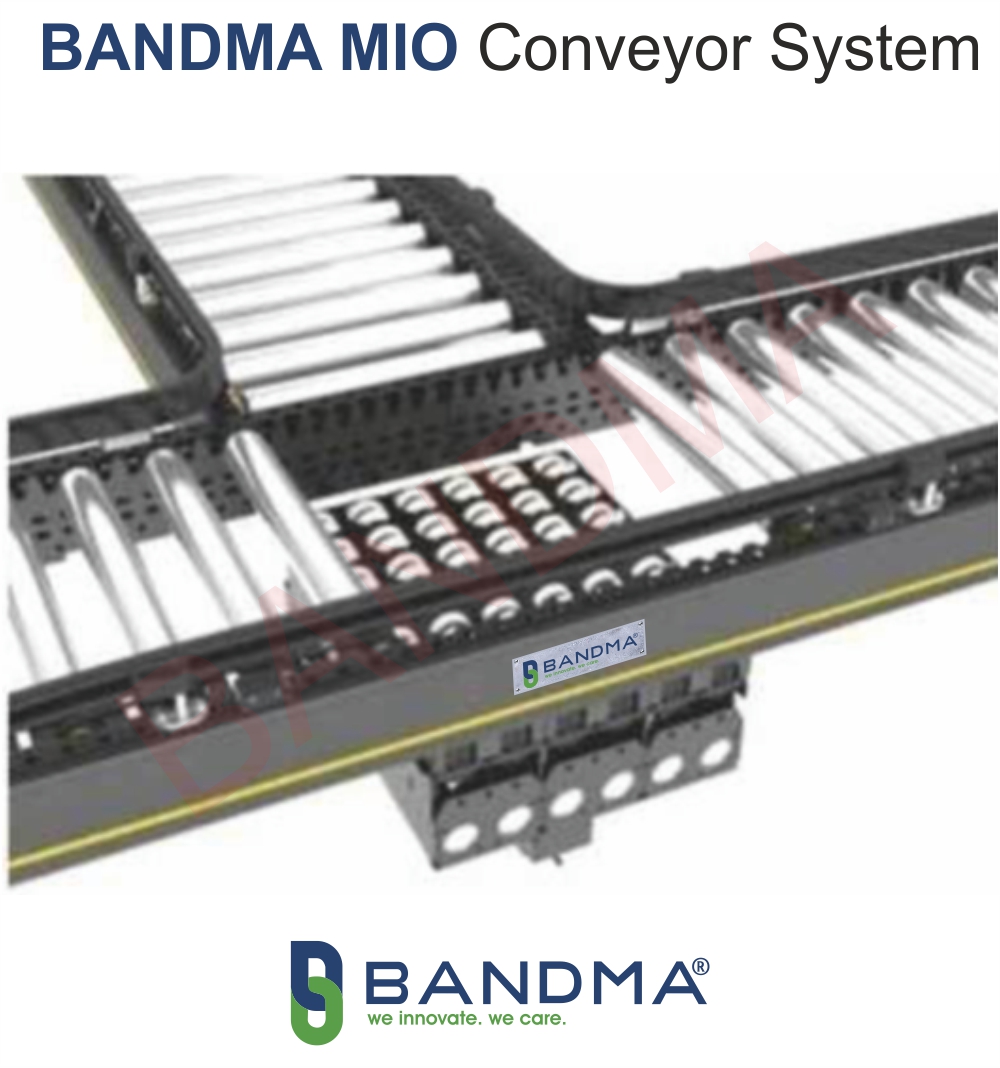
- Conveyor systems
- Palletizing solutions
Together, these systems help create a smooth and efficient packaging workflow with minimal manual intervention.
Reducing Repetitive Manual Work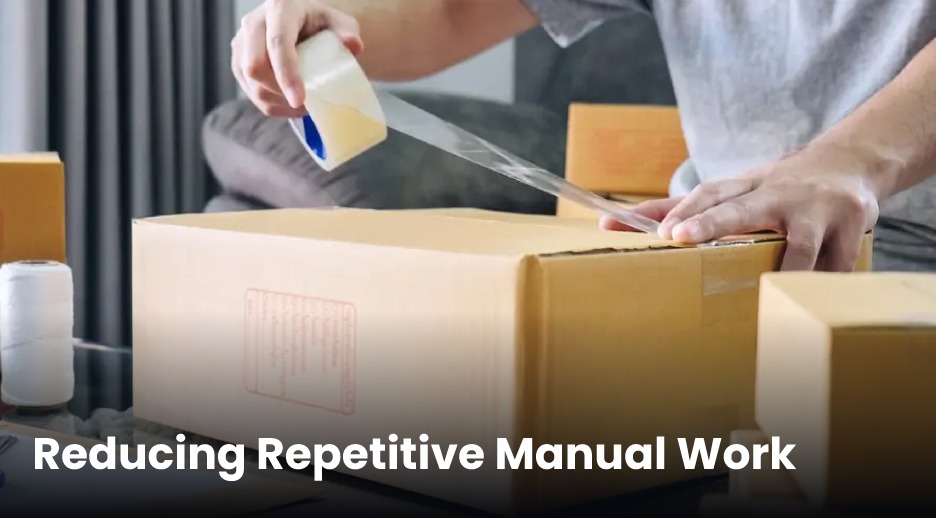
Many packaging tasks are repetitive and physically demanding.
For example:
- Folding cartons all day
- Applying tape manually
- Strapping boxes one by one
- Wrapping pallets with stretch film
- Moving products between stations
These activities consume significant manpower without adding much value.
Automation takes over these repetitive tasks, allowing workers to focus on quality control, machine monitoring, and operational management instead.
The result is higher productivity with fewer labor requirements.
Improving Productivity Without Increasing Workforce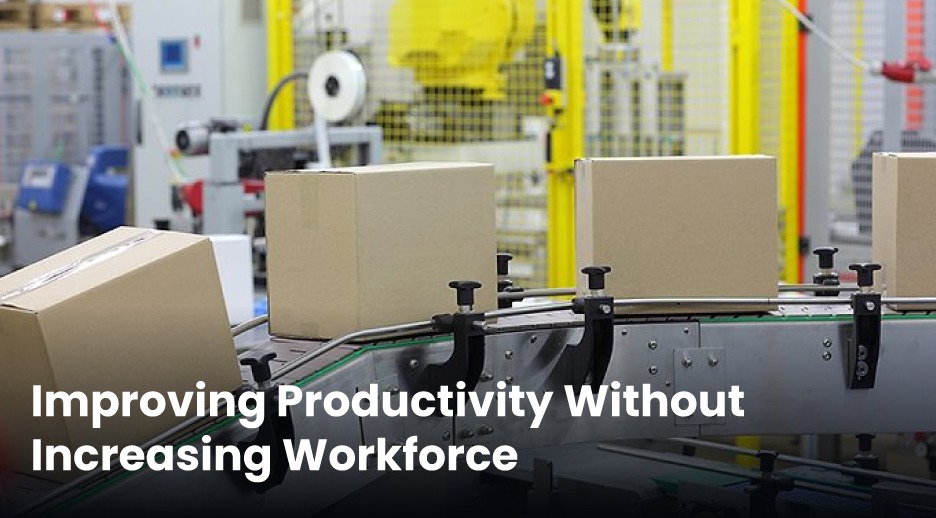
One of the biggest benefits of packaging automation is its ability to maintain consistent output throughout the day.
Unlike manual operations, machines do not experience fatigue, slowdowns, or performance variations.
For example:
- Automatic carton erectors can form cartons continuously.
- Strapping machines apply consistent tension every cycle.
- Stretch wrappers secure loads without operator effort.
- Conveyors move products automatically between processes.
This allows factories to increase throughput without hiring additional personnel.
Consistent Packaging Quality
Labor shortages often lead to rushed work and inconsistent packaging quality.
Common issues include:
- Loose strapping
- Improper sealing
- Uneven wrapping
- Damaged cartons
- Increased rework
Automated systems perform the same operation repeatedly with consistent accuracy.
This improves packaging quality while reducing costly mistakes and customer complaints.
Lower Dependence on Skilled Operators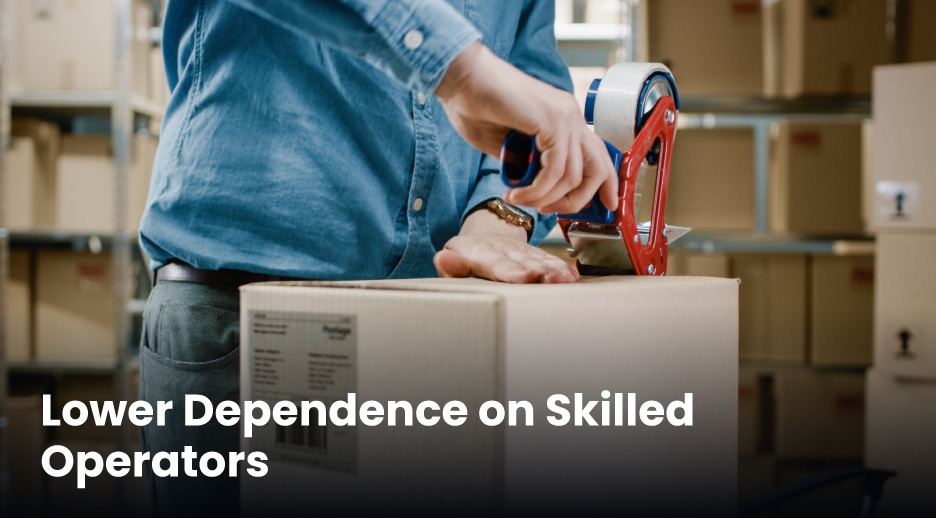
Certain packaging tasks require experienced operators to achieve acceptable results.
However, skilled labor is becoming harder to find and retain.
Modern packaging machines are designed with user-friendly controls, touch-screen interfaces, and automated settings that reduce the need for highly specialized operators.
This makes it easier for factories to maintain operations even when labor availability is limited.
Supporting Long-Term Business Growth
As production volumes increase, labor-based packaging systems often struggle to keep pace.
Adding more workers is not always practical or cost-effective.
Automation provides a scalable solution that allows businesses to handle higher volumes without significantly increasing manpower requirements.
This flexibility becomes especially valuable during seasonal demand spikes and business expansion.
Reducing labor dependency is no longer just about cutting costs—it's about building a more reliable and sustainable operation. Manufacturers need packaging systems that can deliver consistent output regardless of workforce challenges.
Secondary packaging automation helps achieve this by streamlining repetitive tasks, improving packaging quality, increasing throughput, and reducing reliance on manual labor.
As factories continue to face labor shortages and rising operational costs, automation is quickly becoming one of the smartest investments for building a more efficient and future-ready packaging line.