

There is a moment that every packaging floor supervisor dreads.
The strapping machine cycles, the strap pulls tight and then snaps. The carton shifts. The line stops. An operator rushes over, resets the strap, and the whole process begins again.
If this is happening once or twice a week, it is an inconvenience. If it is happening multiple times a shift, it is a serious operational problem one that affects dispatch speed, load security, and the cost of every shipment leaving your facility.
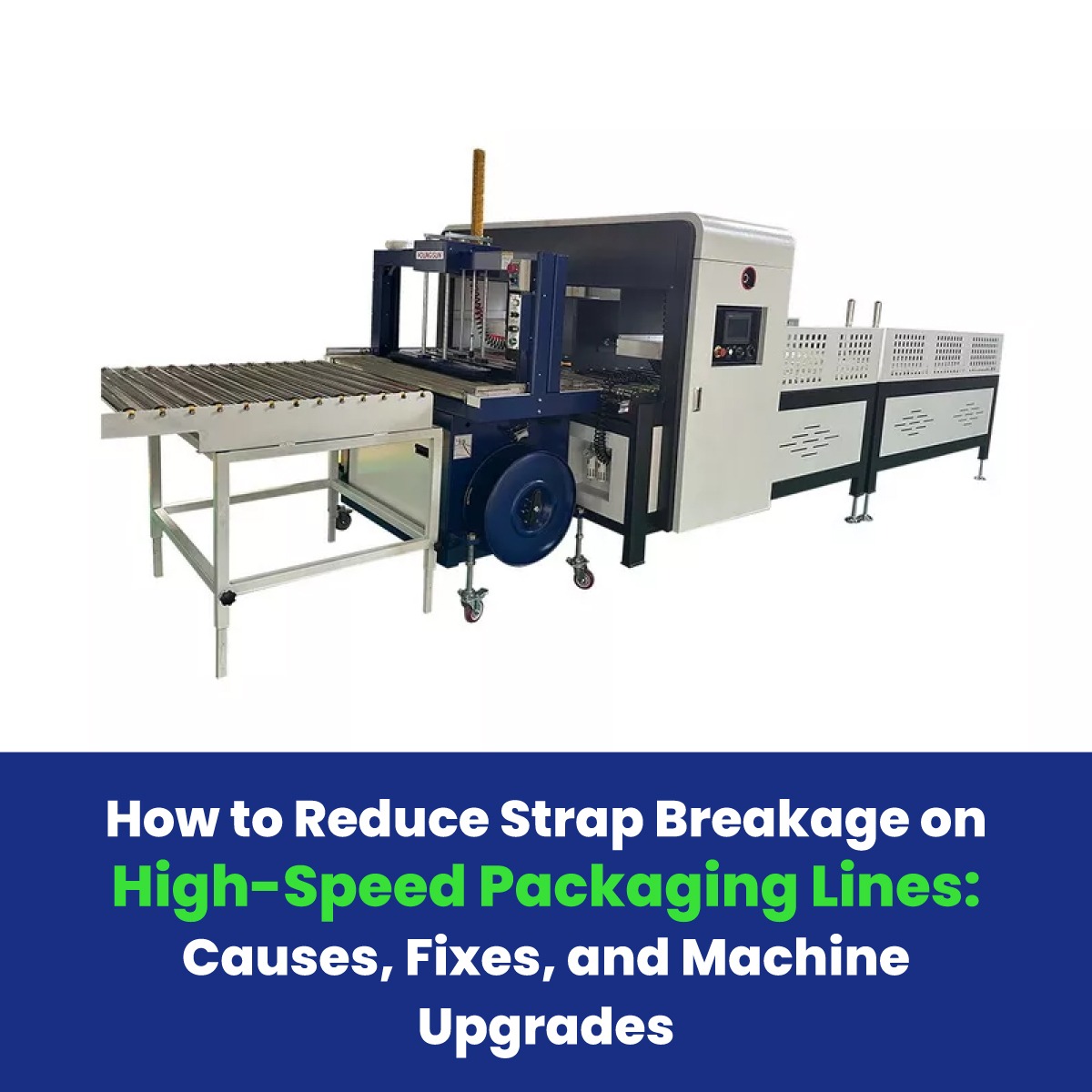
Strap breakage on high-speed packaging lines is one of the most common complaints Bandma's technical team receives from manufacturers across India. The good news is that the root causes are well understood, and almost every case is preventable.
Why Strap Breakage Is More Serious Than It Looks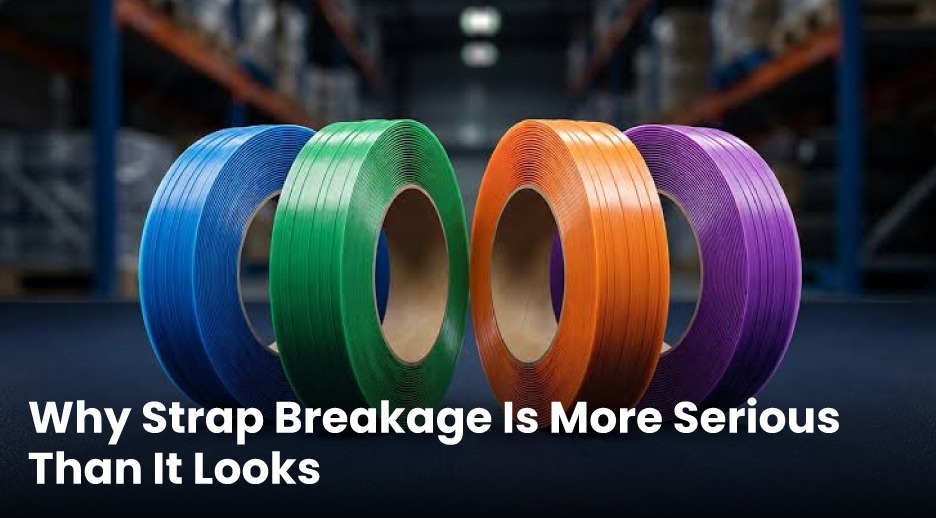
On the surface, a broken strap looks like a minor nuisance. But when you account for the full cost, the picture changes quickly.
Every strap breakage event means:
- Production stoppage while the operator re-straps the carton
- Potential for the carton to shift or partially open during the delay
- Wasted strap material from the failed cycle
- Operator frustration that compounds across a shift
- Downstream delays to conveyors, palletising, and dispatch
For a facility dispatching 500 to 2,000 cartons per shift, even three or four strap failures per hour add up to a meaningful loss in throughput and a measurable increase in labour time. When strap failures allow improperly secured loads to reach the truck, the risk of transit damage increases further, and transit damage claims are significantly more expensive than the cost of fixing the strapping problem at source.
The Five Most Common Causes of Strap Breakage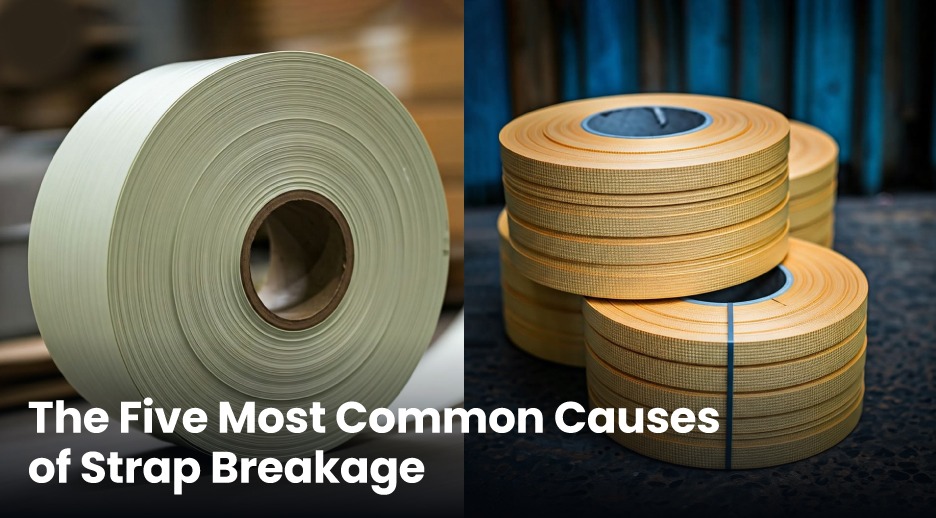
Understanding why straps break is the first step toward eliminating the problem. In almost every case, the cause falls into one of these five categories.
1. Wrong Strap Grade for the Application
Not all PP or PET strapping is the same. Strap is manufactured in different grades of tensile strength, elongation, and thickness. A standard-grade PP strap that works reliably at lower tensions will break consistently if the machine is set to tension levels that exceed its rated capacity.
This is the most common cause of strap breakage in Indian manufacturing operations: the machine specification has changed, production speed has increased, or a cheaper strap grade has been sourced, but the tension settings on the machine have not been adjusted to match.
The fix: Always match your strap grade and width to both your load weight and your machine's tension setting. Bandma's Bandstrap range is available in standard and high-tensile grades across PP and PET. If you are unsure which grade your current machine requires, this is the first thing to verify.
2. Incorrect Tension Settings on the Machine
Strapping machines apply strap tension through a motorised or pneumatic tensioning mechanism. This tension can be adjusted, and it must be set correctly for the specific strap width and grade being used.
When tension is set too high for the strap material, whether through deliberate adjustment or gradual drift over time, the strap is placed under stress that exceeds its rated elongation limit. Breakage at the seal point or mid-strap becomes frequent.
This problem is common after a change in strap supplier, strap width, or machine model — situations where the tension settings from the previous configuration are carried forward without recalibration.
The fix: After any change in strap material, width, or grade, recalibrate machine tension against the manufacturer's recommended settings for that strap specification. Never carry over tension settings from a different strap without testing first.
3. Seal Quality Problems
The weakest point in any strapped package is the seal the point where the strap is joined and cut. If the seal mechanism is worn, misaligned, or contaminated, it produces a weak joint that fails under load or vibration.
Common seal quality problems include:
- Worn friction weld blades that produce incomplete welds
- Incorrect weld time or temperature (for heat-seal variants)
- Metal seal (buckle) applied with incorrect crimping pressure
- Strap misalignment through the seal mechanism
A strap that consistently breaks at the seal point rather than mid-strap is almost always a seal-mechanism problem, not a strap-quality problem.
The fix: Inspect the seal mechanism as part of your routine preventive maintenance schedule. Friction weld blades are wear components and should be replaced at the intervals specified in your machine's service manual. If seals are inconsistent or the break point is always at the joint, this is the first place to look.
4. Strap Storage and Handling Conditions
Strap quality degrades in adverse storage conditions. PP and PET strapping exposed to direct sunlight, excessive heat, or high humidity for extended periods becomes brittle and loses elongation meaning it will break at lower tension levels than its rated capacity.
This is a particular issue during Indian summers, when warehouse temperatures can exceed 40 degrees Celsius, and strap coils stored in unventilated areas can degrade before they are even loaded onto the machine.
The fix: Store strap coils in a shaded, ventilated area away from direct sunlight and heat sources. Rotate stock so that older coils are used first. If the strap seems to be breaking more frequently during the summer months with no other changes, storage conditions are the likely cause.
5. Machine Speed Exceeding Strap Cycle Capacity
High-speed automatic strapping machines integrate directly into conveyor lines and cycle continuously. When production speed is increased, whether to meet seasonal demand or because upstream machines have been upgraded, the strapping machine may be asked to cycle faster than its design specification.
At speeds beyond the machine's rated capacity, the strap feeding mechanism cannot deliver strap cleanly into the arch before tensioning begins. The result is partial strap feeds, inconsistent tension, and breakage.
The fix: Verify your machine's rated cycle speed in packages per minute and compare it with your actual line speed. If your production has grown beyond the machine's capacity, a machine upgrade is the appropriate solution, not an attempt to push an undersized machine further.
When Fixes Are Not Enough: Recognising the Upgrade Signals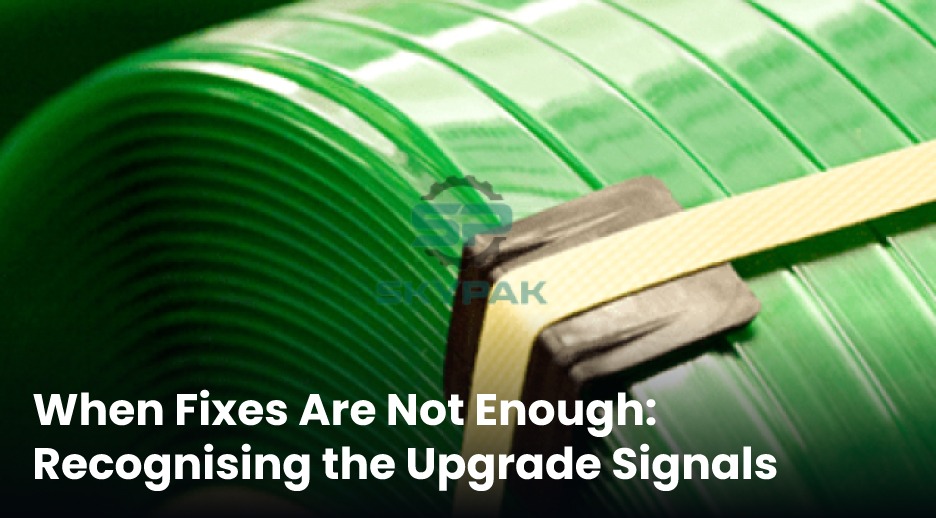
Maintenance, recalibration, and correct strap selection resolve strap breakage in the majority of cases. But there are situations where the underlying problem is the machine itself and further troubleshooting will not produce lasting results.
Consider a machine upgrade when:
- The machine is more than seven to ten years old and seal mechanisms, arch components, and feeding systems are showing cumulative wear that maintenance cannot keep pace with
- Production volume has grown significantly since the machine was purchased and the machine is now operating at or beyond its rated capacity regularly
- Strap grade needs to change, for example, moving from PP to PET for heavier loads, and the existing machine is not compatible with PET strapping
- The line has been upgraded with a conveyor system or faster upstream machines, making an integrated automatic strapping machine necessary where a semi-automatic model previously sufficed
- Repeated maintenance calls are making the total cost of keeping the old machine running approach the cost of replacement
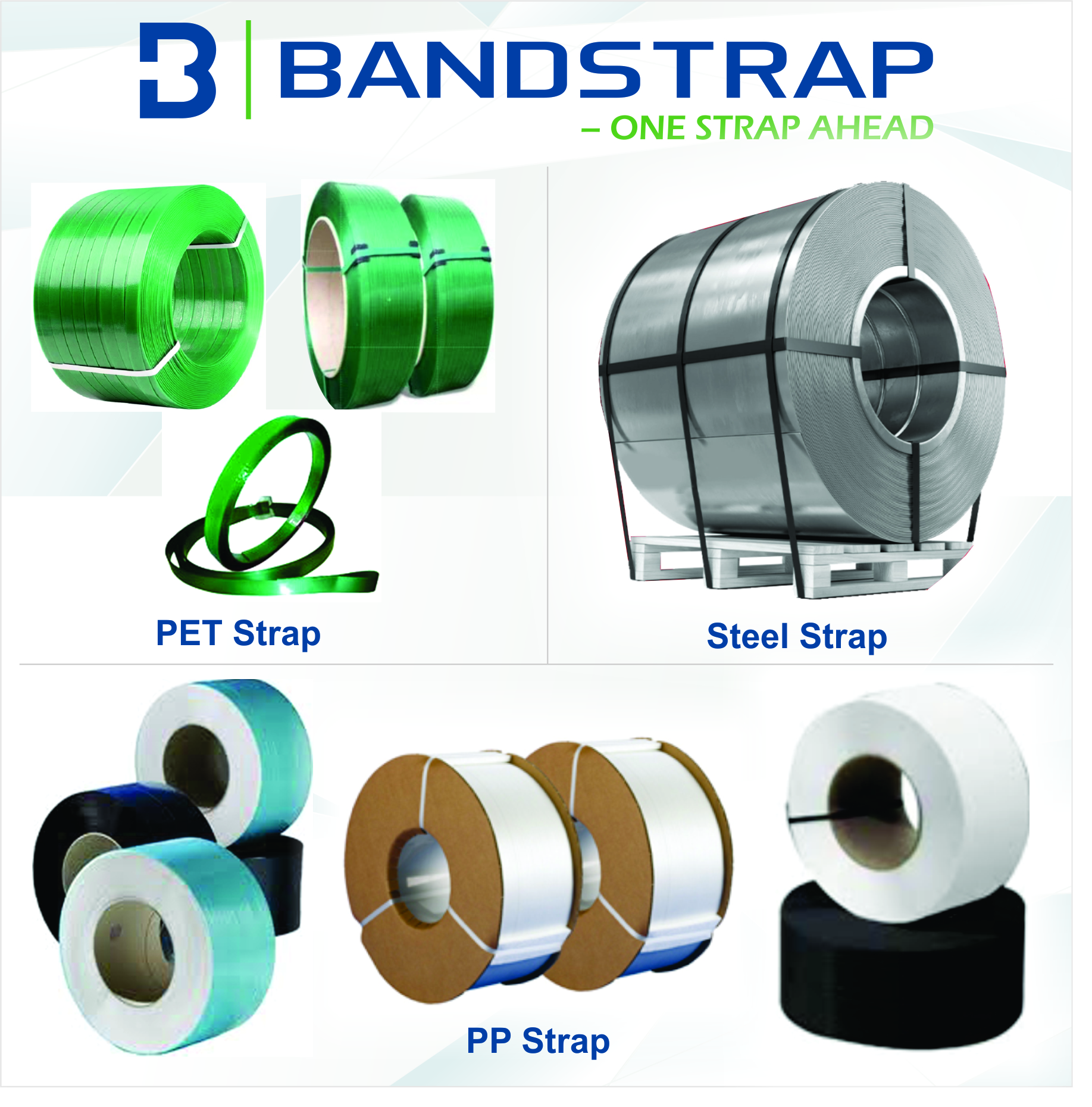
PP Strap, PET Strap, or Steel: Choosing the Right Material for Your Load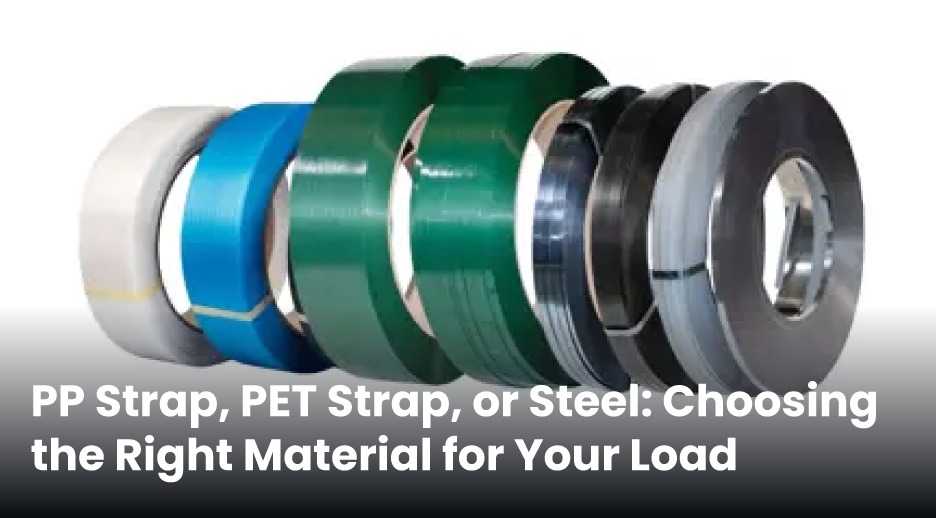 One of the simplest ways to prevent strap breakage is to ensure the strap material is correctly matched to the application from the start.
PP (Polypropylene) strapping is the most widely used material in Indian secondary packaging. It handles light to medium loads up to approximately 200 kg well, absorbs handling shocks through its elongation, and is cost-effective at high volumes. It is the right choice for FMCG cartons, textile bundles, and general dispatch applications.
PET (Polyethylene Terephthalate) strapping is the correct choice for heavier loads, compressible products like paper bales and recycled materials, and any application where the strap must maintain tension over time as the load settles. PET breaks less frequently than PP under high tension because it is designed for higher tensile loads. For operations that currently experience frequent PP strap breakage on heavy loads, switching to PET is often the fastest fix.
Steel strapping remains appropriate for extremely heavy loads, sharp-edged products, and long-term outdoor storage. It is rarely the right choice for standard carton strapping, and its sharp cut edges create a handling safety risk that has led most Indian manufacturers to move away from it where alternatives exist.
Bandma supplies all three materials through its Bandstrap range, and can advise on the correct grade and width for your specific load and machine combination.
A Simple Pre-Season Strapping Machine Checklist
Before peak production periods or if strap breakage is already becoming a pattern, run through this checklist:
- Verify strap grade matches machine tension specification
- Inspect friction weld blades for wear; replace if degraded
- Check strap feeding path for debris or misalignment
- Confirm tension settings against strap manufacturer's recommended range
- Inspect strap coil storage conditions; discard any that show brittleness or UV damage
- Run a full-speed test cycle and observe ten consecutive seals for consistency
- Review machine cycle speed against current line throughput
What Bandma Can Help You With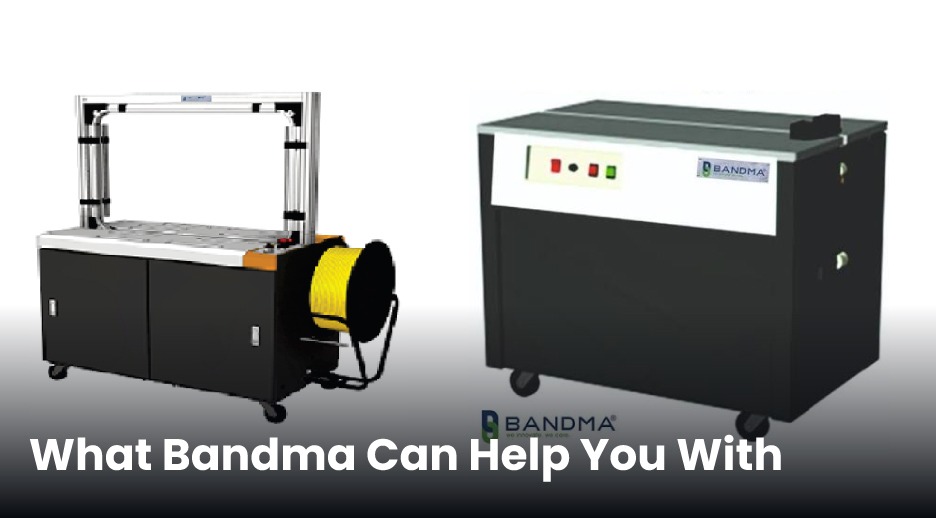
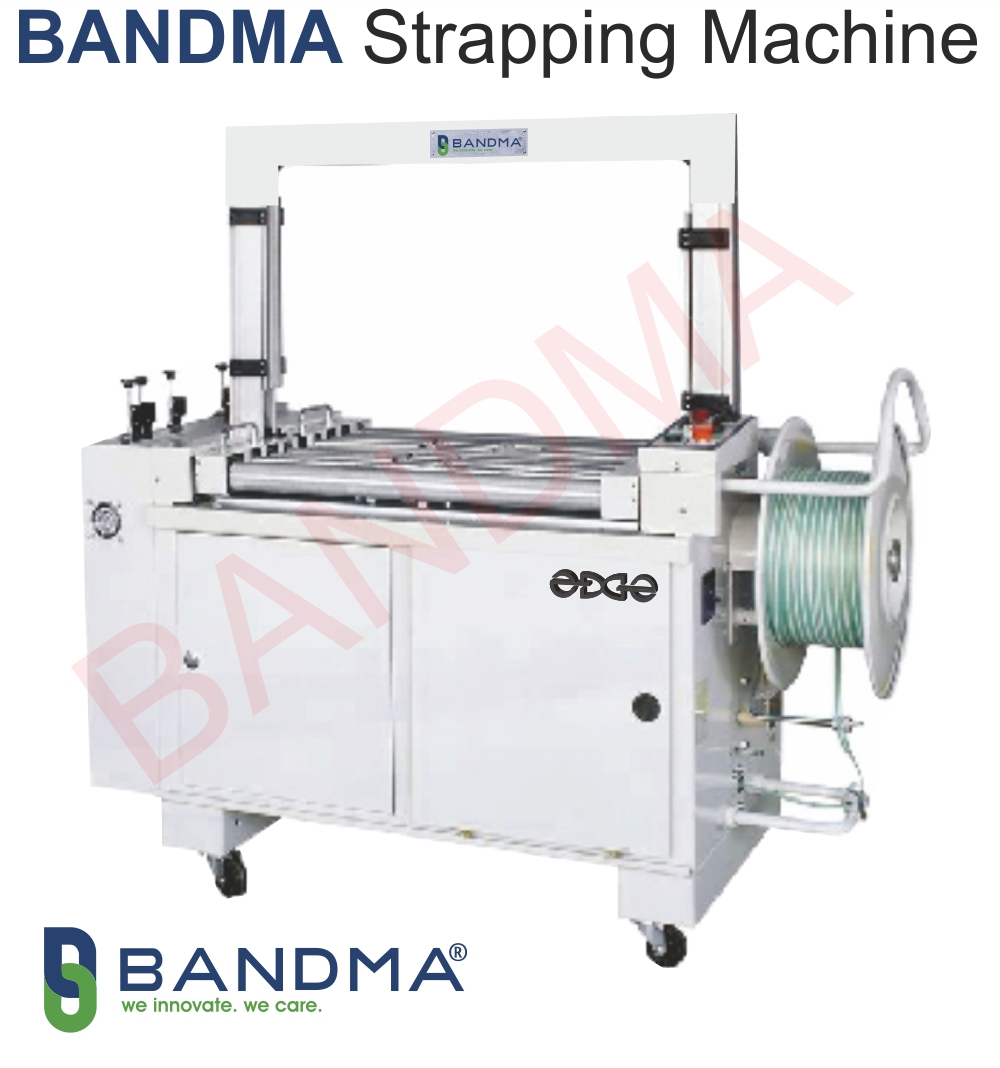
Bandma supplies semi-automatic and fully automatic strapping machines across a full range of arch sizes, strap widths, and production speeds. All machines are compatible with Bandstrap PP and PET strapping, and Bandma's technical team can advise on the correct machine and consumable combination for your specific packaging line.
If strap breakage is already costing your operation in lost throughput, wasted material, or transit damage claims, the solution almost always exists it is a matter of identifying the right cause and applying the right fix.
Bandma offers 24/7 after-sales support and maintains spare parts inventory for all Bandma machines. Contact us to schedule a line assessment or to discuss strapping machine specifications for your facility.
Bandma- We innovate. We care.