



Warehouse efficiency isn't just about how fast products move off the production line; it's about how smoothly they get packed, staged, and dispatched afterward. When packaging remains manual, it often becomes the weak link that slows an otherwise efficient warehouse. Packaging automation changes this by aligning packing speed with the pace of the rest of the operation.
Here's how automation strengthens warehouse efficiency and keeps dispatch running on schedule.
- Faster Packing and Dispatch
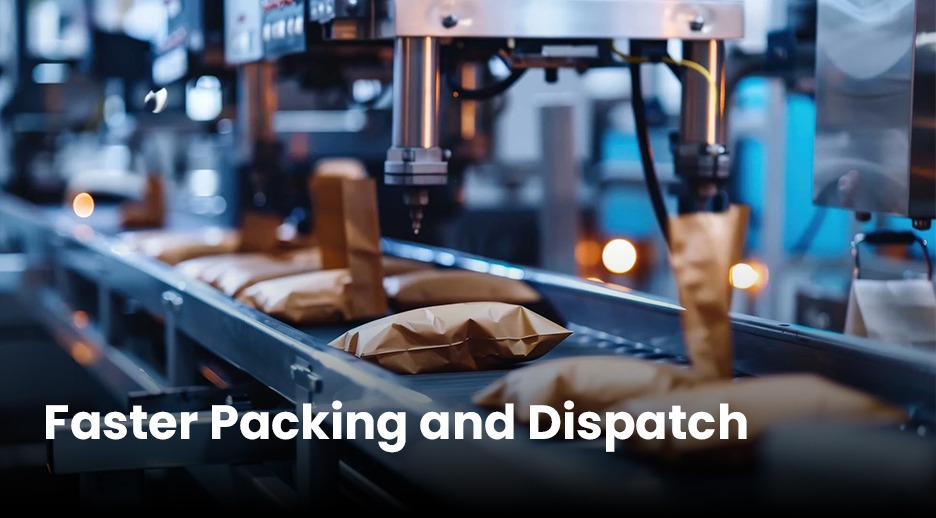
Manual packing sets a hard limit on how quickly orders can move from the production line to the dispatch bay. Every carton folded, taped, or strapped by hand adds time that accumulates across hundreds or thousands of daily shipments.
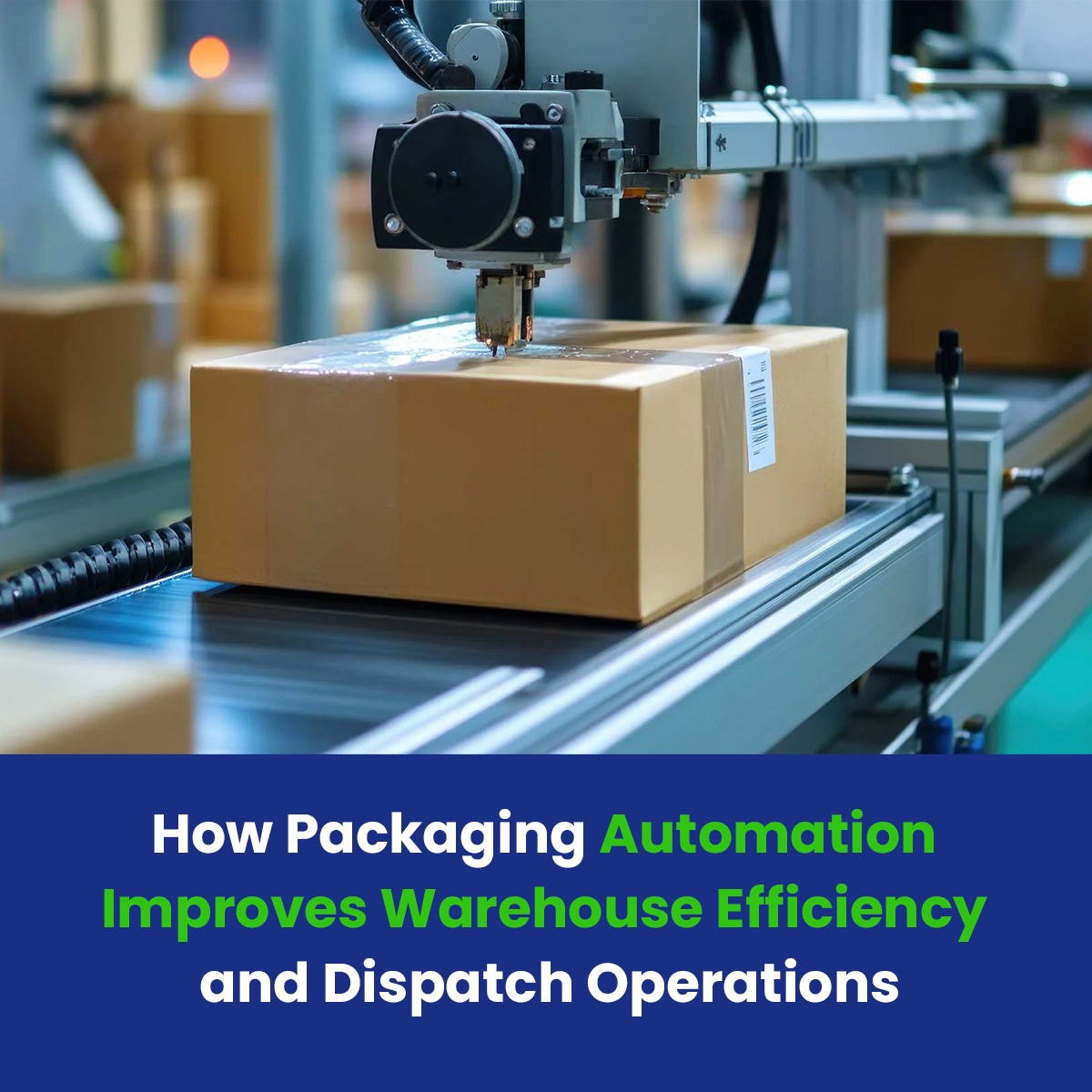
Automated packaging equipment runs at a constant, high speed, allowing warehouses to pack and prepare orders for dispatch far faster than manual methods, which is especially valuable during high-demand periods or tight delivery windows.
- Reduced Bottlenecks
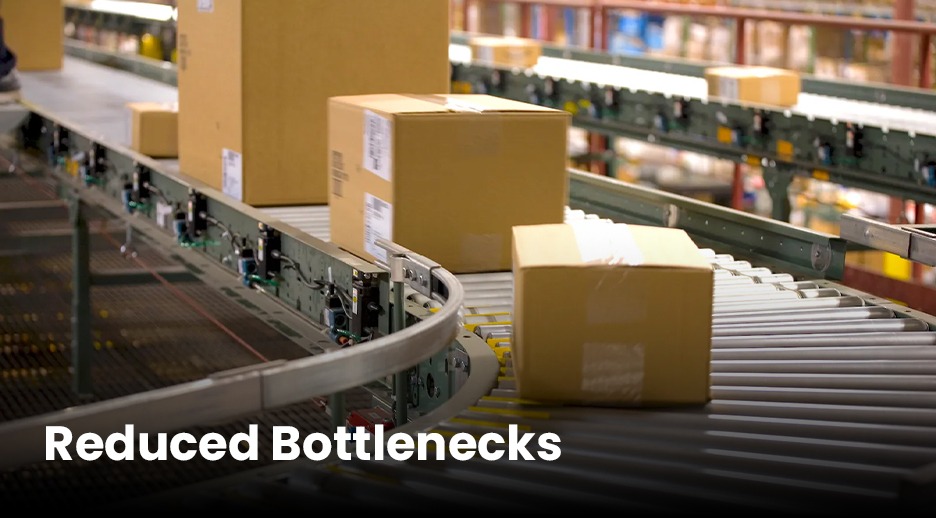
In most warehouses, packaging sits right at the intersection of production and dispatch, which means any slowdown here ripples through the entire operation. Manual packaging is particularly prone to bottlenecks caused by worker fatigue, staffing gaps, or inconsistent pace across shifts.
Automated systems remove much of this unpredictability, maintaining a steady packaging flow that keeps pace with both incoming production and outgoing dispatch schedules.
- Better Pallet Handling
Efficient pallet handling depends on loads being properly formed, wrapped, and stable enough to move safely through the warehouse. Manually wrapped or loosely secured pallets are more prone to shifting during forklift handling and staging, which slows down movement and increases the risk of damage.
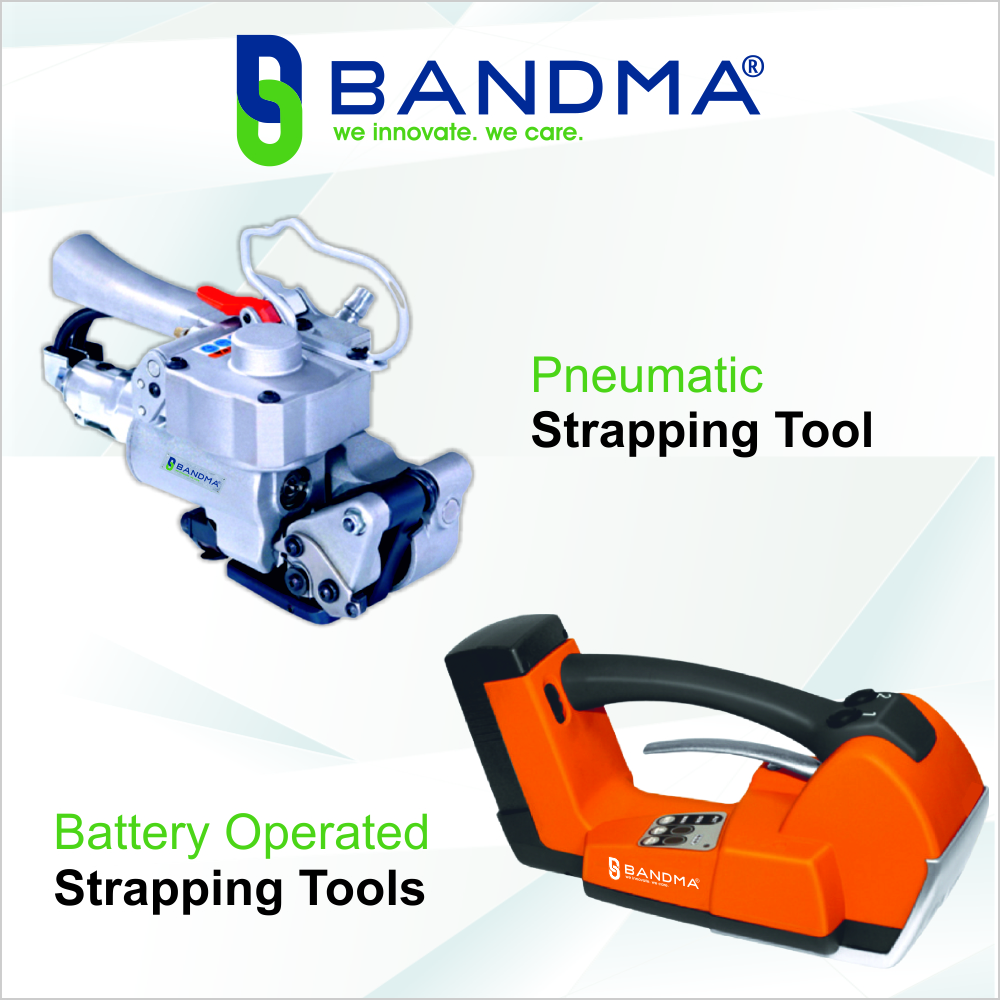
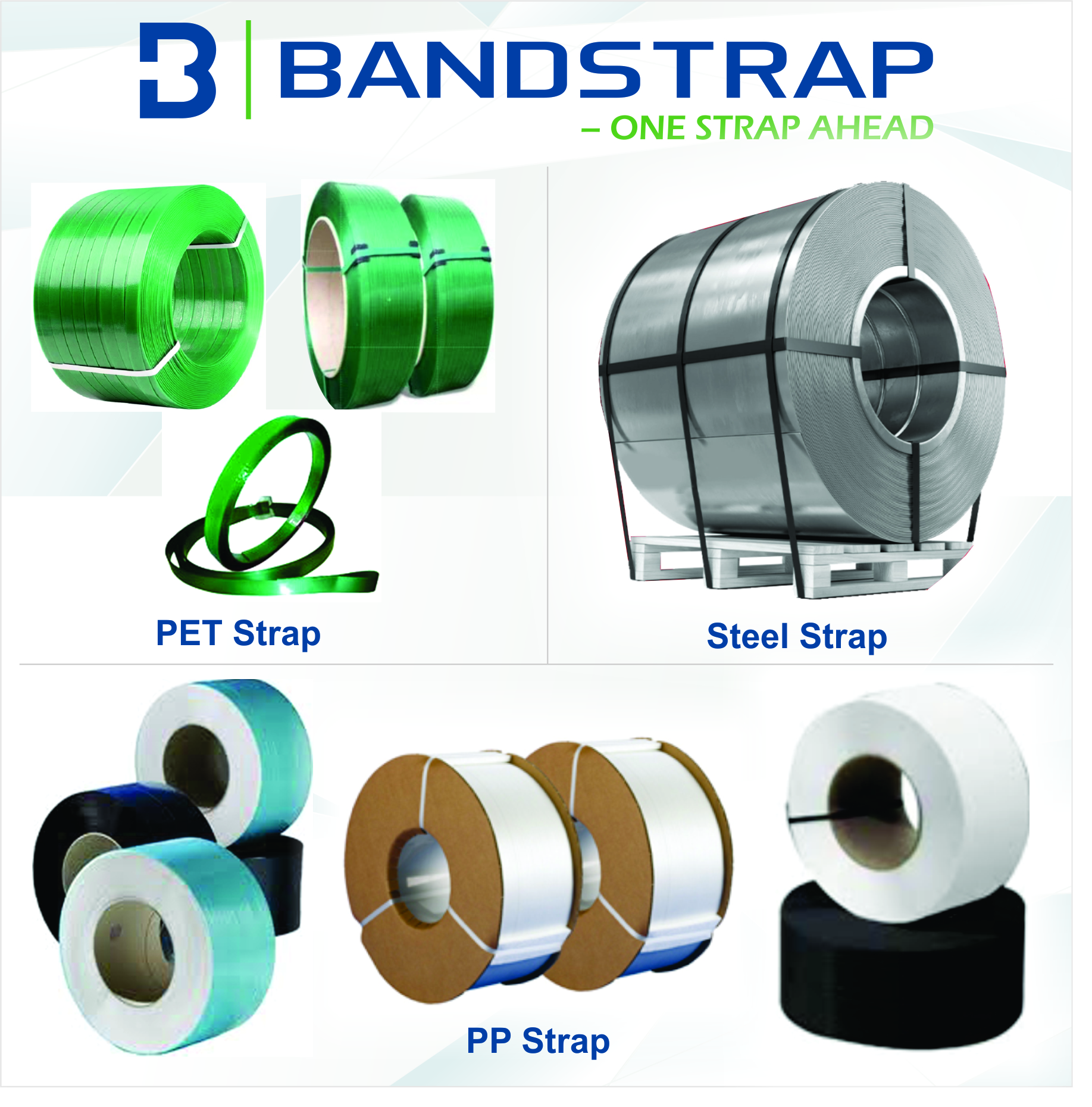
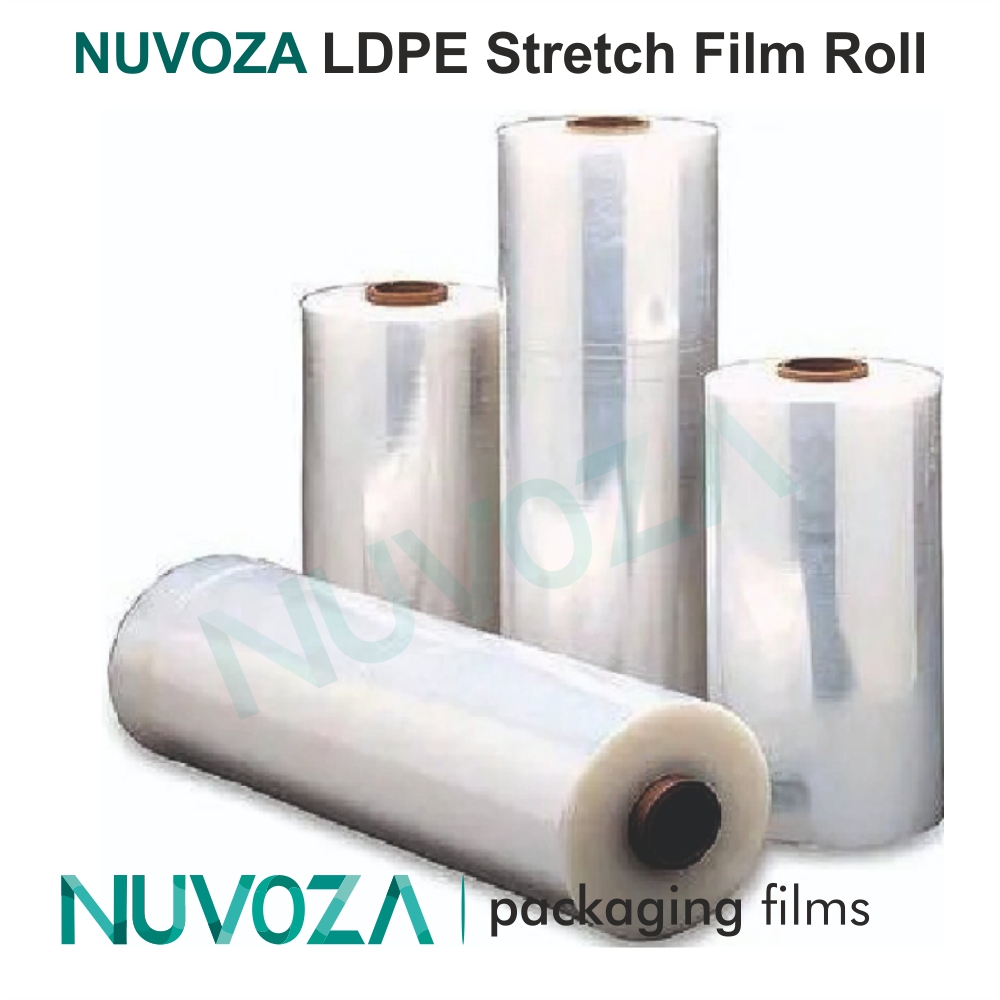
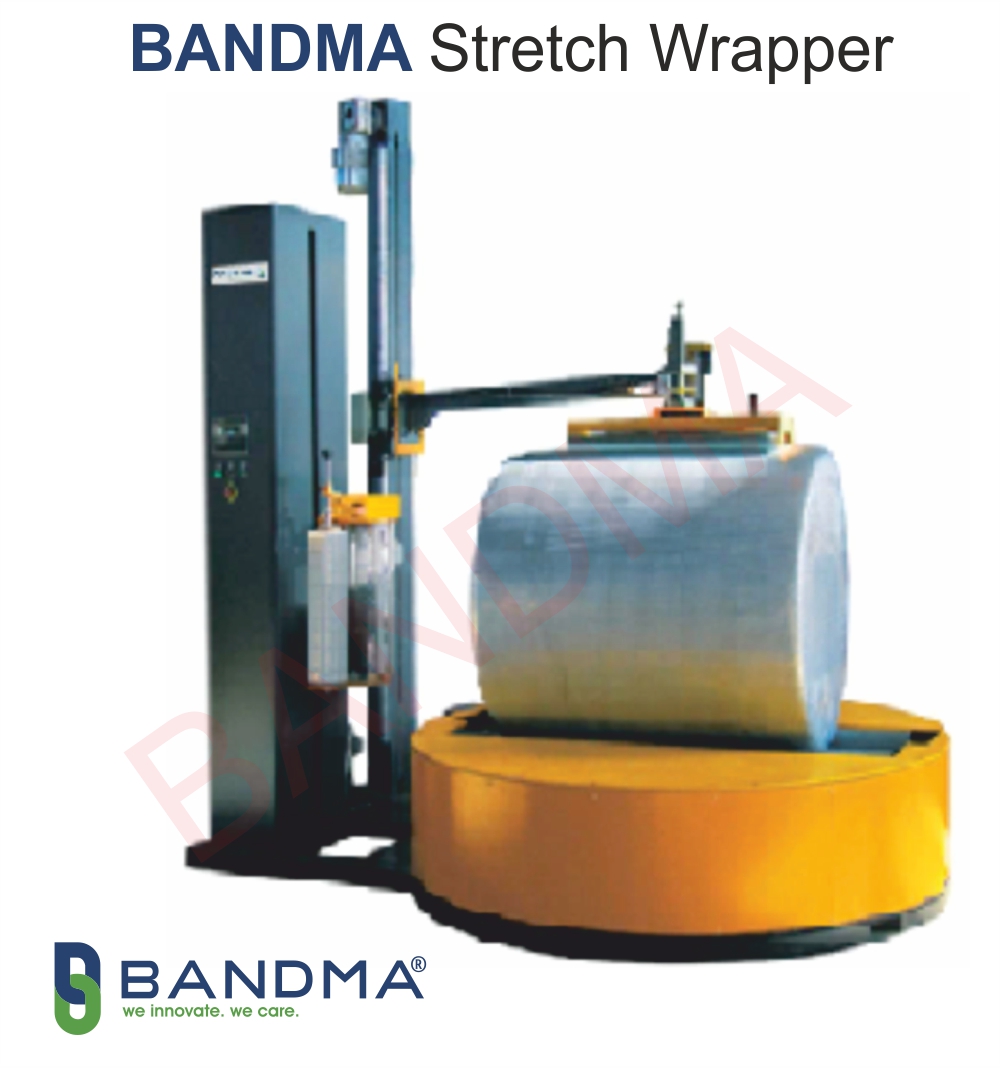
Automated stretch wrapping and strapping ensure pallets are consistently secure and ready for handling, allowing warehouse staff to move loads quickly without stopping to re-check or re-secure them.
- Consistent Packaging
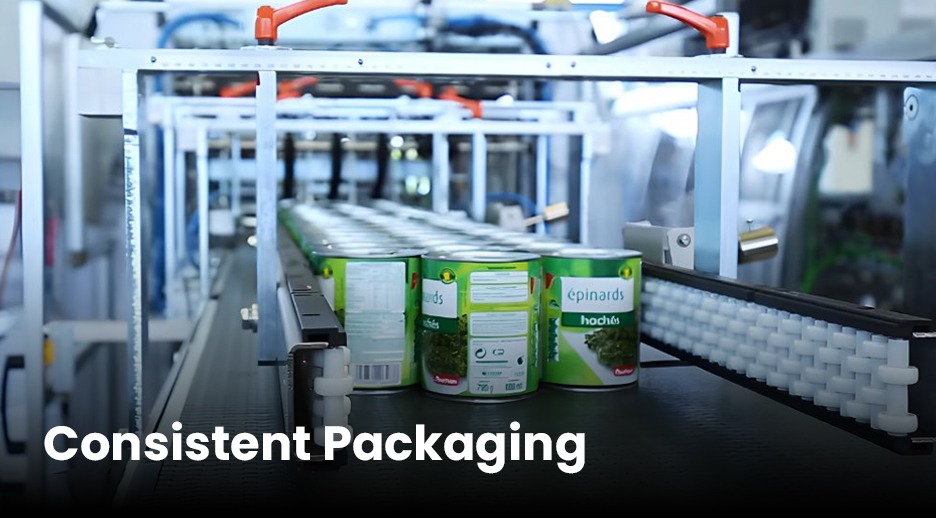
Warehouses handling high order volumes need packaging that performs reliably, regardless of who packed it or what time of day it was packed. Manual packaging naturally varies from worker to worker and shift to shift, which can lead to unpredictable quality at the dispatch stage.
Automated machines apply the same standard to every package, every time. This consistency reduces last-minute repacking, rejected shipments, and quality-related dispatch delays.
- Integration Between Production, Packaging and Logistics
When packaging is automated, it becomes far easier to sync with both production output and logistics scheduling. Machines can be set up to match the pace of upstream production lines, ensuring packaged goods are ready exactly when dispatch teams need them, rather than piling up or falling behind.
This tighter integration reduces idle time at every stage and gives warehouse managers better visibility and predictability when planning dispatch schedules and transport bookings.
- Machines That Support Warehouse Operations
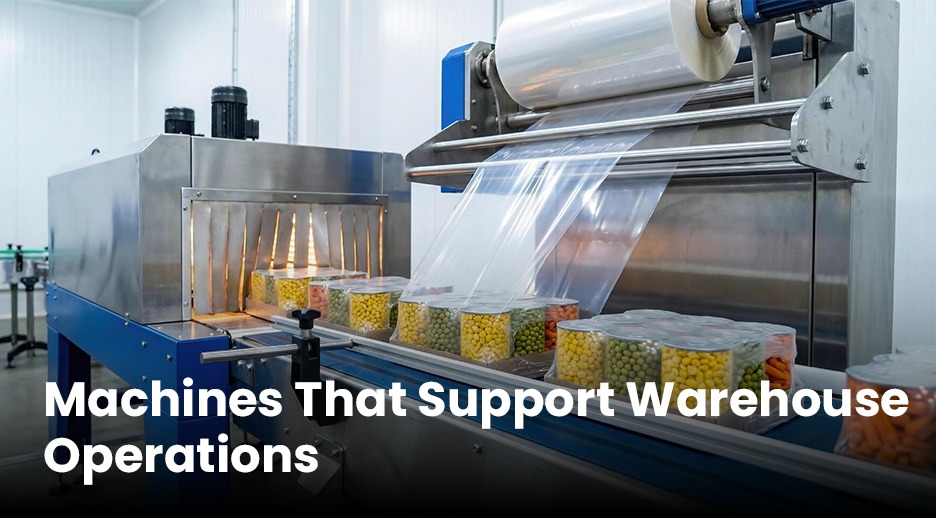
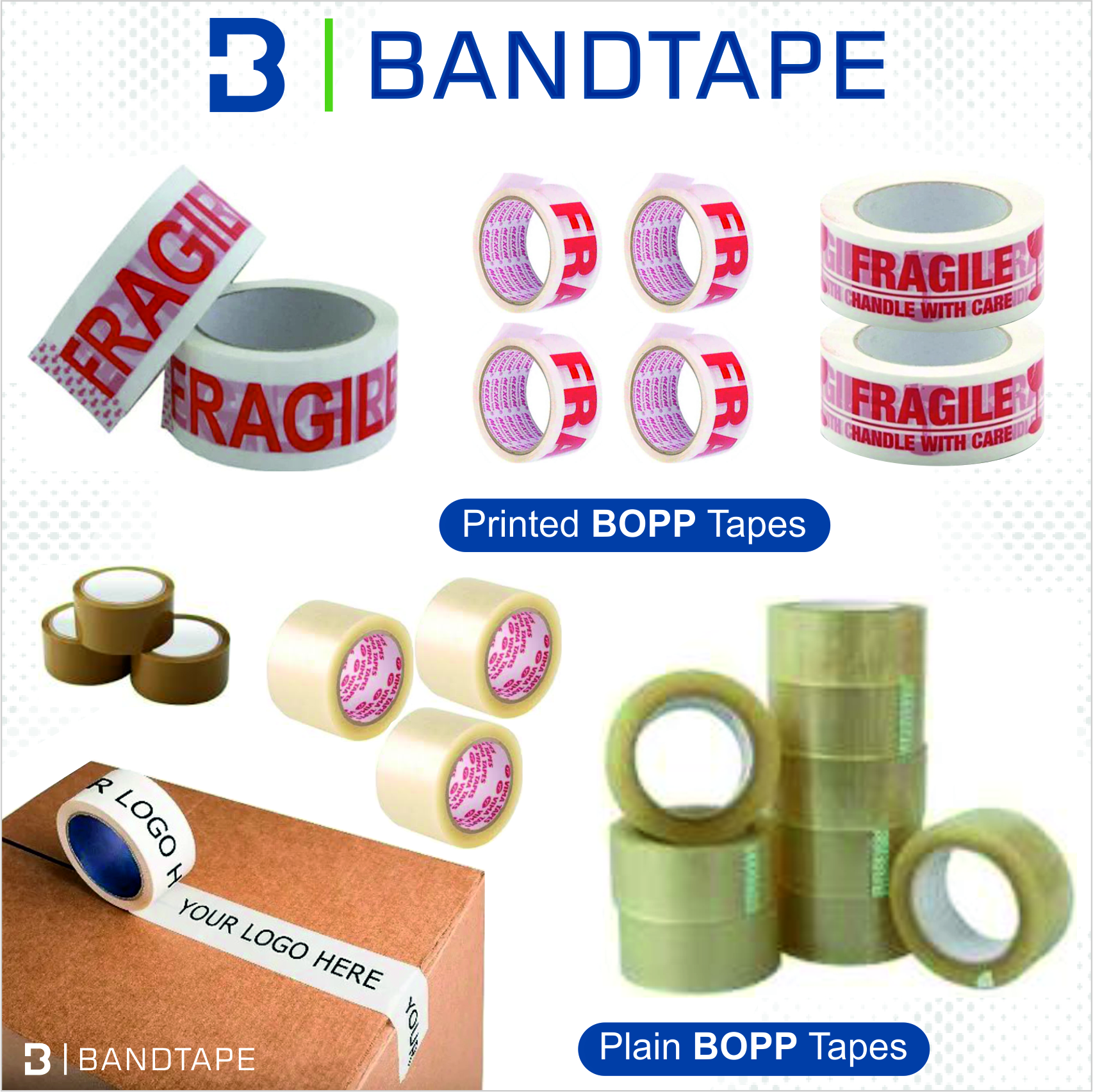
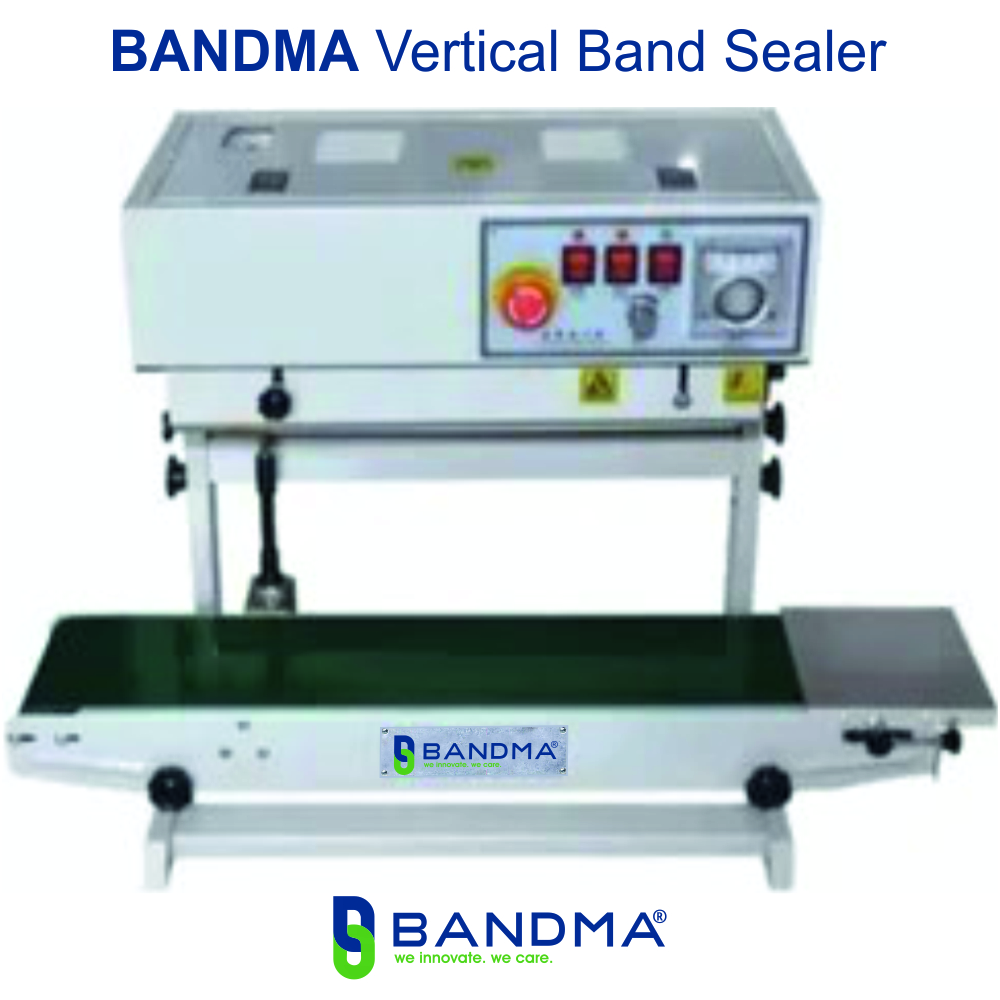
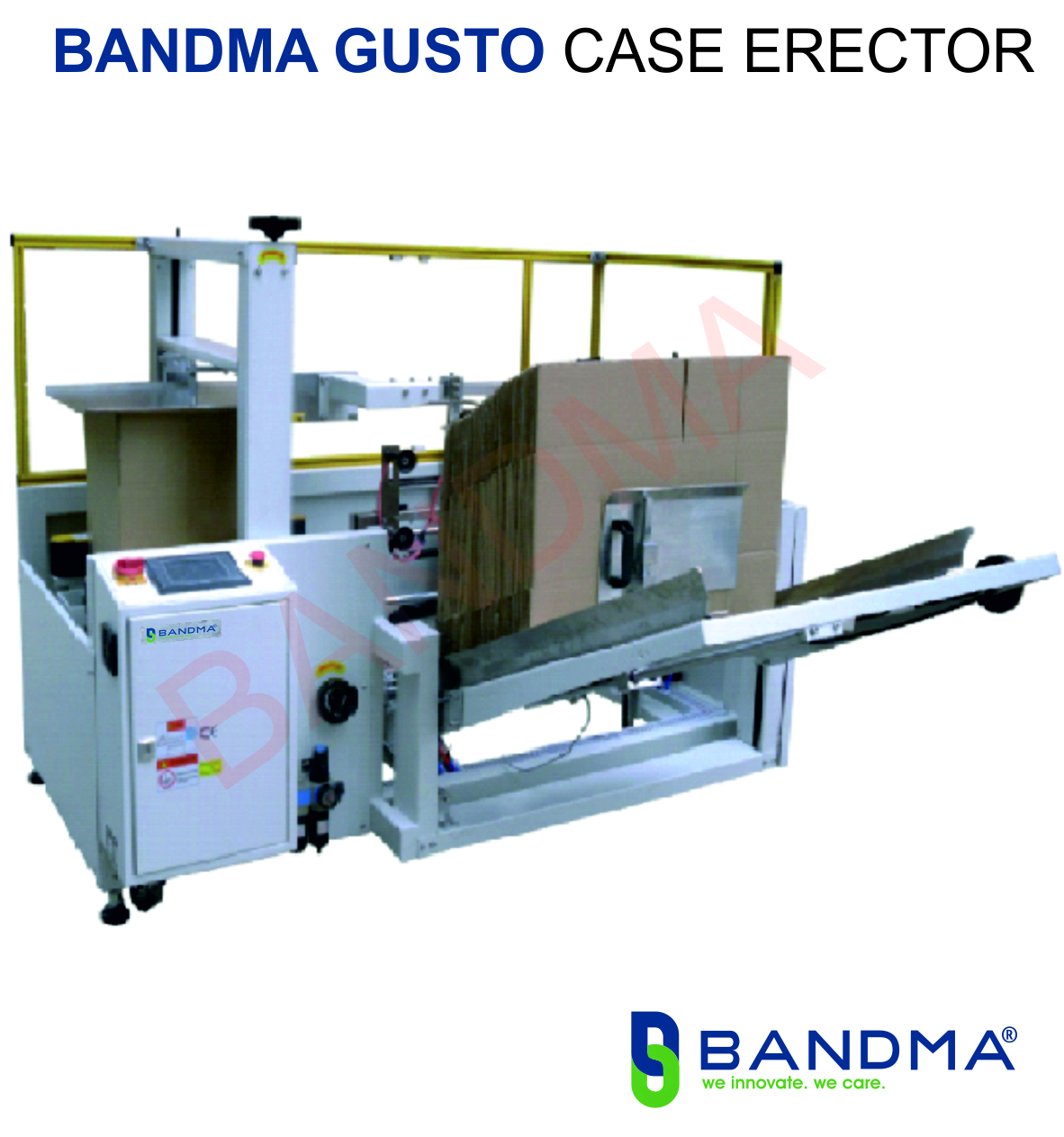
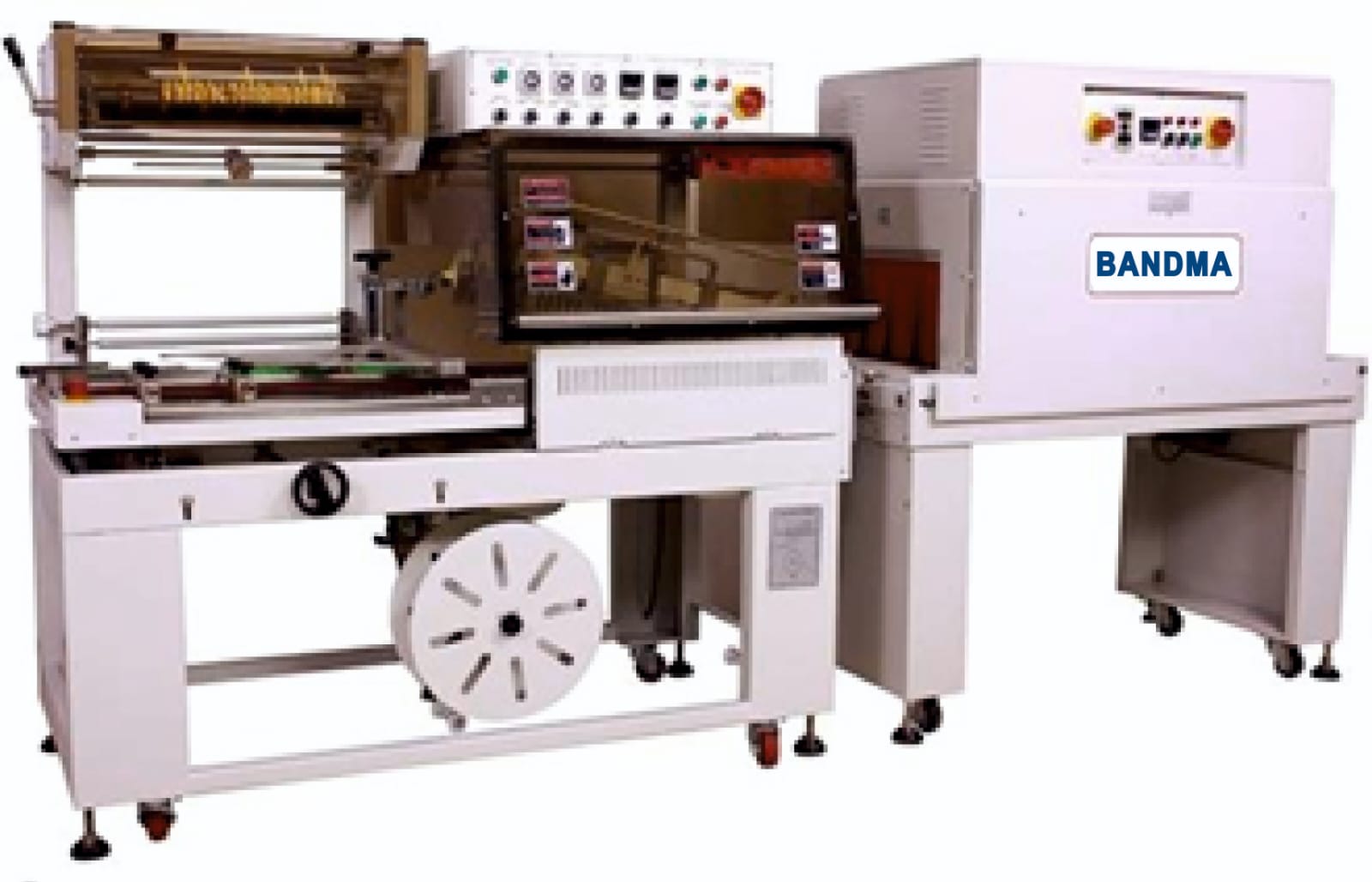
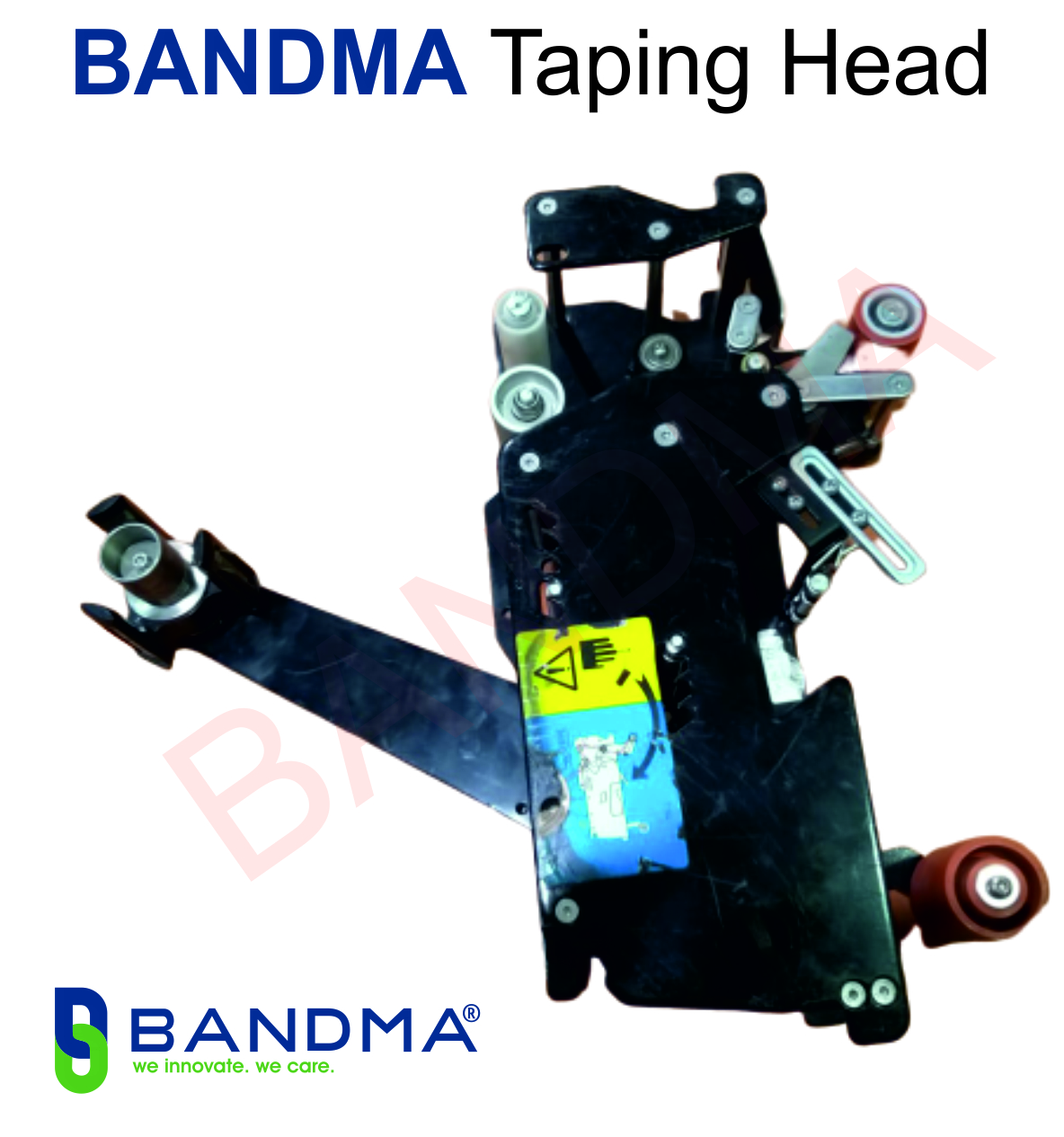
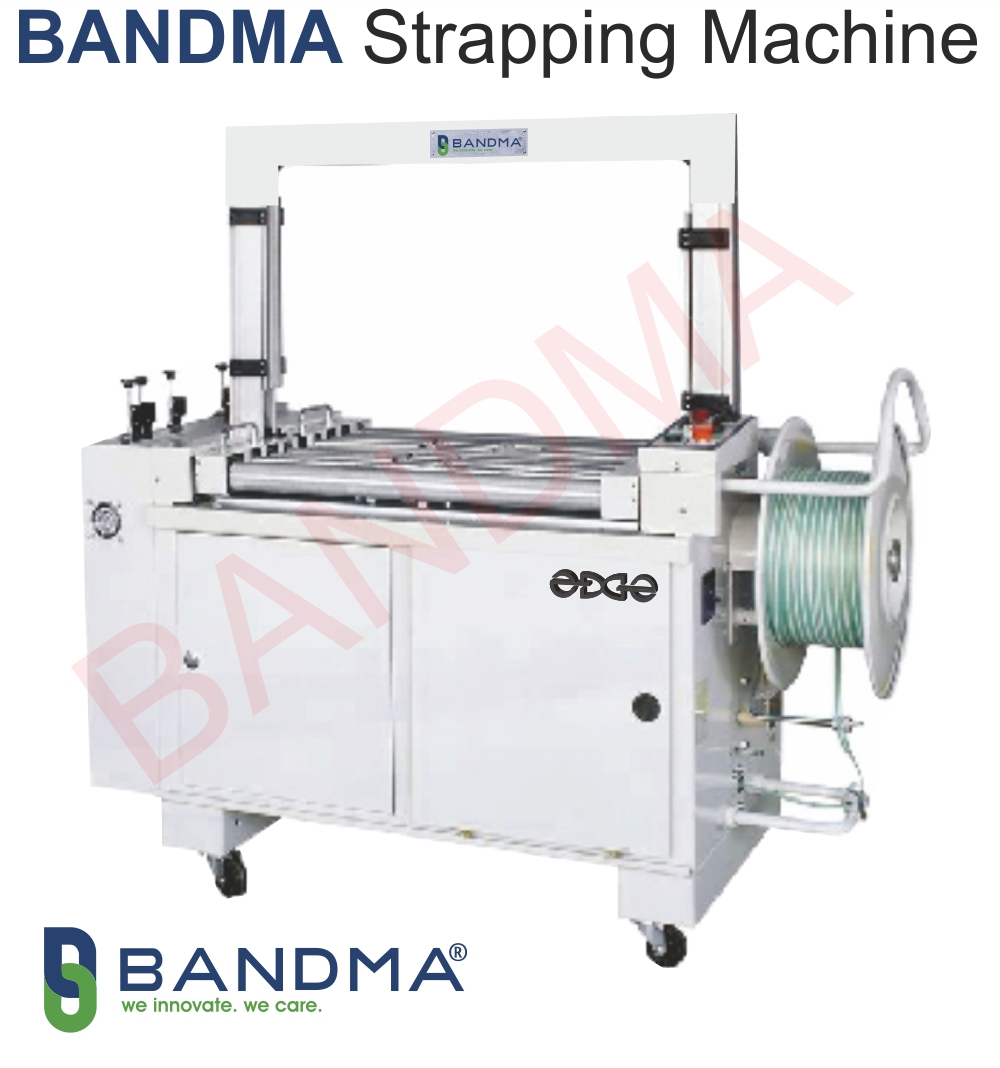
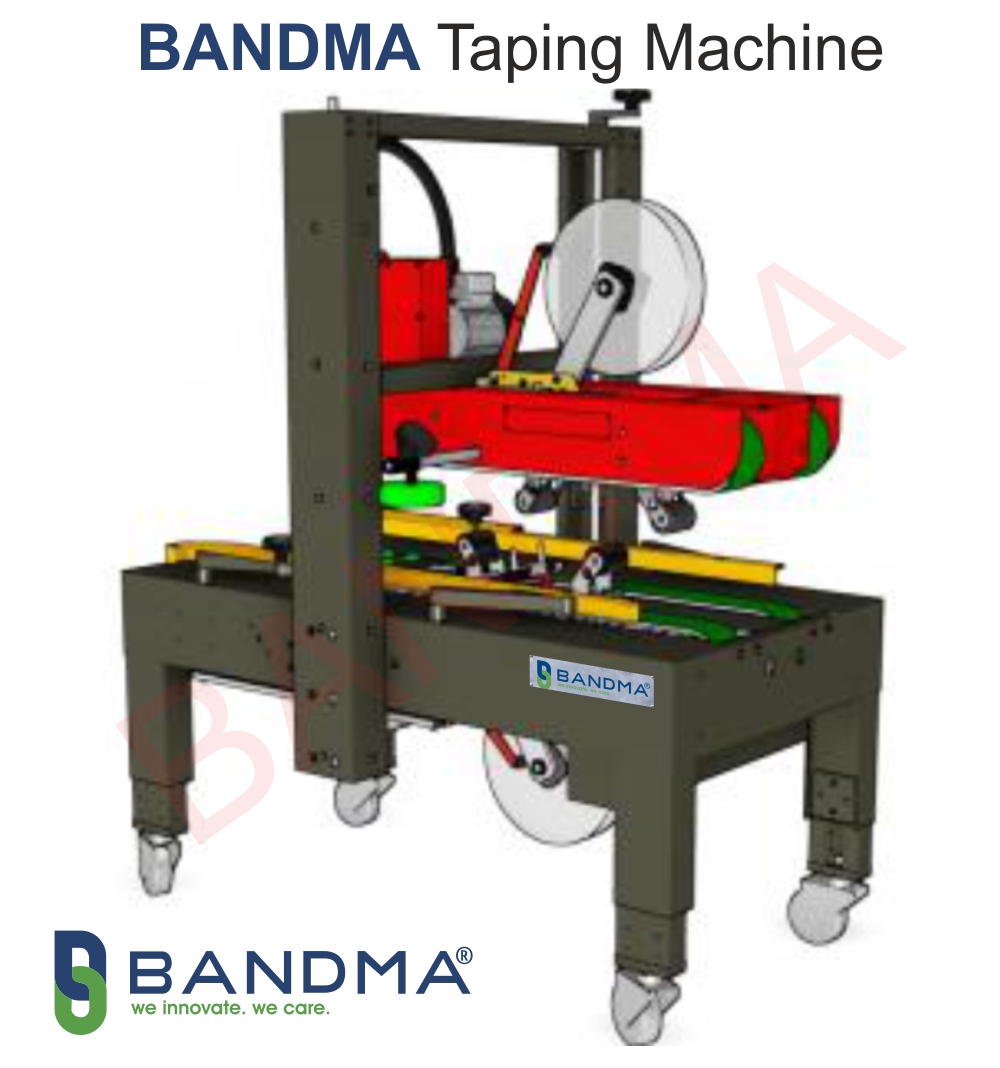
A few core machines do most of the heavy lifting in an automated warehouse packaging setup. Carton erectors prepare boxes on demand, keeping pace with incoming products. Taping machines seal cartons quickly and consistently, removing a manual step that otherwise slows down packing lines. Strapping machines and stretch wrapping machines secure individual packages and full pallets, ensuring everything is stable and dispatch-ready.
Together, these machines create a packaging setup that works in step with warehouse operations rather than against them.
Conclusion
Warehouse efficiency depends on every stage working in sync, and packaging is often the stage most likely to fall behind when it's still done manually. By automating core packaging steps, warehouses can pack faster, reduce bottlenecks, handle pallets more safely, and maintain consistent quality, all of which directly support smoother, more reliable dispatch operations.
For manufacturers looking to tighten up their warehouse performance, packaging automation isn't a standalone upgrade; it's a key part of building a warehouse that runs on schedule, every day.