













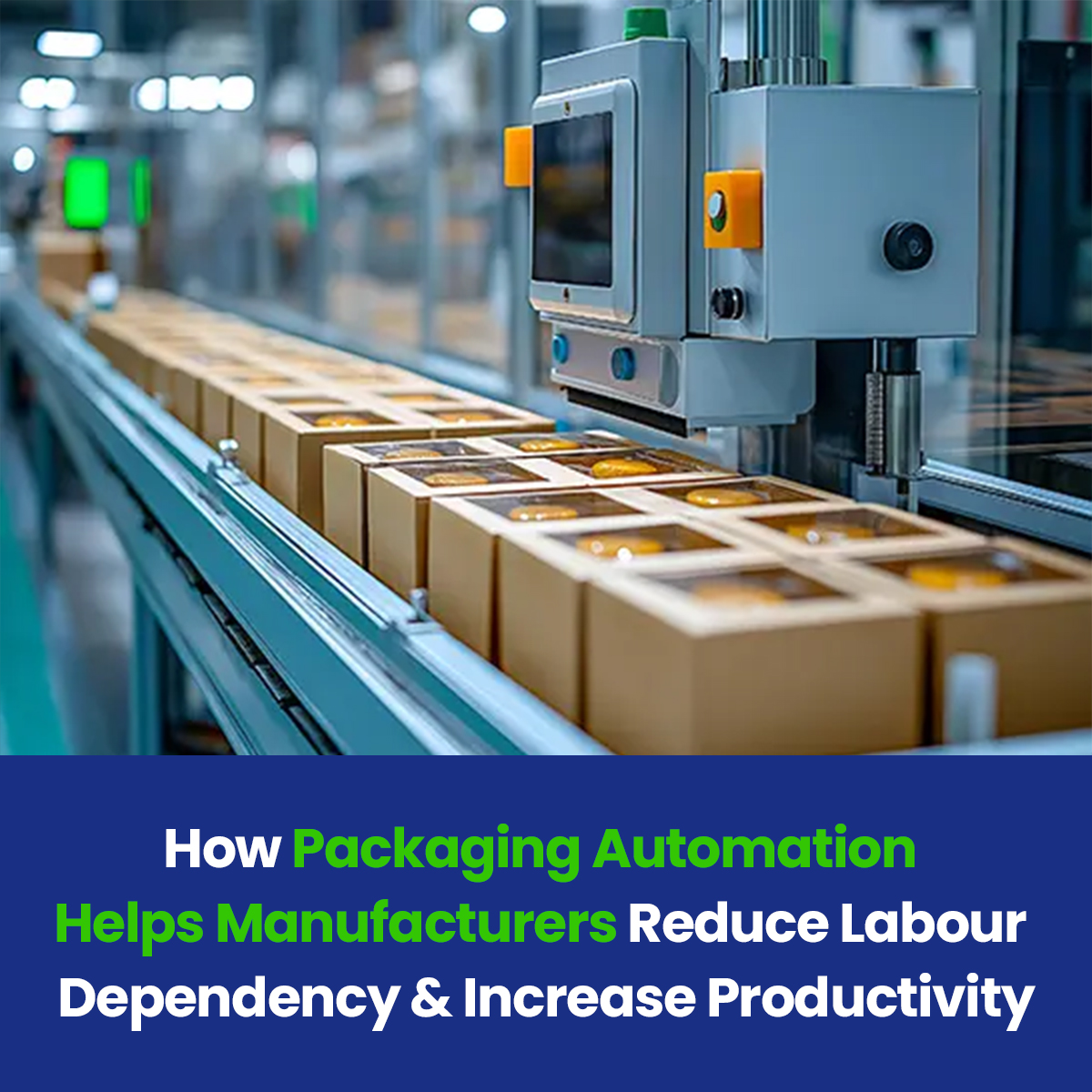
Manufacturers across industries are under constant pressure to produce more, faster, and with fewer errors. But when packaging operations still depend heavily on manual labour, this pressure quickly turns into a bottleneck. Labour shortages, repetitive tasks, and inconsistent speed slow down the entire production line, no matter how efficient the manufacturing process itself is.
Packaging automation offers a practical way out of this cycle. By taking over repetitive, time-consuming tasks, automated systems help manufacturers reduce their dependency on manual labour while significantly increasing overall productivity.
1. Labour Shortages
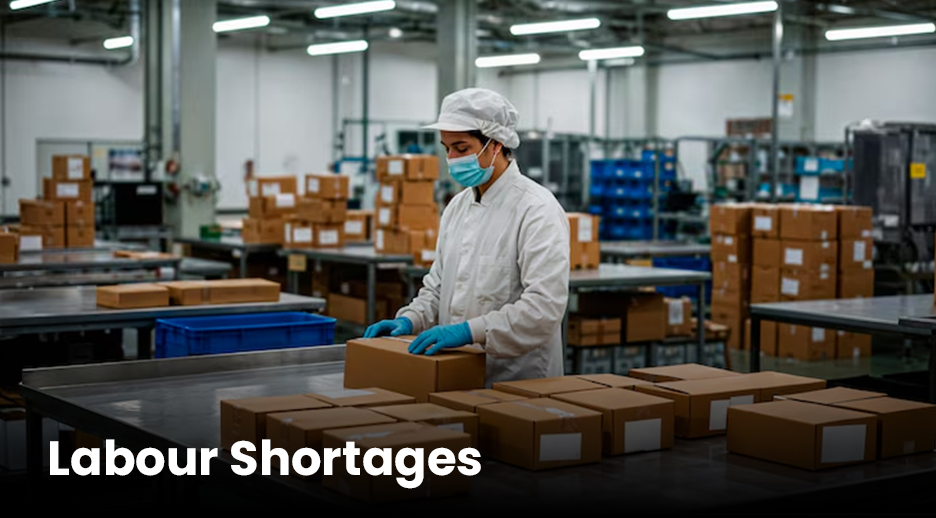
Finding and retaining skilled packaging staff has become increasingly difficult for manufacturers. Seasonal demand spikes, high attrition rates, and rising wage expectations make it hard to maintain a stable workforce for packaging lines.
Automated packaging machines reduce this dependency by handling core packaging tasks with minimal manpower. Instead of scrambling to hire and train workers during peak seasons, manufacturers can rely on machines to maintain consistent output, regardless of workforce availability.
2. Repetitive Manual Tasks
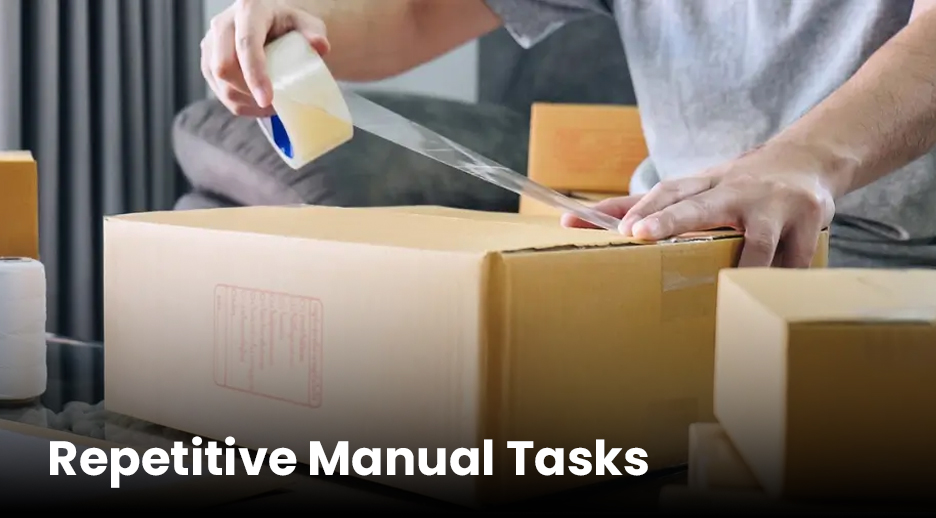
Tasks like folding cartons, applying tape, and strapping boxes are repetitive by nature. When performed manually for hours at a stretch, they lead to fatigue, reduced accuracy, and higher chances of error.
Automation takes over these repetitive functions entirely, performing them with the same precision on the first unit and the ten-thousandth. This not only improves packaging quality but also frees up employees to focus on supervision, quality checks, and other tasks that require human judgement.
3. Production Speed
Manual packaging speed is limited by how fast workers can physically move, and that speed naturally drops as shifts go on. This makes it difficult for manufacturers to scale output during high-demand periods.
Automated systems maintain a steady, predictable pace throughout the day. Because machines don't tire or slow down, manufacturers can plan production schedules with far greater accuracy and meet demand spikes without adding extra shifts.
4. Role of Carton Erectors, Taping Machines and Strapping Machines
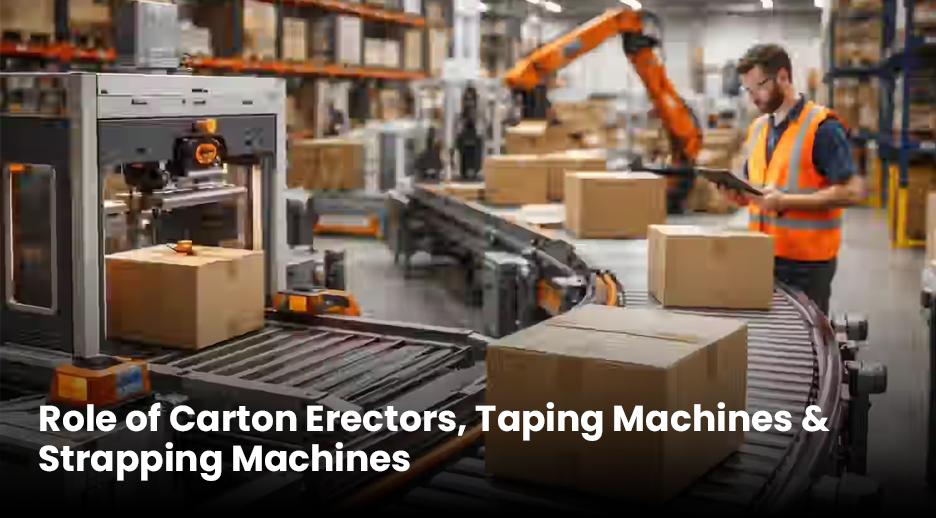
These three machines form the backbone of an automated packaging line, and each plays a specific role in reducing labour dependency.
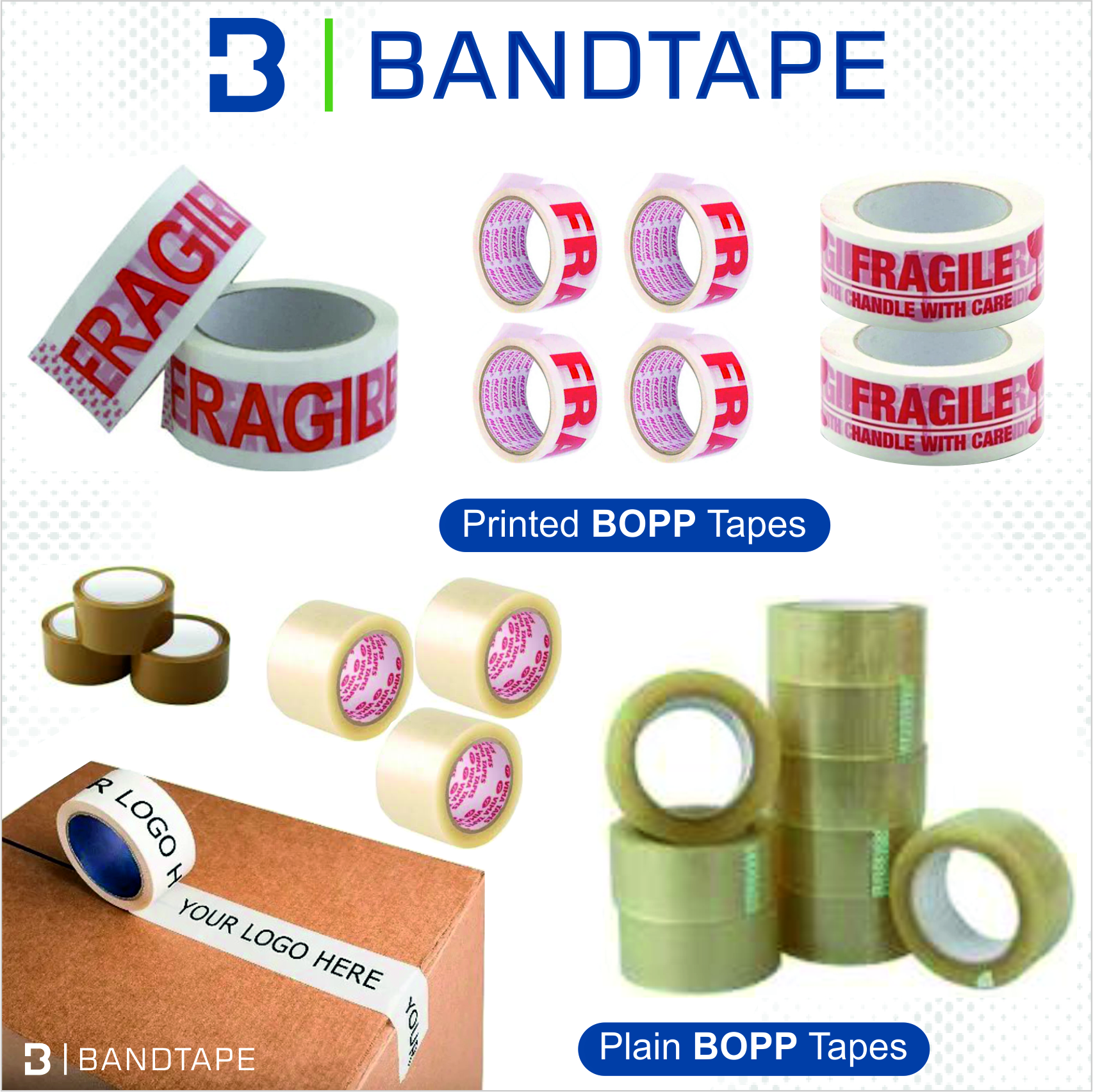
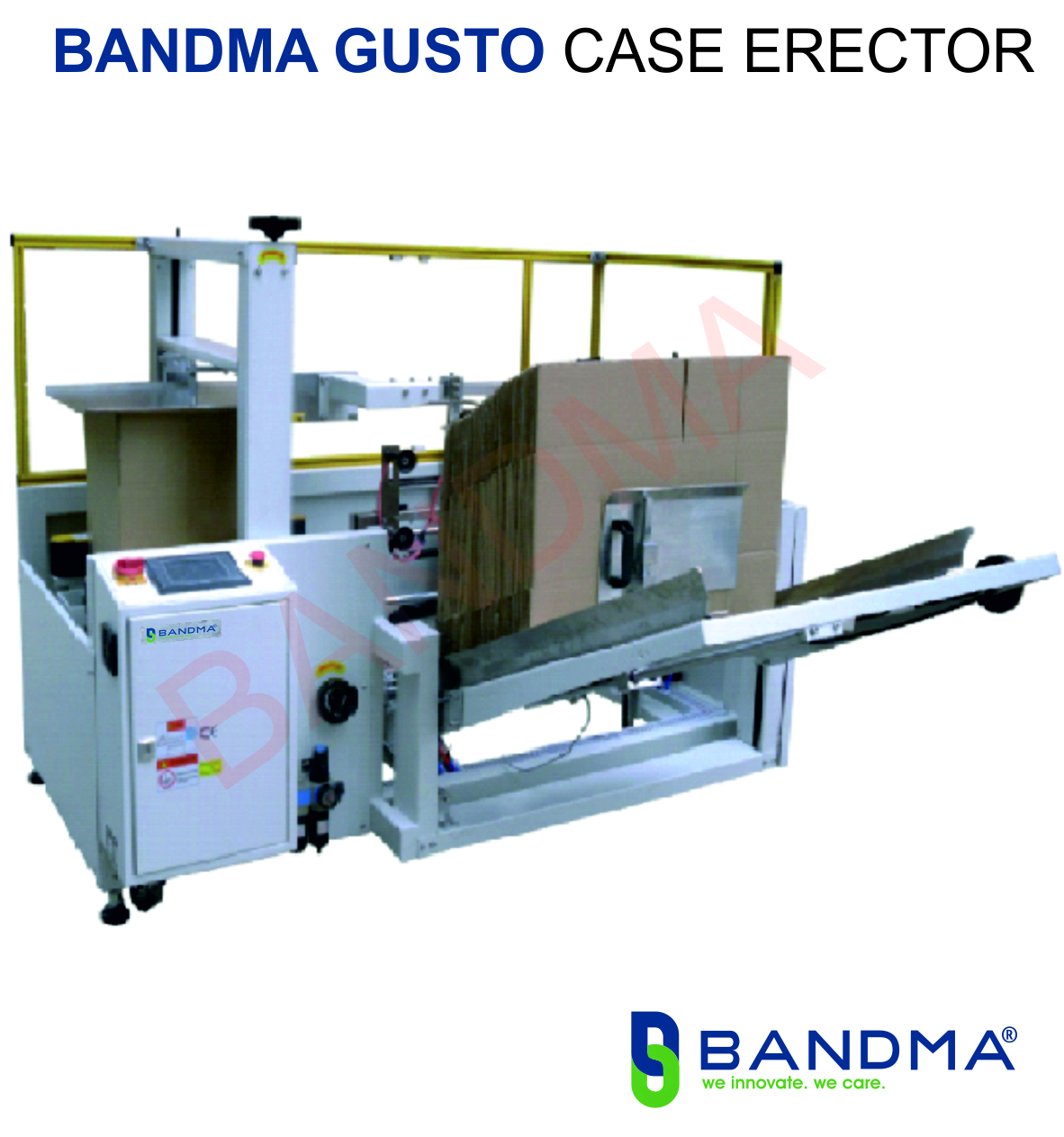
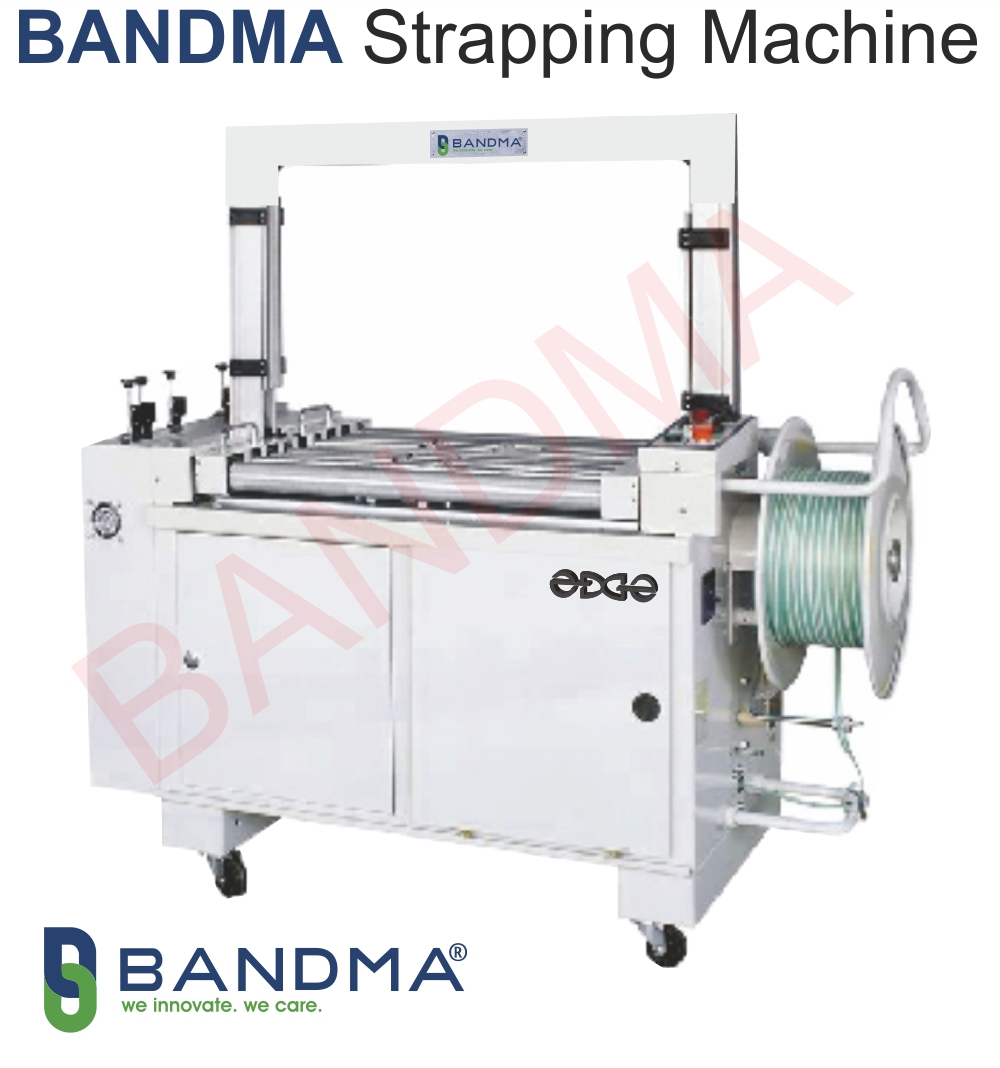
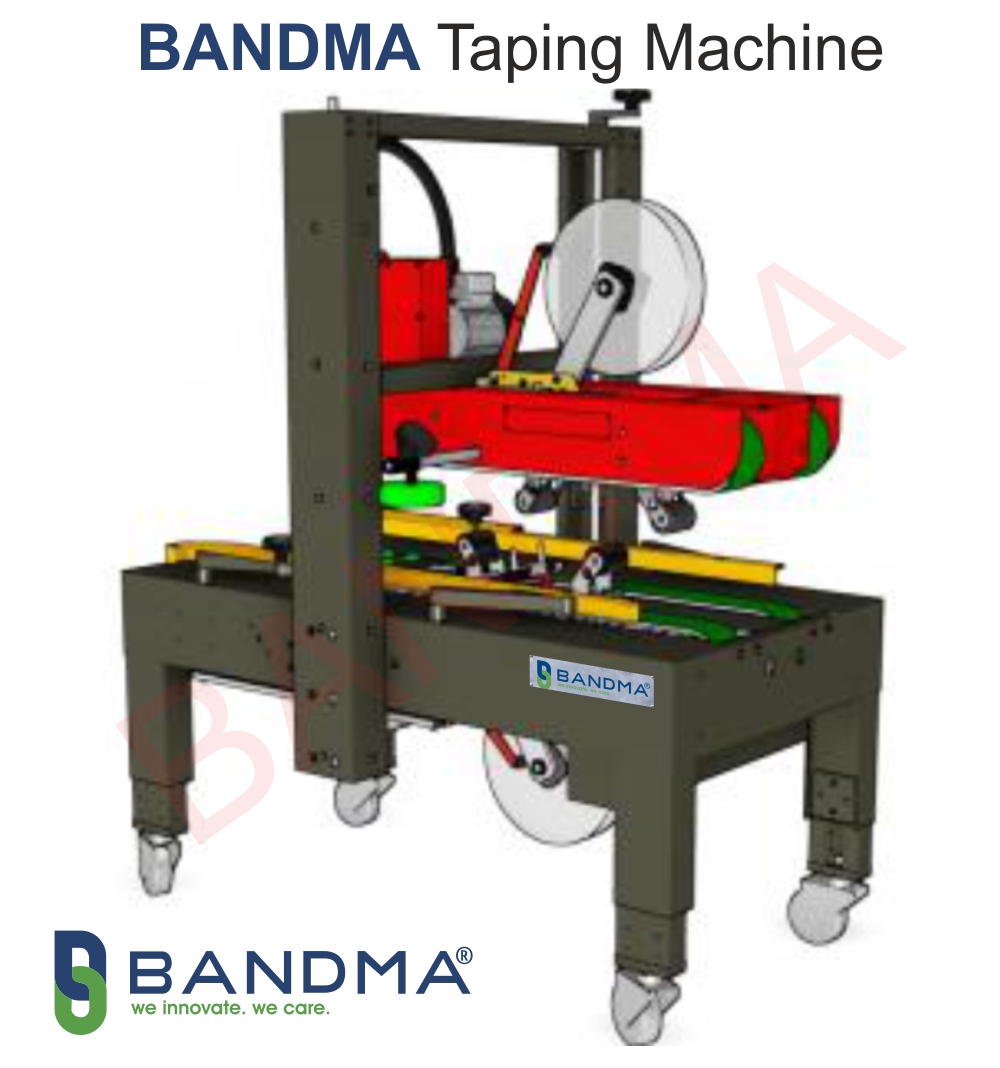
Carton erectors automatically form and set up cartons at high speed, eliminating the need for workers to manually assemble boxes one at a time. Taping machines apply tape to sealed cartons with consistent pressure and placement, removing the guesswork and inconsistency of manual taping. Strapping machines secure packages tightly and uniformly, reducing the risk of shifting or damage during transit, without requiring manual strapping effort.
Together, these machines allow a single operator to oversee work that would otherwise require several manual labourers, directly cutting down labour dependency across the packaging line.
5. ROI of Automation
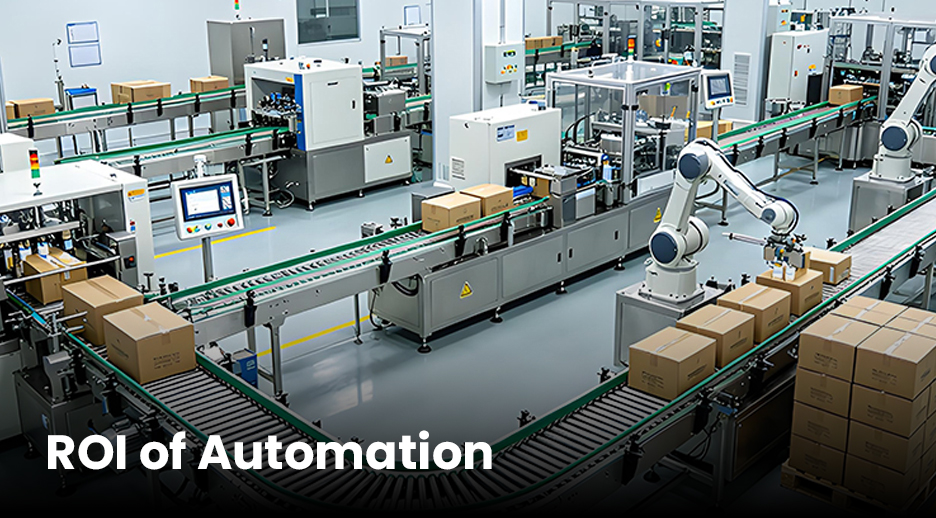
The upfront investment in packaging automation often makes manufacturers hesitate, but the long-term returns tell a different story. Lower labour costs, reduced material wastage, fewer packaging errors, and increased output all contribute to a faster-than-expected payback period.
Over time, manufacturers also save on costs linked to workplace injuries, product damage, and inconsistent packaging, expenses that are easy to overlook but add up significantly with manual operations. When these savings are combined with the ability to handle higher production volumes without proportionally increasing headcount, automation consistently proves to be a sound long-term investment.
Conclusion
Reducing labour dependency doesn't mean removing people from the packaging process. It means freeing them from repetitive, physically demanding work so they can contribute where it matters most. With carton erectors, taping machines, and strapping machines working together, manufacturers can build a packaging line that is faster, more consistent, and far less vulnerable to labour shortages.
For manufacturers looking to boost productivity while keeping operations lean, packaging automation isn't just a solution to a labour problem; it's a long-term strategy for sustainable growth.