















Every industry today faces the same challenge: skilled labor is becoming harder to find, hire, train, and retain. Packaging operations, in particular, require repetitive manual tasks that workers tend to avoid or leave quickly. The result? Delays, inconsistent output, and reduced production capacity.
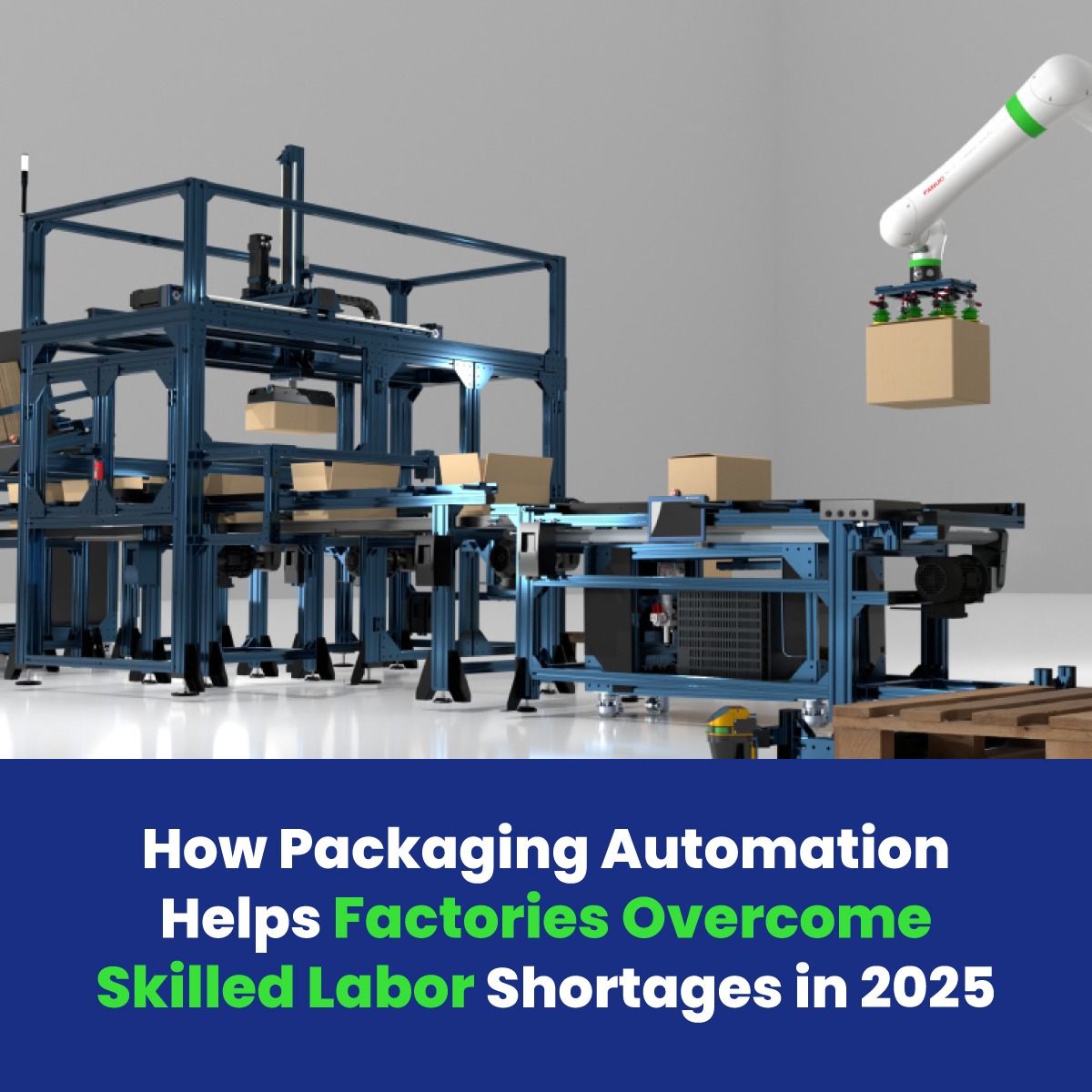
But factories adopting automation are experiencing a different reality stable production, lower attrition, and higher output. Here’s how packaging automation is helping industries overcome the skilled labor crisis of 2025.
1. Automation Reduces Dependency on Manual Workers
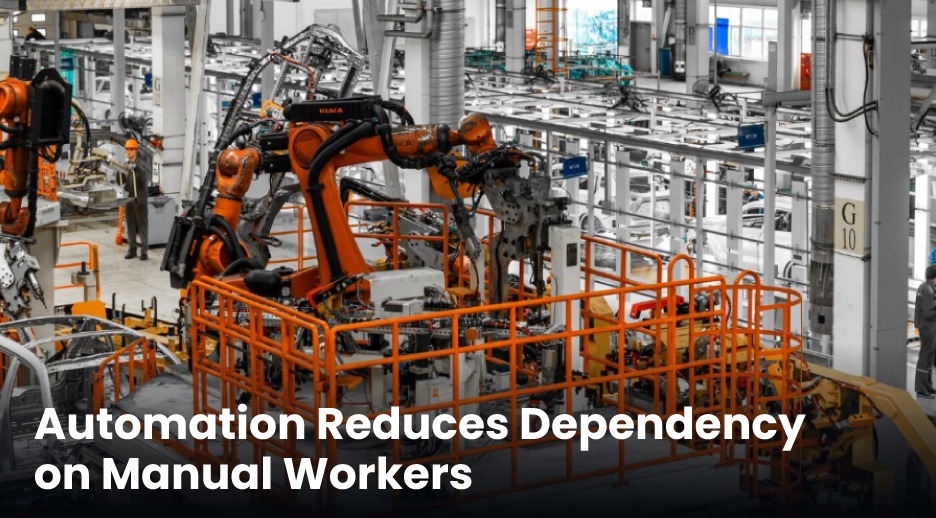
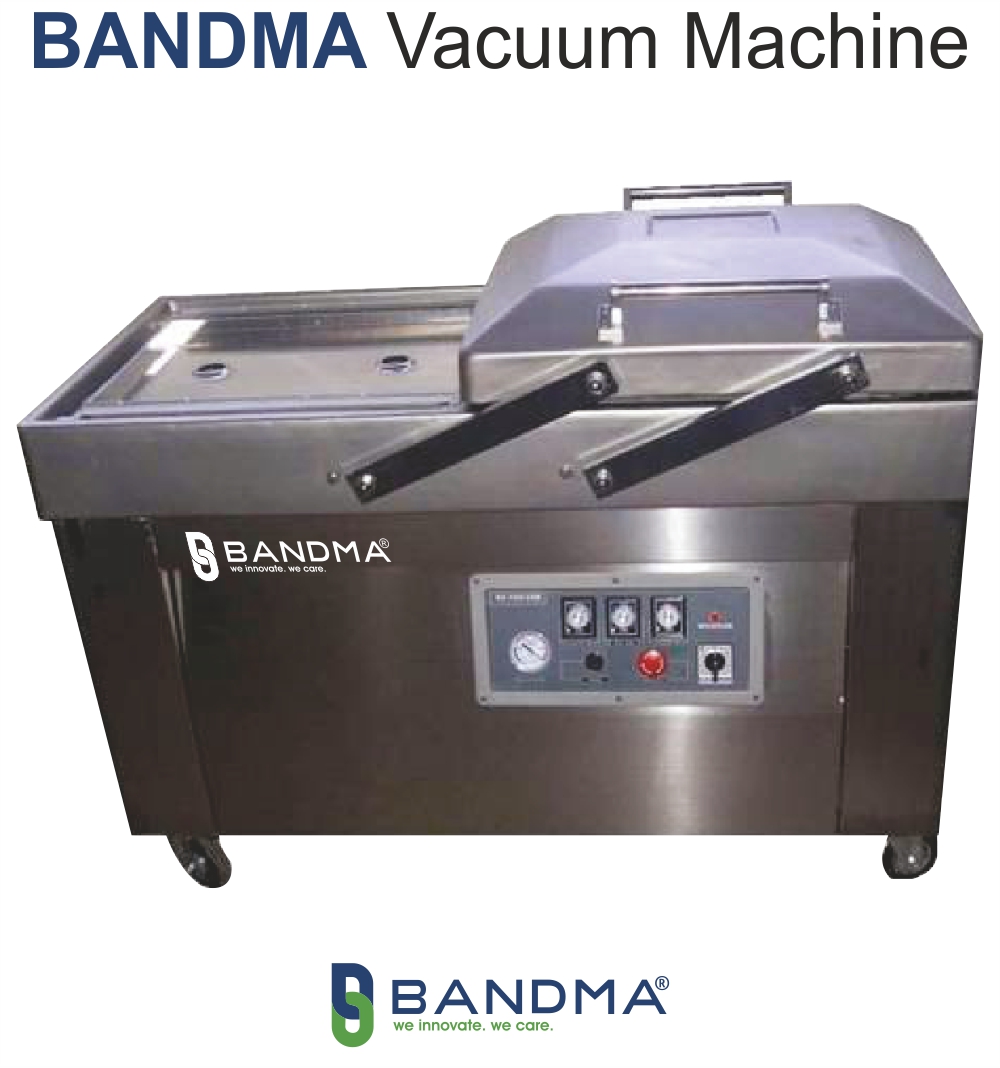
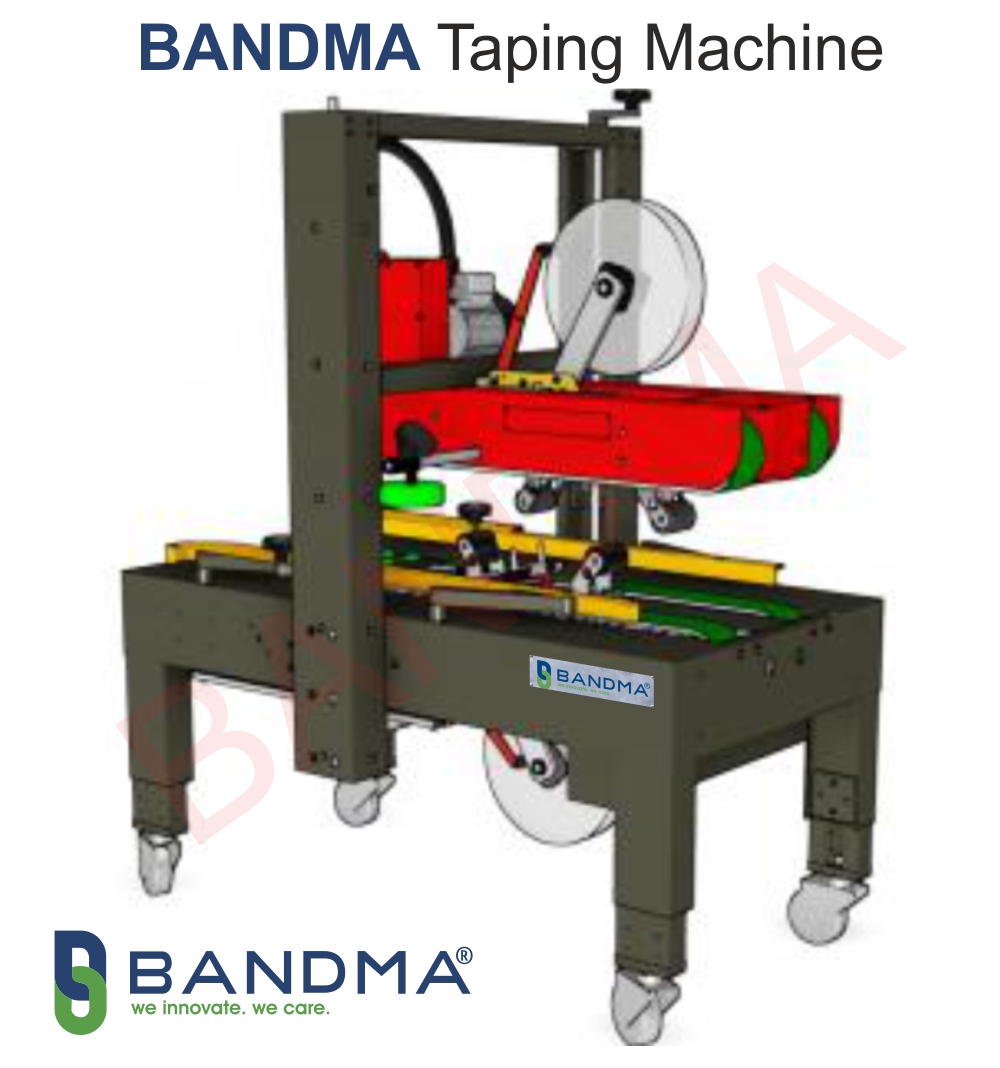
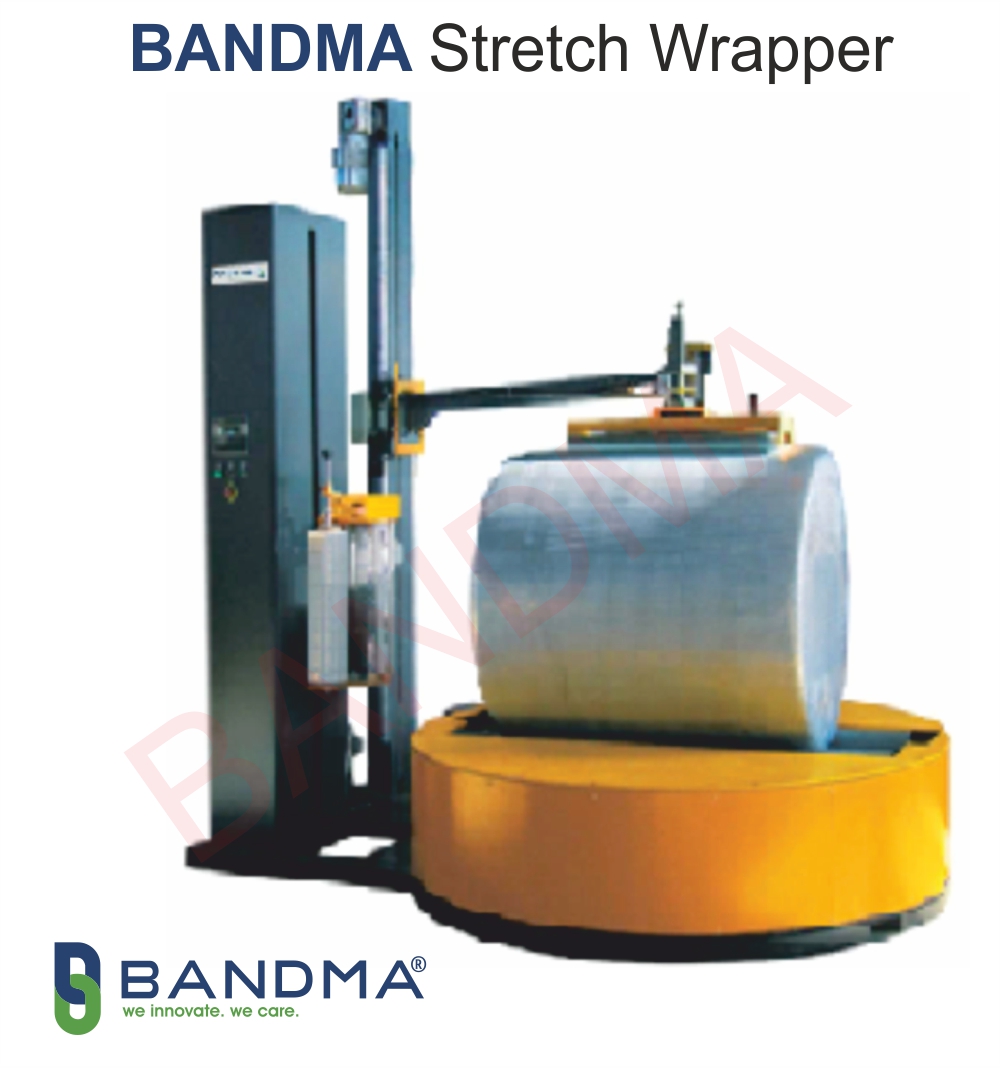
Traditional packaging demands multiple operators for taping, strapping, palletizing, and wrapping. Automation replaces this labor-heavy approach with machine-driven consistency.
Fewer workers, higher output.
Factories now run with:
- 40–60% less packaging labor
- Zero fatigue-related slowdowns
- Minimal training requirements
2. Machines Handle Repetitive, High-Risk Tasks
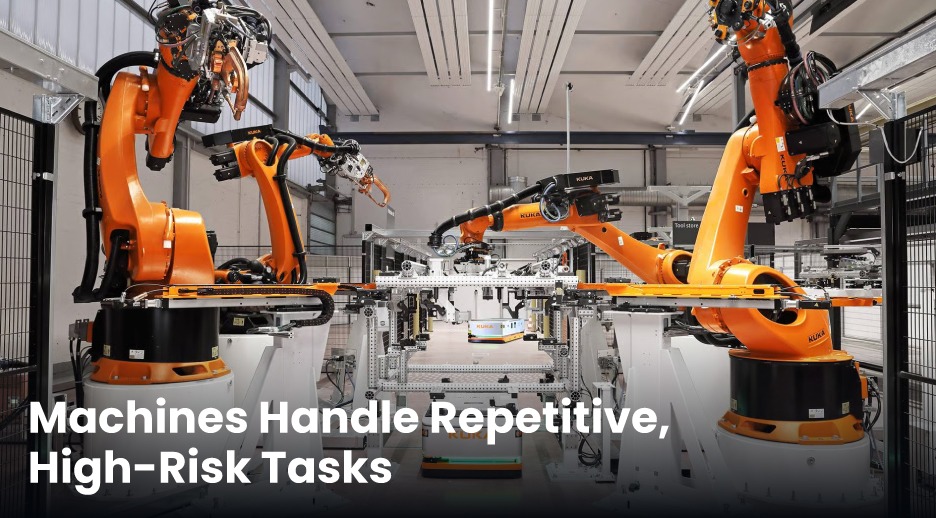
Tasks like lifting cartons, pulling stretch film, or strapping large bundles often cause:
- Back injuries
- Fatigue
- Productivity loss
Automation allows workers to supervise rather than physically perform these tasks, reducing accidents and improving morale.
3. Faster Training & Onboarding
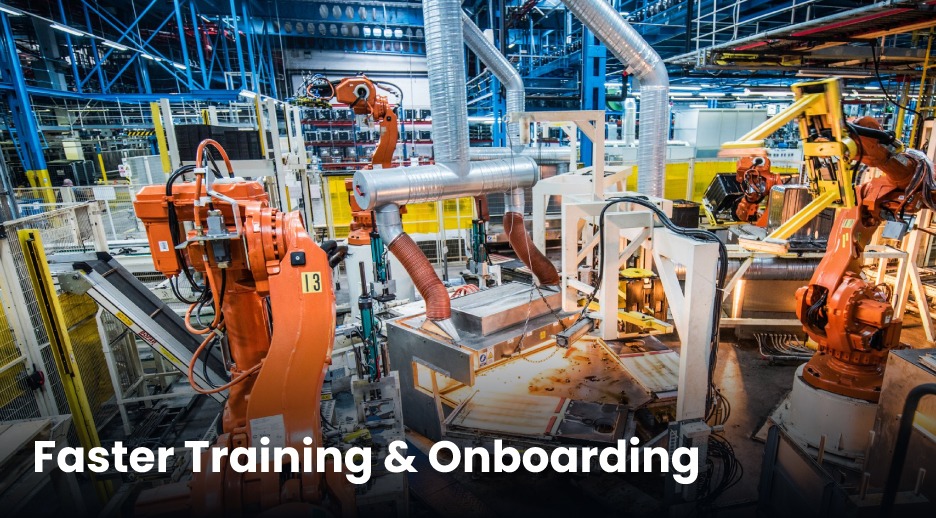
Modern automated systems require only basic operational training. Instead of weeks of learning manual processes, workers can be trained in hours.
This helps factories:
- Onboard new operators faster
- Reduce skill dependency
- Ensure consistent performance regardless of workforce churn
4. Automation Improves Employee Retention
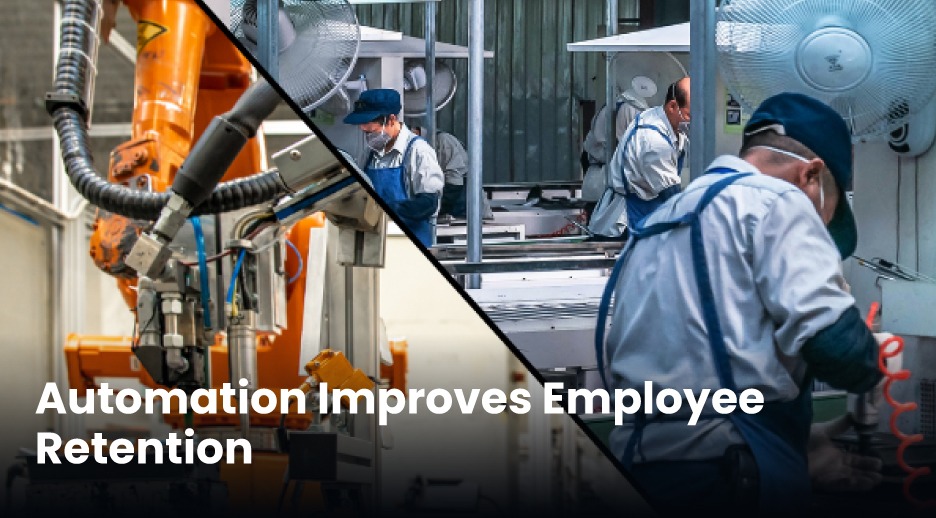
Workers avoid repetitive, physically draining jobs. Automation transforms these roles into supervisory or monitoring tasks, making them more appealing.
Better roles → Less attrition → Higher team stability.
5. Greater Scalability Without Hiring More People
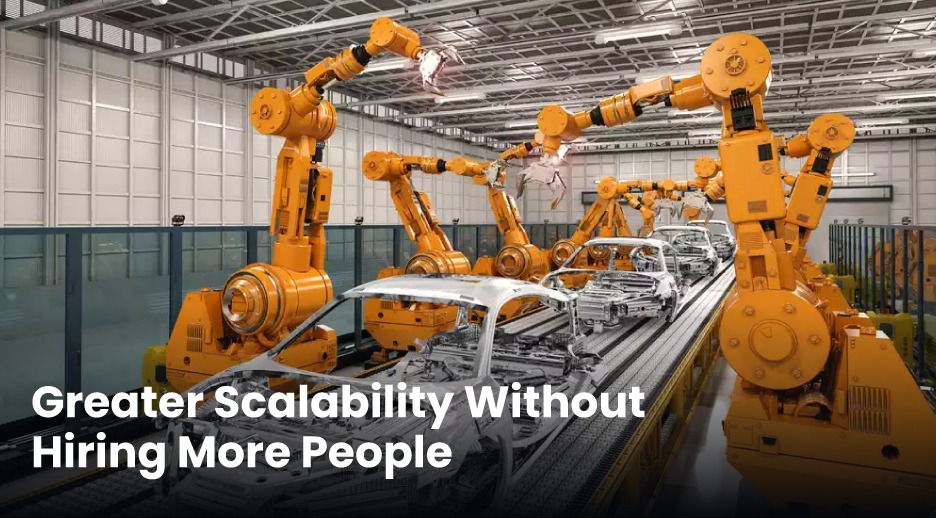
During seasonal demand spikes, factories usually struggle with hiring temporary workers. Automation eliminates this challenge.
Machines can handle higher loads simply by:
- Increasing shift hours
- Running additional cycles
- Adding buffers and conveyors
No extra hiring needed.
6. Improved Quality and Fewer Errors
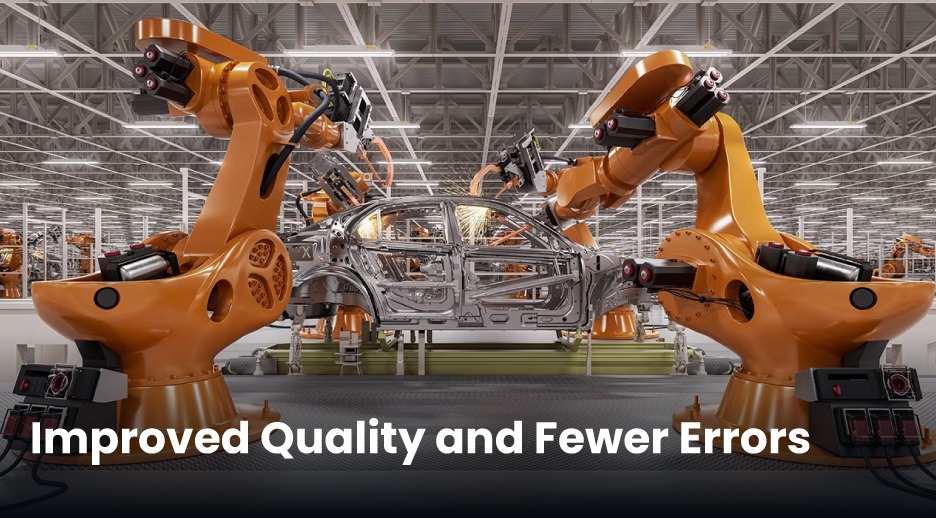
Skilled labor shortages often lead to untrained operators managing complex processes. Automation ensures consistency even with less experience on the floor.
Machines guarantee:
- Proper tape length
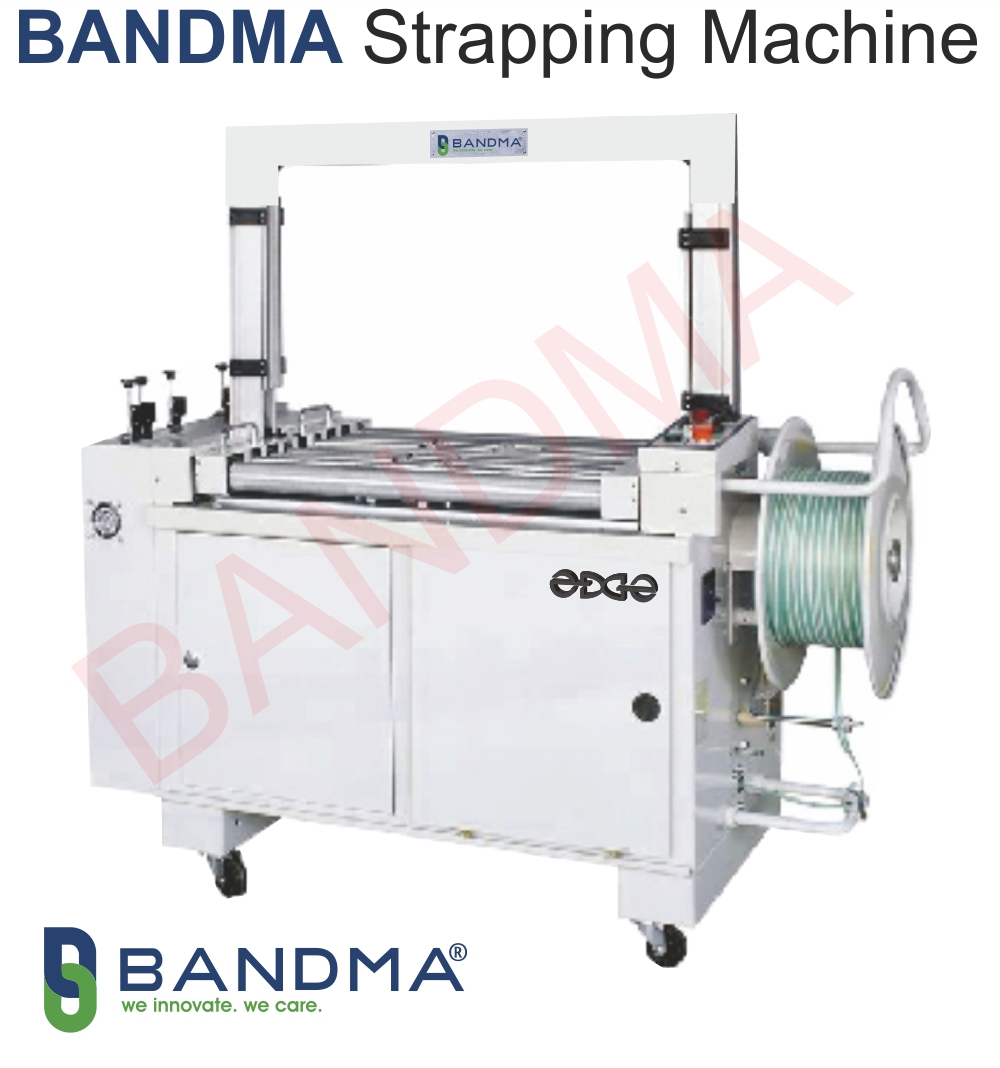
- Correct strap tension
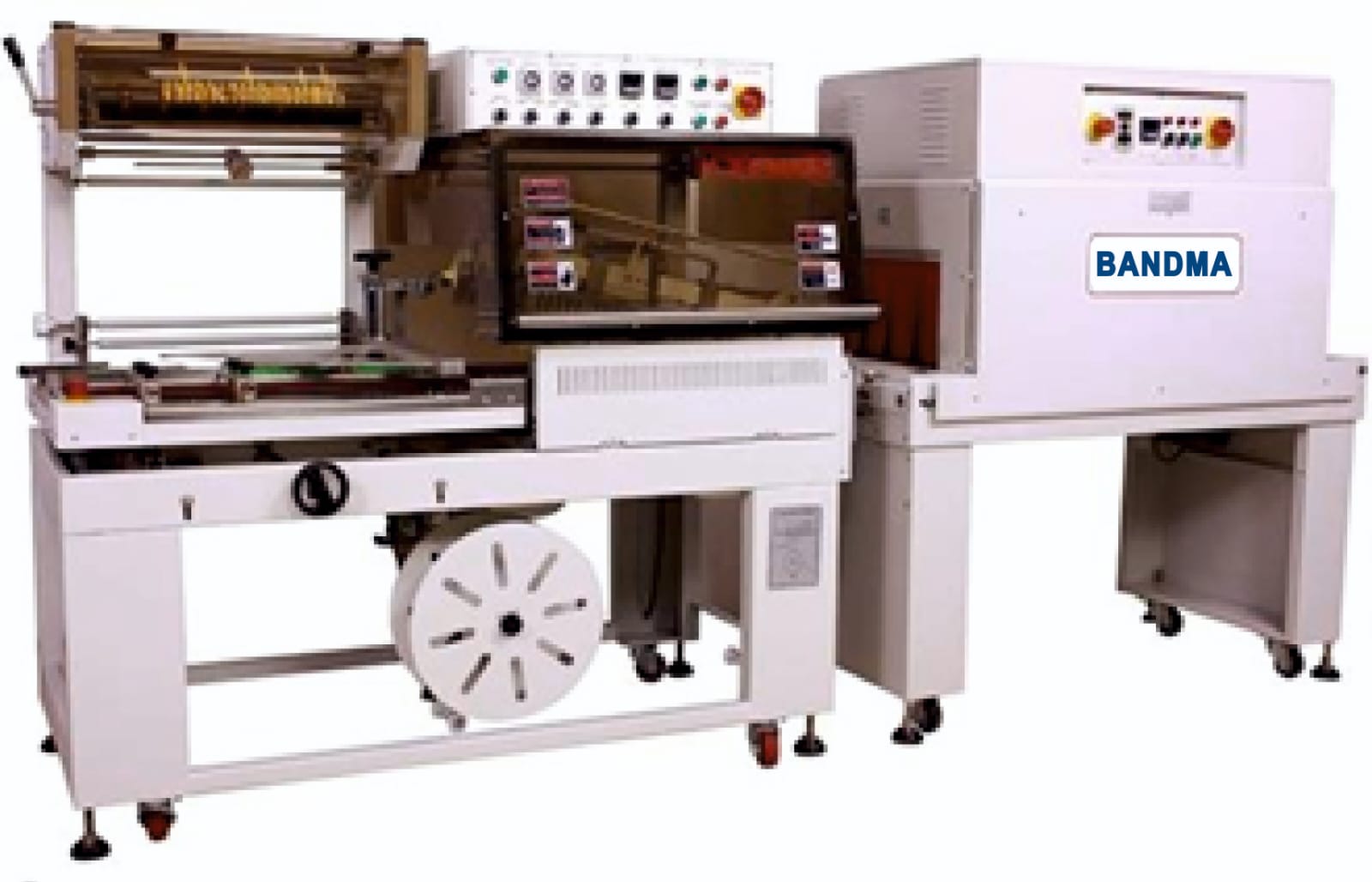
- Even shrink wrapping
- Stable pallets
Factory performance no longer depends on operator skill.
7. Higher Output = Stronger Competitiveness
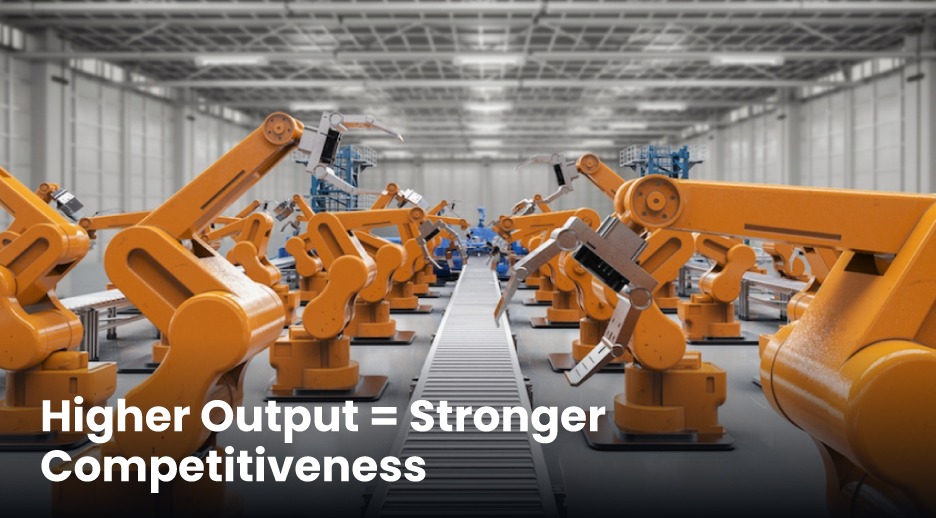
Factories with unstable labor cannot meet deadlines or scale orders. Automation ensures reliable output and predictable production, making factories more competitive in pricing and delivery.
Conclusion
In 2025, automation isn’t replacing workers—it is compensating for the global shortage of skilled labor. Packaging automation allows factories to operate with fewer people, safer conditions, and higher productivity. It is the most practical and profitable way to build a future-proof factory.