
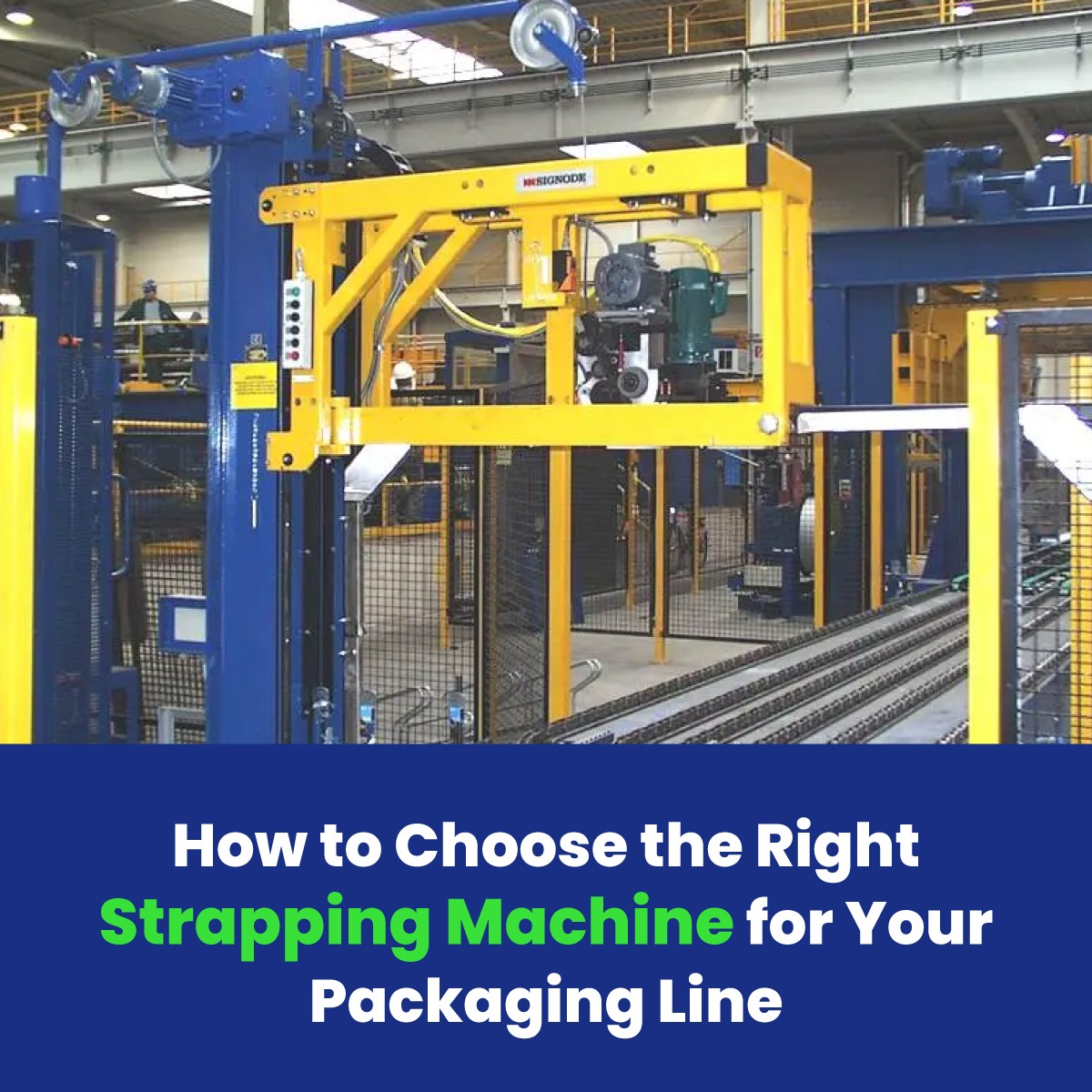
Every day, thousands of shipments leave factories across India strapped and sealed — but not every strapping machine is built for every job. The wrong choice means wasted time, broken straps, and maintenance headaches. The right one runs quietly in the background, securing loads at whatever speed your line demands.
This guide walks you through every major consideration when selecting a strapping machine, whether you are sealing lightweight cartons in an e-commerce warehouse or binding heavy steel coils in a manufacturing plant.
What Is a Strapping Machine?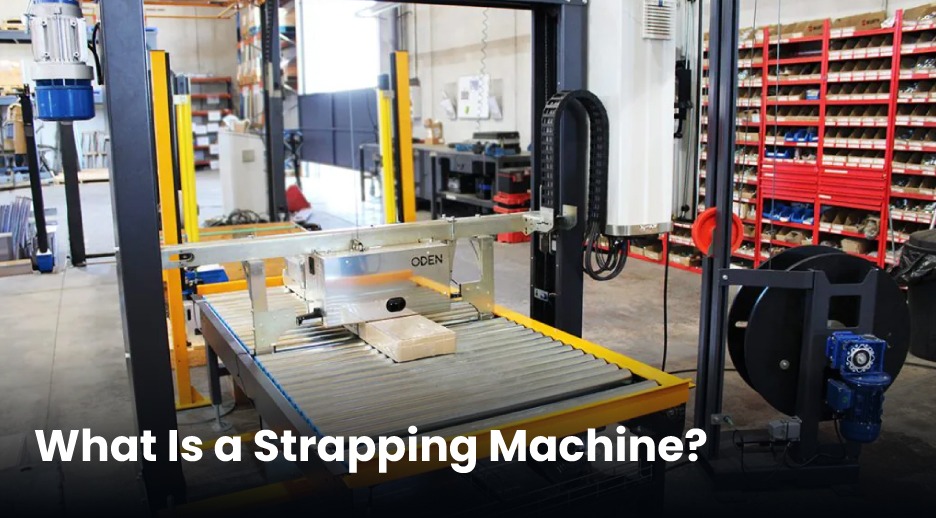
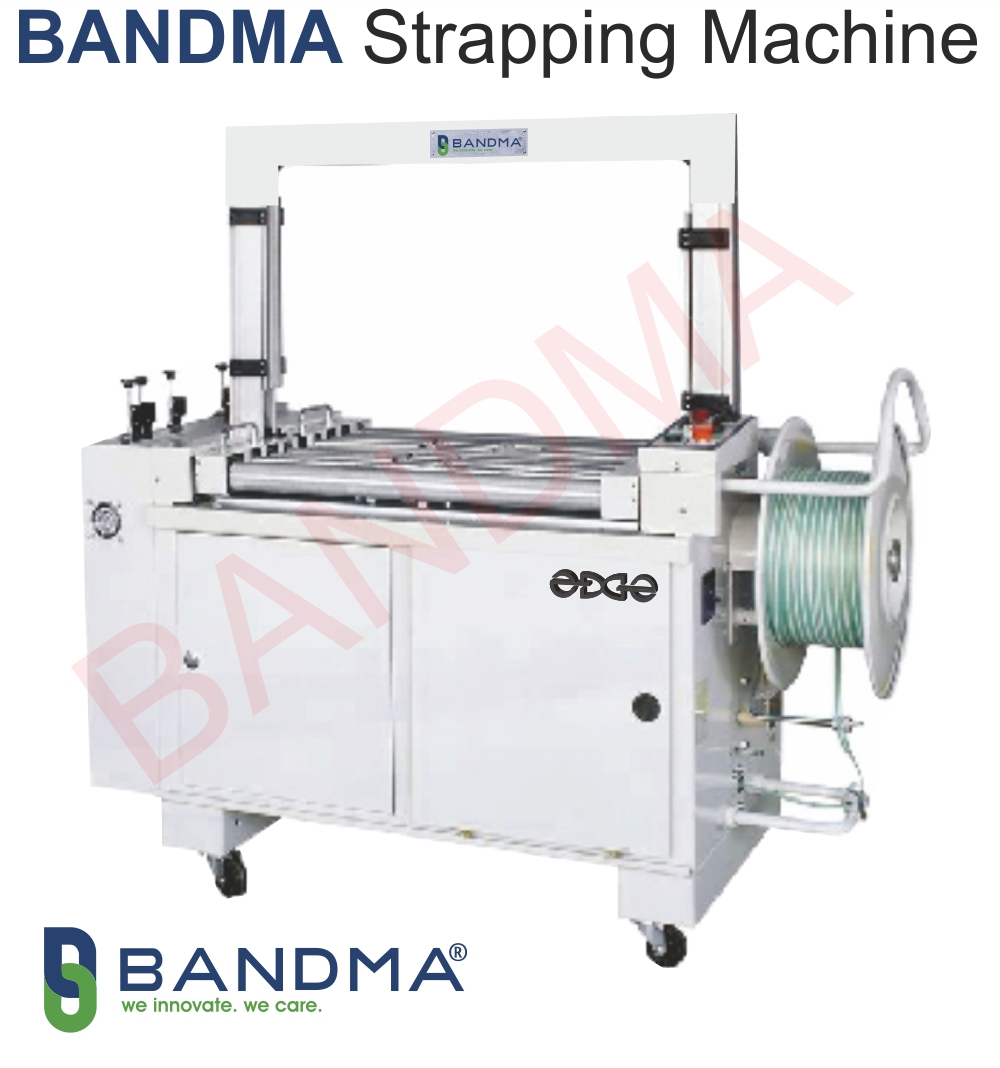
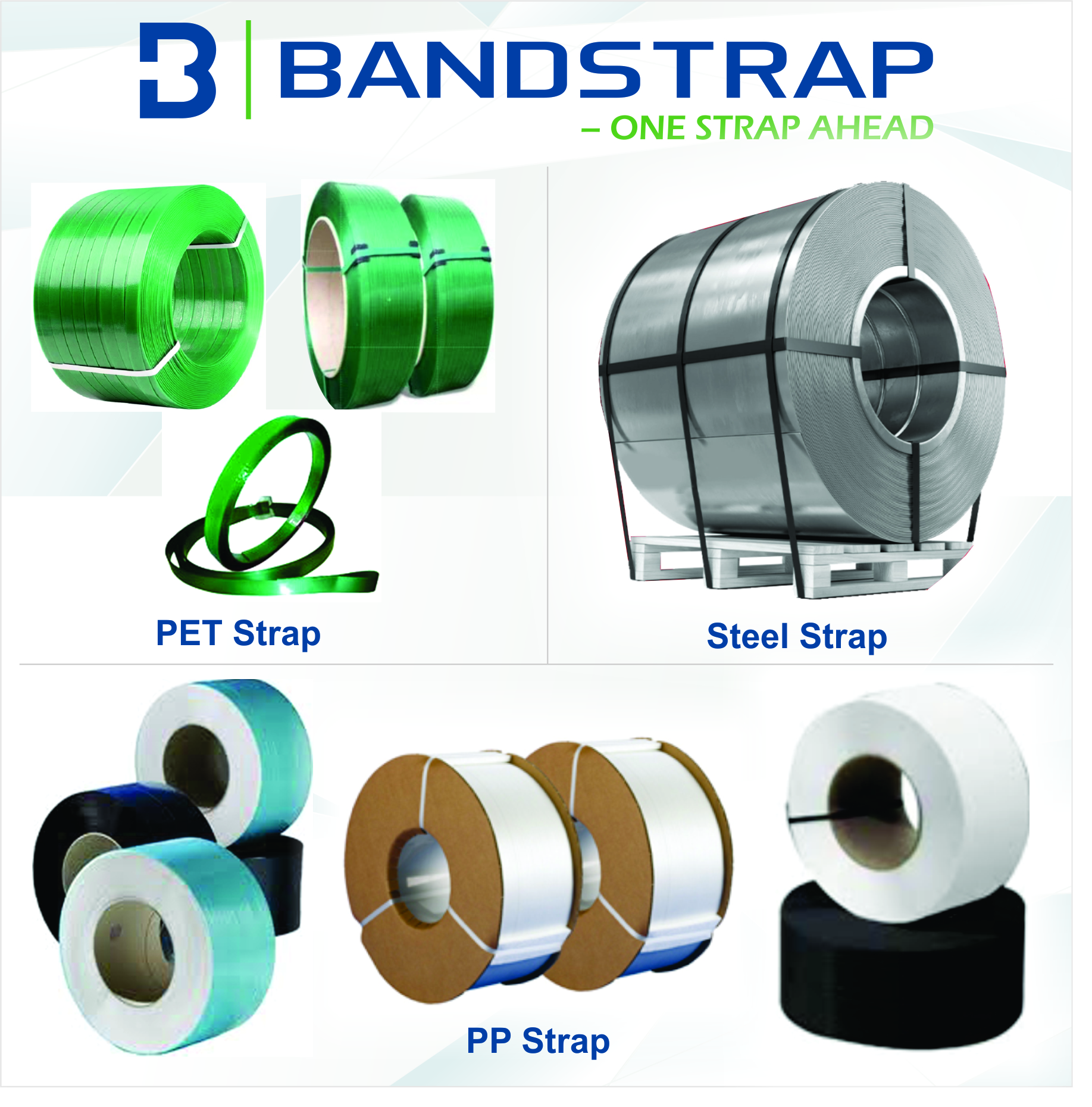
A strapping machine applies a strap — typically made from PP (polypropylene), PET (polyethylene terephthalate), or steel — around a package or load, then tensions, seals, and cuts it automatically. The result is a secure, tamper-evident bond that holds products together during transit and storage.
The Three Main Types of Strapping Machines
1. Manual Strapping Tools
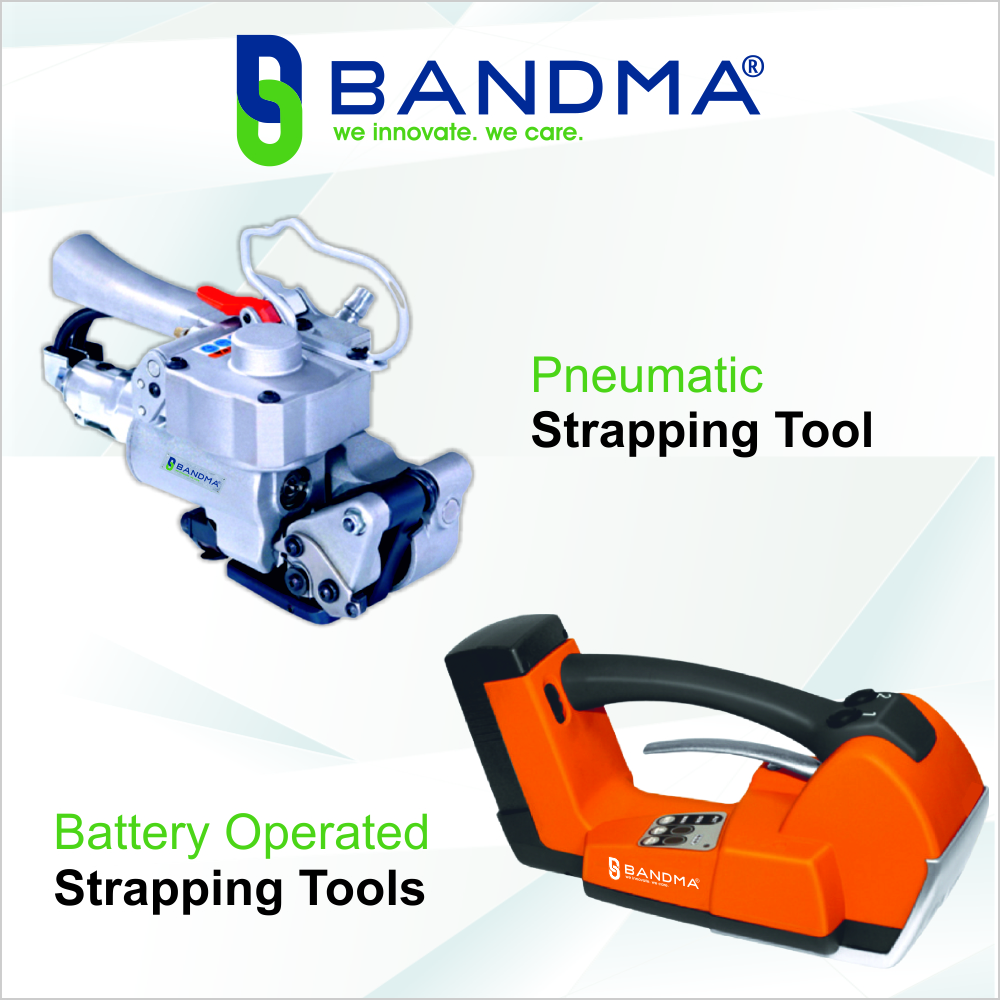
Best for low volumes or field applications. The operator feeds the strap by hand, tensions it manually, and seals using a handheld tool. Low upfront cost, but slow and labour-intensive.
2. Semi-Automatic Strapping Machines
The operator feeds the package into the machine's strapping arch. The machine automatically feeds, tensions, seals, and cuts the strap — then the operator moves the next package. Ideal for small-to-medium production lines where full automation is not yet justified.
3. Fully Automatic Strapping Machines
Integrated directly into conveyor lines. Packages enter the strapping zone, are strapped without operator intervention, and continue downstream. Essential for high-volume operations or lights-out manufacturing environments.
Key Factors to Evaluate Before Buying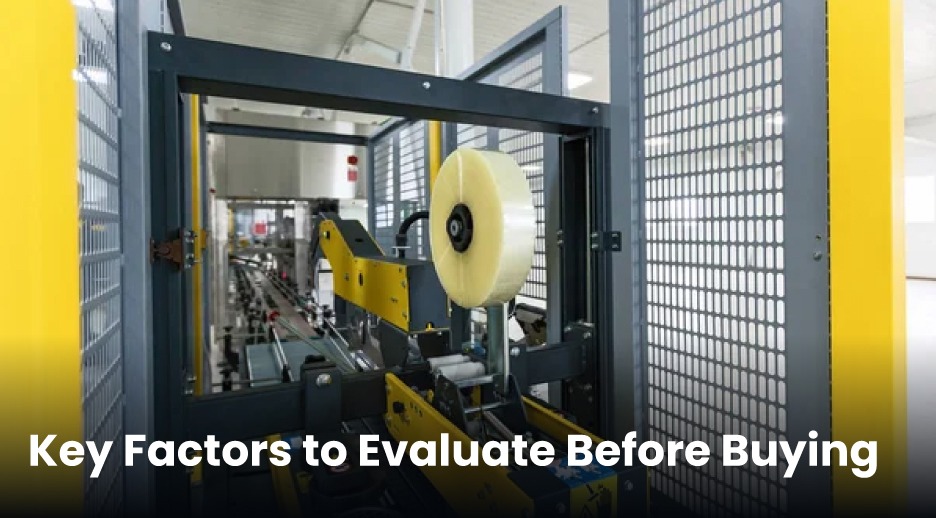
• Package dimensions and weight: The arch size must accommodate your largest package. Bandma machines are available in multiple arch configurations.
• Strapping material: PP strapping suits lighter cartons; PET strapping handles heavier loads and higher tension; steel strapping is reserved for extremely heavy or sharp-edged products.
• Speed requirements: Semi-automatic machines typically strap 20–30 packages per minute; fully automatic models can exceed 60 per minute when integrated with a conveyor.
• Seal type: Friction weld seals (no metal seal required) are faster and leave a cleaner finish. Notch seals are stronger for very high tension applications.
• Strap width: Common widths are 5 mm, 9 mm, 12 mm, and 15.5 mm. Wider straps carry more load.
• Environment: Dusty warehouses or humid cold rooms require machines built with sealed electronics and corrosion-resistant components.
Industry-Wise Recommendations
FMCG and consumer goods: Semi-automatic strapping machines with friction weld seals and 9 mm PP strapping are the standard choice. They are fast, affordable, and leave a clean finish on retail-bound cartons.
Automotive and industrial: Heavy-duty automatic strapping machines with 15.5 mm PET or steel strap are preferred. Loads are heavier and the consequences of a strap failure during transit are severe.
E-commerce and fulfilment: Semi-automatic machines are popular given the wide variety of box sizes handled. Look for quick strap-width changeover.
Paper and textiles: Horizontal strapping machines are often used to strap bundles lying flat on a conveyor. Bandma offers both vertical-arch and horizontal-arch configurations.
Total Cost of Ownership — Not Just the Sticker Price
When comparing strapping machines, it is tempting to focus on the purchase price alone. But strap consumption, maintenance frequency, spare parts availability, and after-sales support all affect the true cost over a five-year horizon.
Bandma's machines are designed with modular components that can be replaced in the field without specialist tools, and spare parts are stocked locally to minimise downtime. The company offers 24/7 after-sales support — a meaningful differentiator when a line stoppage costs more per hour than the machine is worth per day.
Quick Decision Framework
• Under 100 packages/day: Manual strapping tool
• 100 – 1,000 packages/day: Semi-automatic strapping machine
• 1,000 – 5,000+ packages/day: Fully automatic strapping machine integrated with conveyor
• Mixed sizes, frequent changeovers: Semi-automatic with adjustable arch
• Heavy loads over 50 kg: PET or steel strap, heavy-duty machine
Ready to specify the right strapping machine for your line? Contact Bandma for a free consultation and demo.