

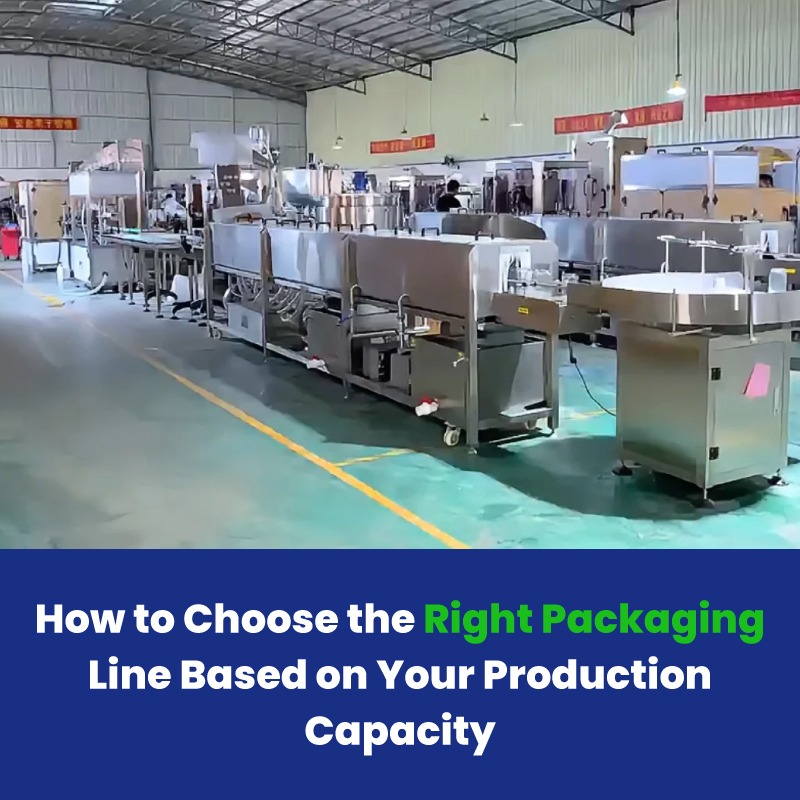
Selecting the right packaging line is one of the most important decisions for any manufacturing business. A packaging line that matches your production capacity helps improve efficiency, reduce operational costs, and ensure products are packaged consistently. On the other hand, choosing equipment that is too small can slow down production, while investing in oversized machinery may lead to unnecessary expenses.
Before purchasing packaging equipment, manufacturers should carefully evaluate their production needs, business goals, and future expansion plans. A well-planned packaging line not only supports current operations but also prepares your business for long-term growth.
Understand Your Production Volume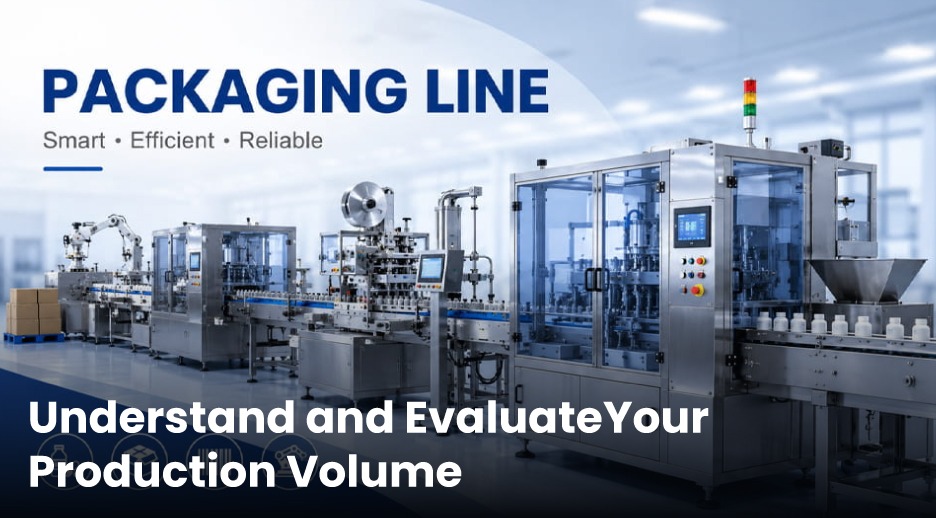
The first step is to determine how many products your factory produces every hour or every day. Your packaging line should be capable of handling the same production output without creating delays.
For example, if your production line manufactures 1,000 cartons per hour, your packaging equipment should have the capacity to package the same quantity efficiently. Matching production and packaging speeds prevents bottlenecks and keeps operations running smoothly.
Evaluate Your Product Type
Different products require different packaging methods. Factors such as product size, weight, shape, and fragility play a major role in selecting the right equipment.
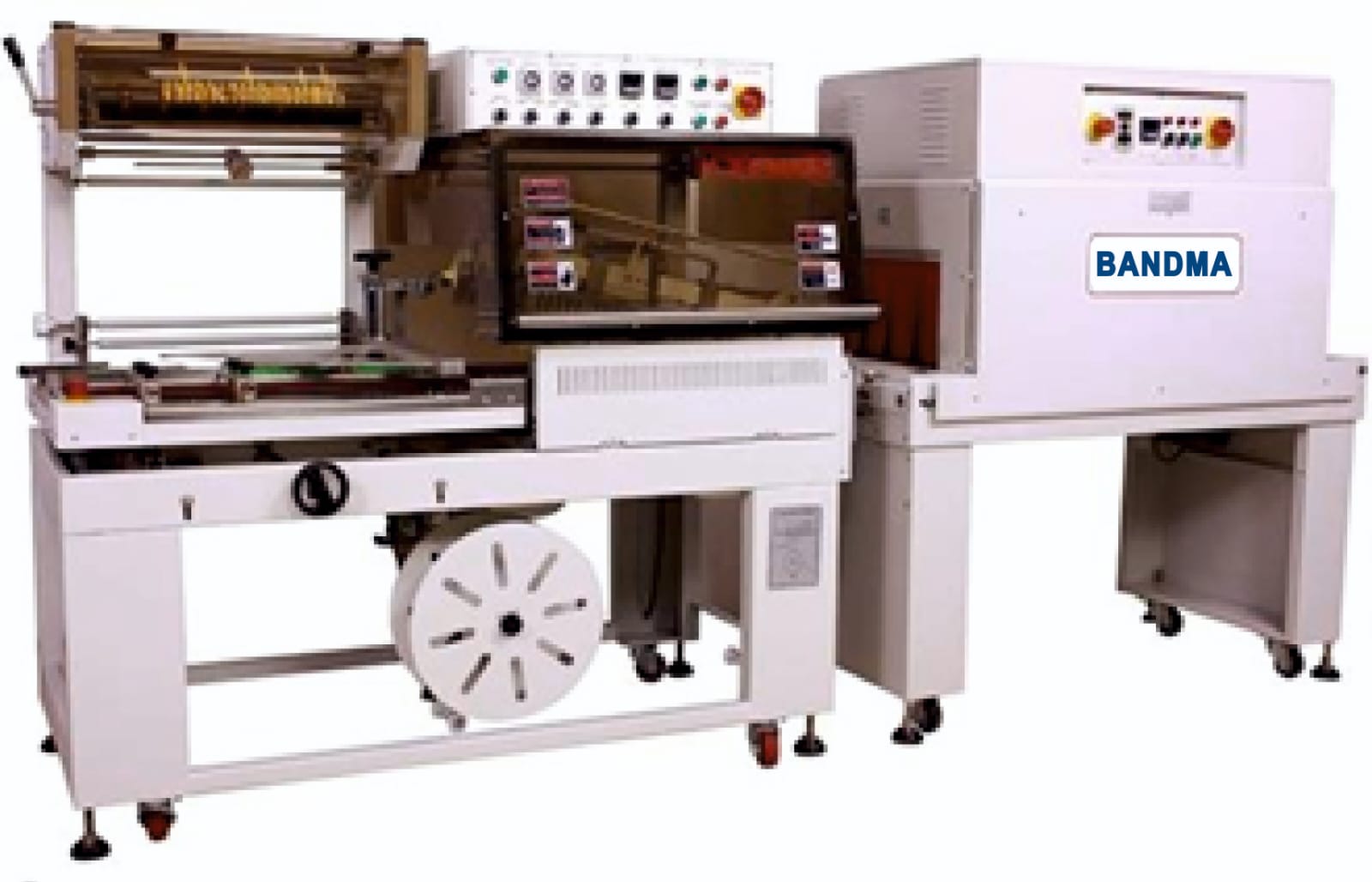
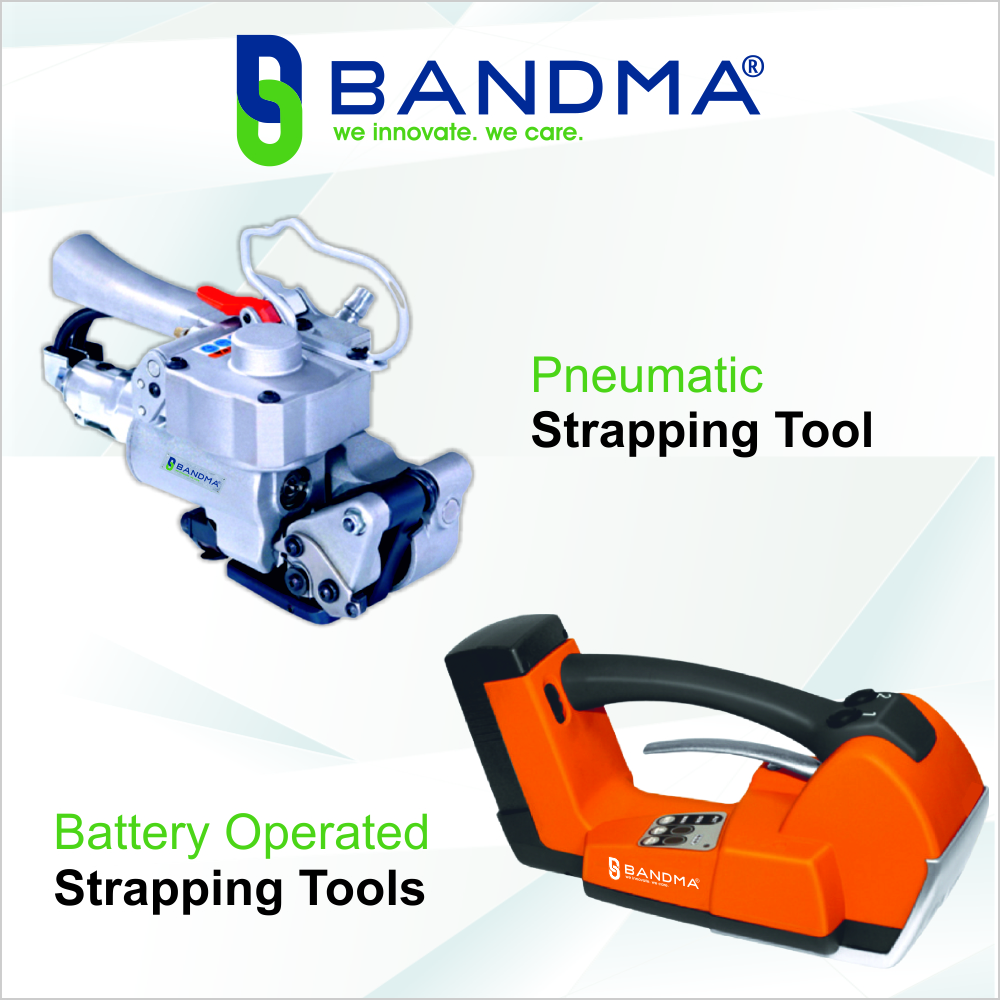
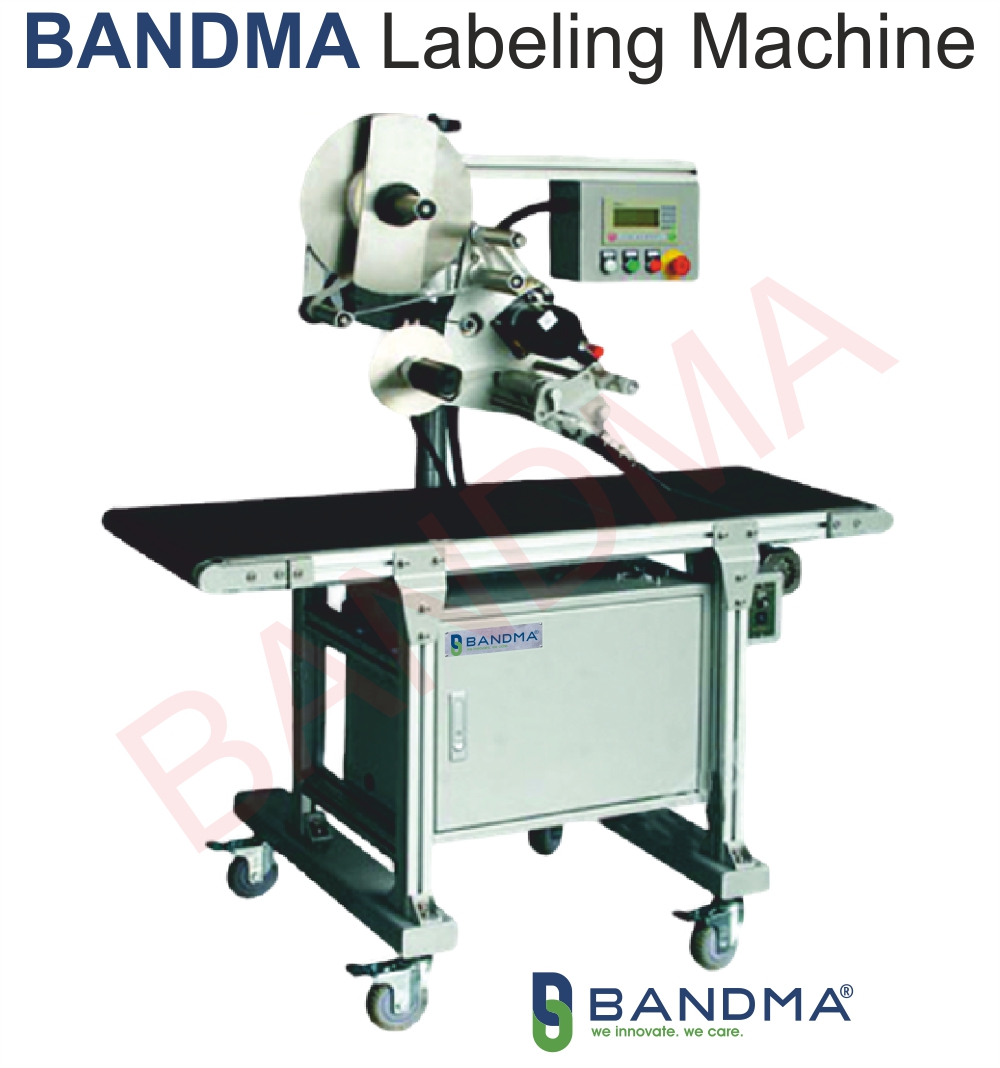
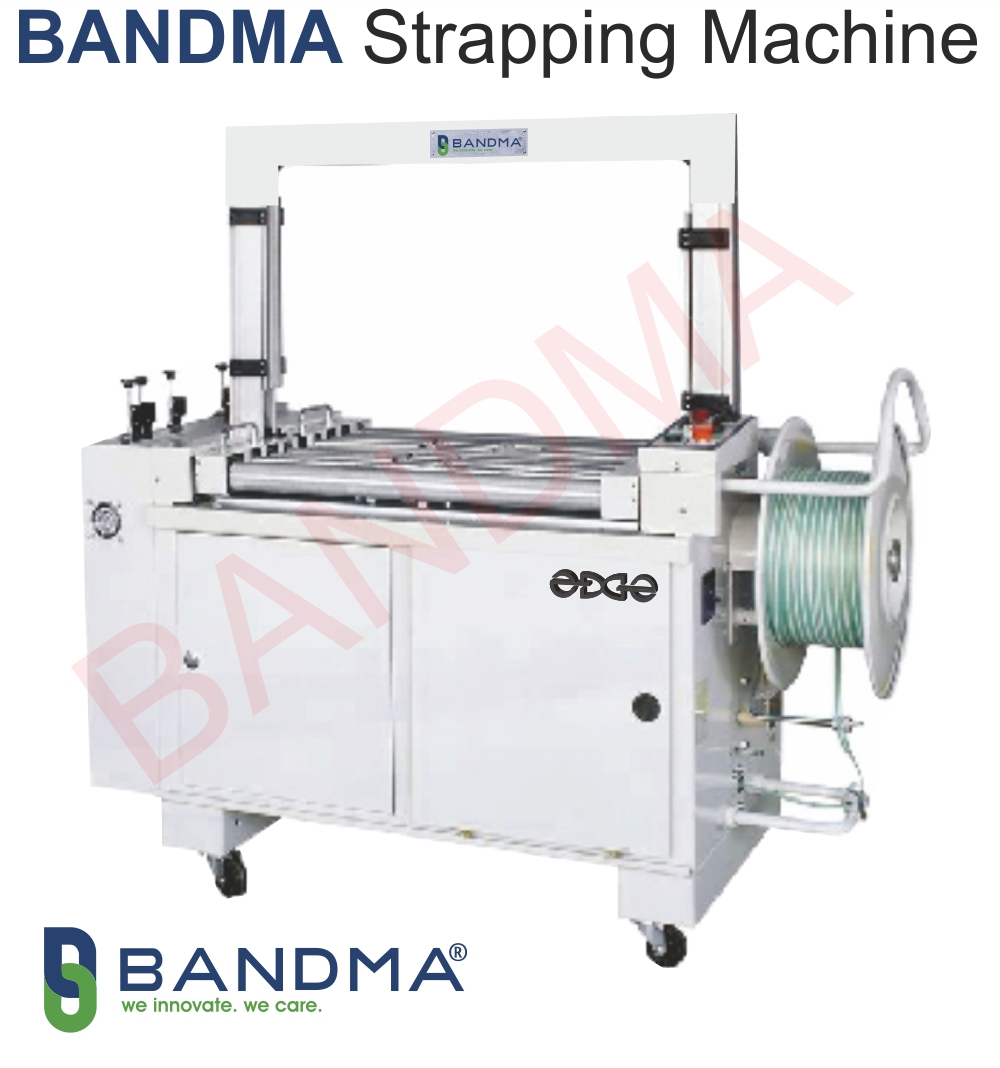
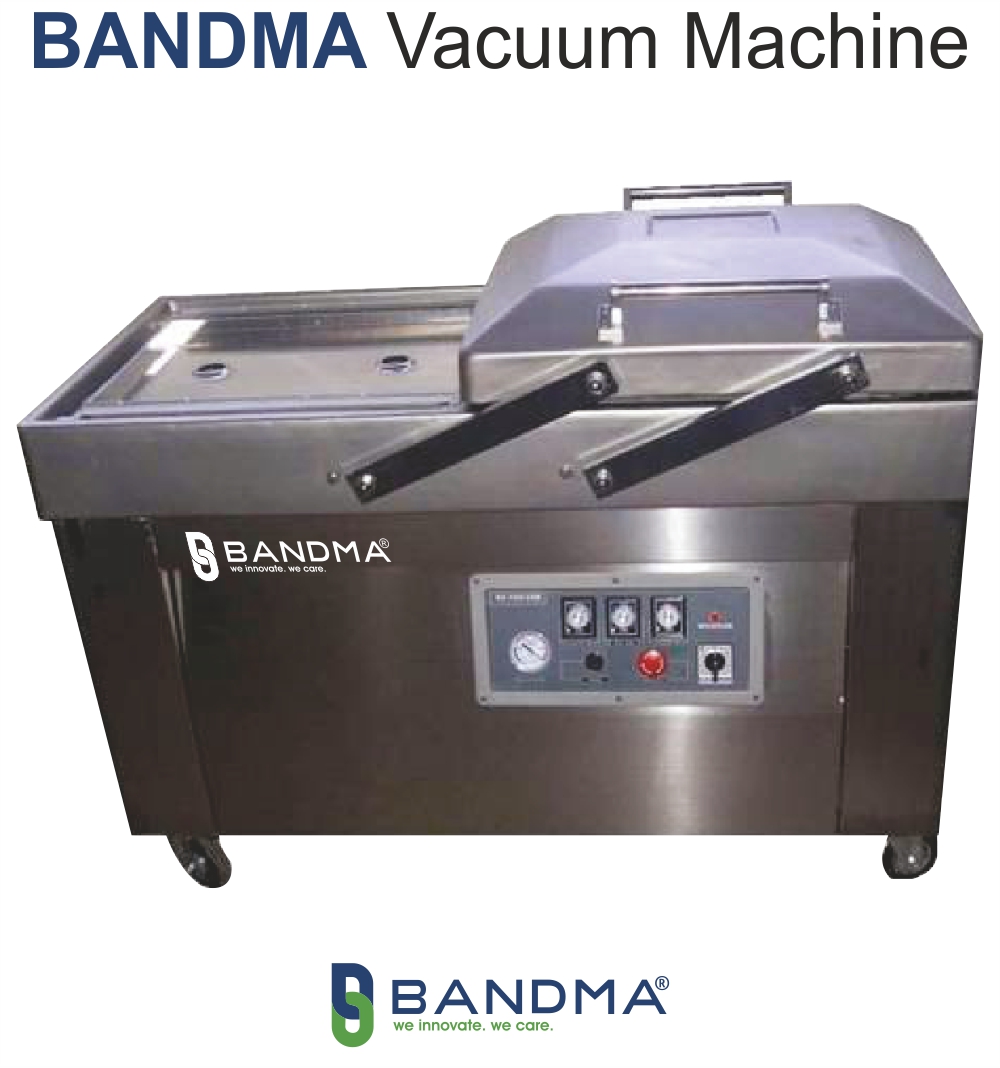
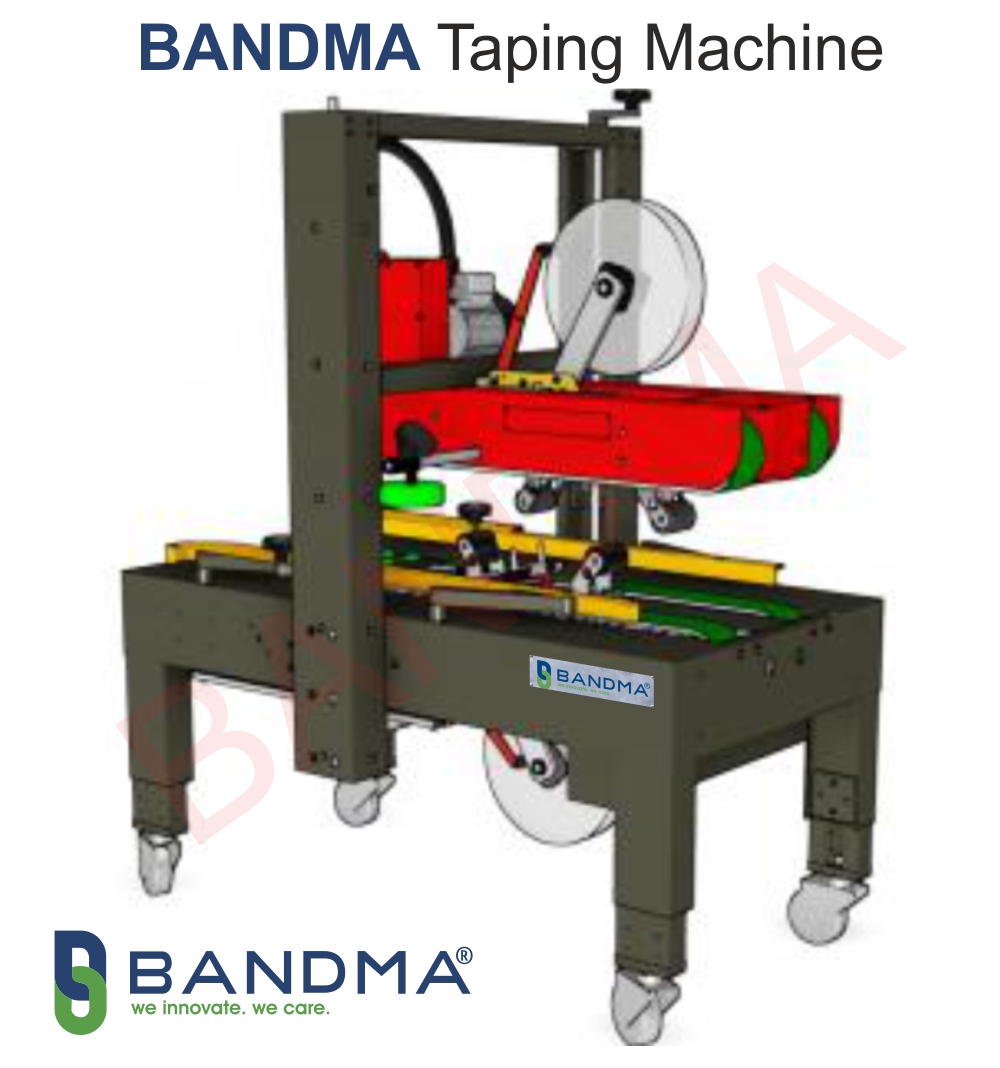
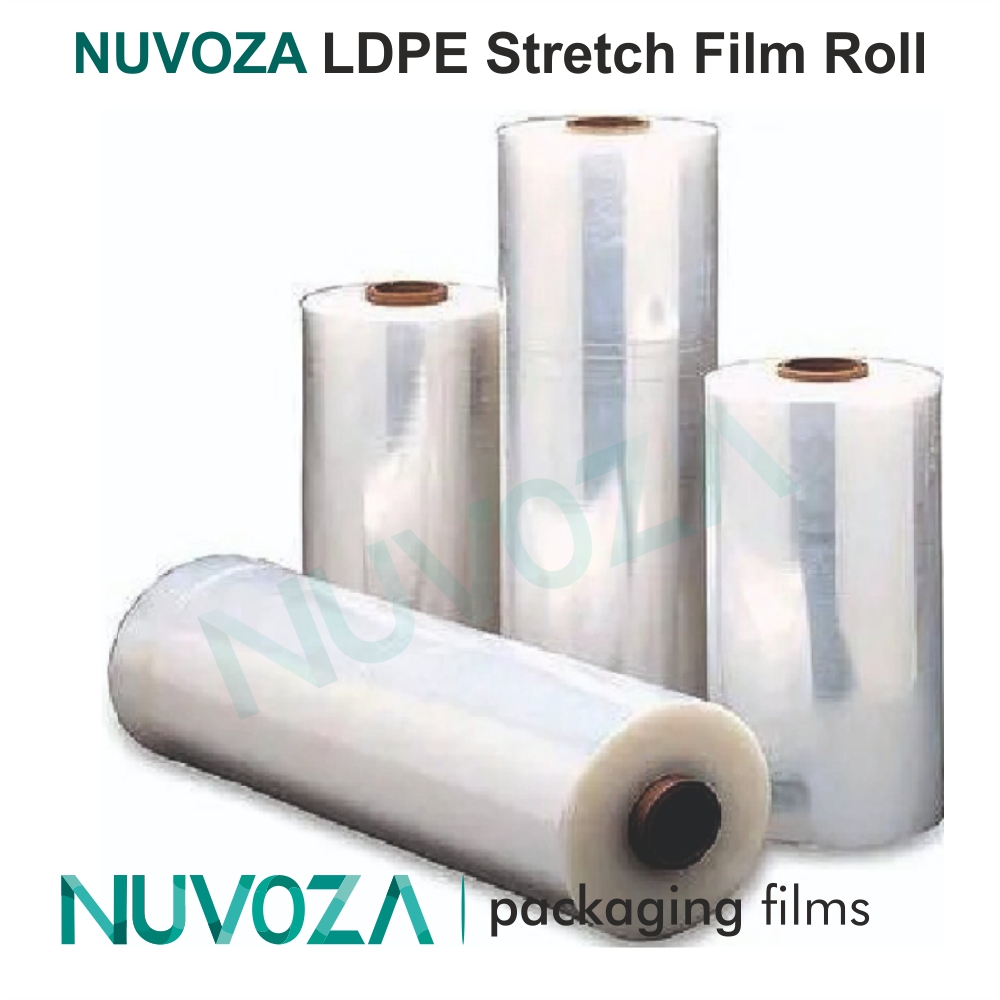
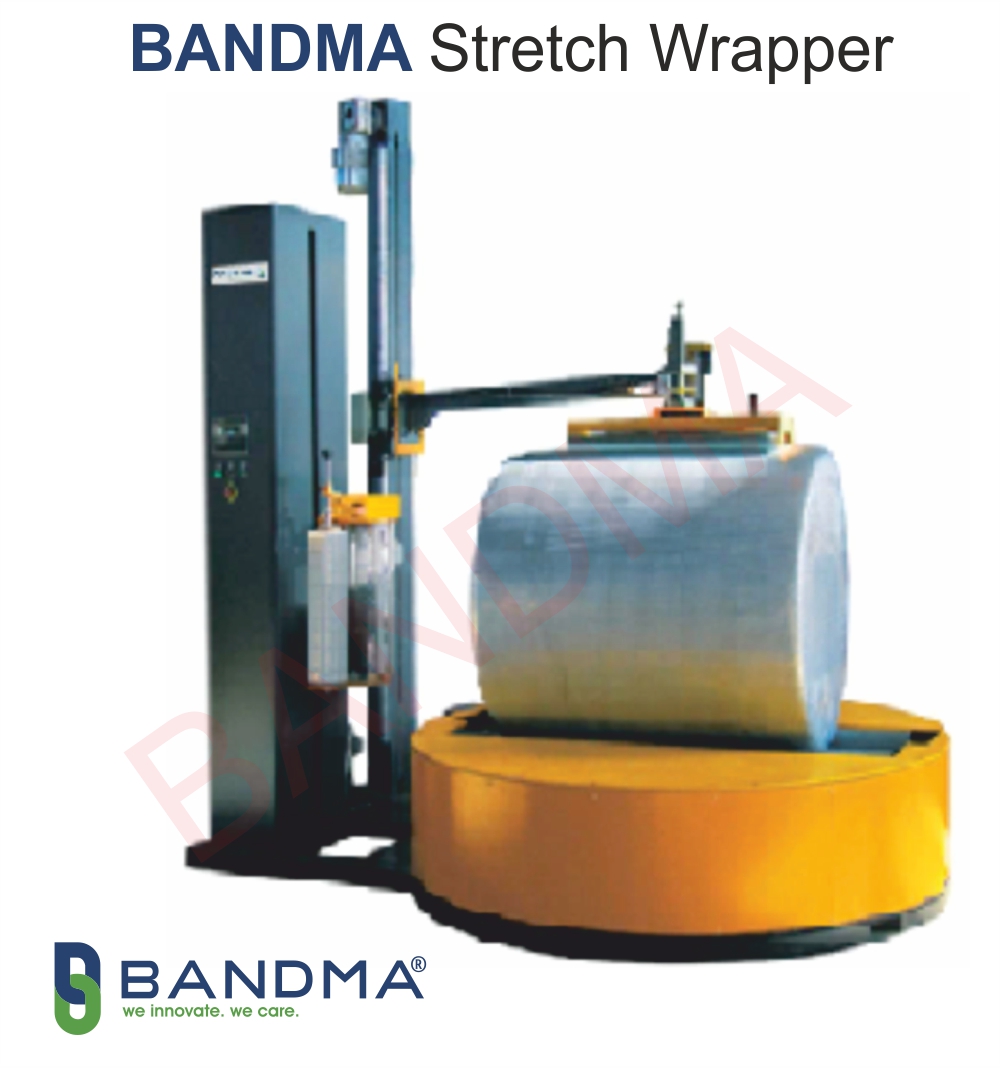
For lightweight cartons, a carton sealing machine may be sufficient. Heavy products often require automatic strapping for additional security, while palletized goods usually need stretch wrapping before transportation. Understanding your product characteristics helps you choose the most suitable packaging solution.
Decide Between Manual, Semi-Automatic, and Automatic Systems
Every business has different production requirements.
Manual packaging is suitable for low production volumes and startups with limited budgets. However, it requires more labour and may reduce efficiency as demand grows.
Semi-automatic packaging systems offer a balance between cost and productivity. They are ideal for small and medium-sized businesses looking to improve packaging speed without a significant investment.
Fully automatic packaging lines are designed for high-volume manufacturers. These systems minimize manual intervention, increase production speed, and deliver consistent packaging quality throughout the day.
Choosing the right level of automation depends on your current production volume and future business plans.
Consider Future Business Growth
Many companies purchase packaging equipment based only on their current production needs. However, businesses often expand over time, increasing production capacity.
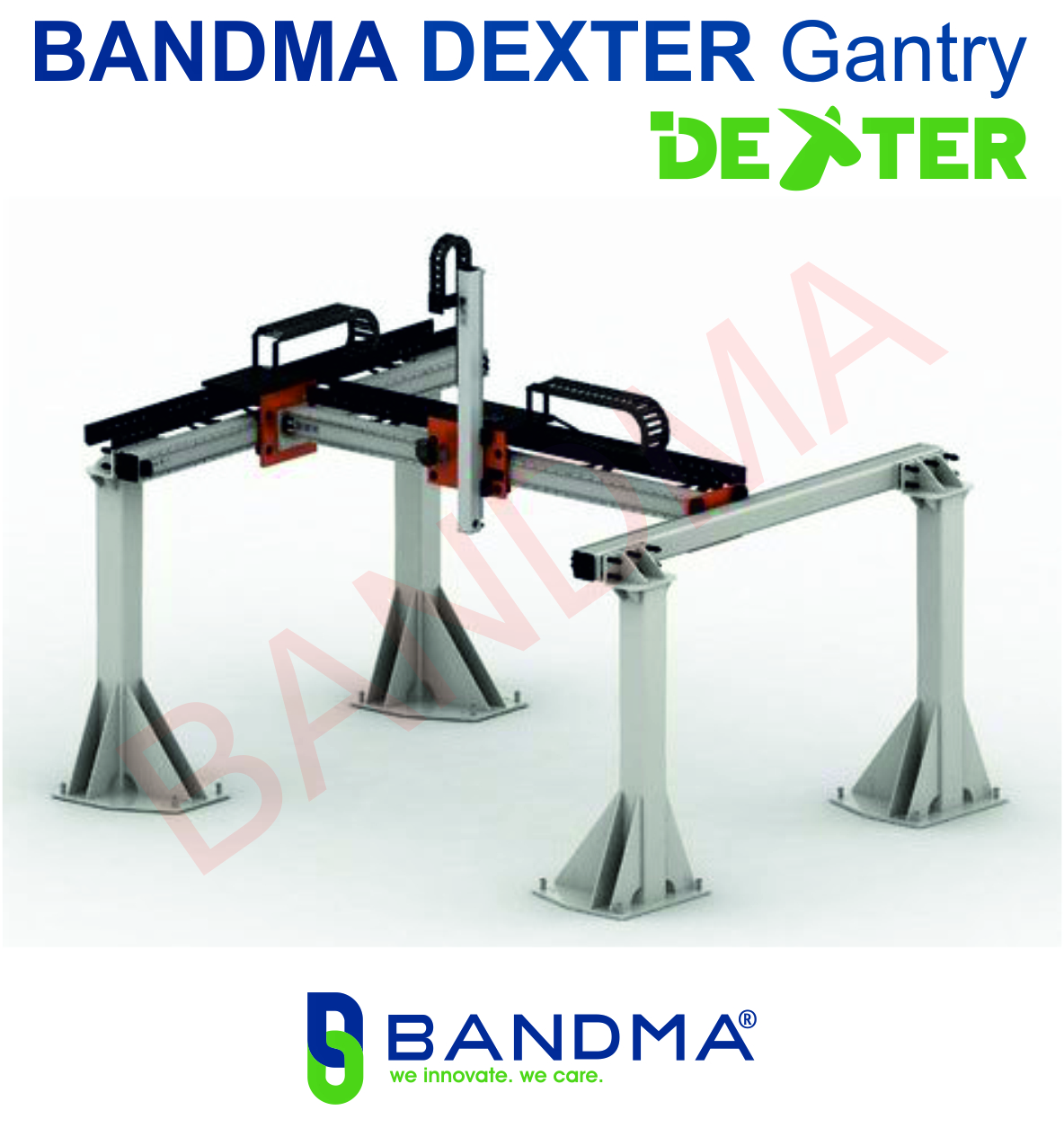
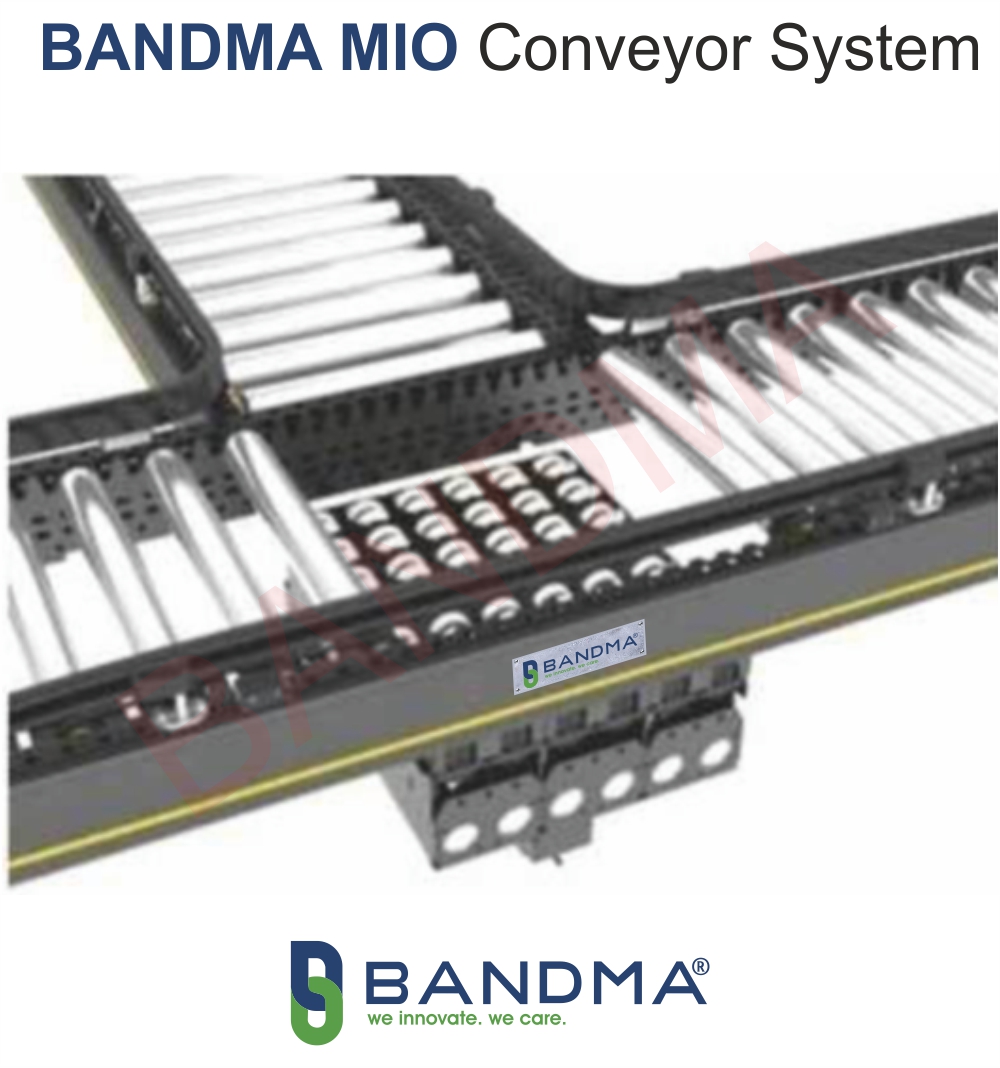
Selecting scalable equipment allows you to add conveyors, automatic sealing, strapping, or pallet wrapping systems later without replacing your entire packaging line. Planning for future growth helps save both time and investment.
Optimize Factory Layout
Available floor space should always be considered before installing new packaging equipment.
A properly designed layout allows products to move smoothly from production to packaging and dispatch. Efficient equipment placement reduces unnecessary product handling, improves workflow, and makes maintenance easier.
An organized packaging area also enhances workplace safety and operational efficiency.
Focus on Speed and Consistency
Packaging quality is just as important as production speed. Customers expect every package to be securely sealed, properly strapped, and safely wrapped before delivery.
Modern packaging machines provide consistent performance by applying the correct sealing pressure, strapping tension, and wrapping pattern for every package. This consistency reduces product damage during transportation and improves customer satisfaction.
Calculate the Total Cost of Ownership
The purchase price is only one part of the investment. Manufacturers should also consider operating costs such as electricity consumption, maintenance, spare parts, labour requirements, and packaging material usage.
A machine with a slightly higher initial investment may provide lower operating costs over its lifetime, making it a better long-term choice.
Evaluating the total cost of ownership helps businesses make more informed purchasing decisions.
Choose Reliable Equipment and Service Support
Reliable machinery ensures uninterrupted production and reduces unexpected downtime. It is equally important to select equipment that offers easy maintenance, readily available spare parts, and dependable technical support.
Strong after-sales service helps businesses resolve issues quickly and maintain smooth production operations.
Conclusion
Choosing the right packaging line requires careful planning and a clear understanding of your production capacity, product requirements, factory layout, and future growth plans. Investing in equipment that matches your operational needs improves productivity, reduces packaging costs, and delivers consistent packaging quality.
A well-designed packaging line is more than just a collection of machines—it is a long-term investment that supports business expansion, enhances efficiency, and helps manufacturers meet growing customer demands with confidence.