








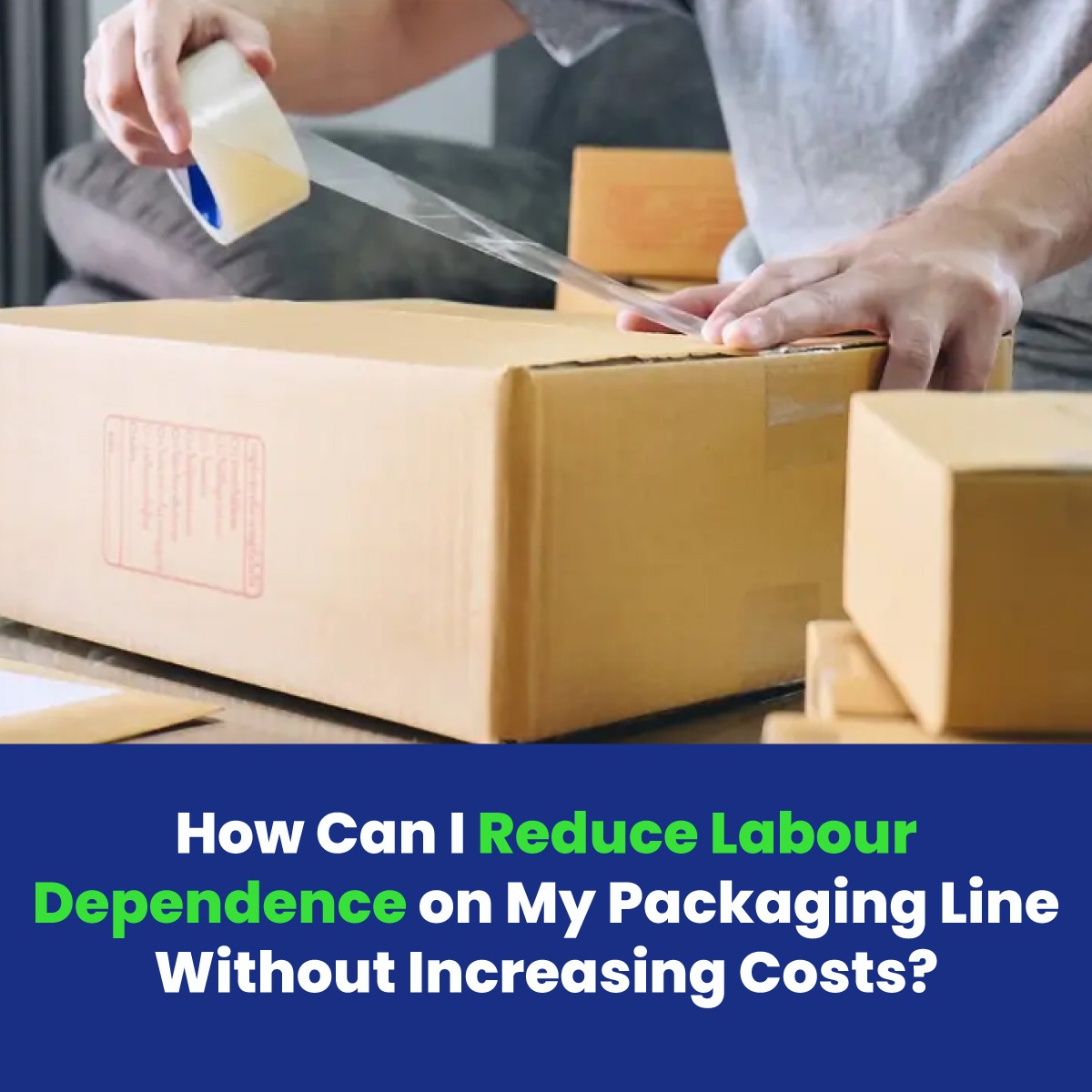
Labour shortage has become one of the biggest challenges for factories today. Skilled operators are difficult to find, harder to retain, and often rotate between jobs. When your packaging line depends heavily on manual labour, even two absentees can slow down dispatch, delay shipments, and disrupt production flow.
But the real question every production manager asks is this:
“How do I reduce labour dependency without increasing my costs?”
Because automation sounds great until management asks about the budget.
The good news is: cost-effective strategies do exist.
Let’s break it down.
1. First, Identify the Labour-Heavy Tasks (Most Factories Don’t Do This)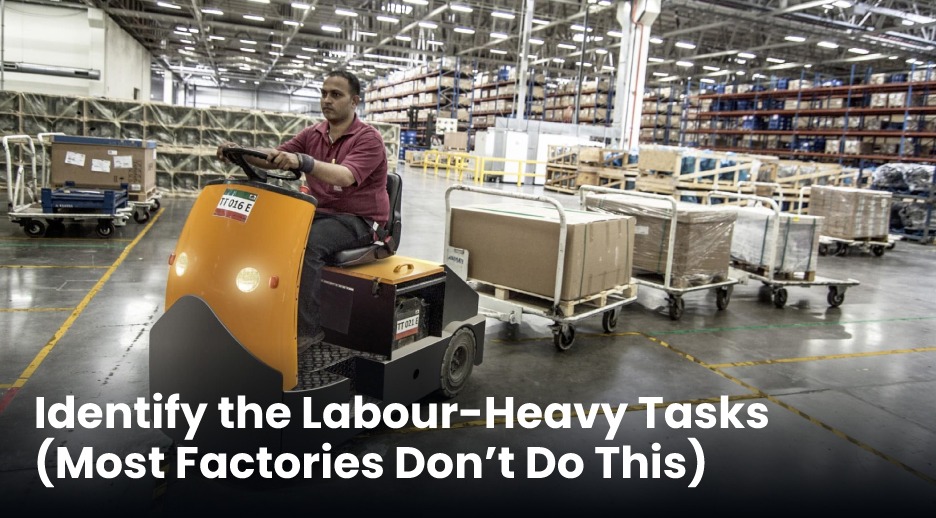
Every packaging line has 4–5 tasks that consume the most manpower.
These usually include:
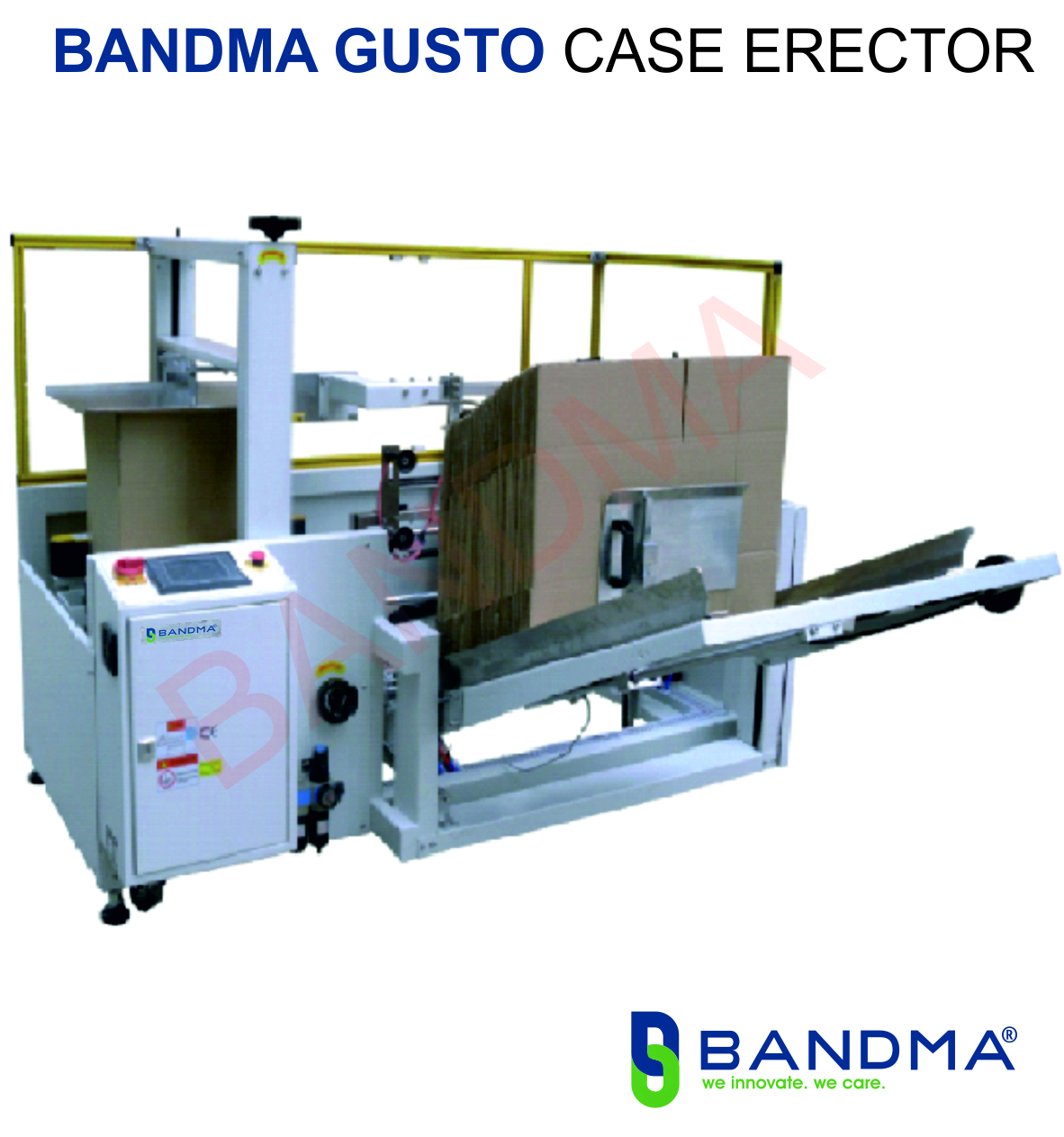
Carton forming
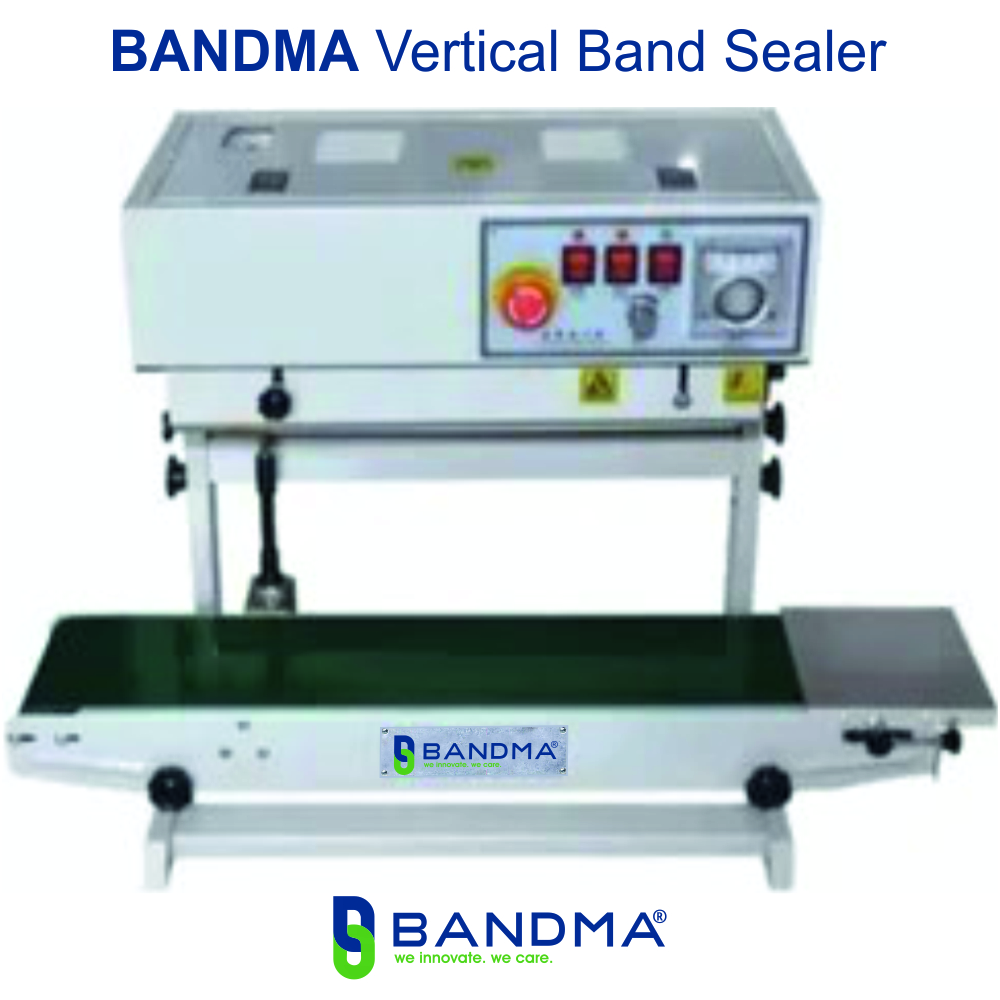
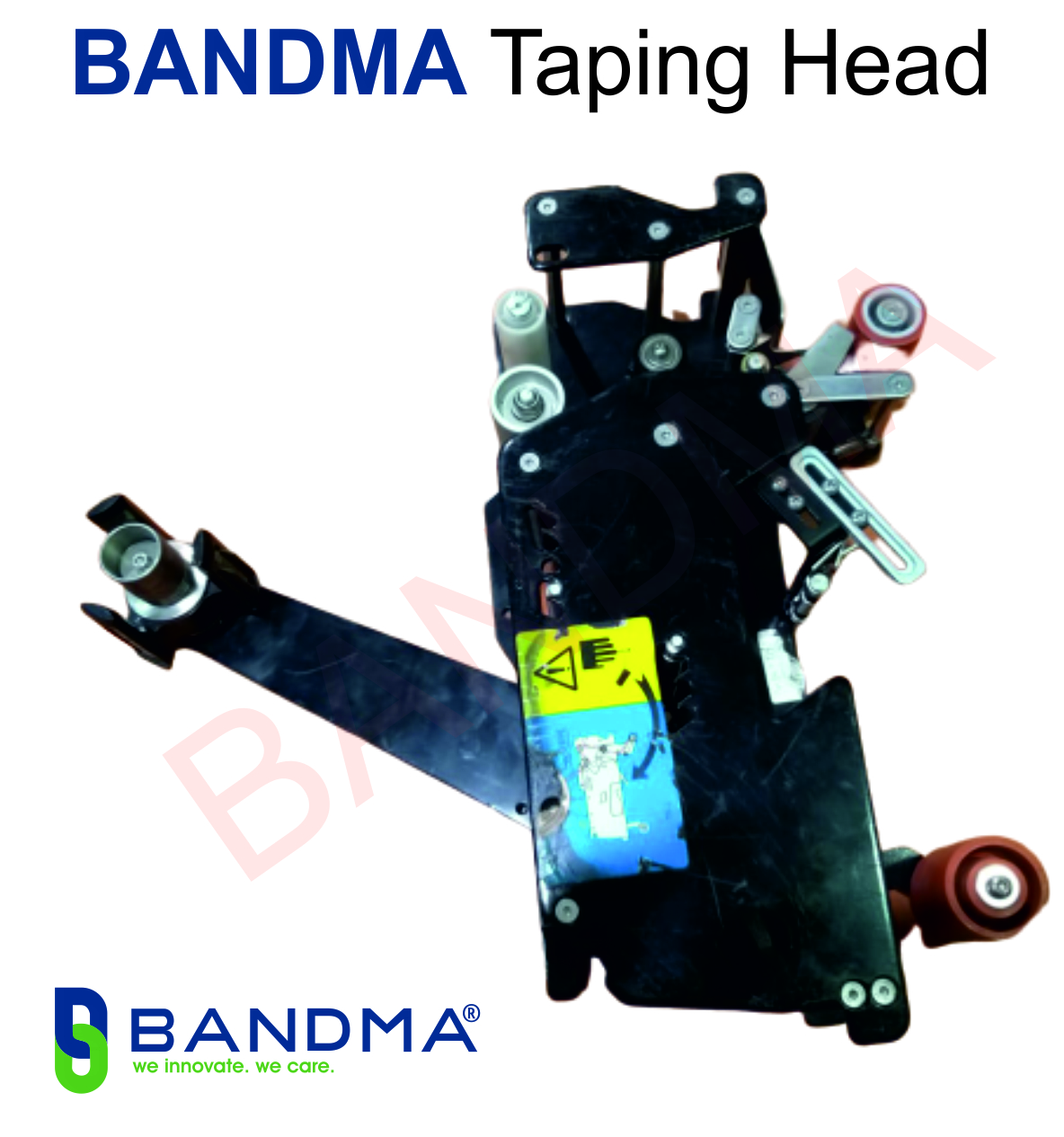
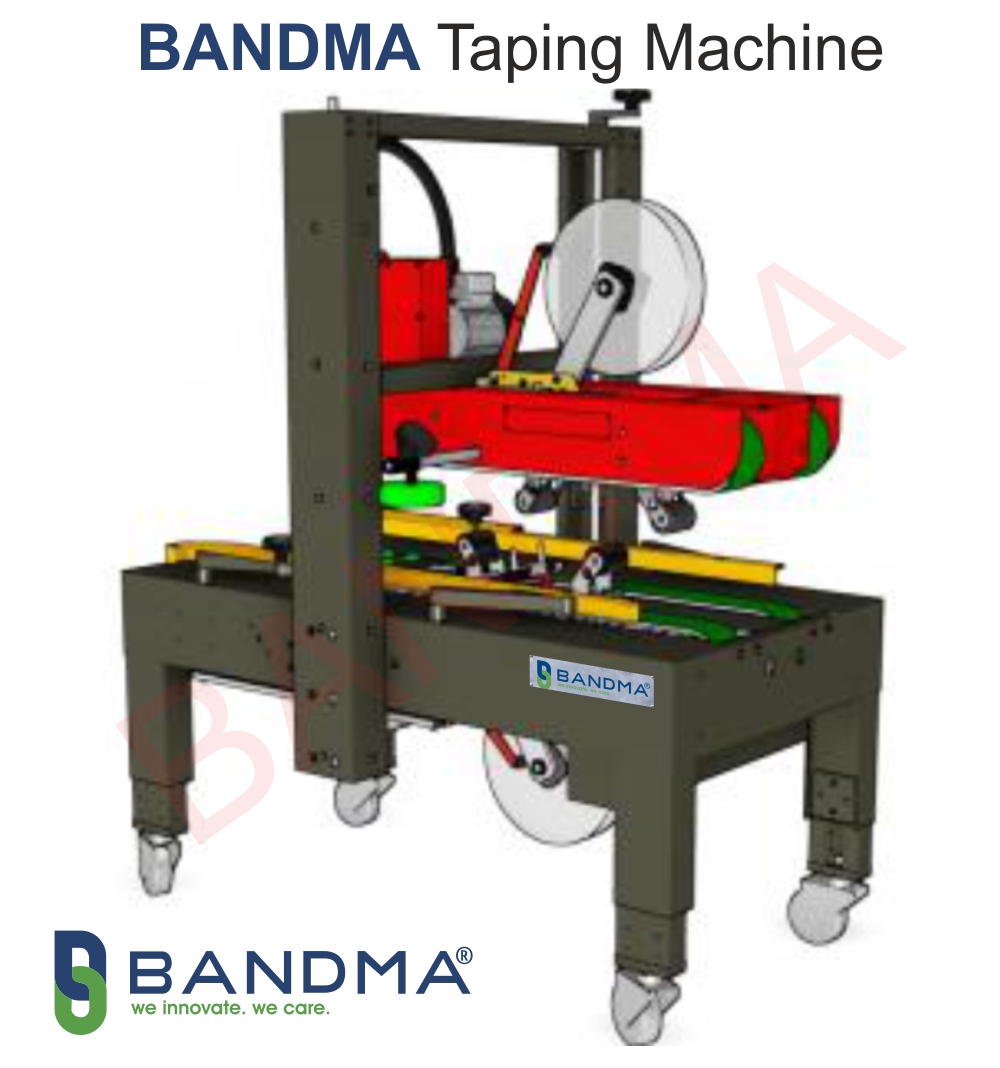
Taping and sealing
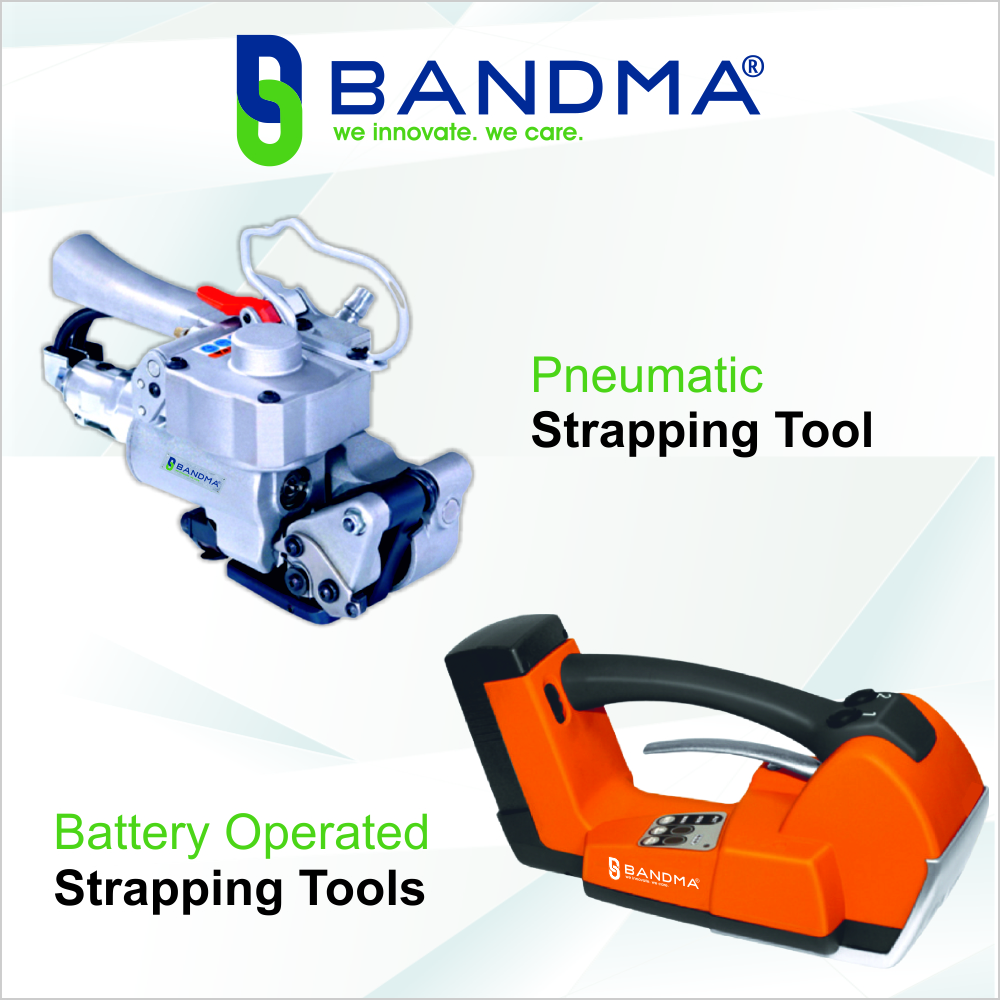
Strapping
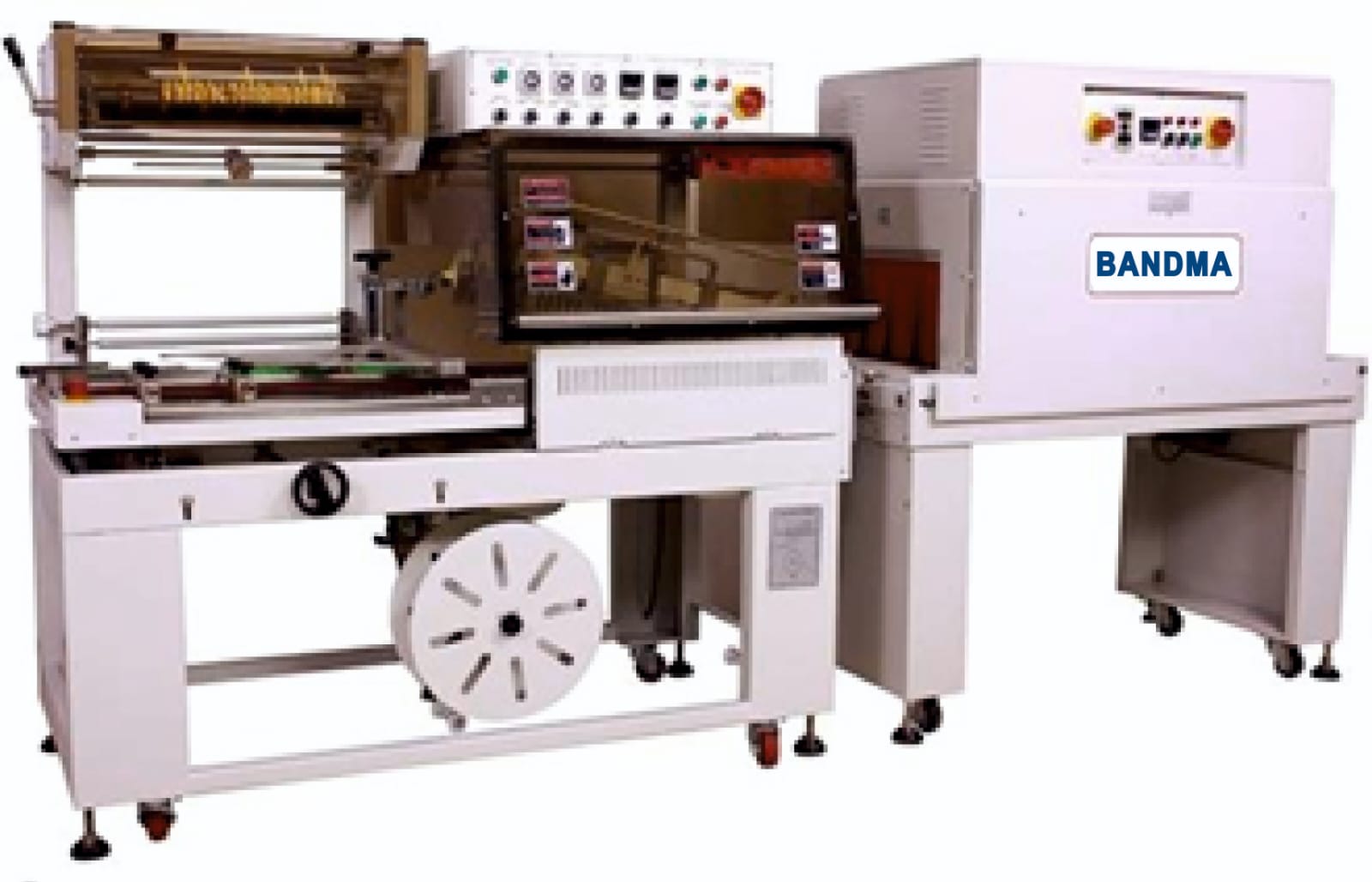
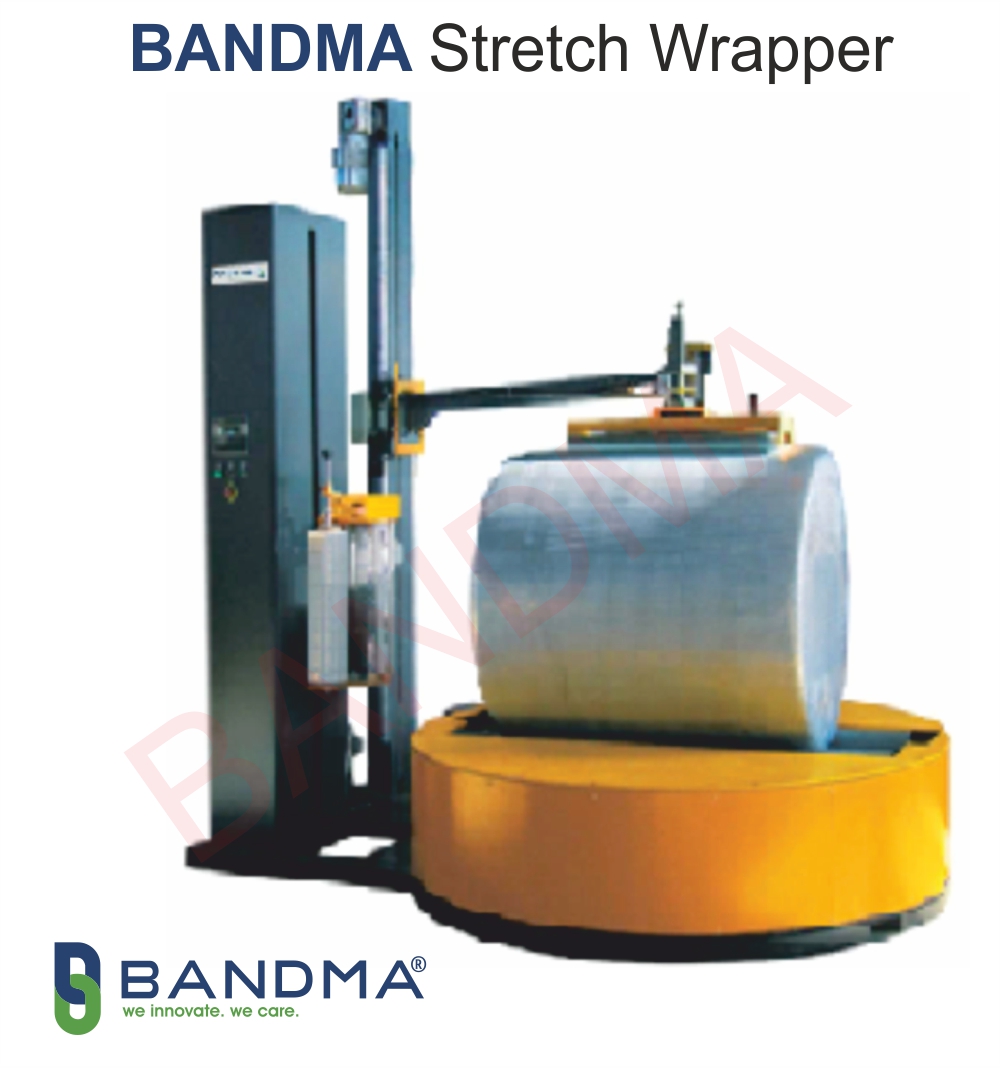
Shrink wrapping or stretch wrapping
Manual material movement
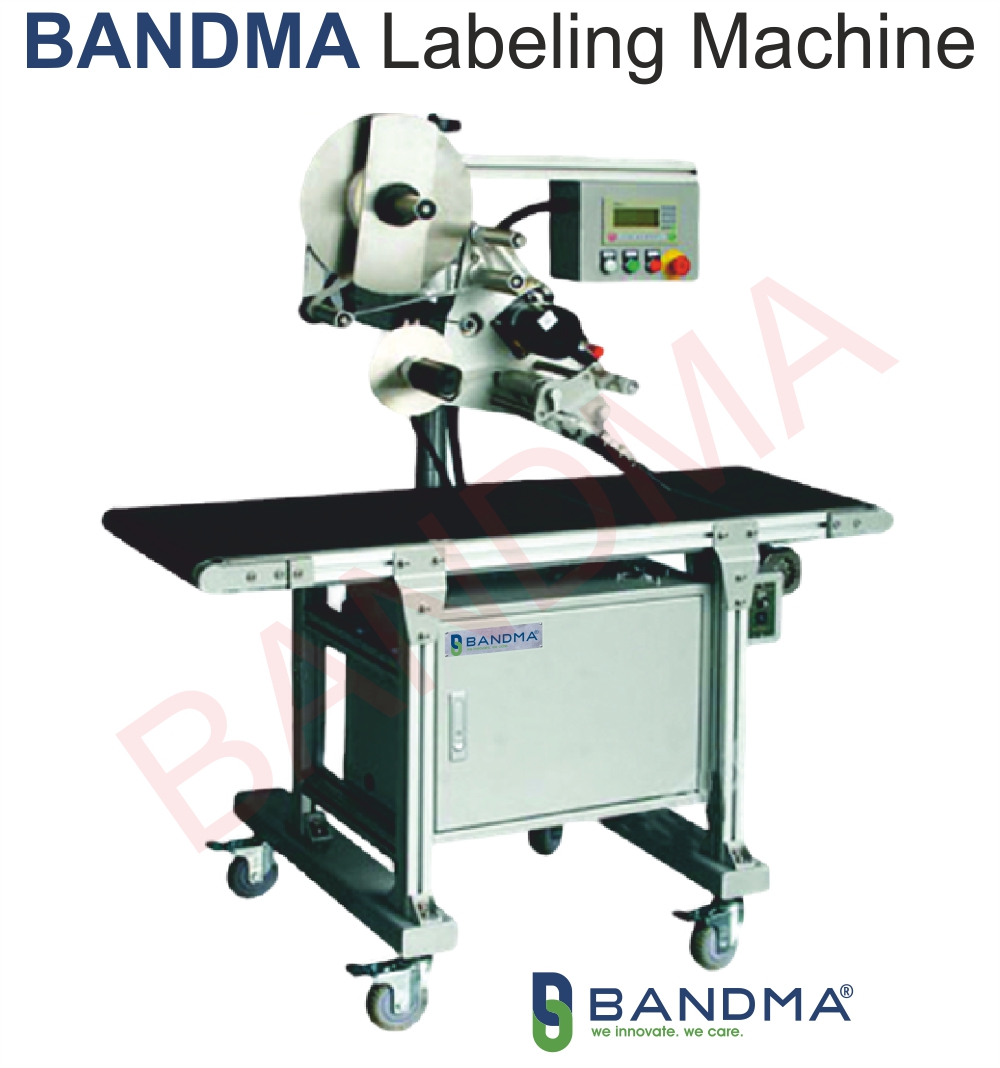
Labelling and weighing
If you map your process for just one shift, you’ll find that 60–70% of labour is stuck on repetitive, low-skill tasks.
These are exactly the tasks that can be automated cheaply—without upgrading your entire line.
2. Automate the “Micro Tasks,” Not the Full Line
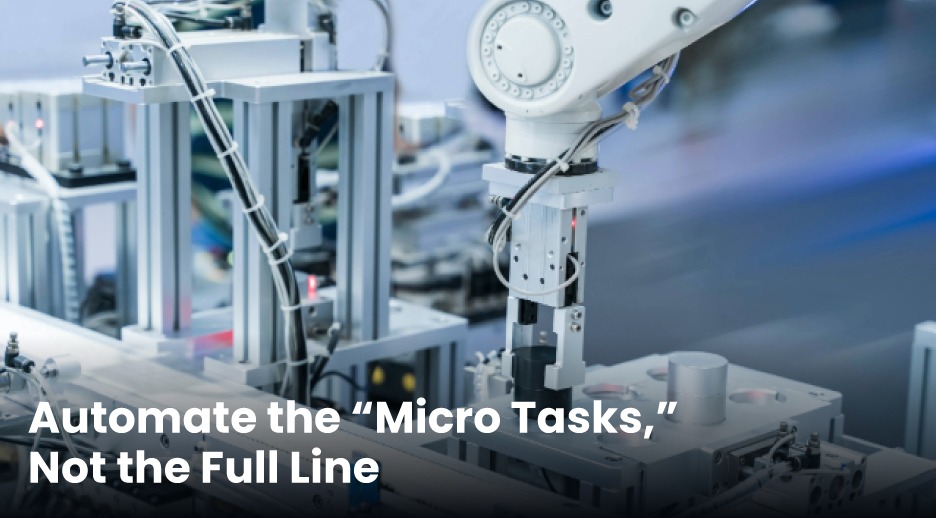
Factories often think automation means crores of investment.
But real cost savings happen by automating small repetitive activities.
Example:
A simple case erector can replace 2–3 people who only fold boxes.
A carton sealer replaces 1–2 people taping cartons all day.
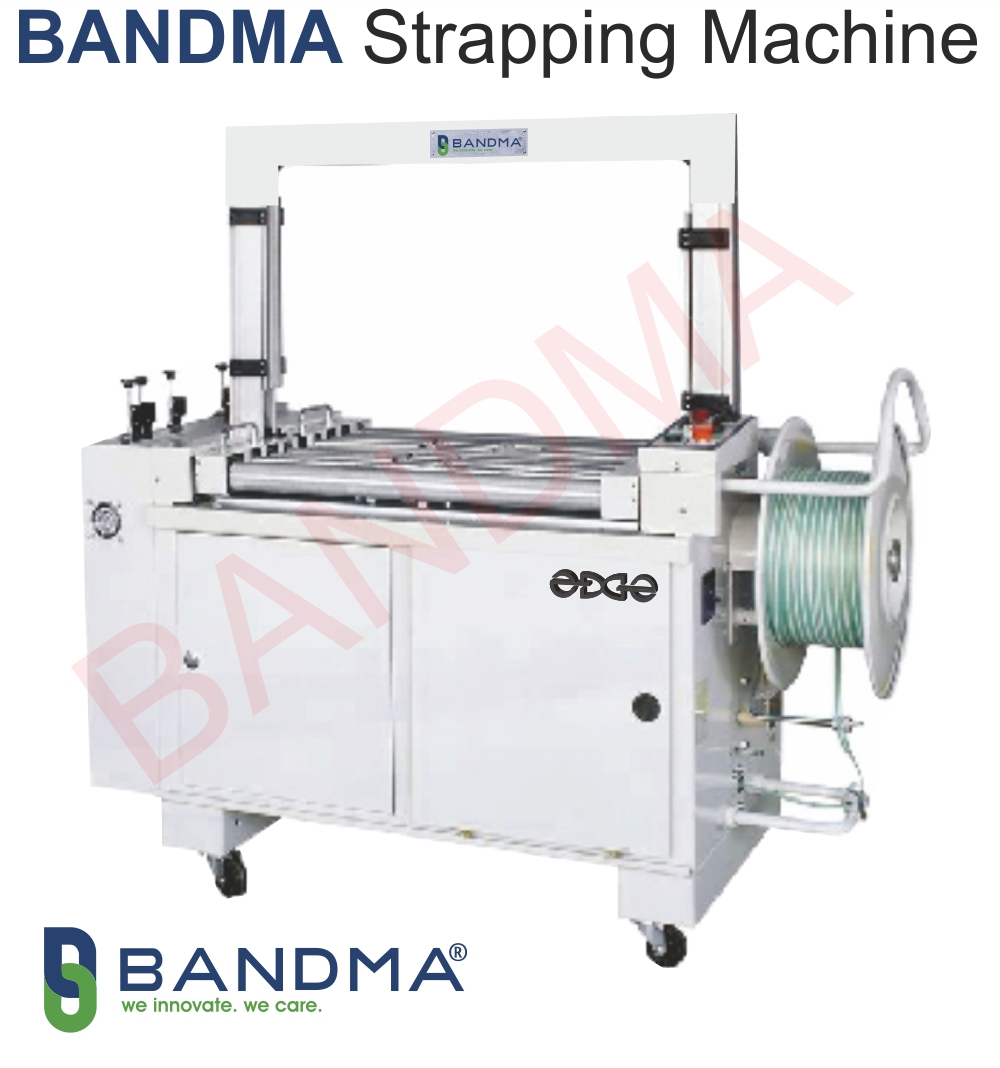
A semi-automatic strapping machine reduces manual tensioning time and operator fatigue.
These machines cost far less than full-line automation but eliminate major labour dependency.
Small automation = big impact.
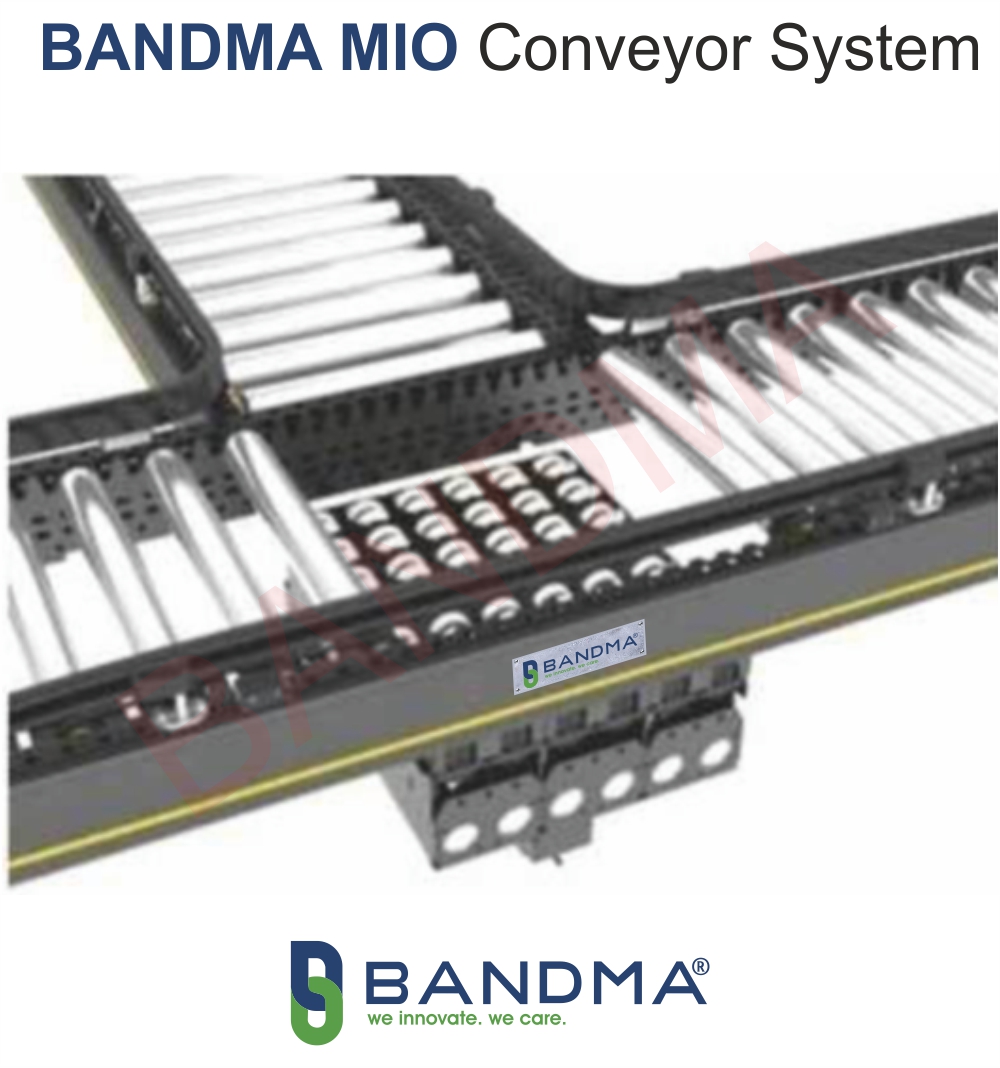
3. Use Conveyors to Remove “Unnecessary Labour Movements”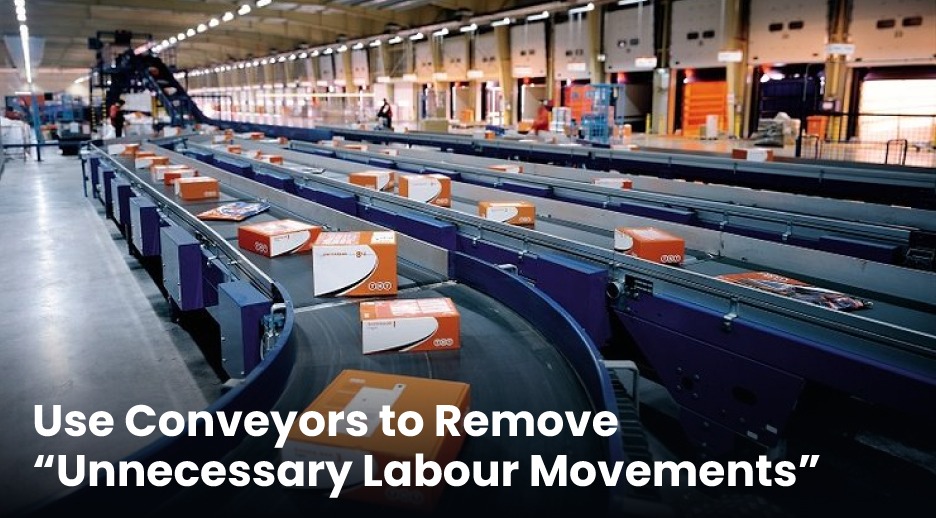
One of the highest hidden costs in packaging is people walking around.
Operators carry cartons from one station to another, move material manually, or shift pallets without proper equipment.
This wastes time + increases fatigue + reduces throughput.
A simple roller conveyor or belt conveyor reduces:
Walking distance
Idle time
Handling effort
Occupational injuries
This directly improves productivity without adding new manpower.
Conveyors are one of the lowest-cost ways to reduce labour load.
4. Switch to Pre-Set, Auto-Adjustable Machines Where Possible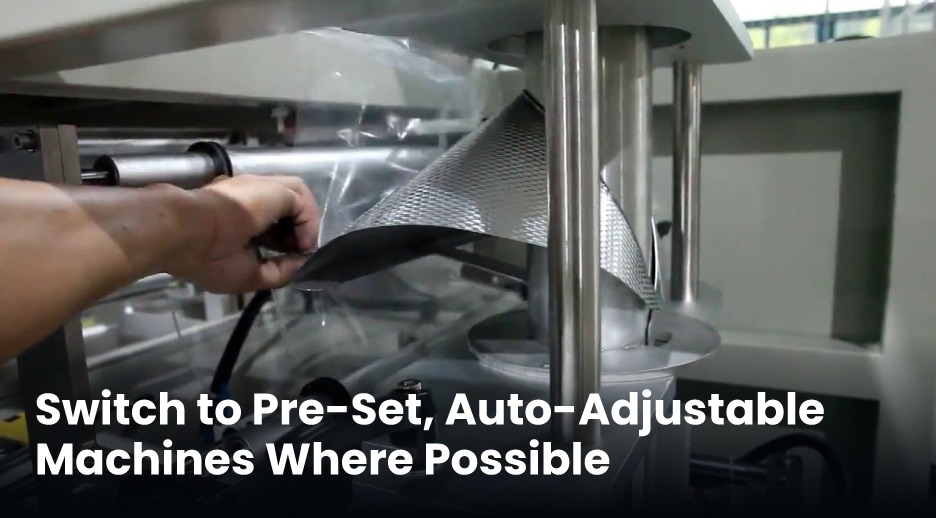
Many factories lose labour efficiency because operators constantly adjust machine settings.
Tape tension
Strap tightness
Conveyor speed
Heater temperature
These micro-adjustments slow down the line and require skilled operators.
Today’s packaging machines often come with:
Auto tension control
Sensor-based adjustments
Error alerts
Pre-set modes for different carton sizes
This reduces the need for skilled labour and makes the line operator-friendly.
5. Reduce Rework — It Consumes More Labour Than You Realise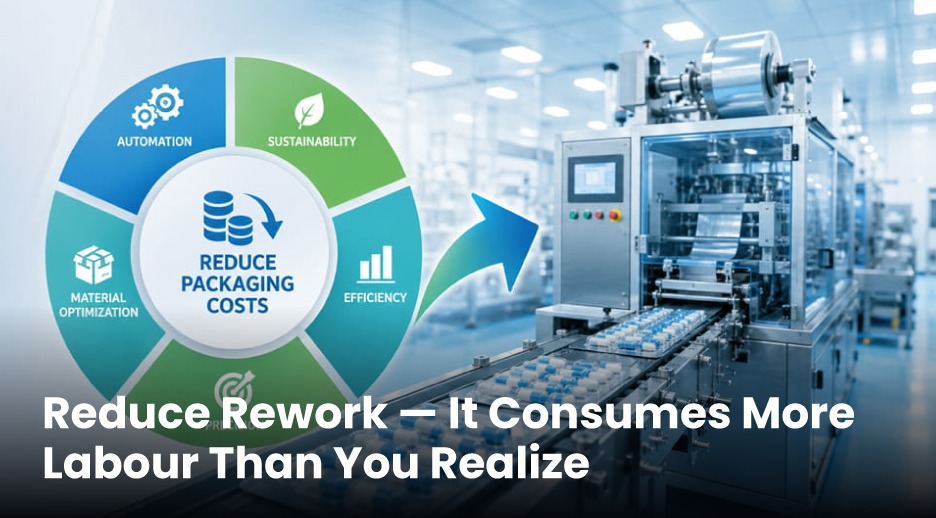
Most factories underestimate how much time is wasted on rework:
Retaping opened cartons
Rewrapping unstable pallets
Re-strapping loose bundles
Overfilled or underfilled boxes
Damaged cartons that need repacking
Rework consumes manpower silently.
By improving sealing consistency, strapping tension, pallet stability, and carton quality, you reduce rework significantly—
which indirectly reduces labour requirements.
In short:
Fix the process → reduce the workload → reduce labour.
6. Preventive Maintenance Saves Labour Headaches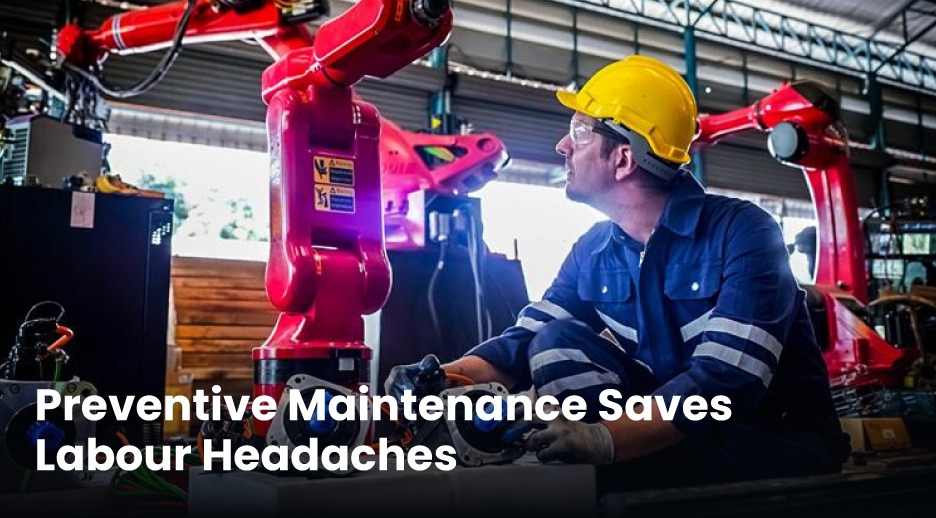
When a tape machine jams or a strapping machine stops, you need an operator to fix it.
If it happens frequently, you need more operators just to keep things running.
A simple preventive maintenance routine:
Lubrication
Cleaning
Belt alignment checks
Blade replacement
Sensor calibration
…can keep machines running smoothly and cut labour dependency dramatically.
Stable machines = fewer operators needed.
7. Train Operators to Multi-Skill Themselves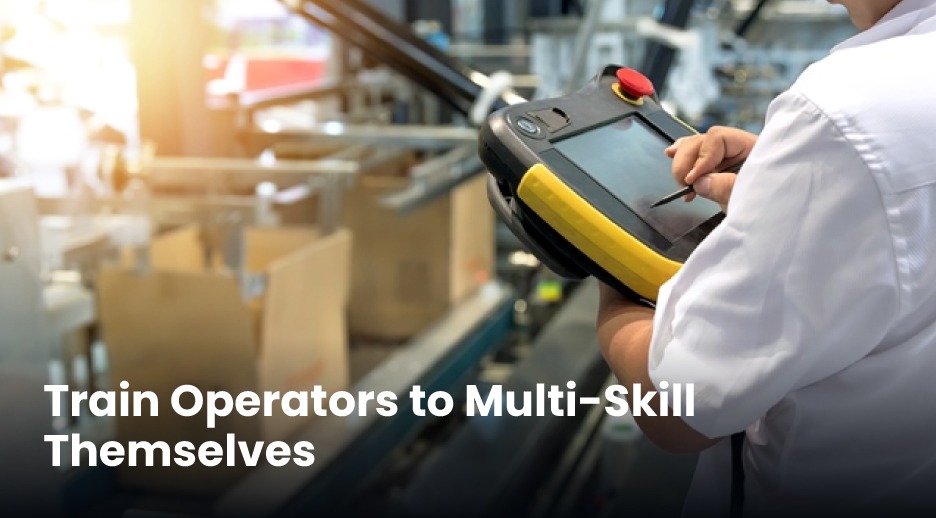
You don’t always need more people.
You need smarter task allocation.
If one operator can:
Run a case sealer
Monitor a wrapper
Handle minor machine adjustments
…you reduce dependency on multiple dedicated operators.
Multi-skilling is a free strategy that reduces labour needs without raising costs.
8. Evaluate the ROI: Automation Usually Pays for Itself in Months
Factories hesitate to invest in automation because of the upfront cost.
But labour cost is a recurring monthly expense.
Even a ₹50,000–₹2 lakh machine that removes 1–2 operators usually pays back within:
6–12 months for small machines
12–18 months for medium systems
After that, the savings are pure profit.
Final Thought
Reducing labour dependence is not about replacing people.
It’s about eliminating repetitive tasks, cutting rework, and stabilising operations.
When you automate the right sections,
not the whole factory, you save cost, reduce manpower pressure, and make your packaging line more reliable.
Less labour doesn’t mean higher cost.
It means a smarter workflow.