



















May is one of the hardest months for Indian packaging operations. Temperatures cross 40 degrees in most industrial belts, humidity climbs, and many categories of beverages, FMCG, and agri-products hit their seasonal demand peak all at once. The packaging line that worked fine in February starts showing cracks in May.
Here are the most common summer packaging problems and what to do about each of them.
Heat Affects Adhesives and Tape

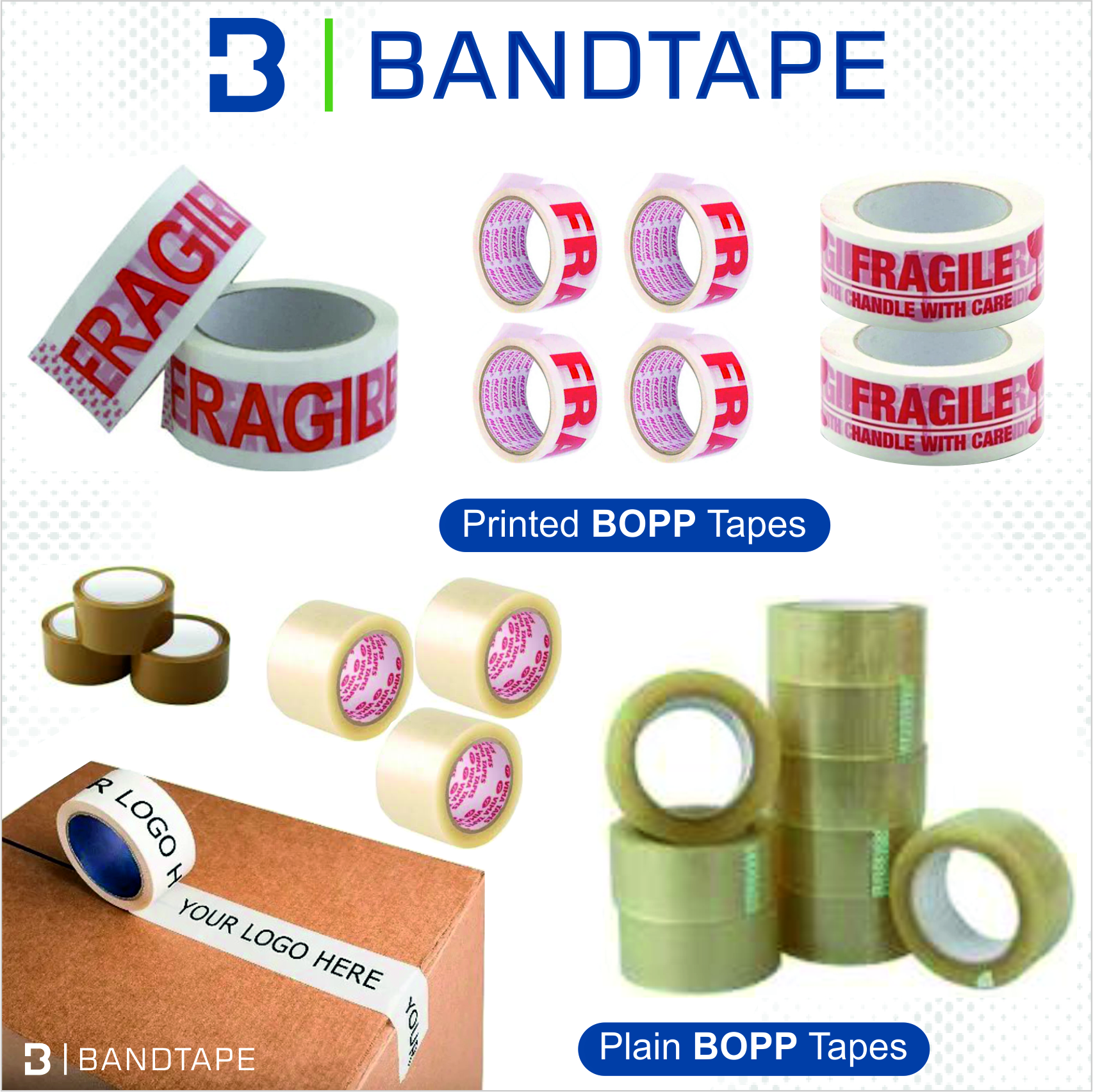
Standard packaging tape and hot-melt glue are sensitive to temperature. In warehouses where ambient temperatures exceed 38 degrees Celsius, tape adhesion can weaken, causing cartons to open during transit. Hot-melt adhesive in case sealers can also become too fluid, leading to weak bonds.
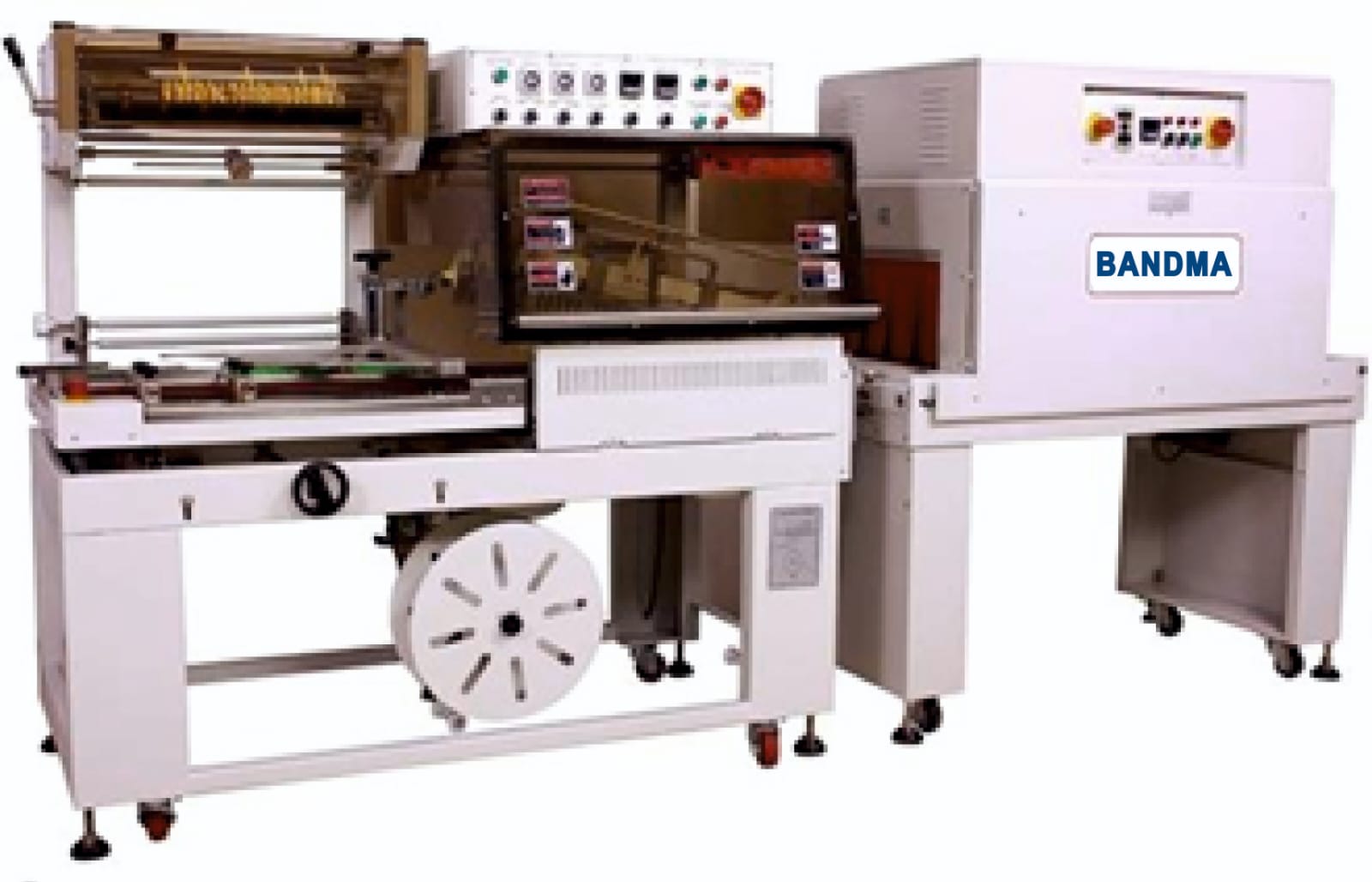
The fix is straightforward: switch to heat-resistant tape grades during summer months and check your case sealer's glue temperature settings. Bandma's taping machines support a range of tape widths and grades. A quick consumables switch is all that is needed.
Stretch Film Behaves Differently in Heat

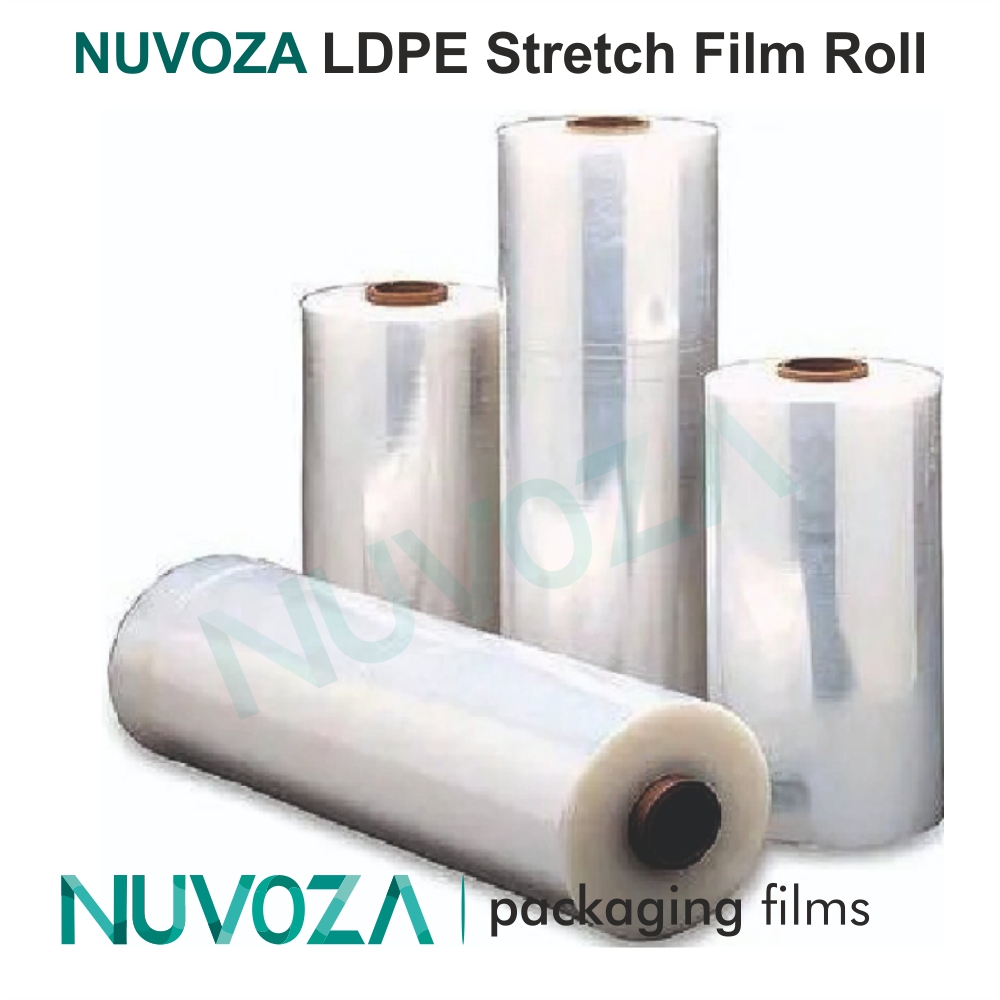
Stretch film applied at high ambient temperatures stretches more easily, which sounds like an advantage but often results in under-tensioned wraps that loosen in transit. Operators compensate by applying more layers, which increases film cost.
The right response is to adjust the pre-stretch setting on your stretch wrapper rather than adding layers. A correctly calibrated machine delivers consistent tension regardless of ambient temperature.
Machines Run Hotter and Need More Attention
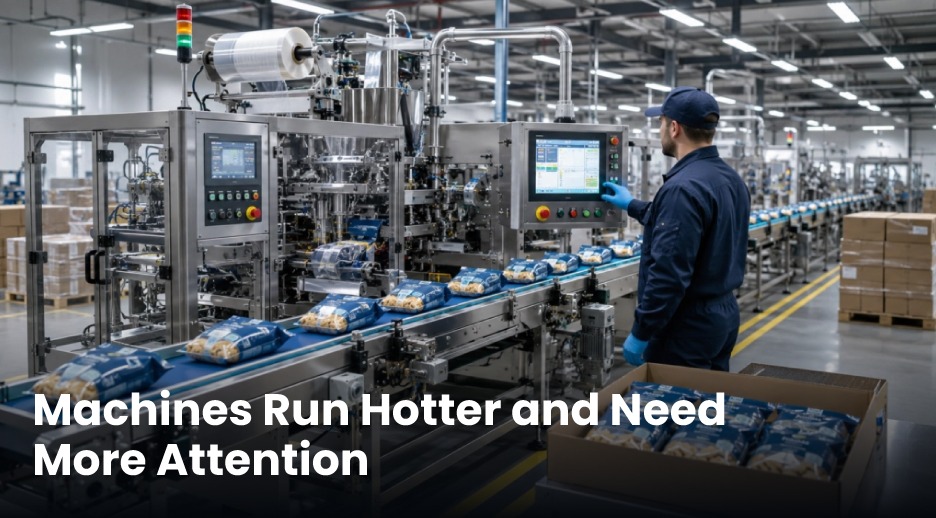
Motors, control panels, and sensors all run warmer in summer. Machines that run without issue in winter can trip thermal protection switches in May. Ensure machine control panels are not exposed to direct sunlight, ventilation is unobstructed, and filter pads are cleaned more frequently during peak heat months.
Bandma recommends scheduling a preventive maintenance visit before summer peaks. A 2-hour check now prevents a costly breakdown during your busiest week.
Demand Peaks Create Throughput Pressure
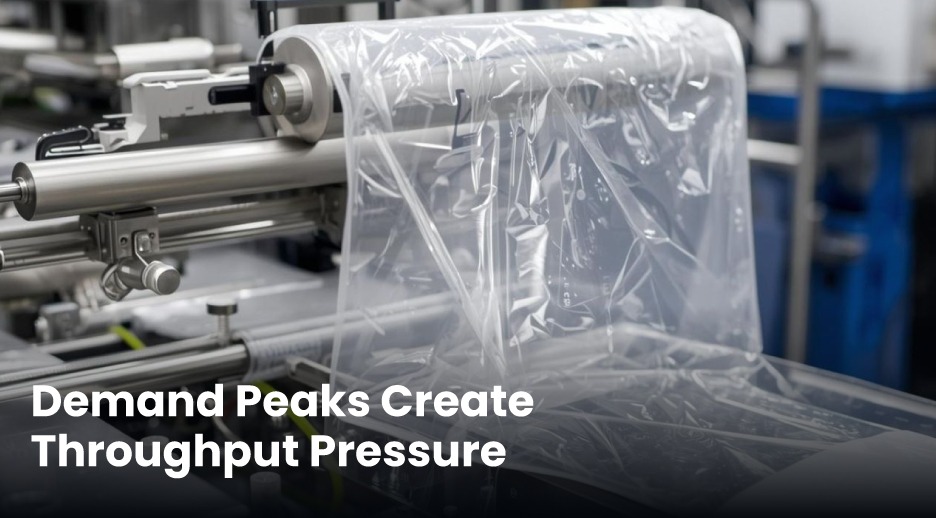
Summer demand peaks expose throughput bottlenecks that are invisible during normal production. If your packaging line has a manual step, such as box erection, carton strapping, or pallet wrapping, that step will become the constraint when orders surge.
The simplest way to prepare is to run your line at projected peak capacity for one day in April and observe where the queue builds. That queue points directly to where automation investment pays off fastest.
Humidity Affects Carton Strength
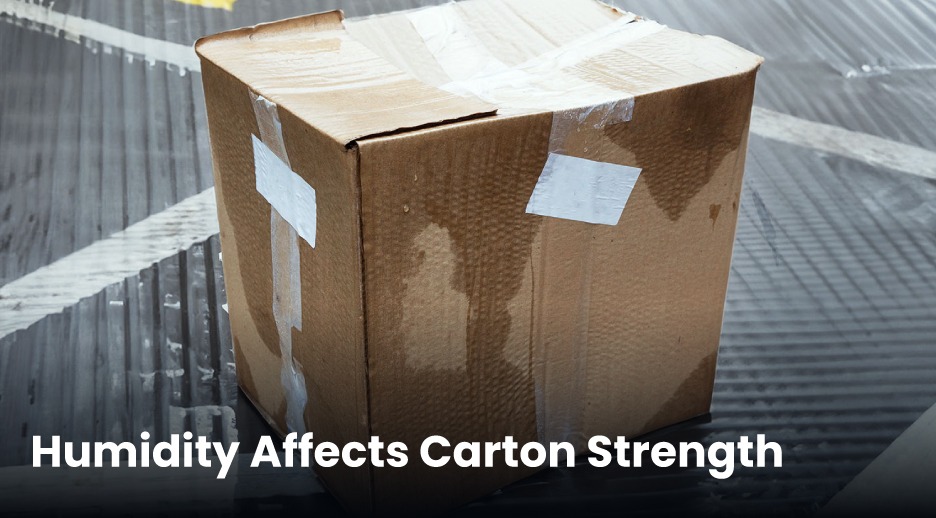
Corrugated cartons lose a significant percentage of their compression strength when exposed to high humidity. Stacked pallets that were structurally sound in dry conditions can buckle or collapse after a monsoon approaches in May. Stretch wrapping pallets tightly provides meaningful protection against humidity ingress.
May is a reminder that packaging is not just about aesthetics or compliance; it is a structural engineering problem. Machines that are well-specified and well-maintained make the difference between a product that arrives intact and a product that does not.
Bandma's team is available for pre-summer line assessments. Contact us before the heat peaks.