


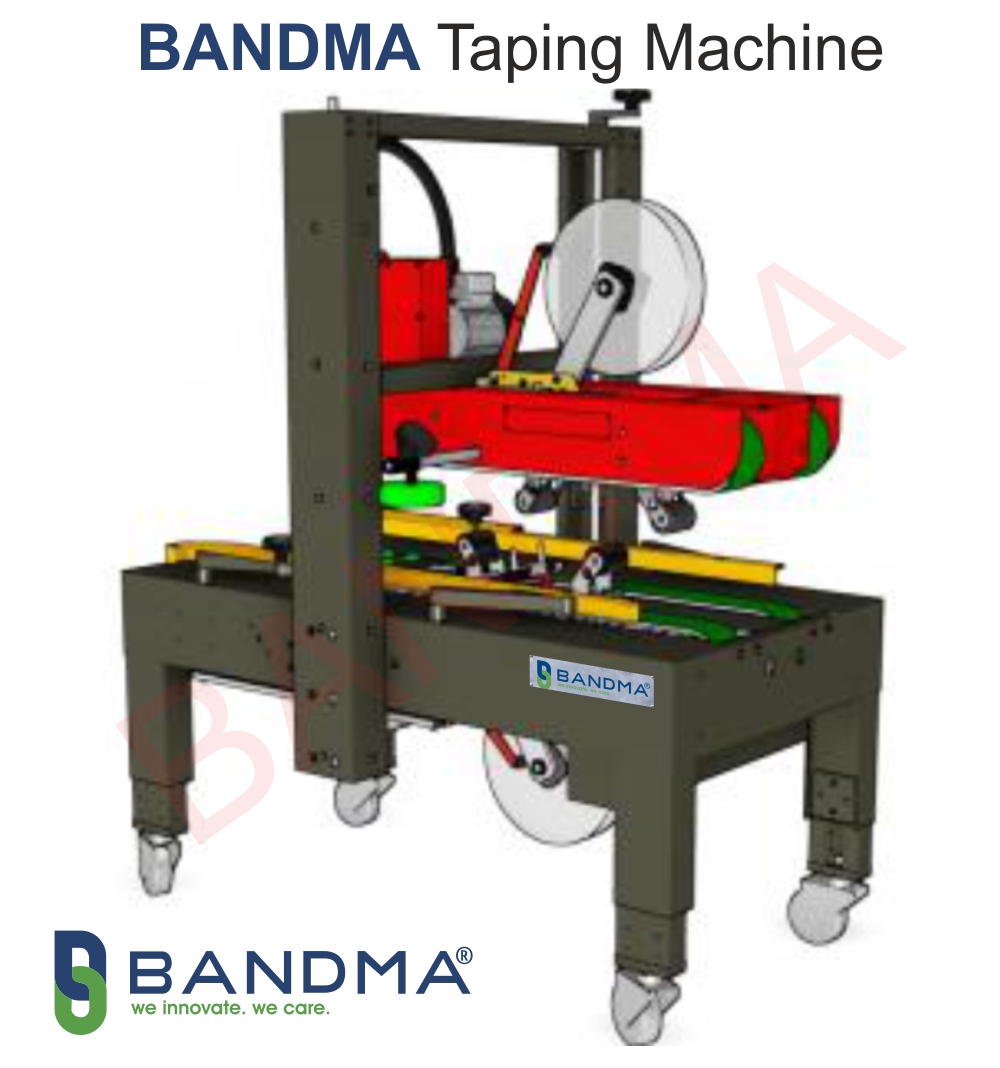
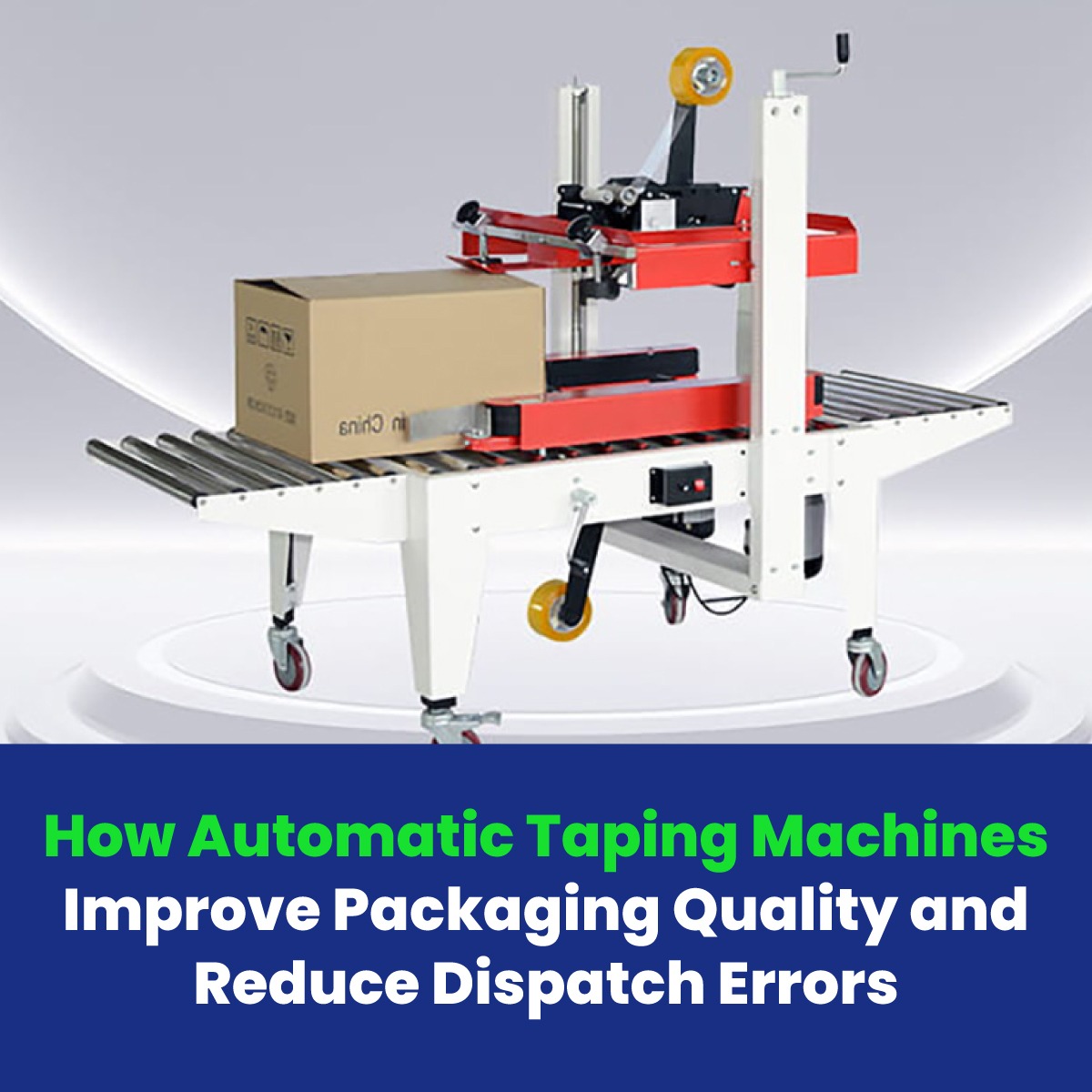
In any manufacturing or distribution facility, the packaging process is often the last step before products leave the warehouse. In contrast, it may seem like a simple operation, but poor carton sealing can create a chain of problems from damaged shipments and product returns to customer complaints and increased operational costs.
Many factories still rely on manual carton taping, especially in growing operations. However, as production volumes increase, manual sealing often becomes inconsistent, time-consuming, and difficult to manage. This is where automatic taping machines play an important role.
By delivering consistent sealing quality and faster throughput, automatic taping machines help manufacturers improve packaging standards while reducing costly dispatch errors.
Why Carton Sealing Matters More Than You Think
A carton is only as reliable as its seal. Even if the product is packed correctly, a weak or poorly applied tape seal can compromise the entire shipment.
Common issues caused by manual sealing include:
- Uneven tape application
- Loose carton flaps
- Excessive tape usage
- Open cartons during transit
- Rework before dispatch
- Product damage due to carton failure
These problems may seem minor individually, but when multiplied across hundreds or thousands of cartons every day, they can significantly impact operational efficiency.
The Challenges of Manual Taping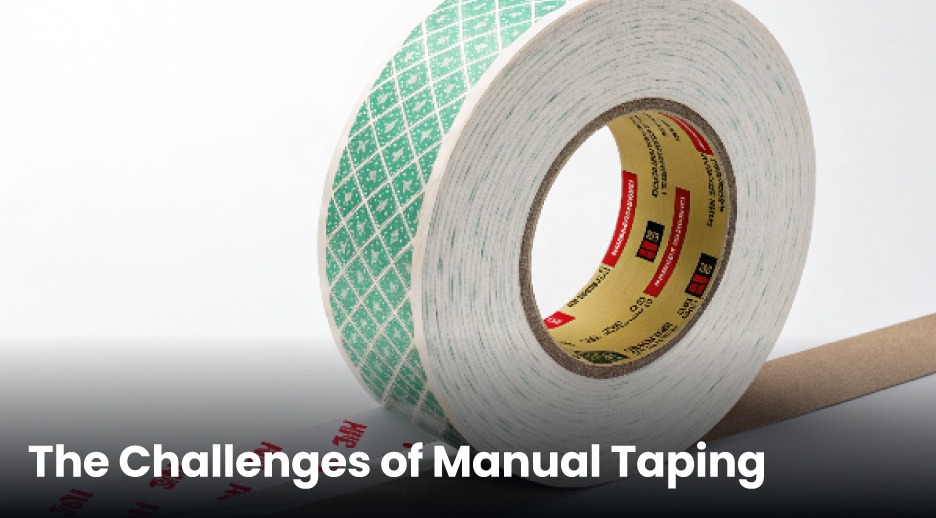
Manual taping depends heavily on operator performance. During busy production schedules, workers often focus on speed, which can lead to inconsistent sealing quality.
Factories commonly face issues such as:
- Different operators use different sealing methods
- Excess tape consumption
- Fatigue-related errors
- Slow processing during peak production periods
- Increased labor requirements
As production demand grows, these challenges become more visible and can create bottlenecks in the packaging department.
How Automatic Taping Machines Improve Packaging Quality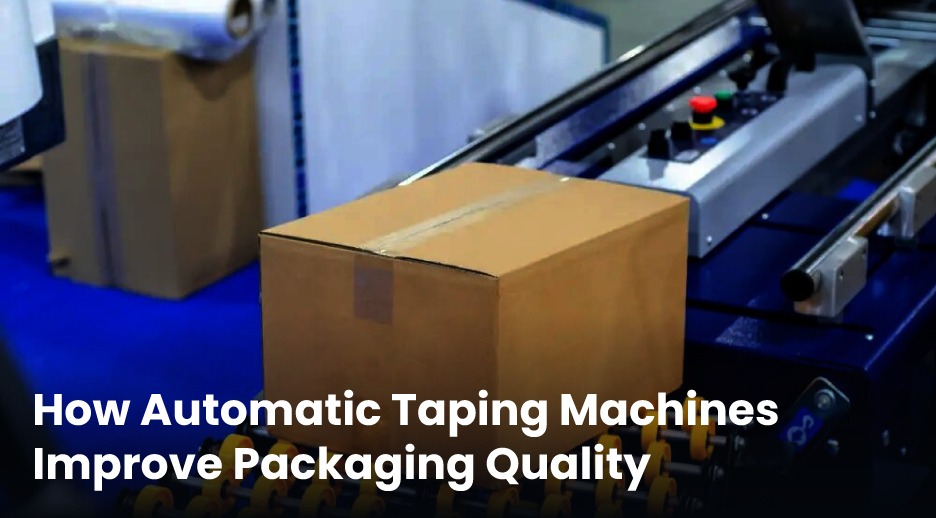
- Consistent Sealing on Every Carton
One of the biggest advantages of an automatic taping machine is consistency. The machine applies tape with the same pressure, alignment, and length on every carton. This eliminates variations that often occur during manual sealing and ensures a uniform appearance across all shipments.
2. Better Carton Strength
Properly sealed cartons maintain their structural integrity during storage and transportation.
A strong seal helps prevent:
- Carton opening during handling
- Compression damage while stacking
- Product movement inside the box
- Transit-related failures
This directly improves the overall quality of packaged goods.
3. Professional Packaging Appearance
Customers and distributors notice packaging quality. Neatly sealed cartons create a more professional appearance and reflect positively on the manufacturer’s attention to detail. For export-oriented businesses, presentation can be just as important as product quality.
How Automatic Taping Machines Reduce Dispatch Errors
1. Faster Packaging Operations
Automatic taping machines can process cartons significantly faster than manual methods. Instead of spending time manually applying tape, operators can focus on product handling, inspection, and dispatch preparation.
The result is a smoother packaging workflow and improved productivity.
2. Reduced Rework
Improperly sealed cartons often require re-taping before dispatch. Automatic machines eliminate most of these issues by applying tape correctly the first time, reducing delays and unnecessary labor.
3. Lower Risk of Shipment Damage
Dispatch errors are not always caused by incorrect documentation or loading mistakes. In many cases, damaged shipments occur because cartons open during transportation due to weak sealing. By providing consistent sealing quality, automatic taping machines help minimize these risks and improve delivery reliability.
4. Better Material Utilization
Manual taping frequently results in excessive tape usage because operators apply extra layers as a precaution.
Automatic machines dispense a controlled amount of tape, helping manufacturers reduce material waste and lower packaging costs over time.
Industries Benefiting from Automatic Taping Machines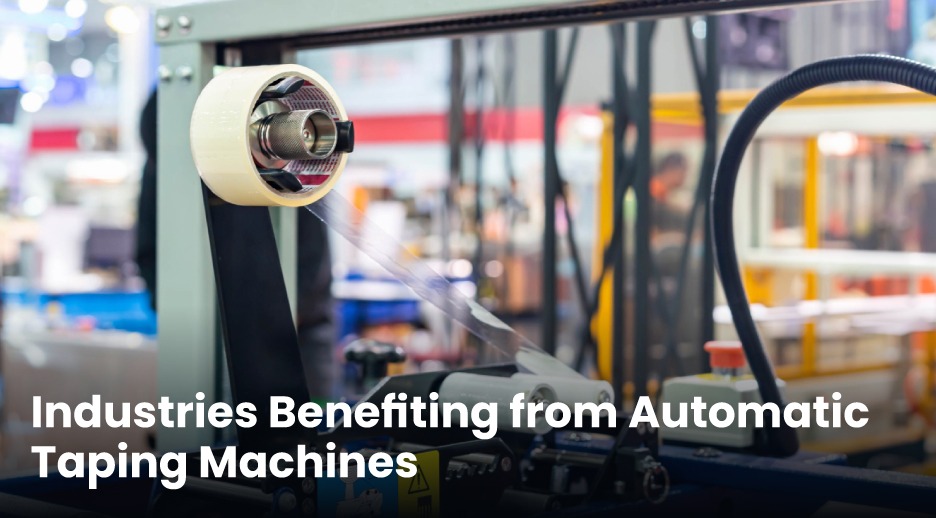
Automatic taping machines are widely used across various industries, including:
- FMCG
- Food and Beverage
- Pharmaceuticals
- E-commerce Fulfillment
- Electronics
- Consumer Goods
- Automotive Components
- Logistics and Warehousing
Any business handling a large number of cartons can benefit from improved sealing efficiency and consistency.
Packaging quality does not end with the product inside the carton; it extends to how securely that carton is sealed before shipment. As production volumes increase and customer expectations continue to rise, manufacturers need packaging processes that are reliable, repeatable, and efficient.
Automatic taping machines help achieve exactly that. They improve carton sealing quality, reduce packaging inconsistencies, minimize dispatch errors, and support faster operations across the packaging line.
For businesses looking to strengthen their secondary packaging process, investing in an automatic taping machine is not simply an equipment upgrade; it is a step toward greater operational efficiency and better shipment reliability.