

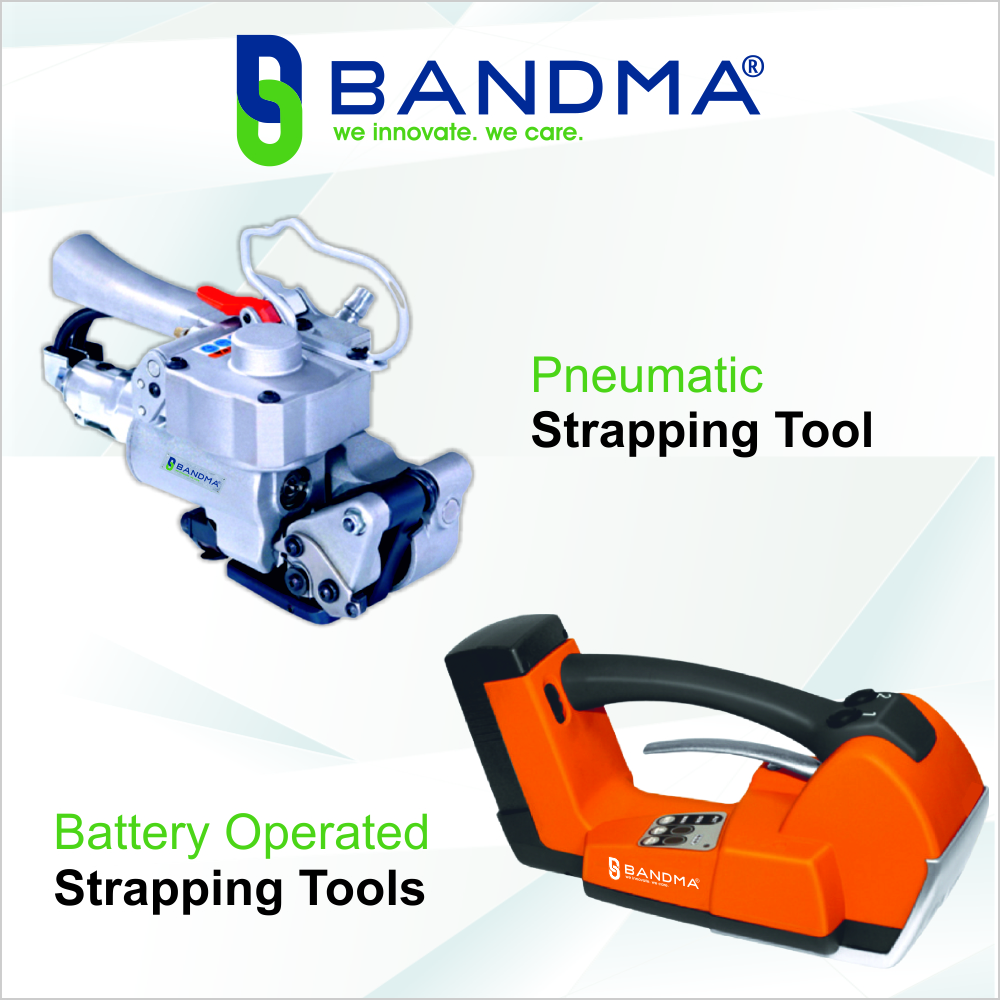

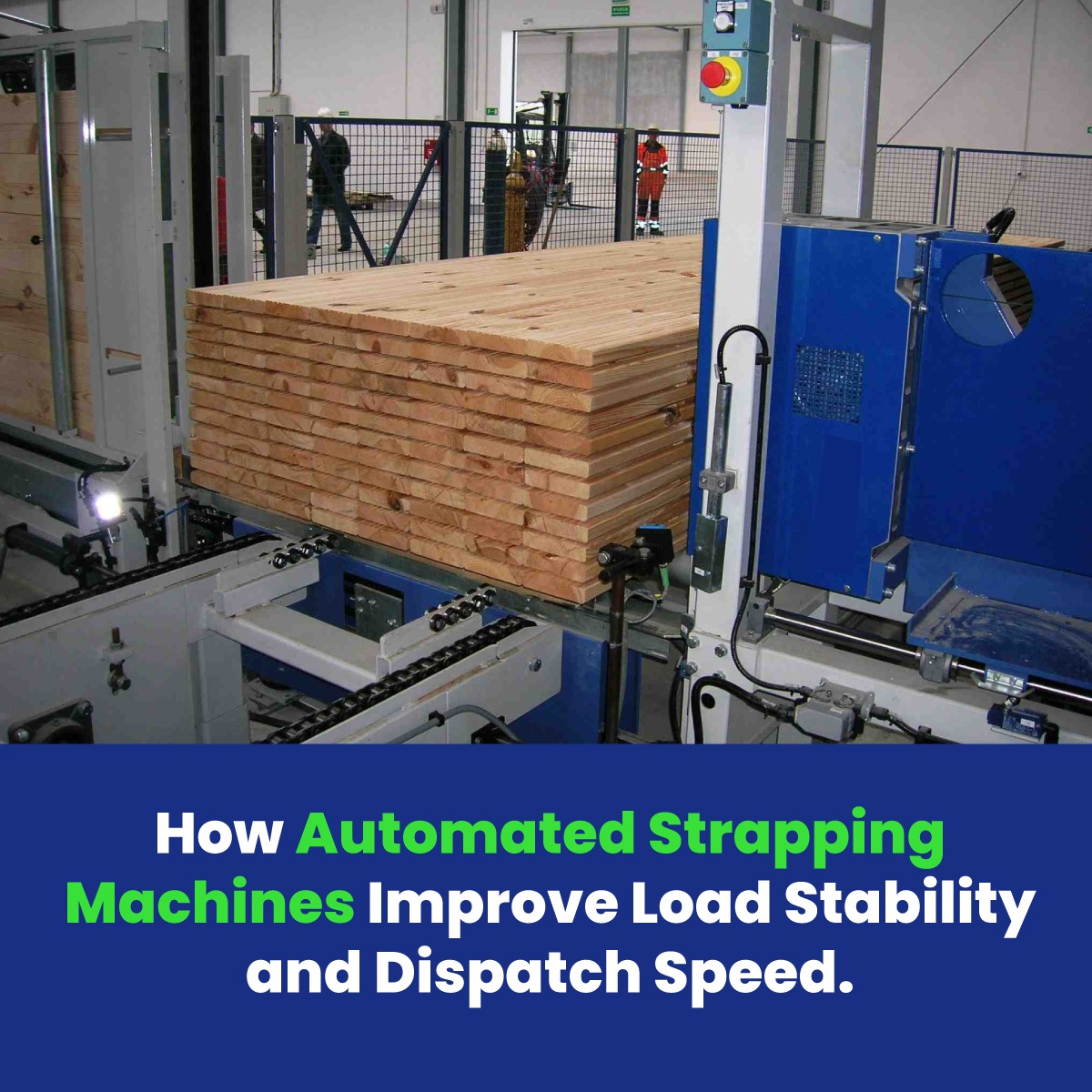
In most factories, dispatch is the last step but also the most stressful one. Forklifts are moving fast, trucks are waiting at the gate, and the packaging team is trying to strap every pallet as quickly as possible. In this rush, mistakes happen. Straps become loose, cartons shift, and sometimes entire pallets collapse during transport.
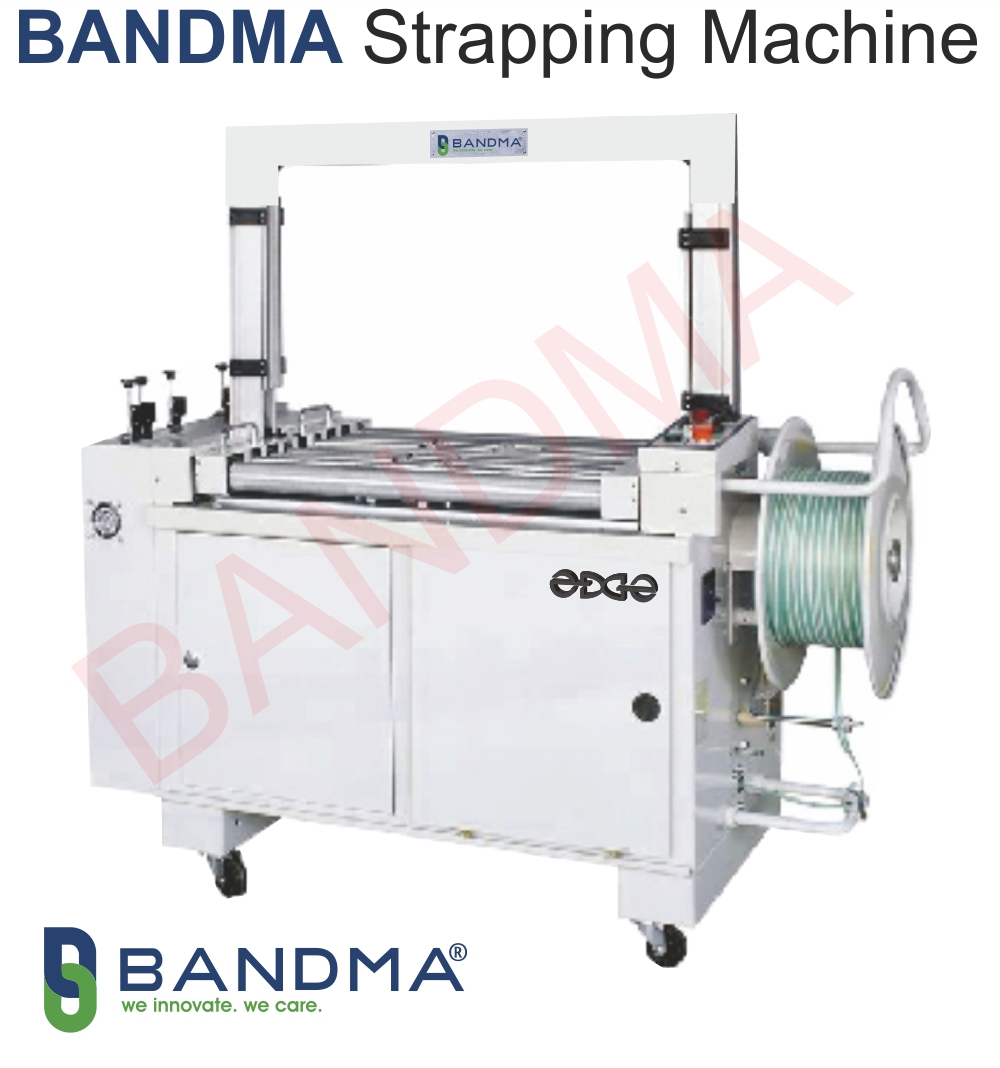
This is where automated strapping machines have become a game-changer for modern manufacturing units. They remove guesswork, eliminate manual errors, and ensure every pallet leaves the warehouse with consistent tension and stability.
Why Load Stability Matters More Than Most Factories Realize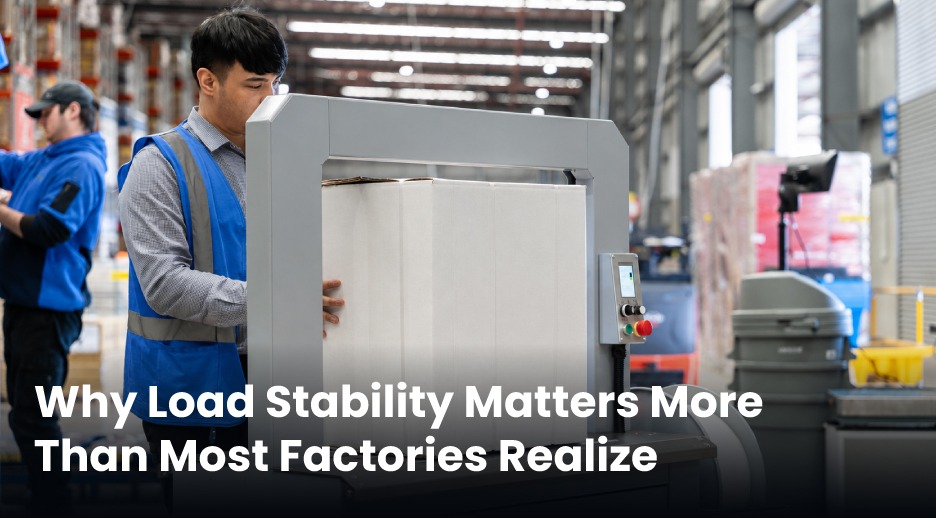
When a pallet is not strapped properly, even strong packaging materials can’t protect it. Most damage during transport happens because the load shifts inside the truck. A loose strap or uneven tension can allow:
Side shifting during turns
Collapse when pallets are stacked
Product vibration damage
Cartons are tearing or bursting
Even a small imbalance can cause major losses. Automated machines ensure uniform tension, proper alignment, and repeatable strapping patterns—something that is hard to achieve manually.
How Automated Strapping Machines Improve Stability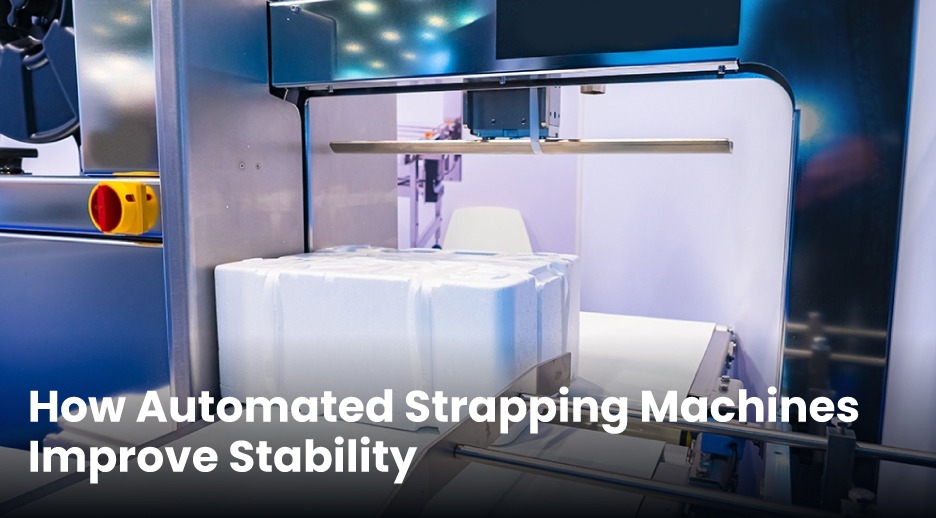
- Consistent Strap Tension Every Time
Manual strapping depends entirely on the strength and experience of the operator. Some pull too hard, some too soft. Automated systems, however, apply precise and repeatable tension, ensuring each strap performs the same way.
The result:
A stronger, tighter, and more stable pallet that stays intact even on rough roads.
- Perfect Strap Placement and Alignment
When straps are not placed correctly, load pressure becomes unbalanced. Automated machines use guides and sensors to position straps exactly where they’re needed—no diagonals, no misalignment, no gaps.
This accuracy reduces carton bulging, edge damage, and toppling.
- Faster Throughput Without Compromising Quality
Manual strapping can slow down dispatch, especially during peak hours. Workers get tired, productivity drops, and trucks end up waiting longer.
Automated machines overcome all these limitations:
High-speed cycle time
Single-button operation
Automatic strap feeding, tightening, and cutting
No delays, no rework
This helps factories clear loads faster, even during high-volume days.
- Reduced Labour Fatigue and Workforce Dependence
Strapping heavy pallets manually is physically demanding. Operators often fatigue within hours, and fatigue directly affects quality.
Automation allows your team to supervise instead of struggling. This:
Reduces errors caused by tired workers
Cuts dependency on skilled labour
Improves shift consistency
Especially for plants dispatching hundreds of pallets daily, the difference is huge.
How Automated Strapping Machines Impact Dispatch Speed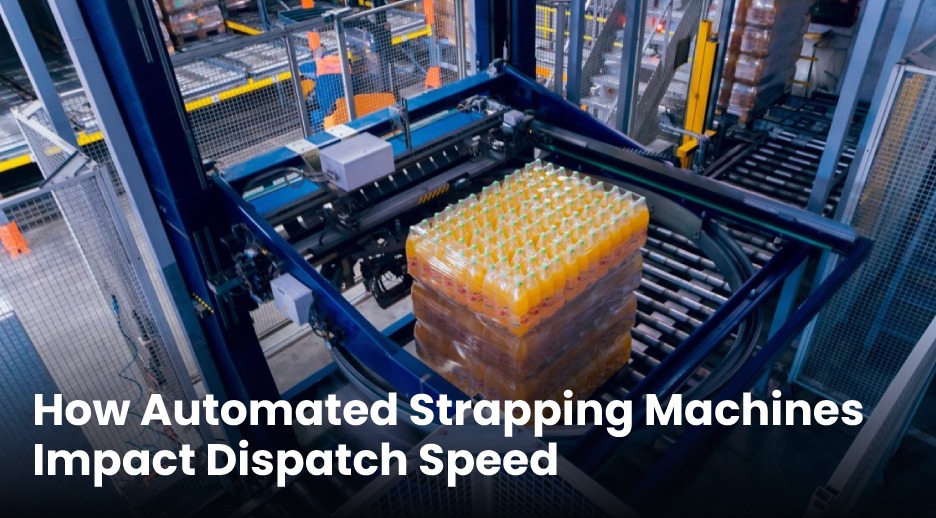
Dispatch is a throughput game. Every minute saved adds up to hours of improved logistics performance.
Automated machines provide:
Faster cycle times → Quicker pallet movement|
Minimal operator involvement → No delays
Error-free straps → No rework before loading
Integrated pusher/pressing units → Faster pallet stabilization
Many factories report a 25–40% reduction in dispatch clearance time after upgrading.
Hidden Savings Most Factories Ignore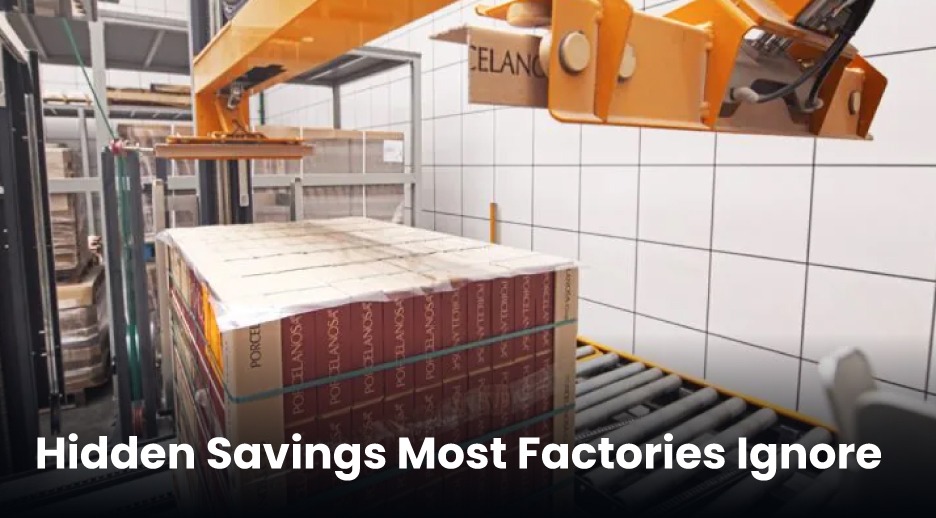
Aside from speed and stability, automated strapping machines also reduce:
Strap waste
Damage claims
Repacking labour
Return costs
Overtime payments
When you add these savings, the ROI typically comes within months not years.
Conclusion: A Smarter Way to Strengthen Your Dispatch Workflow
When the goal is to deliver damage-free goods quickly, automation is the most reliable answer. Automated strapping machines ensure every pallet leaves your warehouse with the same strength, tension, and stability regardless of volume, shift, or operator skill.
Factories that adopt automated strapping experience:
Safer pallets
Faster dispatch
Lower manpower stress
Fewer complaints from distributors
Higher overall packaging efficiency
If your pallets still move, lean, or require rework before loading, it’s the right time to upgrade to automated strapping.