

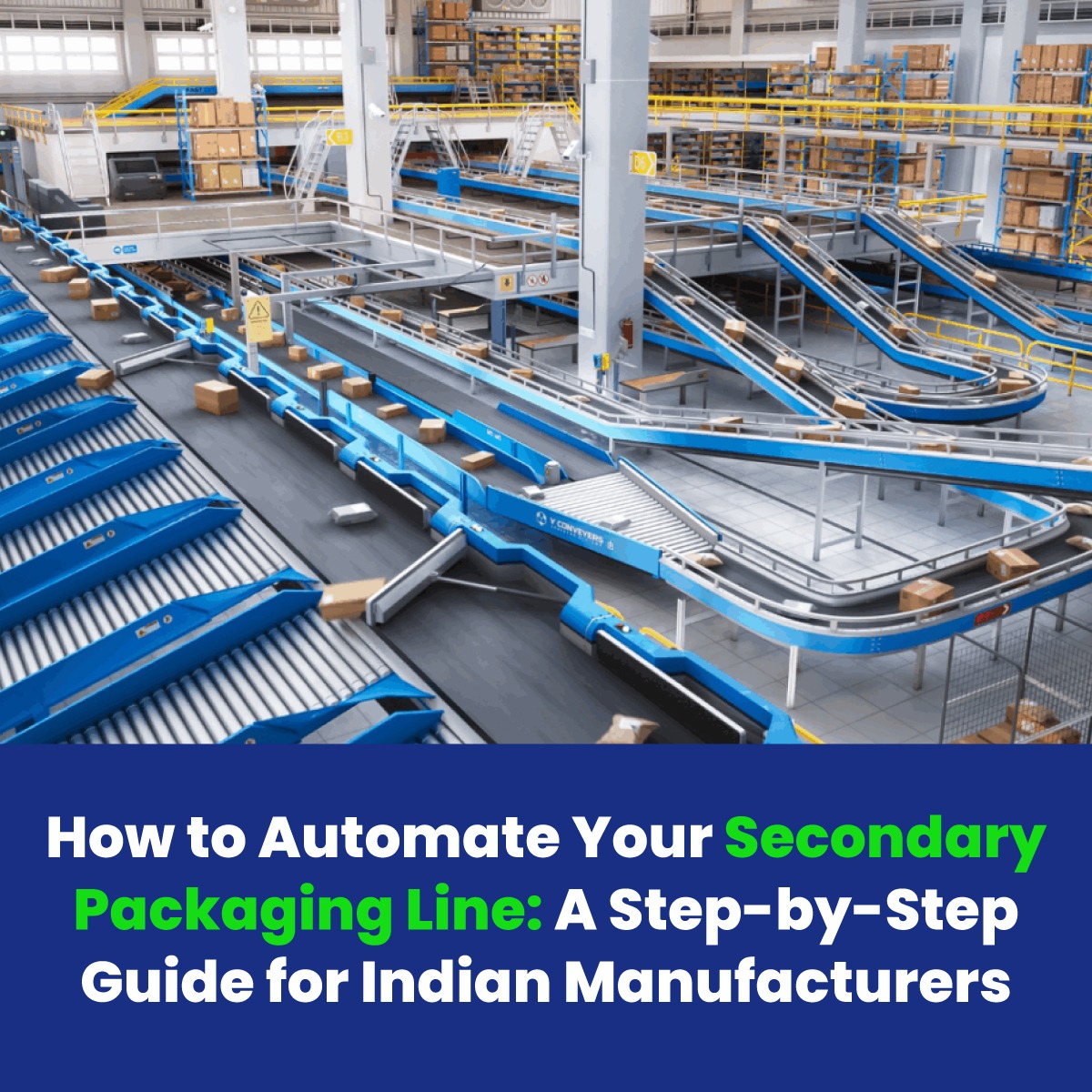
Most Indian manufacturers automate their primary packaging first — the filling machine, the form-fill-seal, the blister packer. Secondary packaging — the step where primary packs are grouped, sealed, labelled, strapped, and palletised — is often left manual for years longer than it should be.
The result is a fast primary line followed by a slow, labour-intensive secondary section that becomes the bottleneck. This guide shows you how to systematically automate secondary packaging, in the right order, for the right return.
Step 1: Map Your Current Secondary Packaging Flow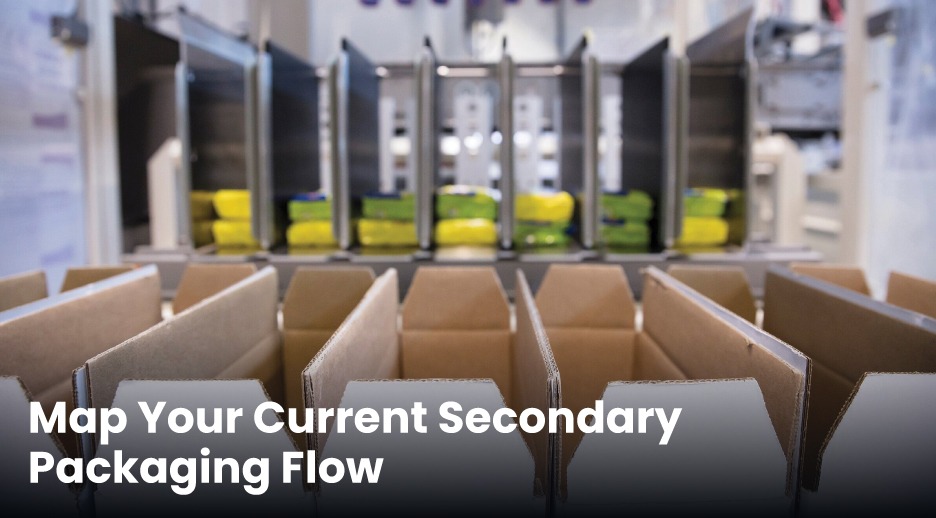
Before buying any machine, document exactly what happens after the primary pack leaves the filler or primary packager. A typical secondary packaging flow looks like this:
• Primary packs accumulate or are collated into groups
• Groups are manually placed into cartons (case packing)
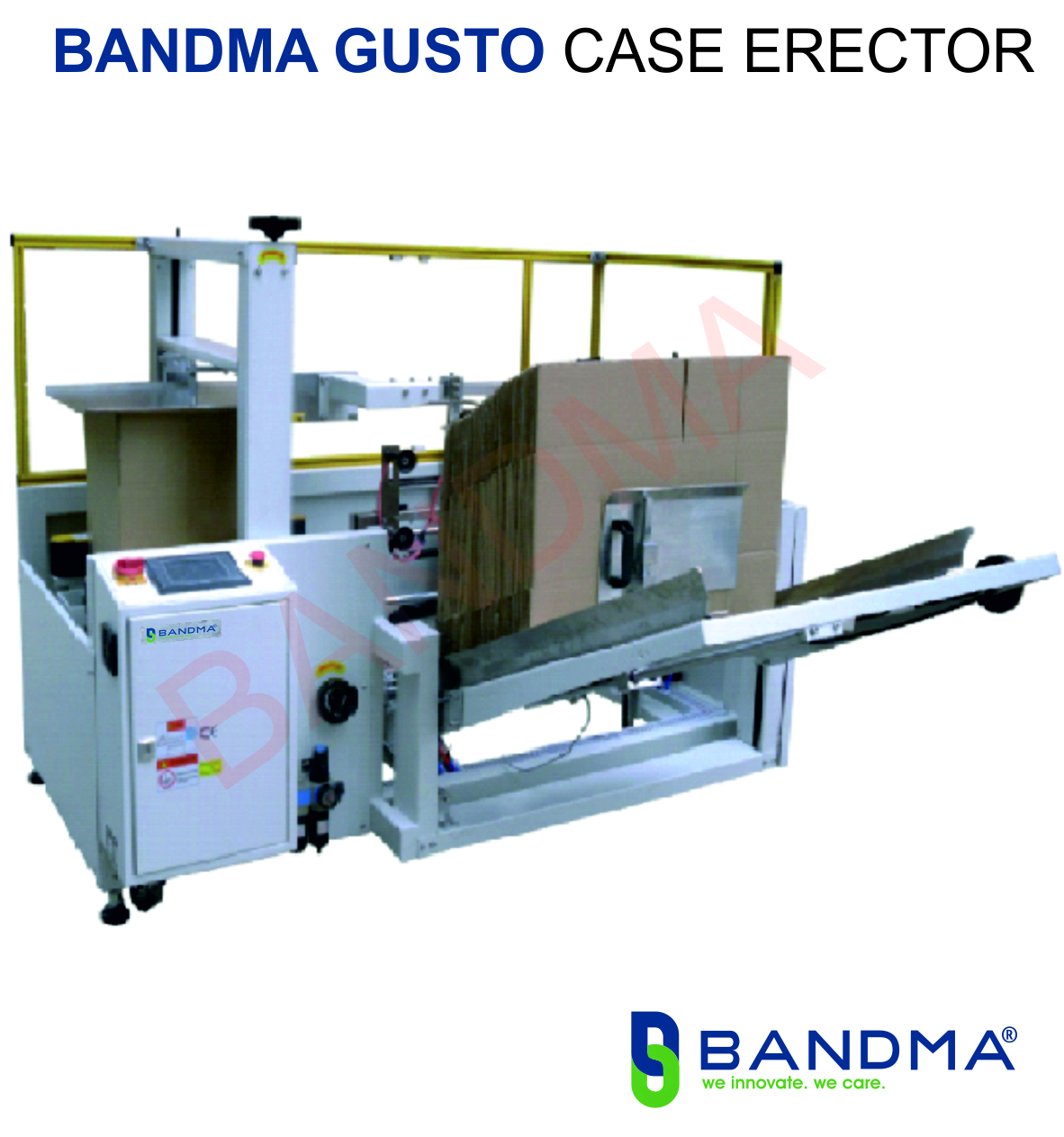
• Cartons are erected (if pre-flat)
• Cartons are sealed (taped or glued)
• Cartons are labelled
• Cartons are grouped onto pallets
• Pallets are strapped and stretch-wrapped
Map each step. Record the number of operators, the time per unit, the error rate, and the cost per step. This gives you a baseline and immediately reveals where the most time and labour is being spent.
Step 2: Identify the Primary Bottleneck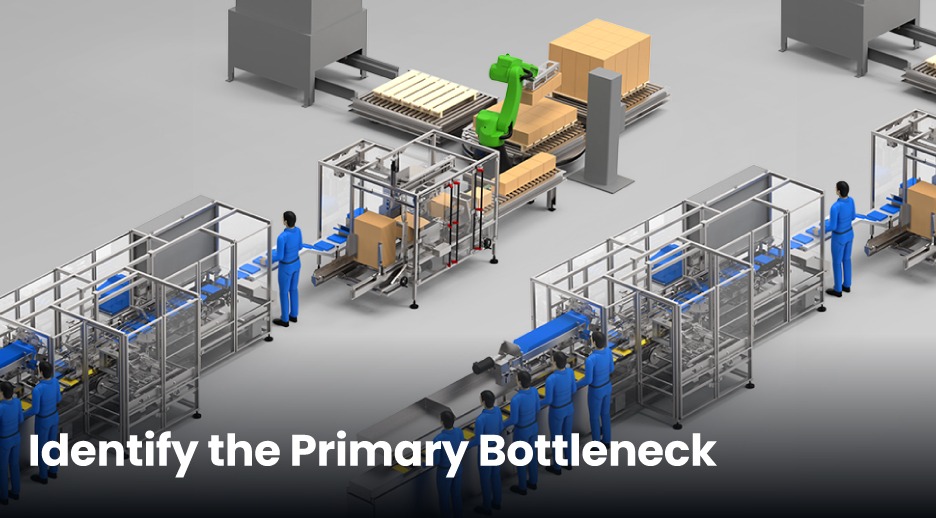
The bottleneck is the step that limits overall throughput. In most semi-manual secondary lines, it is one of three places: carton erection (slow and ergonomically demanding), case packing (requires dexterity and attention), or pallet wrapping (heavy and time-consuming).
Automate the bottleneck first. Adding automation upstream of a bottleneck only creates a queue; adding it downstream only speeds up the wait. The bottleneck is the highest-leverage intervention point.
Step 3: Prioritise Machines by ROI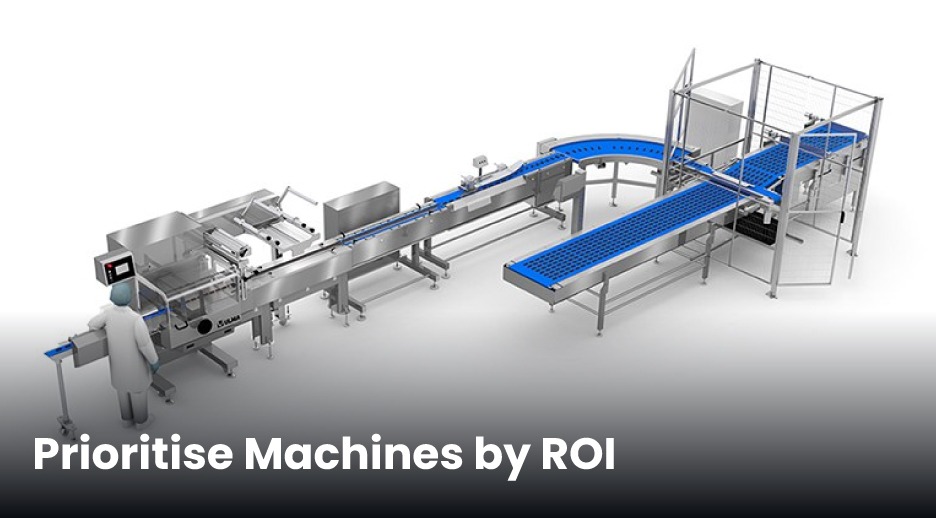
Not all automation investments have the same payback period. Based on Bandma's experience across hundreds of Indian manufacturing sites, here is a typical ROI ranking for secondary packaging automation:
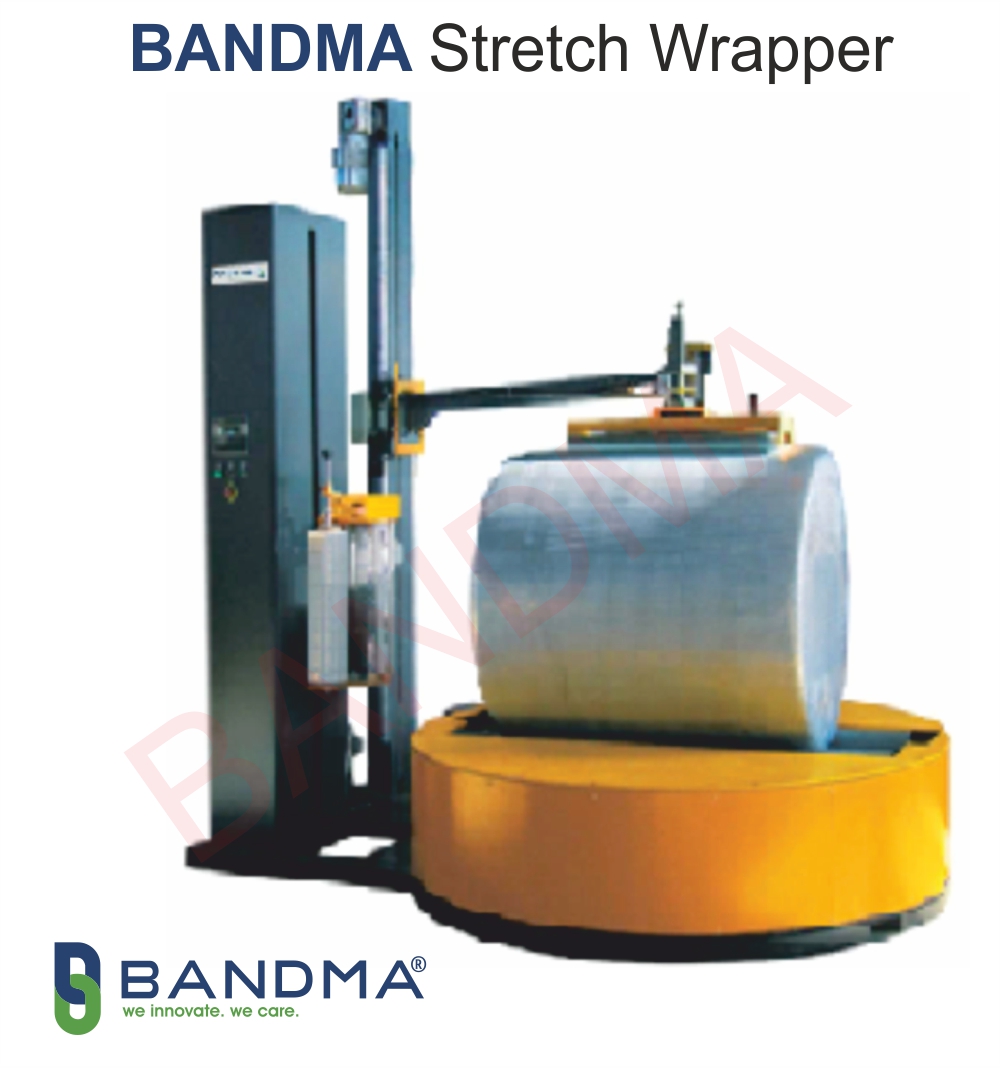
• Pallet stretch wrapping: Typically 6–18 months payback. High labour saving, fast cycle, minimal operator skill required.
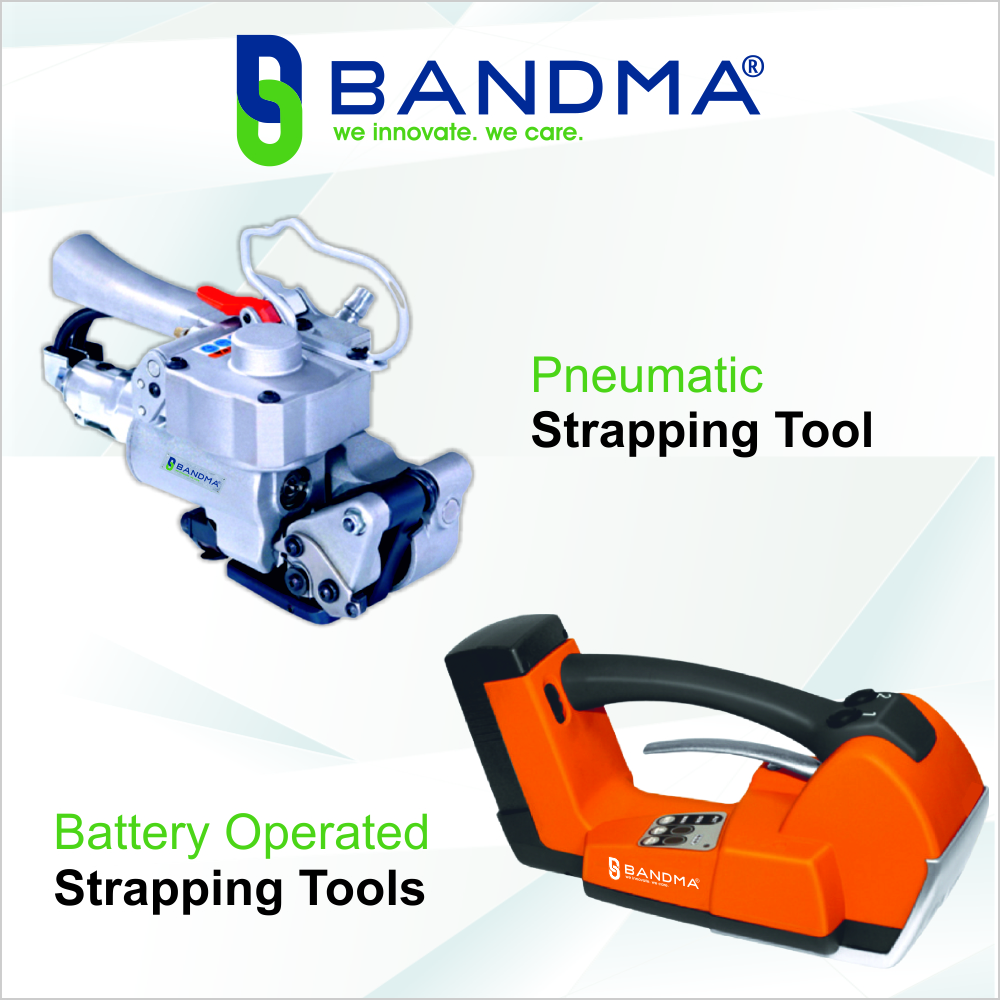
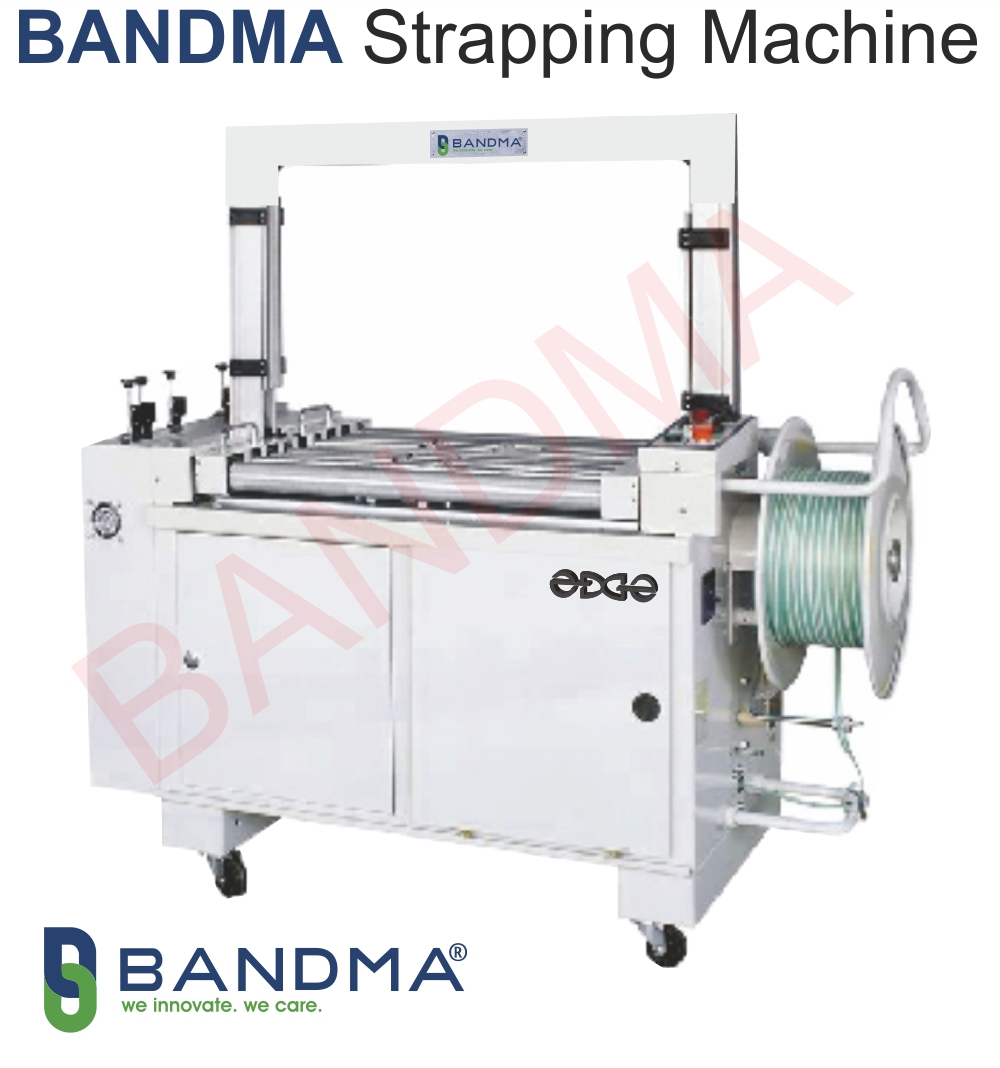
• Carton strapping (semi-automatic): 6–12 months payback at medium volumes. Simple to operate and maintain.
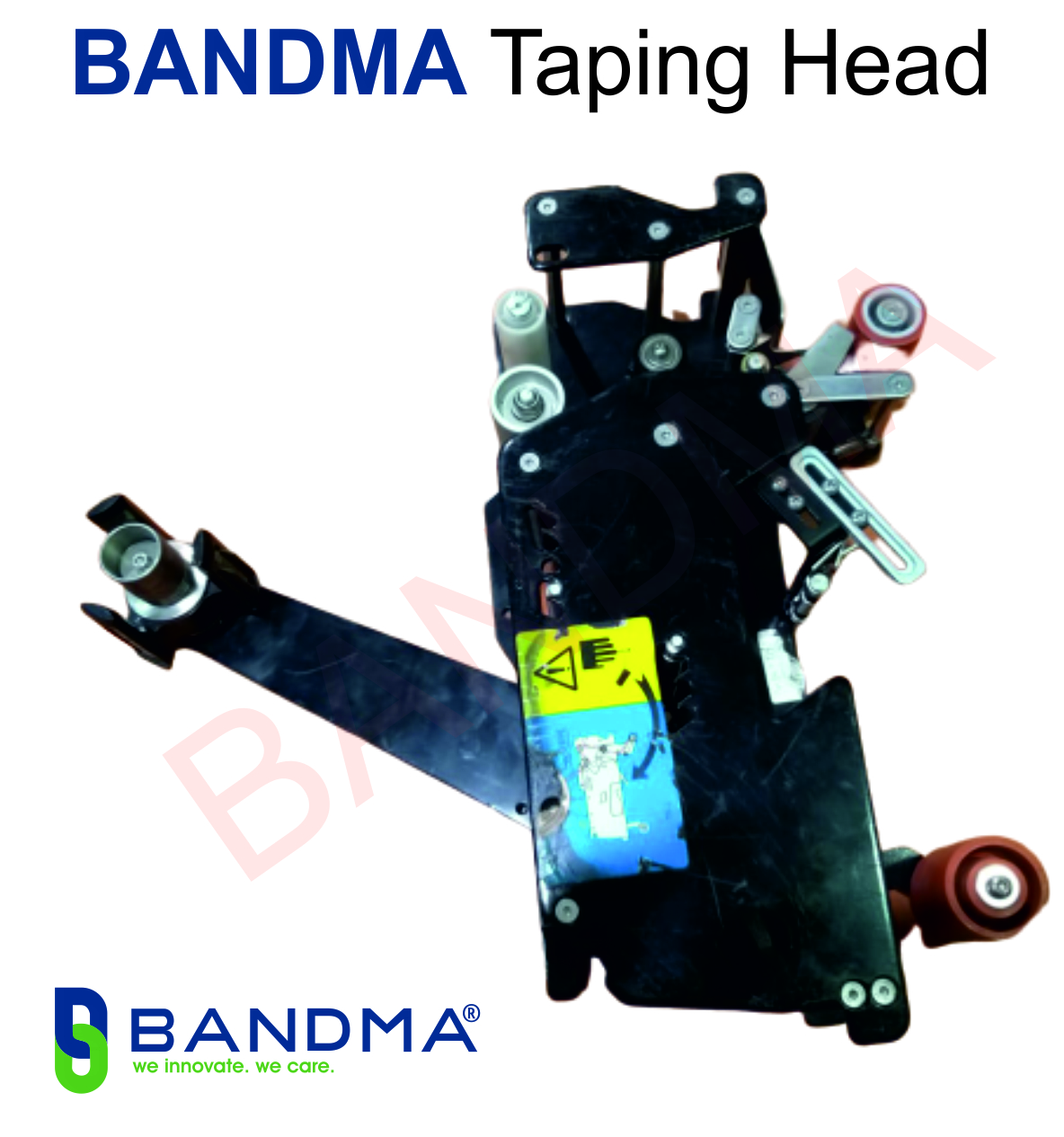
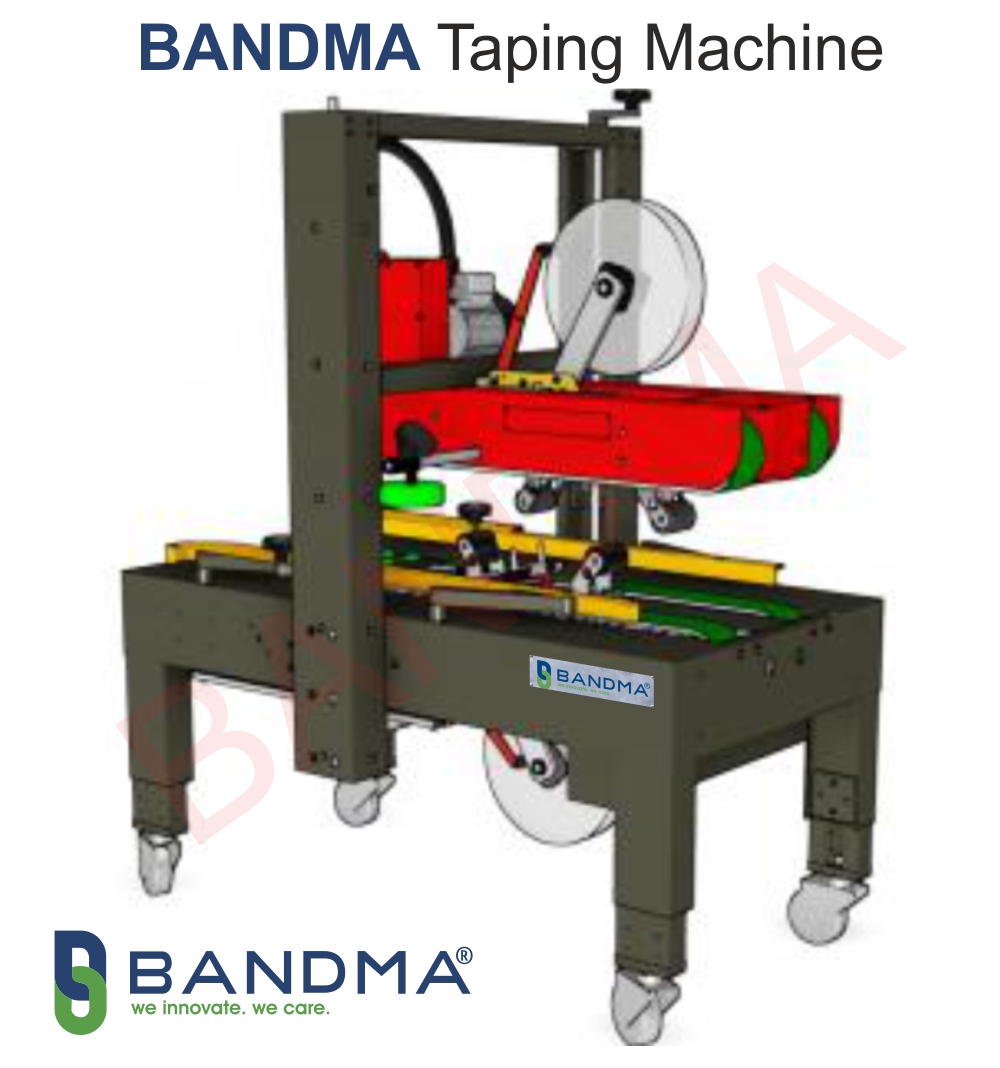
• Taping machine (semi-automatic): 8–18 months payback. Significant consistency improvement alongside labour saving.
• Case erector: 12–24 months payback. Highest ergonomic benefit; strongest case during peak season demand surges.
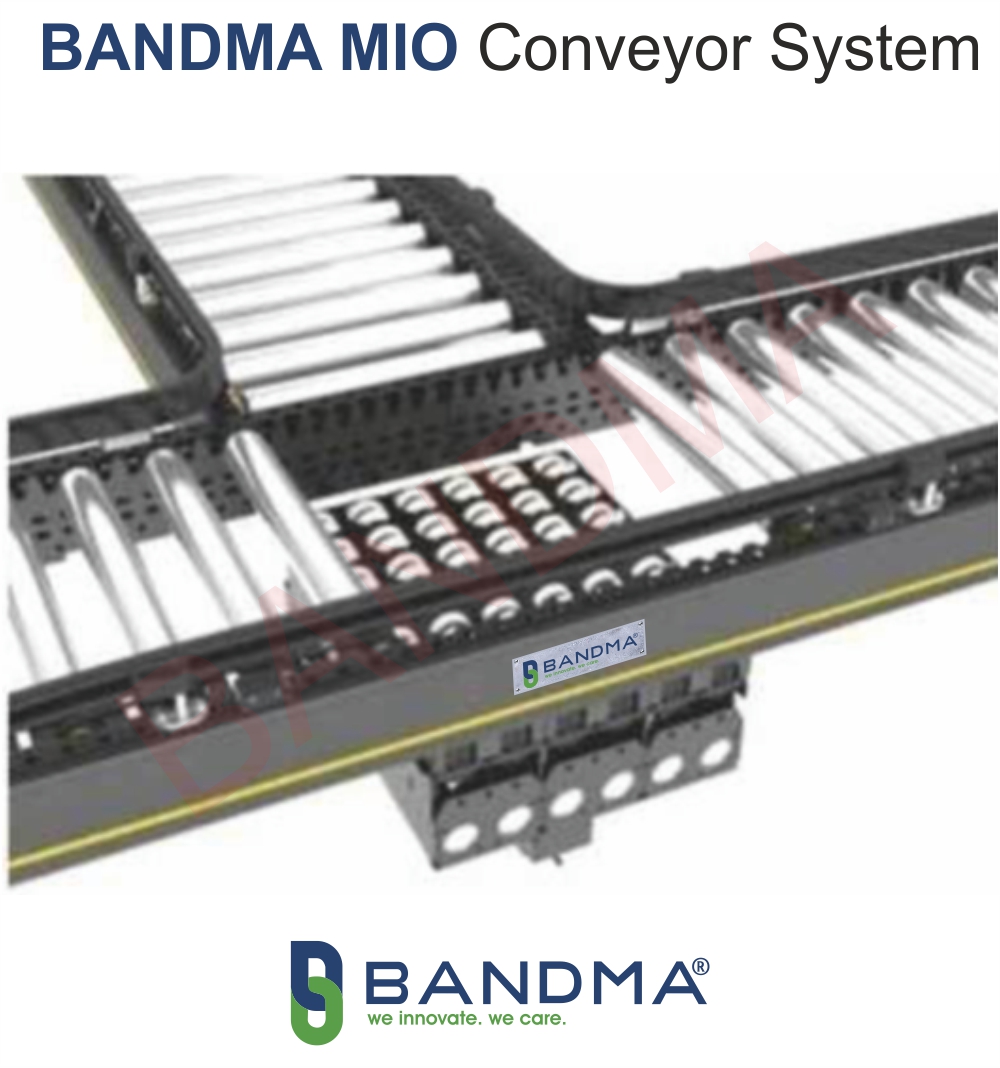
• Conveyor system: Enables the other machines to work as a connected line rather than isolated islands.
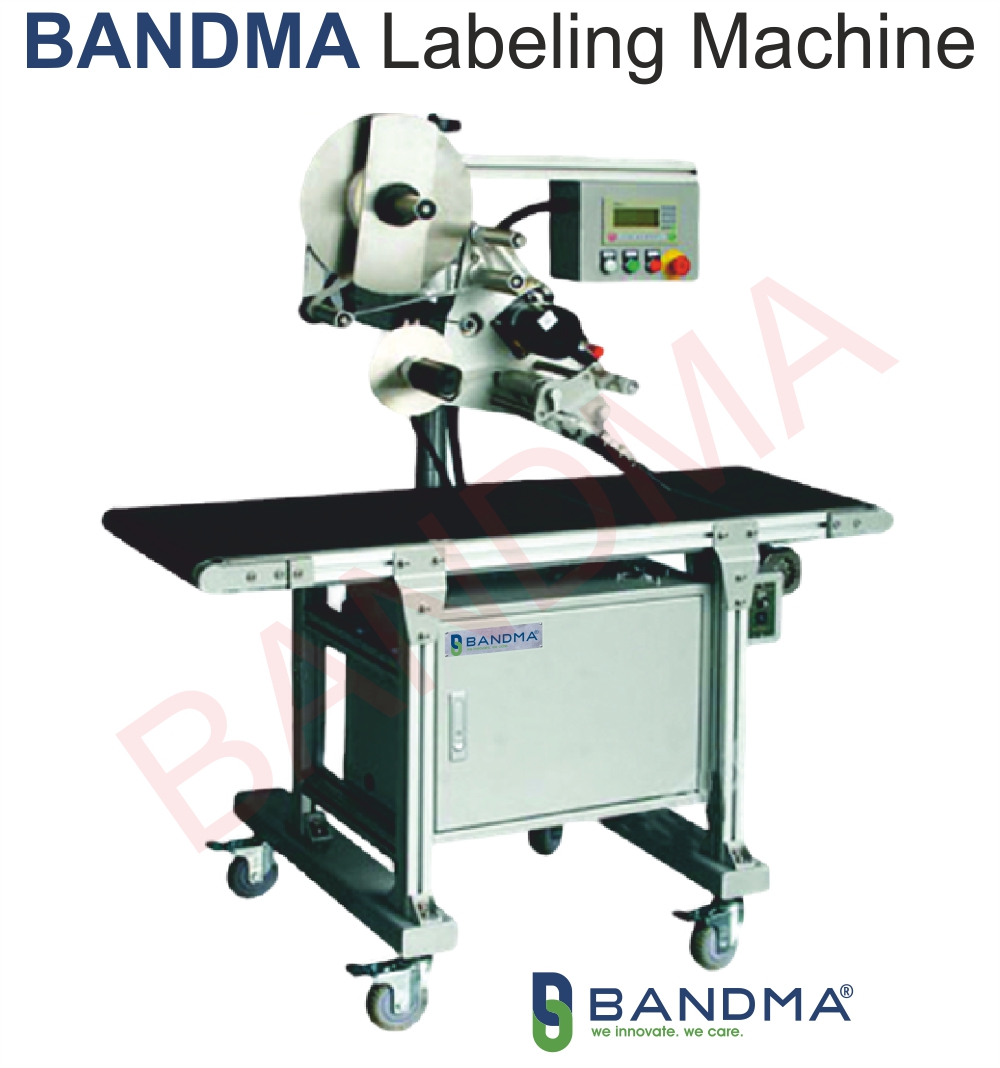
• Labelling machine: 12–24 months payback; often driven by compliance requirements as much as labour saving.
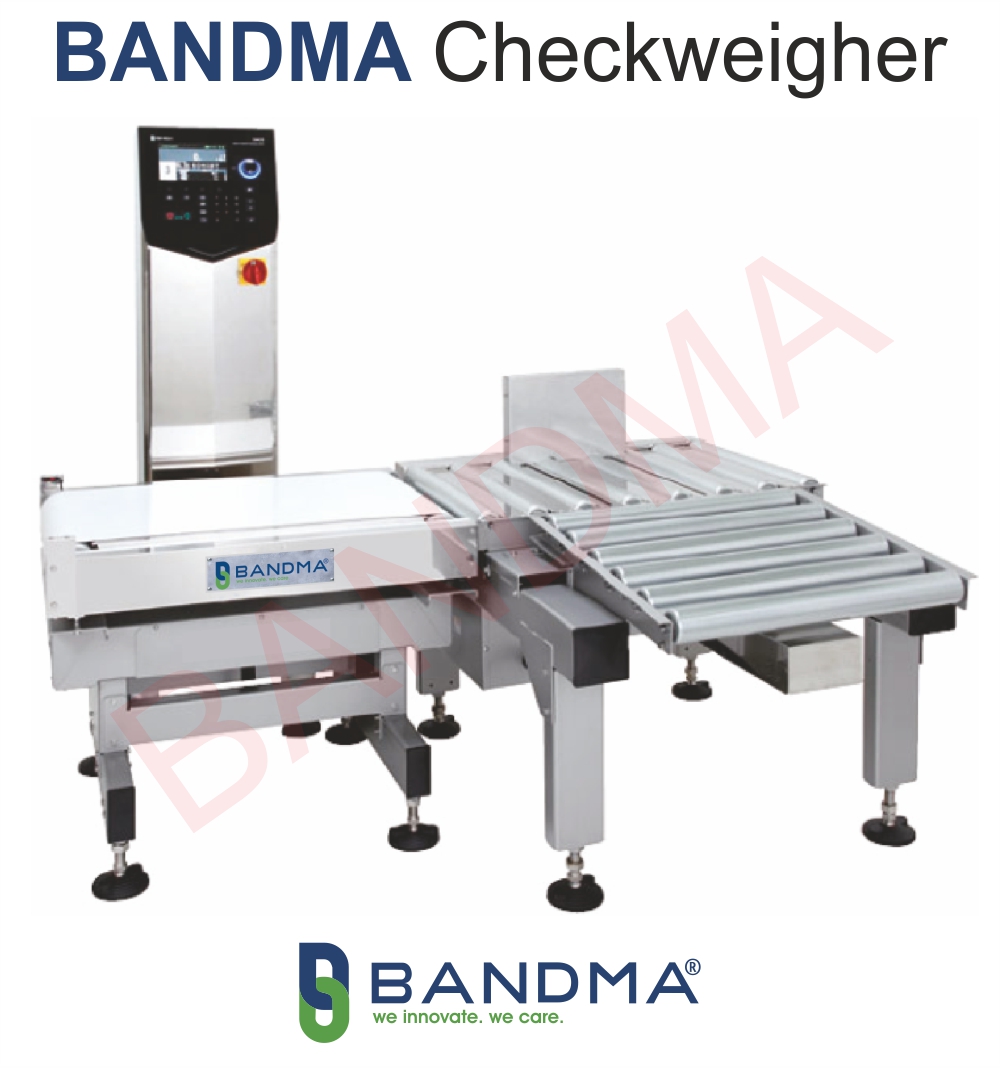
• Checkweigher: ROI partly driven by giveaway reduction and regulatory compliance rather than labour alone.
Step 4: Design for Flow, Not Just Individual Machines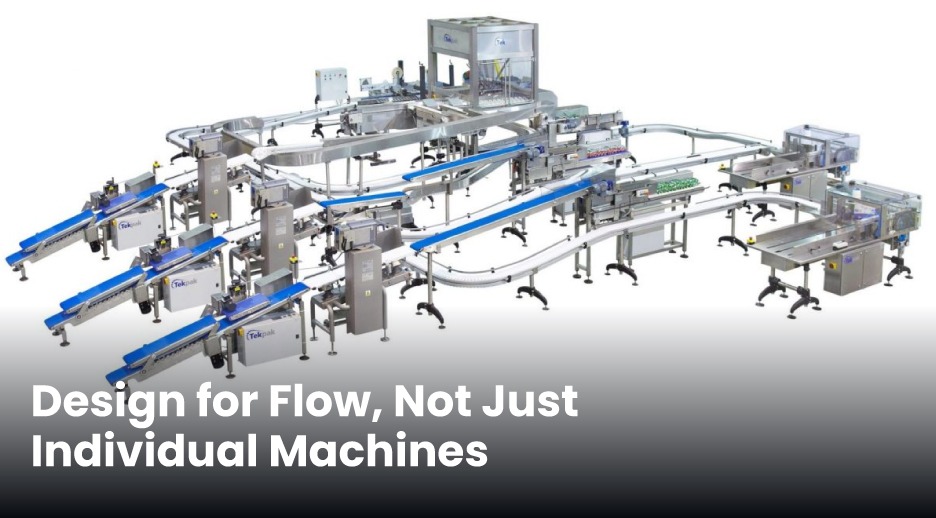
The most common automation mistake is buying machines as isolated pieces of equipment rather than as components of a line. A taping machine that runs at 30 cases per minute is useless if the upstream case erector only produces 15 per minute, or if there is no conveyor connecting them.
Before ordering any equipment, draw the complete line schematic. Define the target throughput at each step. Ensure conveyor speeds, buffer lengths, and machine cycle times are matched. Bandma's engineering team provides line design support as part of the pre-sales process.
Step 5: Plan the Implementation in Phases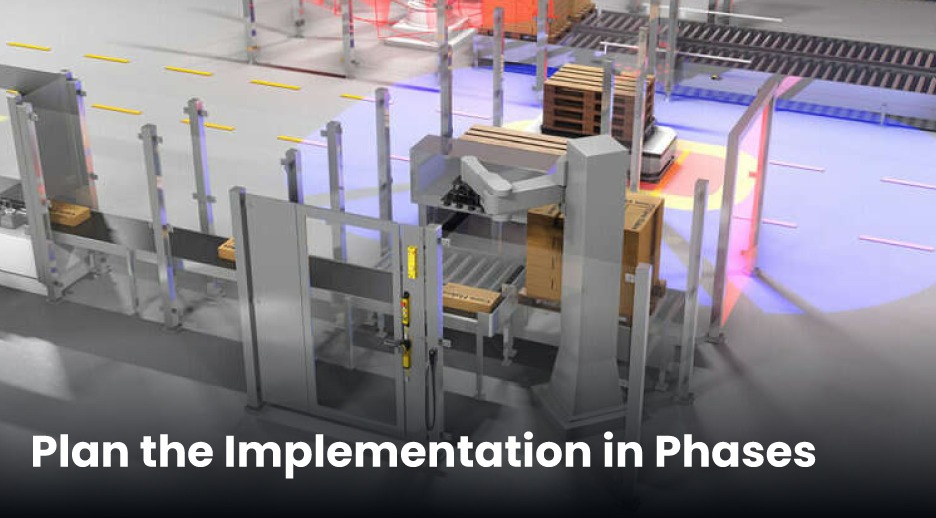
Full-line automation rarely makes sense as a single capital project. A phased approach allows you to prove ROI at each stage before committing to the next.
Phase 1: Address the primary bottleneck with a single machine (typically a stretch wrapper or strapper). Measure the result.
Phase 2: Connect machines with conveyor sections. Eliminate the manual transfer steps that now become the next constraint.
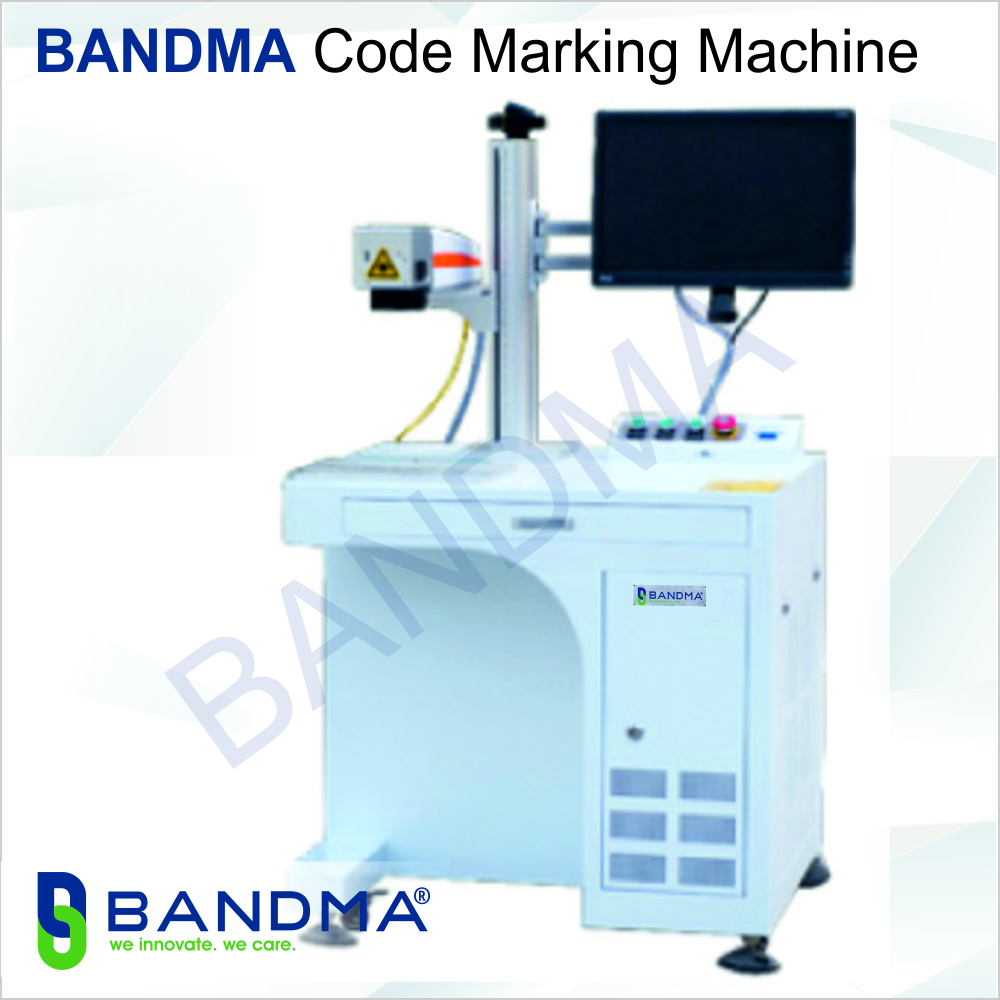
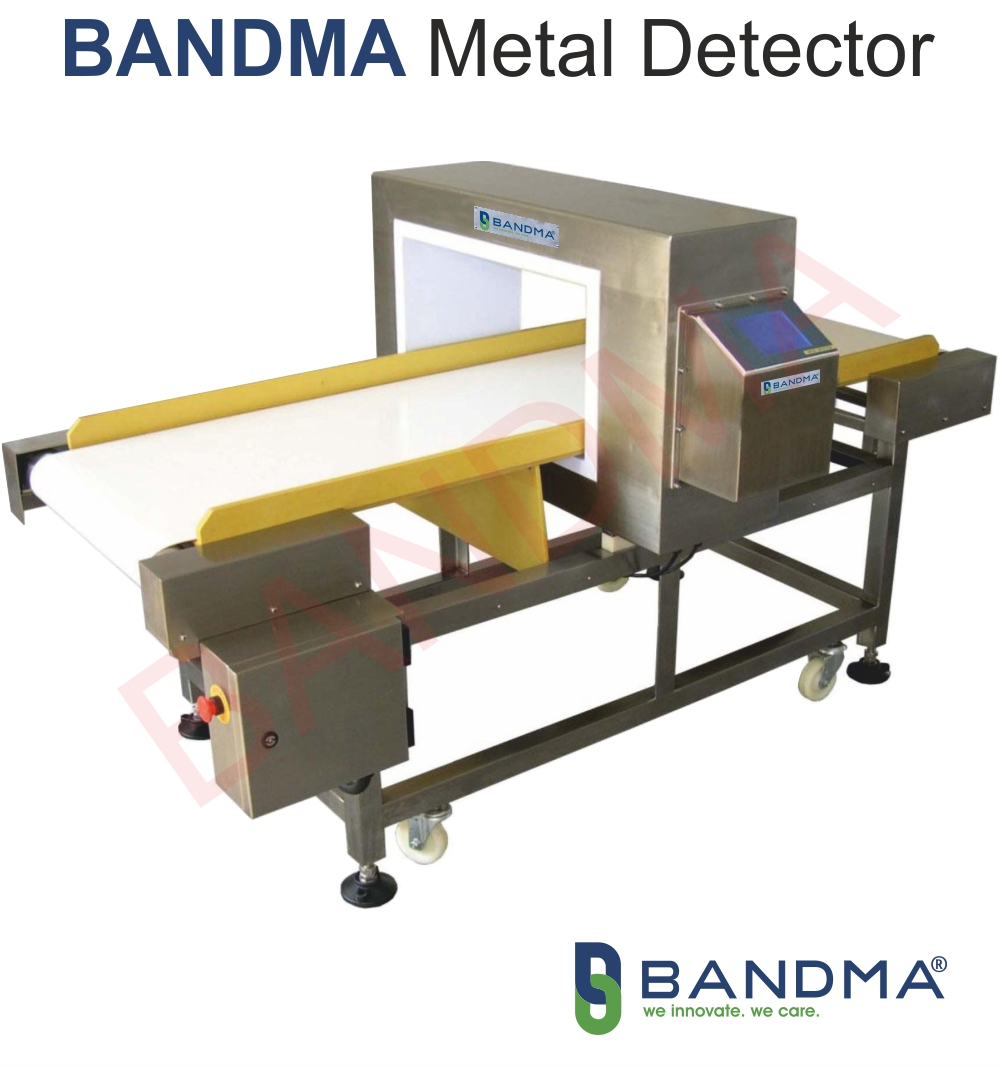
Phase 3: Add intelligence — checkweighers, metal detectors, code marking, and labelling — to create a compliant, traceable, fully auditable secondary packaging line.
What Bandma Can Do for Your Line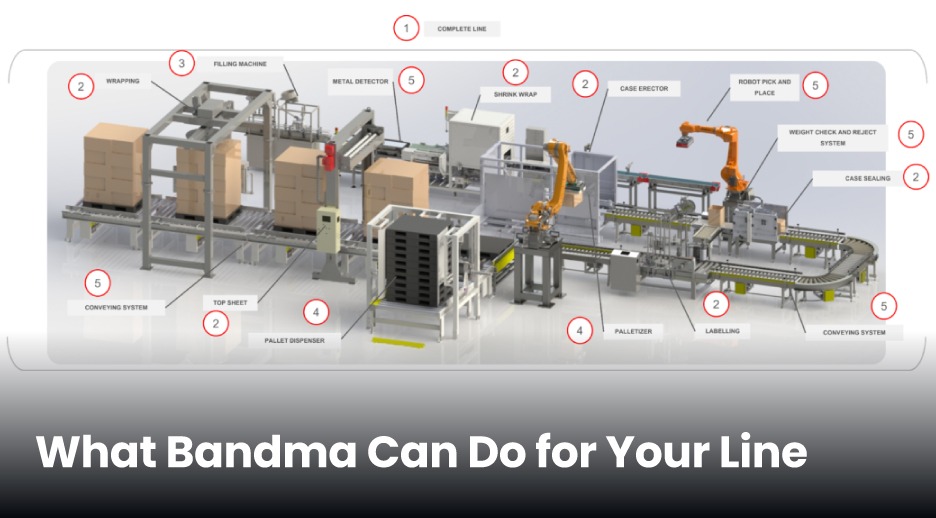
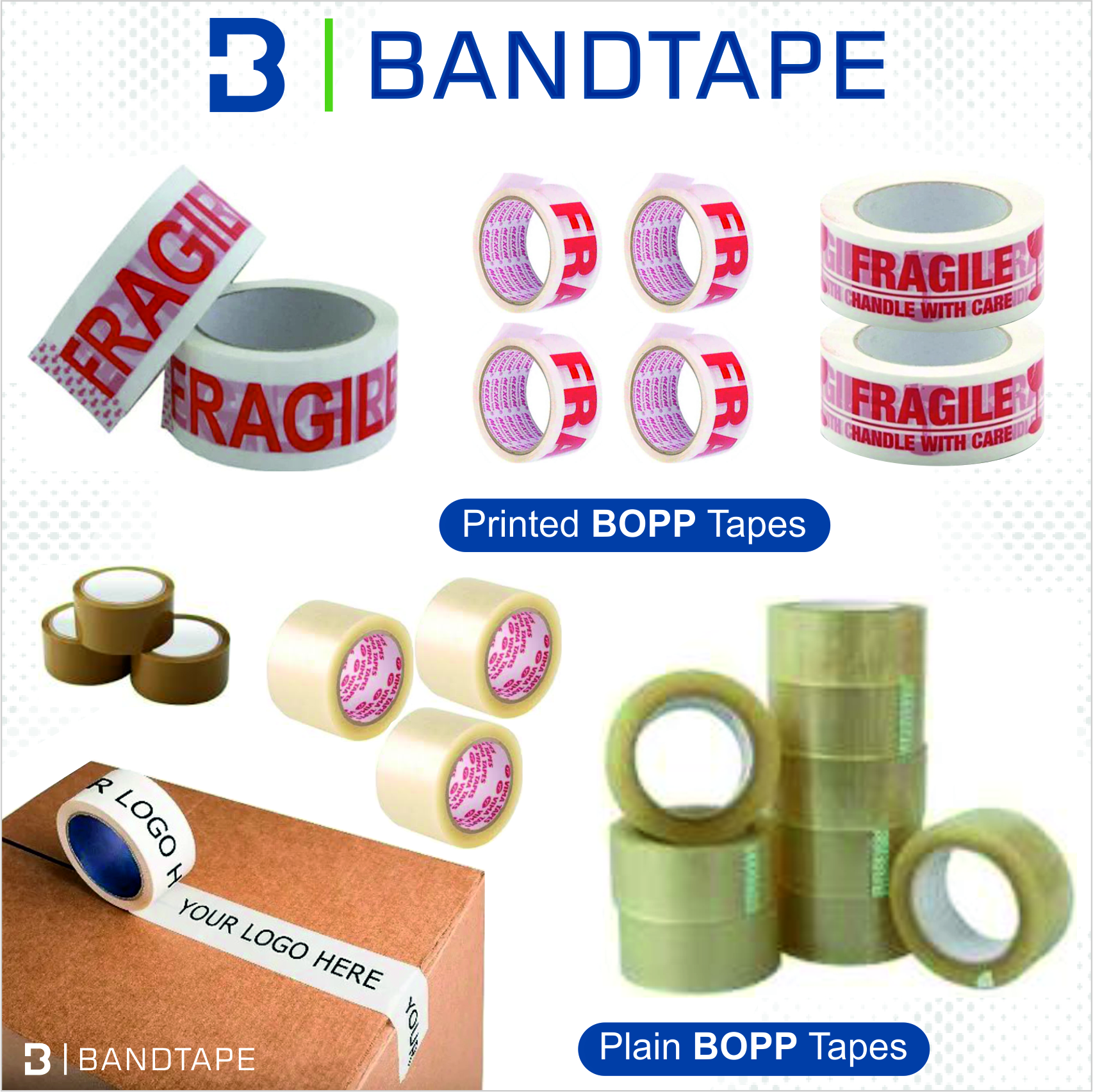
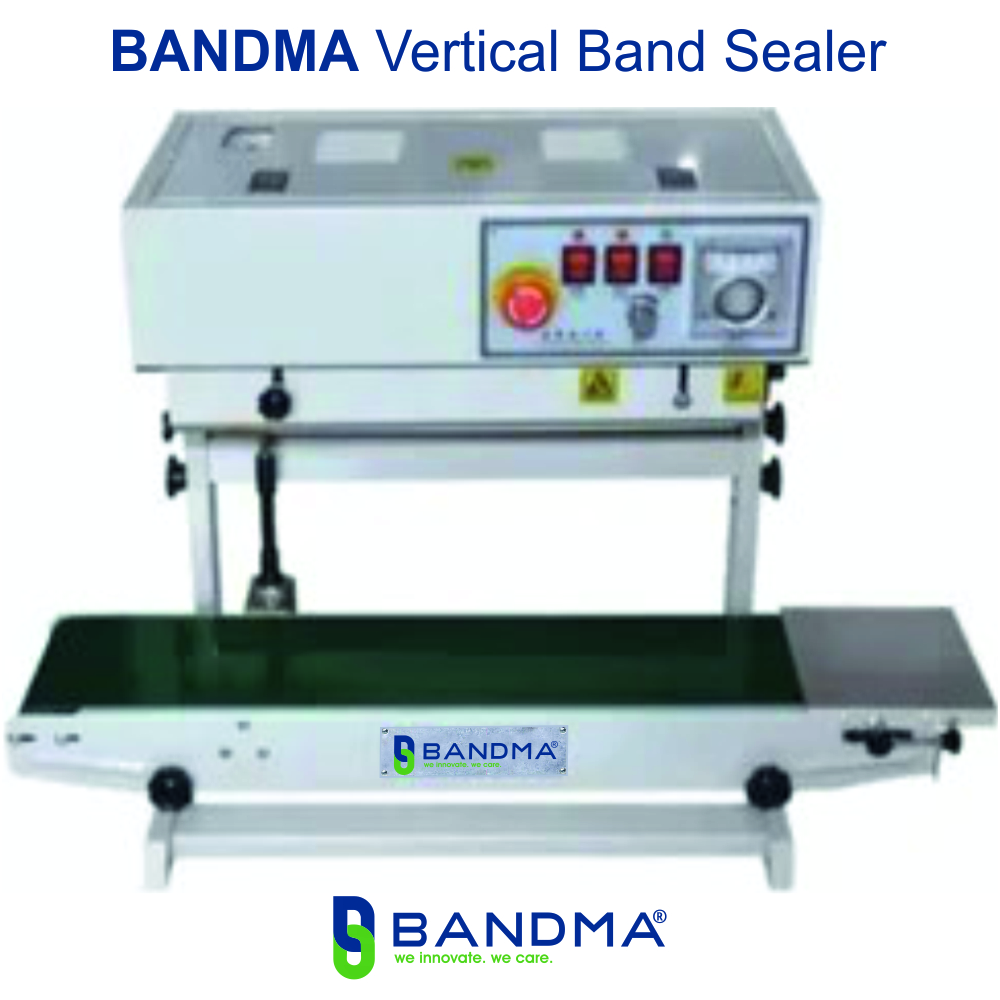
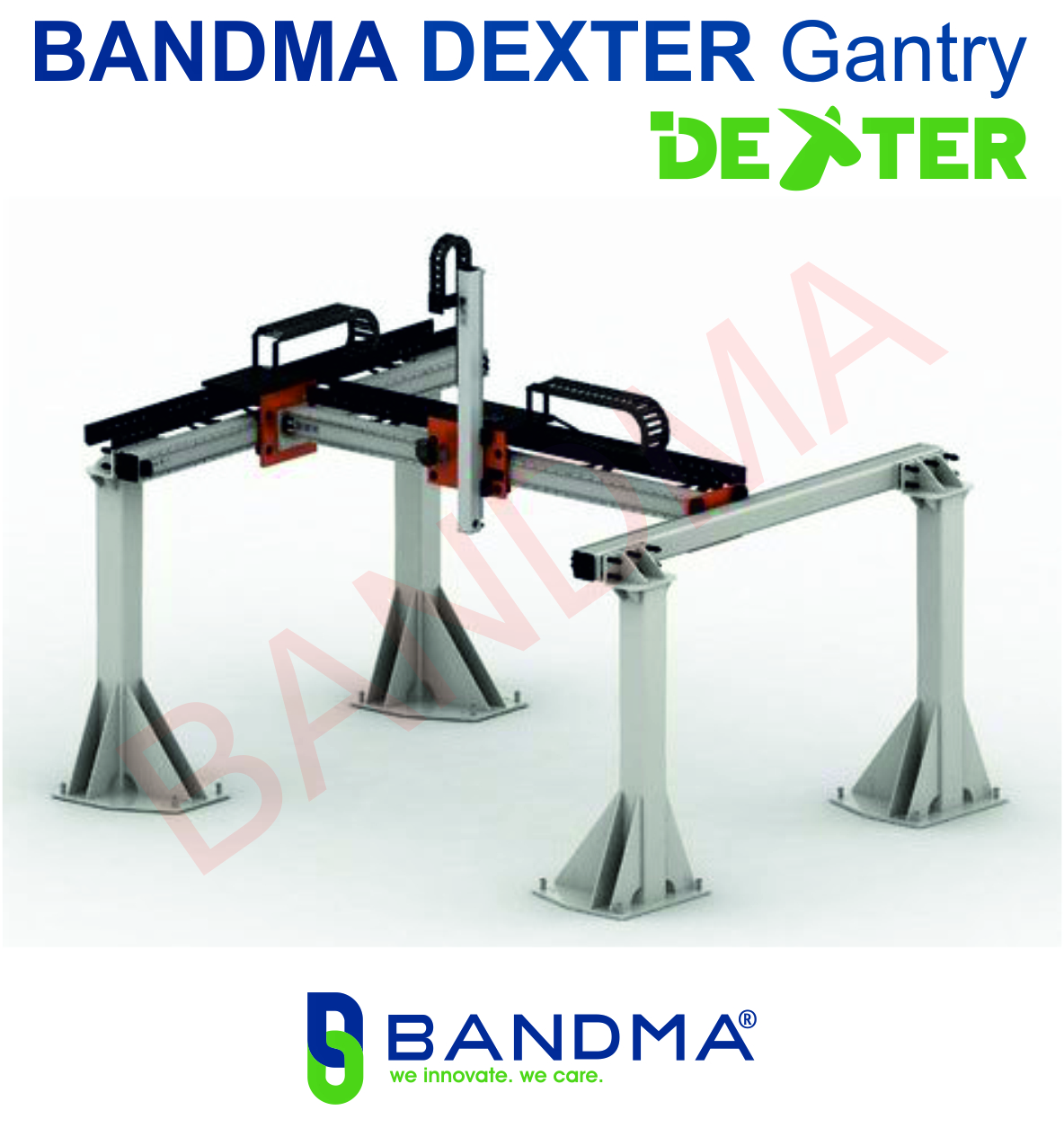
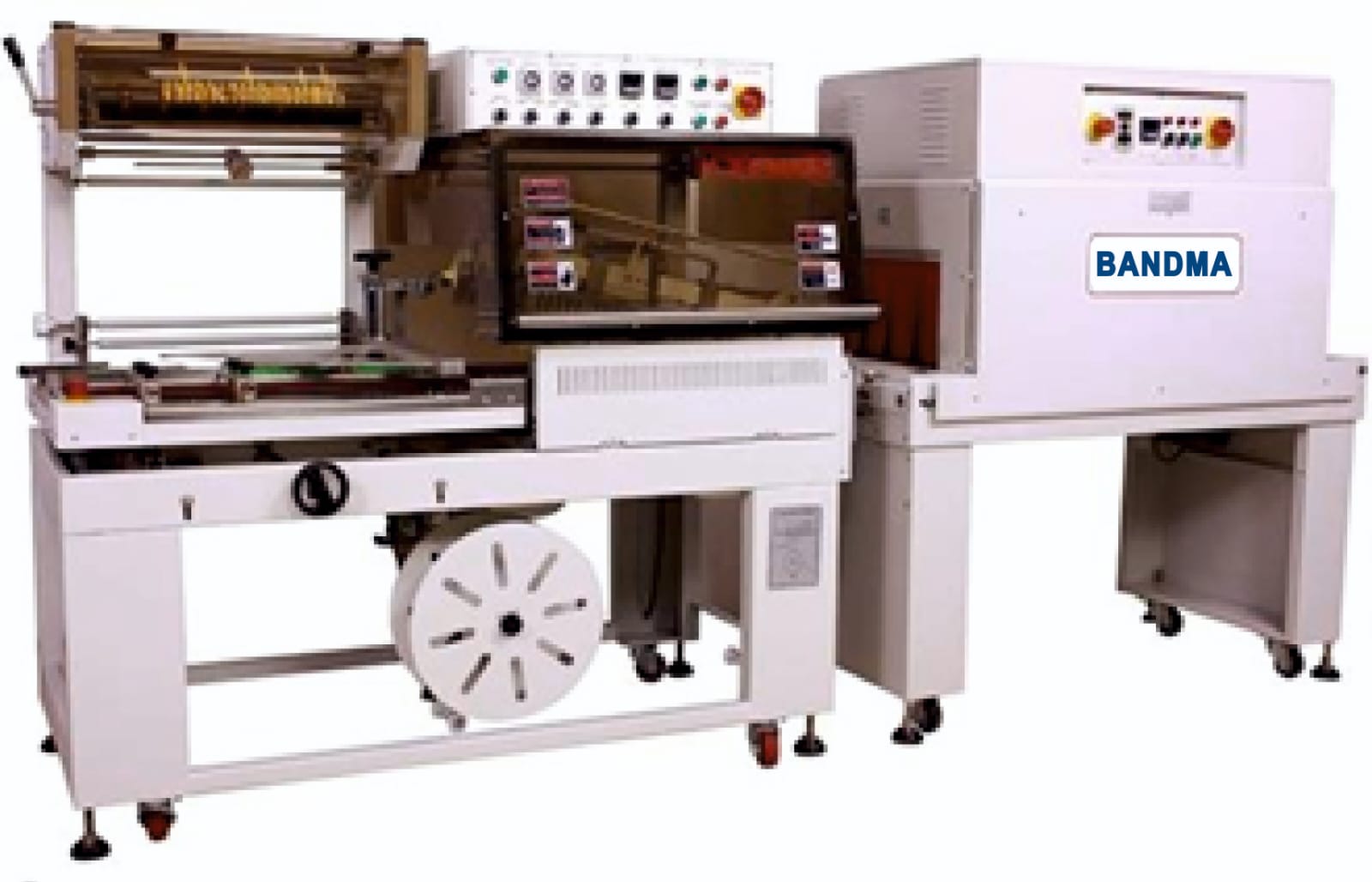
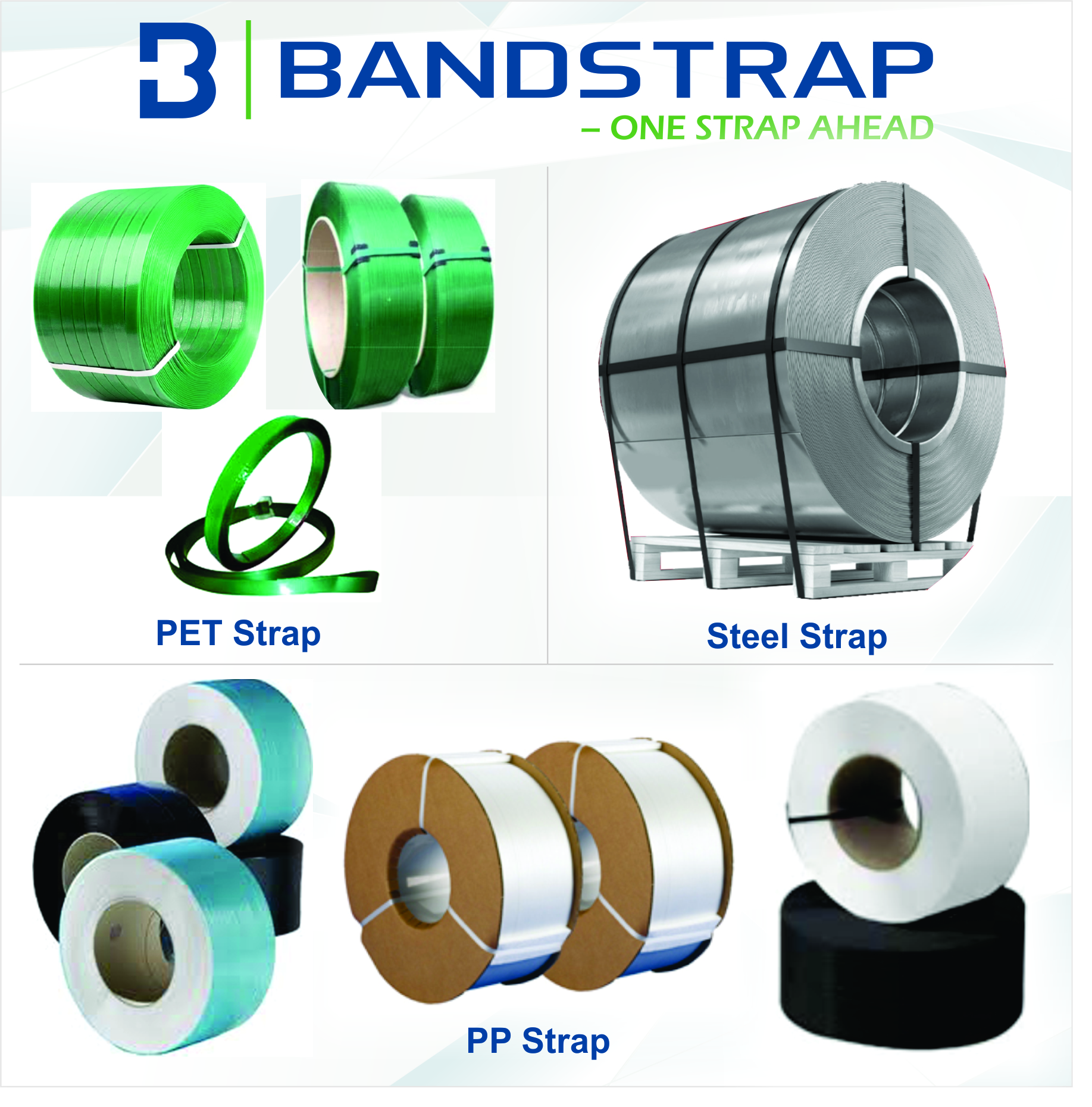
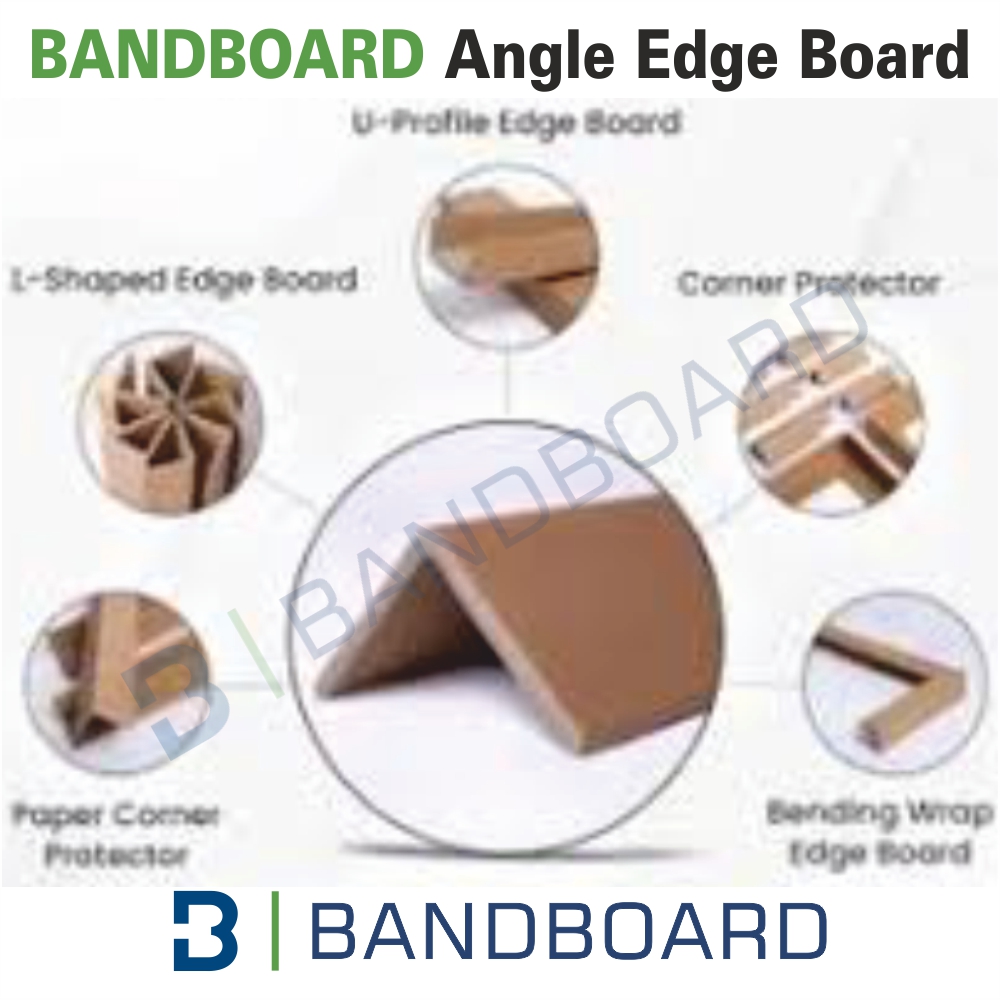
Bandma supplies every machine category in a secondary packaging line — case erectors, taping machines, strapping machines, stretch wrappers, conveyor systems, labelling machines, checkweighers, and metal detectors — as well as the consumables (Bandstrap, Bandtape, stretch film) those machines run on.
This means you can work with a single vendor for the complete secondary packaging line, simplifying project management, spare parts, and after-sales support. Bandma's 24/7 after-sales support is available from day one — because the value of a packaging line is measured in uptime, not just in what it does when it runs.
Talk to Bandma about mapping and automating your secondary packaging line — from a single machine to a complete turnkey solution.