












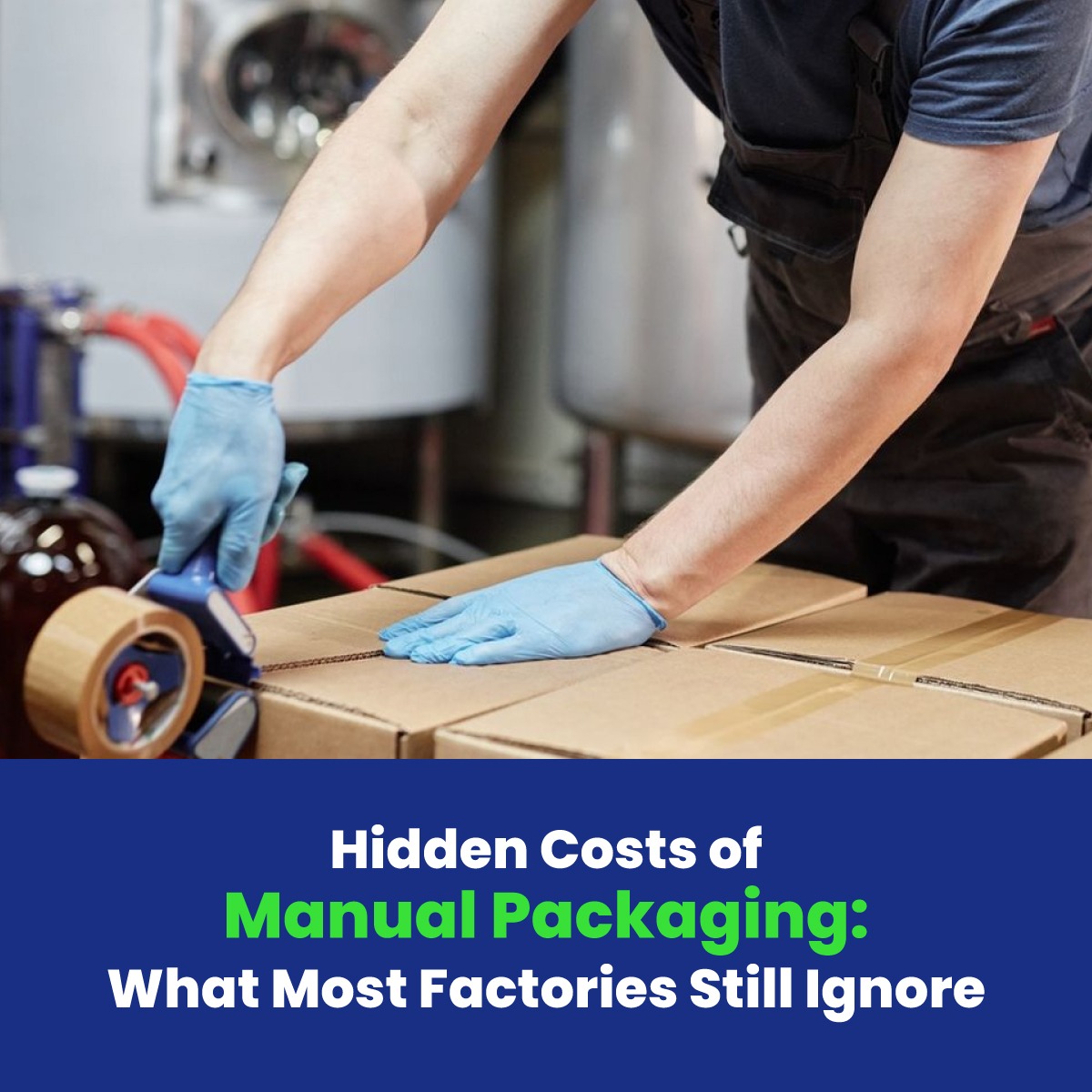
Packaging is one of the most critical operations inside a factory, yet it is also one of the most overlooked. Many manufacturers still rely heavily on manual packaging, assuming it is “cheaper,” “simpler,” or “flexible enough” for daily production. But the reality is different. While manual processes may look cost-effective on the surface, they come with hidden expenses that silently drain productivity, increase operational risk, and weaken overall profitability.
This blog uncovers the real cost of manual packaging—costs that most factories ignore until they start affecting output, delivery timelines, and customer satisfaction.
1. The Illusion of Low Cost: Labor Is Not Cheap
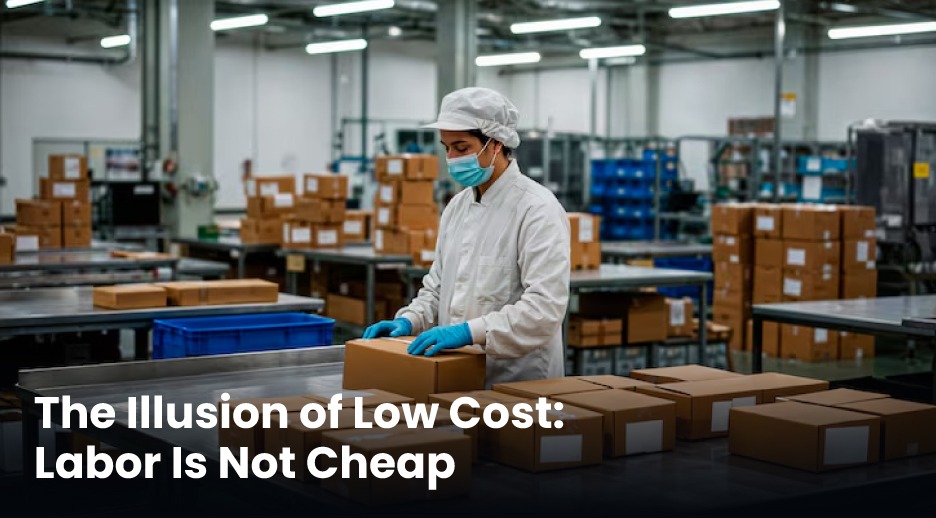
Most factories stick to manual packaging because the labor cost appears lower than investing in automation. But this comparison is incomplete.
The True Picture of Labor Costs
- Manual packaging requires multiple workers per shift, especially for repetitive tasks like taping, strapping, wrapping, sorting, and palletizing.
- When demand increases, factories need overtime labor, which is significantly more expensive.
- Labour dependency creates unpredictability—absenteeism, sick days, seasonal workforce shortages, and skill inconsistency.
Automation replaces repetitive actions with process consistency, reducing dependence on fluctuating labor availability.
Long-Term Cost Disadvantage
Even if the per-worker salary is low, the cumulative cost of:
- Hiring
- Training
- Retention
- Overtime
- Shift coverage is far higher than most managers estimate.
Manual packaging might feel affordable today, but it becomes a continuous recurring cost that grows every year.
2. Higher Error Rates Lead to Hidden Losses
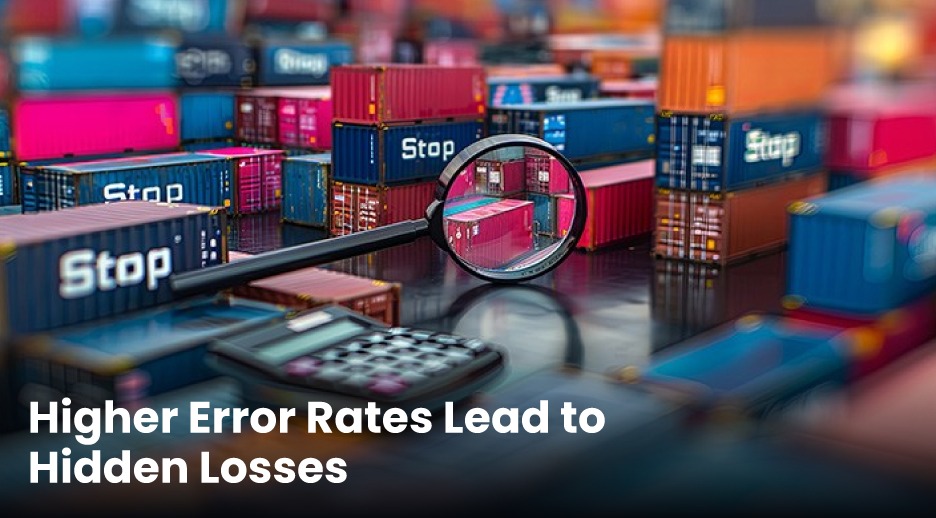
Humans are simply not designed for repeated, high-speed packaging work. Fatigue, distraction, or pressure to meet deadlines increases the chances of mistakes.
Common Manual Packaging Errors
- Improper taping or sealing of cartons
- Under-strapping or over-strapping
- Uneven stretch wrapping
- Wrong labeling
- Incorrect carton orientation
- Damaged edges or corners during handling
Every small error increases the probability of product damage, rework, returns, and customer complaints.
Cost Impact of Human Errors
- Rework cost: Fixing faulty packaging consumes time and labor.
- Material waste: Extra tape, straps, or film used to compensate for mistakes.
- Damage claims: Goods damaged due to weak packaging directly affect profit margins.
- Customer dissatisfaction: Poor packaging leads to loss of long-term clients.
Automation ensures uniformity, reducing the chance of error to near zero.
3. Slower Throughput = Delayed Dispatch & Lost Revenue
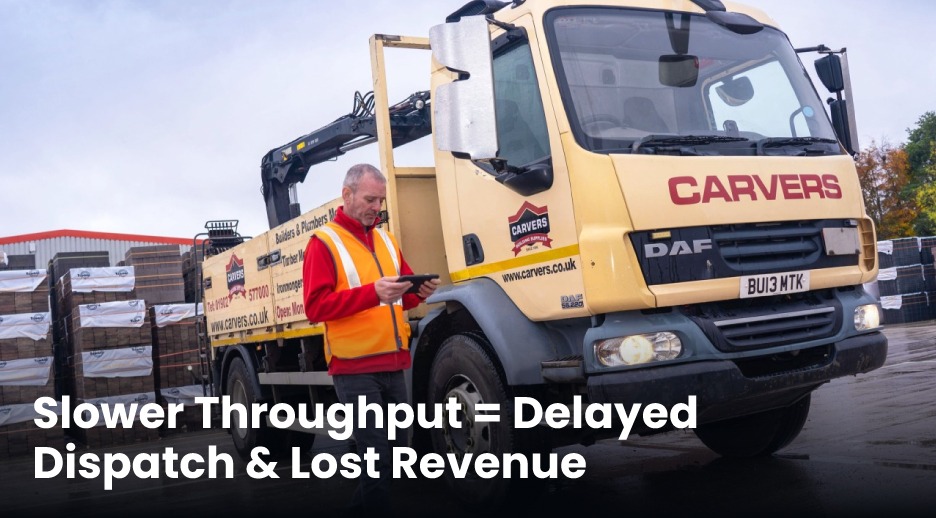
Manual packaging significantly restricts how fast a production line can move.
Throughput bottlenecks occur because:
- Humans cannot match machine cycle speeds.
- Operators slow down during long shifts.
- Complex packaging tasks take more time manually.
When packaging becomes the bottleneck, the entire production line is forced to slow down. This leads to:
- Missed dispatch deadlines
- Inventory pile-ups
- Increased storage cost
- Poor order-to-delivery performance
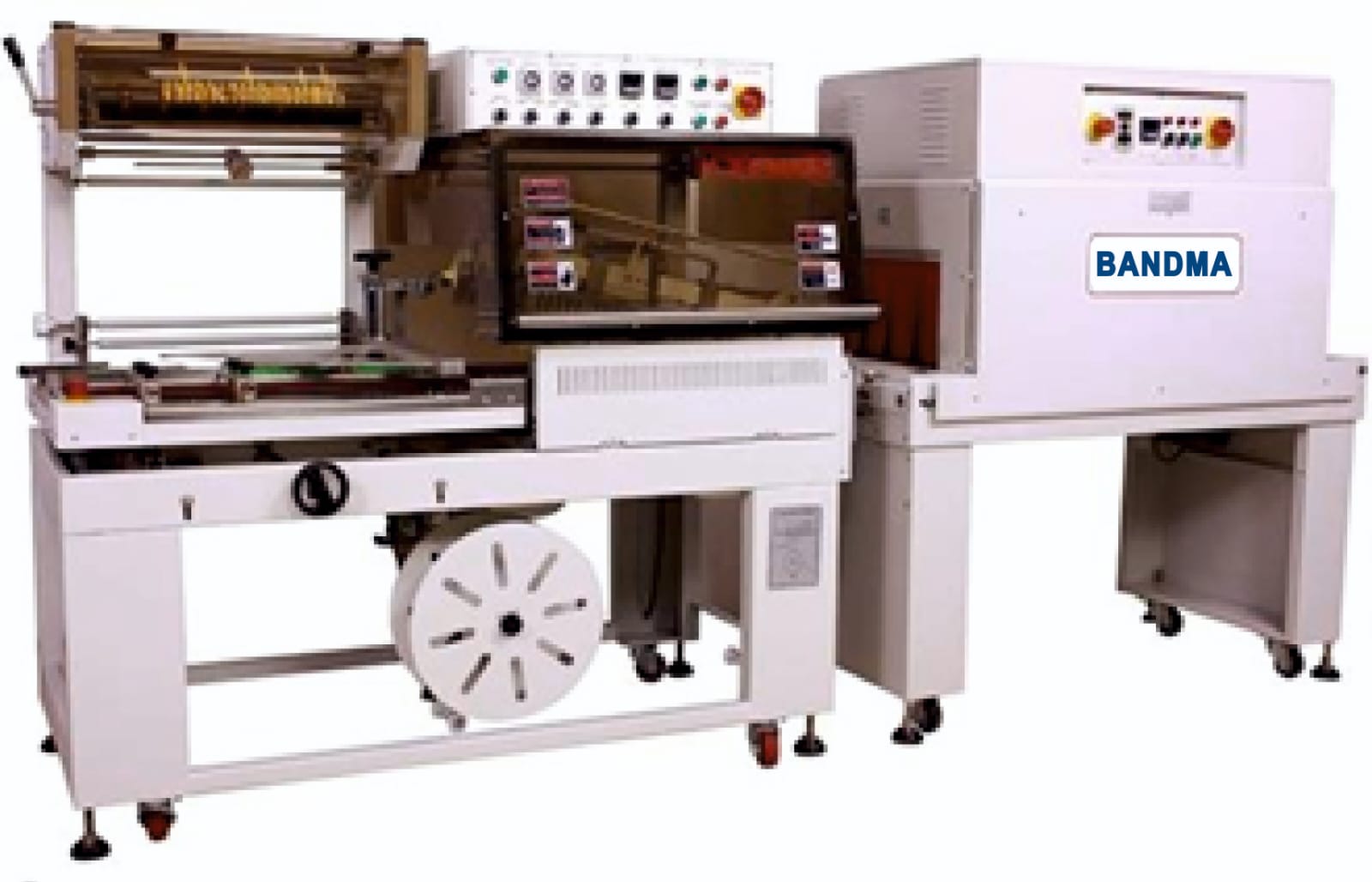
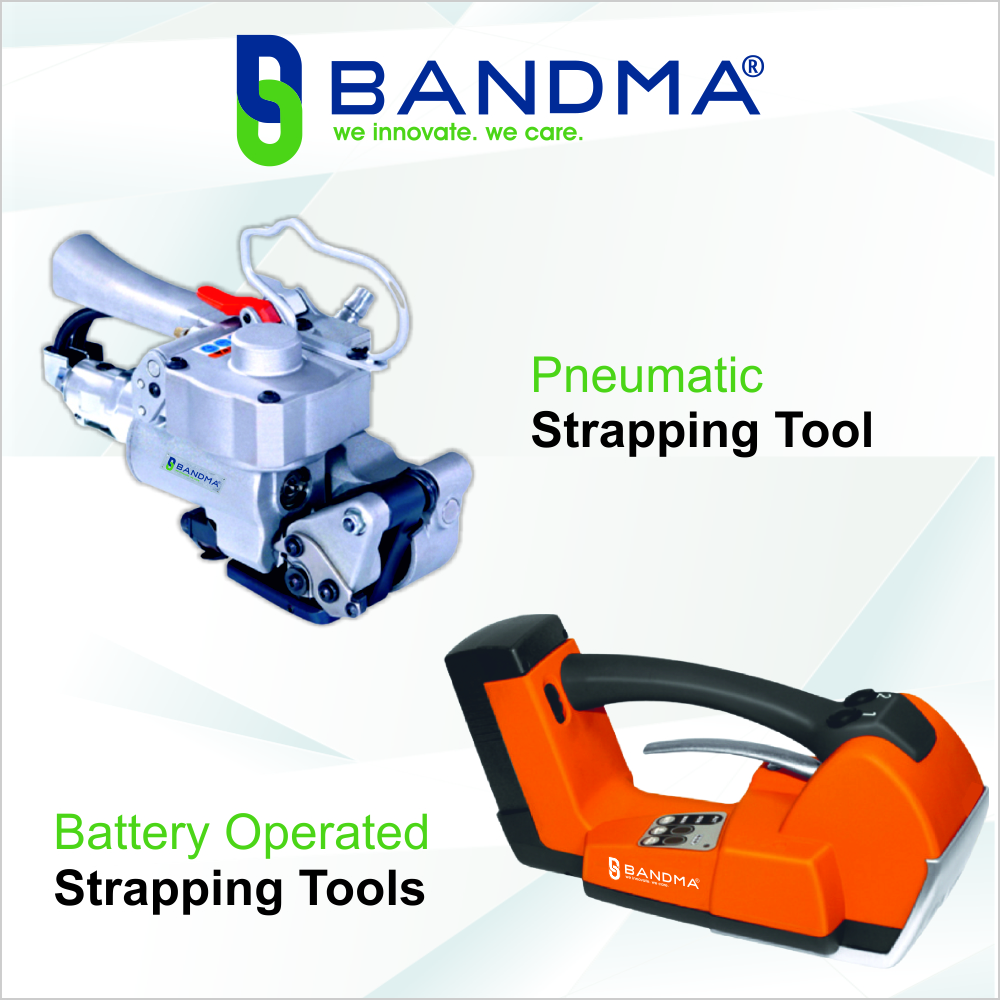
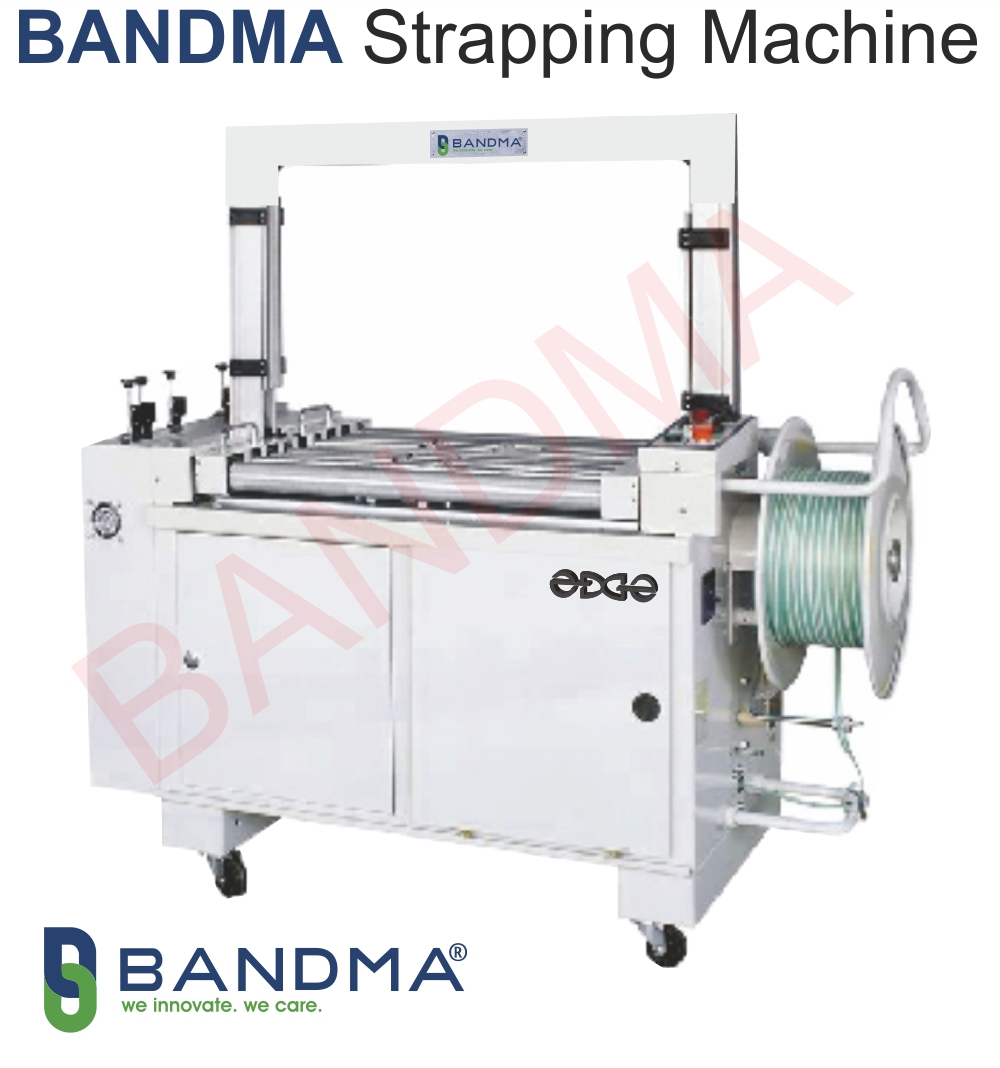
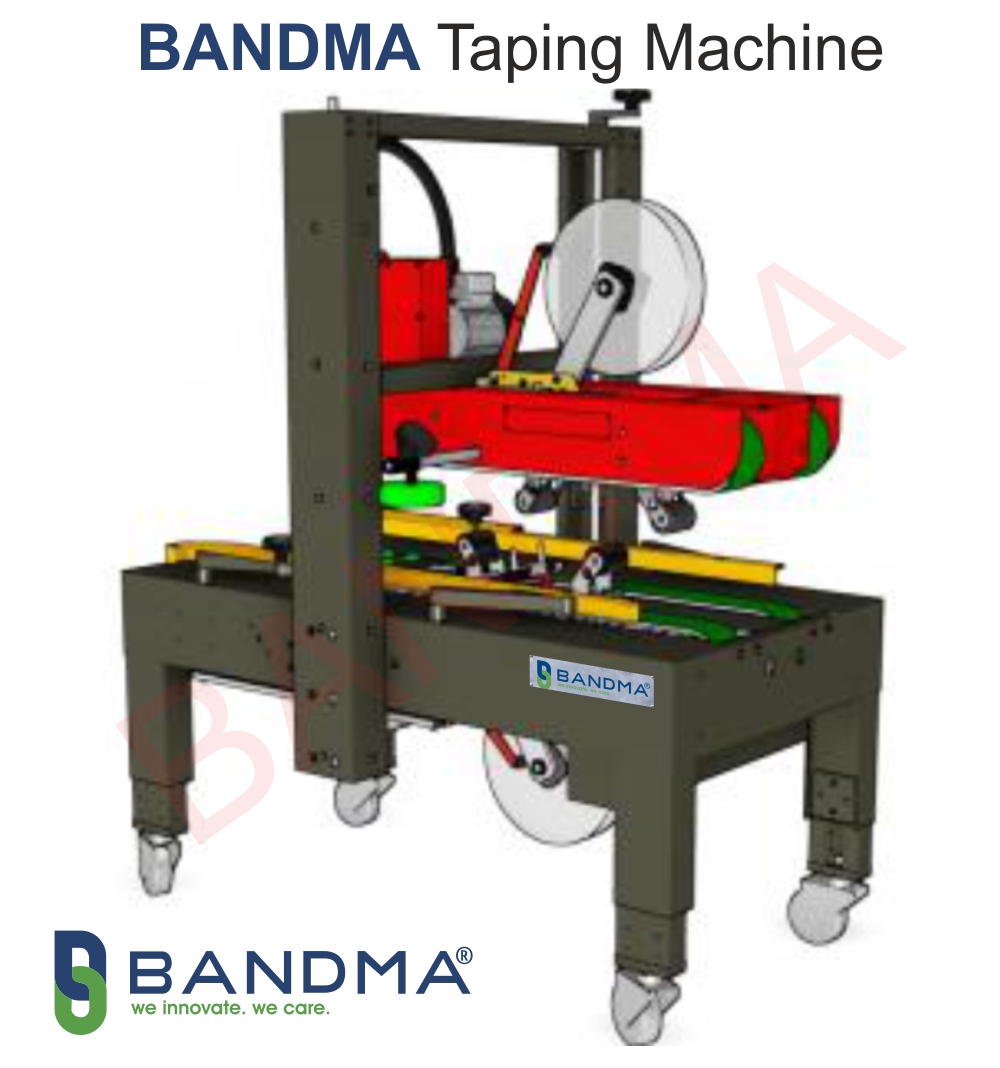
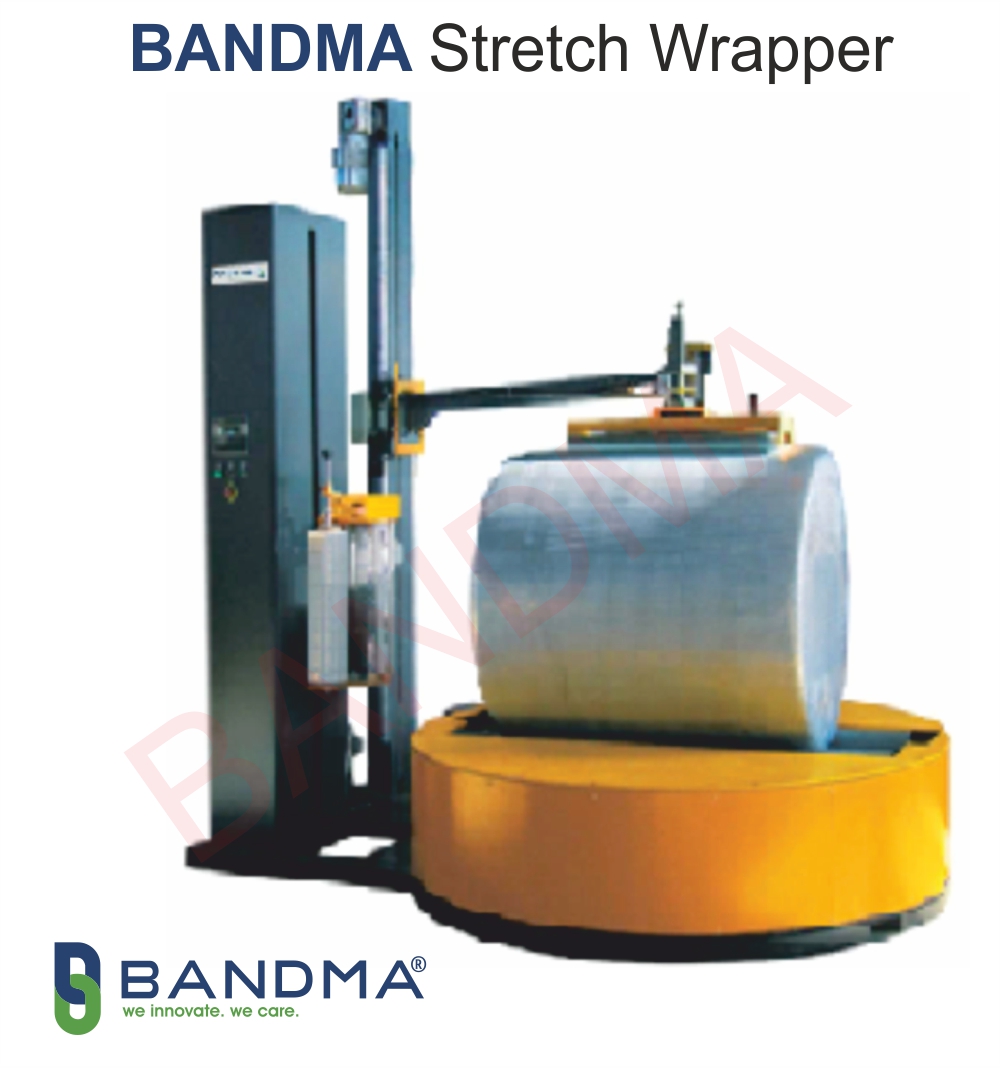
Automated machines like case erectors, strapping systems, stretch wrappers, and shrink tunnels maintain continuous, high-speed, predictable output.
4. Workplace Injuries Come with a Heavy Financial & Legal Burden

Repetitive packaging tasks often involve bending, lifting, pulling, taping, pushing, or wrapping. These actions put strain on workers.
Risks in manual packaging:
- Back and spine injuries
- Wrist and shoulder strain
- Cuts and abrasions
- Accidents while carrying heavy cartons
- Slip-and-fall incidents near packing areas
The cost of workplace injuries includes:
- Medical compensation
- Paid leaves
- Lost working hours
- Temporary replacement labor
- Compliance and insurance issues
- Risk of legal disputes
Automation drastically minimizes physical strain, making operations safer and more compliant.
5. Inconsistent Packaging Quality Damages Your Brand

Customers judge product quality based on packaging. Uneven taping, loose film, weak straps, or distorted pallets create a negative impression—even if the product inside is perfect.
Manual packaging issues that affect brand image:
- Wrinkled film
- Carton bulging
- Tape overlaps or gaps
- Unstable pallets
- Untidy finish
Consistency builds trust. Automation ensures each carton and pallet looks clean, professional, and uniform, enhancing overall brand perception and reducing returns.
6. Material Waste Is Always Higher in Manual Operations

Human workers often use:
- Excess tape to “feel safe.”
- Extra layers of stretch film
- More straps than necessary
- Wrong-size cartons (due to a lack of standardization)
This unplanned overuse increases per-unit packaging cost.
Automated dispensers, sealers, and wrappers optimize material usage precisely—reducing waste and saving costs.
7. Manual Packaging Cannot Scale with Business Growth
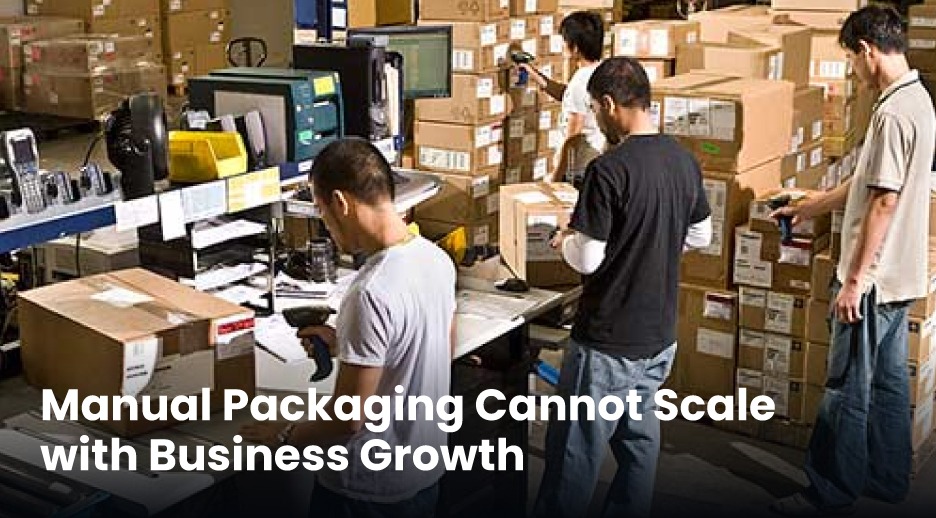
When demand rises, manual packaging immediately hits its limit. Hiring more people and rearranging shifts does not scale efficiently.
Automation, on the other hand:
- Handles higher volume without extra labor
- Works consistently during peak seasons
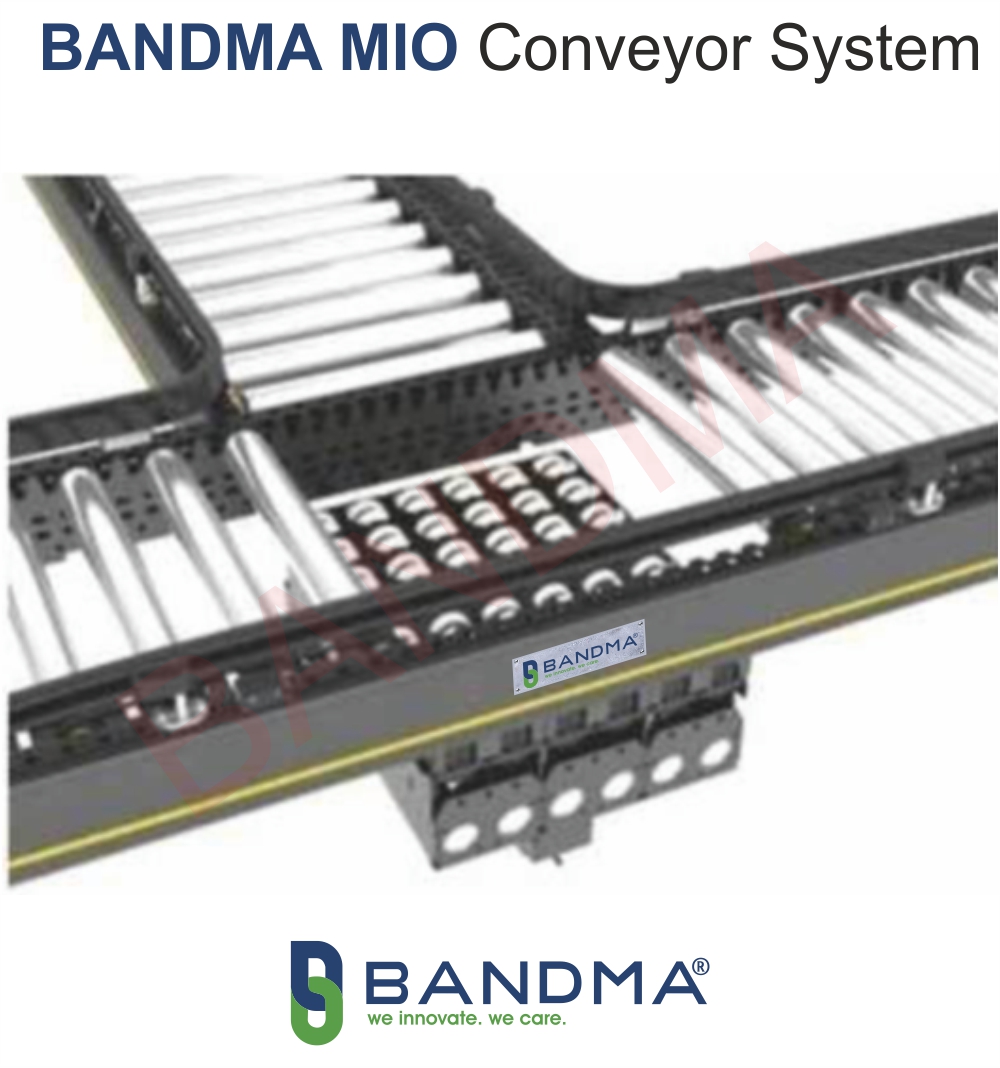
- Integrates easily with conveyors & end-of-line systems
- Provides real-time data for planning and optimization
If a business plans to grow, manual packaging will eventually slow expansion.
Conclusion: Manual Packaging Is More Expensive Than It Looks
The real cost of manual packaging is not the worker’s salary—it is the cumulative impact of low speed, inconsistent quality, high error rates, material waste, safety risks, and limited scalability.
Factories that adopt automated packaging systems enjoy:
- Faster output
- Lower long-term cost
- Improved safety
- Higher customer satisfaction
- Predictable performance
- Better ROI
In today’s competitive manufacturing environment, ignoring these hidden costs puts factories far behind industry standards. Automation is no longer a luxury—it is the new baseline for efficiency and profitability.