

In many manufacturing facilities, production gets most of the attention. Machines are monitored closely, output targets are tracked daily, and process improvements are continuously implemented. However, one area that often determines whether products reach customers safely and on time is the end-of-line packaging process.
A product may be manufactured perfectly, but if packaging operations are slow, inconsistent, or poorly coordinated, the entire supply chain can suffer. Delays in sealing, strapping, wrapping, or pallet handling can create bottlenecks that impact warehouse efficiency and dispatch schedules.
This is why leading manufacturers are focusing on building efficient end-of-line packaging systems that connect every stage from carton sealing to pallet dispatch into one smooth workflow.
What Is End-of-Line Packaging?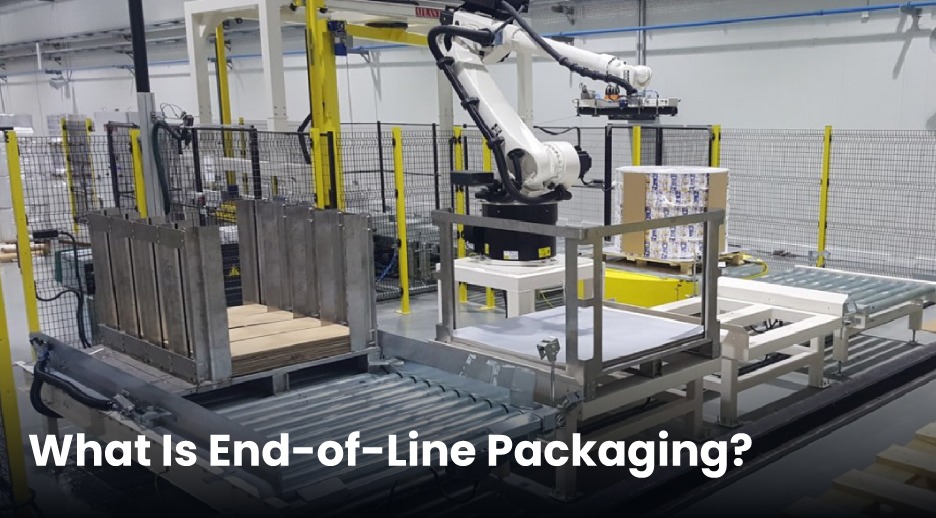
End-of-line packaging refers to the final packaging operations performed before products are shipped or stored.
These processes typically include:
- Carton sealing
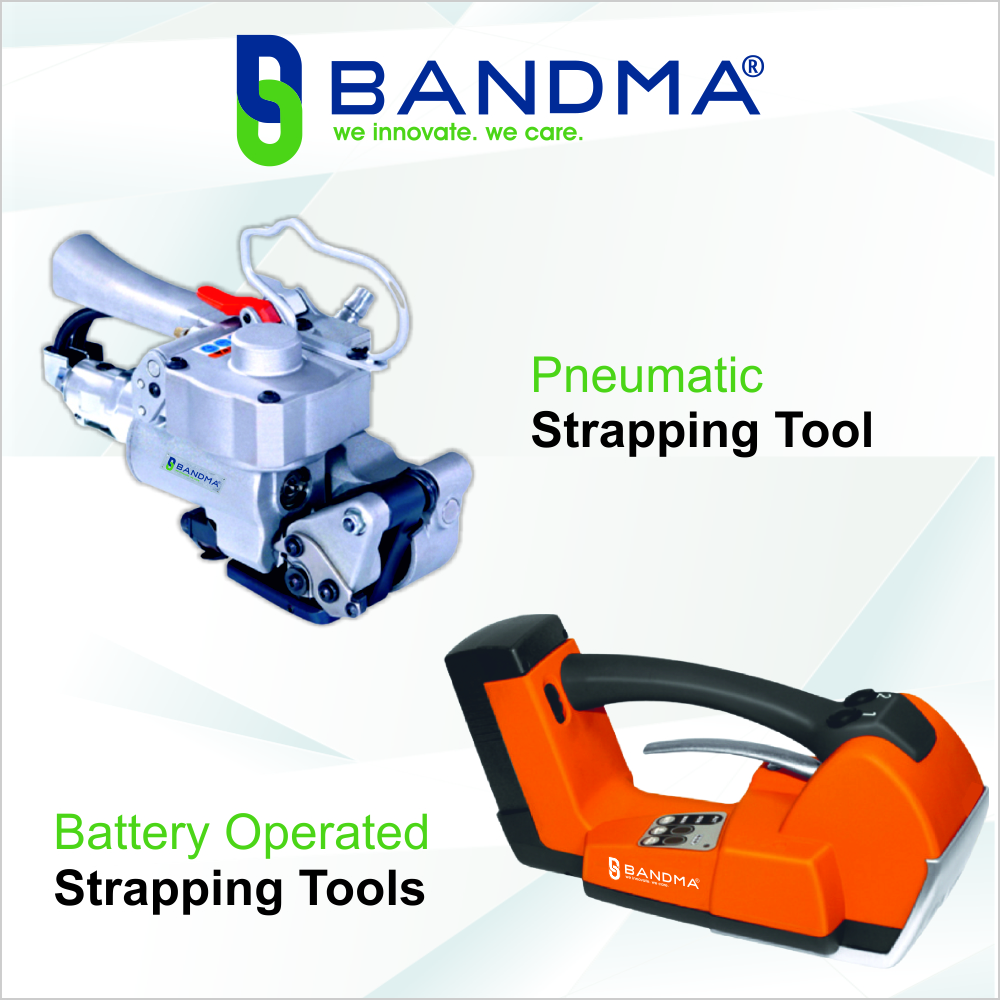
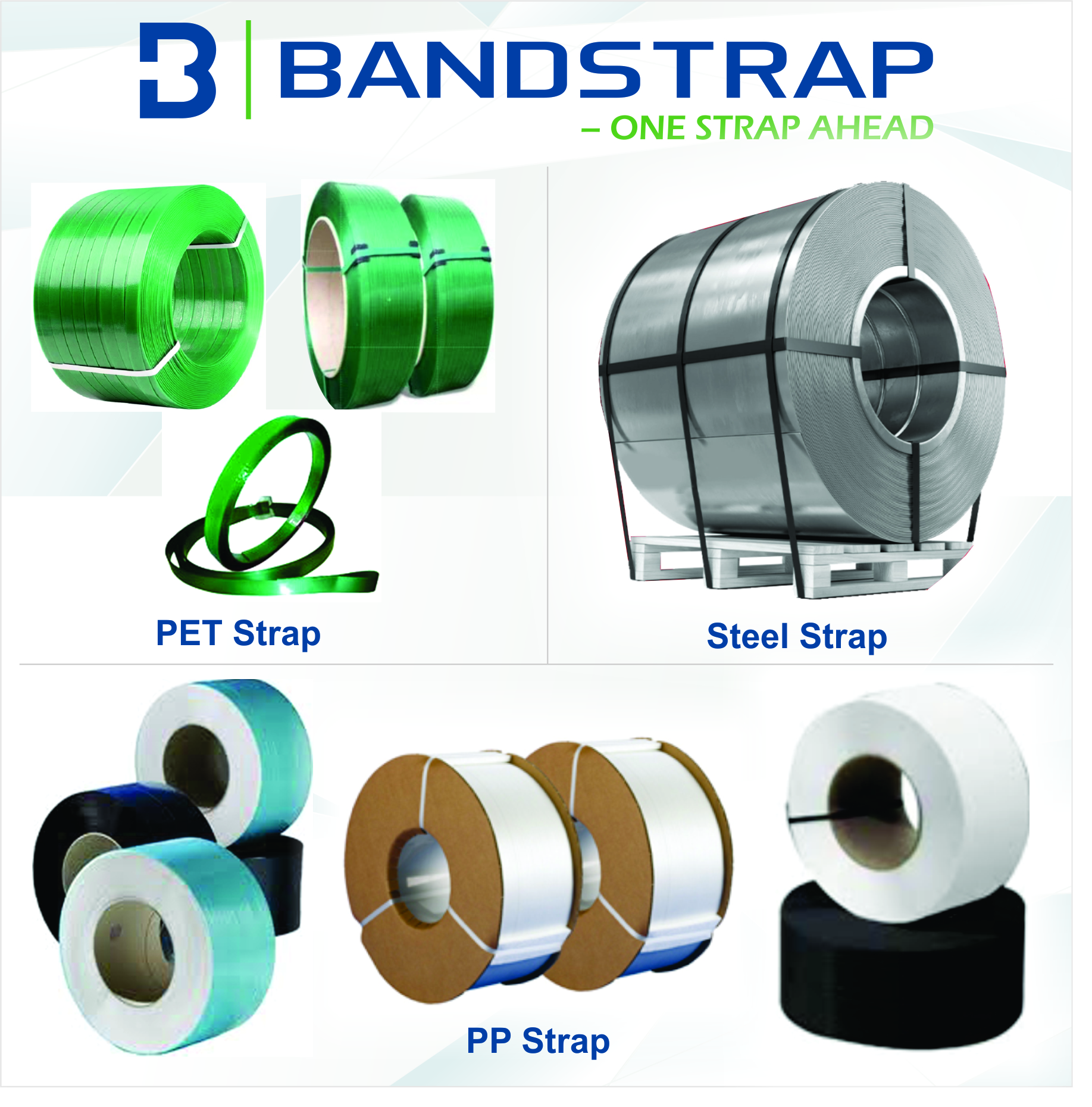
- Strapping
- Product conveying
- Stretch wrapping
- Palletizing
- Dispatch preparation
While each operation may seem simple individually, inefficiencies at any stage can affect overall production flow.
The goal of an efficient end-of-line system is to ensure products move quickly, safely, and consistently from packaging to dispatch.
Step 1: Reliable Carton Sealing
The journey begins with properly sealed cartons.
Poor carton sealing can result in:
- Open cartons during transit
- Product damage
- Rework before dispatch
- Increased tape consumption
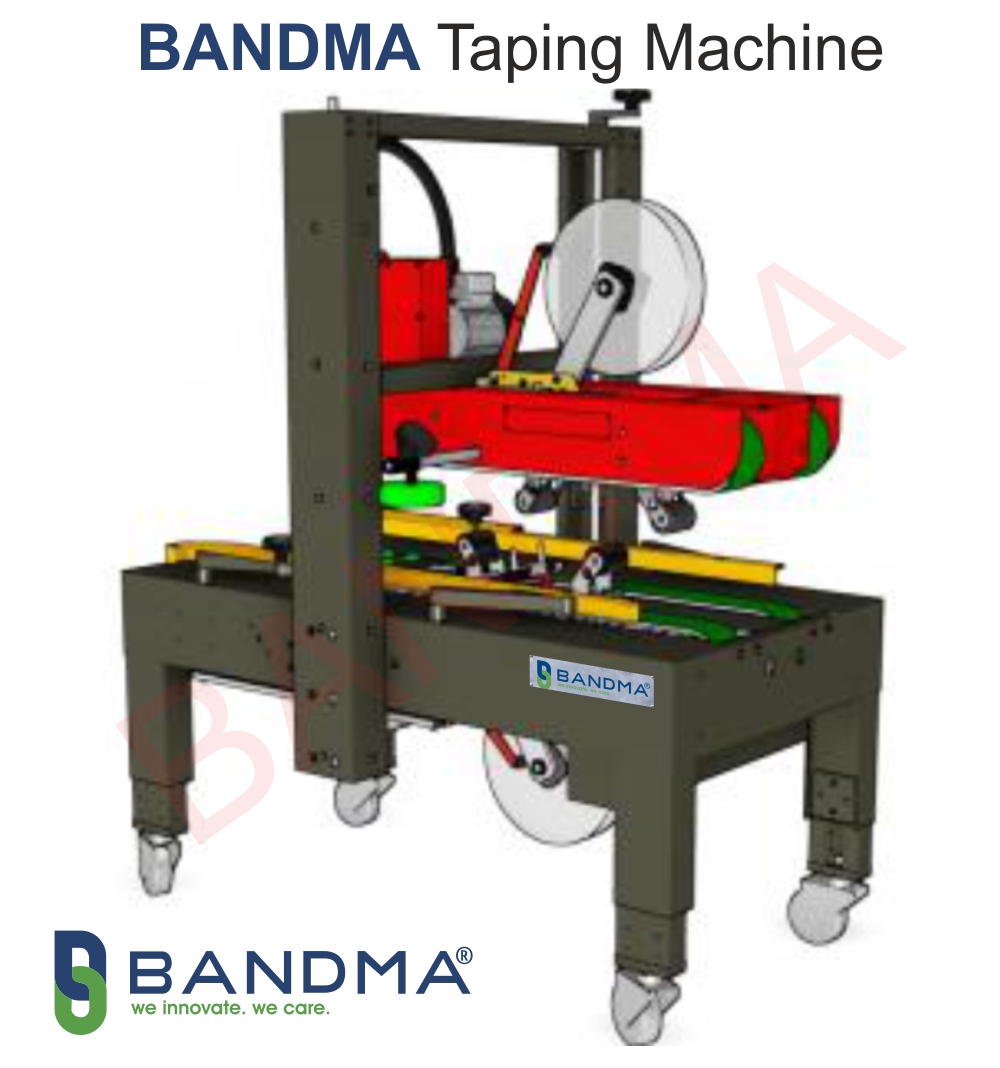
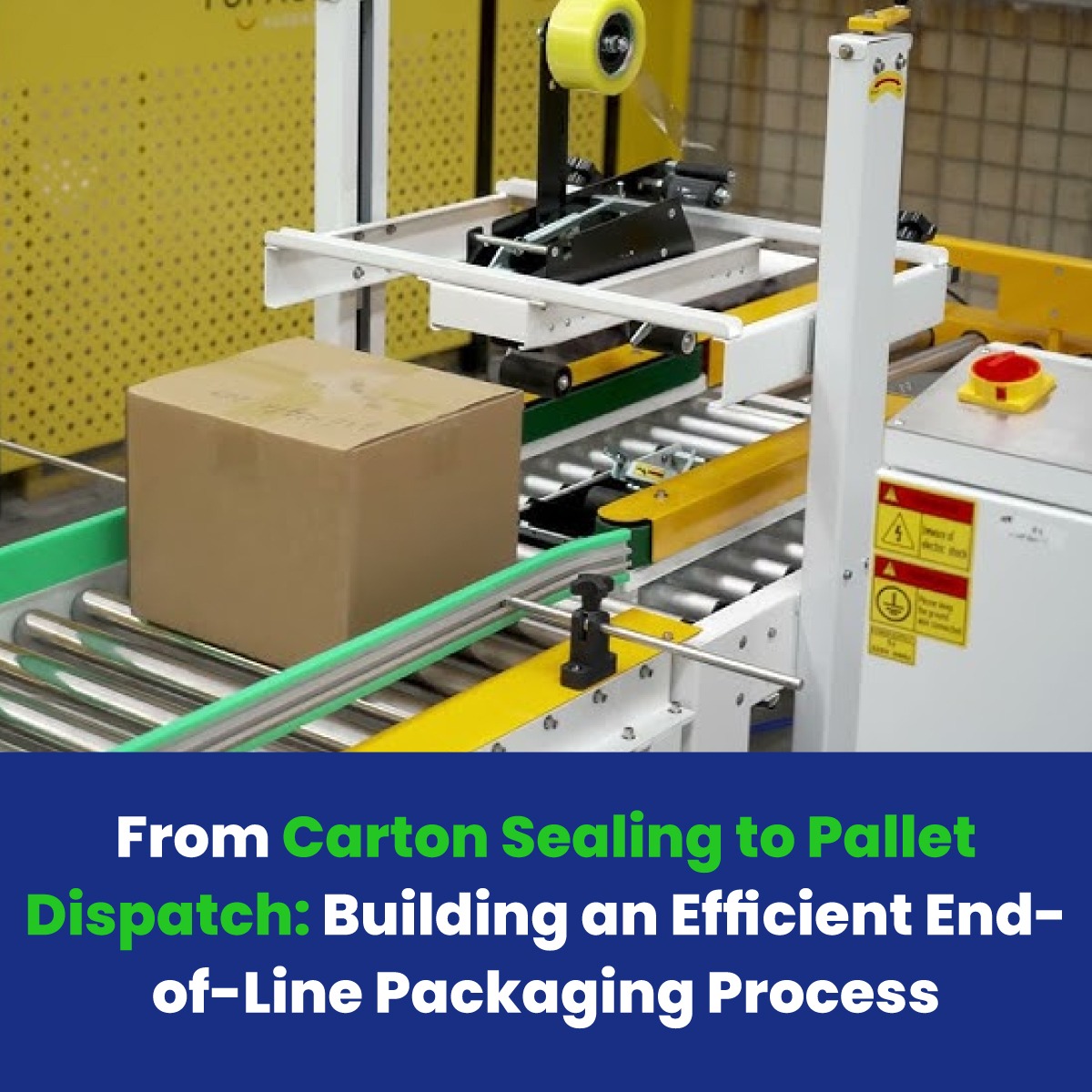
Automatic carton sealing machines help eliminate these issues by providing consistent tape application and uniform sealing quality. Every carton receives the same level of protection, improving both packaging appearance and shipment reliability.
A strong carton seal forms the foundation of a successful packaging process.
Step 2: Secure Strapping for Better Load Stability
Once cartons are sealed, they often need to be bundled or secured for handling and transportation.
Manual strapping can lead to:
- Uneven tension
- Loose bundles
- Slower processing times
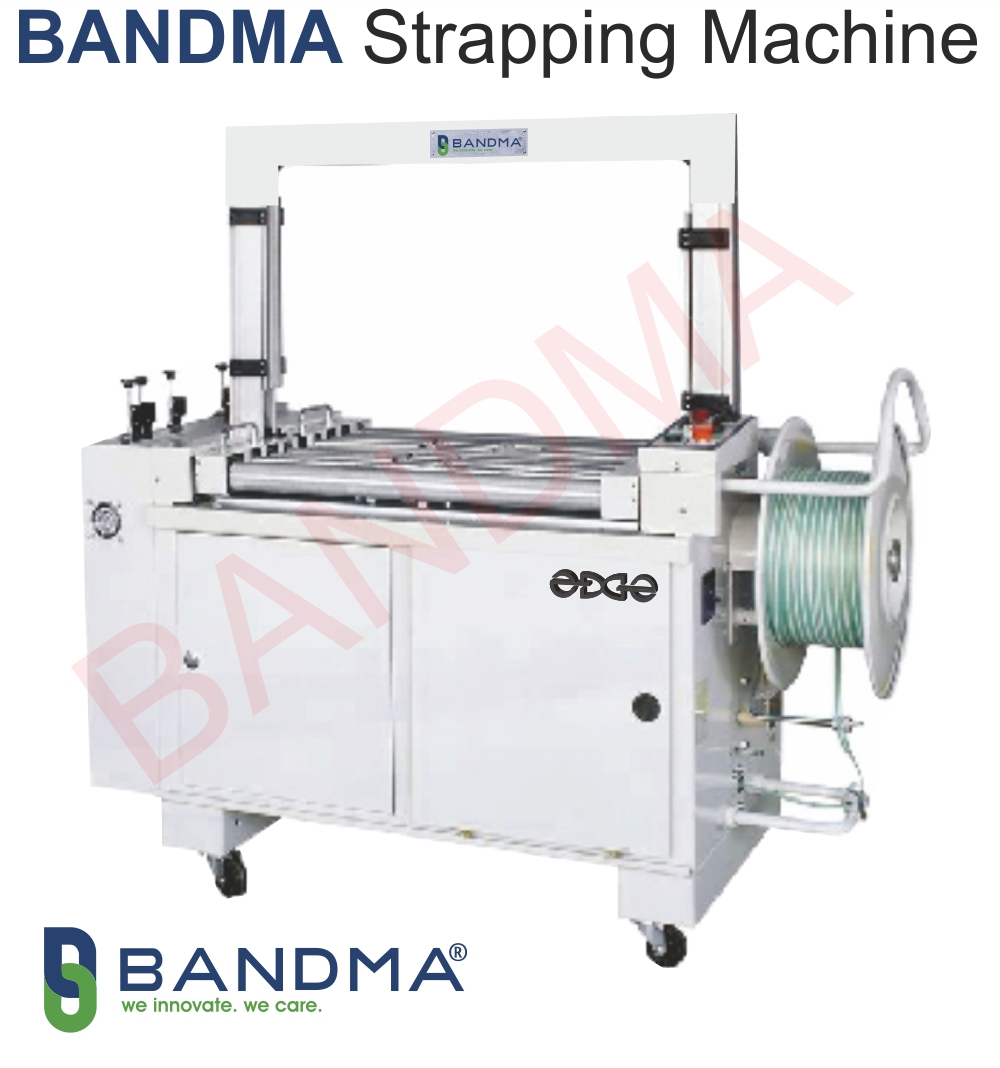
Automatic strapping machines ensure each package receives consistent strap tension, improving load stability and reducing the risk of movement during storage or transportation.
This step becomes especially important for heavy cartons, corrugated bundles, and high-volume dispatch operations.
Step 3: Efficient Product Movement Through Conveyors
One of the most common causes of packaging delays is excessive manual handling between workstations.
When operators move products manually from one machine to another, production flow becomes slower and less predictable.
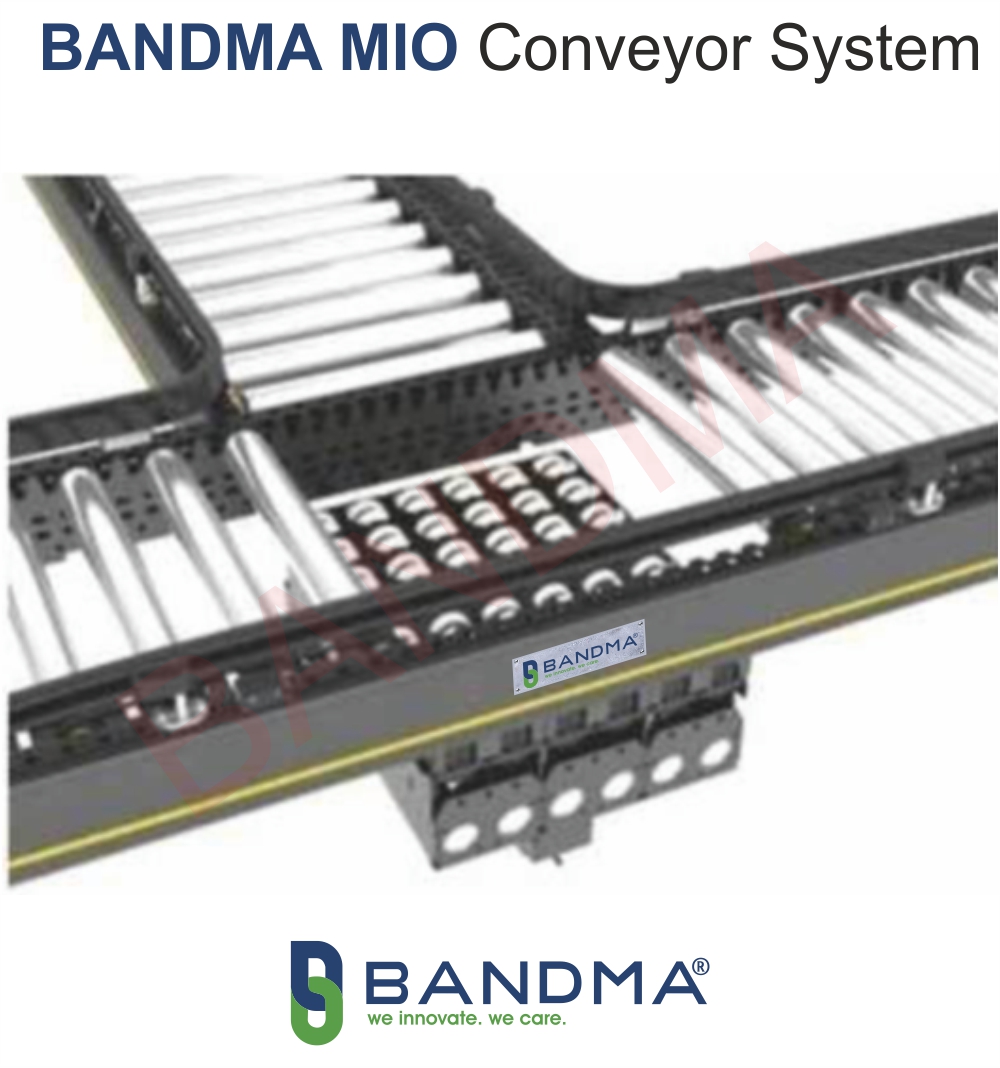
Conveyor systems solve this problem by creating a continuous movement of products throughout the packaging line.
Benefits include:
- Reduced manual handling
- Faster product flow
- Improved workplace safety
- Better synchronization between machines
An efficient conveyor network keeps packaging operations running smoothly without unnecessary interruptions.
Step 4: Stretch Wrapping for Transit Protection
Before products leave the facility, pallet loads must be secured for transportation.
Without proper stabilization, pallets may shift during loading, storage, or transit, leading to damaged goods and customer complaints.
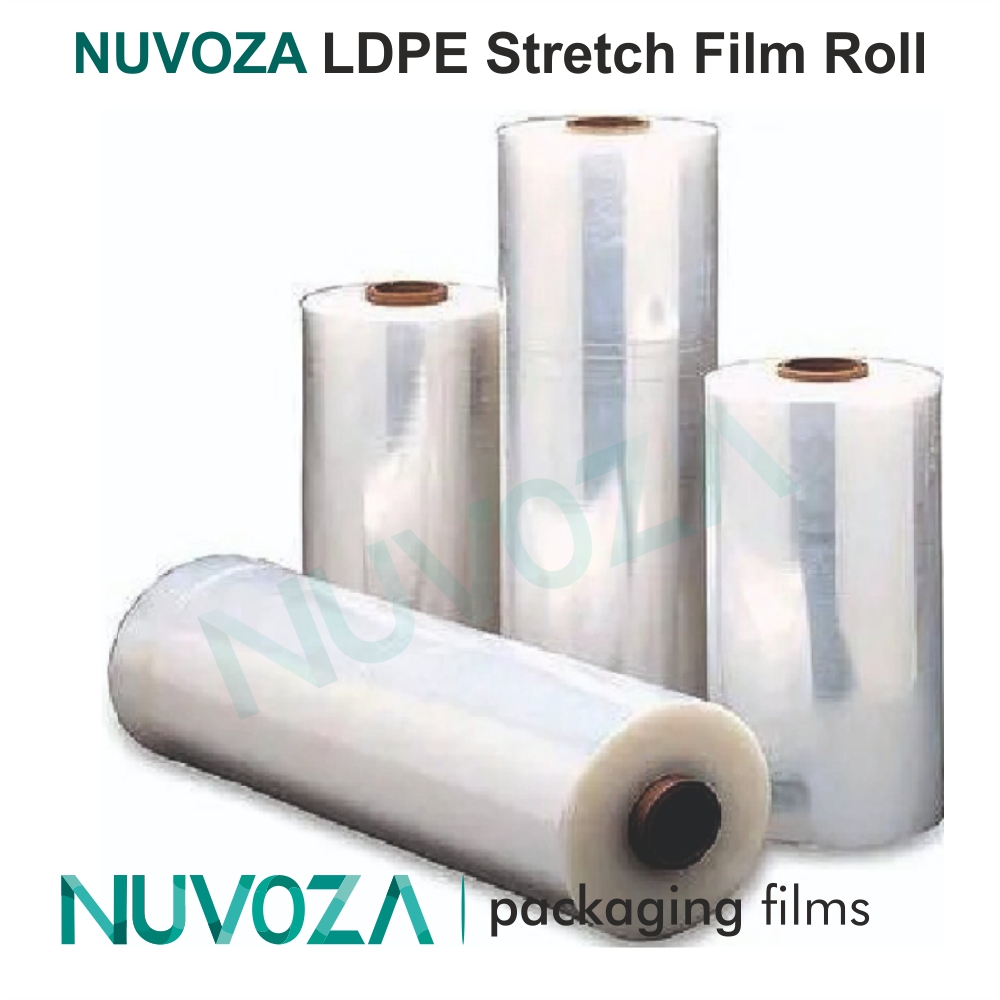
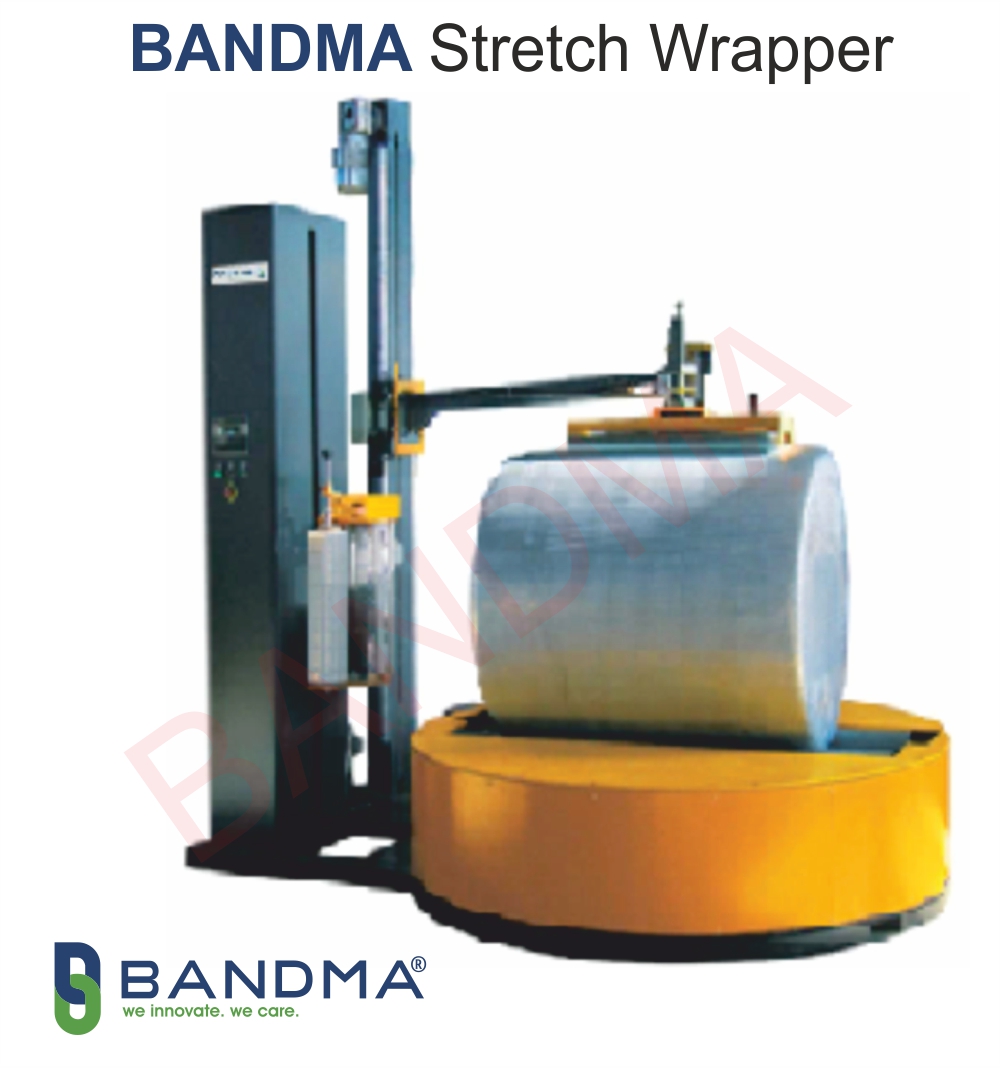
Stretch wrapping machines provide:
- Improved pallet stability
- Better load containment
- Protection from dust and moisture
- Reduced film wastage
A properly wrapped pallet behaves as a single unit, making it safer to transport and easier to handle within warehouses.
Step 5: Organized Pallet Dispatch
The final stage of the process is pallet dispatch.
At this point, products should move quickly from the packaging area to loading docks without delays or congestion.
An organized dispatch process helps manufacturers:
- Reduce truck waiting times
- Improve warehouse productivity
- Meet delivery schedules
- Increase customer satisfaction
When every packaging stage works together efficiently, dispatch becomes faster and more predictable.
Why Integration Matters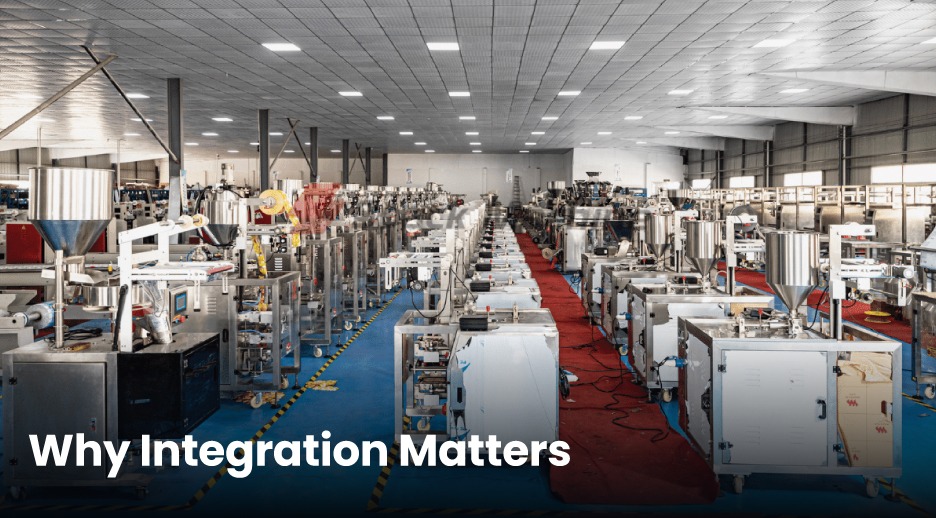
Many factories operate packaging machines independently. While individual machines may perform well, disconnected processes often create bottlenecks.
A fully integrated end-of-line packaging system connects sealing, strapping, conveying, wrapping, and dispatch operations into a coordinated workflow.
This integration provides:
- Higher throughput
- Better packaging consistency
- Reduced labor dependency
- Lower operational costs
- Improved shipment reliability
Instead of managing separate packaging tasks, manufacturers create one streamlined process from start to finish.
An efficient end-of-line packaging process is about much more than packaging products. It directly impacts productivity, shipment quality, warehouse operations, and customer satisfaction.
From carton sealing and strapping to stretch wrapping and pallet dispatch, every stage plays an important role in ensuring products reach customers safely and efficiently.
As manufacturing volumes continue to grow, businesses that invest in integrated end-of-line packaging solutions will be better equipped to improve efficiency, reduce bottlenecks, and maintain a competitive advantage in an increasingly demanding market.