

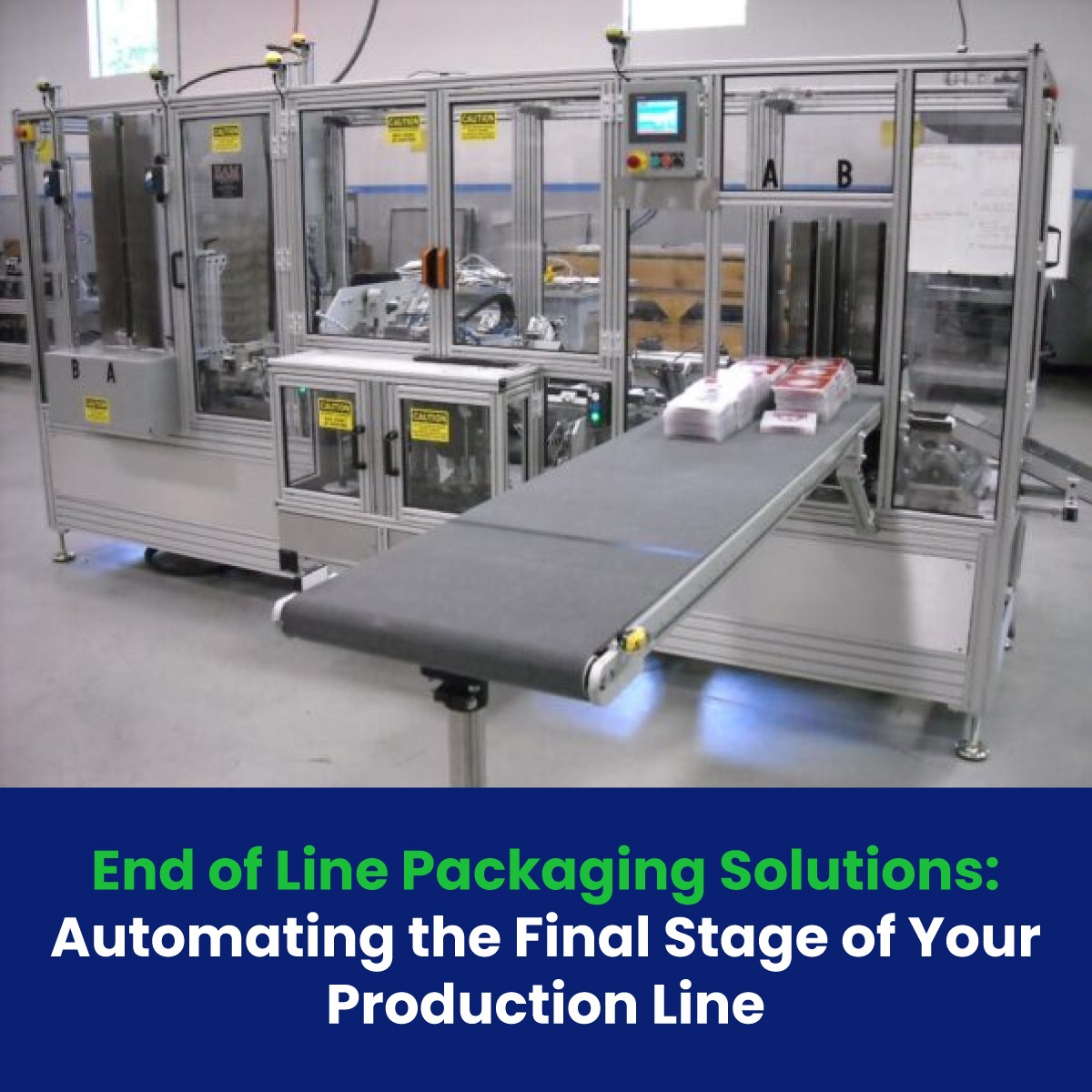
End of Line Packaging Solutions: Automating the Final Stage of Your Production Line
The final stage of a production line is where finished products are prepared for storage, transportation, and delivery. Despite heavy investment in production machinery, many manufacturers still rely on manual or semi-automatic processes at the end of the line. This often results in slower output, inconsistent packaging quality, and higher labor costs. End of line packaging solutions address these challenges by automating the final packaging steps, ensuring efficiency, consistency, and reliability.
What Are End of Line Packaging Solutions?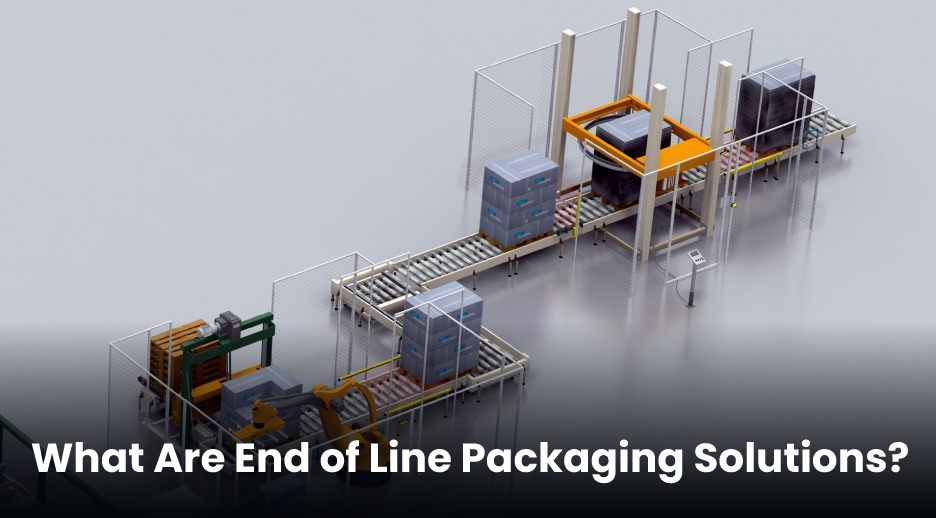
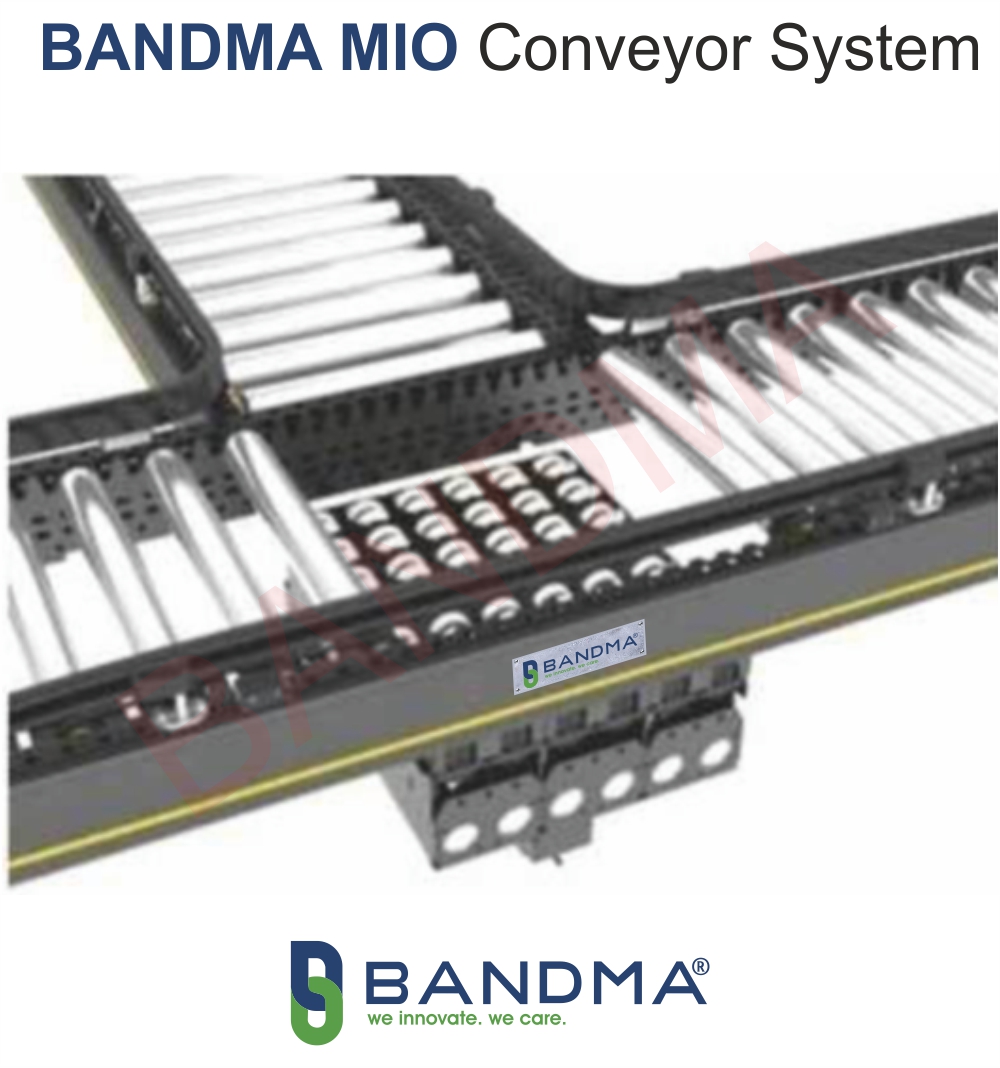
End of line packaging solutions refer to a group of automated machines that work together to handle all packaging activities after the product is manufactured. These systems typically include equipment for carton forming, sealing, strapping, palletizing, and wrapping. When integrated properly, they create a continuous and streamlined packaging flow that matches the speed of the production line.
The primary objective of end of line automation is to ensure that every product leaving the facility is packaged securely, uniformly, and ready for distribution.
Why End of Line Automation Is Important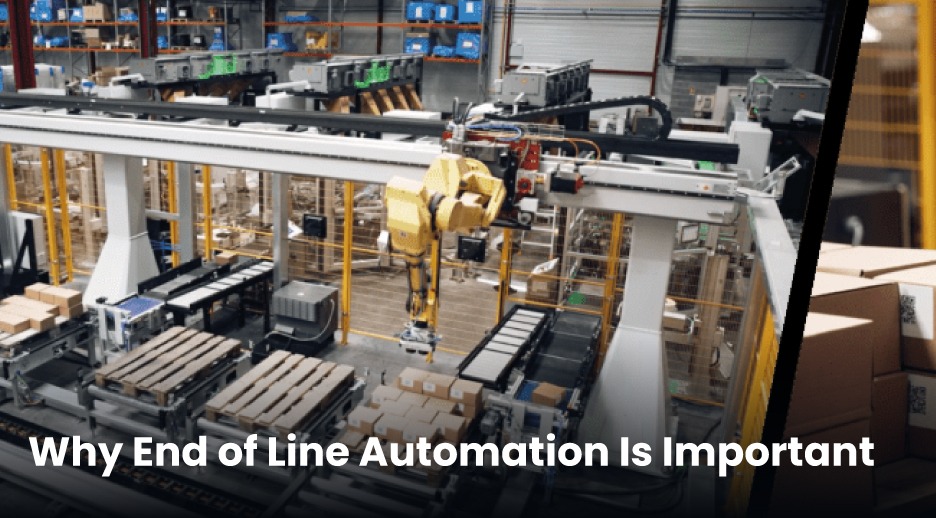
Manual end of line operations often become bottlenecks, especially as production volumes increase. Operators may struggle to keep up with speed requirements, leading to delays and inconsistent packaging. Automation eliminates these limitations by delivering predictable output, reducing errors, and improving overall operational efficiency.
Automated end of line systems also improve workplace safety by reducing manual lifting, repetitive tasks, and operator fatigue.
Key Components of End of Line Packaging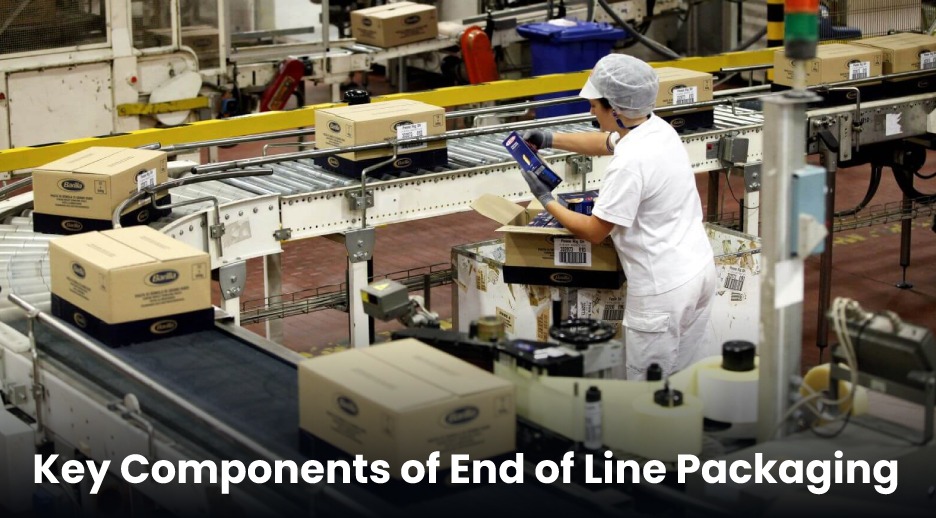
Carton Forming and Closing
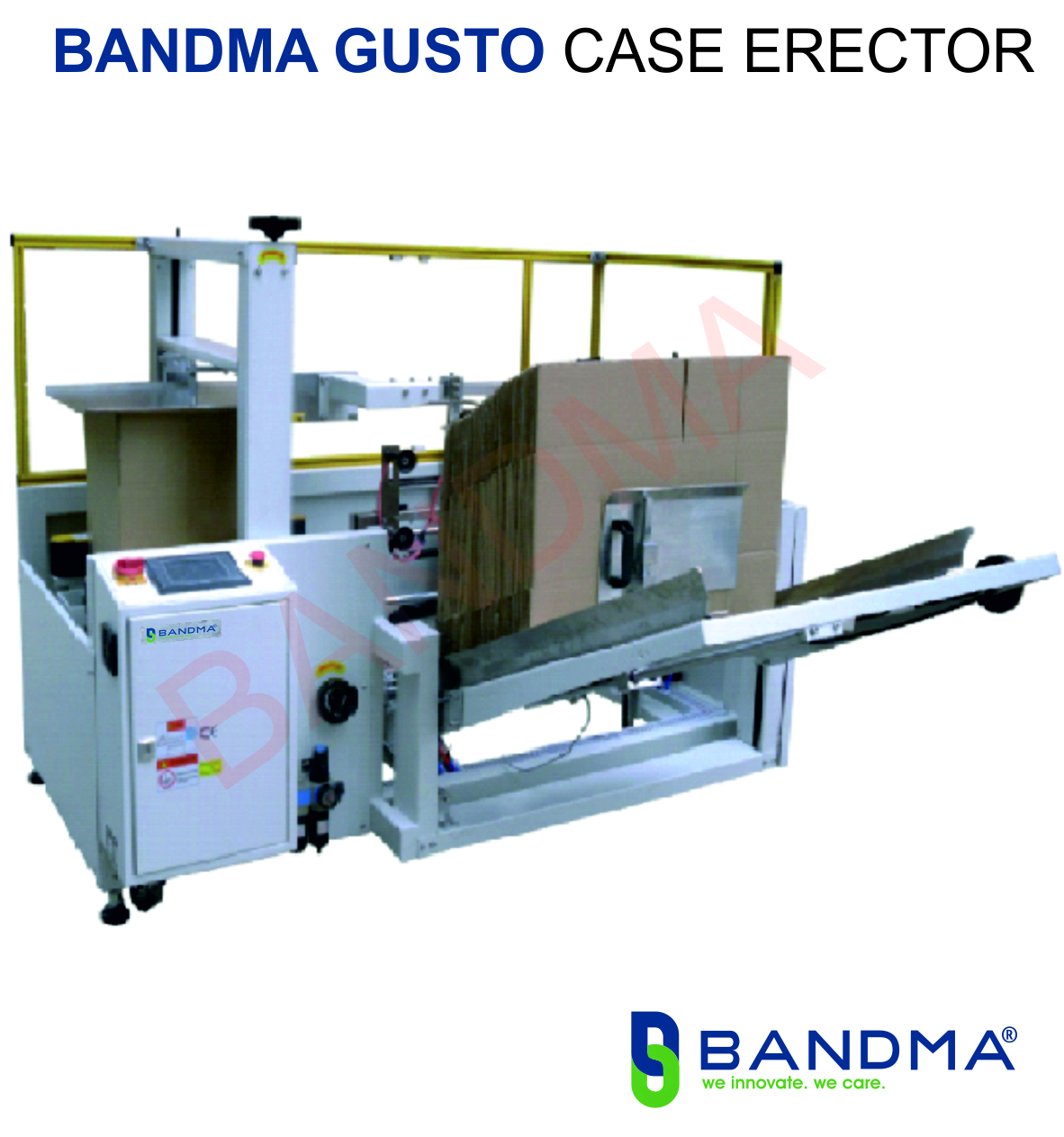
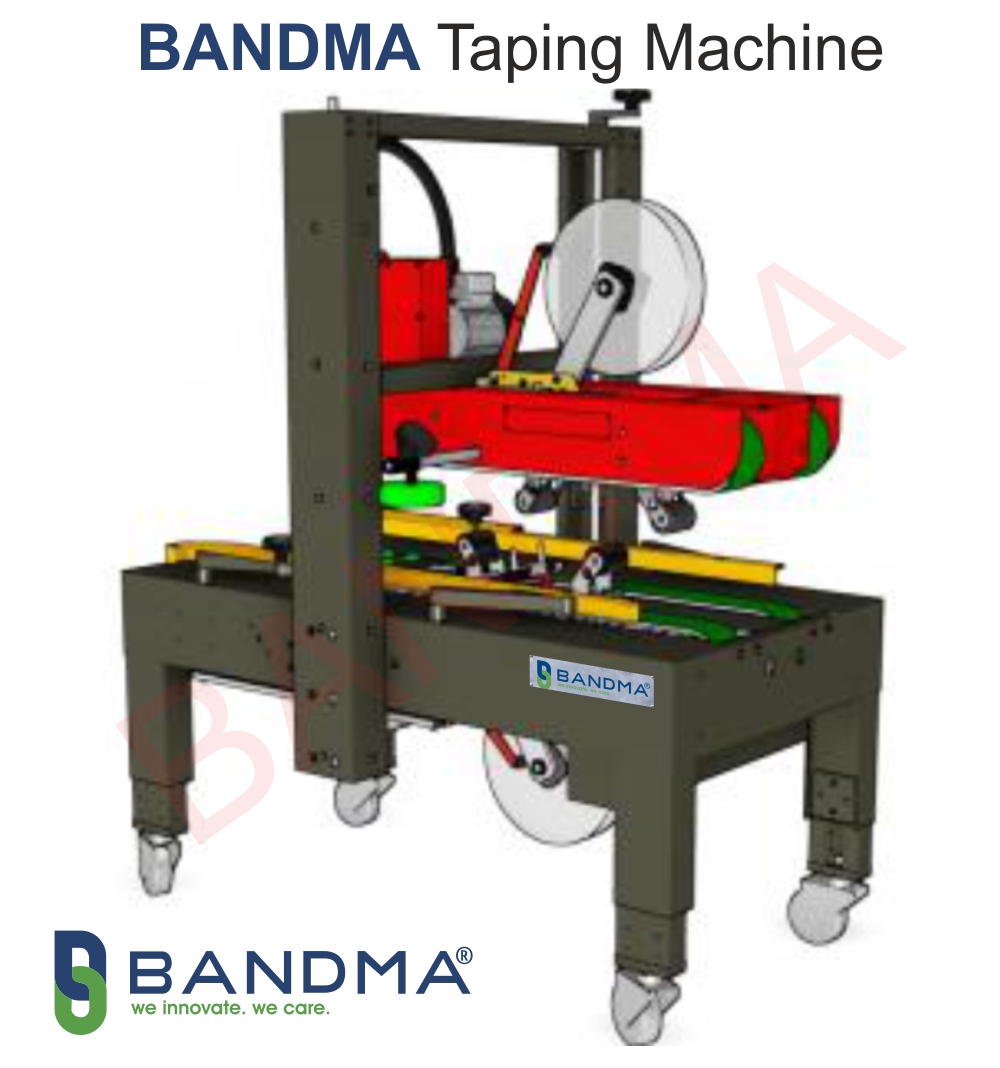
Automated carton erectors and case sealers ensure boxes are formed and sealed consistently. This improves packaging appearance and prevents carton failures during handling and transport.
Strapping Systems
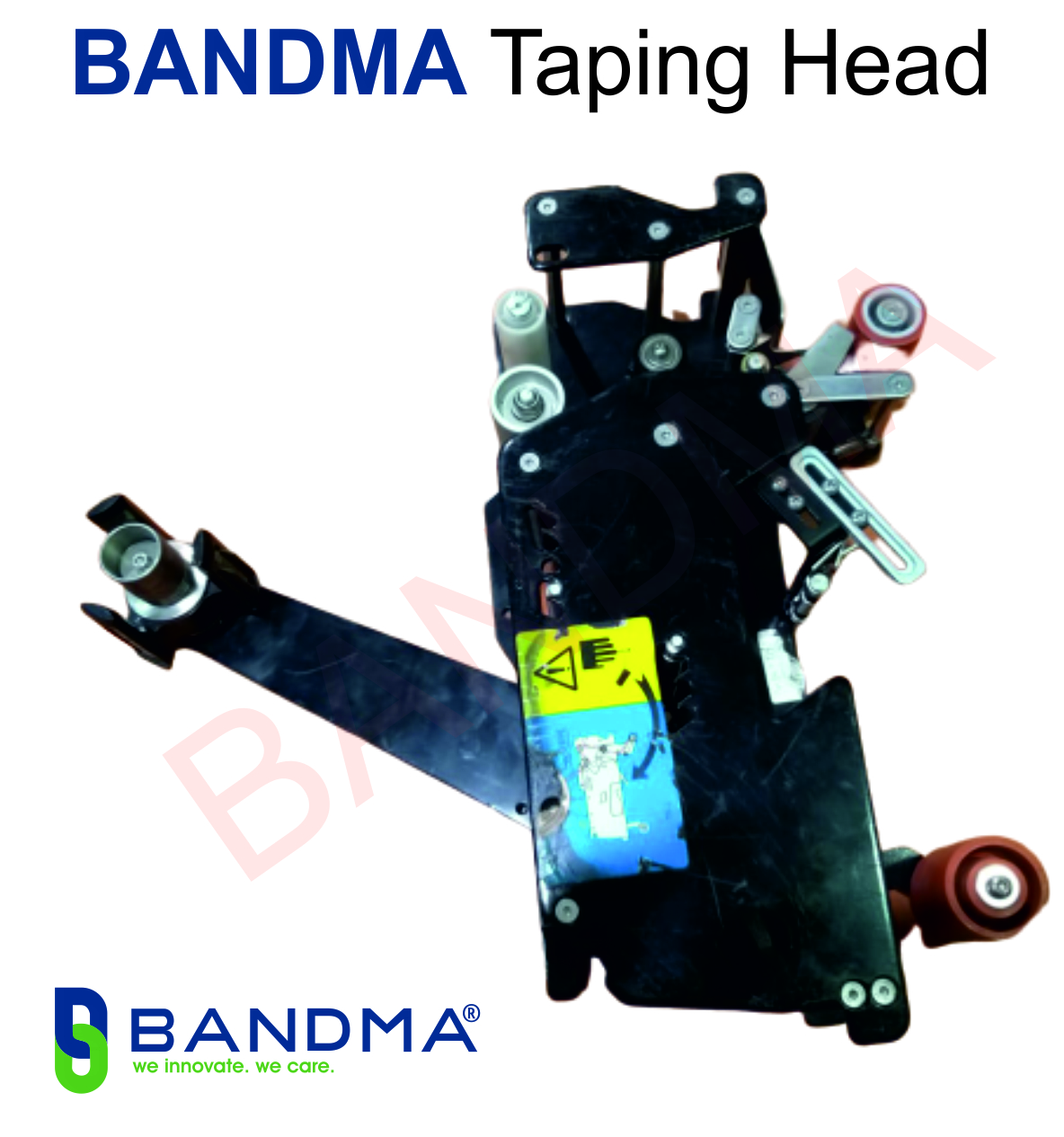
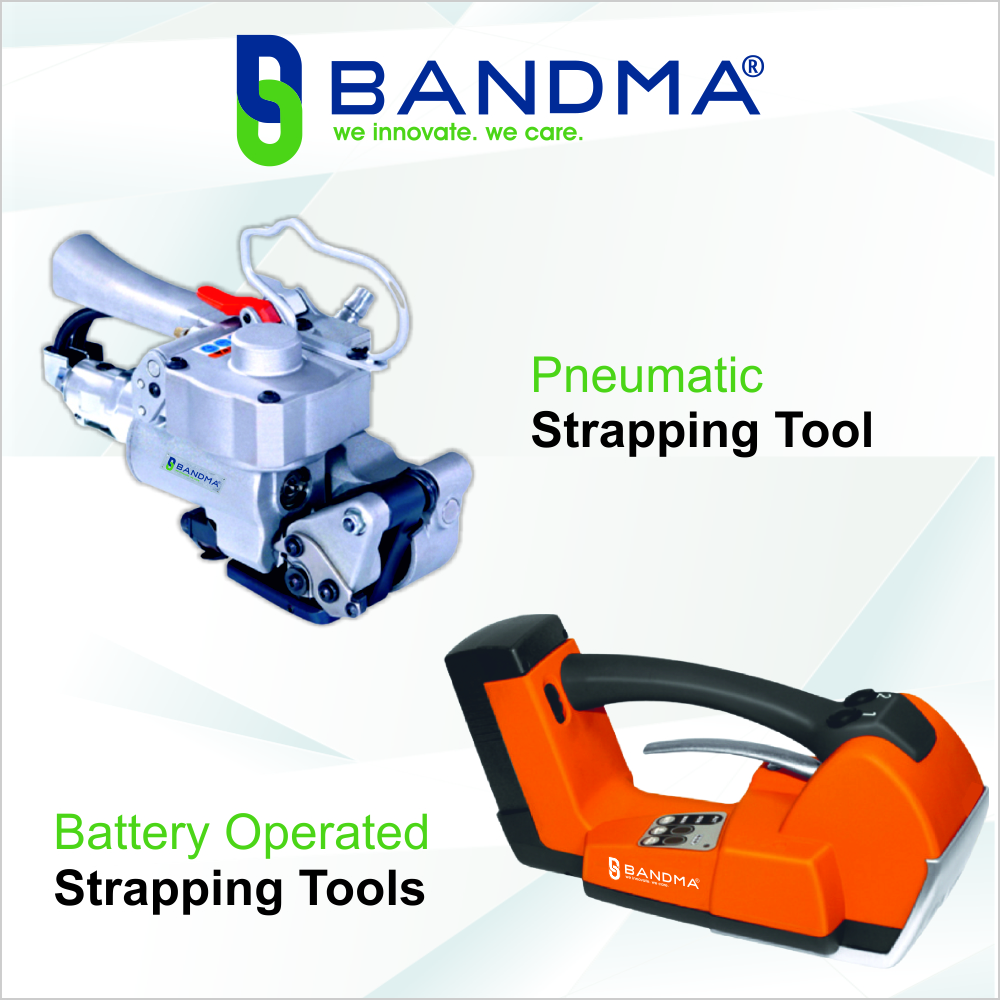
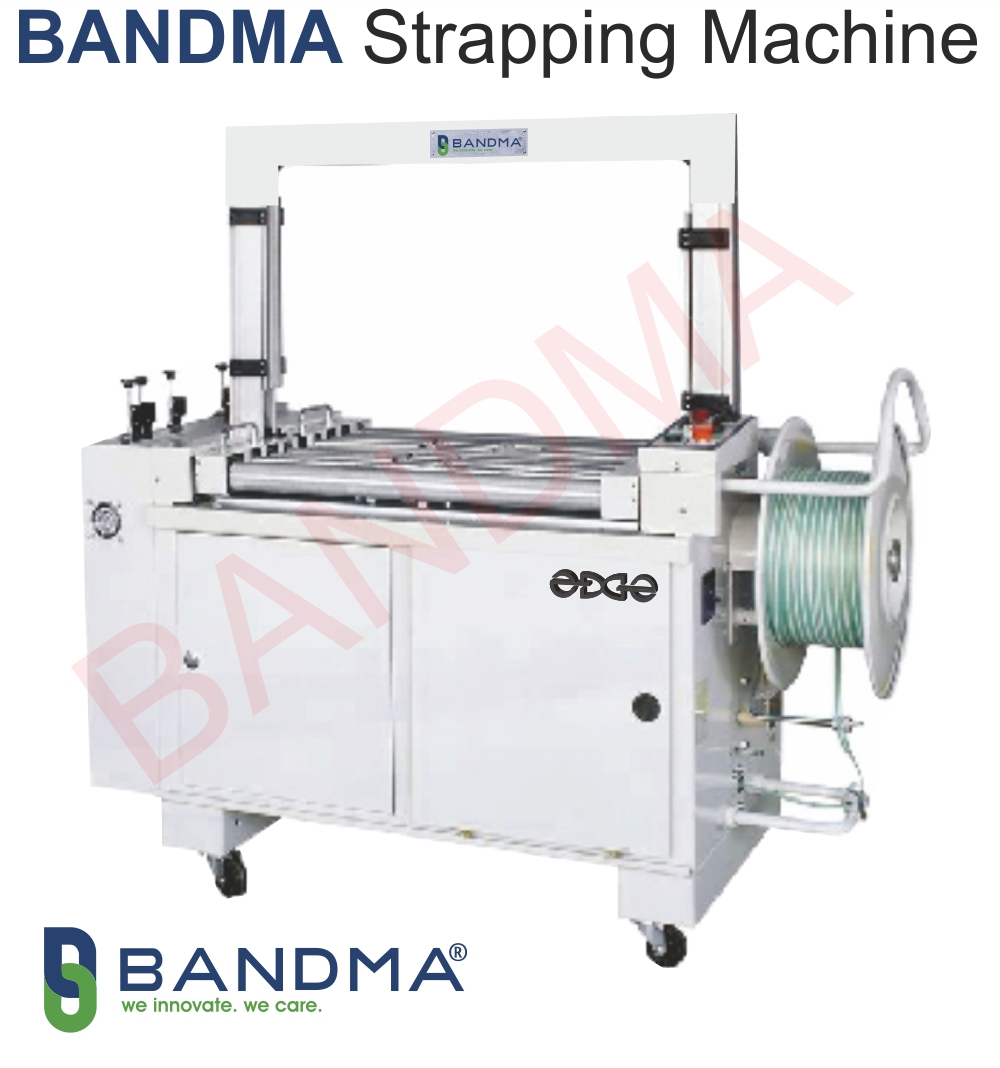
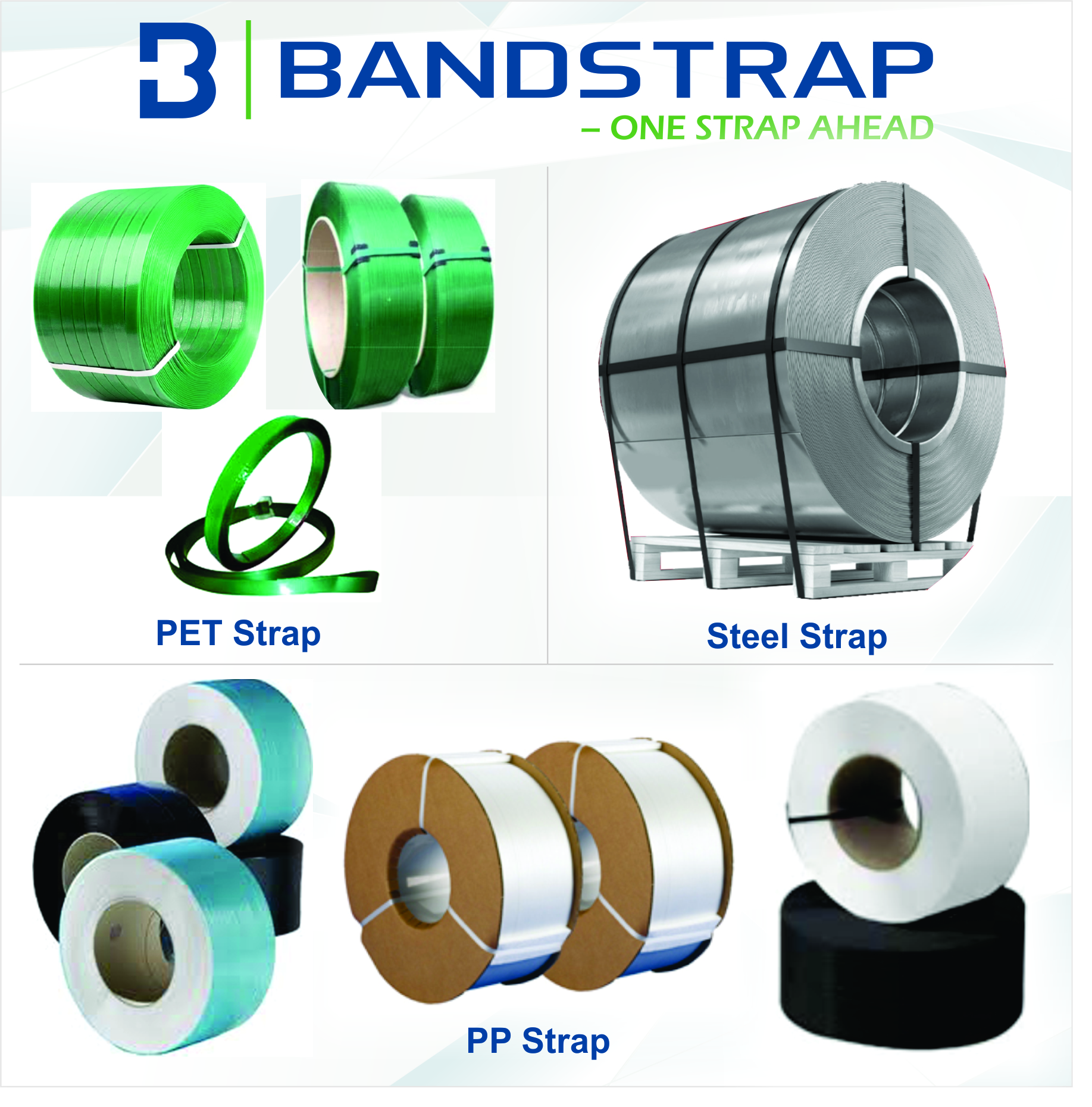
Automatic strapping machines secure cartons or bundles, improving load stability and protecting products during movement.
Palletizing Solutions
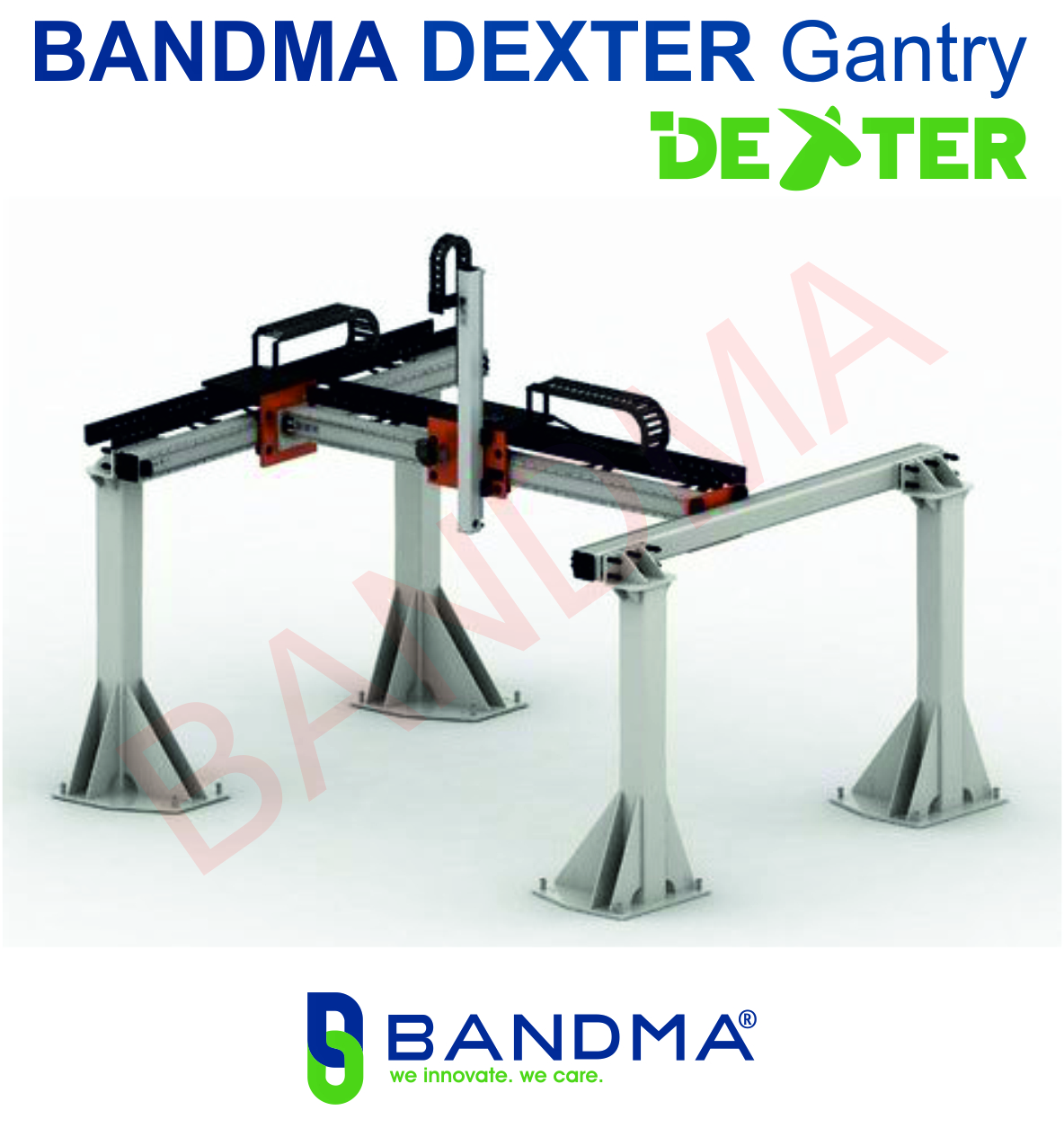
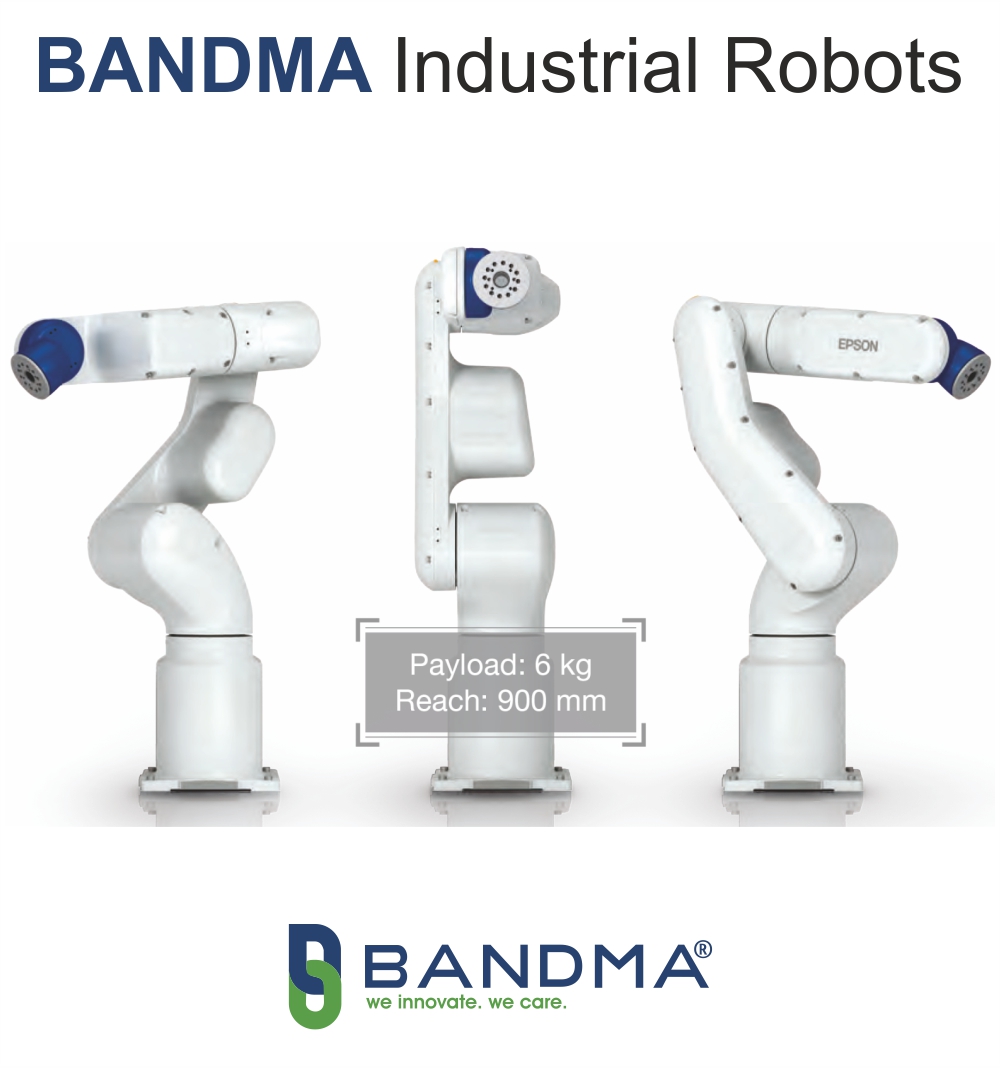
Products are stacked on pallets using conventional or robotic palletizers, ensuring uniform stacking patterns and better space utilization.
Stretch or Shrink Wrapping
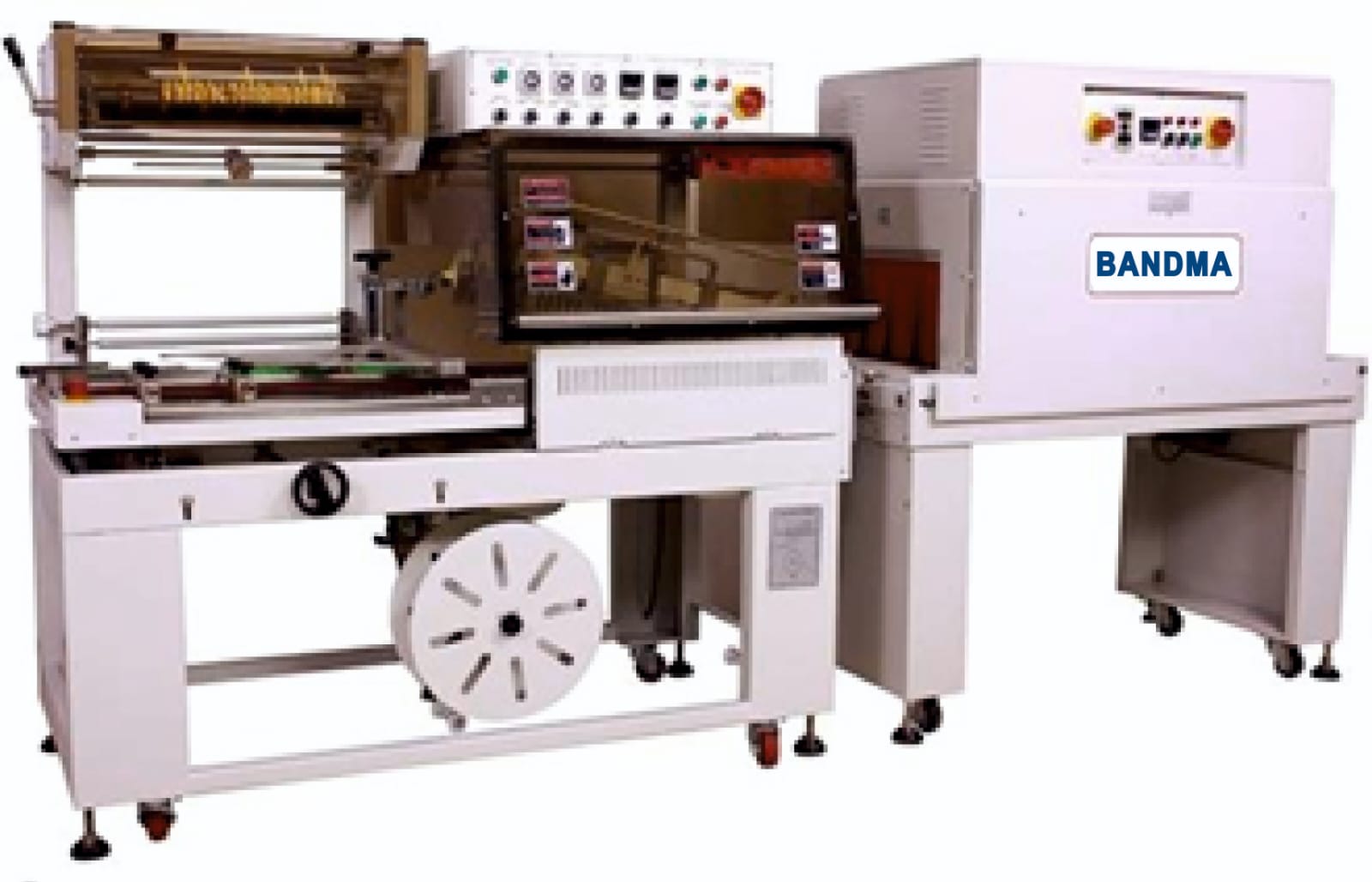
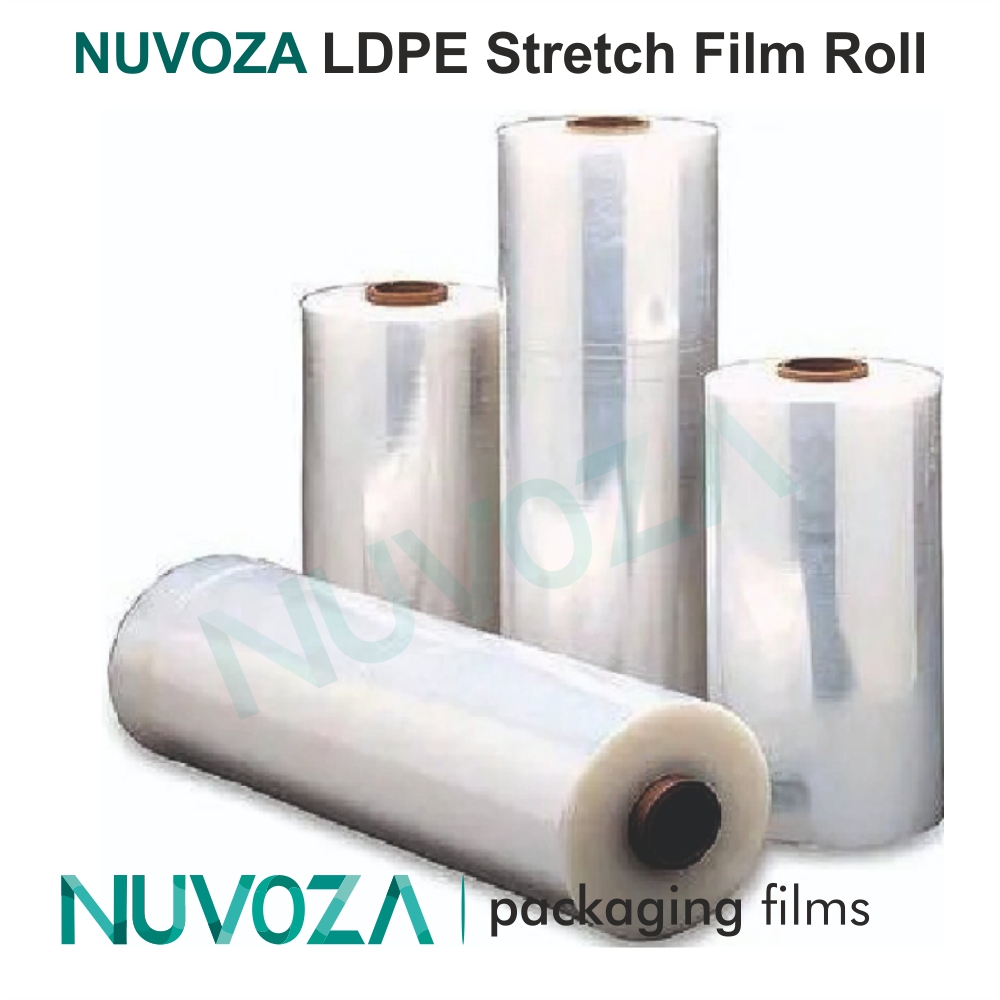
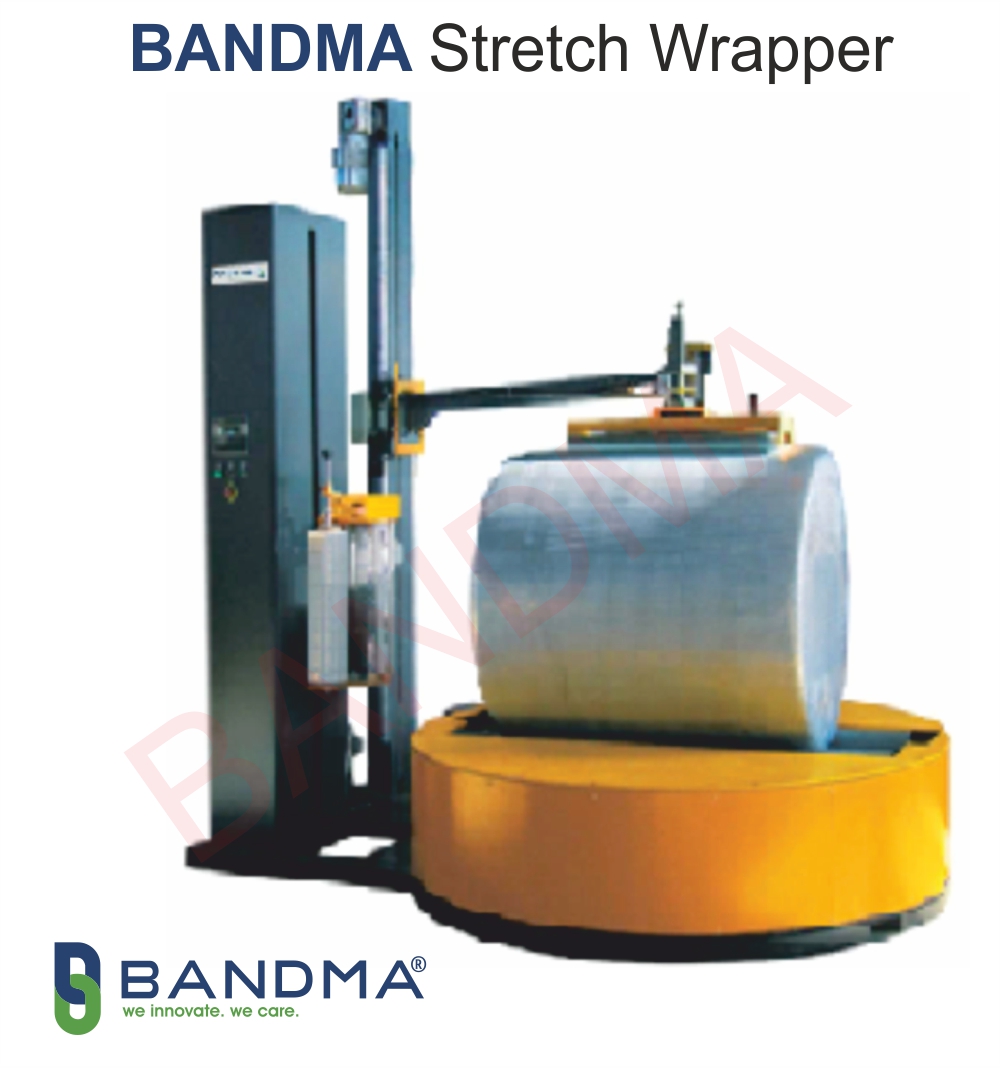
Wrapping machines stabilize pallet loads and protect them from dust, moisture, and transit damage.
Each component plays a critical role in ensuring packaging quality and logistics efficiency.
Benefits of End of Line Packaging Solution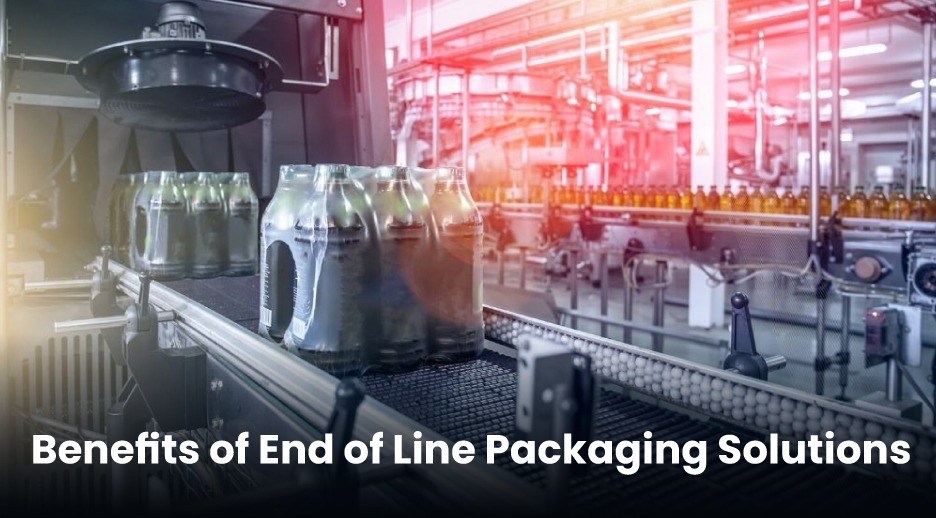
Increased Productivity
Automated systems operate continuously and consistently, enabling higher throughput without increasing labor.
Consistent Packaging Quality
Every package is sealed, strapped, and wrapped with the same precision, reducing damage and returns.
Lower Labor Costs
Automation reduces dependency on manual labor and allows operators to focus on monitoring and quality control.
Improved Safety
Machines handle heavy lifting and repetitive tasks, minimizing the risk of workplace injuries.
Scalability
End of line systems can be upgraded or expanded as production volumes grow.
Industries That Benefit Most
End of line packaging solutions are widely used in:
- FMCG manufacturing
- Food and beverage processing
- Pharmaceuticals
- E-commerce and logistics
- Chemical and industrial goods
Any industry dealing with high-volume packaging can benefit from automation at the end of the line.
Choosing the Right End of Line Solution
Selecting the right system depends on several factors:
- Production speed and volume
- Product size and weight
- Available floor space
- Level of automation required
- Future expansion plans
A well-designed solution should integrate seamlessly with existing production lines and allow flexibility for future needs.
Conclusion
End of line packaging solutions transform the final stage of production into a fast, efficient, and reliable operation. By automating carton handling, strapping, palletizing, and wrapping, manufacturers reduce costs, improve packaging quality, and enhance workplace safety. In a competitive manufacturing environment, investing in end of line automation is not just about efficiency—it’s about building a scalable and future-ready operation.