



Metal can find its way into a product in many quiet ways. A worn blade, a loose screw or a broken wire from a machine can end up inside a sealed pack without anyone noticing. The product looks perfect from outside, yet one contaminated pack can lead to recalls, rejected consignments and lost buyer trust.
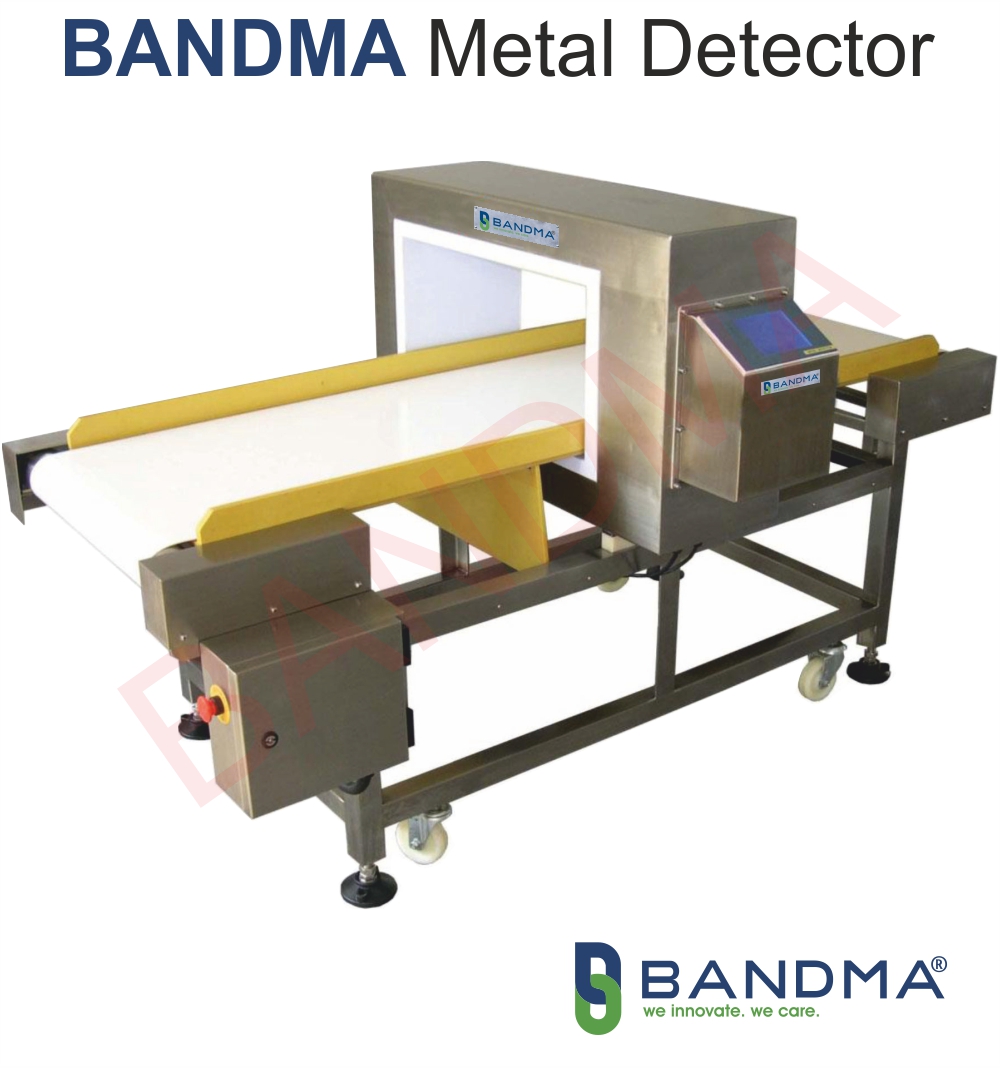
A metal detector from Bandma checks every pack as it travels along the line. Nothing leaves the factory without being inspected, and any doubtful pack is separated at once. Manufacturers gain the confidence that every product reaching the market has passed a reliable safety check.
Food Packets on the Belt
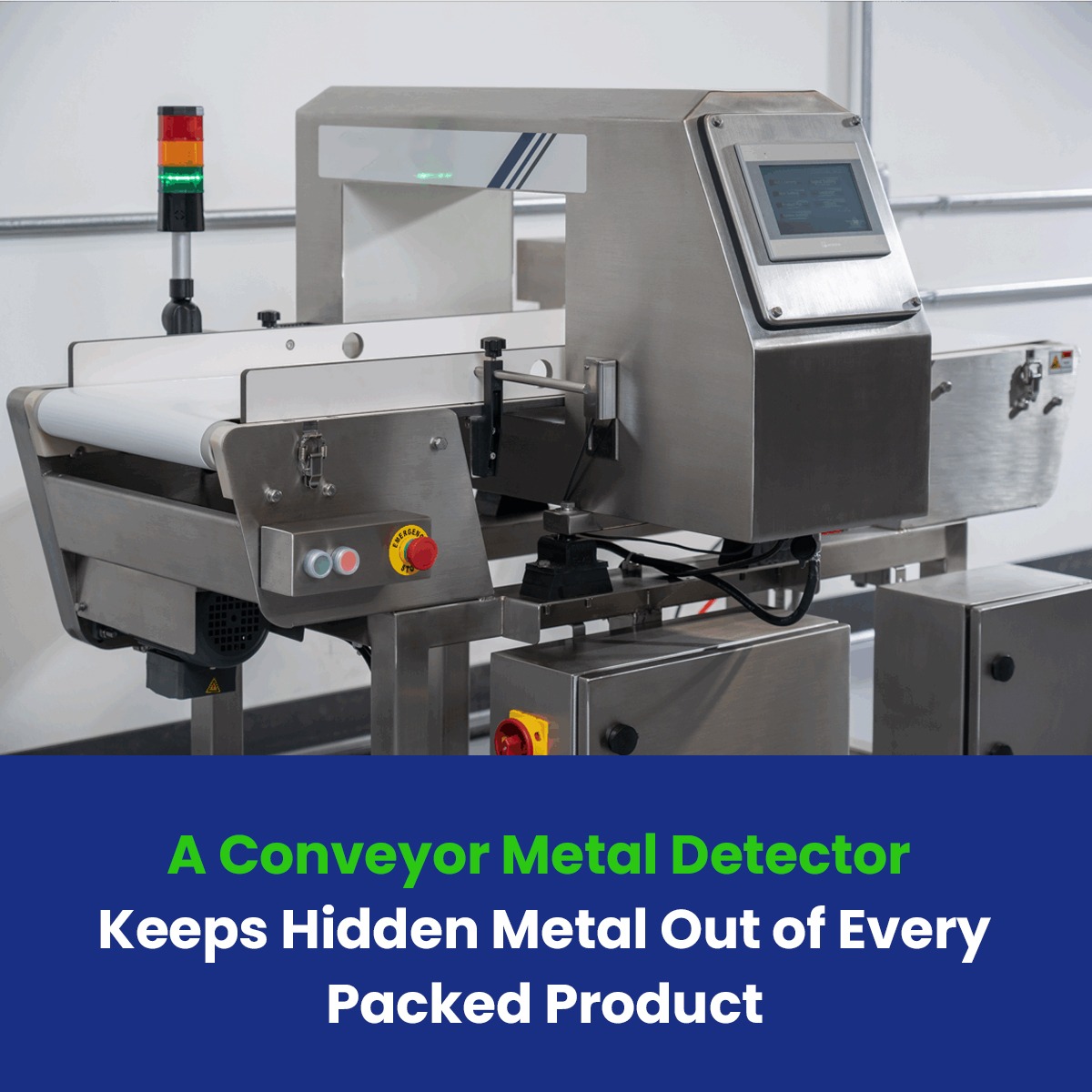
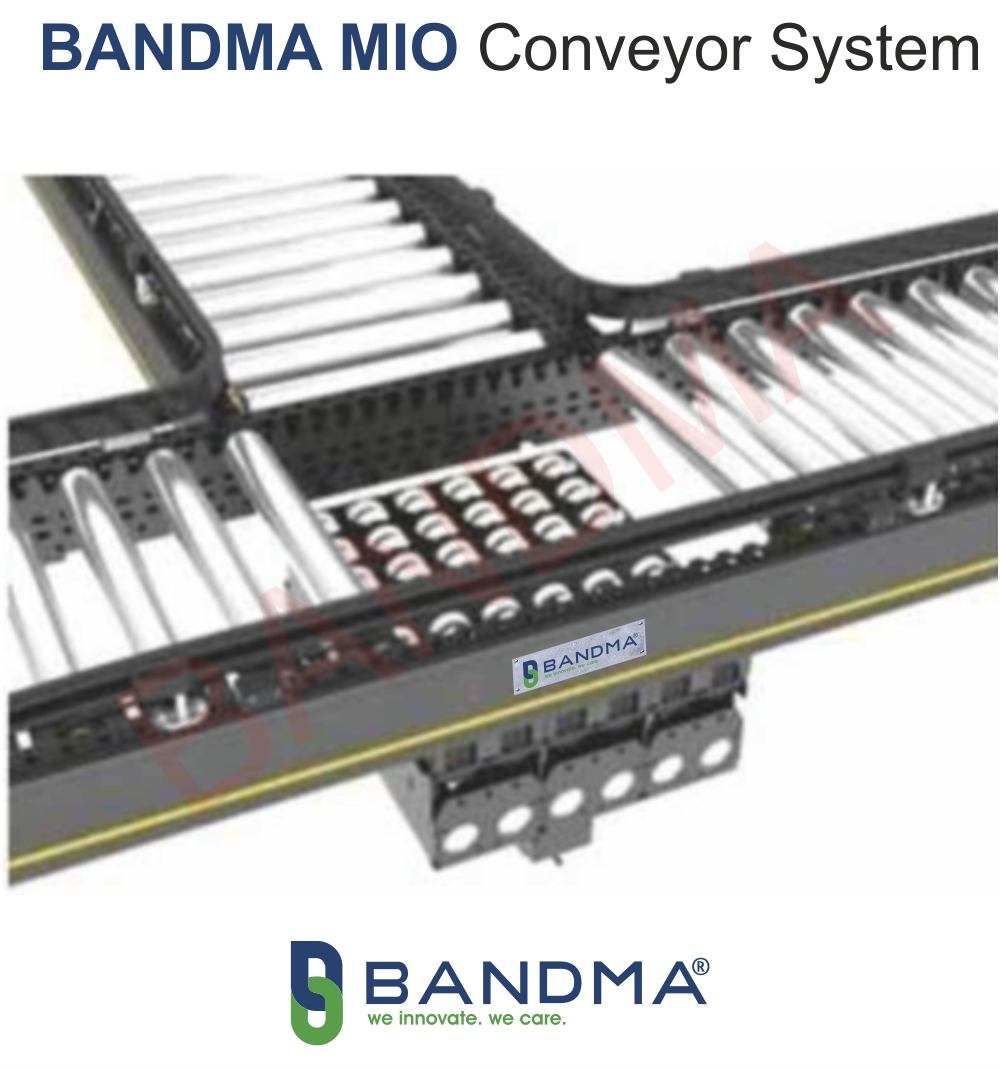
Packed products travel on a conveyor belt towards the detector, evenly spaced and facing the same direction. The belt carries them smoothly through the inspection point, with no stops and no handling. Snacks, flour, spices, frozen foods and ready meals can all be checked this way.
Inspection happens after packing, so it catches metal from any earlier stage. The pack is checked as a finished product, exactly as the buyer will receive it. This final check gives the factory a clear record that the product was safe when it left.
Search Head Over the Conveyor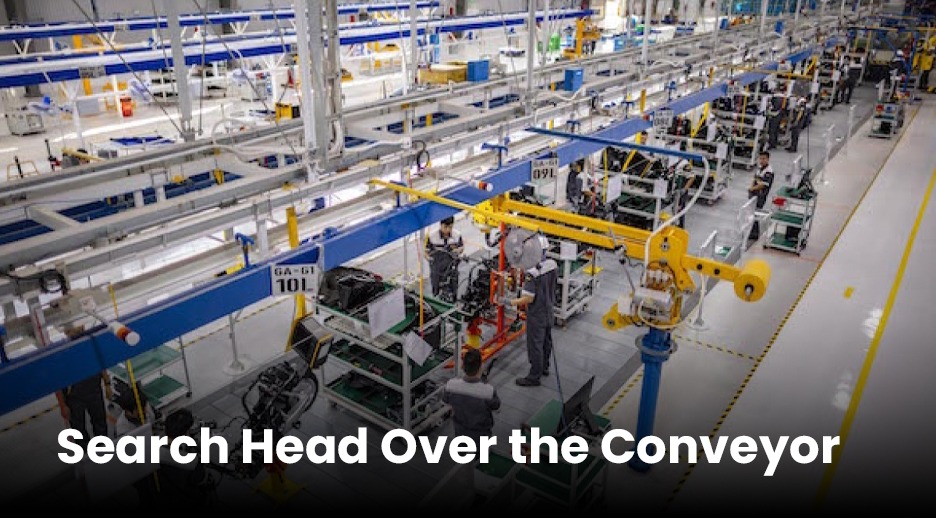
The search head is the tunnel the conveyor passes through. It creates a balanced field and notices any disturbance caused by a metal piece, including iron, steel and stainless steel. Even very small fragments can be detected when the settings are right.
The tunnel size can be chosen to suit the product, from small pouches to large cartons. A close fit gives better sensitivity, so the opening should match the pack size. Choosing the right size at the start gives more accurate results throughout the machine’s working life.
Rejected Packs Pushed Aside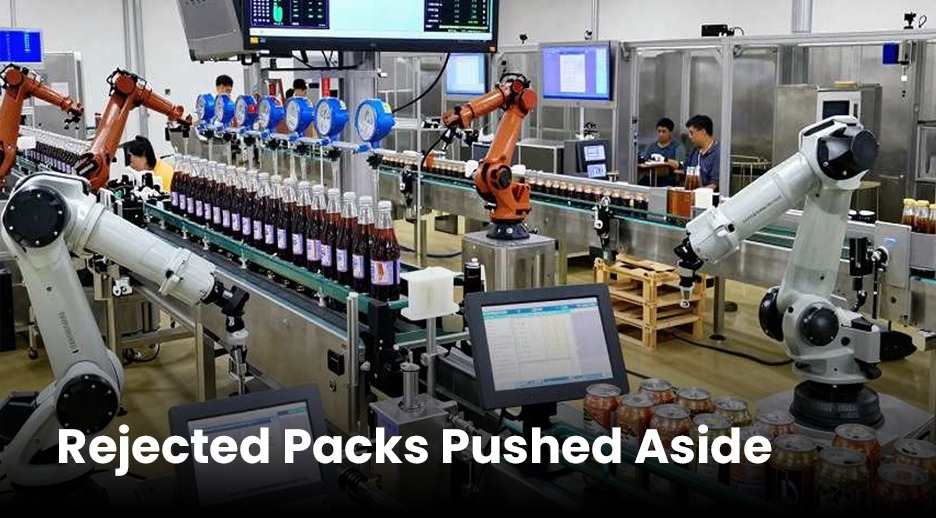
When metal is found, the machine acts immediately. A reject unit such as a pusher, air jet or drop flap removes the faulty pack from the conveyor, while good packs continue without a pause. The rejected pack drops into a locked bin that only a supervisor can open.
This keeps contaminated products separate from the clean ones. Staff can then examine the pack and trace the source of the metal. Finding the cause early prevents the same problem from repeating in later batches.
Touchscreen Settings and Alerts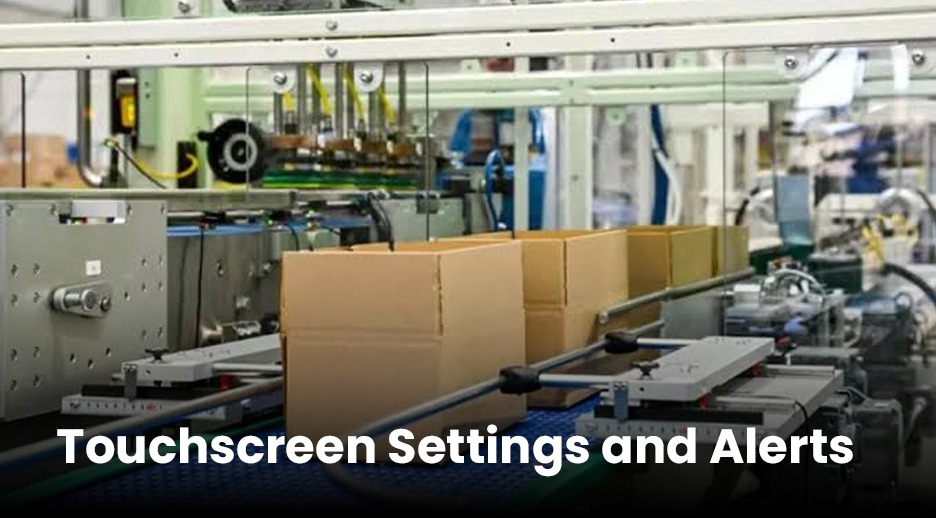
The control panel shows sensitivity levels, product settings and counts on a clear touchscreen. Each product can be stored as a separate setting, so a change of product takes only a few moments. Alarms and indicators warn the operator if anything needs attention.
Regular test checks with sample pieces confirm that the detector is working correctly. Records can be kept for audits, which helps with buyer and certification requirements. Operators find the system simple to use, so training takes very little time.
Conclusion
Product safety is not something a buyer can see, which is why it matters so much. One contaminated pack can undo years of careful work and goodwill. Trust in a brand is built slowly and can be lost in a single incident.
Automatic inspection gives every pack the same check without slowing production. Manufacturers who inspect every product protect their customers, their brand and their business at the same time. A dependable inspection step turns safety from a worry into a standard part of the process.