



Conventional vs. Robotic Palletizing: Which Palletizing Method Fits Your Factory Best?
Palletizing is a critical operation at the end of every production line. Whether it’s cartons, bags, or bundled products, how efficiently goods are stacked on pallets directly affects productivity, safety, and logistics costs. Traditionally, palletizing was done manually or using conventional machines. Today, robotic palletizing is rapidly gaining adoption across industries.
Choosing between conventional palletizing and robotic palletizing is not about which is better overall—it’s about which solution best fits your factory’s production volume, product mix, and long-term goals.
What Is Conventional Palletizing?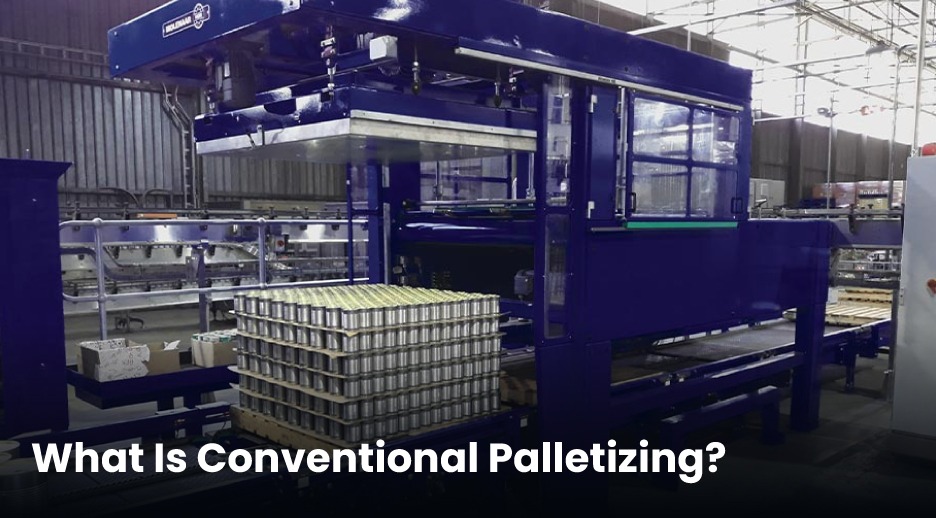
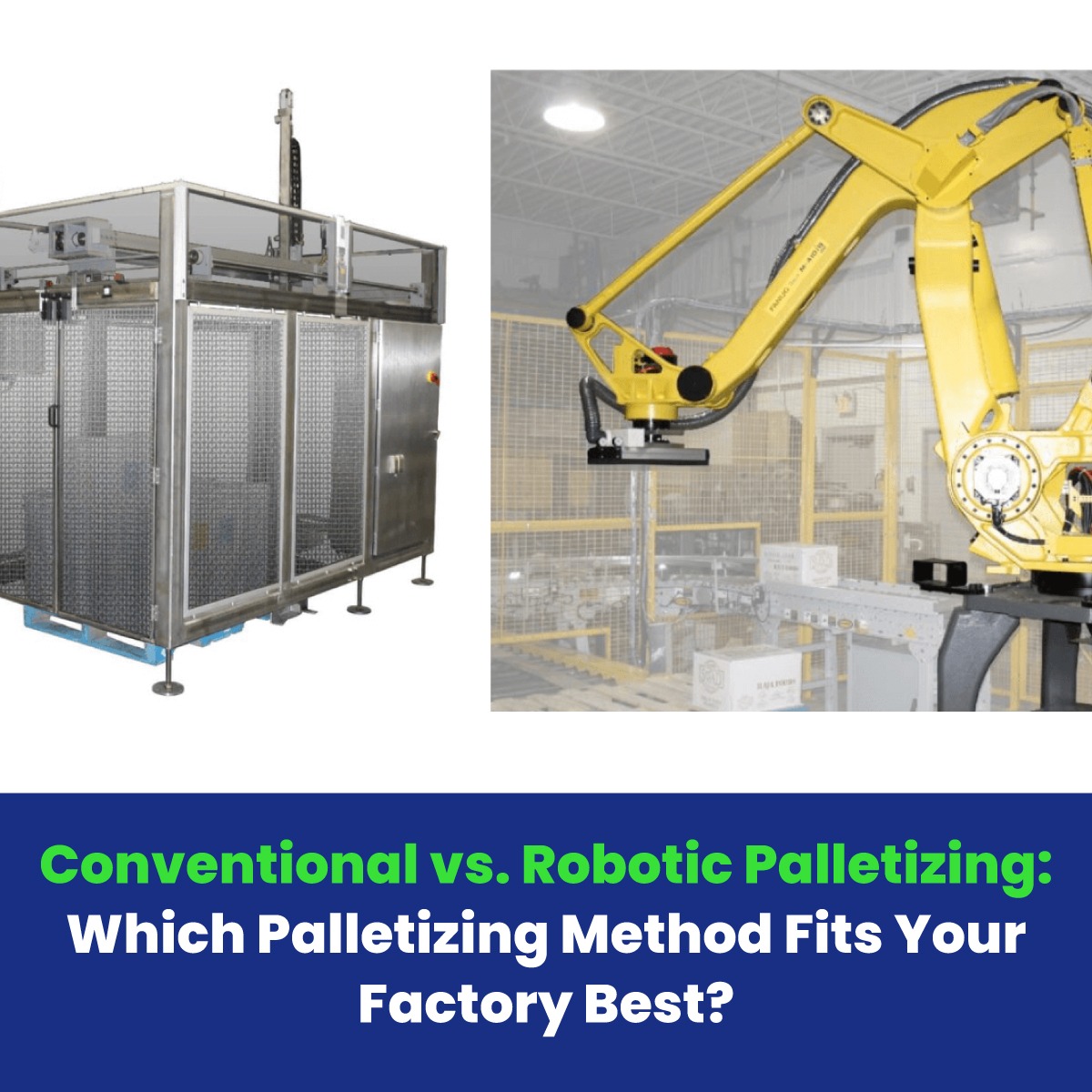
Conventional palletizing includes manual palletizing or mechanical systems such as layer palletizers. These systems follow a fixed pattern and are designed for repetitive, uniform tasks.
Common Types
- Manual palletizing by operators
- Semi-automatic palletizers
- Layer palletizers
These systems are widely used in factories with stable product sizes and moderate production speeds
Advantages of Conventional Palletizing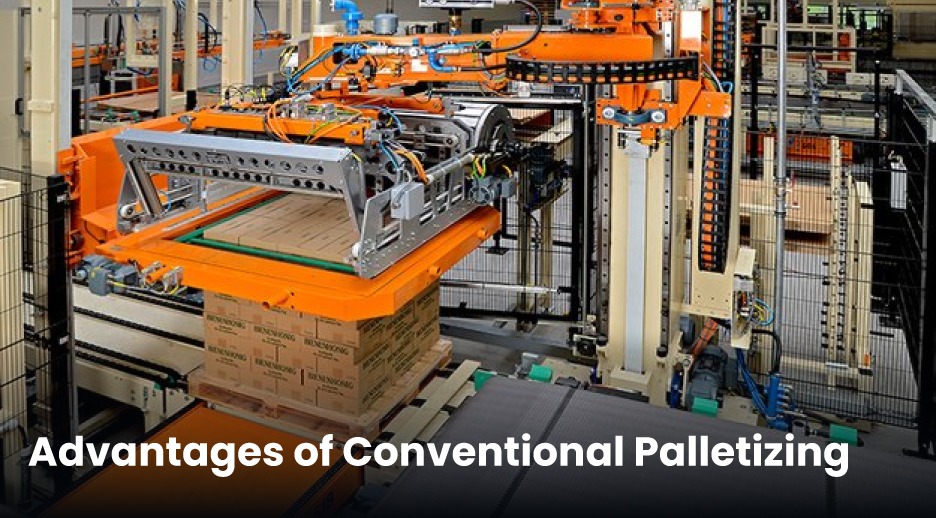
1. Lower Initial Investment
Conventional palletizers typically cost less than robotic systems, making them attractive for small and mid-sized operations.
2. Simple Operation
They are easier to operate and maintain, requiring minimal technical expertise.
3. Proven Technology
Layer palletizers have been used for decades and perform reliably for standard applications.
4. Suitable for Single Product Lines
Ideal for factories producing the same carton or bag size continuously.
Limitations of Conventional Palletizing
Despite their simplicity, conventional systems have limitations:
- Limited flexibility for different product sizes
- Large floor space requirement
- Higher manual involvement
- Less adaptability to future changes
When production demands change, these systems can become restrictive.
What Is Robotic Palletizing?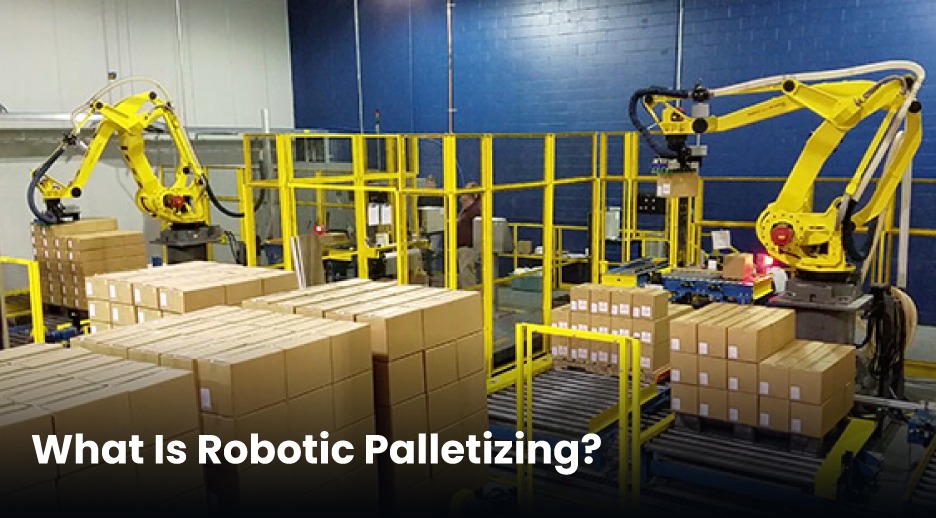
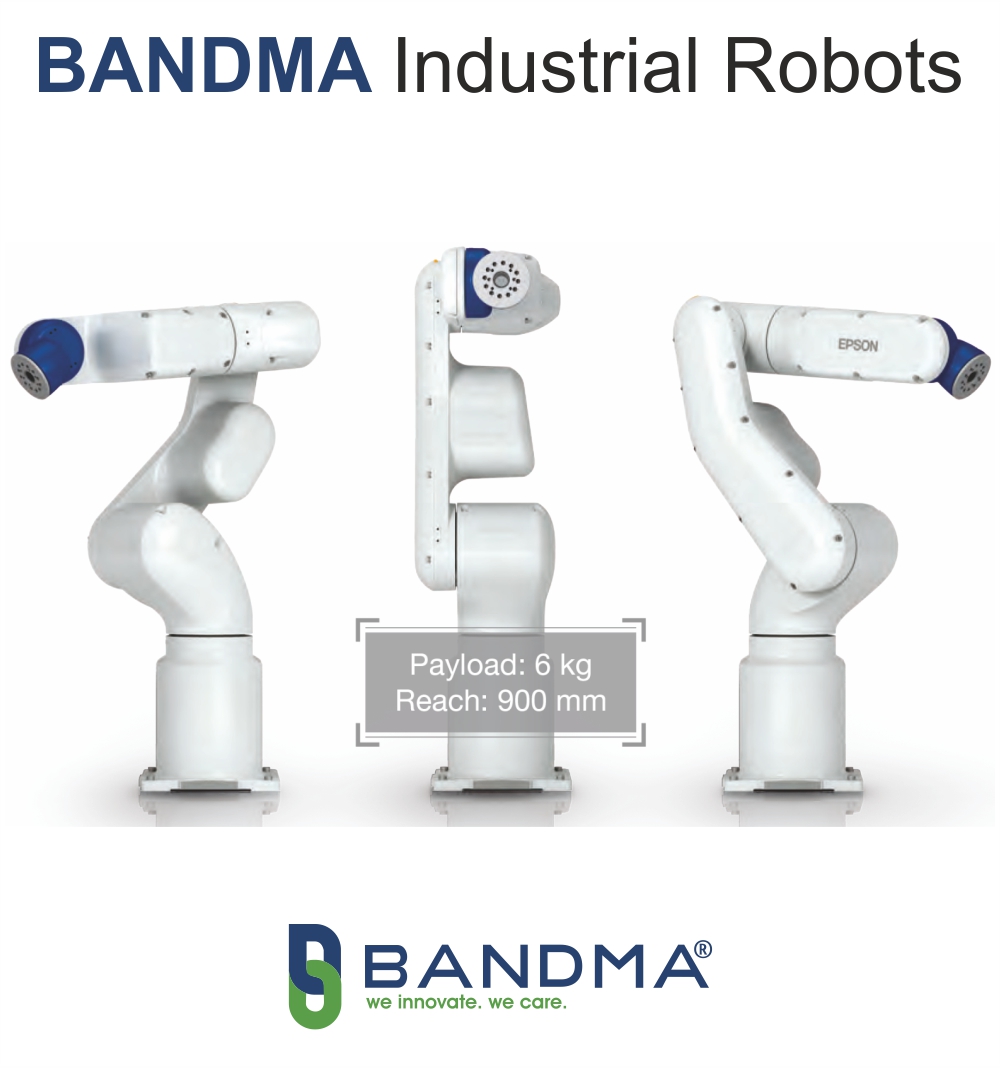
Robotic palletizing uses industrial robots equipped with grippers or vacuum tools to pick products and stack them onto pallets. These robots are programmed to handle multiple patterns, products, and pallet configurations.
Robotic palletizers are commonly found in high-speed, multi-product manufacturing environments.
Advantages of Robotic Palletizing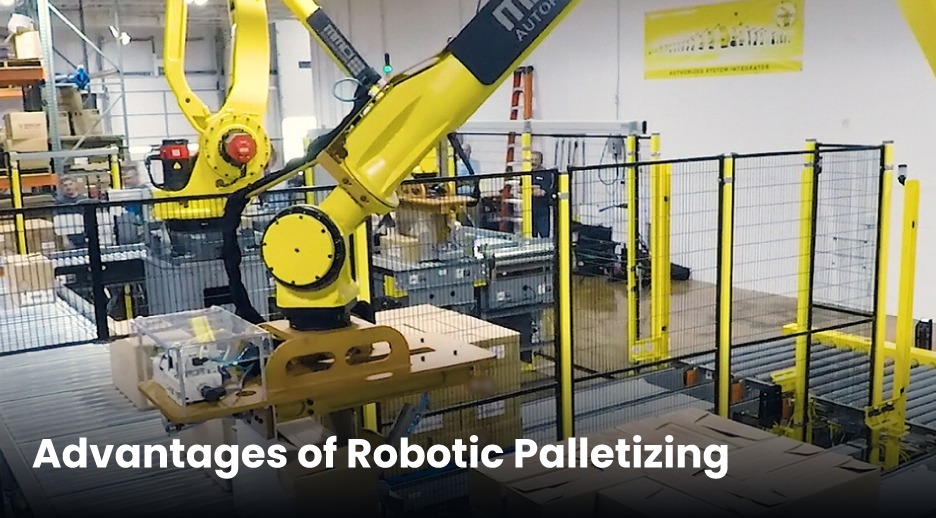
1. High Flexibility
Robots can easily switch between different product sizes, patterns, and pallet types with minimal changeover time.
2. Space Efficiency
Robotic systems usually require less floor space than conventional palletizers.
3. Consistent and Accurate Stacking
Robots deliver uniform pallet quality, improving load stability during transport.
4. Reduced Labor Dependency
Once programmed, robotic palletizers operate with minimal human intervention.
5. Scalability
Robotic systems can be upgraded or reprogrammed as production needs evolve.
Challenges of Robotic Palletizing
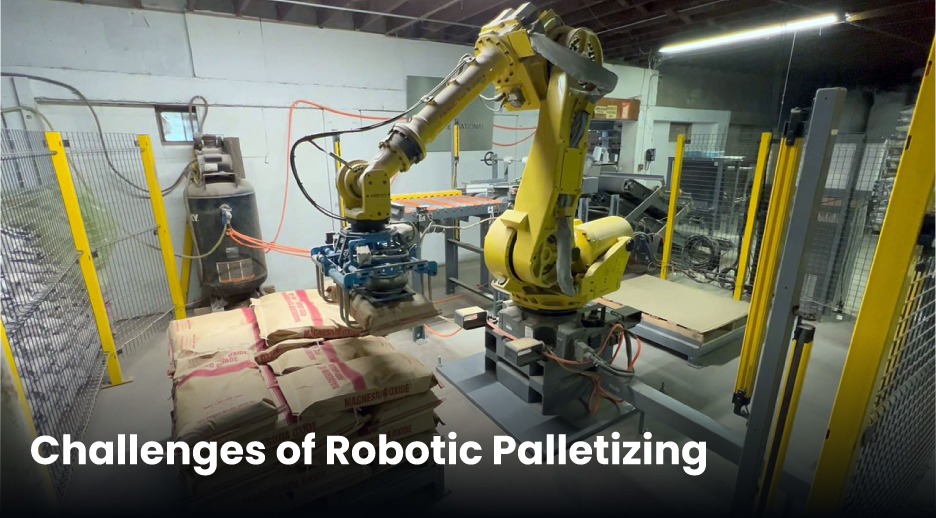
- Higher upfront investment
- Requires skilled programming and maintenance
- Initial integration planning is critical
However, these challenges are often offset by long-term productivity gains.
Side-by-Side Comparison
Factor | Conventional Palletizing | Robotic Palletizing |
Flexibility | Low | High |
Initial Cost | Lower | Higher |
Space Requirement | Large | Compact |
Changeover Time | Long | Short |
Labor Involvement | High | Low |
Future Expansion | Limited | Easy |
Which Palletizing Method Is Right for Your Factory?
Choose Conventional Palletizing If:
- You handle a single product type
- Production speed is moderate
- Floor space is available
- Budget constraints are a concern
Choose Robotic Palletizing If:
- You manage multiple SKUs
- Production speed is high
- Space is limited
- You plan to scale operations
- Worker safety is a priority
Impact on Safety and Workforce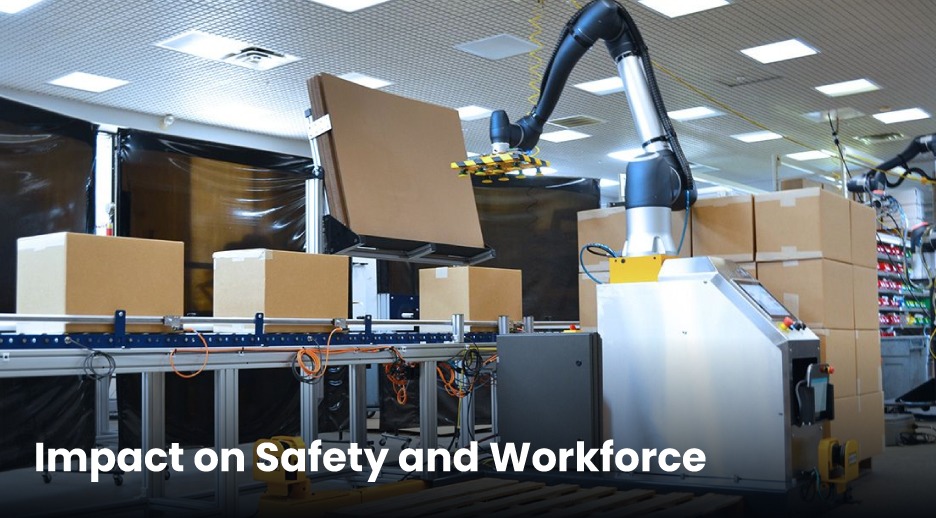
Manual and conventional palletizing often involve repetitive lifting and awkward postures, increasing injury risks. Robotic palletizing reduces physical strain on workers and allows staff to focus on supervision, quality checks, and system monitoring.
This improves workplace safety and reduces employee fatigue.
Integration with End-of-Line Automation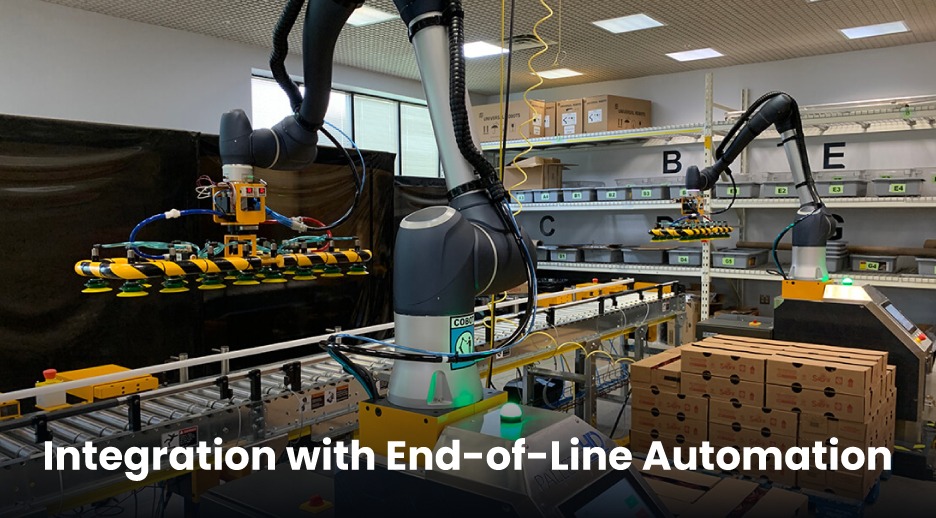
Both palletizing methods can integrate with:
- Conveyors
- Case sealers
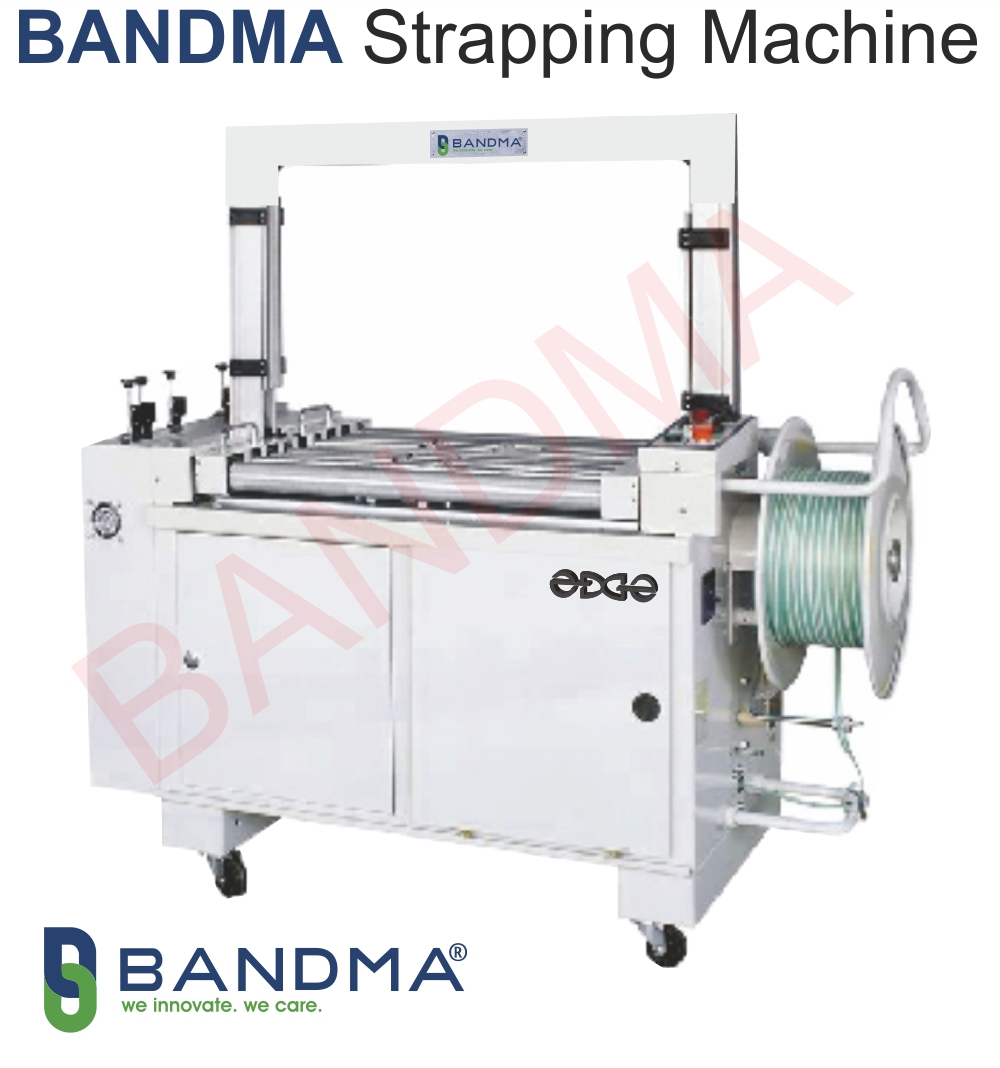
- Strapping machines
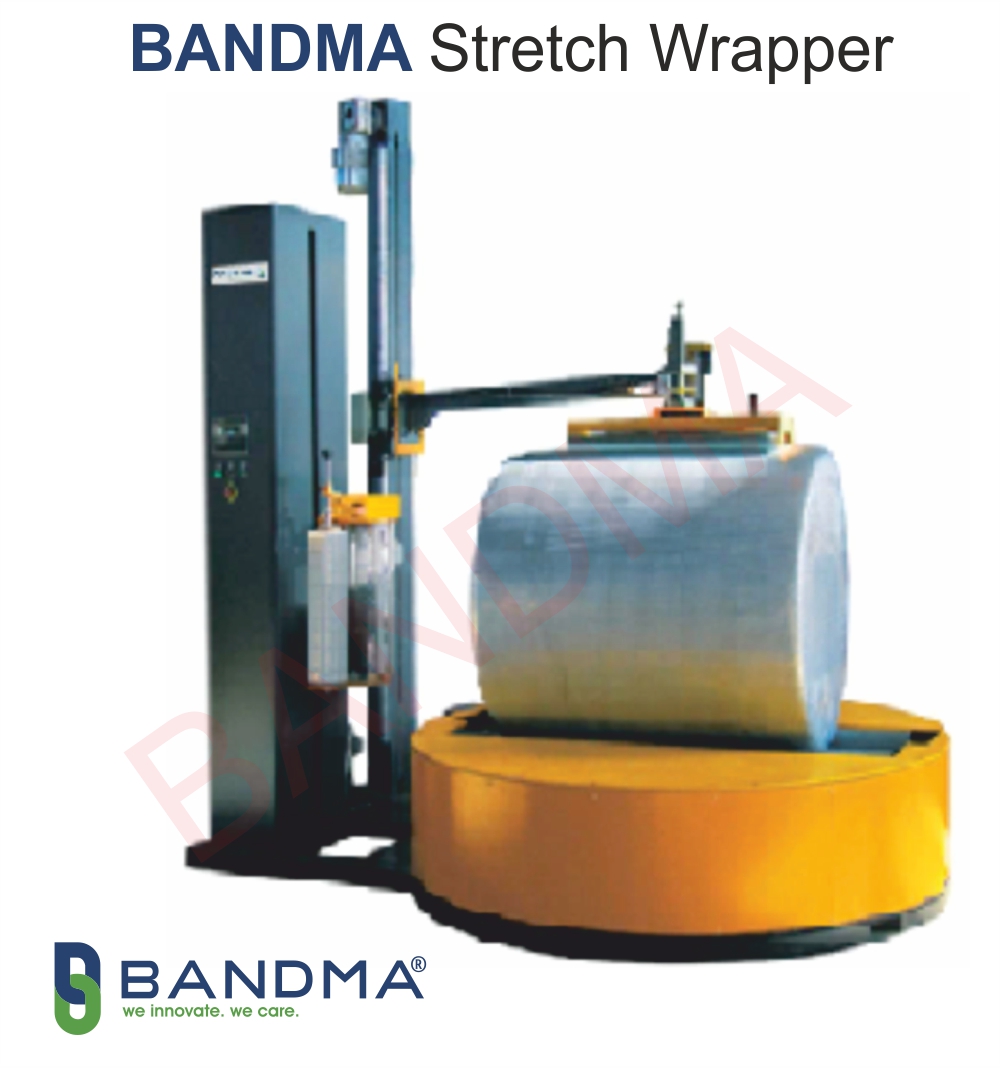
- Stretch wrappers
However, robotic palletizing integrates more seamlessly with fully automated packaging lines.
Why Many Manufacturers Are Shifting to Robotics
As labor costs rise and production complexity increases, manufacturers are increasingly viewing robotic palletizing as a long-term investment rather than a cost. The ability to adapt quickly to changing demands gives robotic systems a clear edge in modern manufacturing.
Conclusion
There is no one-size-fits-all solution when it comes to palletizing. Conventional palletizing remains a reliable and cost-effective option for stable, single-product operations. Robotic palletizing, on the other hand, offers unmatched flexibility, efficiency, and future readiness.
The right choice depends on your factory’s production volume, product variety, space availability, and growth plans. Evaluating these factors carefully will help you select a palletizing solution that delivers value not just today—but for years to come.