
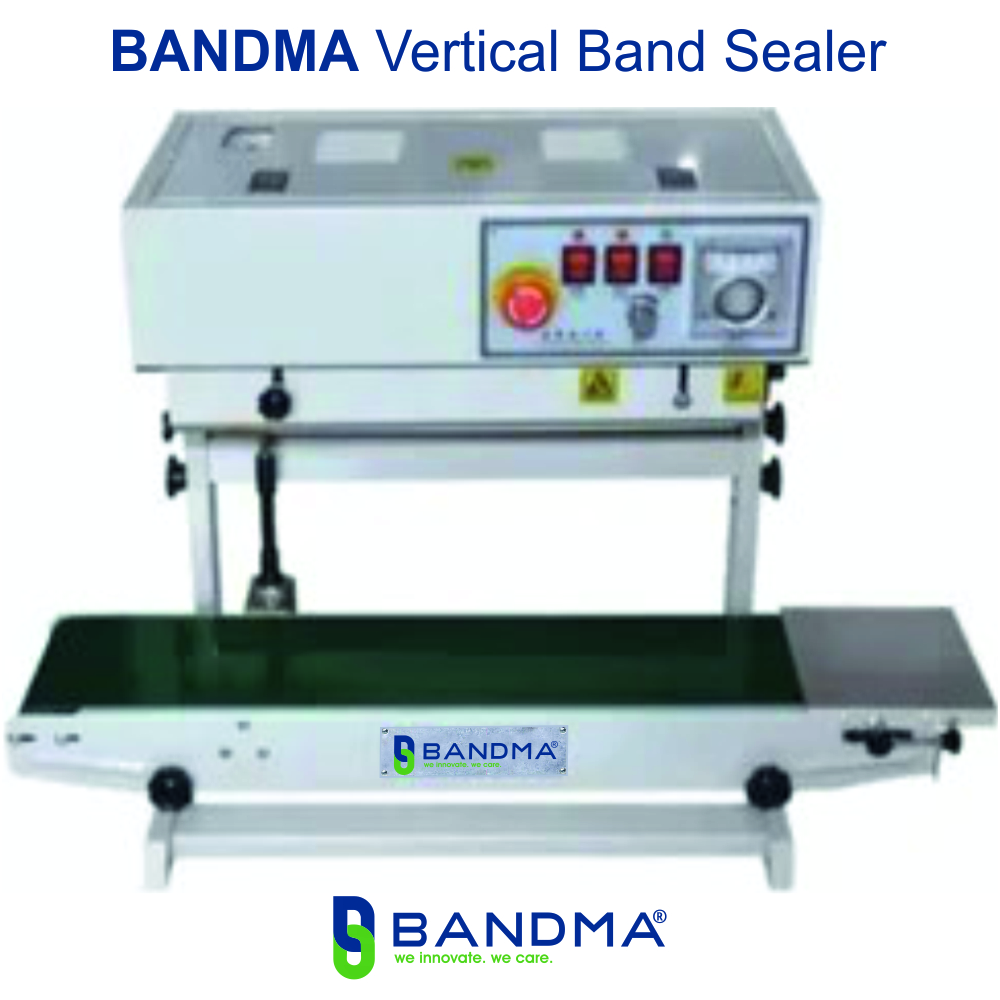
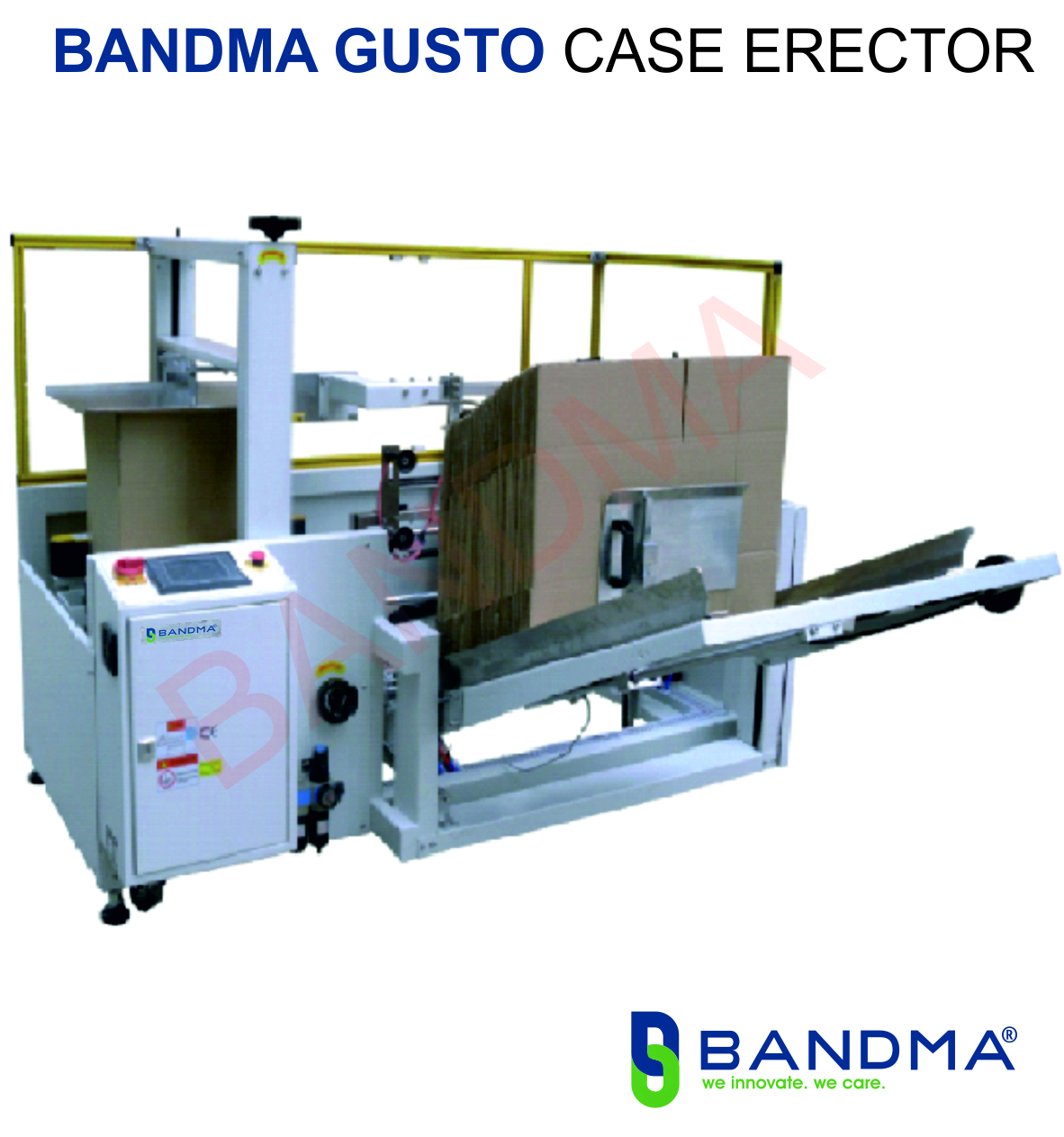

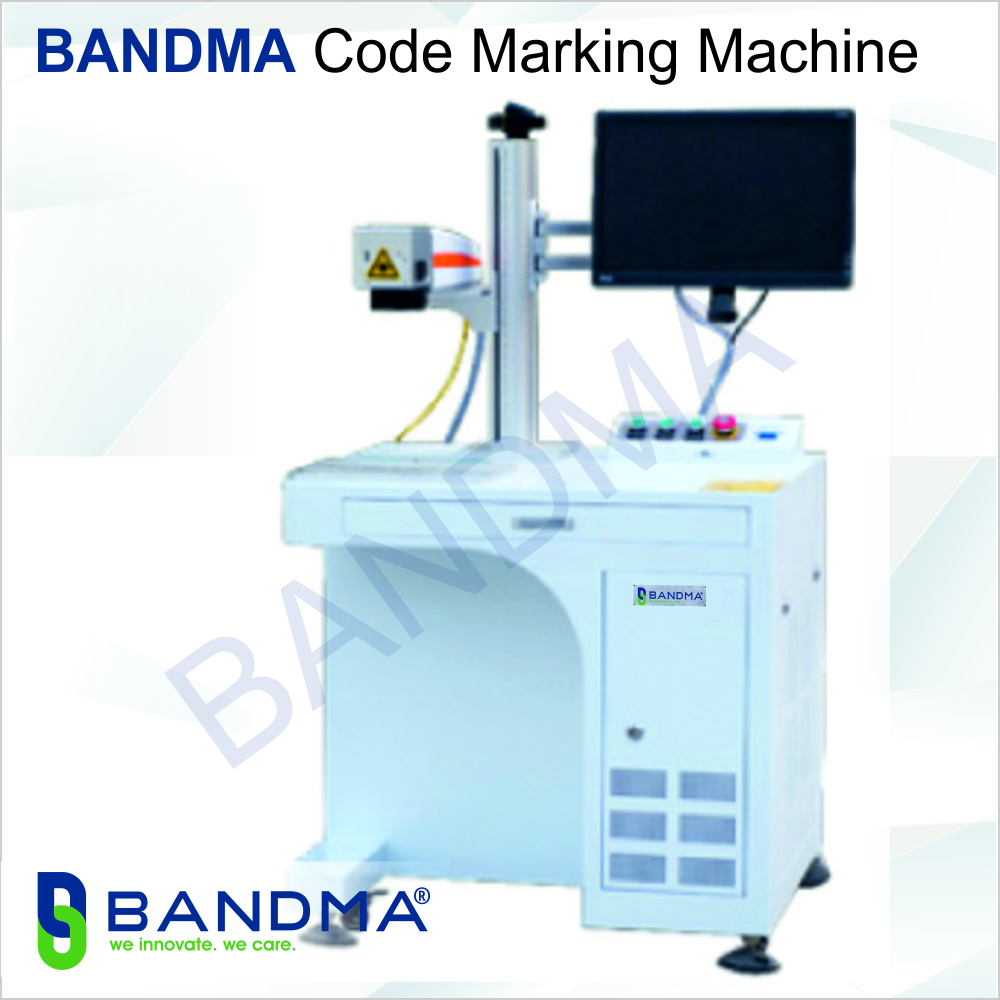

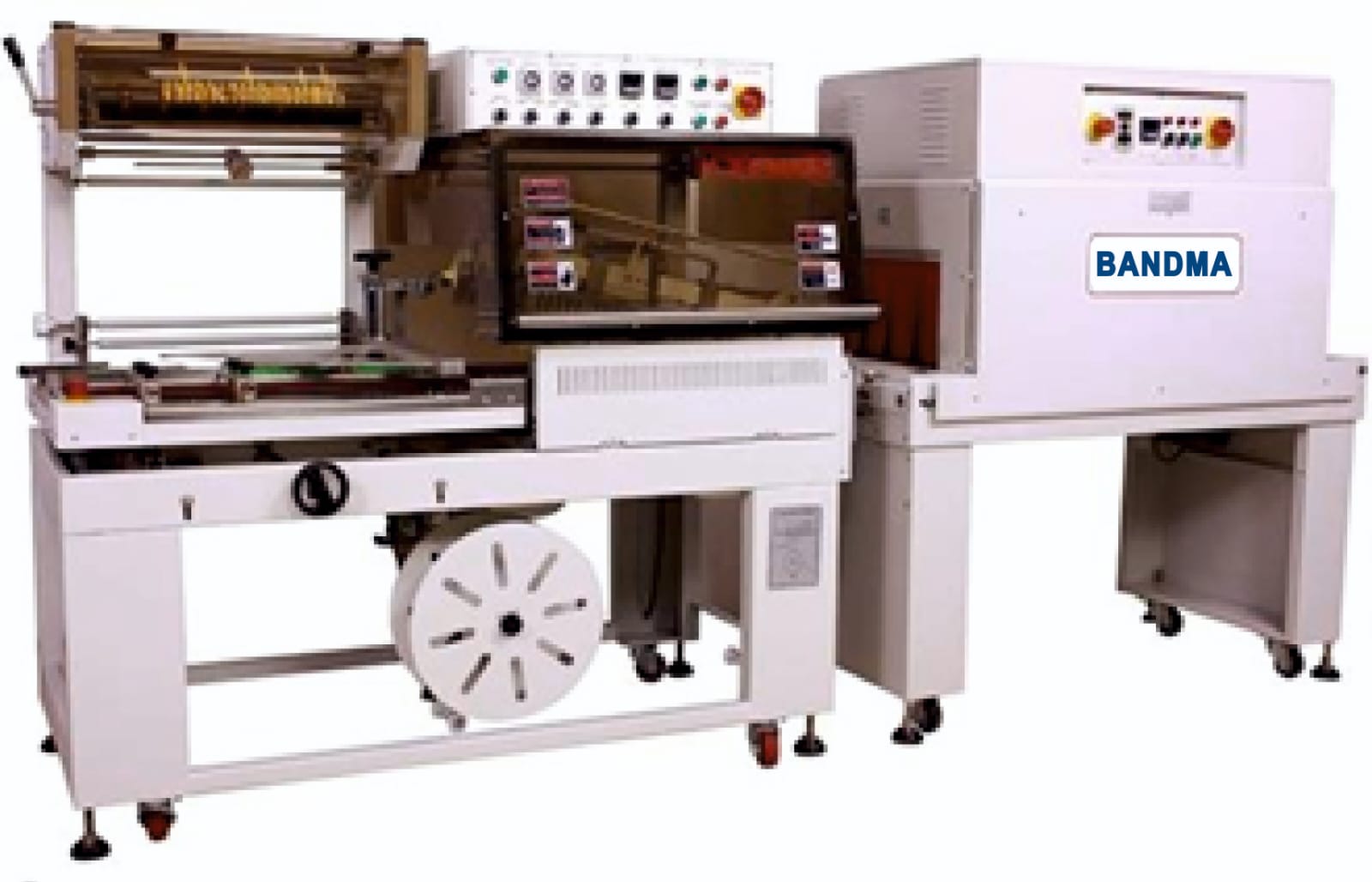


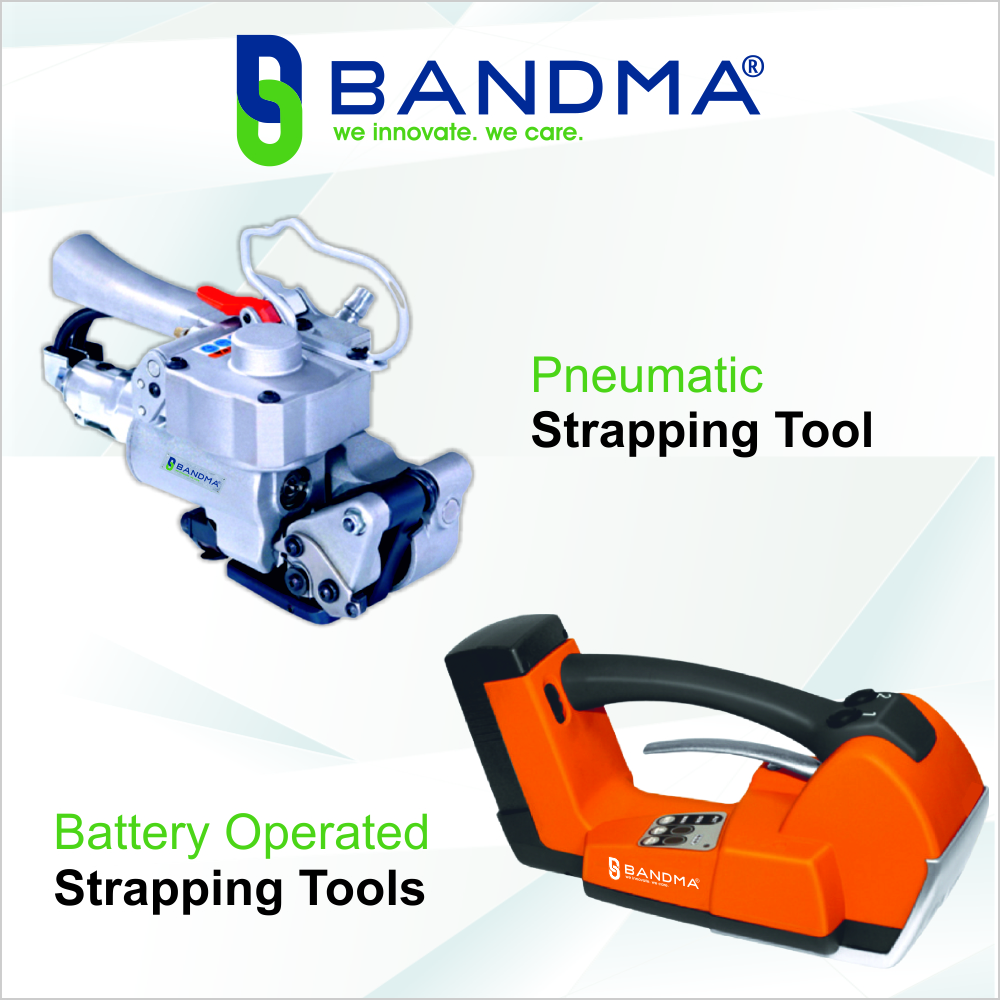
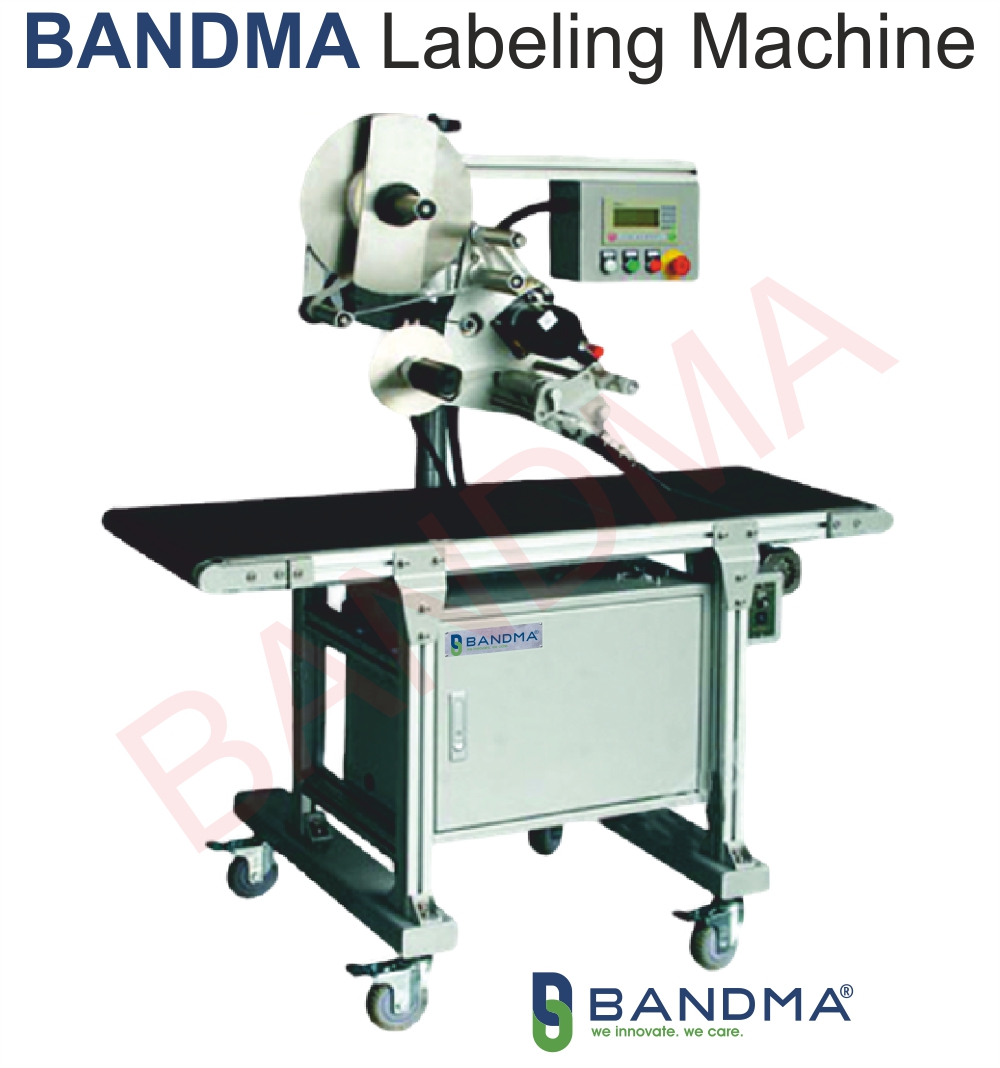
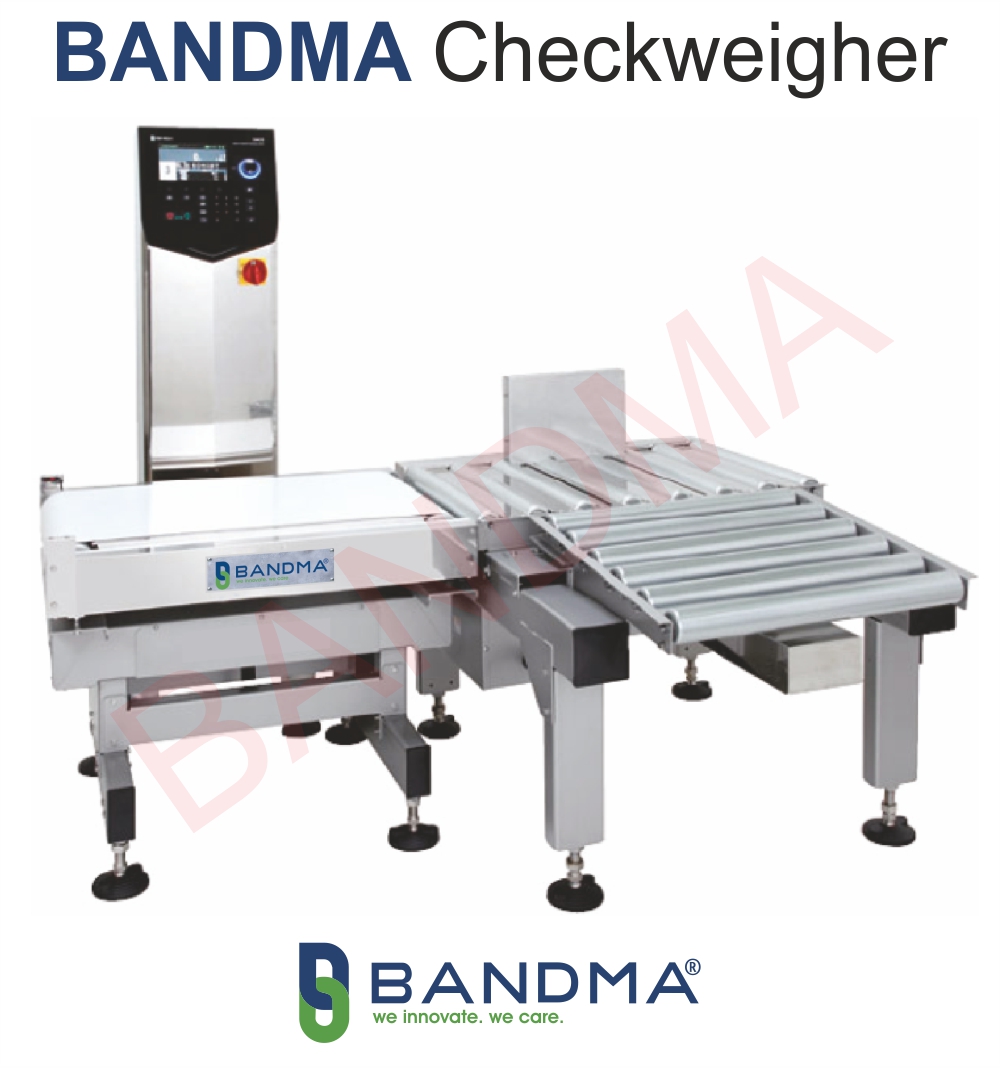

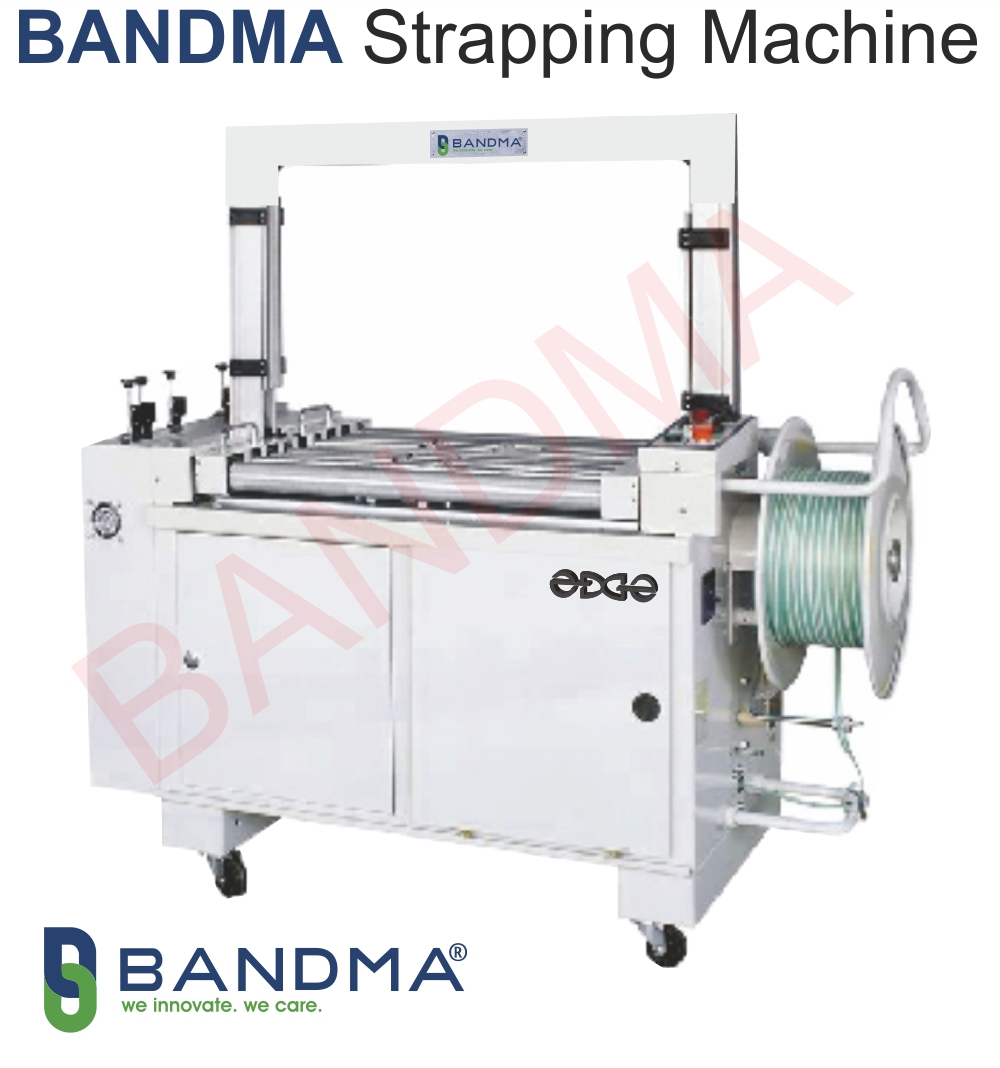


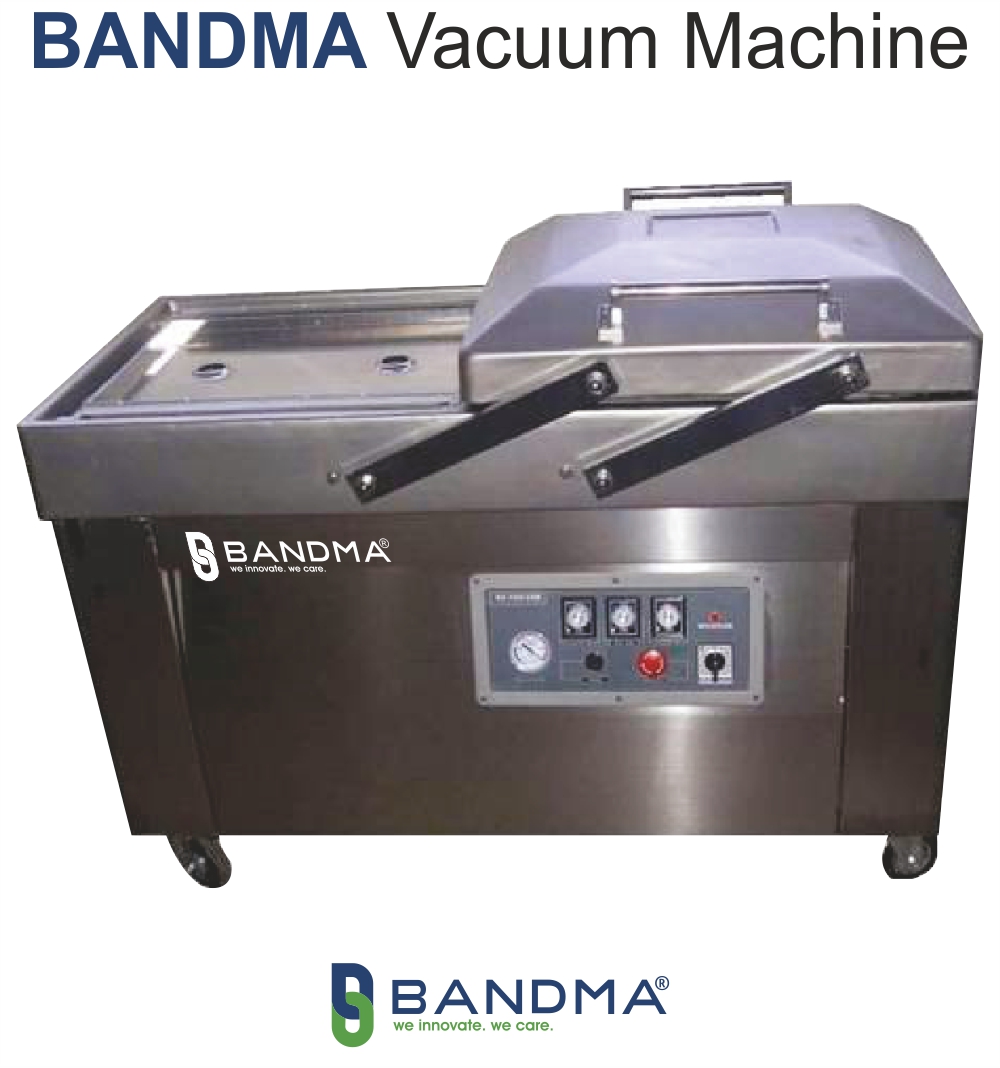
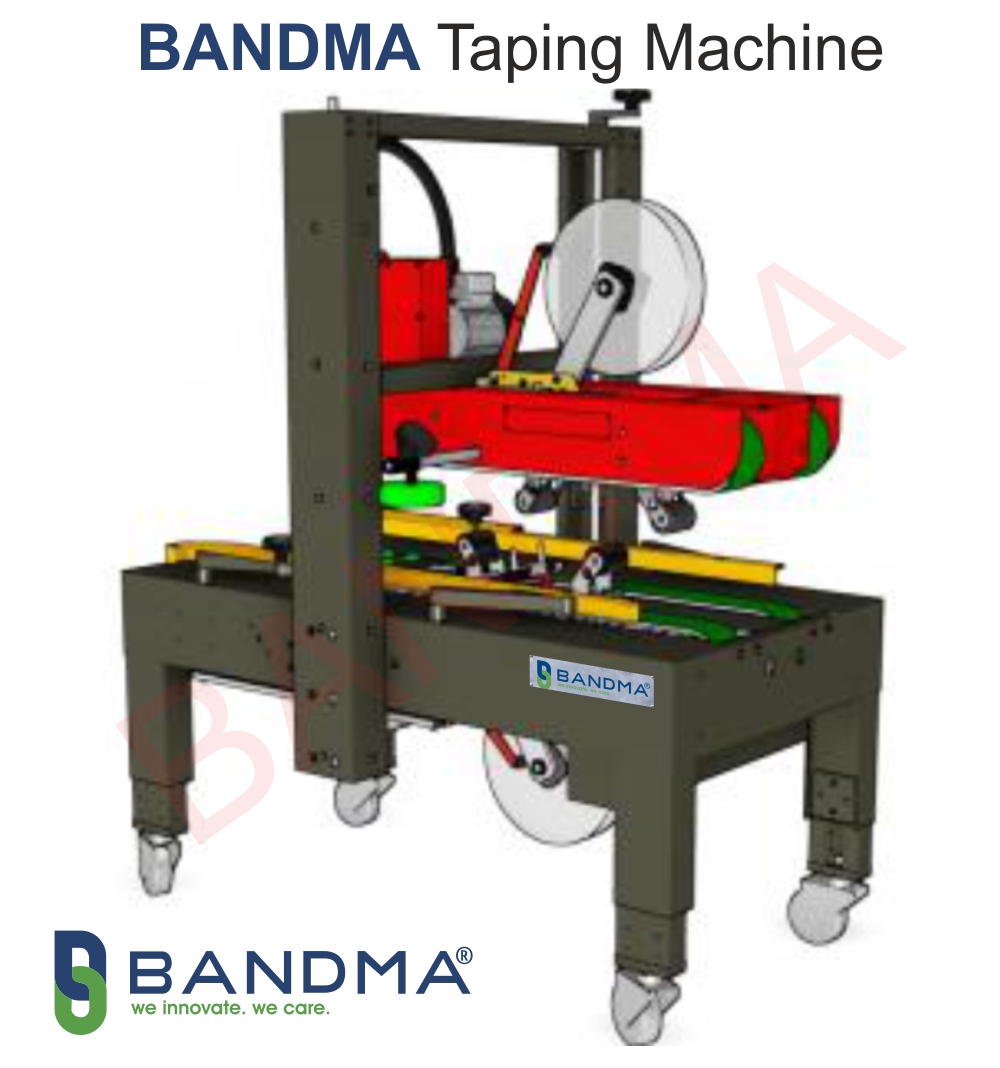

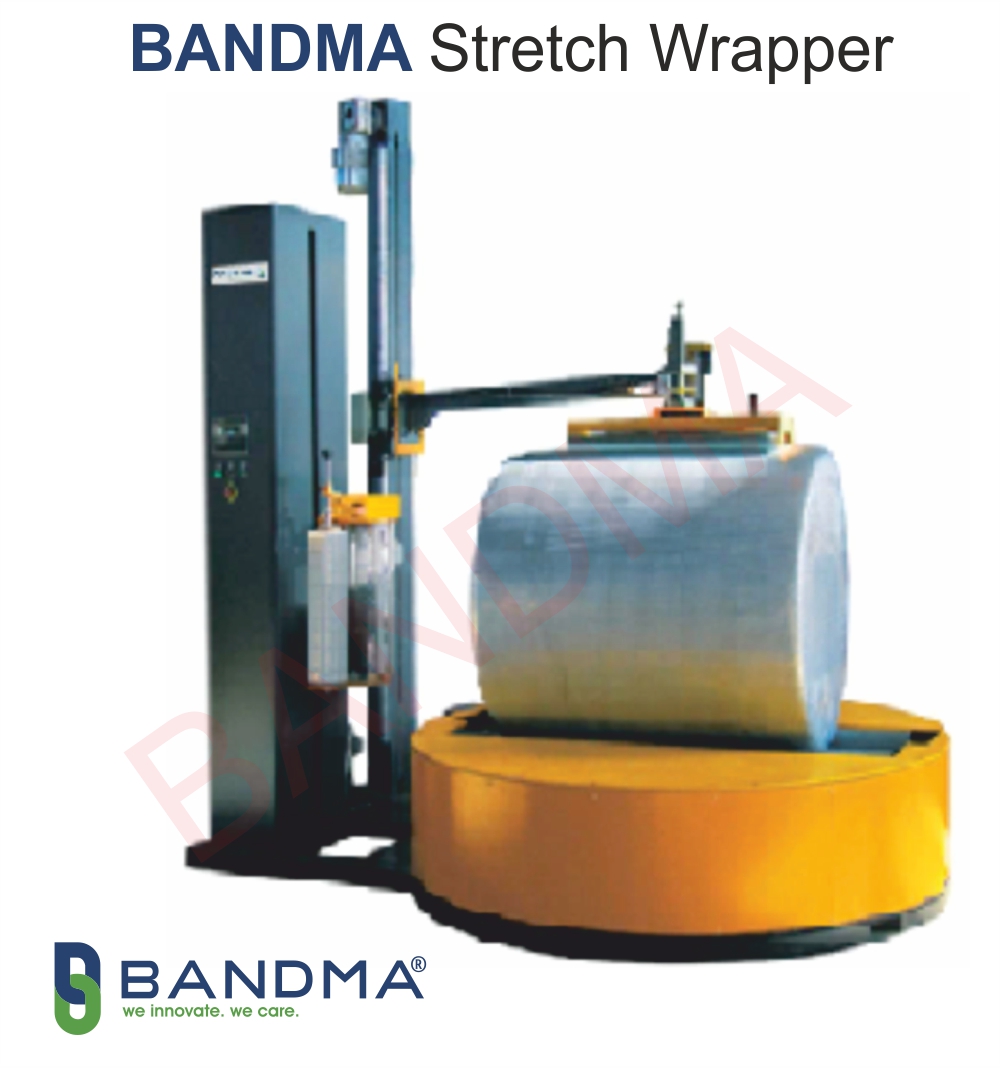

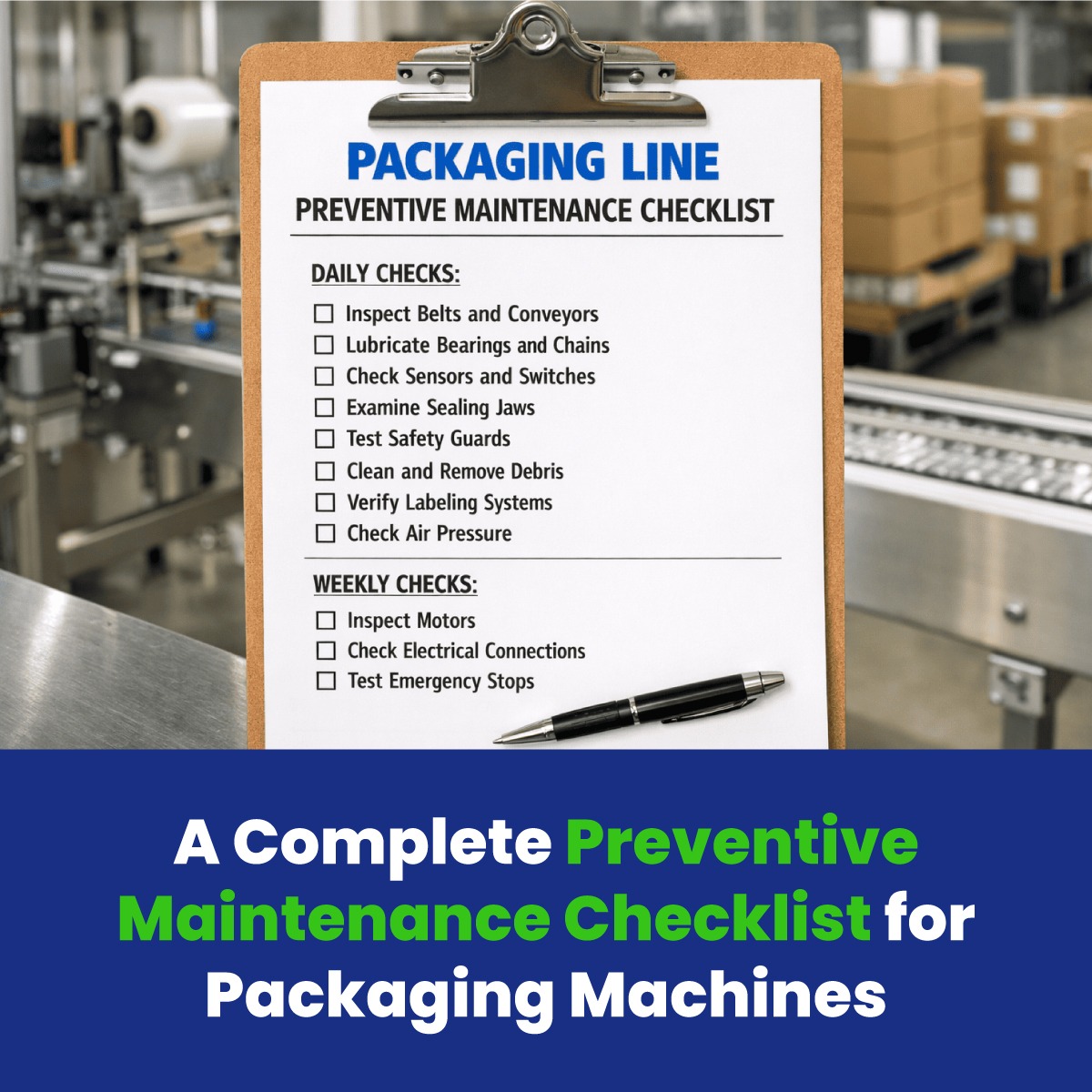
Packaging machines are one of the most important assets in any manufacturing facility. Whether you use carton sealing machines, strapping machines, stretch wrapping machines, conveyors, or other packaging equipment, regular maintenance is essential for smooth operations. Many unexpected machine breakdowns occur because small maintenance tasks are ignored until they become major problems.
A preventive maintenance plan helps businesses reduce downtime, increase machine life, improve packaging quality, and avoid costly repairs. Instead of waiting for equipment to fail, manufacturers should inspect and maintain their machines regularly to keep production running efficiently.
Why Preventive Maintenance Matters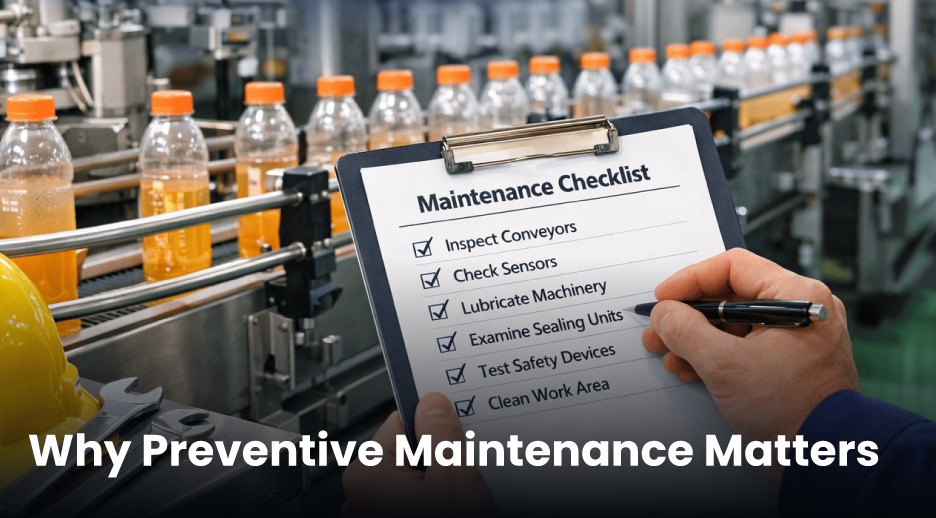
When a packaging machine suddenly stops working, production comes to a halt. Delayed shipments, missed deadlines, repair expenses, and reduced productivity can directly impact business performance.
Preventive maintenance helps identify minor issues before they turn into major failures. It also ensures machines continue operating at their best, allowing businesses to maintain consistent production and deliver quality packaging.
Daily Maintenance Checklist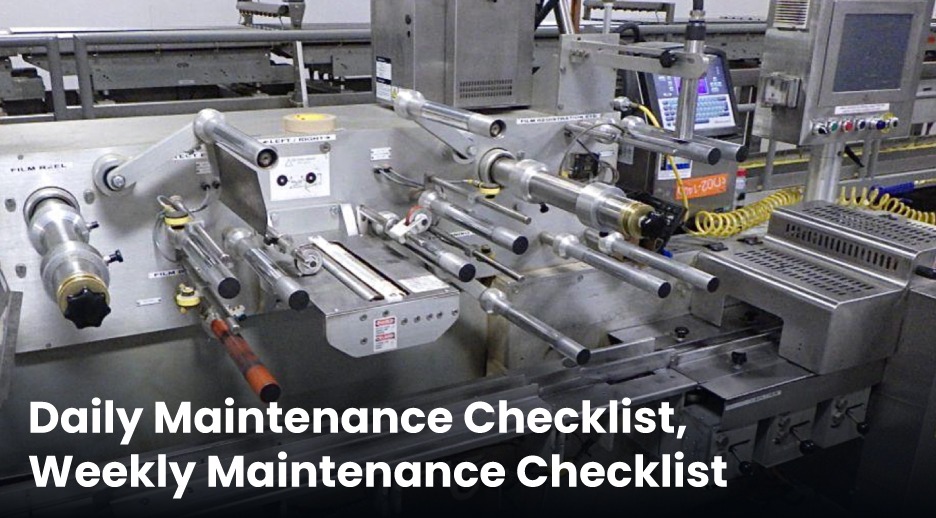
Simple daily inspections can prevent many common machine problems.
Before starting production each day:
- Clean dust, dirt, and packaging material from the machine.
- Check for loose bolts, screws, or fasteners.
- Inspect power cables and air connections for damage.
- Verify that sensors are clean and functioning properly.
- Listen for unusual noises during operation.
- Check emergency stop buttons and safety guards.
- Ensure moving parts operate smoothly without obstruction.
These basic checks take only a few minutes but can prevent costly interruptions.
Weekly Maintenance Checklist
Weekly maintenance focuses on keeping machine components in good working condition.
Tasks include:
- Lubricate moving parts according to the manufacturer's recommendations.
- Inspect belts, chains, and rollers for wear.
- Check conveyor alignment and tension.
- Clean machine fans and ventilation openings.
- Inspect pneumatic hoses for air leaks.
- Test switches and control panels.
- Tighten loose mechanical components if necessary.
Regular lubrication and cleaning reduce friction and improve machine efficiency.
Monthly Maintenance Checklist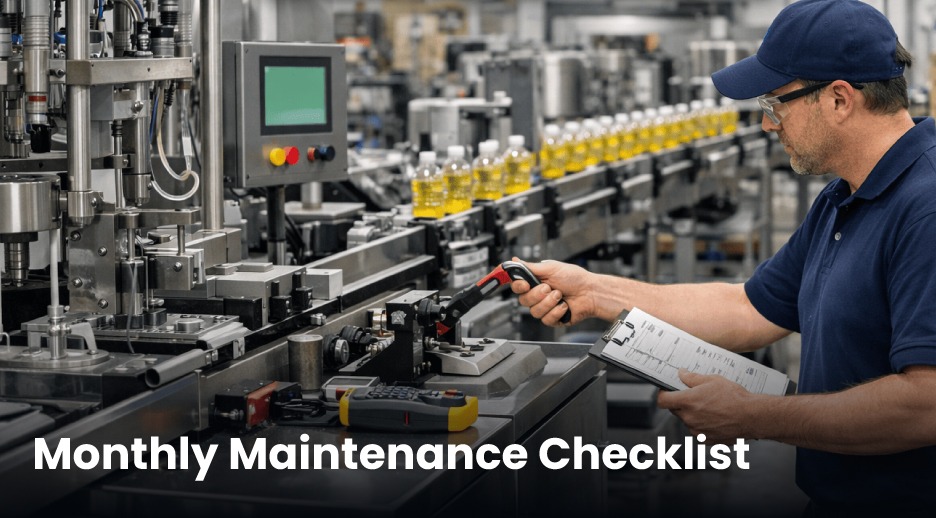
Monthly inspections help detect wear that may not be visible during daily checks.
Recommended tasks include:
- Inspect motors and gearboxes for unusual vibration.
- Check bearings for excessive wear.
- Examine electrical wiring and connectors.
- Inspect sealing units, cutters, and heating elements if applicable.
- Verify strapping tension and wrapping performance.
- Test machine calibration and operating accuracy.
- Replace worn consumable parts when needed.
Addressing these issues early helps avoid unexpected breakdowns during production.
Keep Machines Clean
Dust, adhesive residue, stretch film particles, and packaging debris can affect machine performance over time.
Cleaning the equipment regularly helps:
- Improve machine efficiency.
- Prevent sensor failures.
- Reduce overheating.
- Extend component life.
- Maintain consistent packaging quality.
A clean machine also makes it easier to identify leaks, cracks, or damaged components.
Monitor Machine Performance
Operators should pay attention to changes in machine performance.
Warning signs include:
- Slower operating speed.
- Unusual vibration.
- Excessive noise.
- Poor sealing or strapping quality.
- Frequent alarms.
- Irregular conveyor movement.
Ignoring these warning signs can lead to expensive repairs later.
Train Machine Operators
Even the most advanced packaging machine requires trained operators.
Employees should know how to:
- Start and stop the machine correctly.
- Perform routine inspections.
- Clean equipment safely.
- Identify early signs of wear.
- Report problems immediately.
- Follow safety procedures.
Proper operator training reduces misuse and helps extend machine life.
Maintain Spare Parts Inventory
Waiting for replacement parts after a machine failure can delay production for days.
Keeping essential spare parts such as belts, sensors, rollers, bearings, blades, pneumatic fittings, and electrical components in stock allows repairs to be completed quickly and minimizes downtime.
Maintain Service Records
Keeping detailed maintenance records helps businesses monitor machine health over time.
Maintenance logs should include:
- Inspection dates.
- Parts replaced.
- Lubrication schedules.
- Repair history.
- Machine performance observations.
- Future maintenance plans.
These records help identify recurring issues and improve maintenance planning.
Benefits of Preventive Maintenance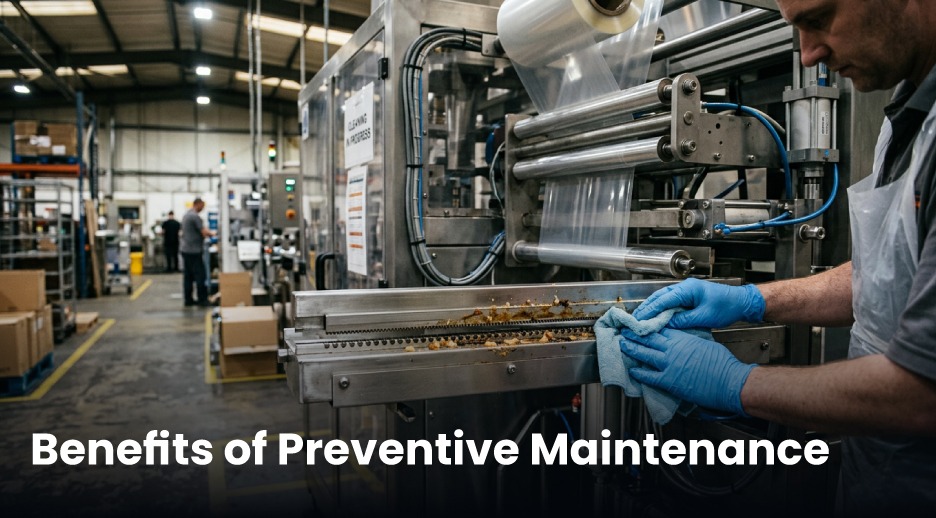
A well-planned maintenance program offers several long-term advantages:
- Reduced machine downtime.
- Longer equipment lifespan.
- Lower repair costs.
- Improved packaging quality.
- Higher production efficiency.
- Better workplace safety.
- Increased customer satisfaction through reliable deliveries.
Preventive maintenance is a small investment that delivers significant operational savings.
Conclusion
Preventive maintenance is essential for keeping packaging machines reliable, efficient, and productive. Regular inspections, cleaning, lubrication, operator training, and timely replacement of worn components can prevent unexpected failures and reduce maintenance costs. By following a structured maintenance checklist, manufacturers can improve equipment performance, maintain consistent packaging quality, and ensure uninterrupted production. A proactive maintenance approach not only protects valuable machinery but also supports long-term business growth and operational excellence.