



For manufacturers running high-volume packaging lines, the way cartons are prepared can make or break overall efficiency. Many businesses still rely on manual box setup simply because it's familiar, but as order volumes grow, this method starts to show its limitations. Automatic carton erectors are increasingly replacing manual setup, and the difference in performance is hard to ignore.
Understanding how the two methods compare can help manufacturers decide which approach truly supports their production goals.
- Time Consumed in Manual Carton Preparation
Manually forming cartons involves folding flaps, aligning edges, and sealing the base, one box at a time. Even experienced workers take a noticeable amount of time per carton, and this adds up quickly across thousands of units.
During high-volume runs, this time cost becomes a major constraint. Production can only move as fast as cartons are made available, which often turns manual box setup into the slowest link in the entire packaging process.
- Inconsistent Box Formation
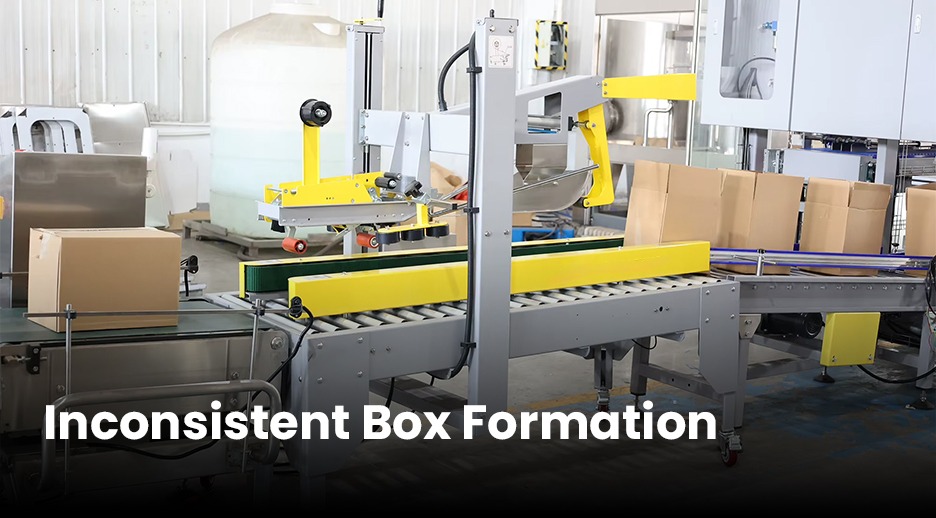
Manual carton assembly depends on individual technique, and no two workers fold and seal boxes in the same way. Over a full shift, fatigue adds further variation, leading to loosely formed bases, misaligned flaps, or weak seals.
This inconsistency increases the risk of boxes collapsing or opening during handling and transit, resulting in product damage and returns. Maintaining uniform carton quality manually across high volumes is extremely difficult.
- Labour Requirements
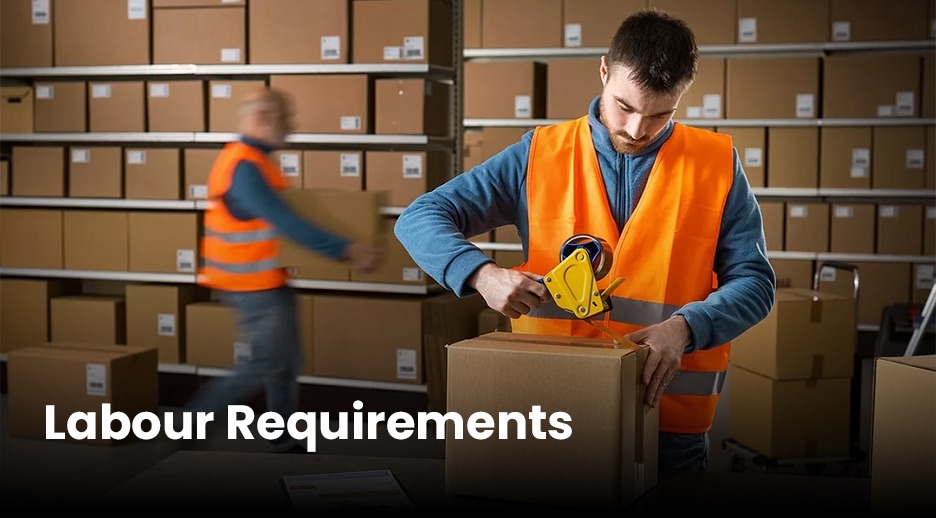
High-volume carton preparation manually needs a dedicated set of workers just to keep up with the pace of the packaging line. As order volumes increase, businesses often need to add more staff specifically for box setup, pushing up labour costs and scheduling complexity.
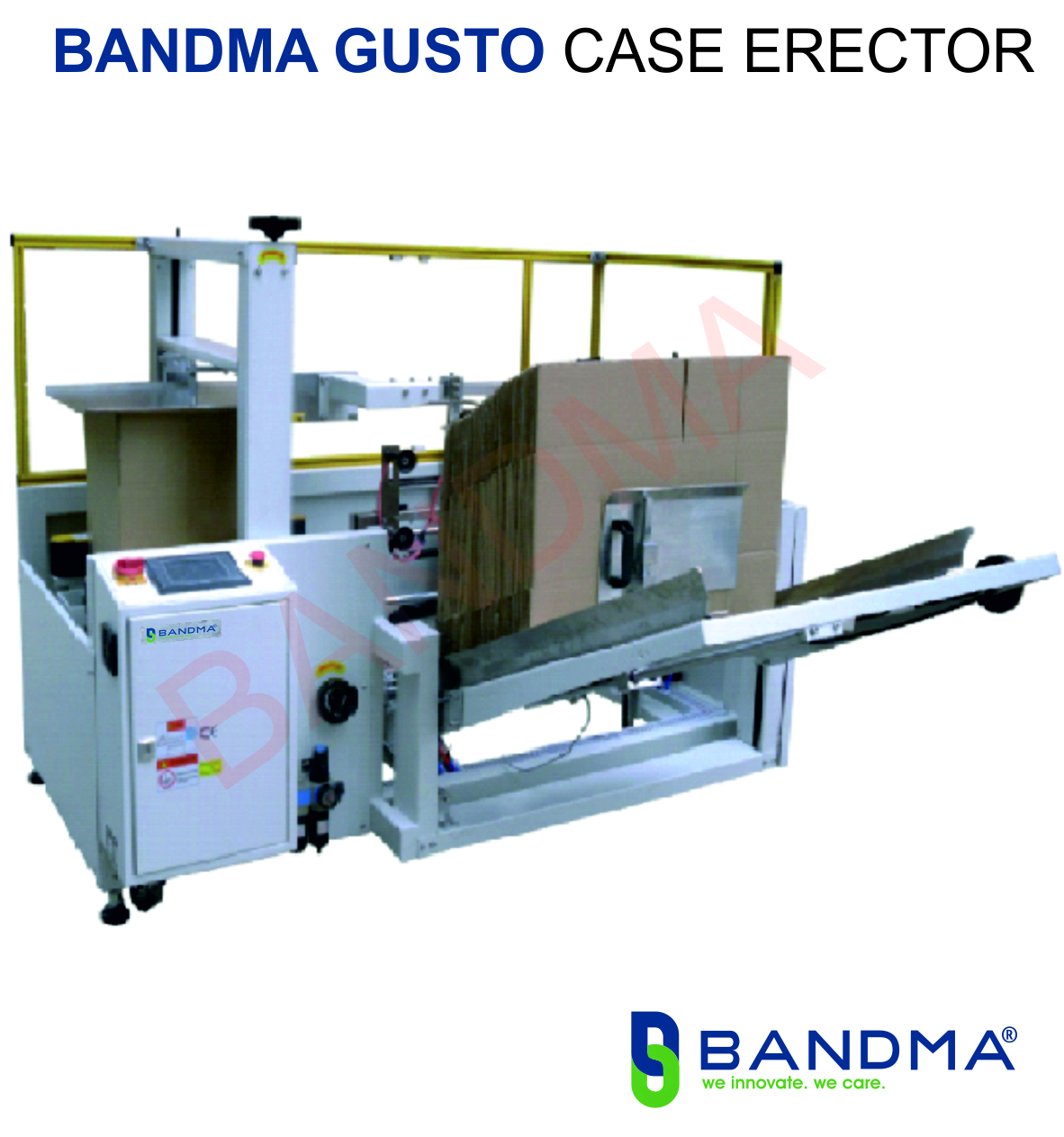
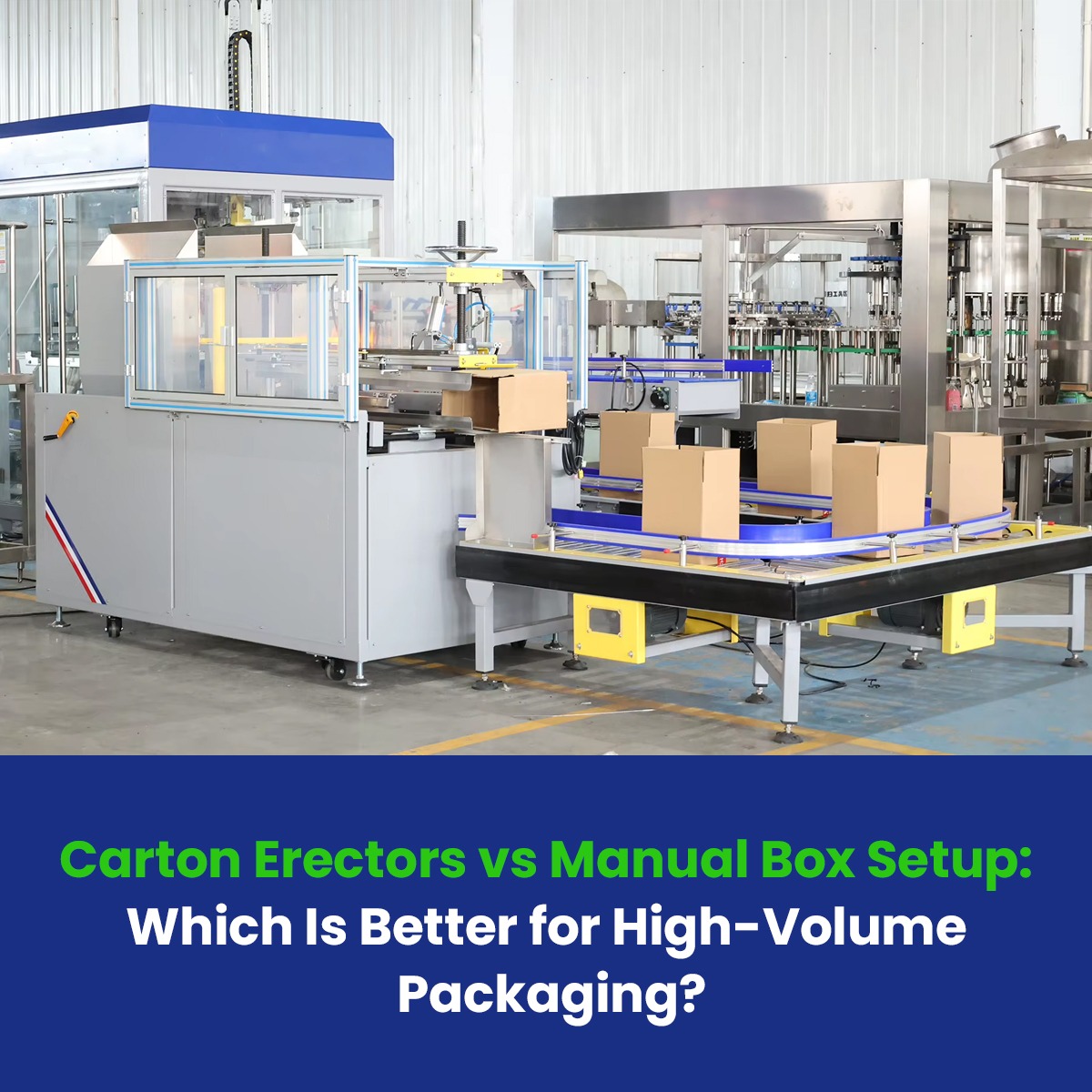
Automatic carton erectors significantly reduce this requirement. A single operator can oversee a machine that erects cartons continuously, allowing the rest of the workforce to focus on other value-added tasks.
- Speed and Consistency of Automatic Carton Erectors
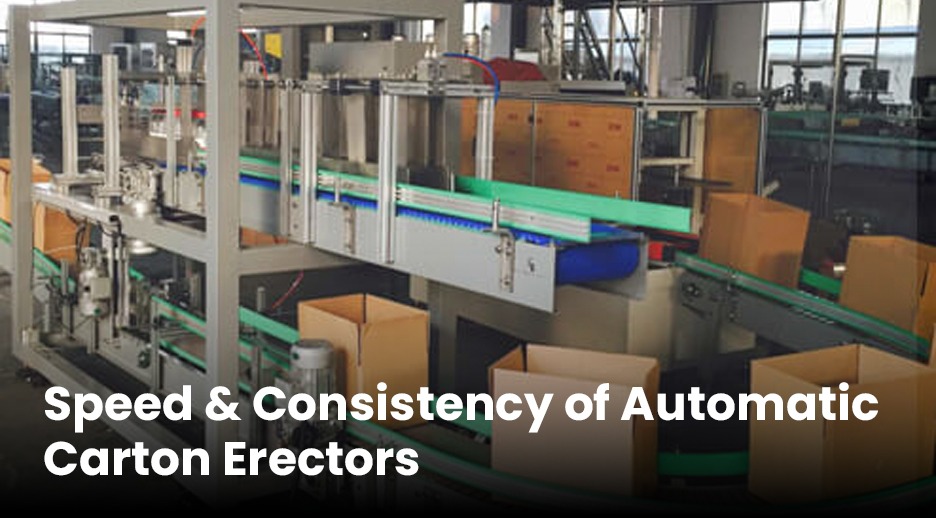
Automatic carton erectors form and seal cartons at a fixed, high speed that manual labour simply cannot match. More importantly, every carton produced meets the same quality standard, with consistent flap alignment, base strength, and seal placement.
This combination of speed and consistency means production lines are no longer held back by carton availability, and the risk of packaging failure due to poorly formed boxes drops sharply.
- Industries That Benefit Most
While most manufacturing sectors can gain from carton erectors, some industries see especially strong results. Food and beverage manufacturers benefit from faster, hygienic packaging with fewer touchpoints. E-commerce and logistics operations rely on carton erectors to handle high order volumes and fluctuating demand without delays.
FMCG companies use them to maintain consistent packaging quality across large production runs, while pharmaceutical and personal care manufacturers value the precision and reliability erectors bring to sensitive, high-value products.
Conclusion
Manual box setup may still work for small-scale or low-volume operations, but it quickly becomes a bottleneck as production scales up. Automatic carton erectors solve the core problems of manual preparation, slow speed, inconsistent quality, and heavy labour dependency, while delivering the reliability high-volume packaging demands.
For manufacturers aiming to scale efficiently, switching to automatic carton erectors isn't just an upgrade in equipment; it's a direct upgrade in production capability.