
A shrink wrapping machine is one of those capital investments that often looks like a cost centre until someone runs the numbers properly. When you account for labour saved, materials consumed, product damage prevented, and shelf appeal gained, the payback period is frequently shorter than expected — and the ongoing savings are real.
Here are the five most significant ways a shrink wrapper reduces your total packaging cost, with concrete examples from the industries Bandma serves.
1. Dramatic Reduction in Labour Cost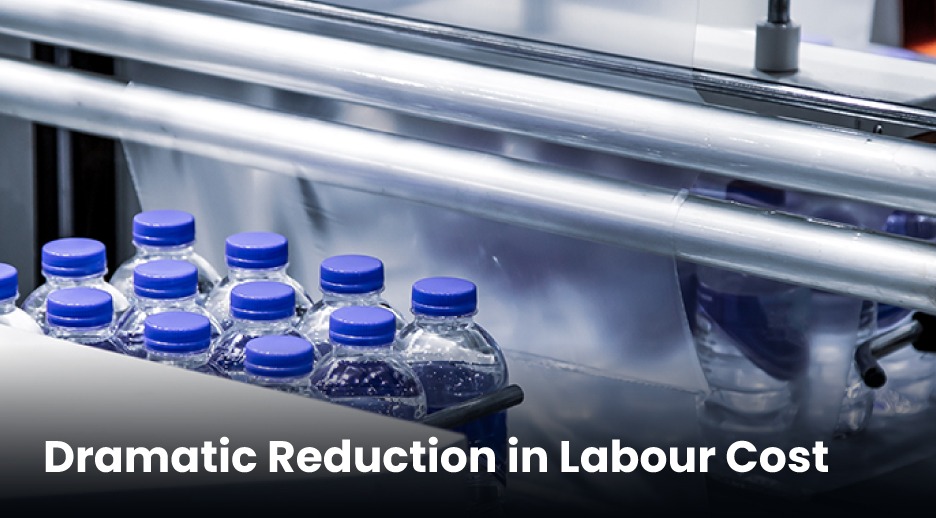
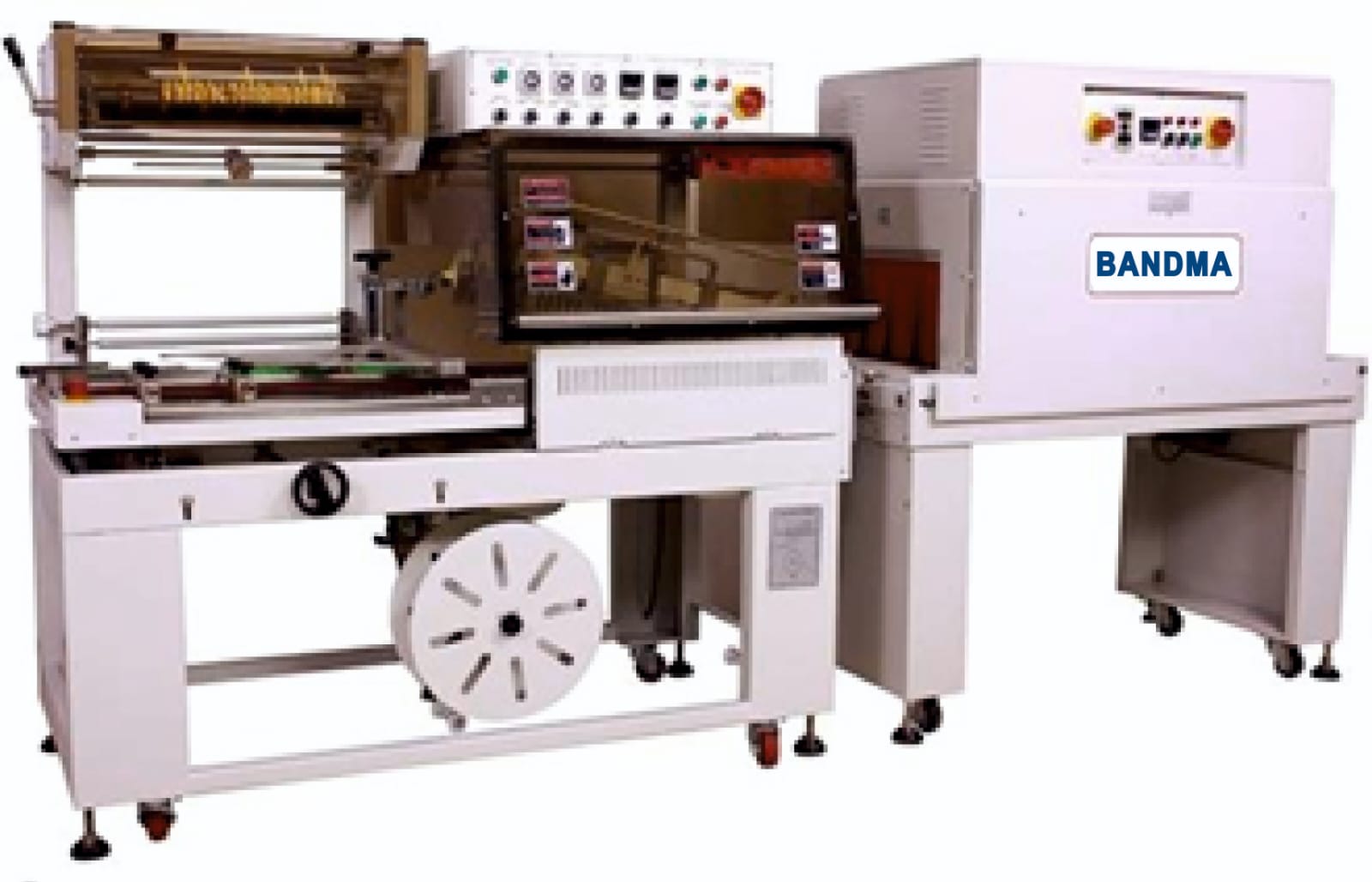
Manual shrink wrapping with a handheld heat gun is slow, inconsistent, and physically taxing. A single operator wrapping products manually can typically handle 200 to 400 units per shift. A Bandma shrink tunnel machine with an integrated conveyor system can process the same volume in under an hour — allowing that operator to be redeployed to higher-value tasks.
The labour saving is most visible in FMCG, food, and consumer electronics, where large batch sizes and tight margins make operator productivity a key cost lever.
2. Lower Film Consumption Through Precision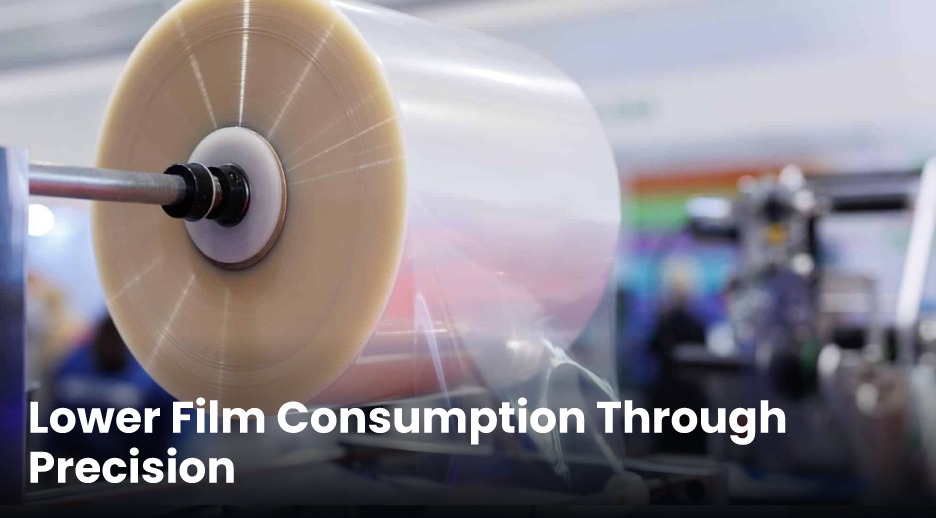
Manual shrink wrapping requires operators to cut film generously to ensure full coverage, resulting in substantial waste at the edges. An automated shrink wrapper measures the product and dispenses precisely the amount of film needed — typically 15 to 25 percent less than manual application.
At high volumes, this reduction in film consumption translates directly to materials cost savings. Shrink film is not expensive per metre, but across millions of packs per year the savings compound significantly.
3. Reduced Product Damage During Transit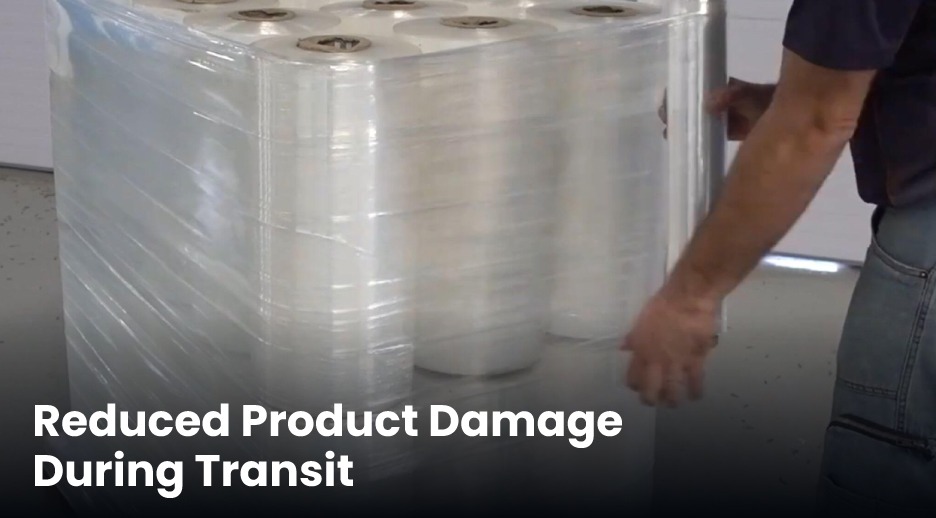
A properly shrunk film wrap holds a product or bundle firmly, preventing movement inside the pack and protecting against moisture, dust, and light impacts. Products wrapped loosely by hand are more likely to shift during transit, arrive damaged, and generate costly returns.
For food manufacturers, shrink wrapping also provides a tamper-evident seal that cannot be breached and re-sealed invisibly — reducing the risk of tampering complaints and associated liability.
4. Improved Shelf Appeal That Drives Sales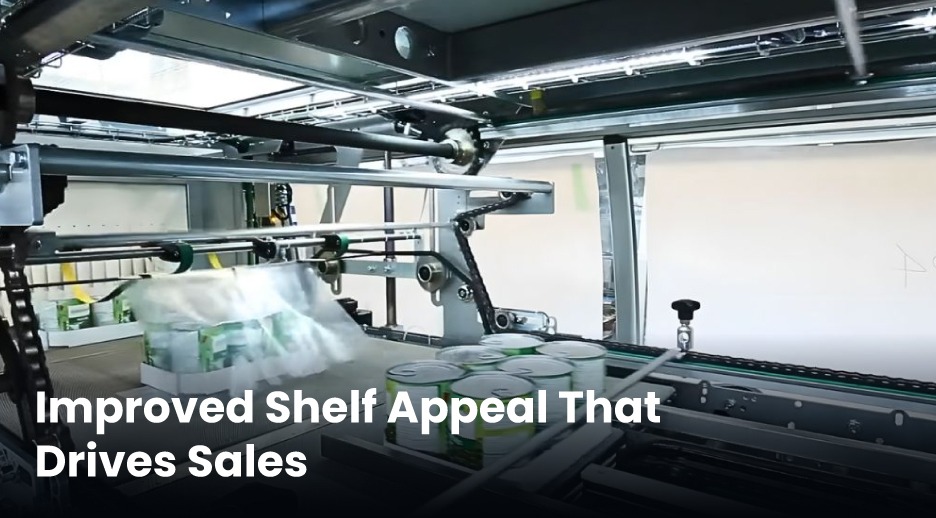
This benefit is harder to quantify but consistently cited by Bandma's FMCG and retail customers. A machine-applied shrink wrap is tight, clear, and uniform. It communicates care and professionalism.
Loosely or unevenly shrunk packs, by contrast, look cheap. In retail environments where the package itself influences purchase decisions, a clean shrink wrap is a commercial asset.
5. Faster Throughput = Lower Cost Per Unit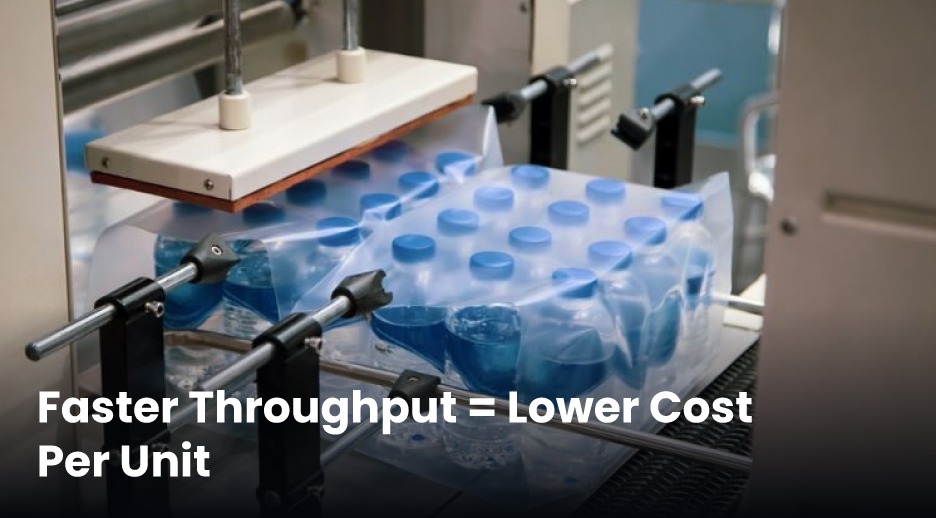
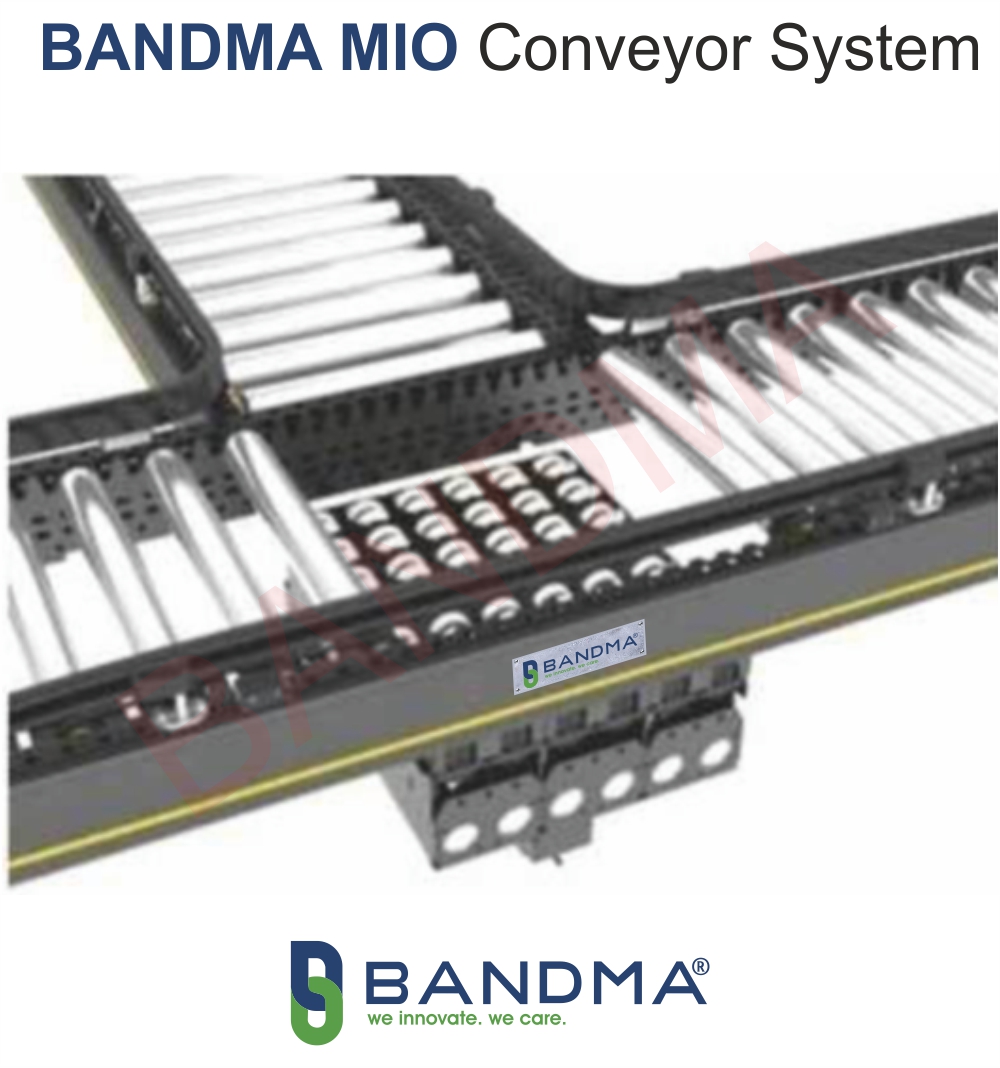
When a shrink tunnel is integrated with a conveyor line, it becomes part of a continuous flow. Products enter one end and emerge shrink-wrapped at the other without stopping. This dramatically increases throughput compared to batch-style manual wrapping.
Higher throughput means more units produced per shift, which lowers the fixed overhead cost allocated to each unit — a direct improvement to margin.
Typical Payback Period
For a mid-size FMCG manufacturer wrapping 2,000 to 5,000 units per day, the payback period on a Bandma shrink tunnel with conveyor system typically falls between 8 and 18 months, depending on current labour costs and film waste rates.
For larger operations above 10,000 units per day, payback periods of under 6 months are common once all five savings streams are counted.
Shrink Tunnel vs Shrink Sleeve vs Stretch Film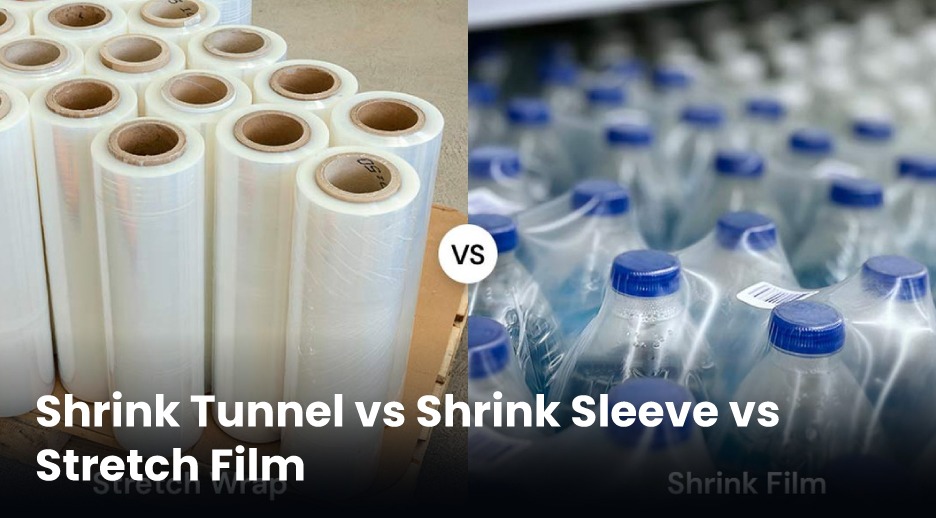
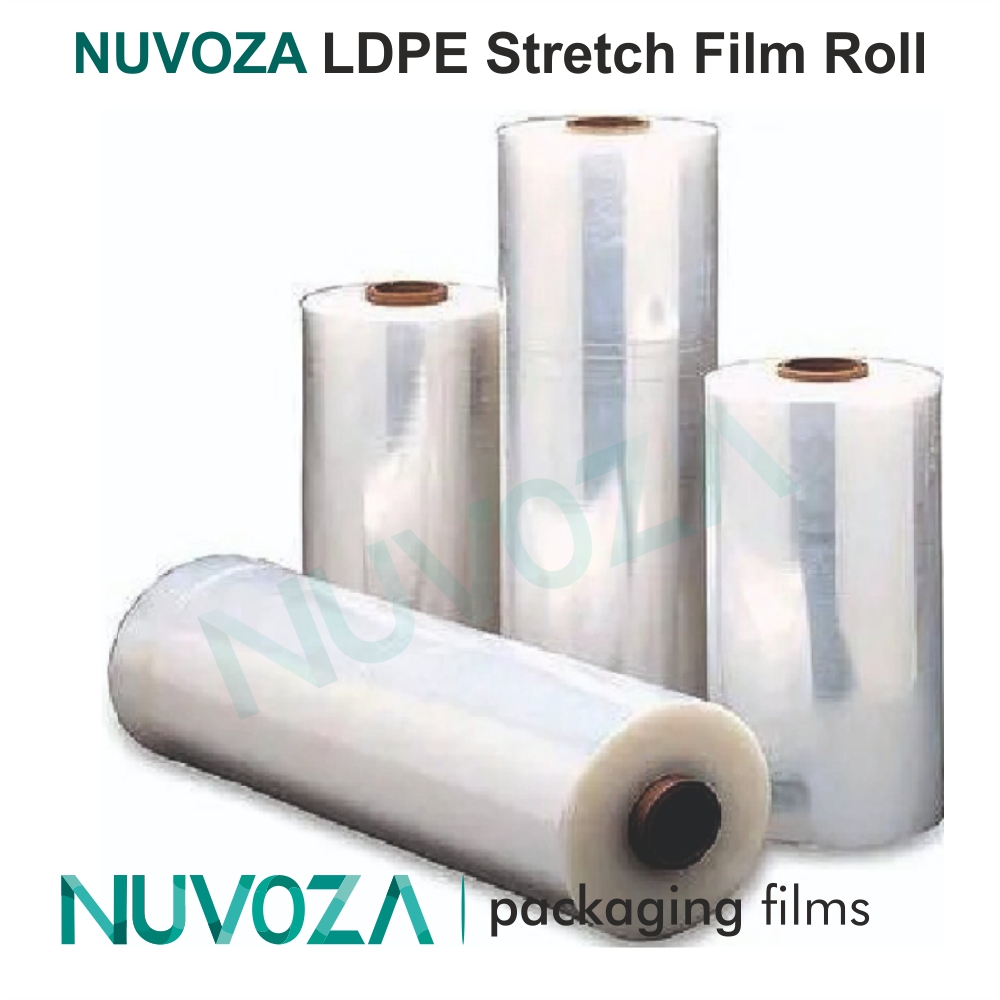
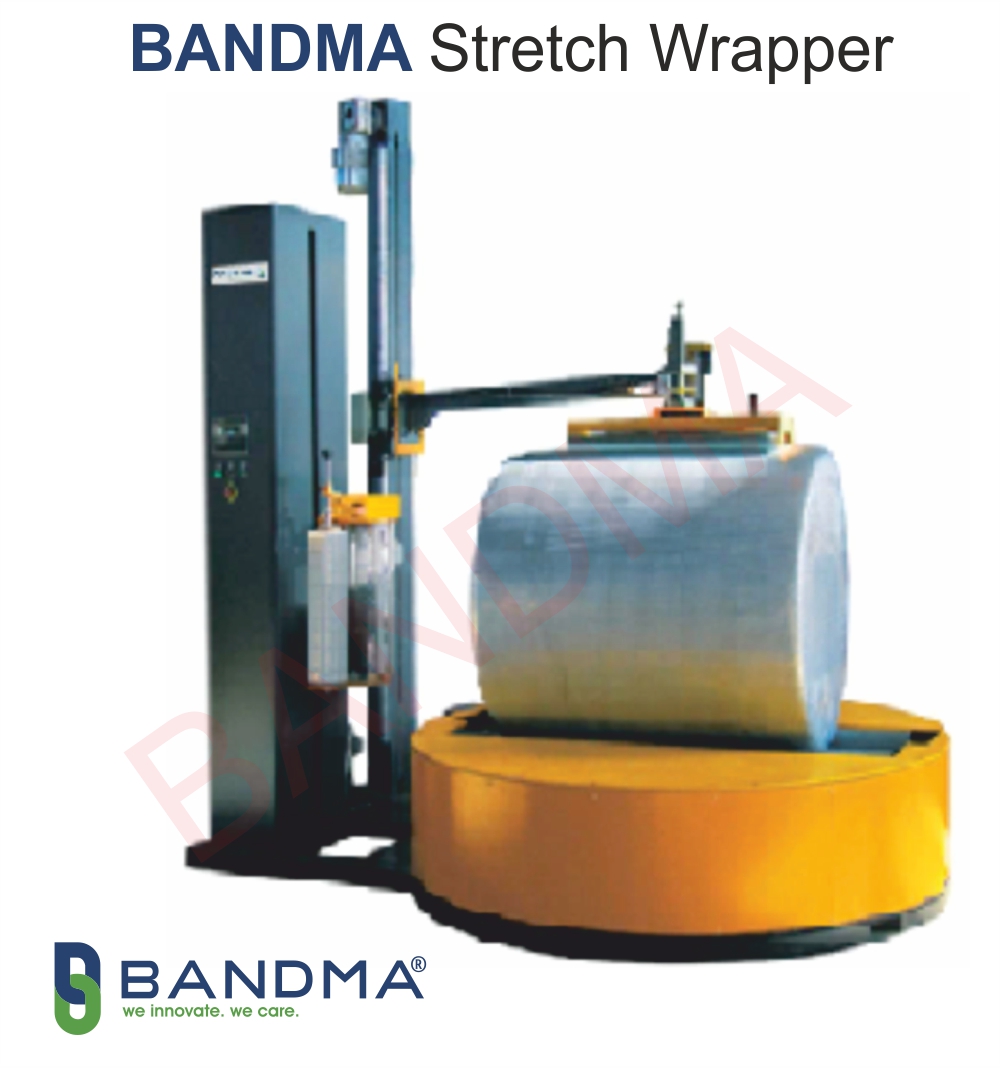
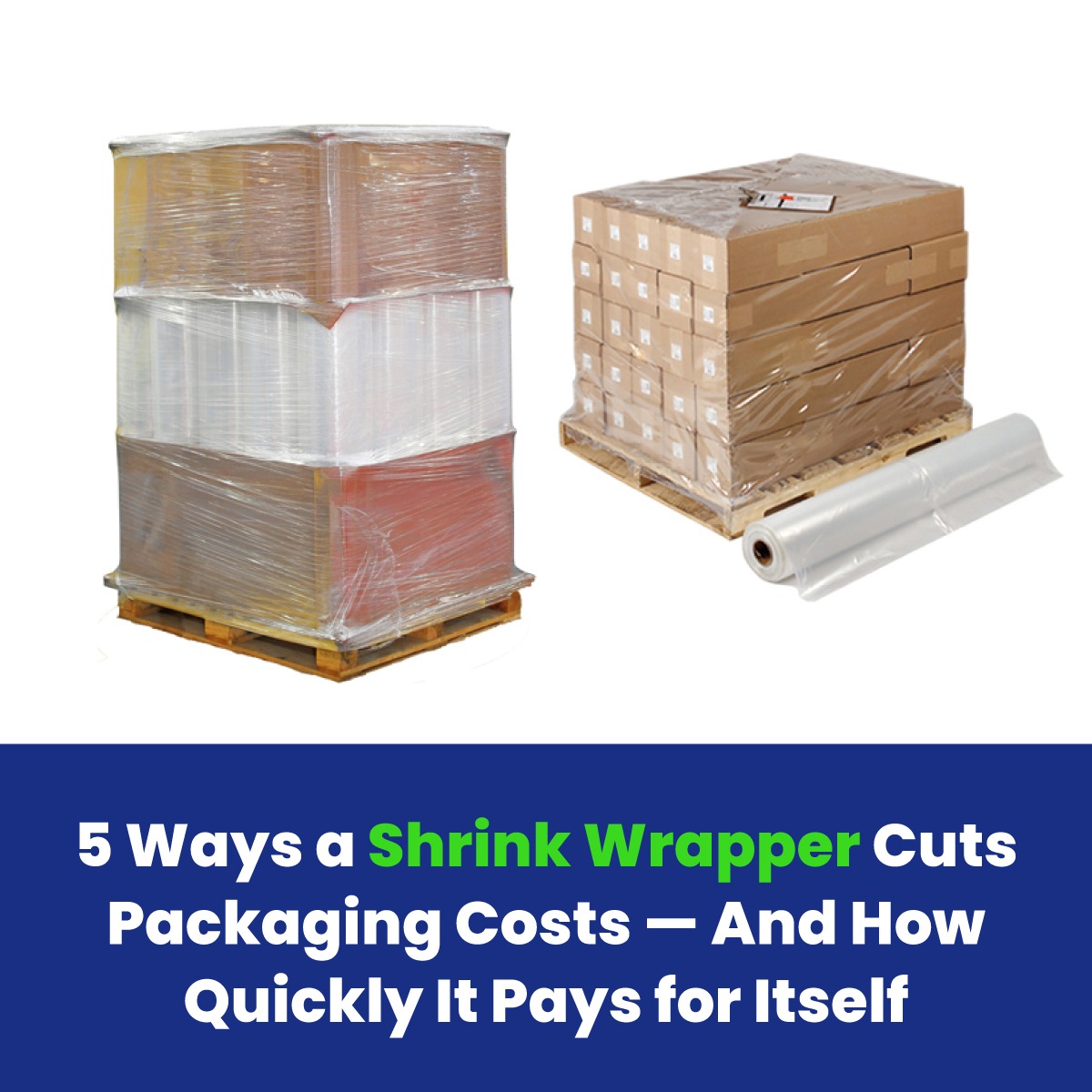
A shrink tunnel machine uses heat to contract a pre-cut film or bag around a product. It is distinct from stretch wrapping (which uses cold, elastic film applied under tension) and from shrink sleeve labelling (a printing application). Each has its place: shrink tunnels are ideal for bundling, tamper-evidence, and product-level wrapping; stretch wrappers are better for pallets and large loads.
Contact Bandma to discuss which shrink wrapping configuration is right for your products and your volume.