

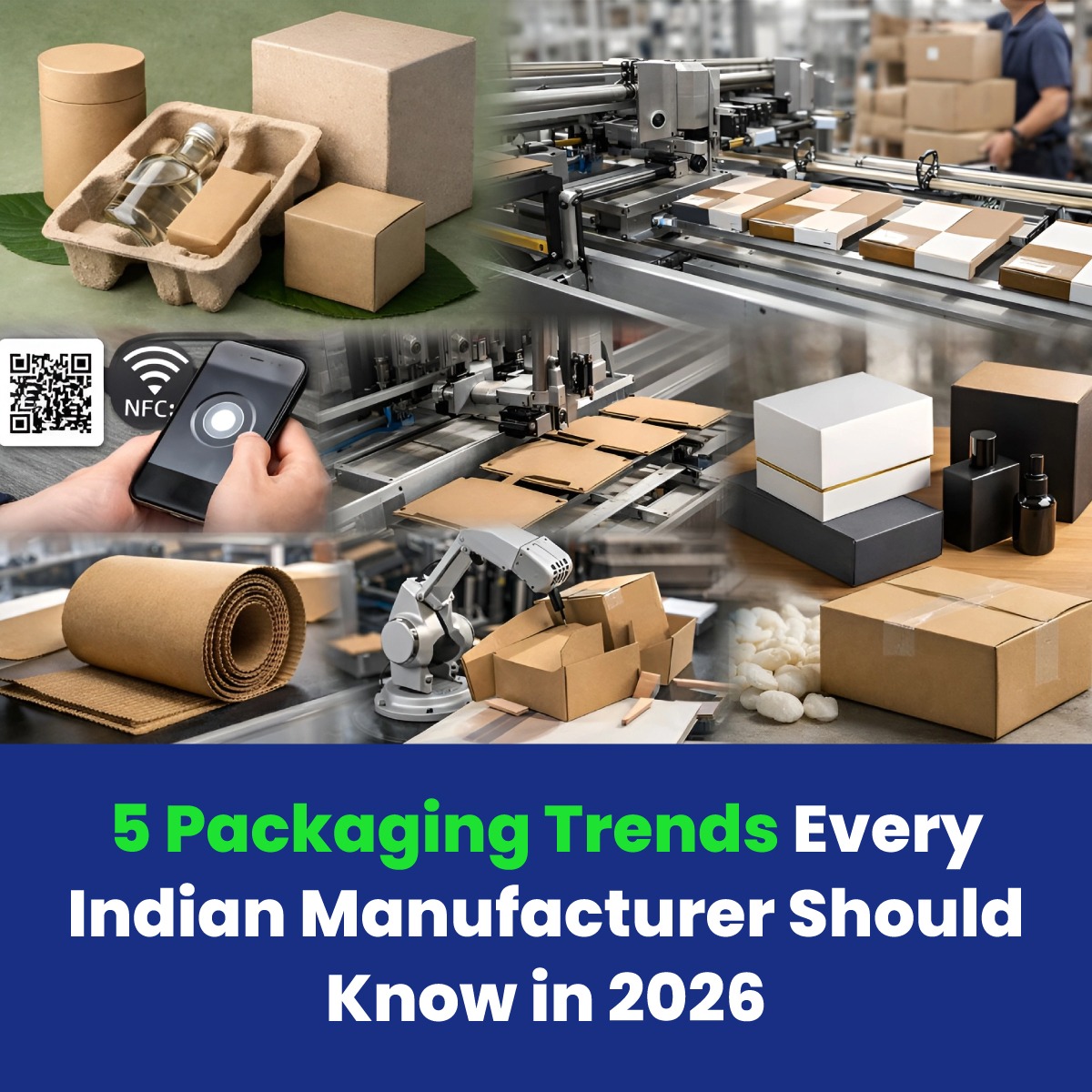
The packaging industry in India is moving faster than at any point in the past decade. Export regulations, retail buyer requirements, e-commerce growth, and sustainability pressure are all reshaping what it means to package a product well. Here are the five trends with the most immediate impact on Indian manufacturers.
1. Sustainable Packaging Is Moving from Optional to Mandatory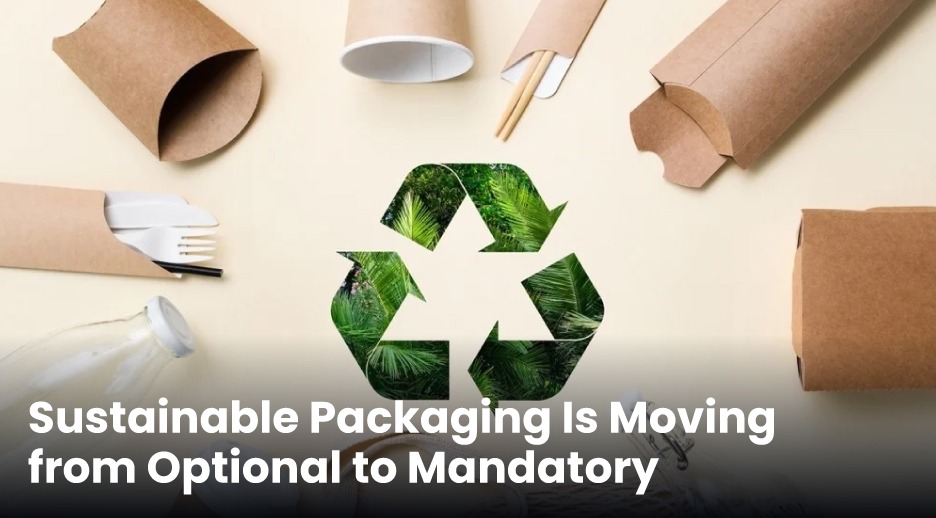
Major Indian retailers and virtually all significant export markets are now imposing sustainability requirements on their suppliers. This means reducing single-use plastic content, switching to recyclable materials, and documenting packaging material choices for audit purposes.
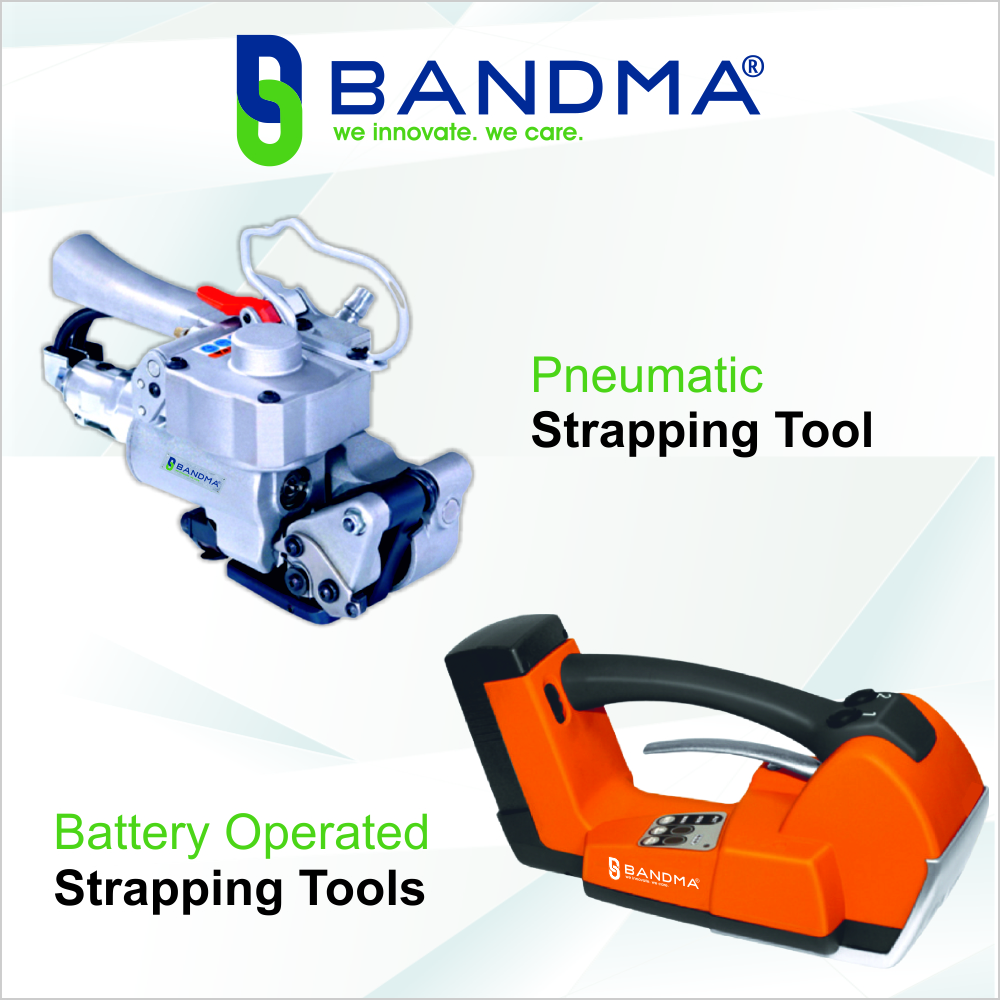
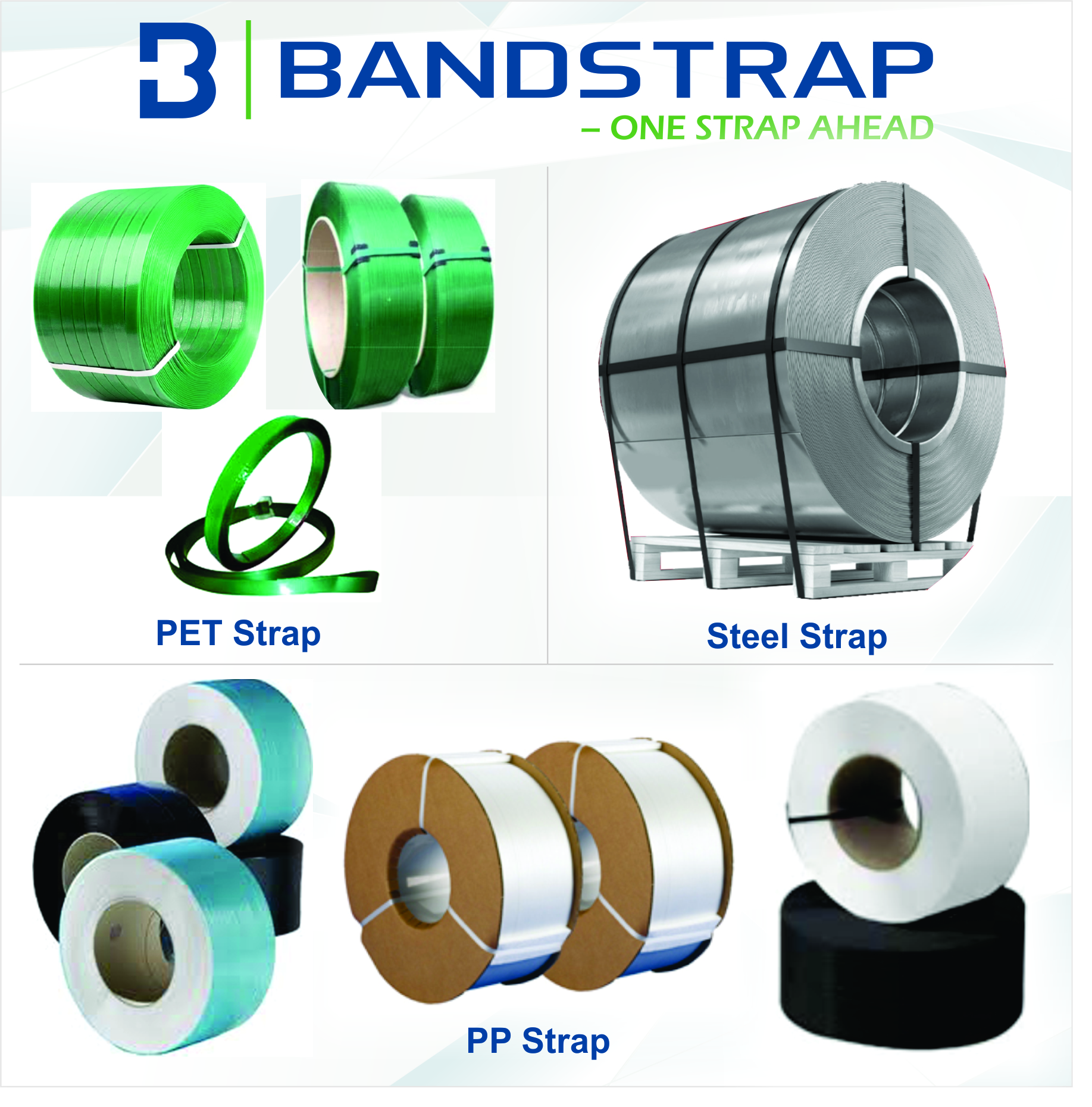
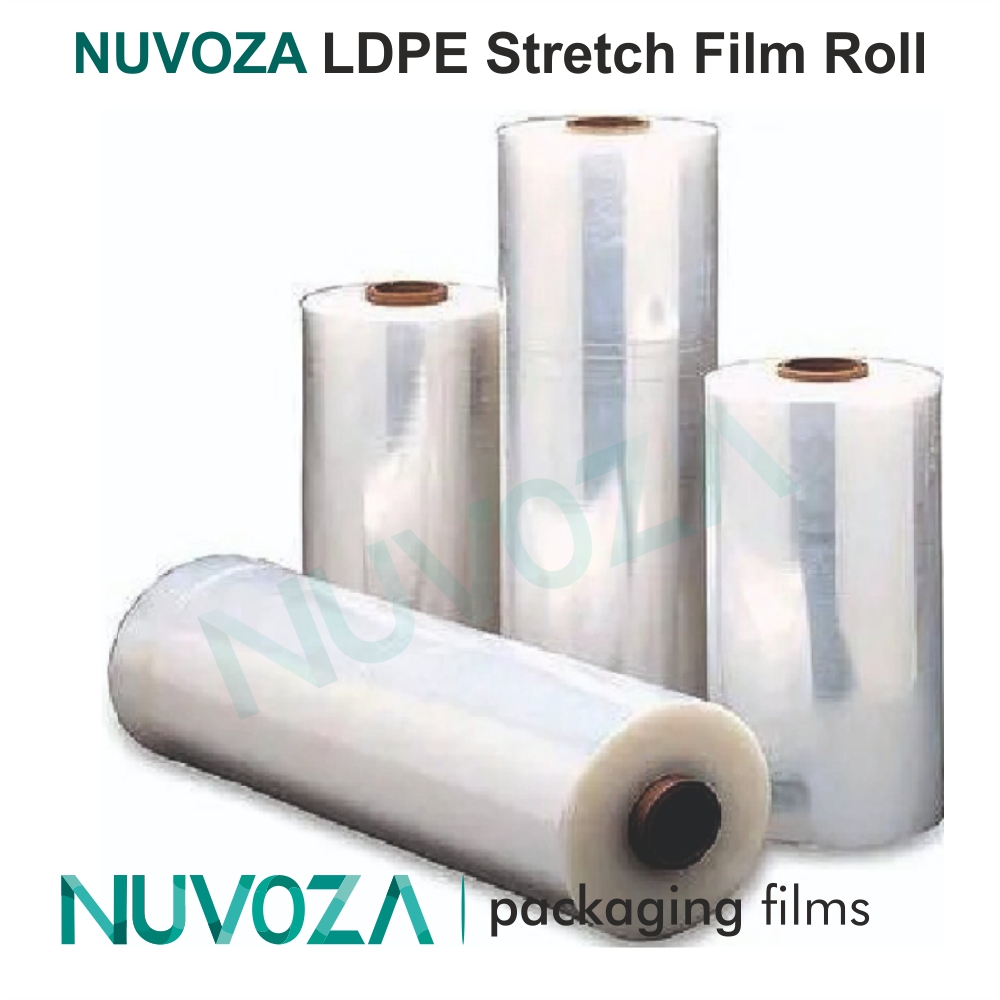
For most manufacturers, the practical starting point is replacing steel strapping with PET strapping (equally strong, fully recyclable, safer to handle) and reviewing stretch film thickness to see whether a thinner gauge with higher pre-stretch achieves the same containment at lower material usage.
2. Automation Is No Longer Just for Large Manufacturers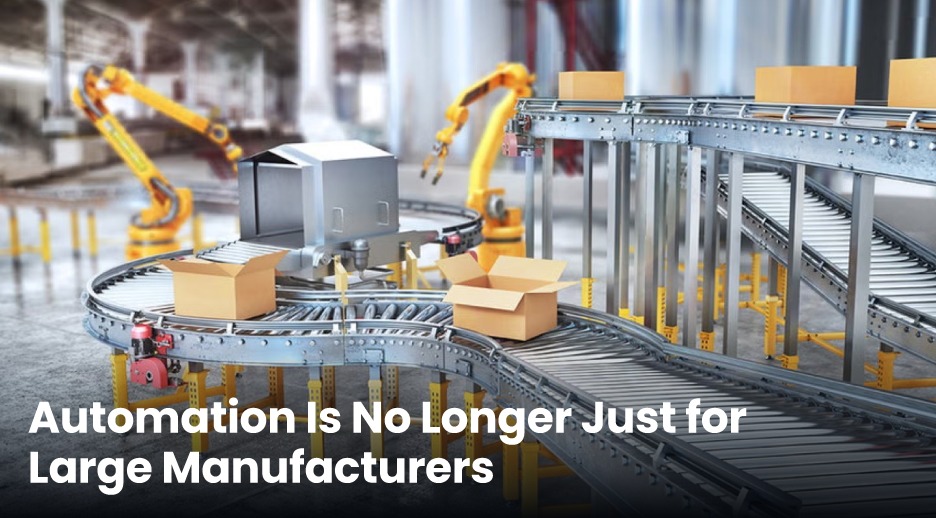
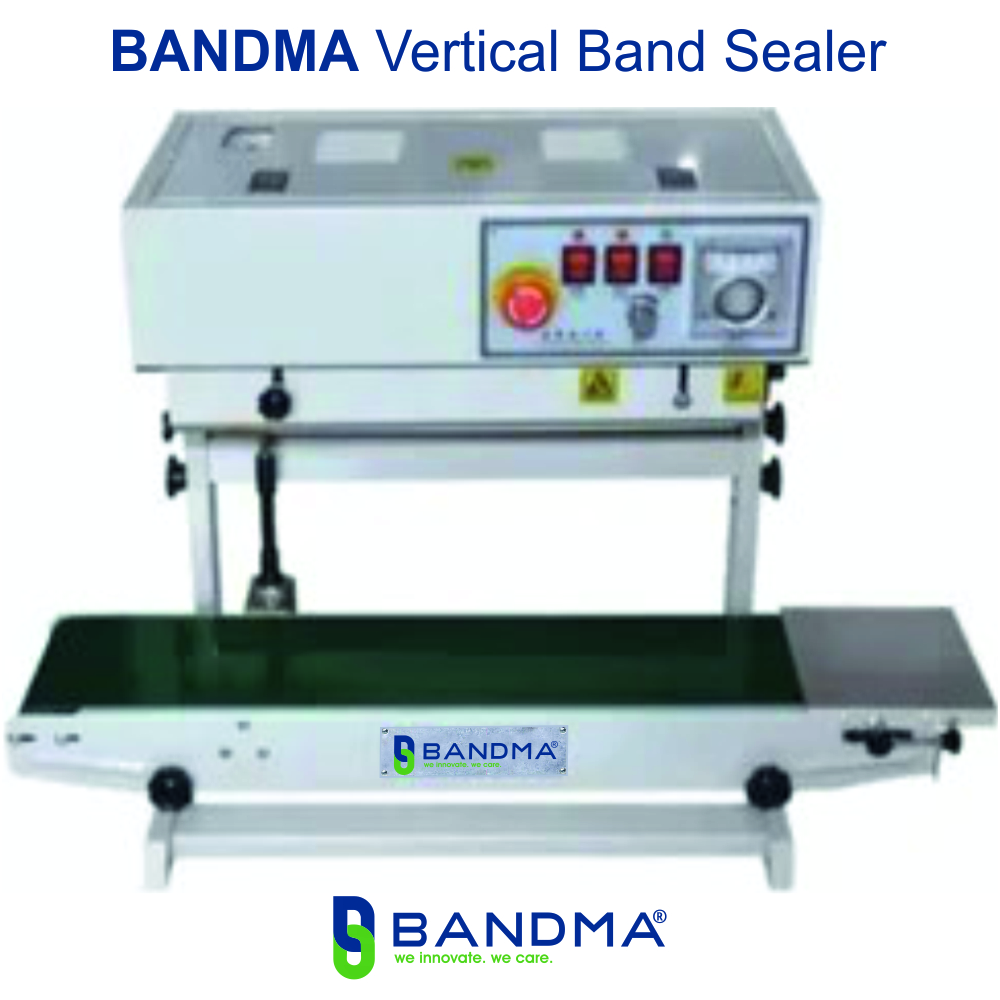
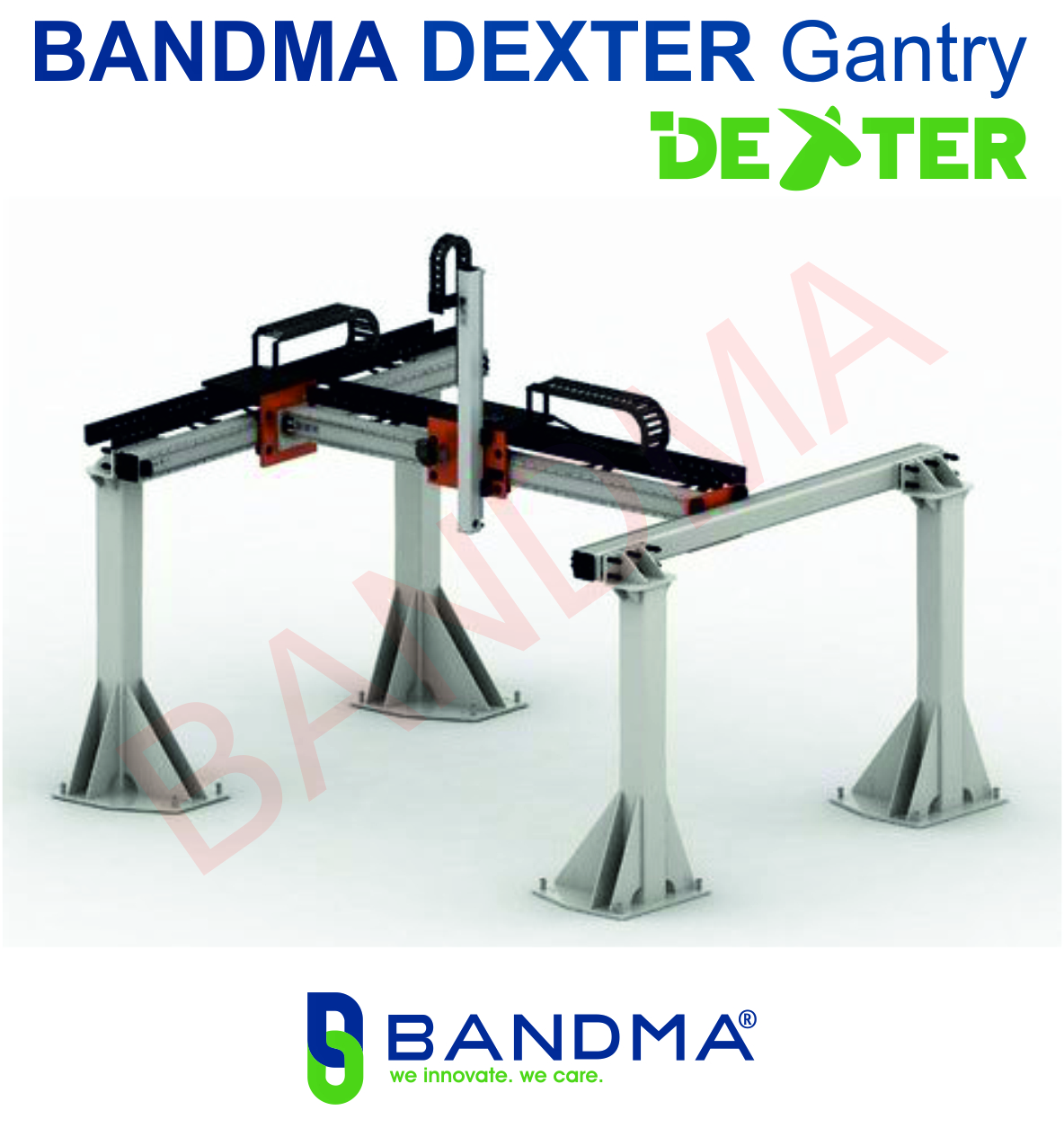
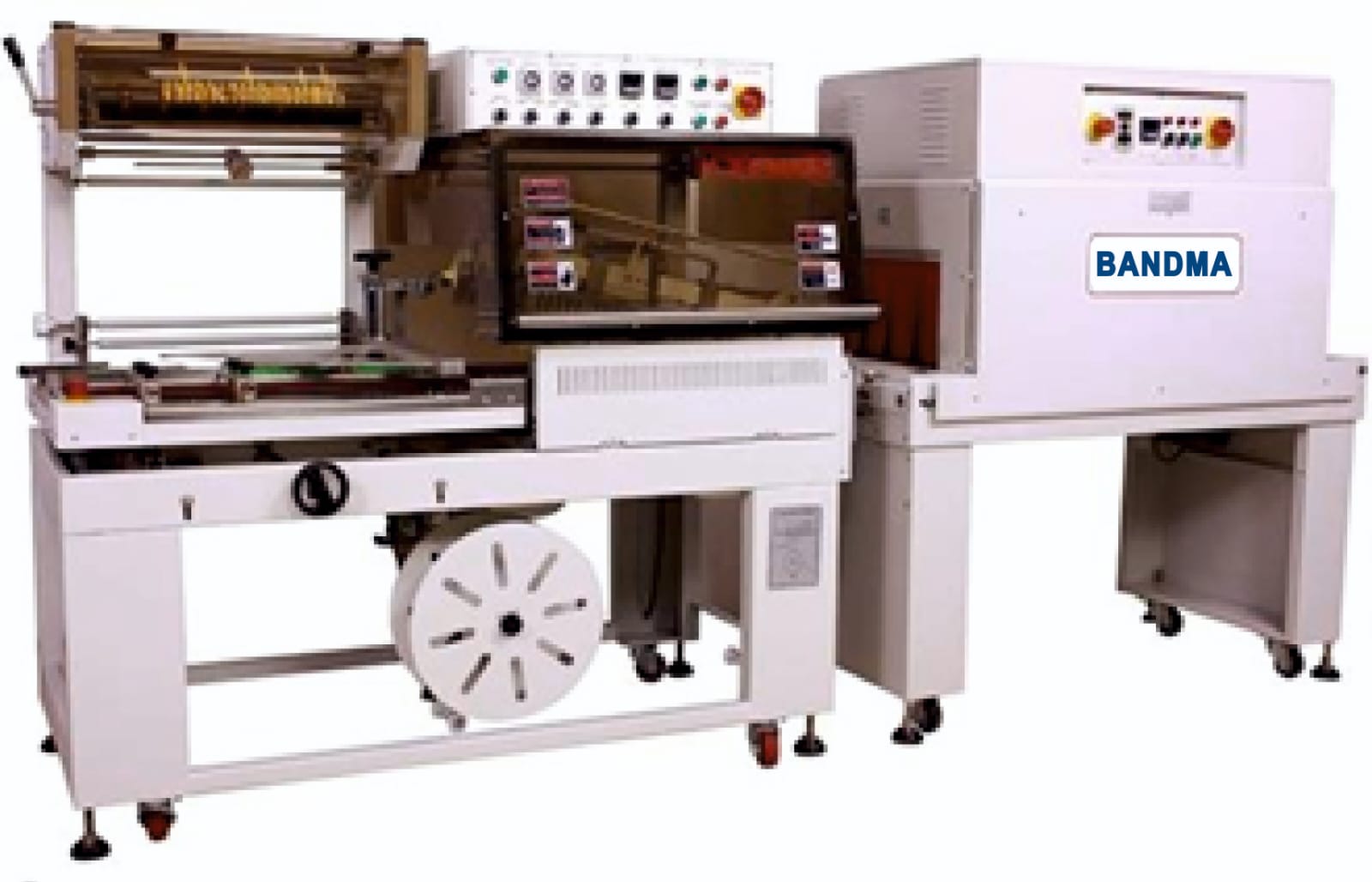
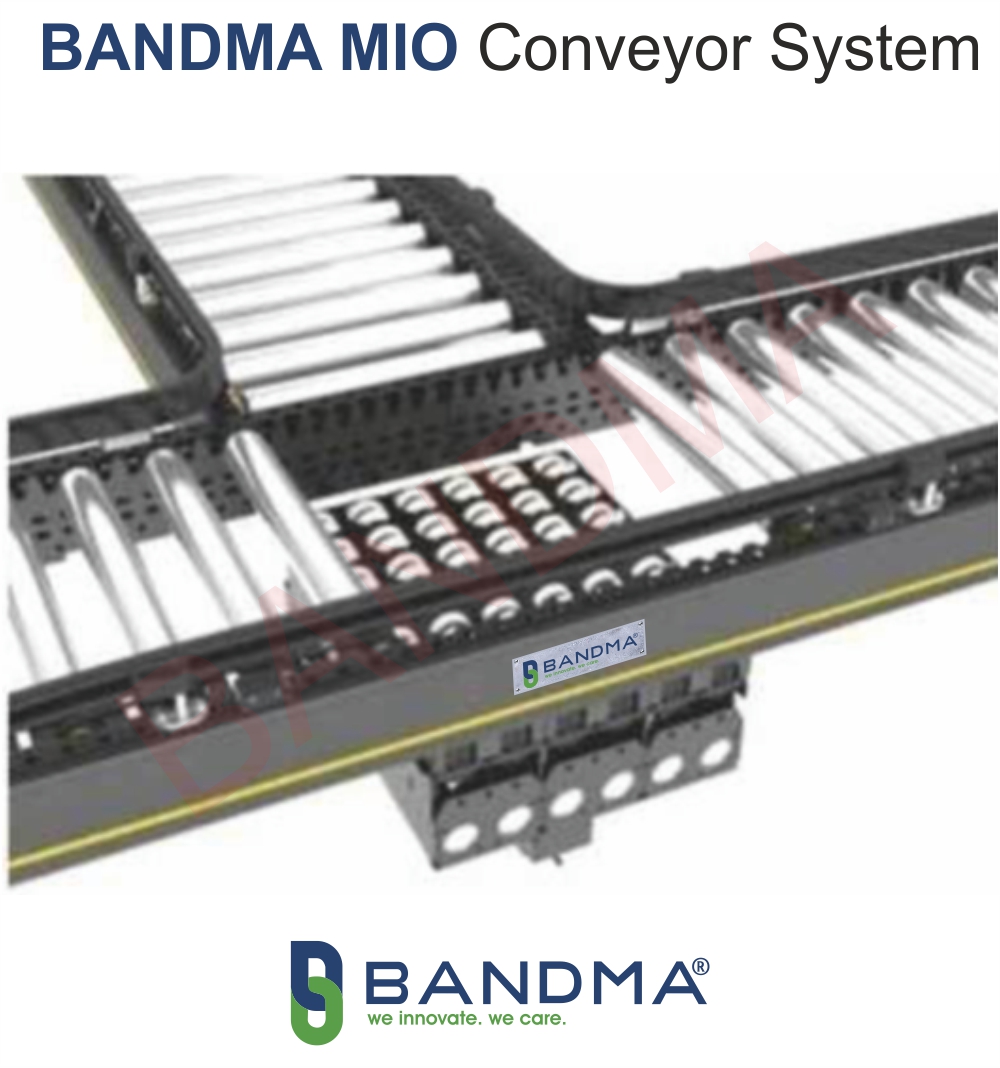
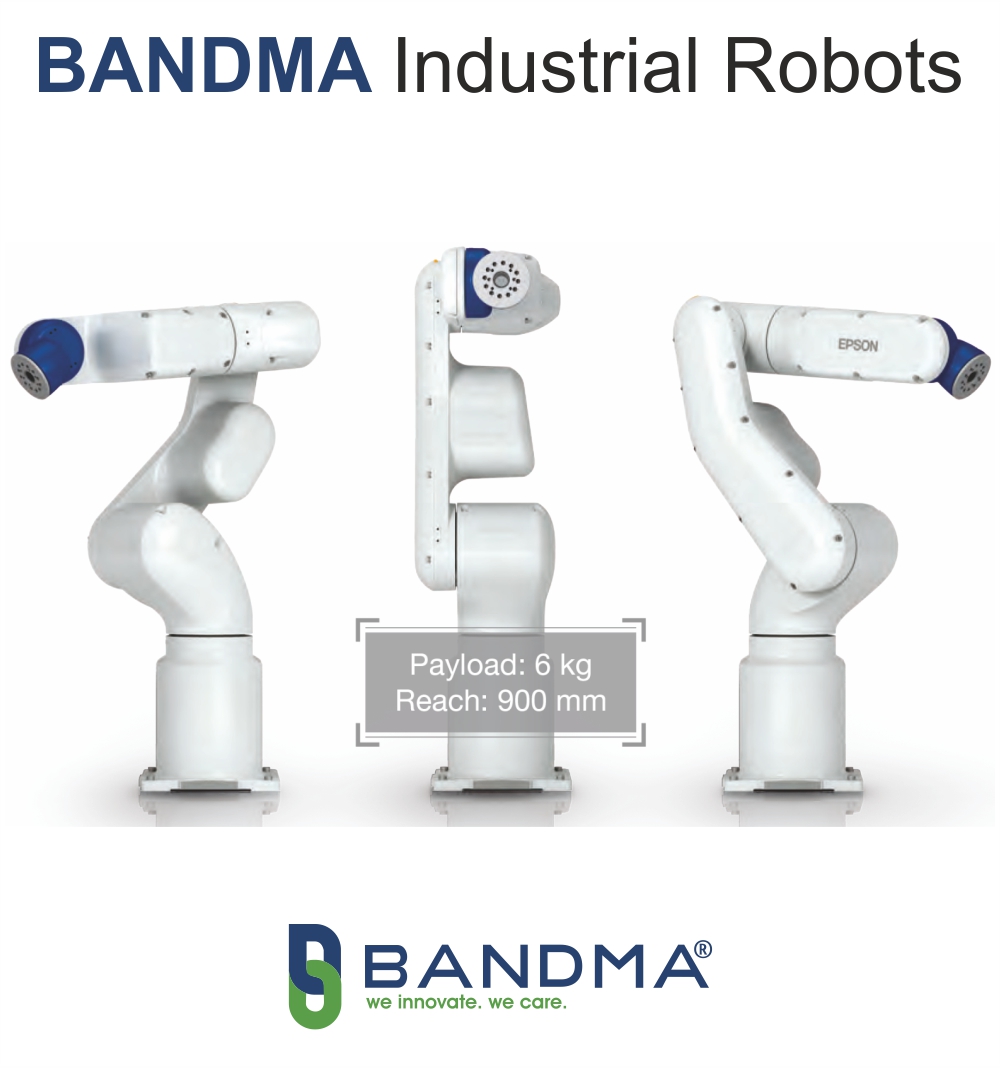
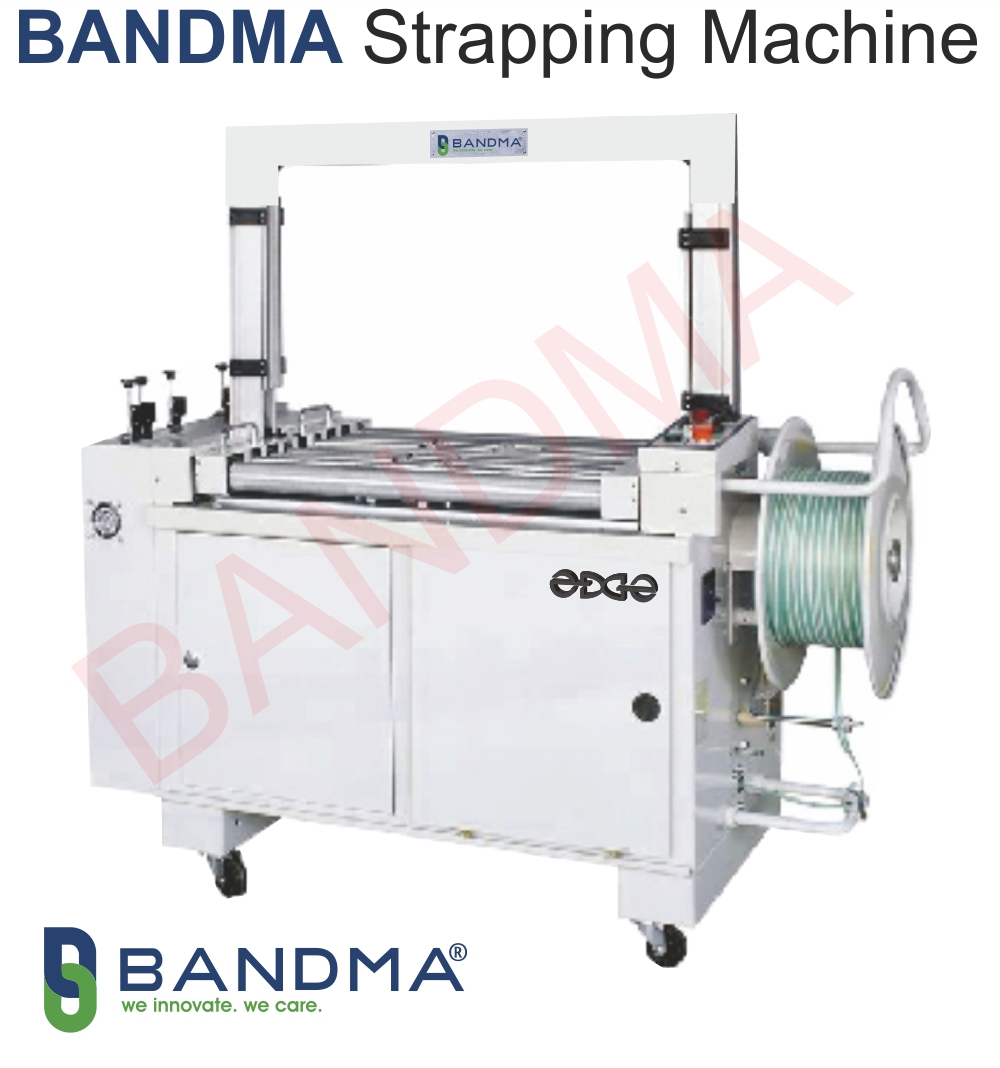
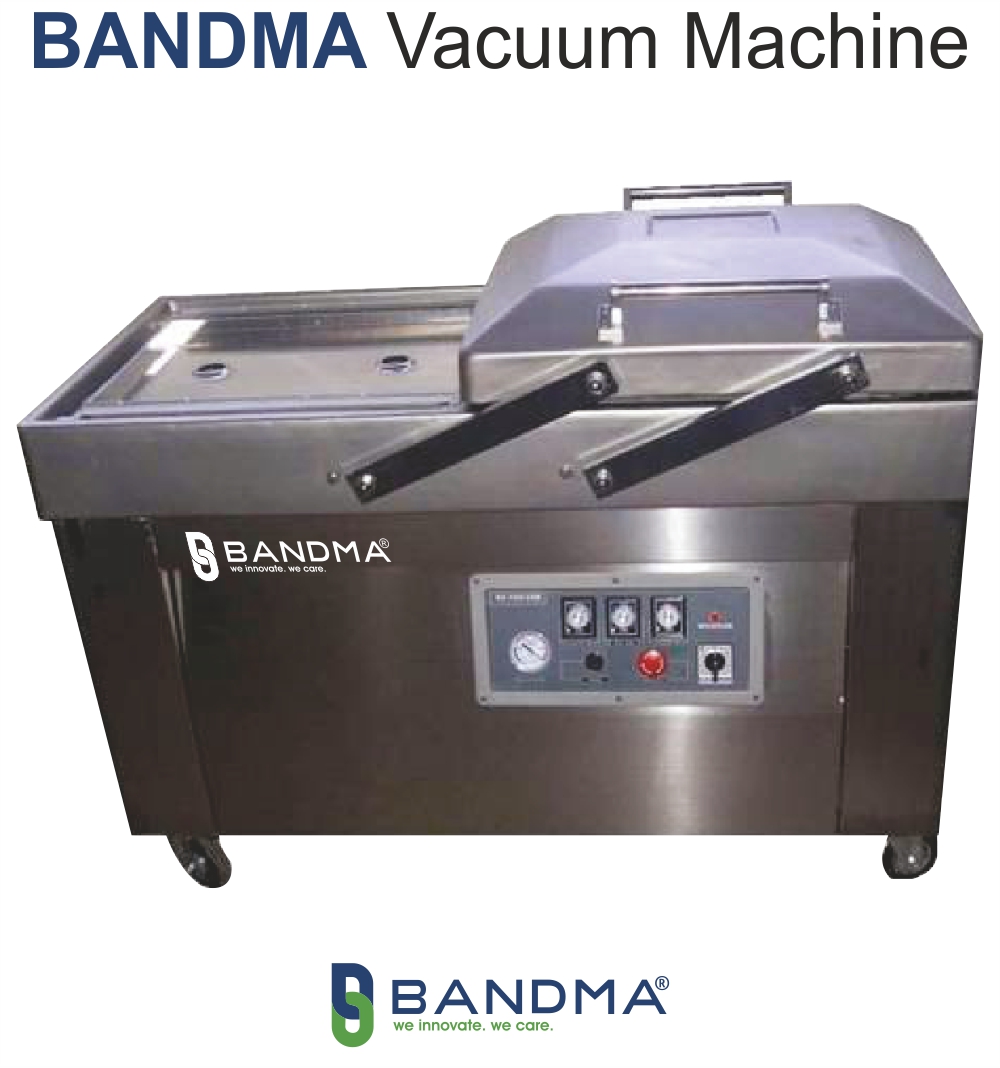
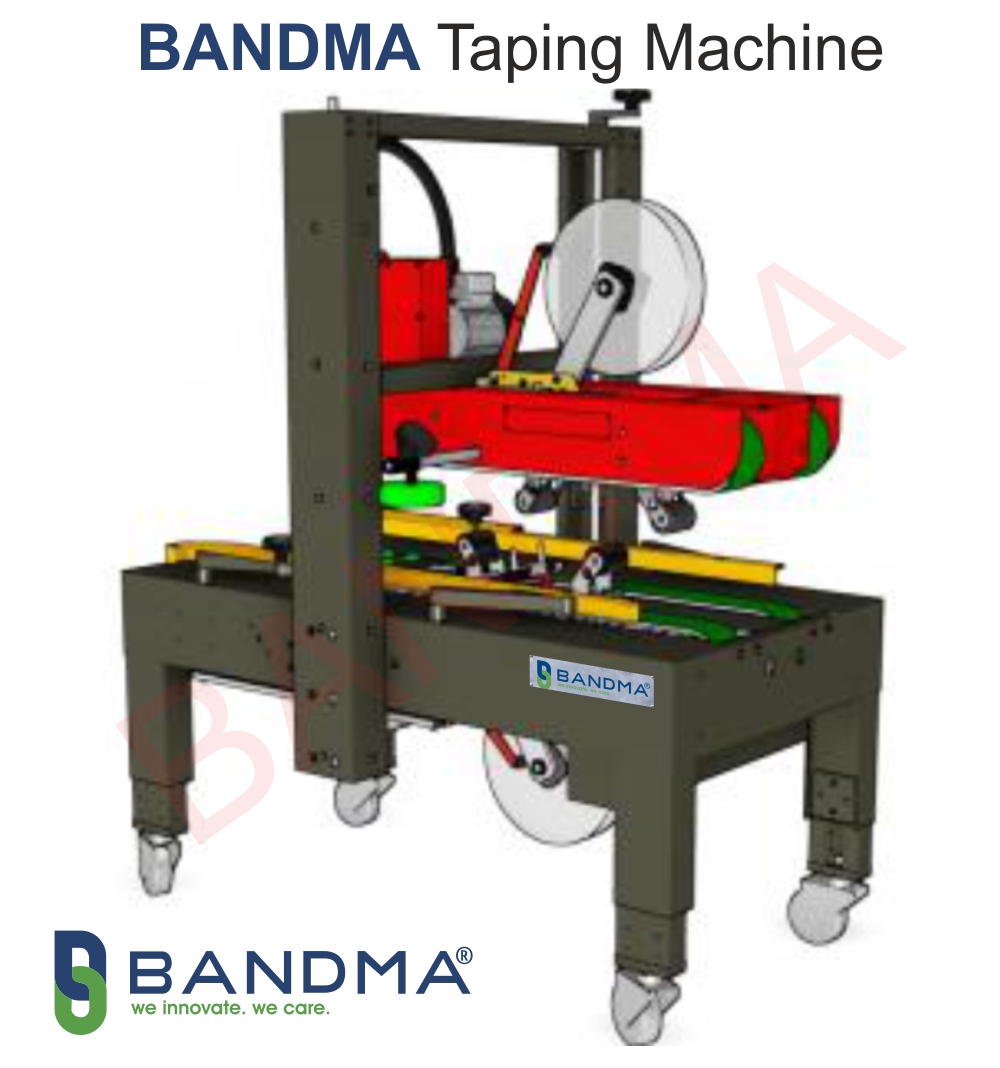
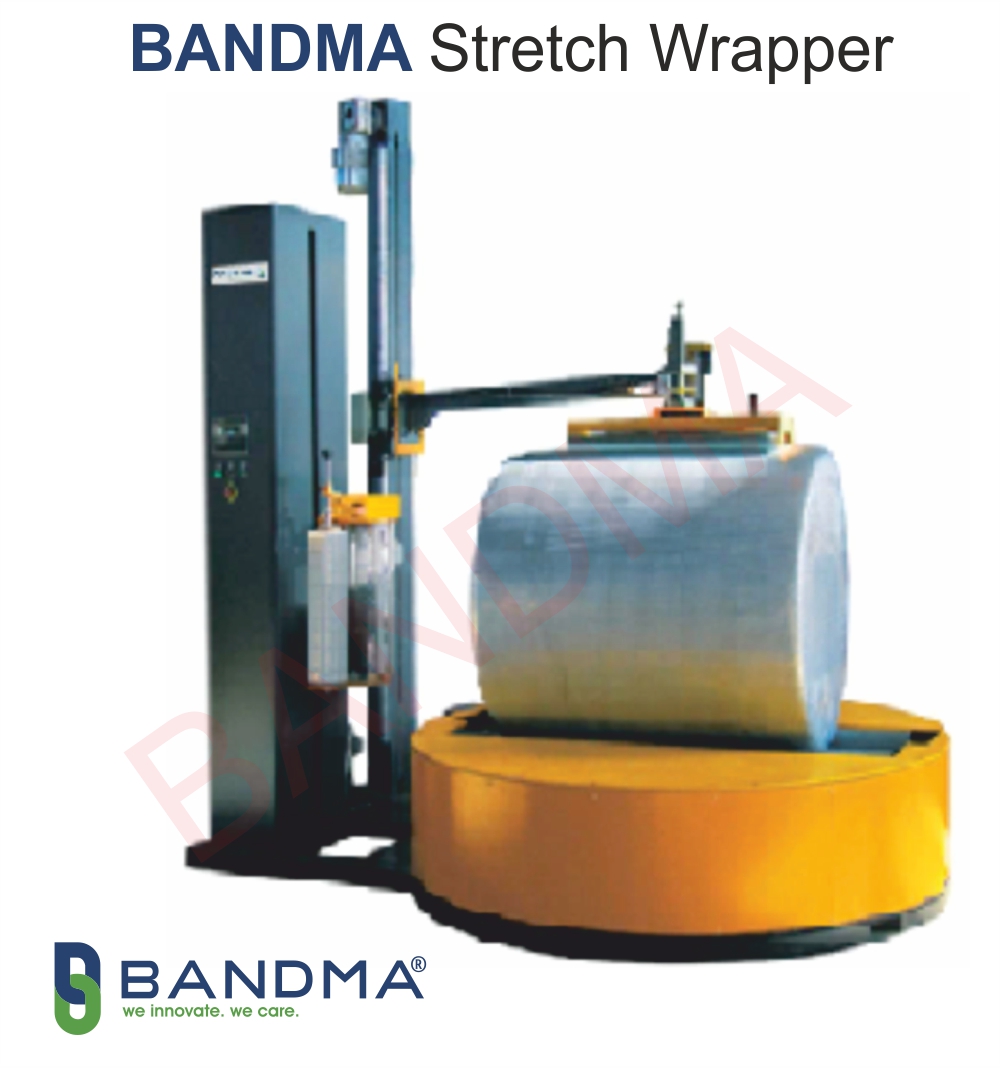
The cost of packaging automation has fallen significantly while the cost of labour has risen. Semi-automatic strapping machines, taping machines, and conveyor-linked stretch wrappers are now financially viable for manufacturers producing as few as 200 to 300 cases per day. The payback period that was 3 to 5 years a decade ago is now frequently under 18 months.
Small and medium manufacturers who delay automation are increasingly at a cost disadvantage against competitors who have already made the switch.
3. Compliance Documentation Is Becoming a Sales Requirement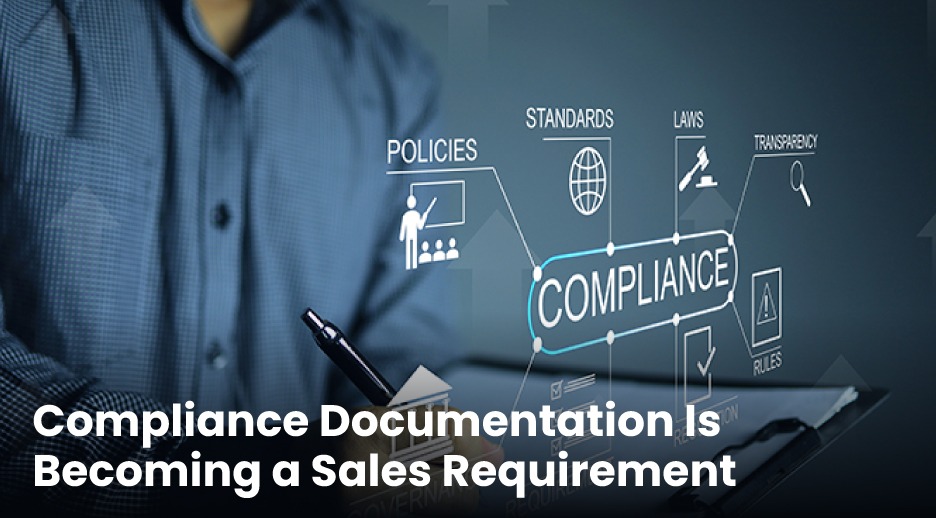
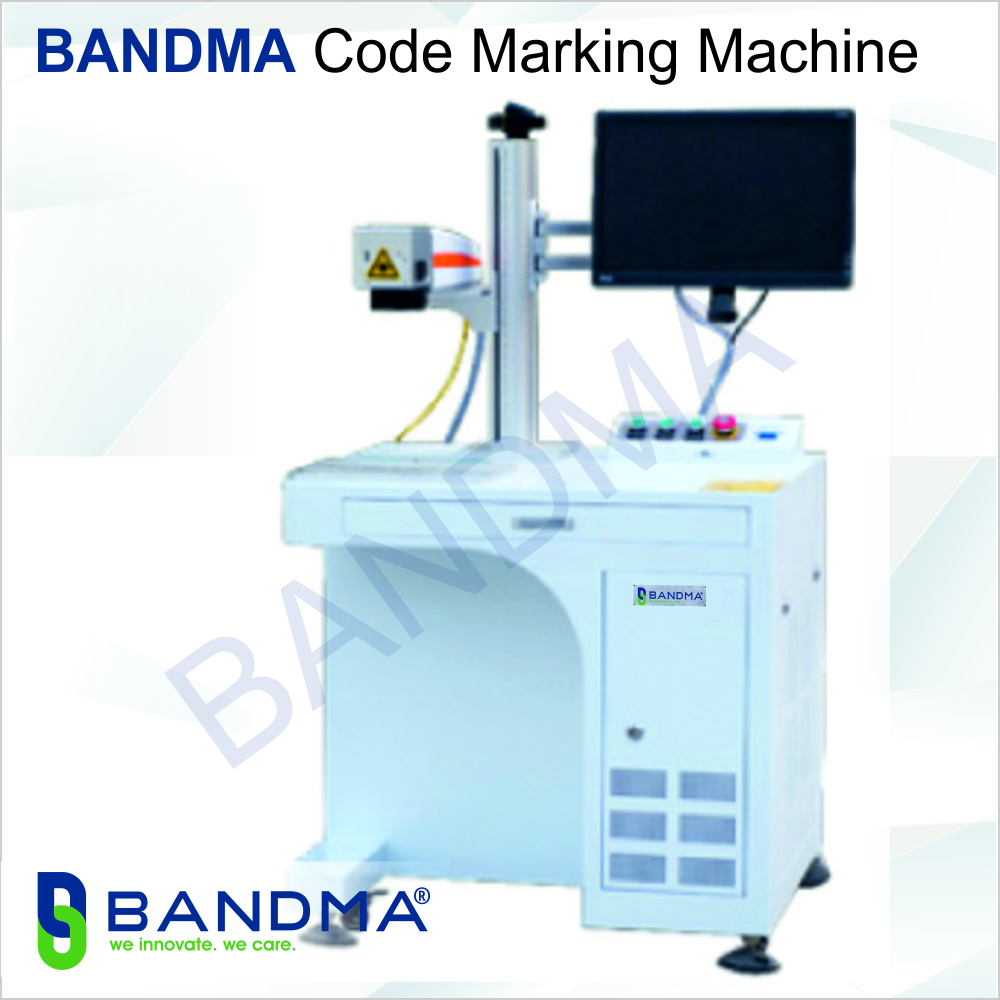
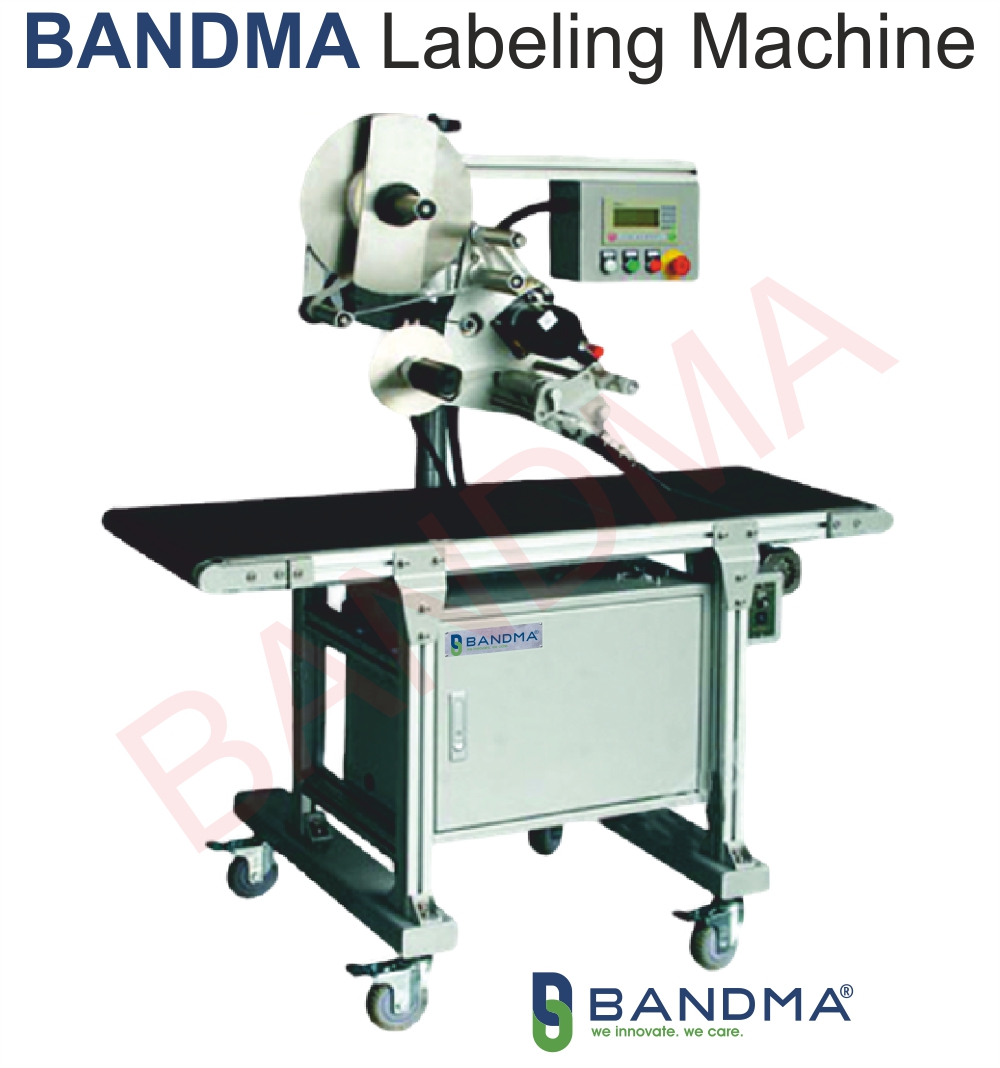
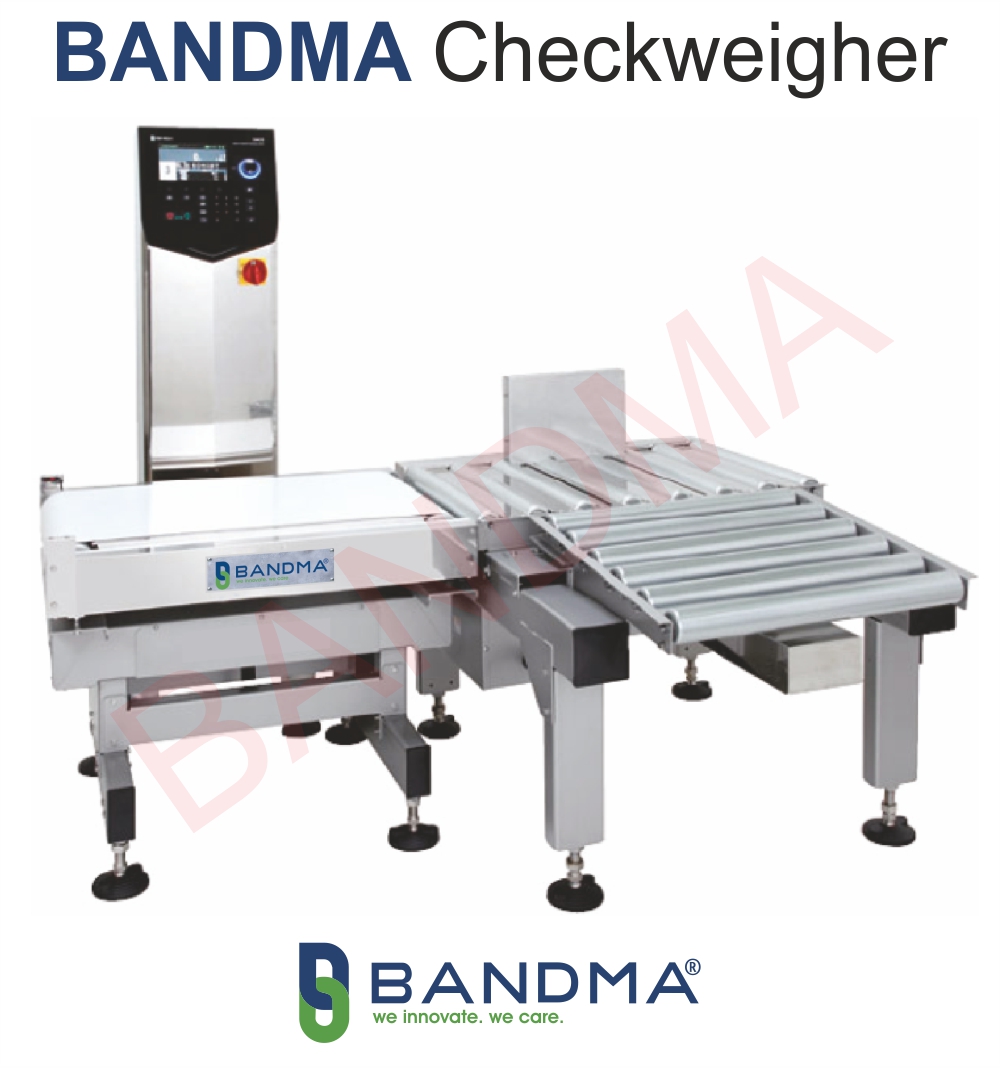
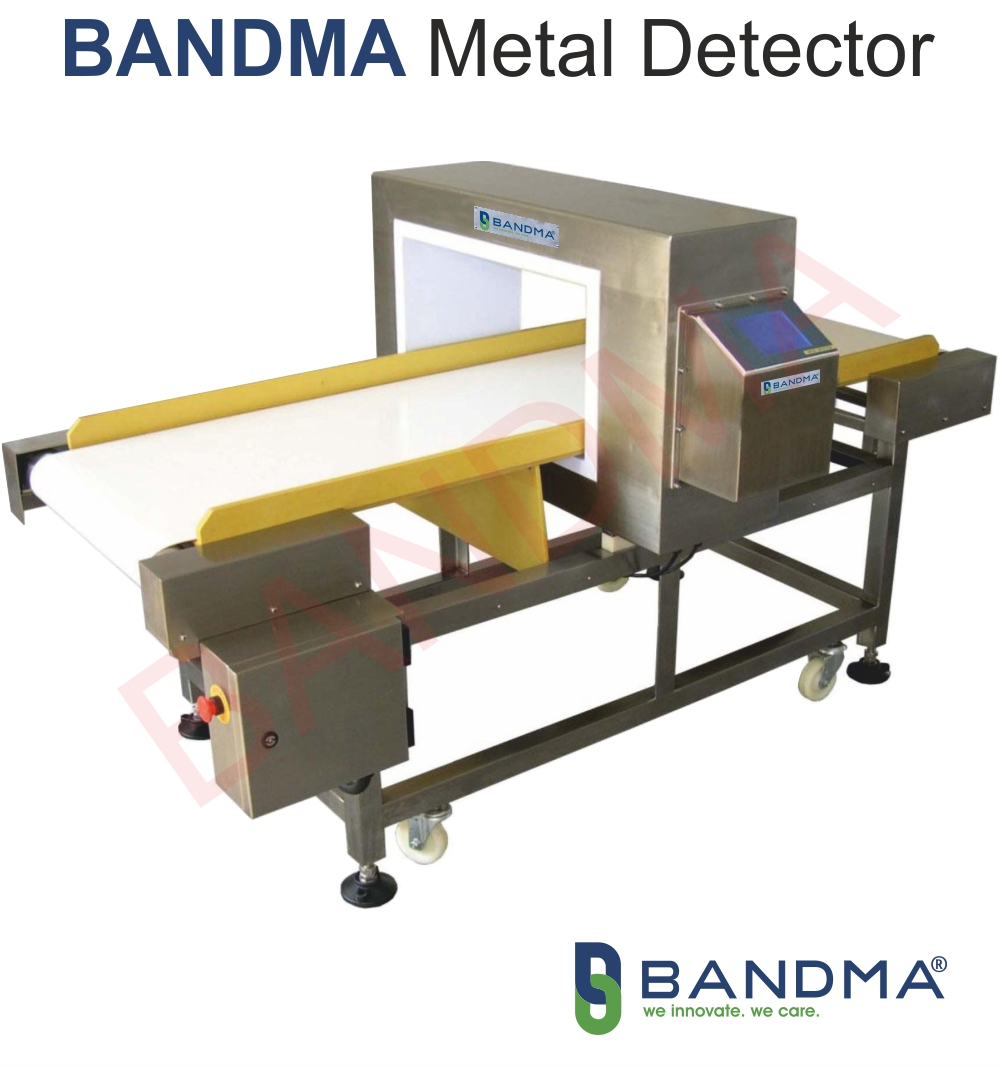
Buyers, particularly in food, pharma, and export, are asking for packaging process documentation as part of supplier qualification. Checkweigher data logs, metal detection records, and labelling compliance certificates are now standard requirements from large retail and institutional buyers.
Manufacturers who cannot produce these records are being removed from approved supplier lists. The machines that generate this documentation pay for themselves twice, once in operational savings and again in the sales they protect.
4. E-Commerce Is Reshaping Secondary Packaging Requirements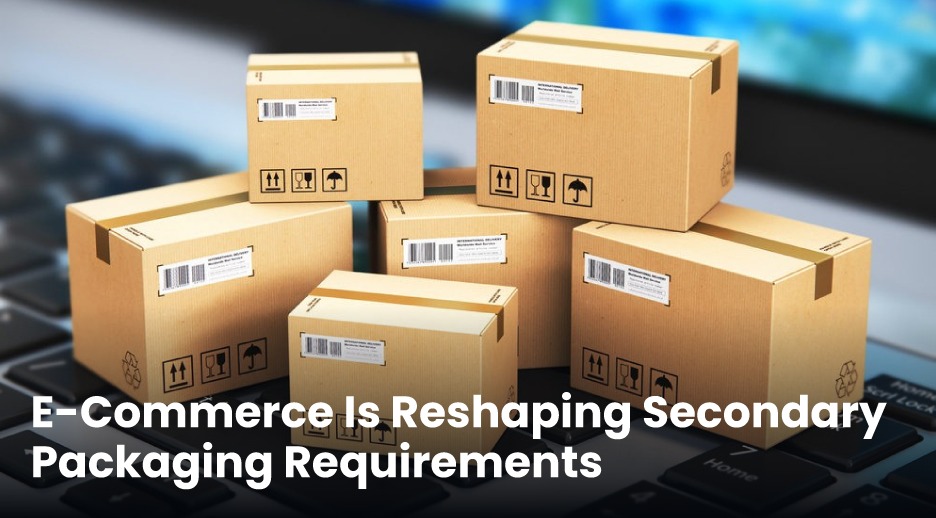
The growth of direct-to-consumer and quick-commerce channels means more products are being shipped as individual units rather than in bulk cases. This creates demand for smaller, more varied box sizes, more frequent changeovers, and packaging that presents well when opened by the end consumer rather than just a shop buyer.
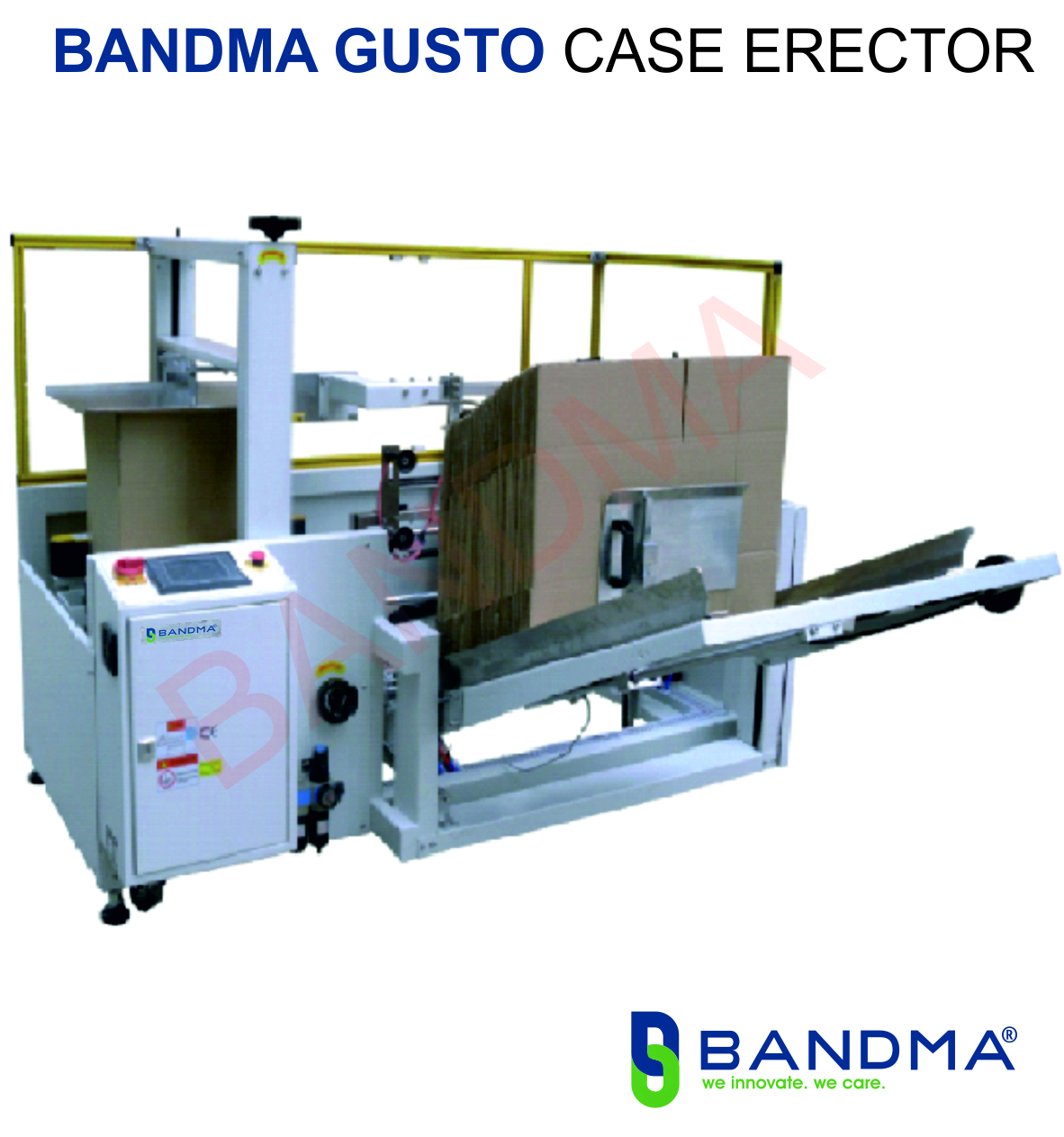
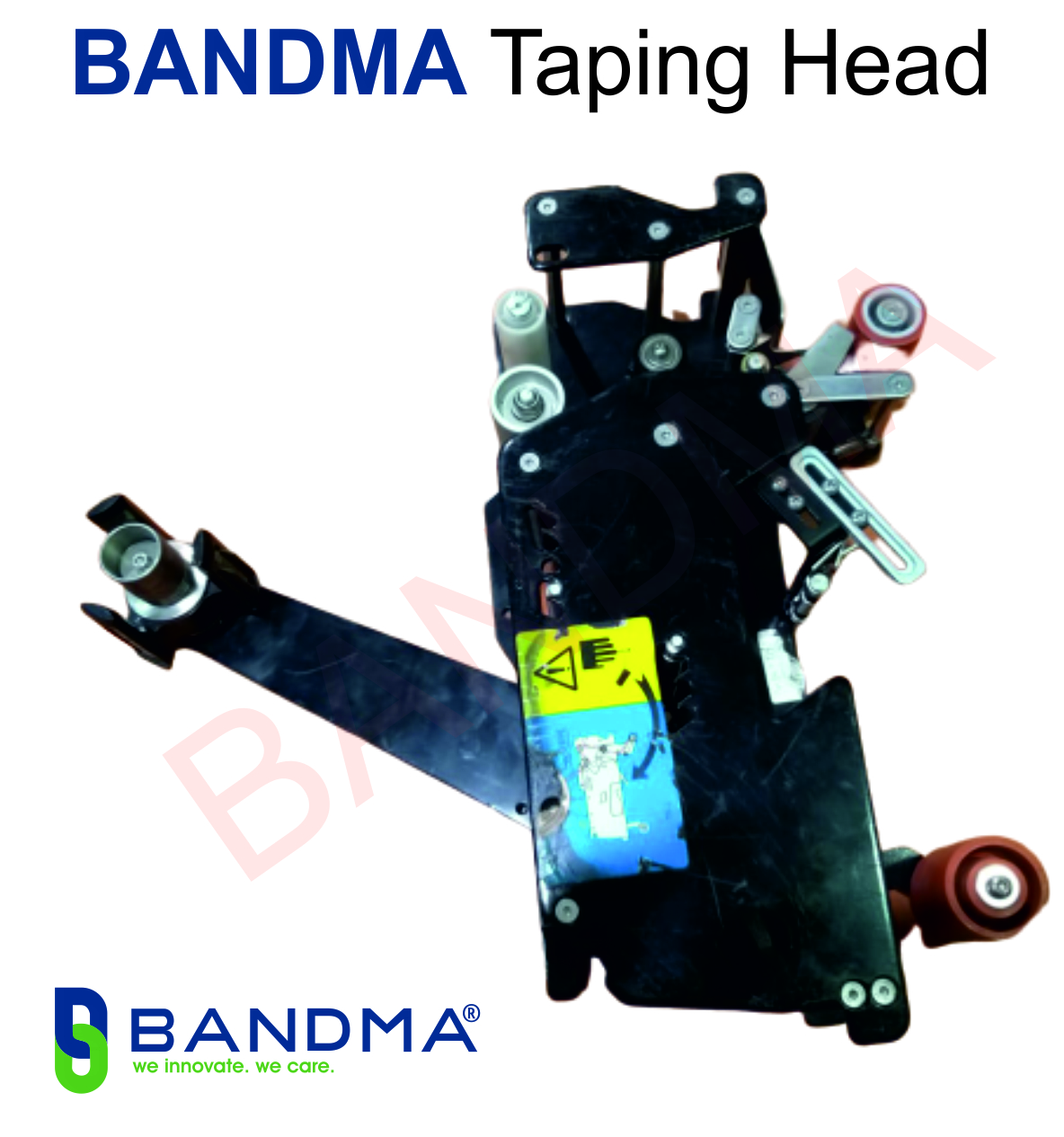
Case erectors with fast size changeover and taping machines that produce clean, consistent seals are becoming standard requirements even for manufacturers who historically only sold through traditional distribution.
5. Machine Uptime Is Increasingly a Competitive Metric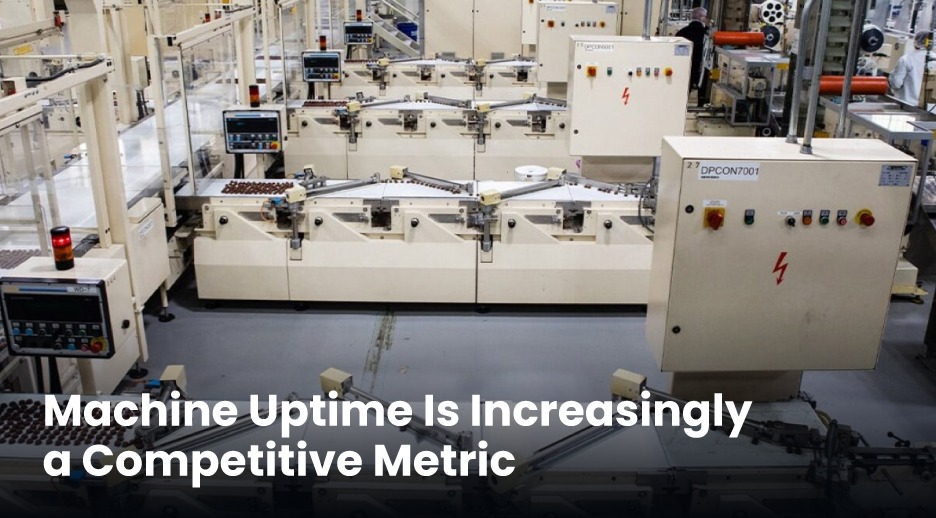
As lines become more automated, a single machine failure stops the entire downstream flow rather than just slowing one step. This has made after-sales support and spare parts availability a primary purchasing criterion, not an afterthought.
Manufacturers are asking harder questions before buying: How quickly can a technician reach the site? Are spare parts stocked locally? Is 24/7 support available? Bandma's 24/7 after-sales support model is a direct response to this shift in how manufacturers think about equipment purchasing.
The manufacturers who move quickly on these five trends will be better positioned for the next five years. The ones who wait will find the gap harder to close.