




Every production manager has experienced it at some point. The manufacturing process is running smoothly, products are coming off the line as planned, and then suddenly everything slows down at the packaging stage.
Packaging is often the final step before products move to storage or dispatch, but it can quickly become a bottleneck if processes are not optimized. Even small inefficiencies can create delays, increase labor costs, and reduce overall plant productivity.
The good news is that most packaging line bottlenecks are easy to identify and even easier to fix when the right solutions are in place.
Let's look at five common packaging challenges that slow down production and what manufacturers can do to overcome them.
1. Manual Carton Forming and Sealing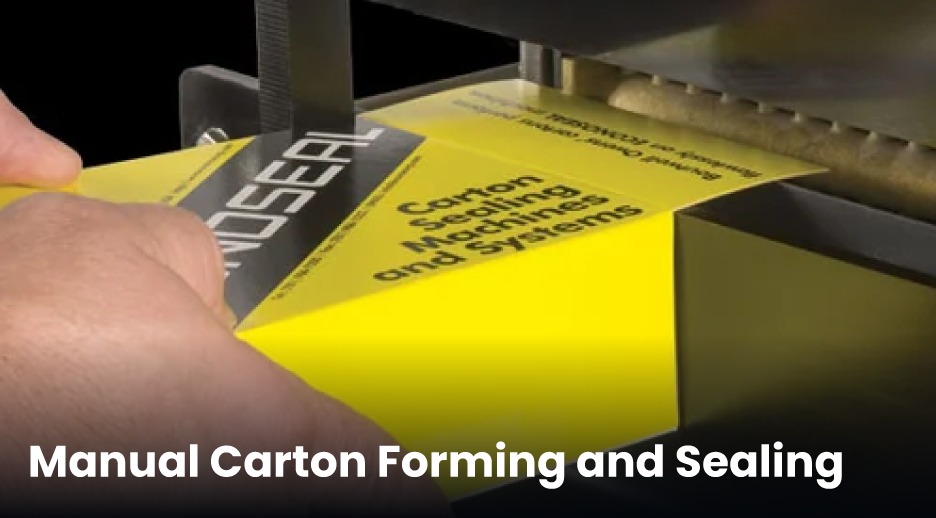
Many facilities still rely on operators to manually erect cartons, fold flaps, and apply tape. While this may work for lower production volumes, it becomes a major bottleneck as demand increases.
Common signs include:
- Operators are struggling to keep up with production
- Inconsistent carton quality
- Delays during peak production hours
- Higher labor dependency
How to Fix It
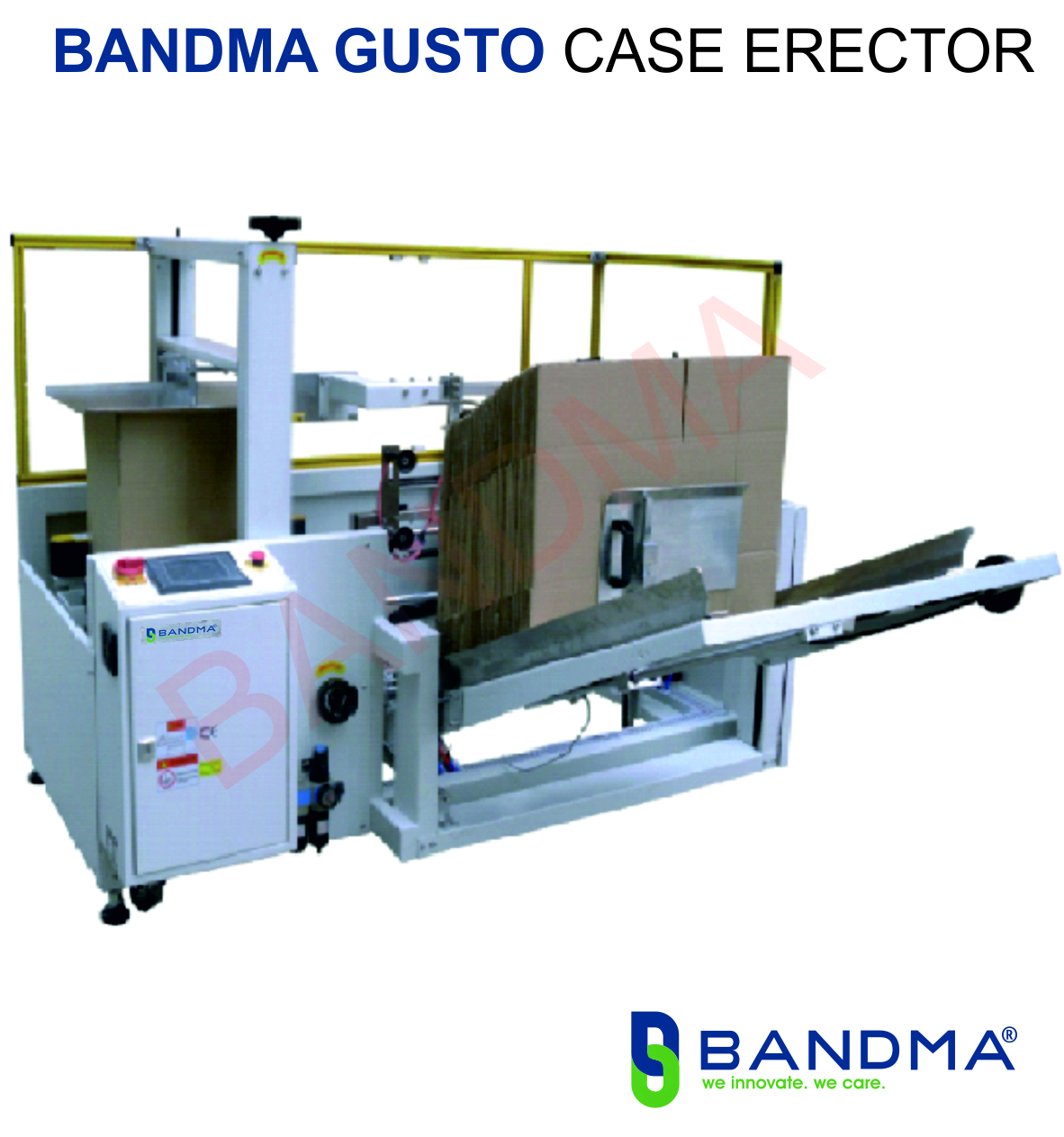
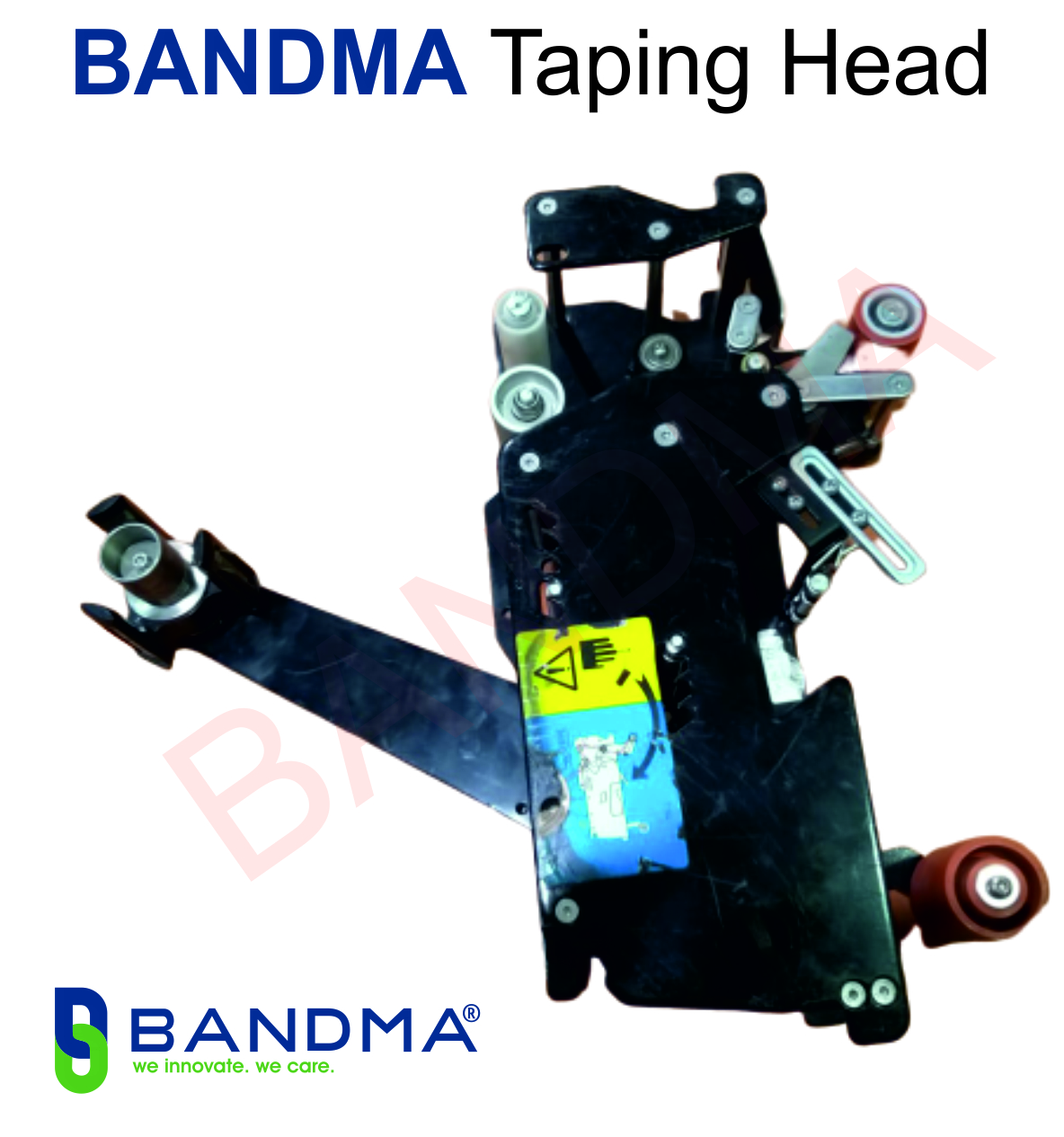
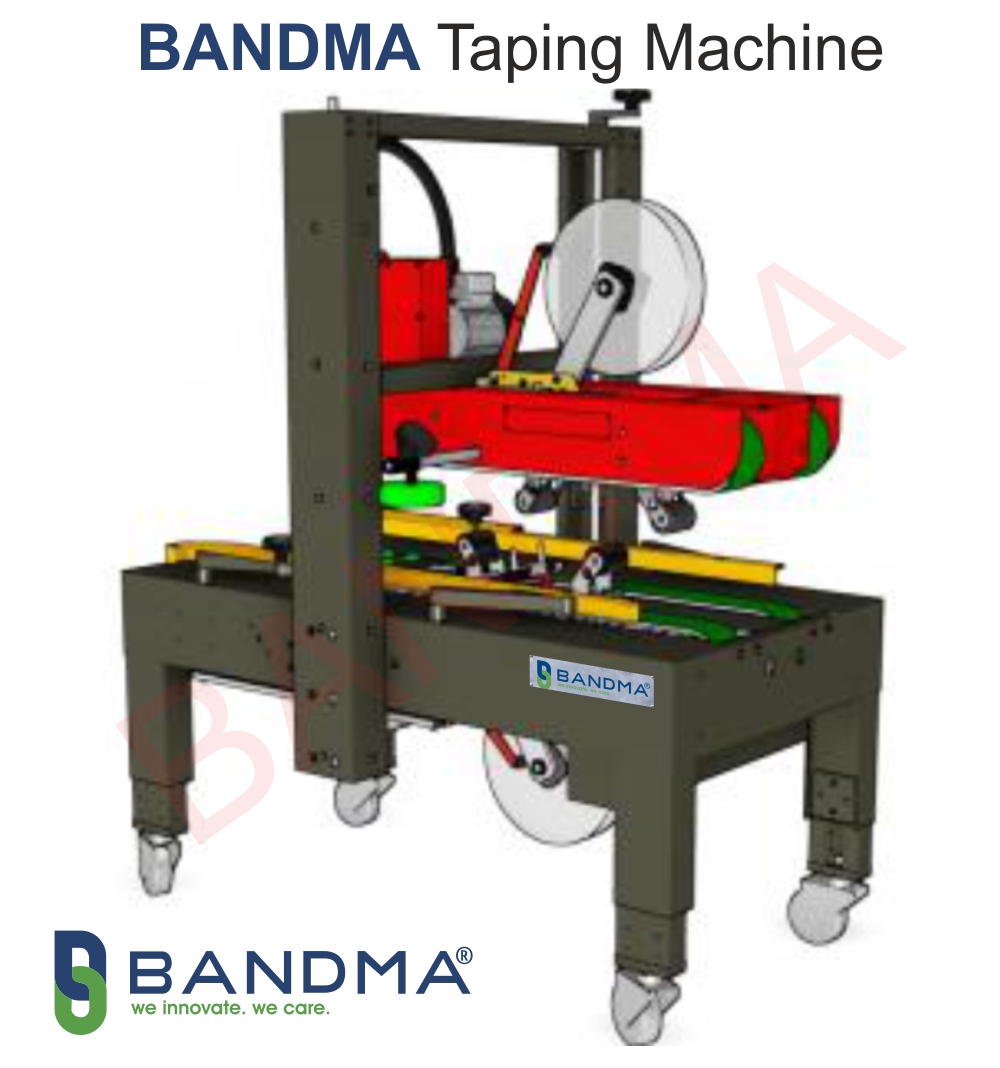
Introducing automatic carton erectors and carton sealing machines can significantly improve packaging speed and consistency. These systems ensure every carton is formed and sealed correctly while reducing manual effort.
The result is a smoother packaging flow and faster throughput.
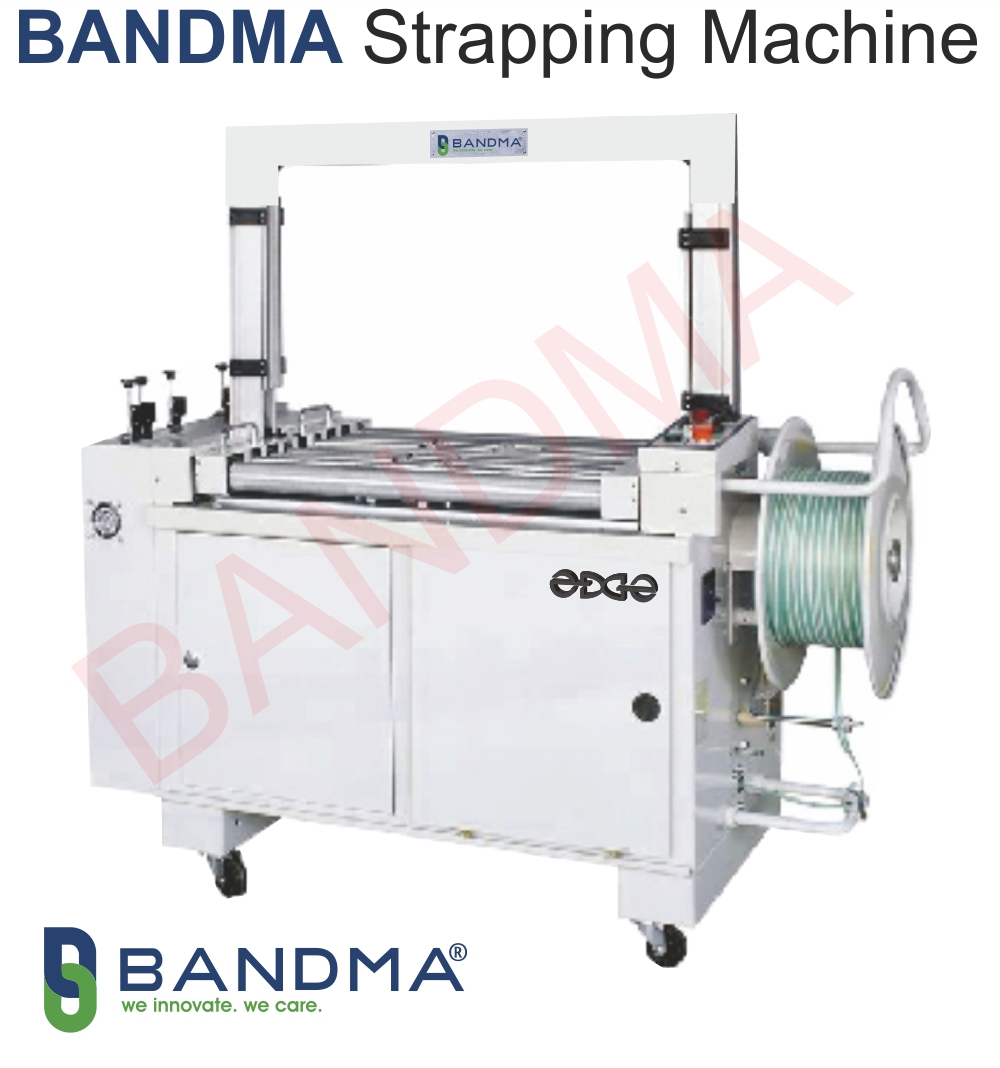
2. Slow or Inconsistent Strapping Operations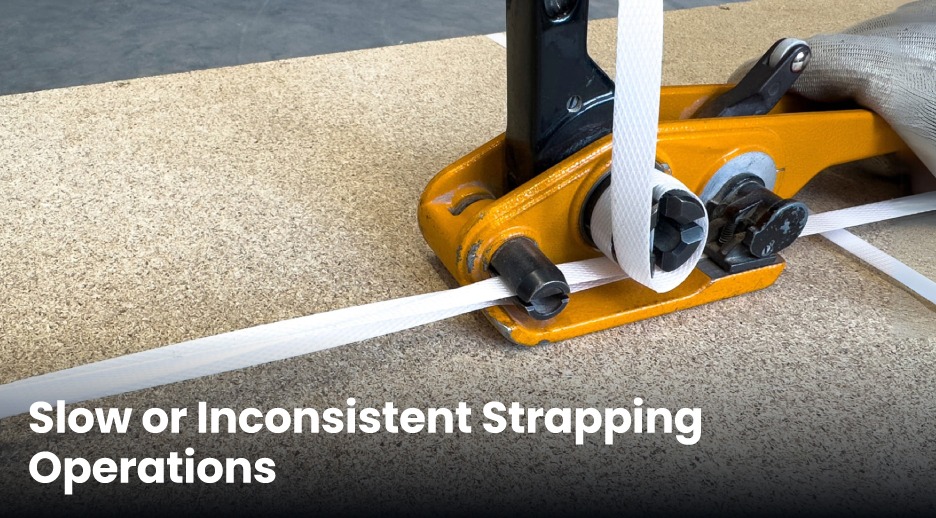
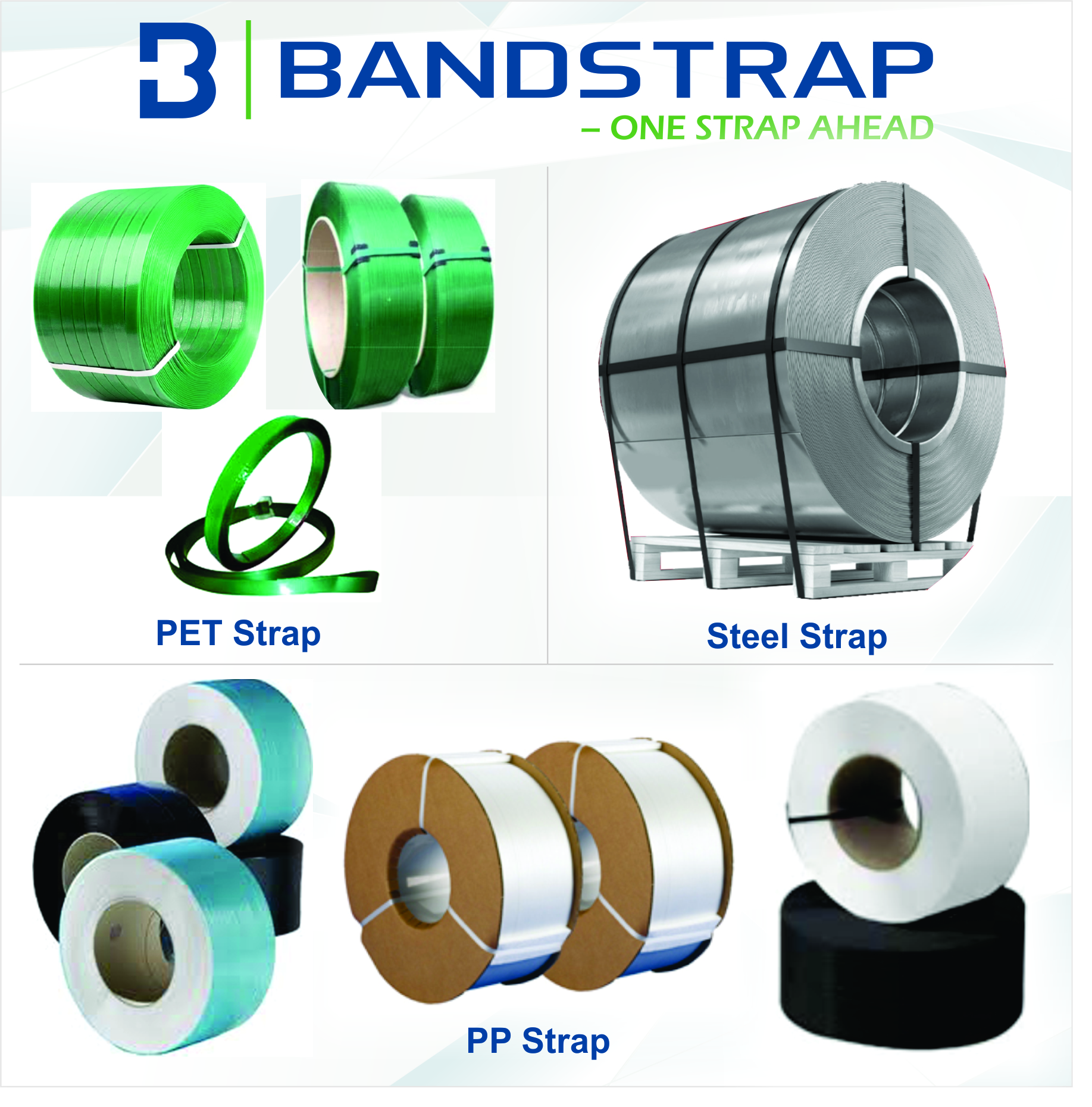
Strapping is essential for securing cartons and bundles before storage or transportation. However, manual strapping often creates delays because operators must position, tension, and seal straps individually.
Problems typically include:
- Uneven strap tension
- Slower packaging speed
- Rework due to loose straps
- Increased operator fatigue
How to Fix It
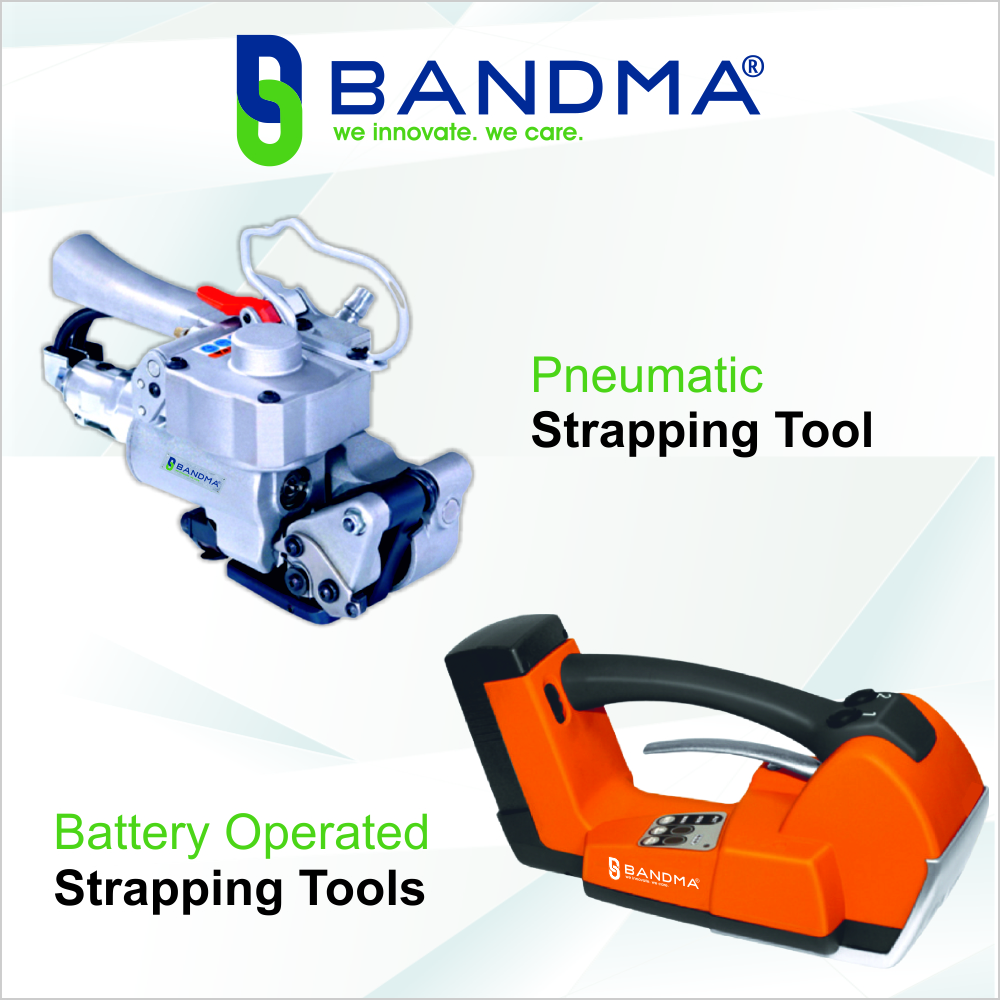
Automatic strapping machines provide consistent tension and faster cycle times. They help improve load stability while reducing the time required to prepare products for dispatch.
For high-volume operations, automated strapping can dramatically improve productivity.
3. Excessive Material Handling Between Processes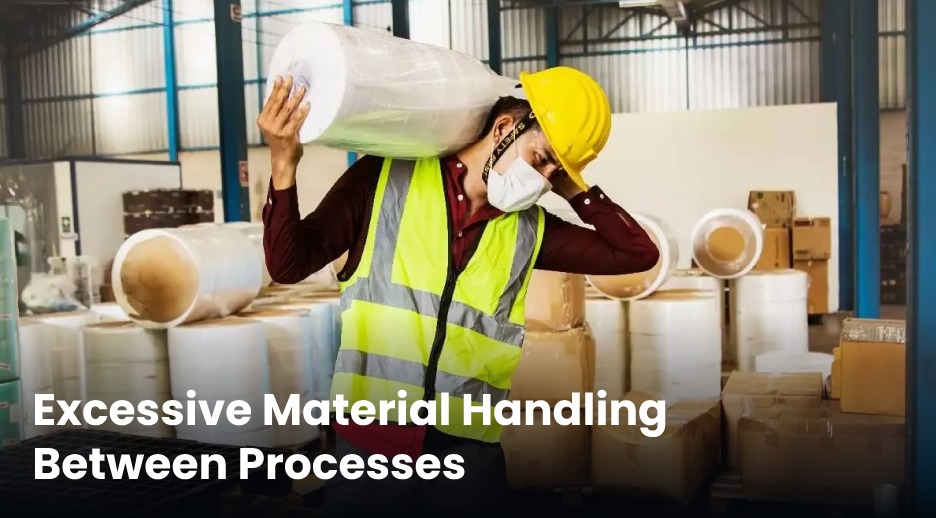
One of the most overlooked bottlenecks is unnecessary movement between packaging stations.
When operators manually move products from one machine to another, it creates:
- Delays
- Increased labor requirements
- Higher risk of product damage
- Workflow interruptions
How to Fix It
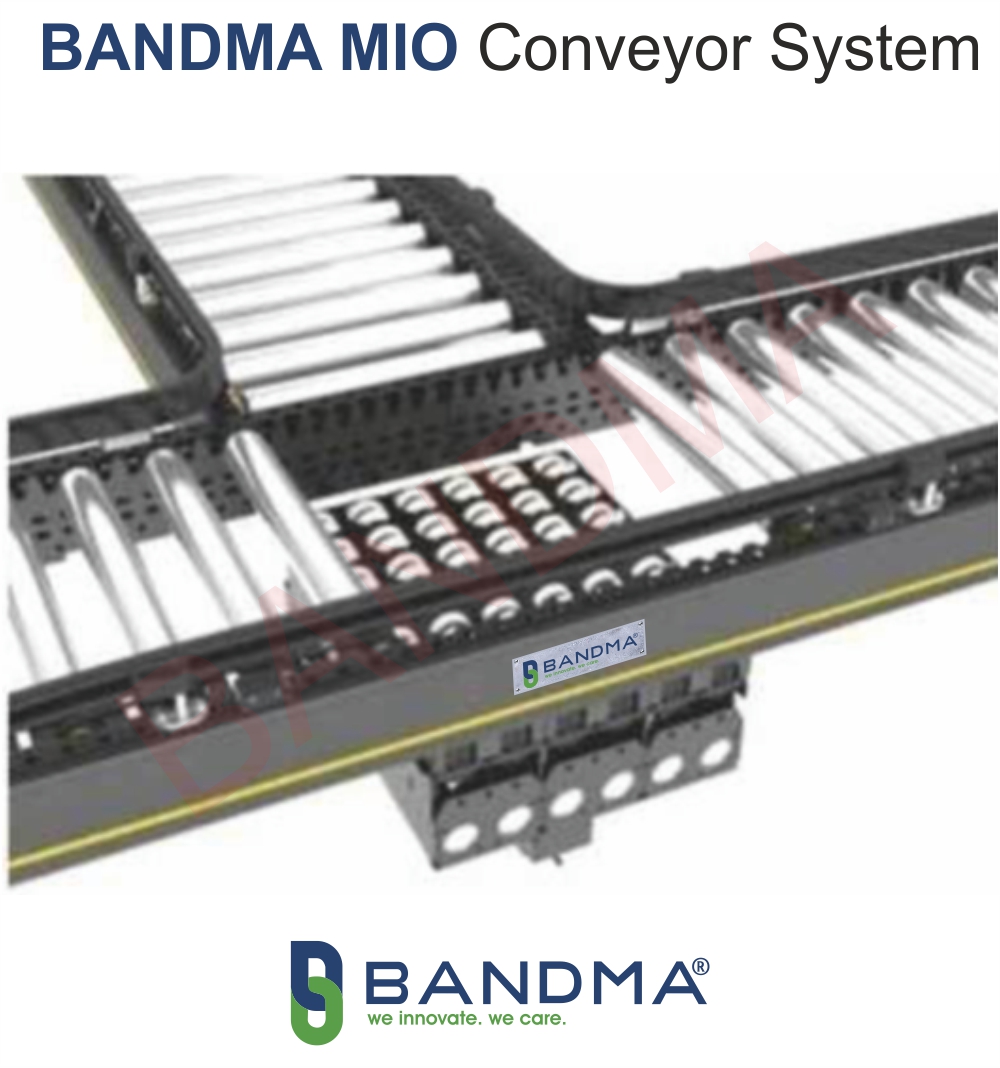
A properly designed conveyor system can streamline material movement throughout the packaging line.
Conveyors create a continuous flow between machines, reducing manual handling and allowing operators to focus on more valuable tasks.
4. Pallet Wrapping Delays Before Dispatch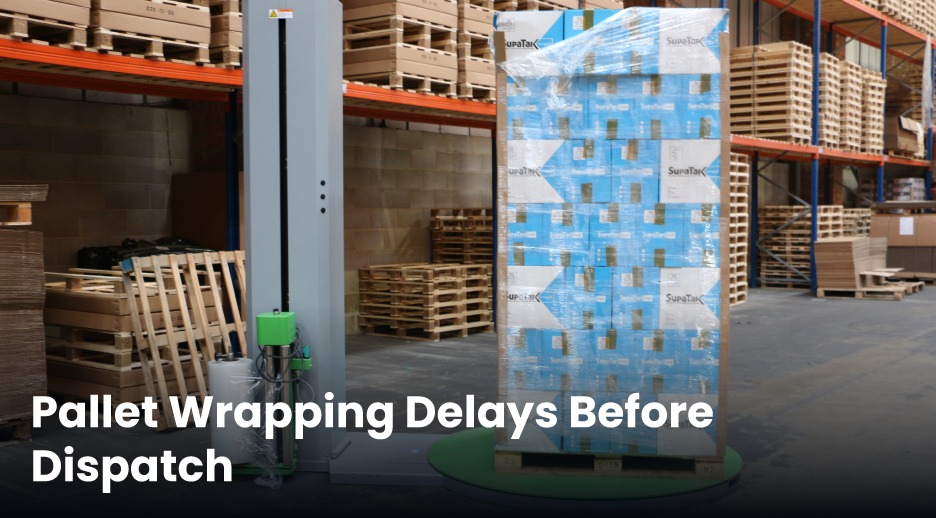
Many factories experience delays at the final packaging stage because pallet wrapping is performed manually.
Common issues include:
- Uneven wrapping quality
- Excessive stretch film usage
- Long wrapping times
- Unstable pallet loads
These problems can slow down truck loading and increase the risk of transit damage.
How to Fix It
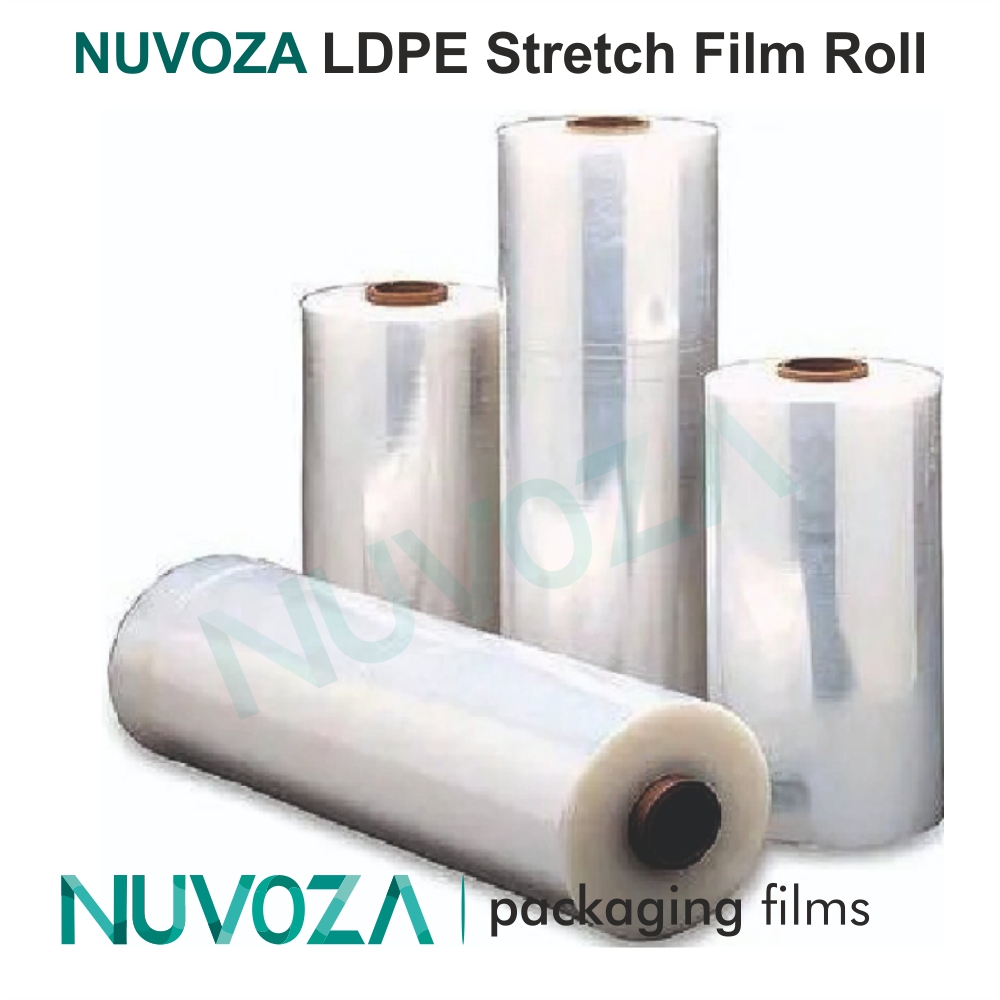
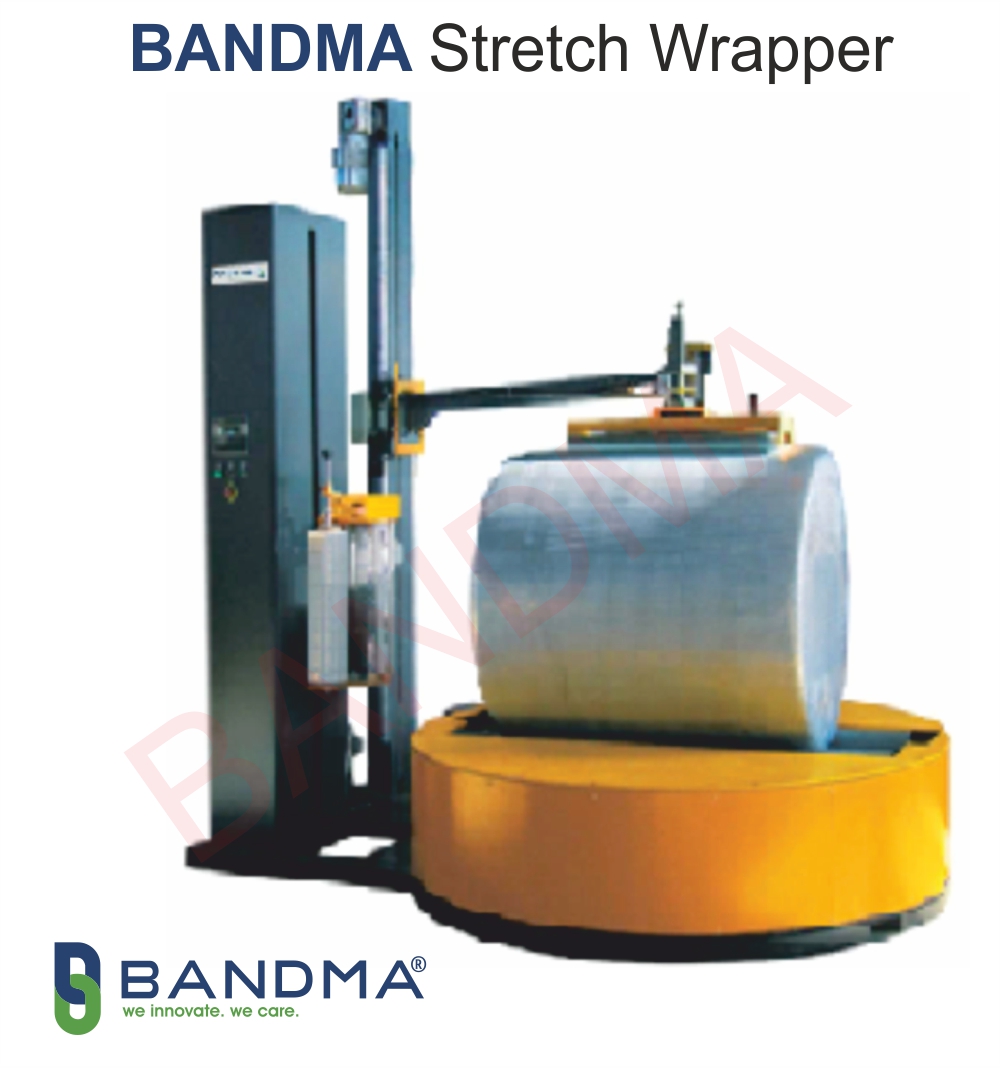
Semi-automatic or automatic stretch wrapping machines improve wrapping consistency and speed. They create stable pallet loads while reducing film consumption and labor dependency.
This helps products move more quickly from the warehouse to the customer.
5. Lack of Packaging Line Integration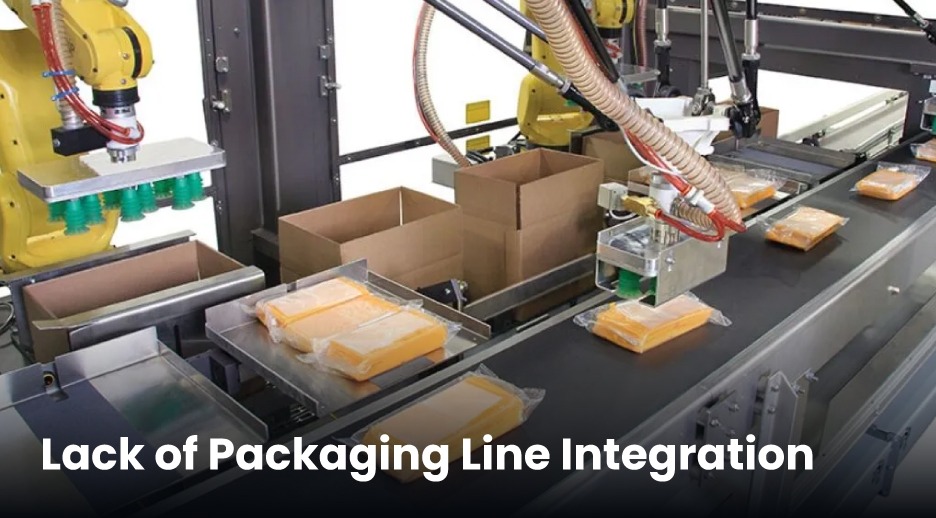
In some facilities, individual packaging machines work independently without proper synchronization.
As a result:
- Products accumulate between stations
- Some machines remain idle while others are overloaded
- Production output becomes inconsistent
- Dispatch schedules are affected
How to Fix It
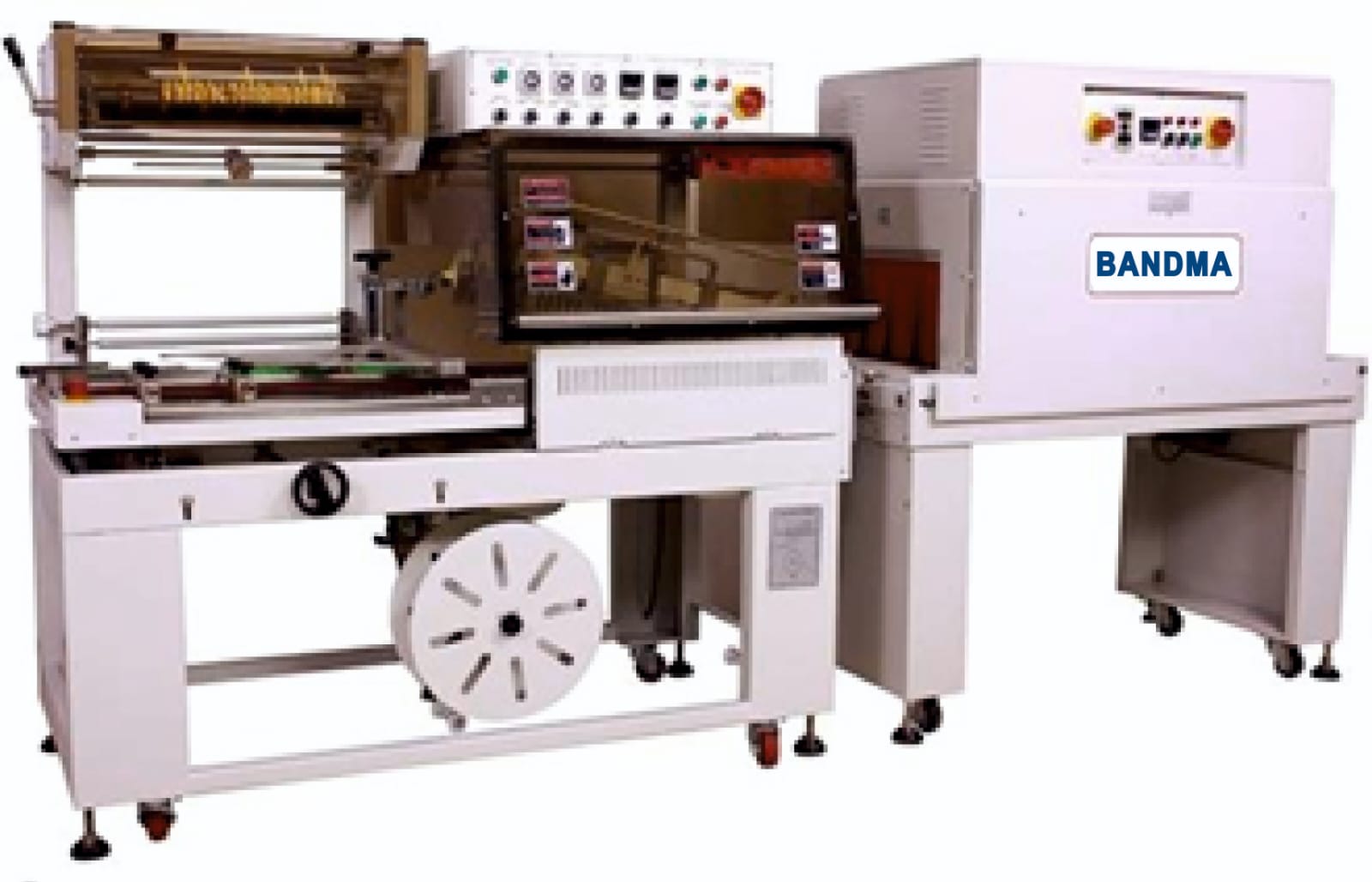
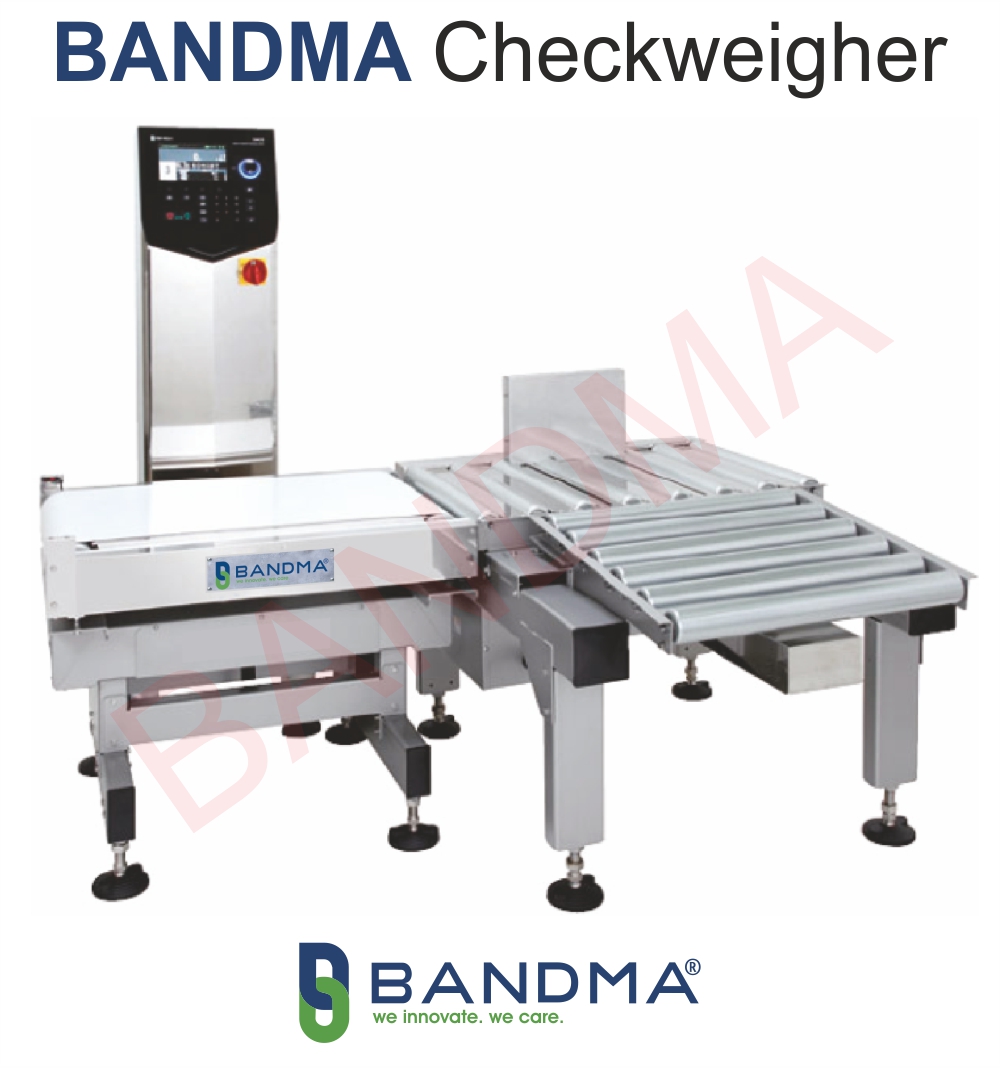
Integrated end-of-line packaging solutions connect multiple processes into a single workflow. Combining conveyors, taping machines, strapping systems, wrapping equipment, and inspection systems creates a balanced packaging line where every stage works together efficiently.
This improves throughput and reduces operational interruptions.
Packaging bottlenecks rarely happen because of one major problem. More often, they are caused by several small inefficiencies that build up over time and slow down the entire operation.
Whether it's manual carton sealing, slow strapping, excessive material handling, inefficient pallet wrapping, or poor line integration, identifying these bottlenecks is the first step toward improving productivity.
By investing in the right packaging automation solutions, manufacturers can increase throughput, reduce labor dependency, improve packaging quality, and keep products moving smoothly from production to dispatch.
In today's competitive manufacturing environment, an efficient packaging line isn't just a support function; it's a critical driver of operational success.