





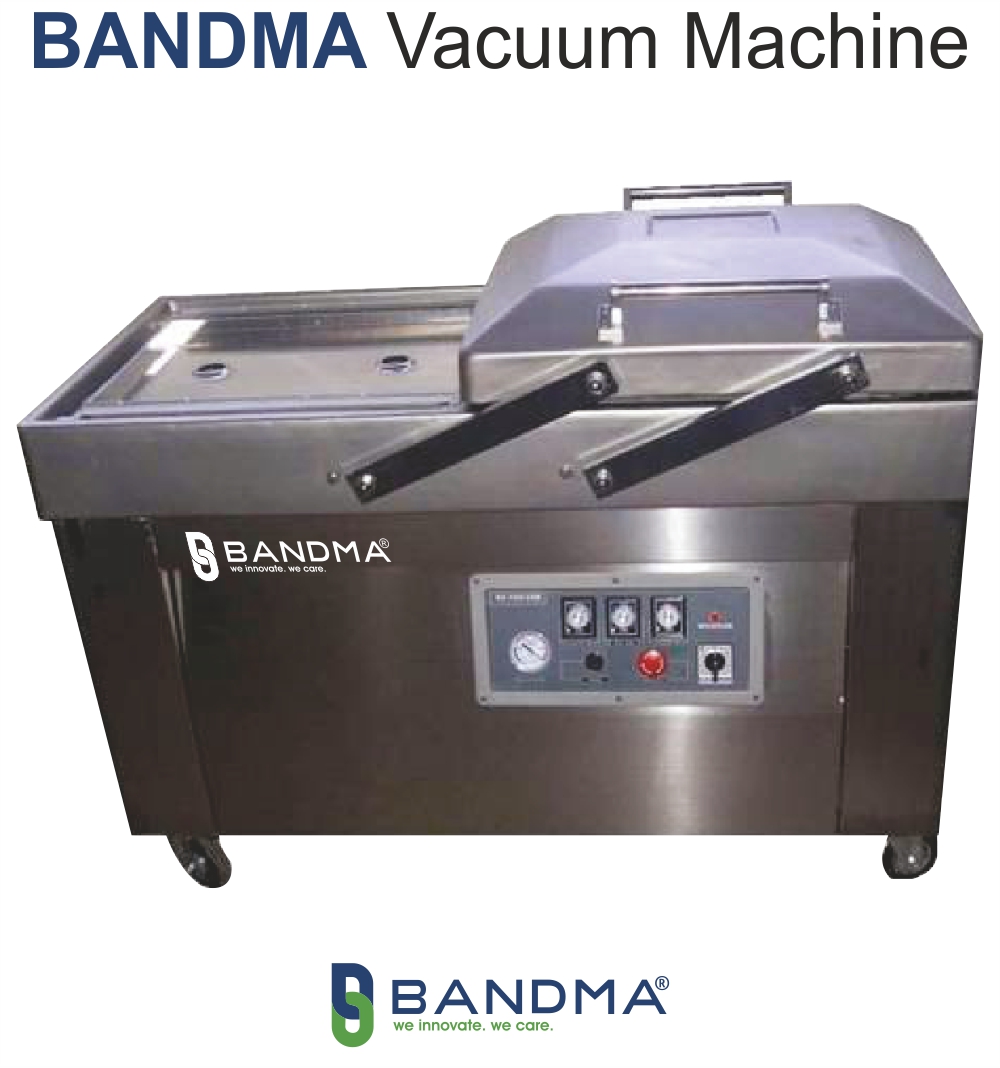
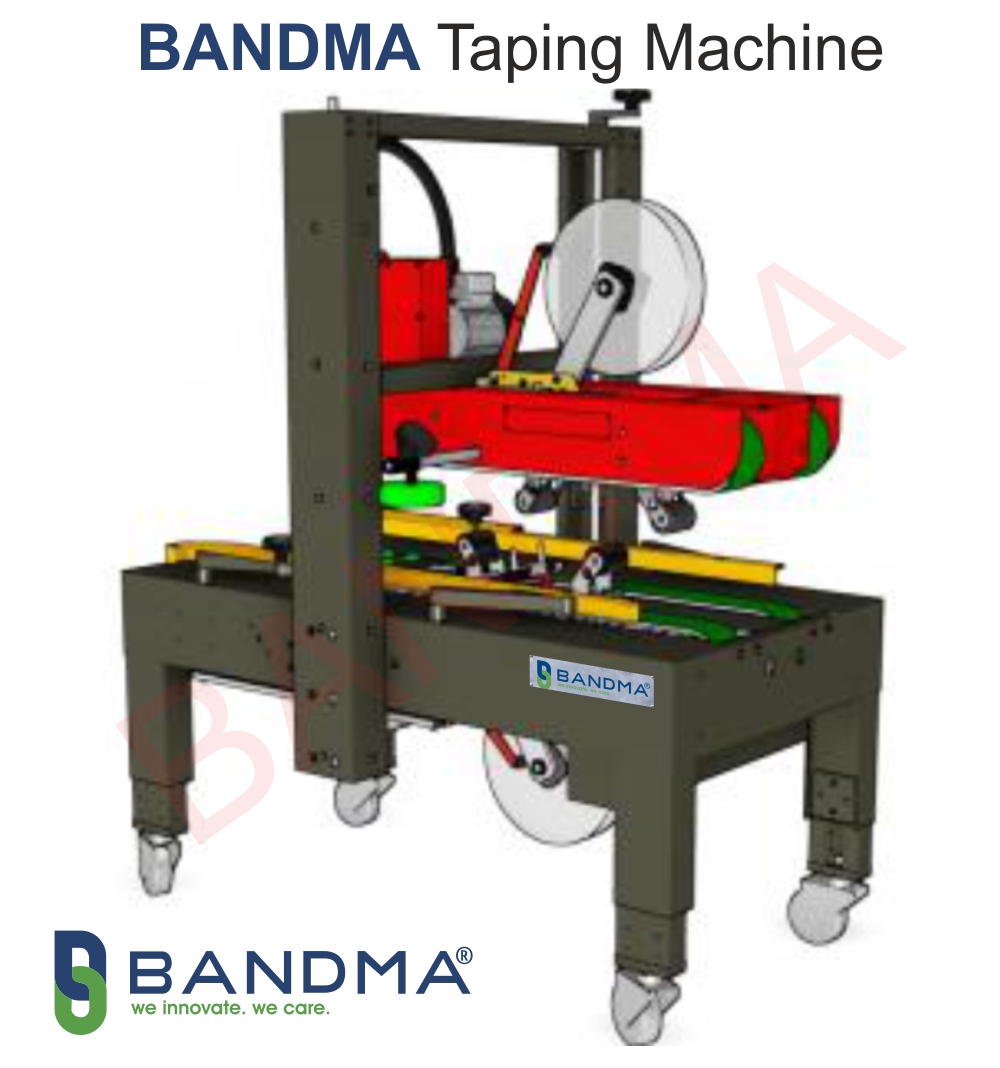

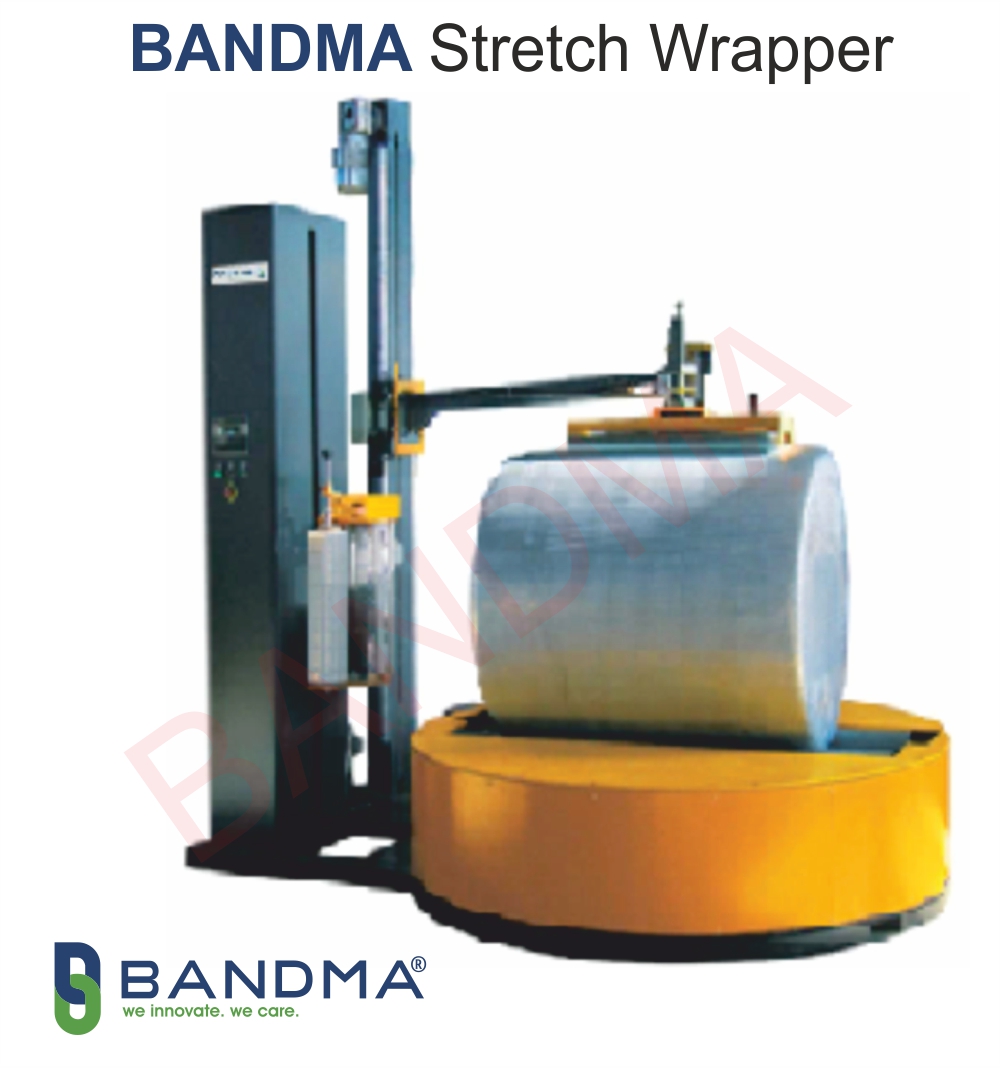


Many businesses focus only on the direct cost of packaging materials when evaluating their packaging process. However, manual packaging comes with several hidden expenses that often go unnoticed. These costs gradually reduce productivity, increase operational expenses, and affect customer satisfaction. As production demand grows, relying on manual packaging can become a major obstacle to business growth.
Packaging automation offers a practical solution by improving efficiency, reducing errors, and lowering long-term operating costs. Understanding these hidden costs can help businesses make informed decisions when planning their packaging operations.
1. High Labour Costs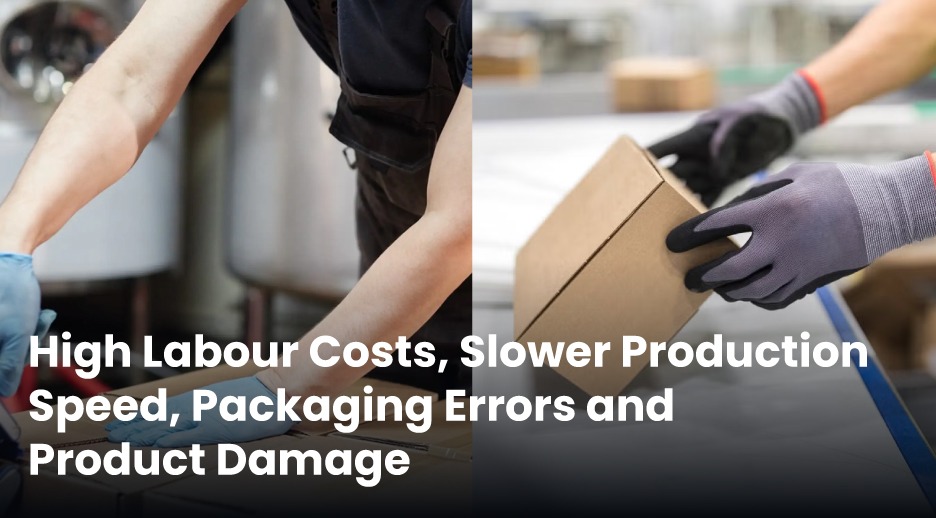
Manual packaging requires a larger workforce to complete daily operations. As production increases, businesses often need to hire additional workers, resulting in higher salaries, overtime payments, training expenses, and employee benefits. Labour shortages can also disrupt production schedules.
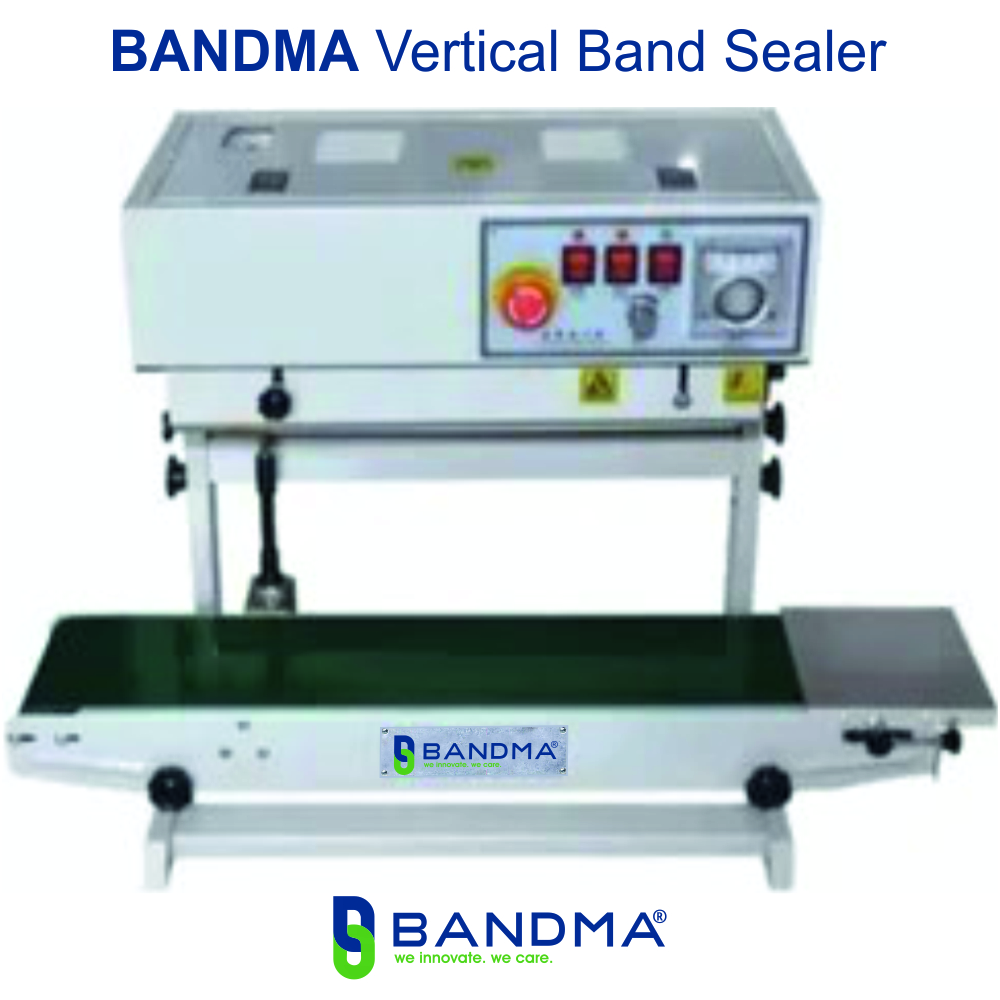
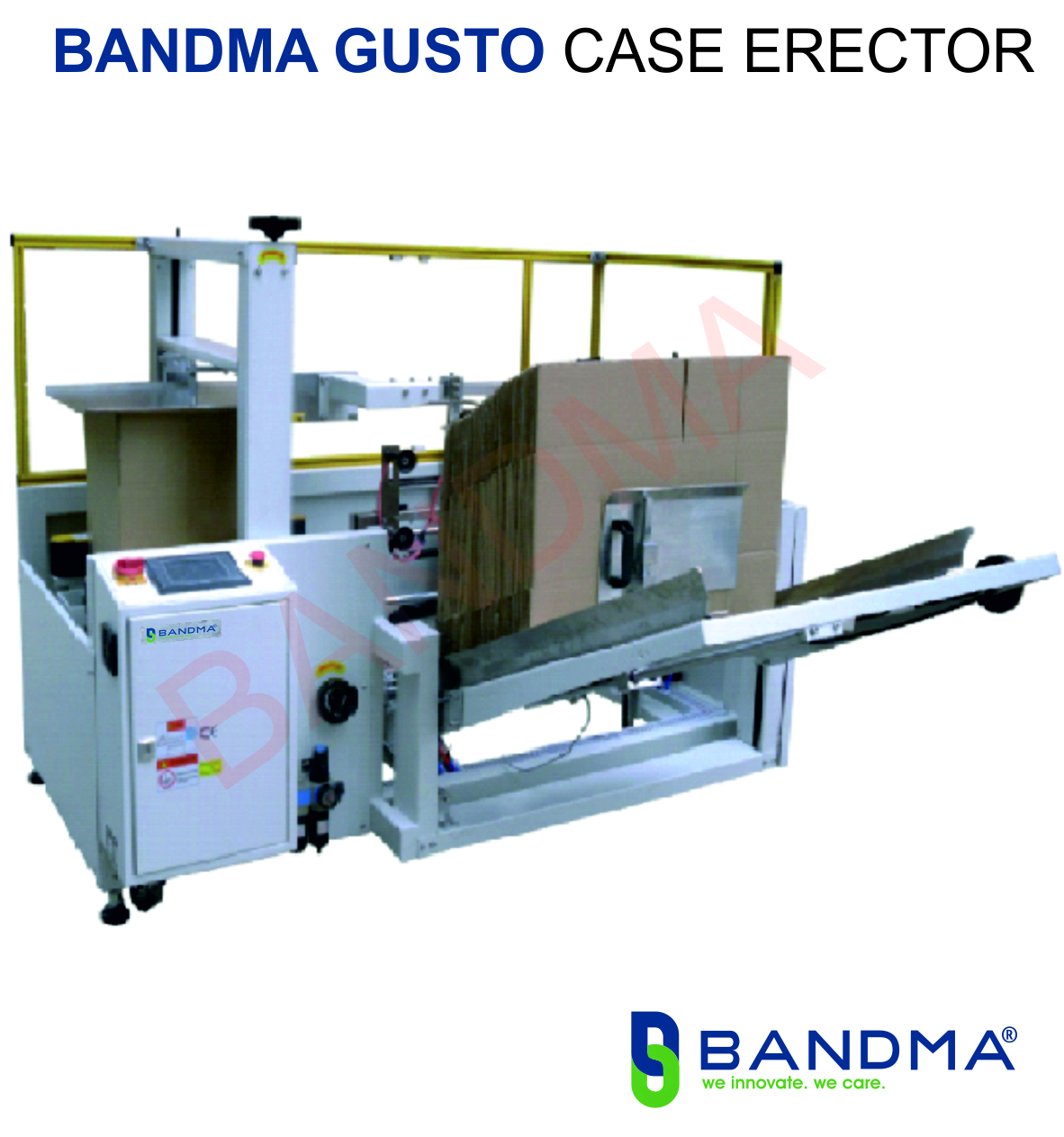
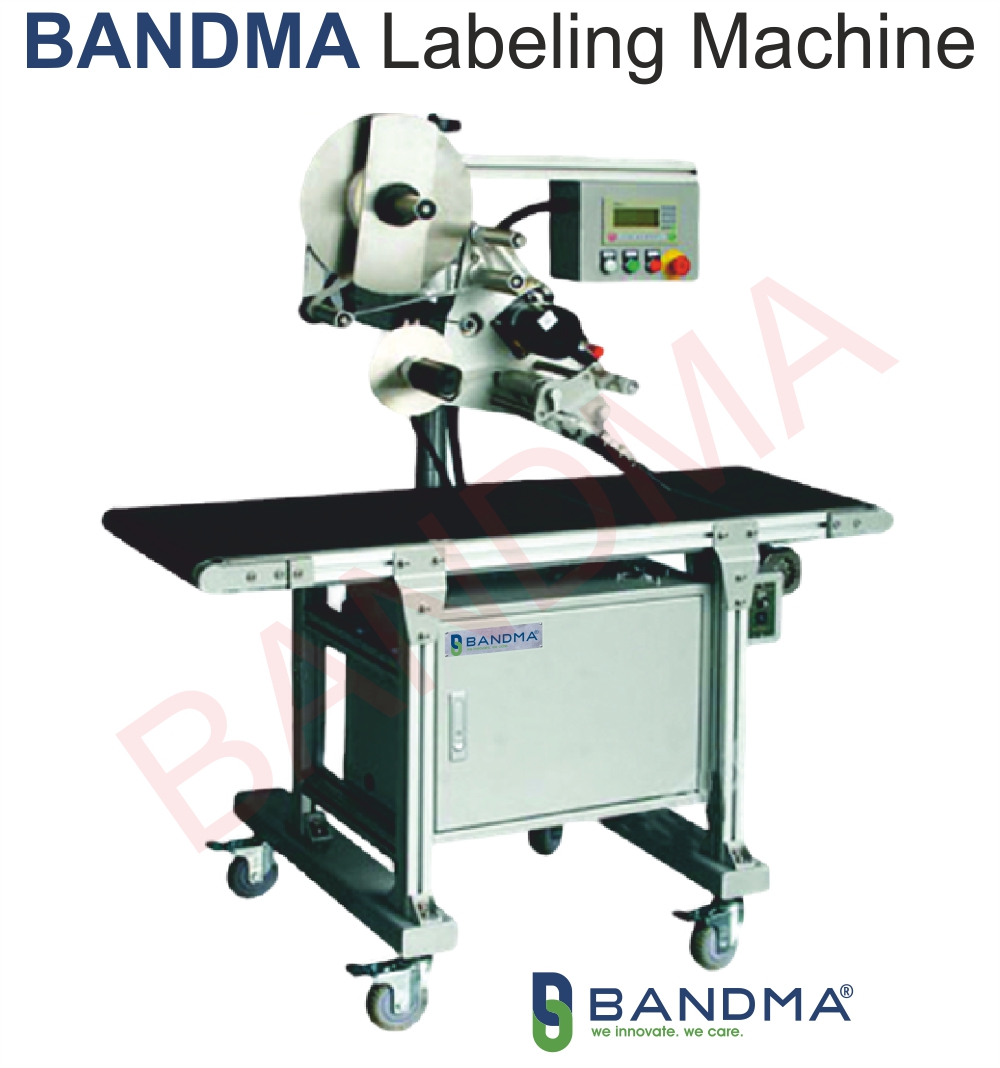
Automated packaging machines reduce dependence on manual labour by performing repetitive tasks quickly and consistently. This allows employees to focus on quality control and other value-added activities.
2. Slower Production Speed
Manual packaging is naturally slower than automated systems. Workers can package only a limited number of products each hour, making it difficult to meet increasing customer demand during peak seasons.
Automated packaging equipment maintains a consistent production speed throughout the day, helping manufacturers increase output without compromising packaging quality.
3. Packaging Errors and Product Damage
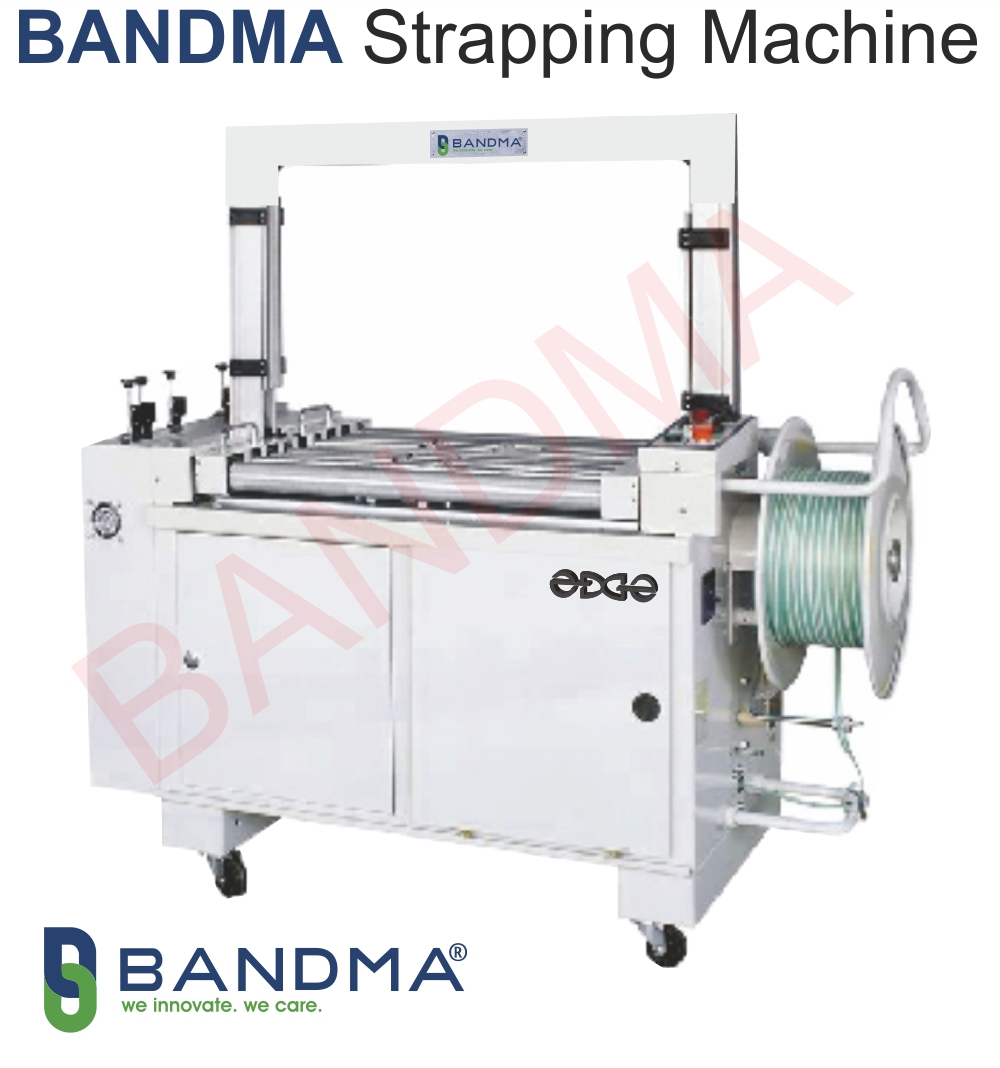
Human error is unavoidable in manual operations. Incorrect strapping, uneven wrapping, loose carton sealing, or damaged packaging can lead to product returns and customer complaints.
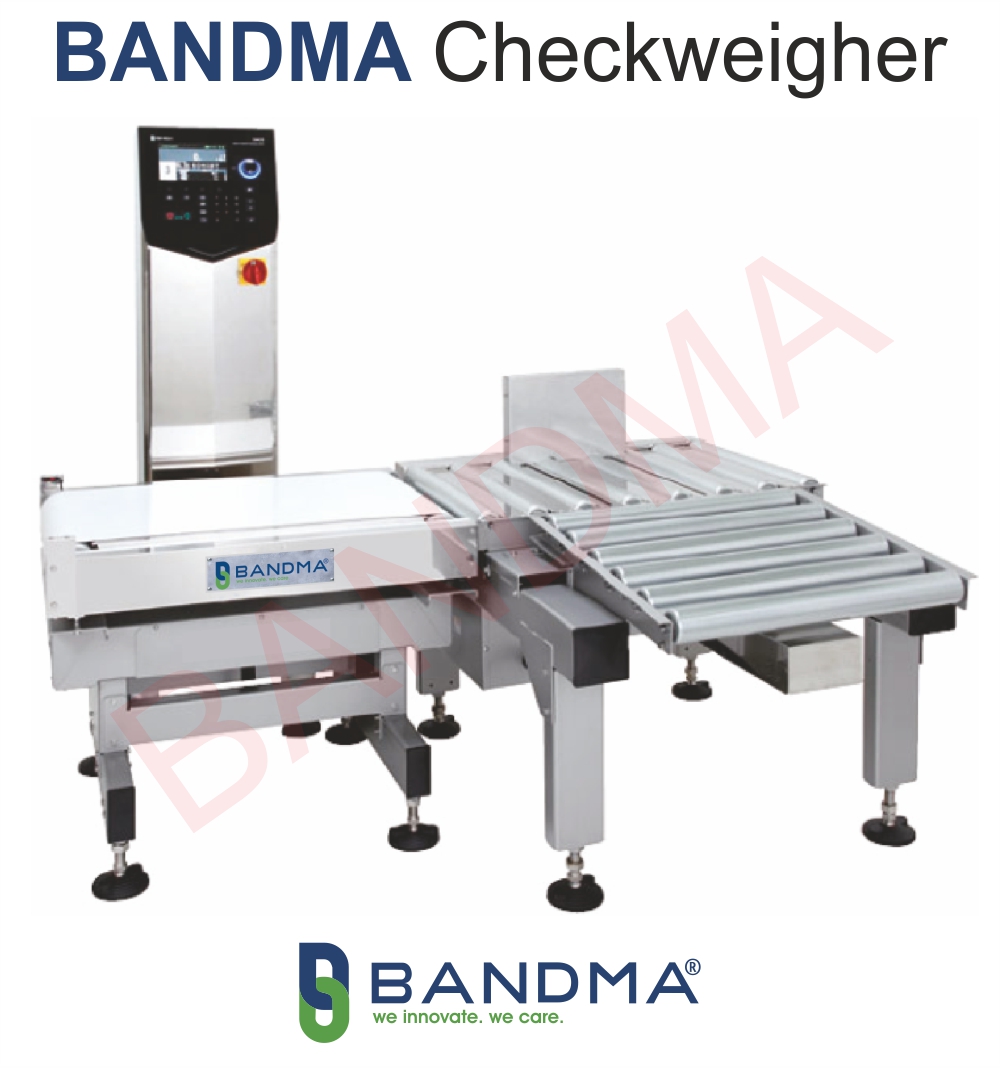
Automation ensures every package follows the same quality standards. Consistent packaging improves product protection during transportation while reducing waste and replacement costs.
4. Material Wastage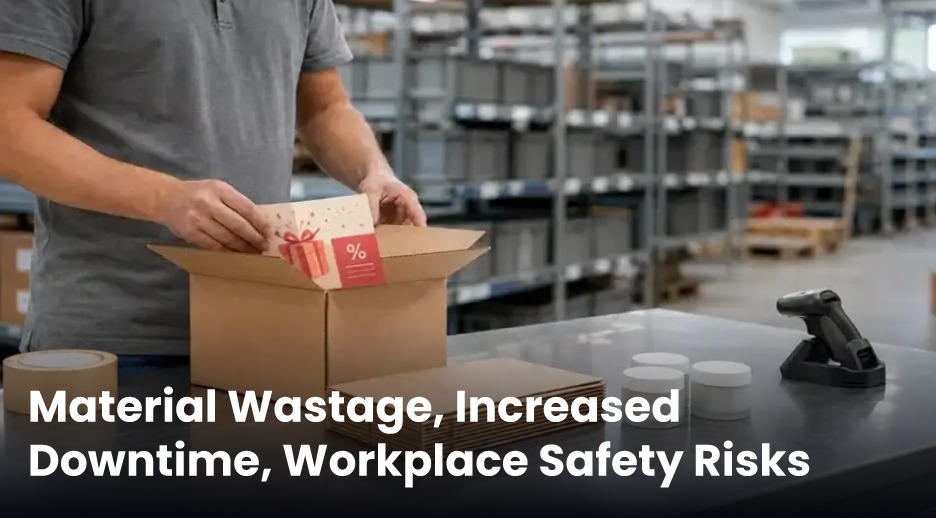
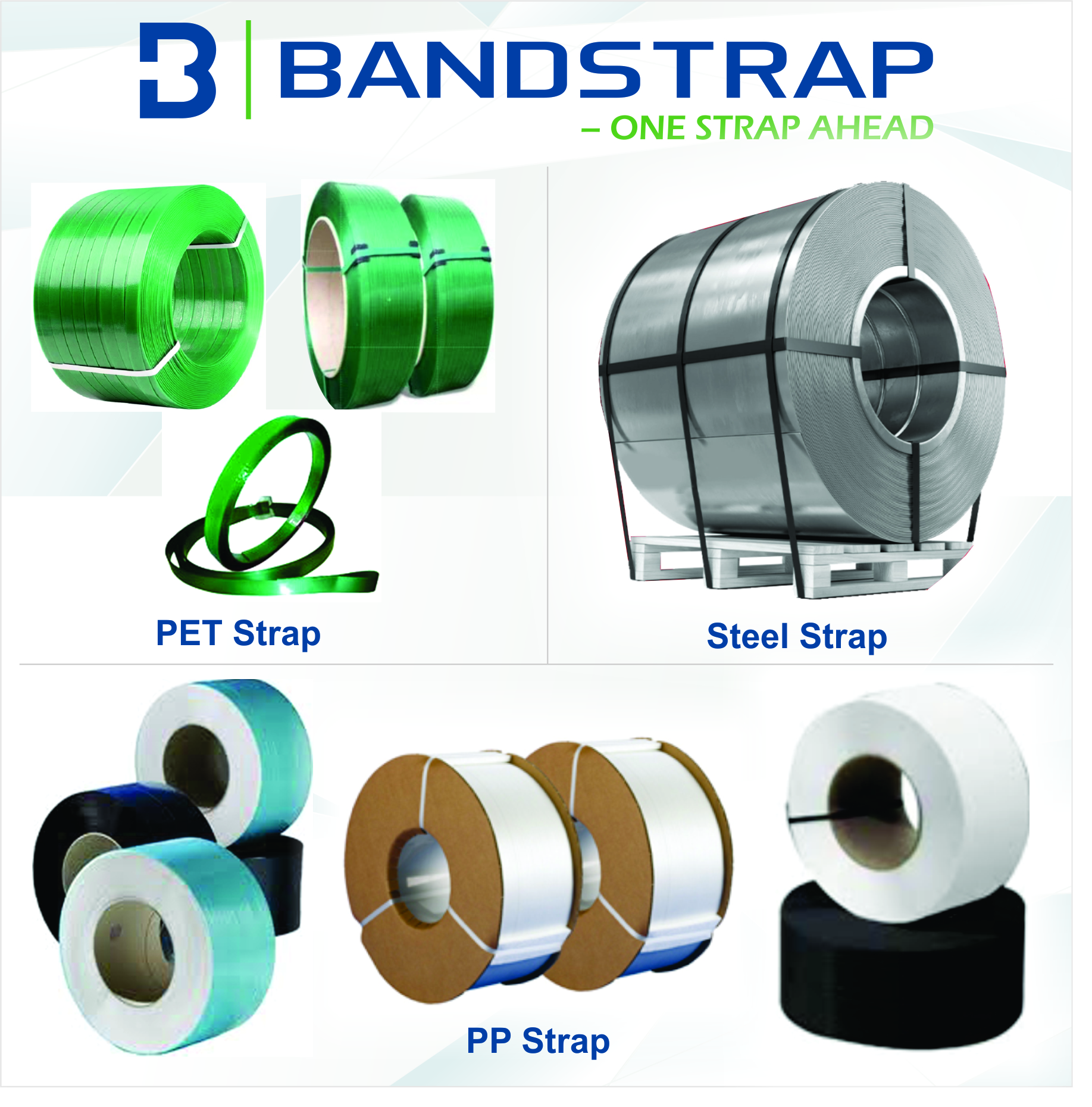
Manual packaging often results in excessive use of stretch film, tape, strapping, and other packaging materials. Small amounts of wastage may seem insignificant, but they add up over thousands of packages every month.
Modern automated machines are designed to use packaging materials efficiently, helping businesses reduce material consumption while maintaining secure packaging.
5. Increased Downtime
Manual operations are more likely to experience delays due to worker fatigue, shift changes, absenteeism, or inconsistent work performance. These interruptions reduce overall production efficiency.
Automated packaging systems operate continuously with minimal interruptions when maintained properly, allowing businesses to achieve higher productivity and better production planning.
6. Workplace Safety Risks
Packaging tasks often involve repetitive lifting, bending, stretching, and handling heavy cartons. These activities increase the risk of workplace injuries, leading to medical expenses, compensation claims, and lost working hours.
Automation minimizes manual handling and creates a safer working environment by reducing physically demanding tasks.
7. Limited Business Growth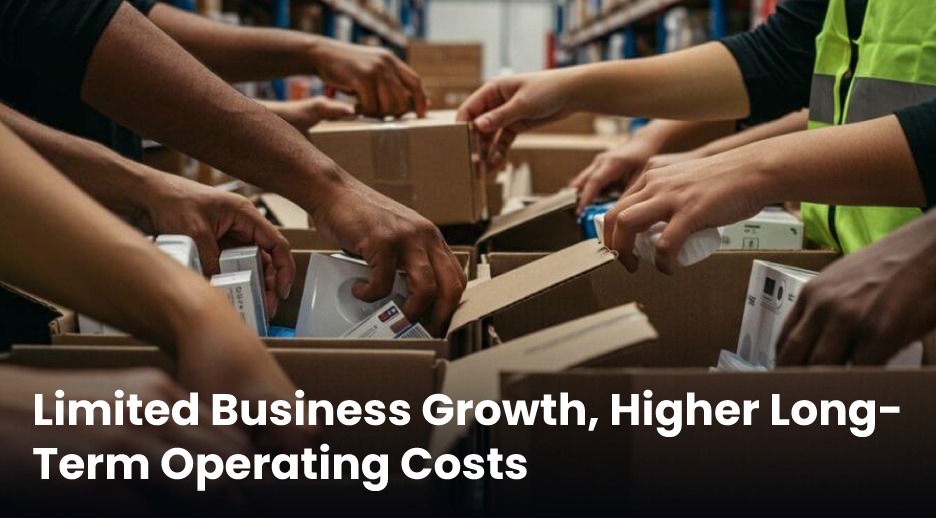
As order volumes increase, manual packaging quickly reaches its capacity. Hiring more workers may temporarily solve the problem, but it also increases operating costs and management challenges.
Automated packaging systems are designed to support business expansion by handling larger production volumes efficiently without requiring significant increases in manpower.
8. Inconsistent Customer Experience
Customers expect products to arrive safely and professionally packaged. Inconsistent packaging can negatively impact brand reputation and reduce customer confidence.
Automation delivers uniform, secure, and professional packaging, helping businesses build trust and improve customer satisfaction across every shipment.
9. Higher Long-Term Operating Costs
Although manual packaging may appear less expensive initially, the ongoing costs of labour, material waste, product damage, delays, and lower productivity often exceed the investment required for automation.
Many businesses discover that automated packaging equipment delivers long-term savings through improved efficiency, reduced waste, and increased operational reliability.
10. Difficulty Meeting Future Demand
Modern industries are becoming more competitive, and customers expect faster deliveries with consistent quality. Businesses relying solely on manual packaging may struggle to meet these expectations as demand continues to grow.
Packaging automation provides the flexibility needed to handle higher production volumes while maintaining quality and delivery performance.
Conclusion
The hidden costs of manual packaging extend far beyond wages. Labour expenses, production delays, material waste, product damage, safety concerns, and inconsistent packaging all affect business profitability over time. Investing in packaging automation helps manufacturers improve productivity, reduce operating costs, enhance workplace safety, and deliver a better customer experience.
For businesses looking to scale operations efficiently, adopting automated packaging solutions is not just a technology upgrade; it is a strategic investment that supports sustainable growth and long-term success.